
-
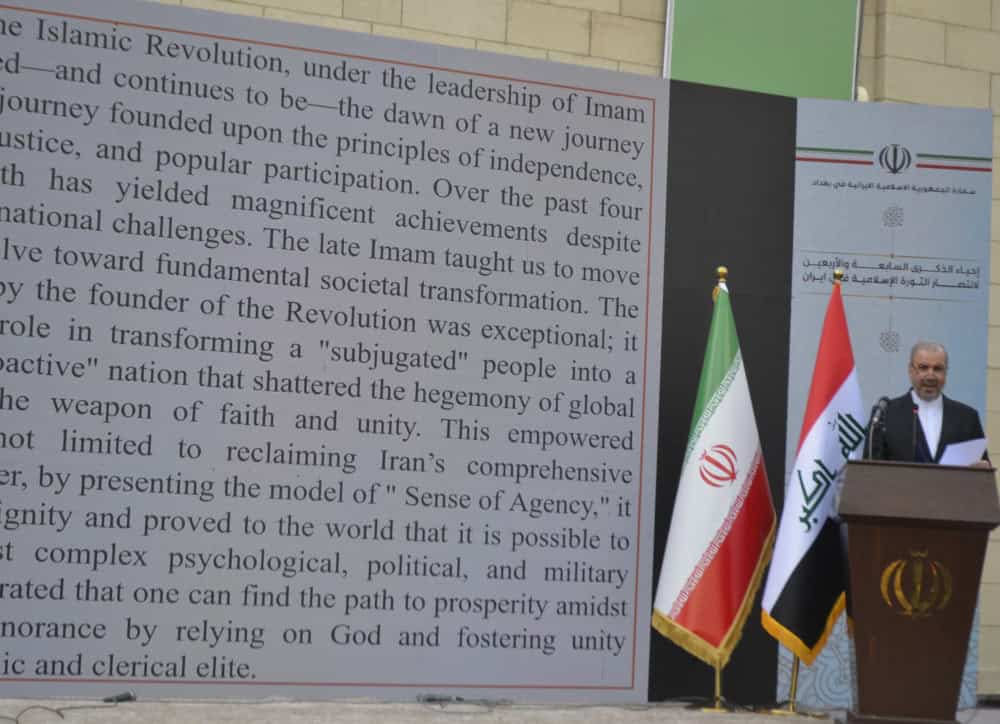
Iran says it has agreement with Iraq to expel Kurdish Iranian opposition groups
Iran’s ambassador to Iraq claimed on October 20 that Iraq has agreed to expel Iranian Kurdish opposition groups based in the Kurdistan Region. The announcement came amid increased Iranian attacks on these groups and as the Kurdistan Workers’ Party withdraws from positions in northern Iraq as part of a peace process with Turkey. An Iraqi source disputes Tehran’s claim that an expulsion agreement has been reached.
-
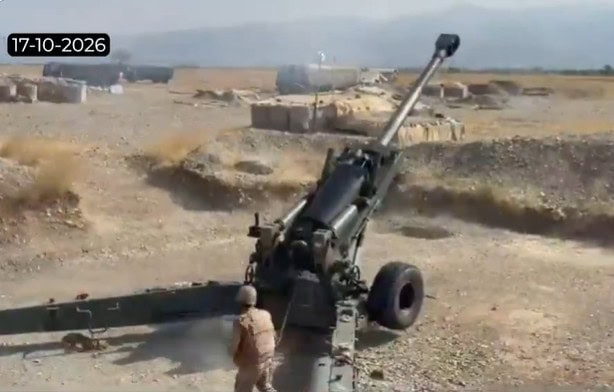
Pakistan-Taliban border clashes continue amid diplomatic efforts
Pakistani forces and the Taliban exchanged heavy fire along the border as Russia, the European, and China pressed for dialogue and action against terrorist groups operating from Afghanistan.
-
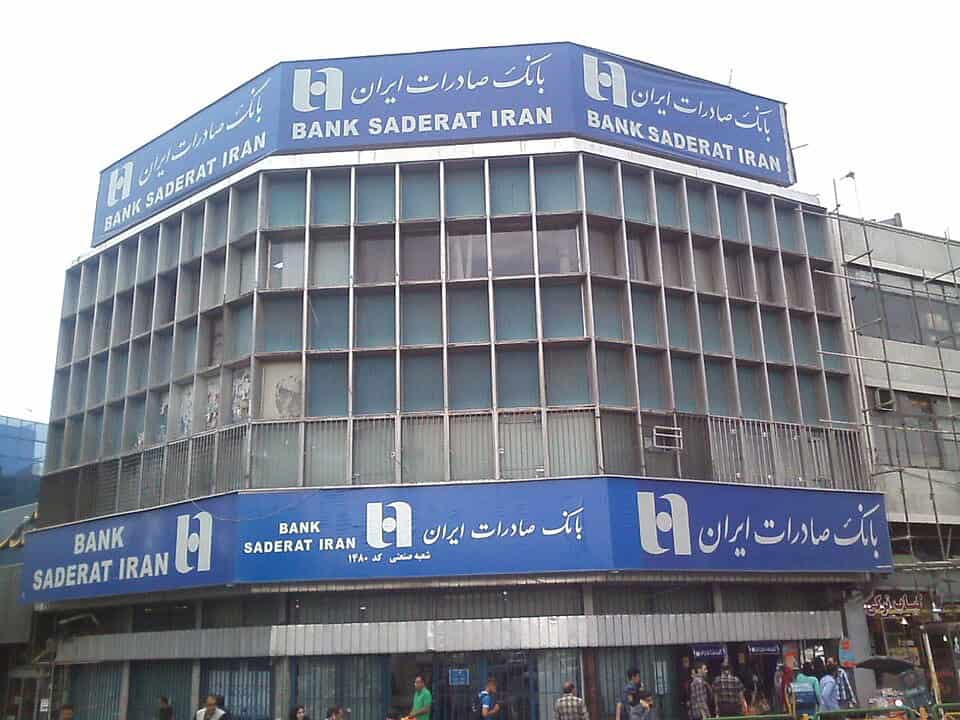
Lebanon revokes Iranian bank’s license amid US pressure over Hezbollah financing
Lebanon has revoked Bank Saderat Iran’s operating license amid US pressure to disrupt Hezbollah’s financial networks. The bank has a documented history of channeling Iranian funds to Hezbollah, but whether Lebanese authorities have closed its branches or initiated liquidation proceedings remains unclear.
-
Hezbollah accuses Lebanese police of violating security coordination procedure after supporters reportedly obstruct raid
Armed men identifying themselves as Hezbollah supporters reportedly surrounded Lebanese security personnel conducting an October 16 raid on a pharmaceutical warehouse near Beirut’s southern suburbs. Hezbollah subsequently claimed the officers had violated an agreed security coordination procedure with the group.
-

Profile: Hezbollah’s new liaison to the Lebanese state and society
Hussain al Abdallah, the new chief of Hezbollah’s Liaison and Coordination Unit who succeeded Wafiq Safa, reportedly sought the return of explosives seized by Lebanese security forces in early October. Abdallah’s career spans more than two decades in Hezbollah’s southern security apparatus.
-
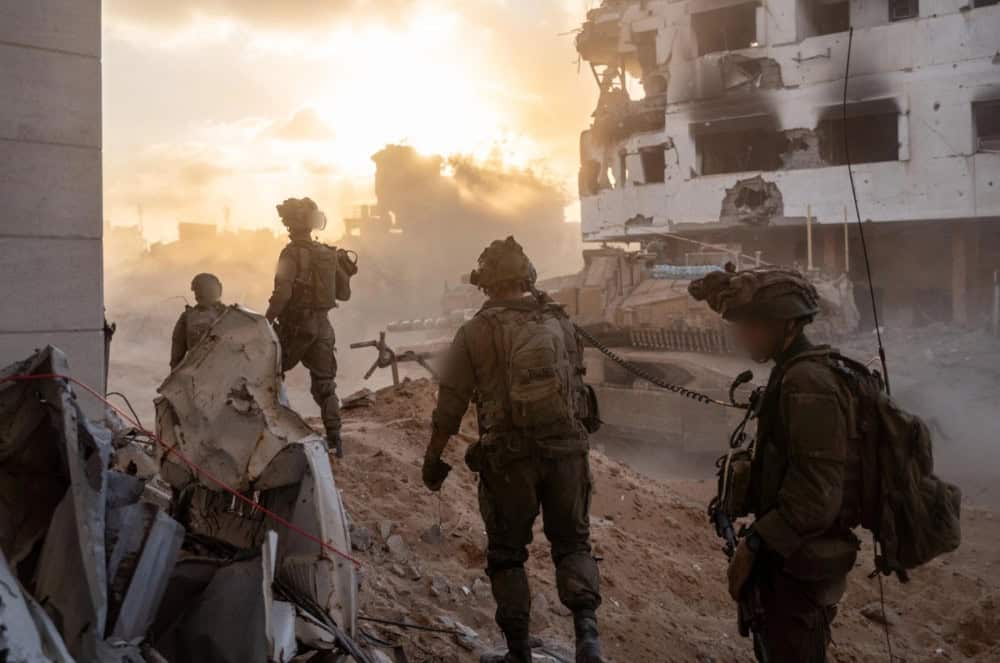
Israel reportedly blocks Board of Peace base in Gaza, IDF reports 31 ceasefire violations October 1–15
Efforts to implement the US-backed Board of Peace’s plans for Gaza remain stalled on the ground, with a first military facility still unbuilt, but preparations for Hamas’s disarmament and international reconstruction cooperation are moving forward. Meanwhile, Hamas maintains its grip on Gaza’s civilian administration and commercial activity, despite its July declaration that it was relinquishing…
-
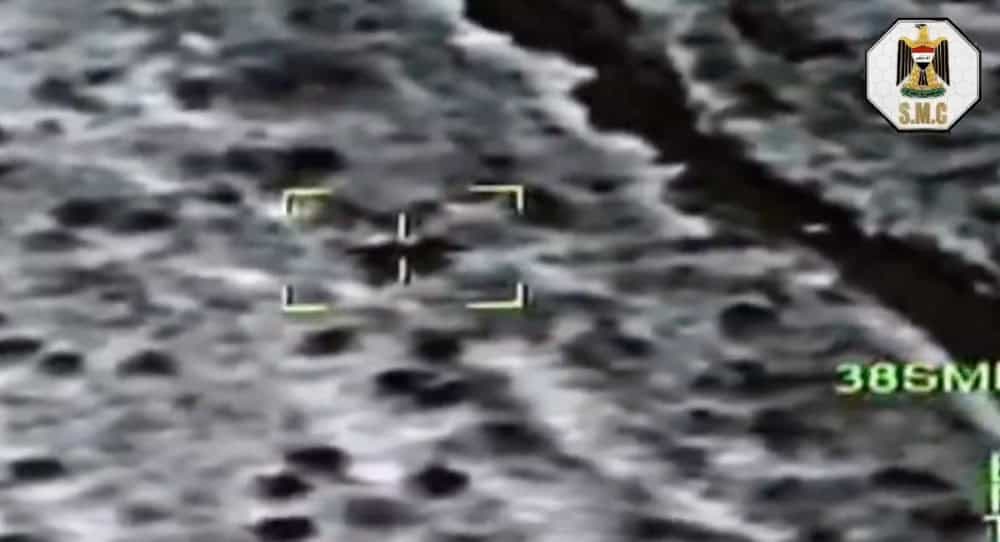
Iraqi commander killed by Islamic State following Iraqi airstrikes against the group
An Iraqi brigadier general and two other military personnel were killed by an explosive device linked to the Islamic State near Kirkuk on October 14, a day after Iraqi F-16s carried out airstrikes against Islamic State positions in the area. The incident underscores the continued threat posed by the remnants of the jihadist group in…
-
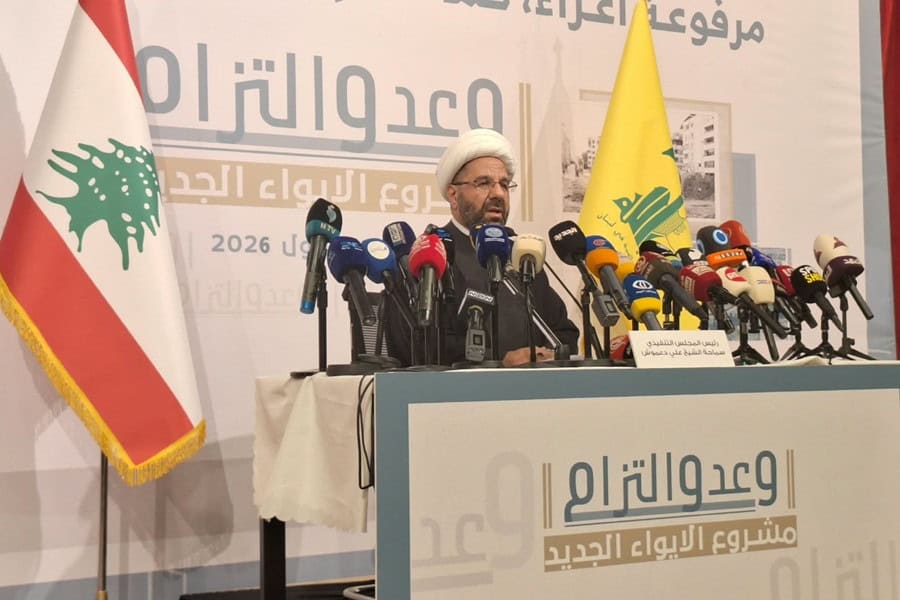
Hezbollah announces ‘Promise and Commitment’ housing and reconstruction program
Hezbollah announced a new housing-assistance program for Lebanese families displaced by the wars with Israel, even as earlier compensation payments remain outstanding and questions persist over the group’s financing. Separately, Lebanese Prime Minister Nawaf Salam met with Hezbollah and Amal lawmakers to discuss government-funded reconstruction projects in southern Lebanon and Beirut’s southern suburbs.
-

Shipshow: The world’s waterways are at war
The world’s most critical shipping lanes are becoming battlegrounds as Iran targets commercial vessels in the Strait of Hormuz, the Houthis threaten shipping through the Bab al Mandab, and Russia and Ukraine wage an escalating maritime war in the Black Sea. Bill Roggio is joined by Dr. Sal Mercogliano to discuss how these conflicts are…
-
Lebanese security forces seize explosives shipment reportedly bound for Hezbollah in Beirut
Lebanese security forces intercepted a shipment containing nearly 800 kilograms of explosives reportedly destined for Hezbollah in Beirut. Authorities arrested two men and are investigating the shipment’s origins and intended use. Hezbollah has reportedly demanded the explosives’ return, testing the government’s prohibition on the group’s military activities.
-
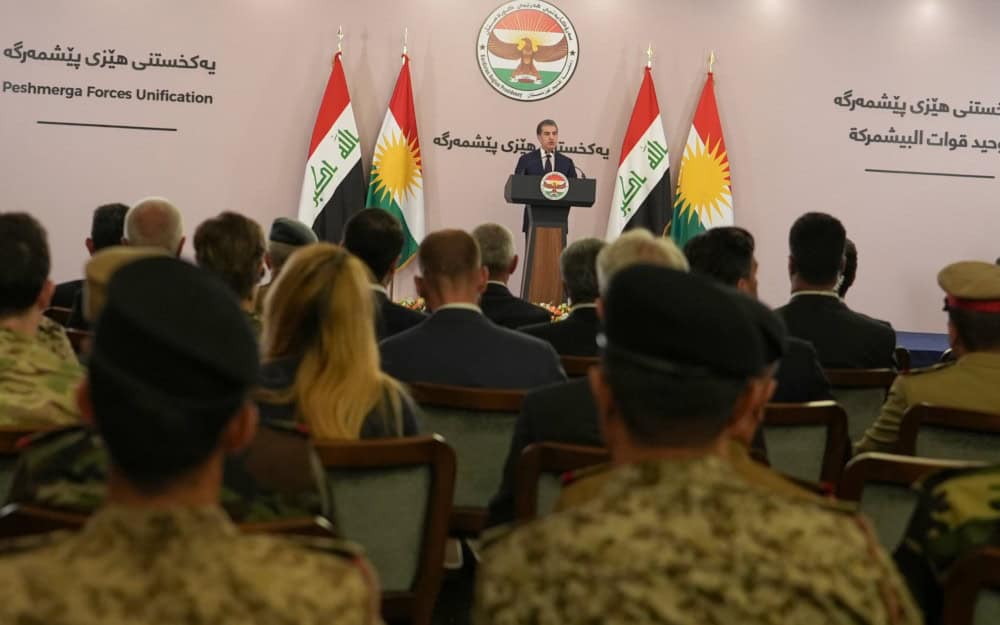
Iran targets Kurdish opposition groups in Iraq with new round of drone attacks
Iran launched a new round of drone attacks against Iranian Kurdish opposition groups in northern Iraq, including a strike on a Democratic Party of Iranian Kurdistan camp near Koya on October 12. As Iranian pressure mounts and concerns grow following the US military’s withdrawal from Iraq, Kurdish opposition groups have pledged not to use Iraqi…
All Articles
-
Shabaab spokesman congratulates JNIM, denounces Western powers in Eid message
During his message for Eid al Adha, Ali Mohamad Rage, Shabaab’s top spokesman, congratulated the Group for Support of Islam and Muslims (JNIM), Al Qaeda’s branch in West Africa, for its recent victories in Mali. Rage also praised Al Qaeda in the Arabian Peninsula and denounced American and Turkish activities in Somalia.

-
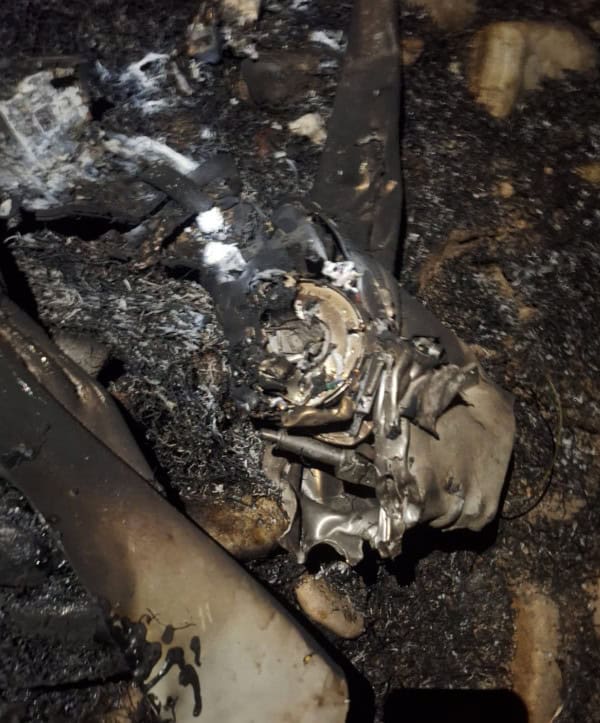
Iran conducts new attacks on Kurdish opposition groups in northern Iraq
The Kurdistan Freedom Party (PAK) said Iranian drones and a missile struck one of its facilities near Erbil on May 25, wounding nine Peshmerga, while other camps were reportedly also targeted in recent weeks. Kurdish Iranian opposition groups, operating from Iraq’s Kurdistan Region for decades, formed a coalition to coordinate activities in February. The attacks come as Iraq’s new government seeks to curb armed groups and address regional security concerns.
-
Generation Jihad | POV: FPV (or: “The Anarchist Cookbook of war”)
Hezbollah’s missiles may be depleted, but cheap FPV drones are changing the battlefield — slipping past defenses, targeting Israeli troops, and exposing a dangerous new vulnerability. Bill Roggio and David Daoud unpack Hezbollah’s drone evolution, the psychological warfare behind the footage, and why Israel may be drifting back toward the failed security zone dynamics of the past.
-
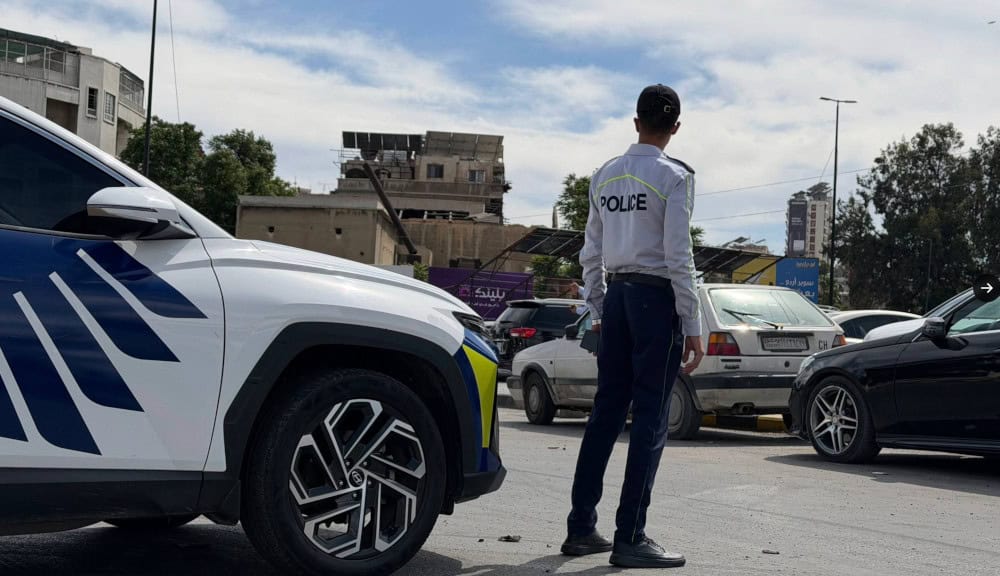
Amid security threats, Syria attempts to cement stability, international ties
A car bombing in central Damascus on May 19 killed one soldier and wounded civilians, as Syrian forces conducted raids against suspected militants in Deir Ez Zor. Damascus is also advancing reconciliation efforts with Kurdish groups and pursuing international diplomatic engagement.
-
Generation Jihad | Dune: the Brotherhood jihad
Before Hamas. Before Al Qaeda. Before the Islamic State. There was… the Muslim Brotherhood. And for nearly a century, it has played the long game by building influence across the Middle East and even deep inside the West. Bill Roggio is joined Edmund Fitton-Brown to discuss.
-
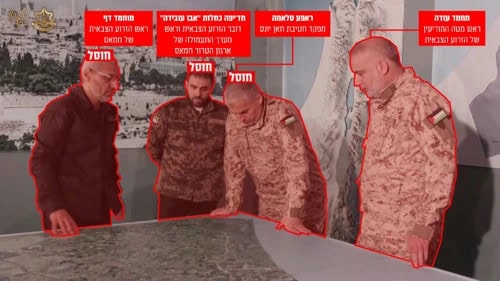
Hamas replaces military wing leader, IDF reports 19 Gaza ceasefire violations May 6–20
After the elimination of Al Qassam Brigades leader Izz al Din al Haddad on May 15, Hamas has reportedly turned to longtime senior member Mohammed Odeh to take the reins of the group’s military wing. As Hamas reportedly rearms and reconstitutes its strength, the IDF reports that its members and other Palestinian terrorists have continued to violate the ceasefire in Gaza.
-
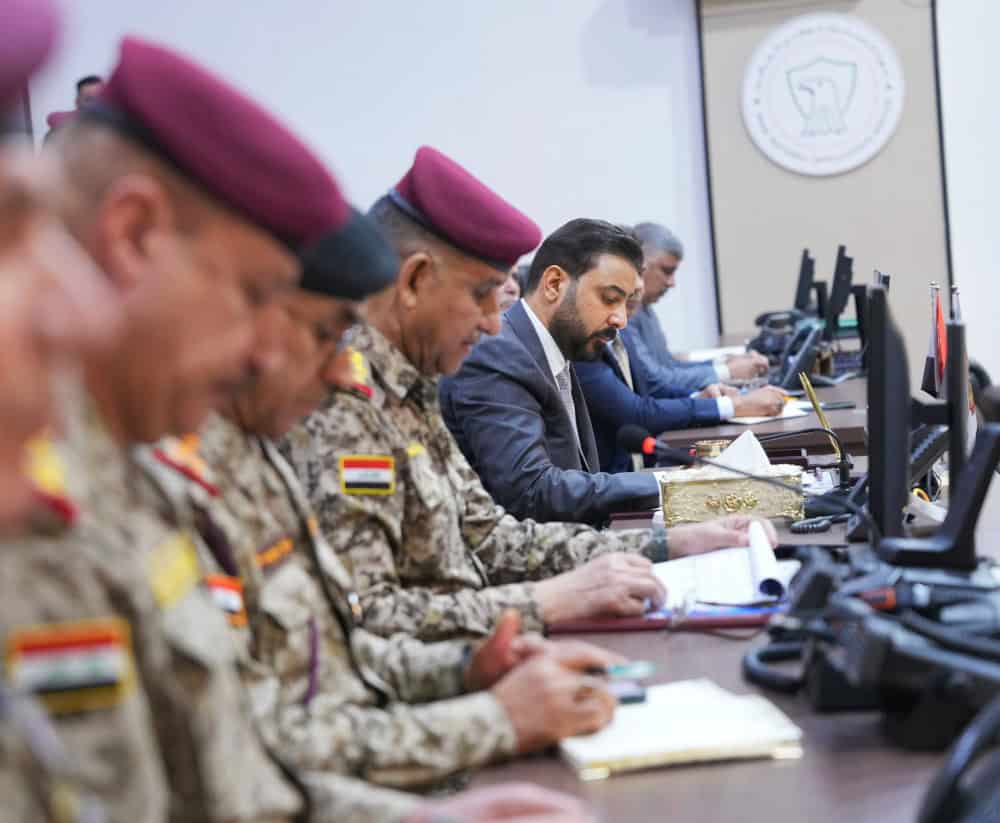
Saudi Arabia and UAE say drone attacks were launched from Iraq
Saudi Arabia and the United Arab Emirates said that recent drone attacks targeting their territory originated from Iraq, increasing pressure on Baghdad to address the activities of Iranian-backed militias operating inside the country. The incidents come amid continued regional tensions involving Iran and have intensified scrutiny of Iraq’s newly formed government.
-
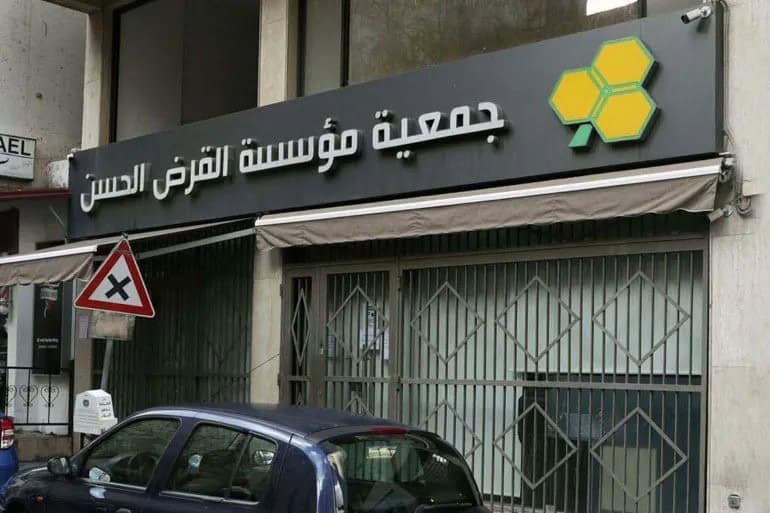
UAE sanctions Hezbollah-linked financial network, reflecting US designations
The UAE’s designation of 16 Hezbollah-linked individuals and five affiliated organizations mirrors prior US Treasury sanctions targeting the broader web of financial, accounting, and institutional entities connected to Hezbollah’s economic ecosystem.
-
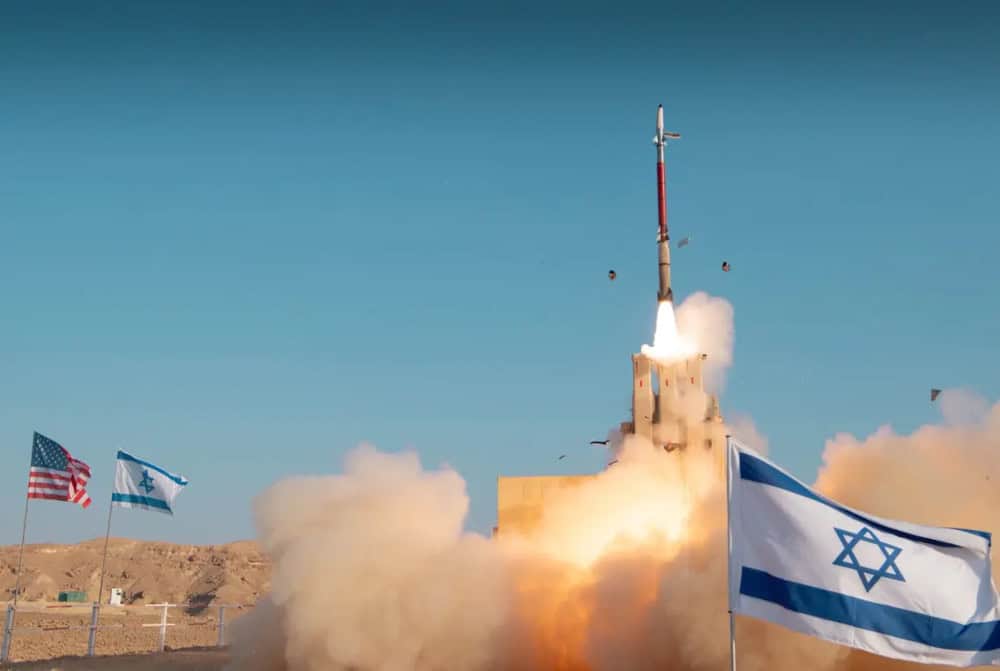
Analysis: Netanyahu pushes for US military aid drawdown
Israeli Prime Minister Benjamin Netanyahu continues to promote a plan to move his country away from American foreign military financing, but that comes at a time when Israel’s military requirements are increasing, and it is already spending an extraordinary percentage of gross domestic product on defense.
-
US, Nigerian forces kill senior Islamic State leader
The US military, “in coordination with the Armed Forces of Nigeria,” killed Abu Bilal al Minuki and several other senior Islamic State leaders in an operation in northeastern Nigeria. President Trump and US Africa Command described Minuki as the Islamic State’s second in command and director of global operations.

-
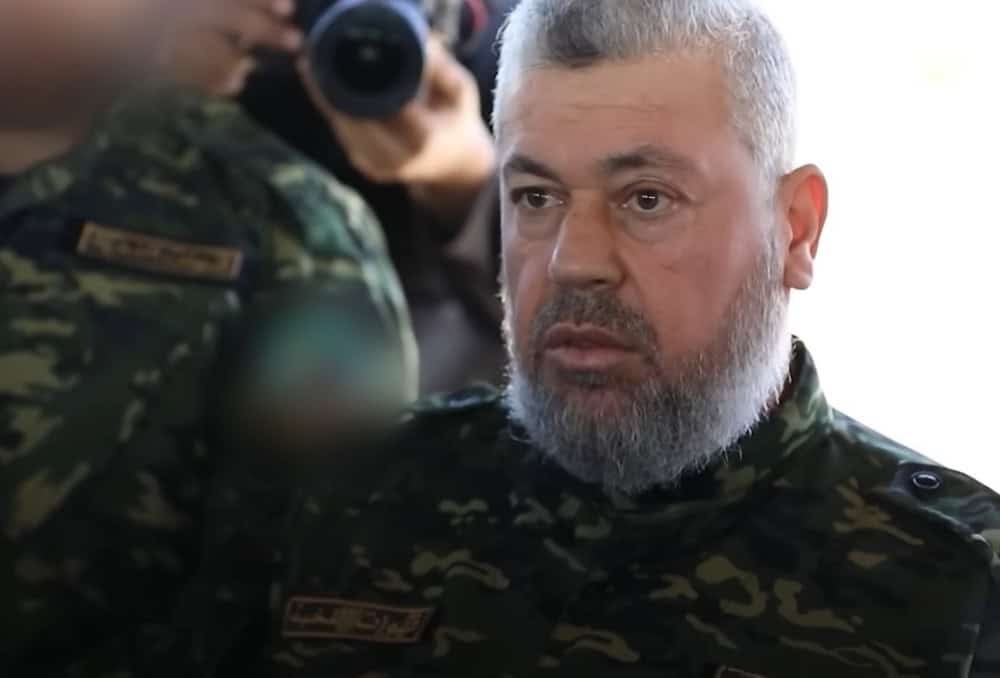
Hamas commander Izz al Din al Haddad targeted in Israeli airstrike
The Israeli military attacked an apartment in Gaza City, targeting Izz al Din al Haddad, Hamas’s leader in Gaza. Al Haddad is one of the last remaining senior members of Hamas who were responsible for the October 7 attack.
-
Iraq forms new government with only 14 of 23 ministers
Iraq’s parliament approved the new government six months after parliamentary elections in November 2025. Ali al Zaidi is now the prime minister, but key ministries remain unfilled amid disagreements between Tehran and Washington and their partners over the government’s formation.

-
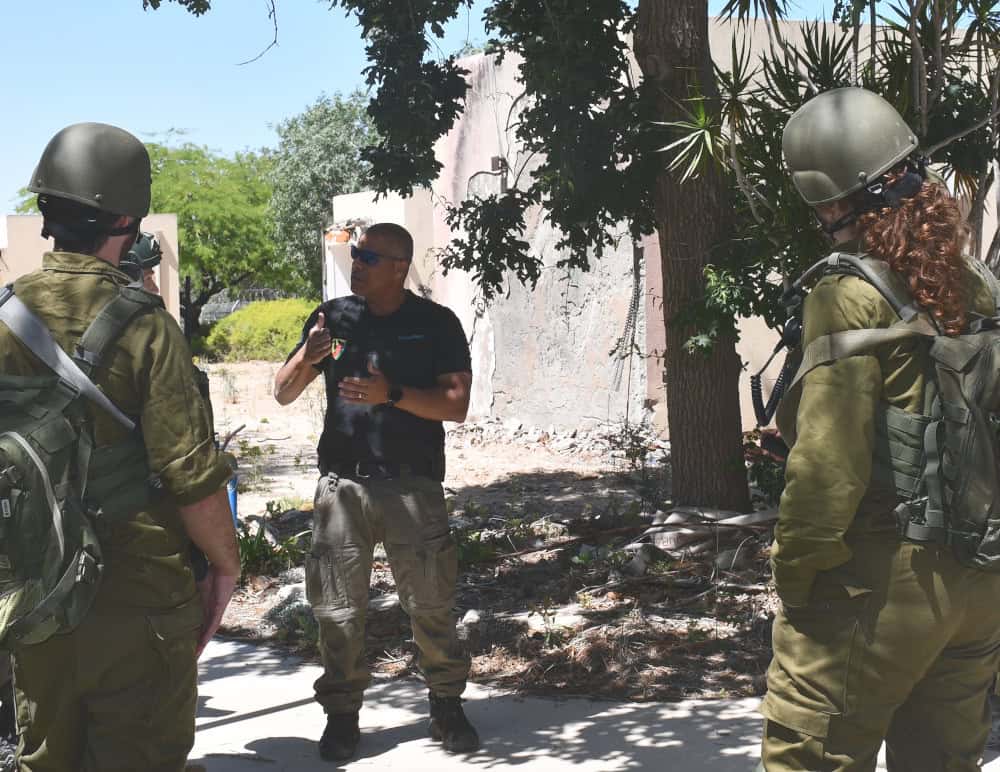
Israel trains new civilian security squads for 67 Gaza border communities
Israel is expanding civilian security preparedness in communities near the Gaza border through a new training program led by Magen 48, a non-profit civilian-led initiative, in cooperation with the Israel Defense Forces. The program, created after the October 7 Hamas attack, trains local volunteer armed response teams in tactics, medical support, and community defense.
-
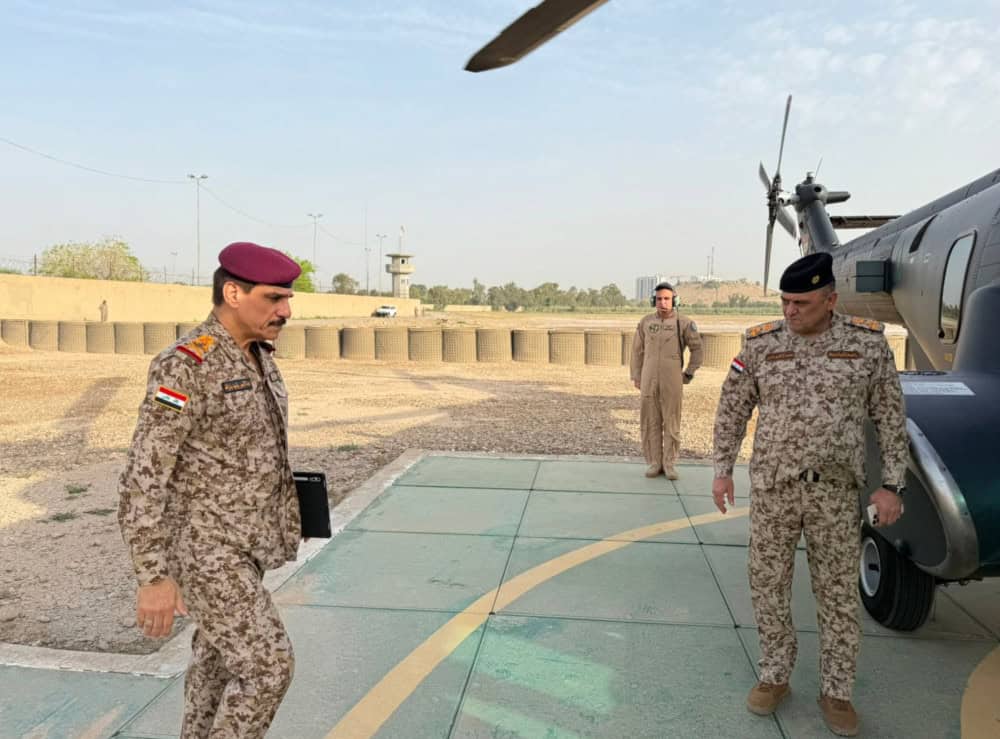
Iraqi security forces and politicians react to reports of ‘secret’ Israeli base
A report alleging that Israel operated a secret military base in Iraq’s Najaf desert has sparked controversy and conflicting statements among Iraqi politicians and security forces. The report emerged amid sensitive political negotiations in Baghdad and broader tensions involving Iran-backed militias, Israel, the United States, and Iran.
-
3 October 7 perpetrators identified with facial recognition software
Open-source information and commercially available facial recognition tools have identified three suspects— Amjad Qadoum, Yasir Samir, and Mustafa Shaheen—who were involved in the October 7 Hamas-led massacre in southern Israel. Facial recognition tools and social media exploitation can yield verifiable identity data from the extensive footage recorded by the terrorists’ own devices.

-
Generation Jihad | Iran’s nukes: Degraded but not dead
Iran’s nuclear program is in ruins, but the threat is far from dead. Deputy Director of FDD’s Non-Proliferation Program Andrea Stricker and Bill Roggio dive into the desperate gamble Tehran is making at the negotiating table with the US — and the terrifying chemical contingency they might be holding in reserve.
-
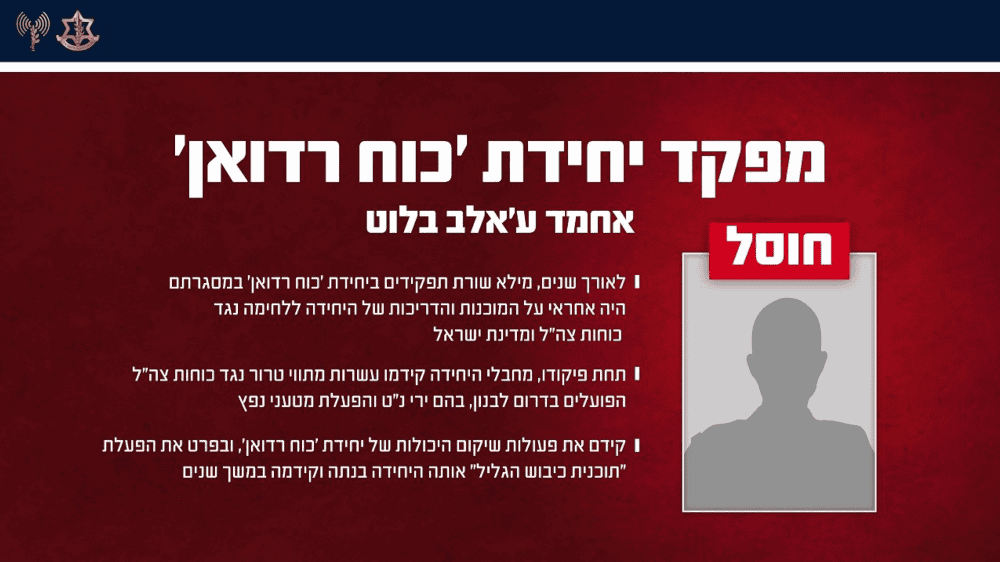
Israel assassinates commander of Hezbollah Radwan Force
On May 6, Israel conducted its first strike in the greater Beirut metropolitan area since the onset of a ceasefire on April 16. The strike targeted an apartment building in Dahiyeh, and one of the alleged fatalities was Ahmad Ghaleb Ballout, whom Israel claimed was the newest leader of Hezbollah’s Radwan Force commando unit.
-
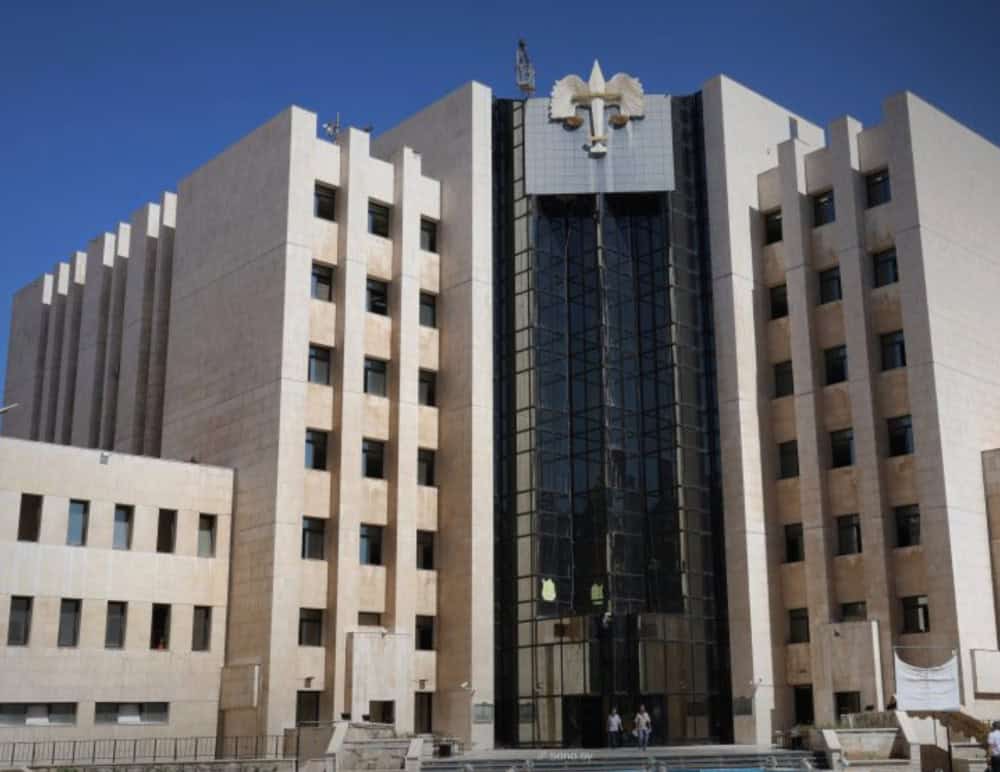
Protests in Syria’s Kurdish region highlight demand for rights
Protests erupted in Hasaka in eastern Syria after authorities replaced Kurdish and Arabic on a government billboard with English and Arabic, angering local residents. The incident reflects broader tensions as Damascus seeks to reassert control over eastern Syria following agreements with the Kurdish-led Syrian Democratic Forces.
-
Analysis: Russian security assistance is creating problems on the Korean Peninsula
North Korea has launched dozens of missiles since the start of 2026. The regime is displaying increasingly lethal long-range fires capabilities that have been enabled, in no small part, by Russian security assistance.

-
Generation Jihad | Gridlock at the Strait
The world’s most vital trade artery is under siege. As the US launches “Project Freedom” to break the Iranian blockade of the Strait of Hormuz, global shipping remains in a chokehold. This week, Bill Roggio sits down with shipping expert Sal Mercogliano to break down the stalemate, the dual blockade, and the massive economic ripple effects threatening the global supply chain.
