-
Jordanian Air Force strikes targets in Syria in retaliation for deadly church attack
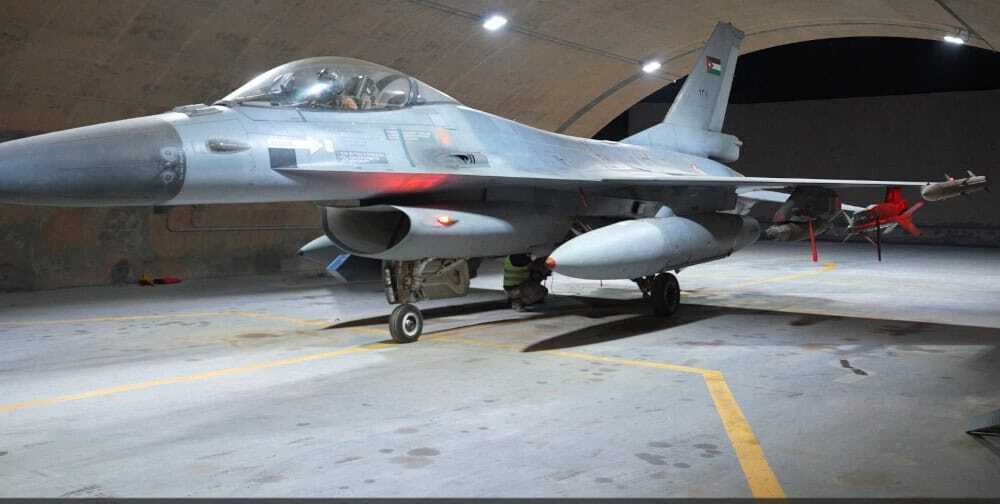
On October 26, the Jordanian Air Force conducted multiple strikes against suspected Islamic State positions in southern Syria, targeting militants Jordan linked to an October 23 attack on a church in Karak that killed nine people and wounded dozens. Jordan said the strikes killed more than 20 militants, while Syrian authorities reported seven civilian deaths.
-
Iraq juggles border security and ties with Iran, Syria, and Jordan
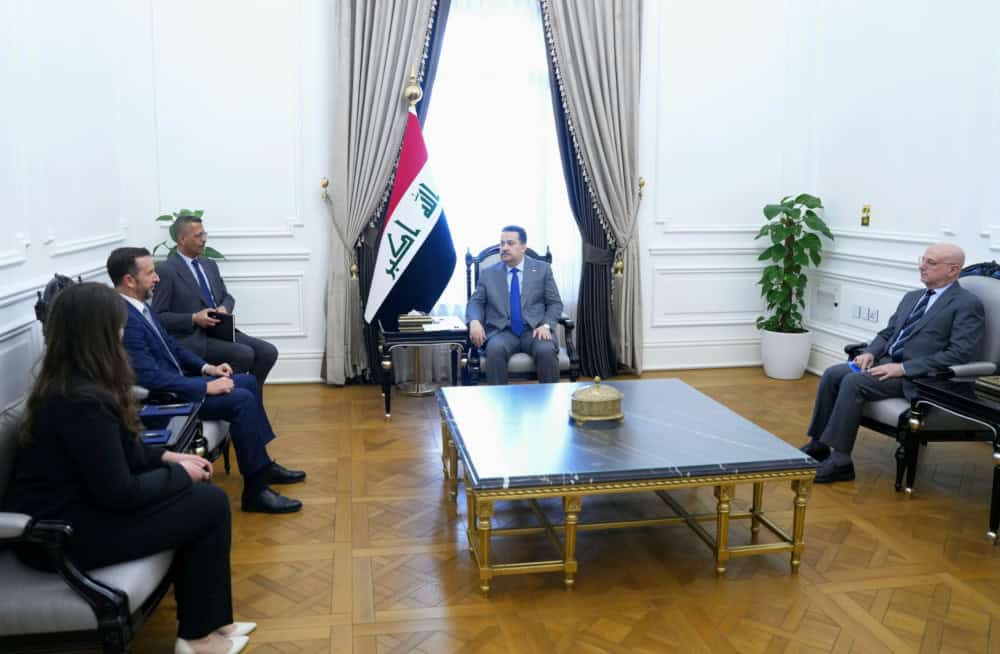
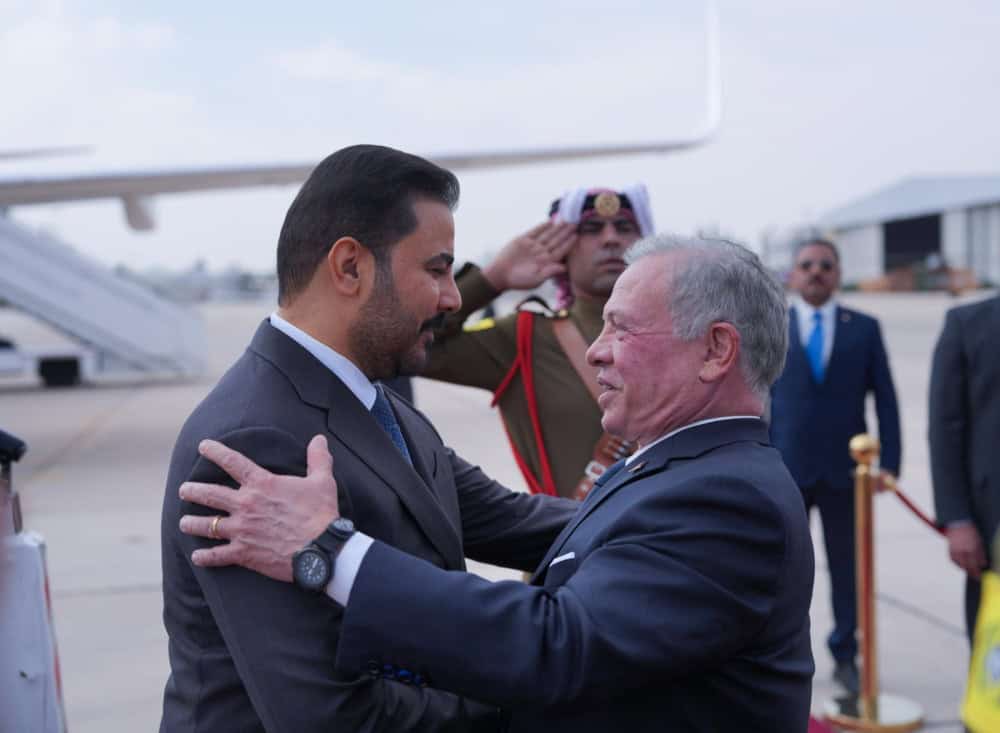
Iraqi Prime Minister Ali al Zaidi is seeking to strengthen border security and regional cooperation amid tensions with Iran over the closure of a key crossing in Iraq’s Maysan province, while also pursuing closer ties with Jordan and Syria. The developments come as Baghdad continues to face threats from Iranian-backed militias, concerns over instability along its borders, and challenges to bringing armed groups under state control.
-
Pakistani outreach presents a dilemma for Afghanistan’s anti-Taliban resistance
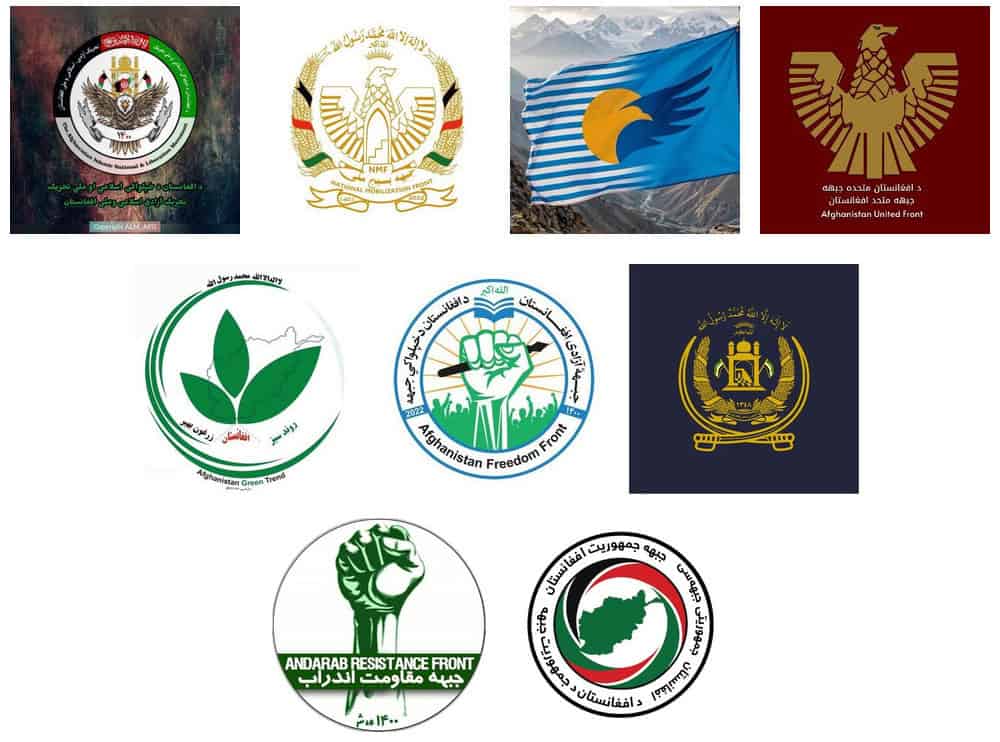
Pakistan’s reported outreach to anti-Taliban resistance groups reflects deteriorating ties with its longtime ally. But accepting Pakistani support could deepen divisions in the resistance and undermine its standing among Afghans who blame Islamabad for decades of bloodshed.
-

Iraqi parliament approves most remaining cabinet appointments, including Iran-backed militia figures
After five months of negotiations, almost all remaining spots in Iraqi Prime Minister Ali al Zaidi’s cabinet were approved by the parliament on October 15. Among the three deputy prime ministers is Laith al Khazali, whom the US State Department designated a Specially Designated Global Terrorist in 2020.
-
The Houthis’ Red Sea power play
The Houthis are on the offensive in Yemen, threatening one of the world’s most important maritime chokepoints and bringing the war back to Saudi Arabia’s doorstep. Bill Roggio is joined by FDD research analyst and Long War Journal contributor Bridget Toomey to discuss the Iranian-backed group’s renewed campaign to conquer Yemen, its advances along the…
-

Ukrainian intelligence details new low-cost Russian cruise missile
A new missile called the Filin adds to Russia’s growing arsenal of low-cost, long-range munitions, placing strain on Ukraine’s overstretched air defenses. Ukraine is expected to scale production of faster interceptor drones, but this addresses only part of the challenge of countering Russia’s evolving missile and drone capabilities.
-
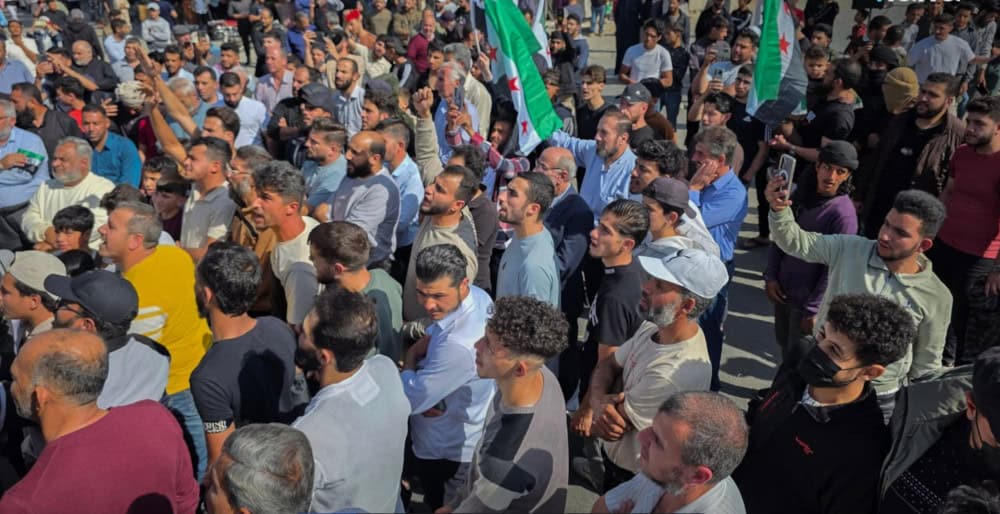
Protests break out in Syria against ‘Israeli incursions and attacks’ as tensions rise
Protests erupted across southern Syria and Damascus on October 23 against Israeli military operations in the buffer zone along the Golan border, following reports that a Syrian man with disabilities was killed during an IDF raid. The protests come amid growing Syrian condemnation of Israeli incursions, as well as diplomatic efforts by Syrian officials to…
-

FBI arrests alleged Islamic State supporter accused of plotting to assassinate Texas congressman
A 17-year-old Texas teenager allegedly plotted to assassinate Republican US Representative Keith Self at a veterans’ fundraiser as part of a broader Islamic State-inspired terrorist plot. Federal agents arrested the suspect after he acquired a firearm.
-
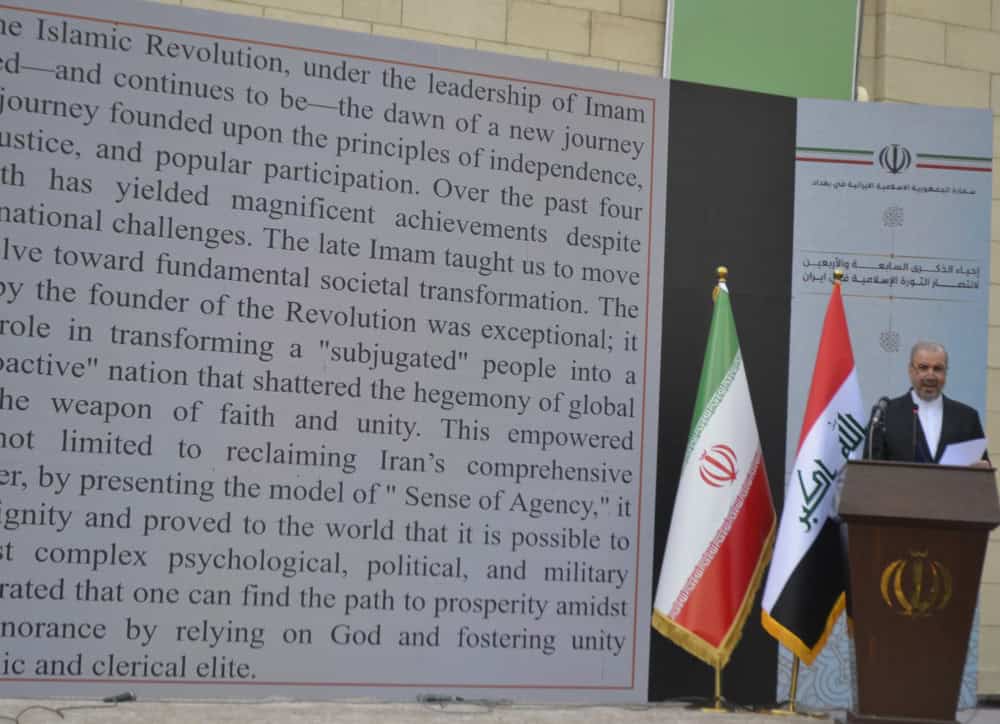
Iran says it has agreement with Iraq to expel Kurdish Iranian opposition groups
Iran’s ambassador to Iraq claimed on October 20 that Iraq has agreed to expel Iranian Kurdish opposition groups based in the Kurdistan Region. The announcement came amid increased Iranian attacks on these groups and as the Kurdistan Workers’ Party withdraws from positions in northern Iraq as part of a peace process with Turkey. An Iraqi…
-
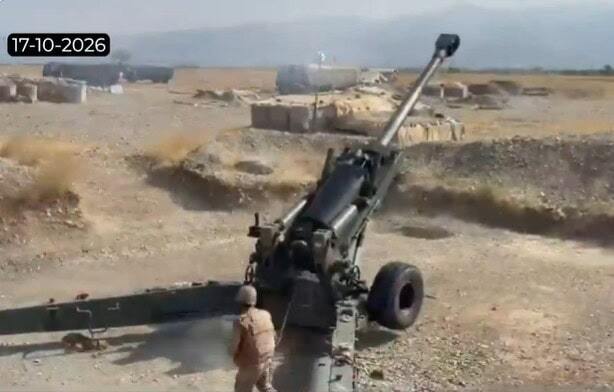
Pakistan-Taliban border clashes continue amid diplomatic efforts
Pakistani forces and the Taliban exchanged heavy fire along the border as Russia, the European, and China pressed for dialogue and action against terrorist groups operating from Afghanistan.
-
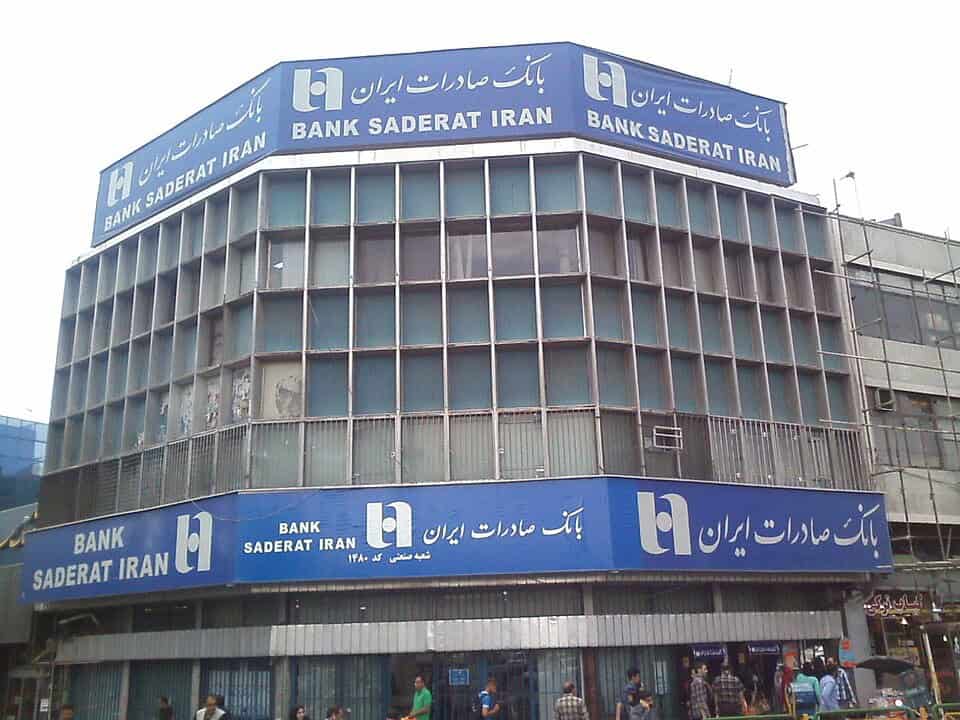
Lebanon revokes Iranian bank’s license amid US pressure over Hezbollah financing
Lebanon has revoked Bank Saderat Iran’s operating license amid US pressure to disrupt Hezbollah’s financial networks. The bank has a documented history of channeling Iranian funds to Hezbollah, but whether Lebanese authorities have closed its branches or initiated liquidation proceedings remains unclear.

All Articles
-
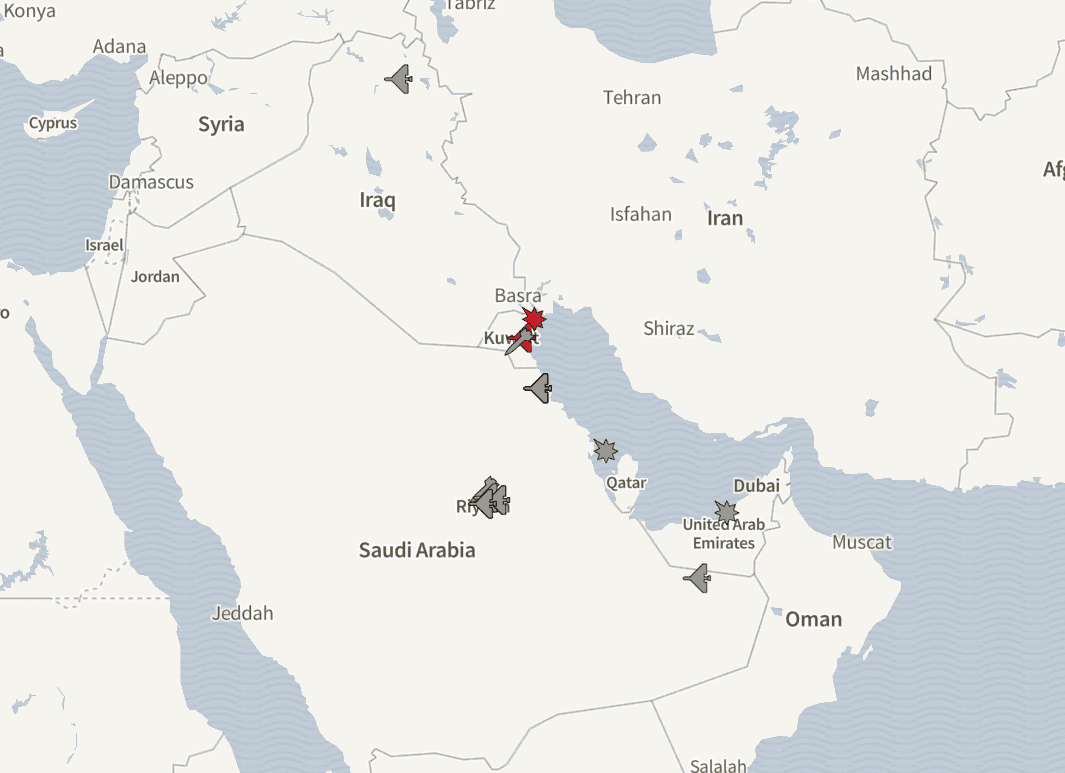
Iran and proxies continue attacking energy facilities, residential areas, and Arab capitals (March 24–27 updates)
Between March 24 and March 27, Iran and its allied militias continued launching drones and missiles against Arab countries. The attacks targeted energy infrastructure, airports, military facilities, ports, and residential areas in Saudi Arabia, the United Arab Emirates, Kuwait, Bahrain, Iraq, and Jordan.
-
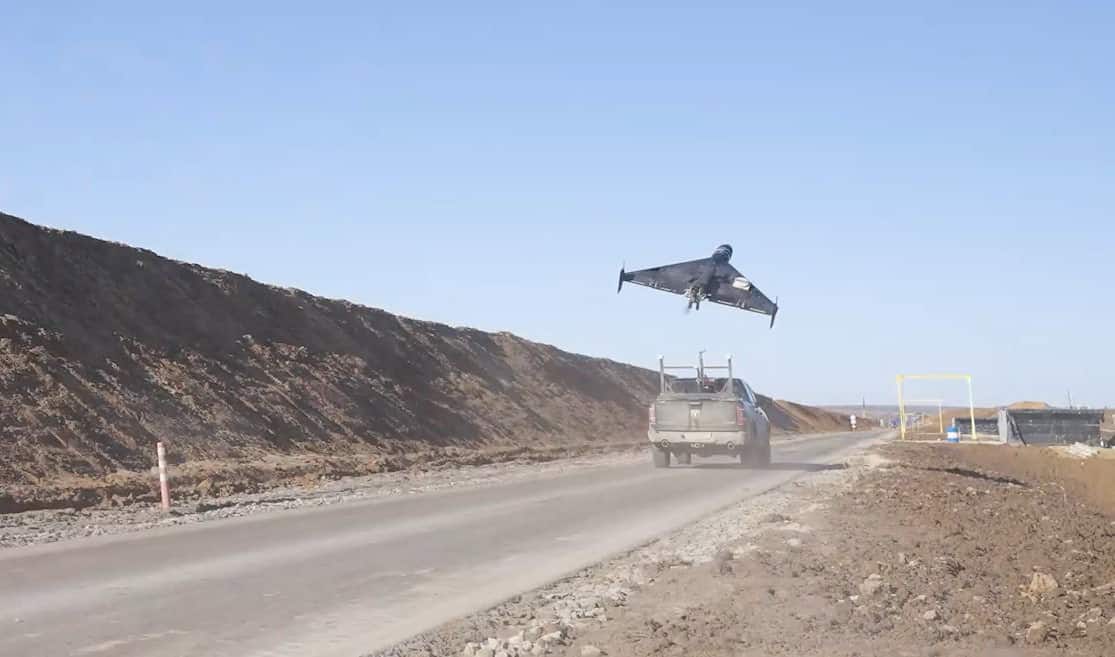
Russia reportedly sending Iran drones for use against the US and Israel
Reports citing Western officials suggest that Russia has started supplying Iran with complete drones after Russia was previously suspected of only providing components to improve Iranian systems. The unmanned aerial systems are likely modified, Russian-made versions of the same Shahed-136 one-way attack drones that Tehran previously supplied to Moscow.
-
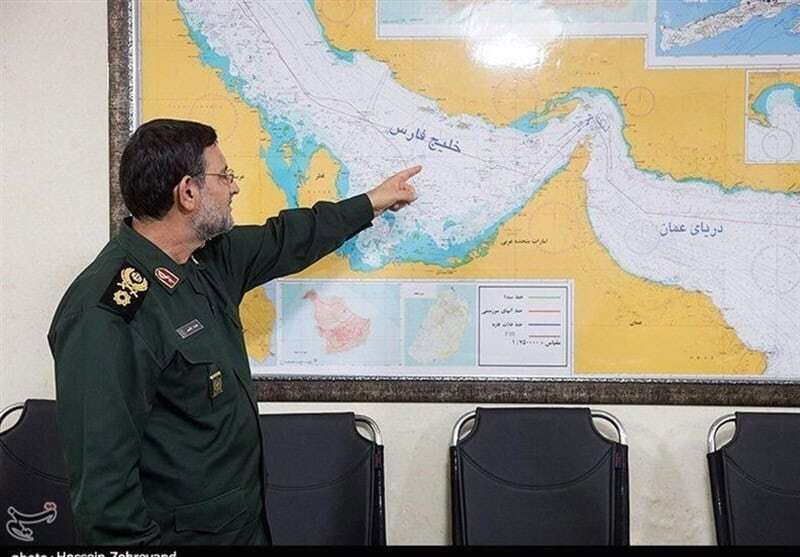
US-Israeli strikes continue as talks over Strait of Hormuz stall and Iran intensifies internal crackdown
The US and Israel continued airstrikes as negotiations over the passage of shipping through the Strait of Hormuz hit an impasse and Iran ramped up efforts to repress its populace. The regime has expanded internal security checkpoints into a dispersed network across various cities and increased arrests targeting alleged collaborators and dissenters.
-
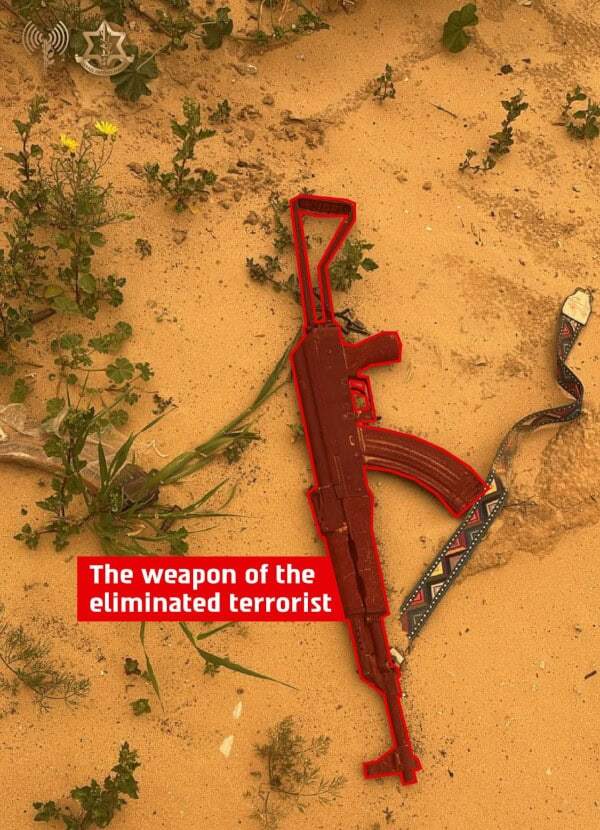
Israel continues operations against Hamas in Gaza, diplomats push for disarmament as shaky ceasefire continues
While attention has shifted to the conflicts in Iran and Lebanon, Gaza remains under a fragile ceasefire, with ongoing low-level clashes. High Representative for Gaza Nickolay Mladenov highlighted progress toward a disarmament framework tied to UN-backed plans. Despite this, Hamas continues to consolidate control in parts of the territory as Israel targets militants and terrorist infrastructure.
-
Turkish intelligence chief hosts Hamas leaders in Istanbul
Turkish spy chief Ibrahim Kalin’s March 22 meeting with senior Hamas leaders in Istanbul highlights Turkey’s continued high-level engagement with the group, reinforcing Ankara’s role as a mediator in Gaza ceasefire negotiations while omitting any discussion of Hamas’s disarmament. The meeting reflects a broader pattern of Turkish support for the group, evidenced by recent US Treasury sanctions on Turkish charities linked to Hamas.

-
Interim Venezuelan president ousts defense chief as Washington makes limited progress in Caracas
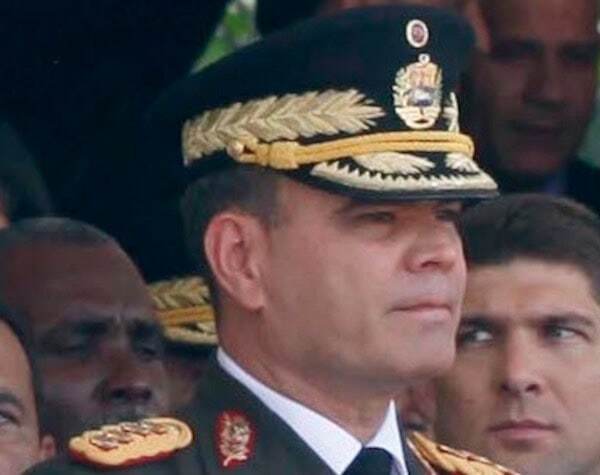
On March 18, Venezuelan acting President Delcy Rodríguez removed longtime Defense Minister Vladimir Padrino López and installed Gustavo González López, followed by initiating a broad restructuring of the military’s top leadership. These moves unfolded alongside US-supported stabilization efforts and the passage of a February 20 amnesty law that has facilitated the release of dozens of political prisoners. Nevertheless, a UN fact-finding mission reported that the country’s repressive apparatus remains largely unchanged.
-
Analysis: Why seizing Iran’s Kharg Island could be a trap of America’s own making
A US effort to seize Kharg Island, the Islamic Republic’s critical economic hub, would be a high-risk operation that would likely entail significant costs for little gain. Kharg is much more likely to become a liability than an asset, drawing the Trump administration closer to the war of attrition it is trying to avoid.

-
Generation Jihad | The Hormuz Shake(down)
Bill Roggio sits down with shipping expert Sal Mercogliano to break down Tehran’s latest act of war: turning the world’s most critical shipping chokepoint into leverage.
-
Lebanon declares Iranian ambassador-designate ‘persona non grata’ before Iranian missile explodes over Lebanese airspace
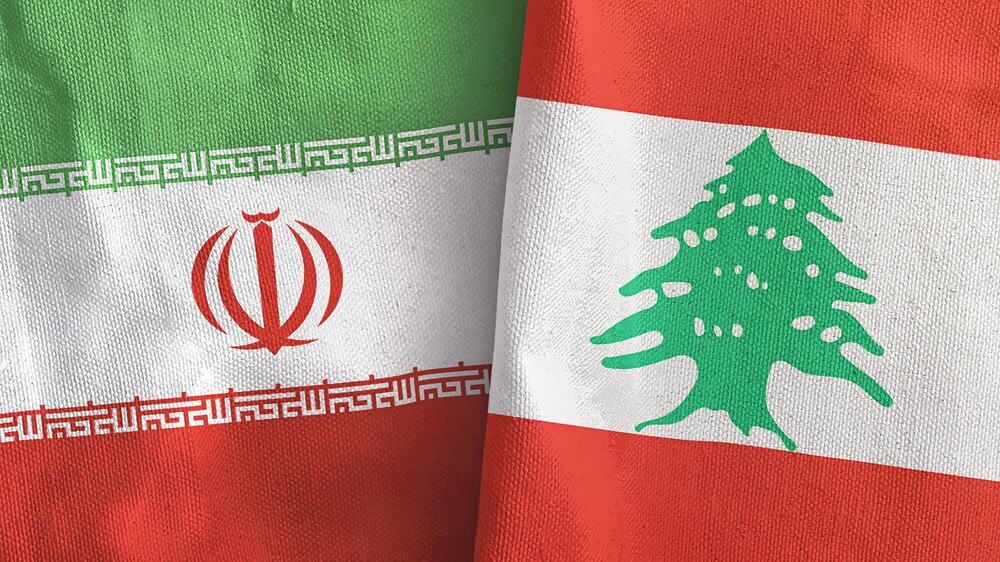
An Iranian ballistic missile exploded in Lebanese airspace shortly after Lebanese Foreign Minister Youssef Raggi declared Tehran’s ambassador-designate in the country “persona non grata.” Official silence, coupled with Lebanese reporting that the missile was targeting an American asset in Lebanon, led to speculation that Iran considered Raggi’s move significant and was retaliating for it. However, subsequent reporting and a Lebanese Armed Forces investigation revealed that the missile’s target was outside Lebanon.
-
Iran-linked group claims arson attacks in Antwerp and London
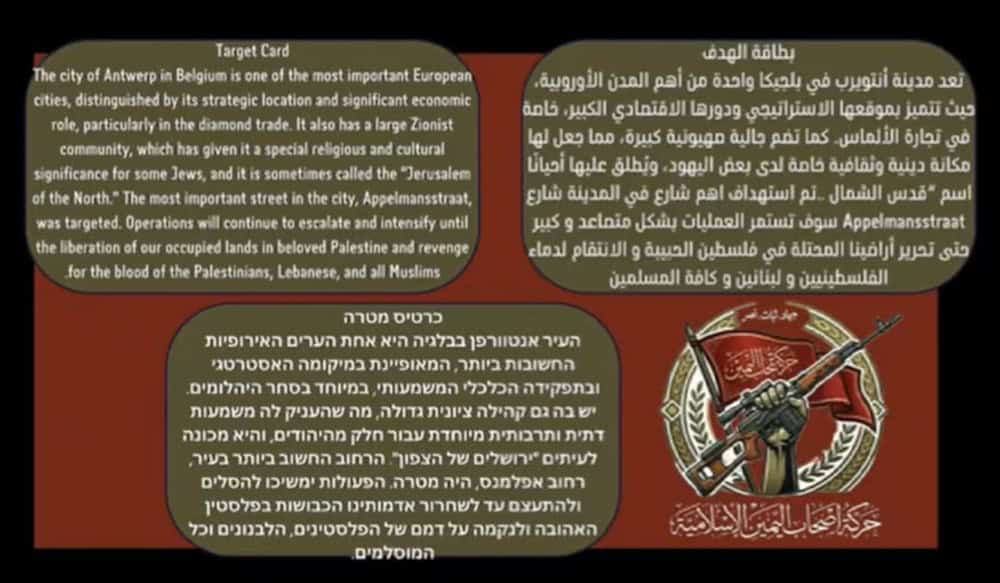
On March 23, Ashab al Yamin, a group with ties to the Islamic Republic, took responsibility for attacks in Antwerp and in London. The incidents raise the total number of claimed attacks by the Iran-linked group against Jewish and Western sites to seven.
-
Analysis: The Islamic State’s targeting of a Chinese mine in Congo proves the group is a resilient threat
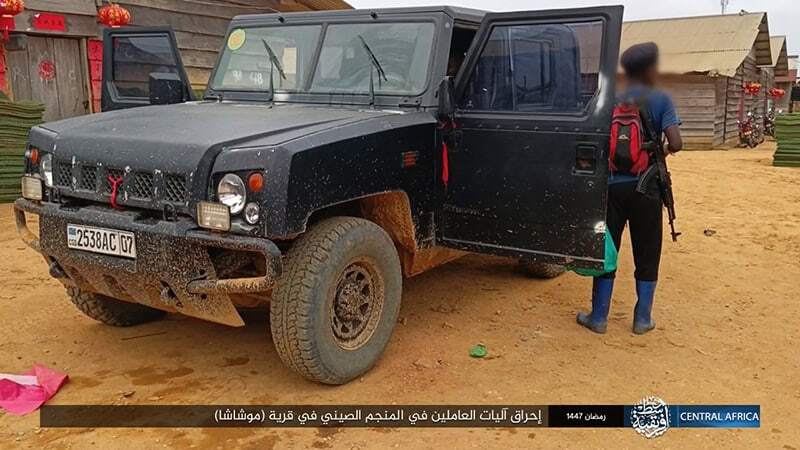
The Islamic State’s Central Africa Province (ISCAP), known locally as the Allied Democratic Forces (ADF), raided and burned down a Chinese-owned mine in eastern Congo earlier this month. The raid, which was far from the jihadist group’s normal area of operation, highlights both ISCAP’s threats to Congo’s mining sector and its resilience after nearly five years of a sustained military operation against it.
-
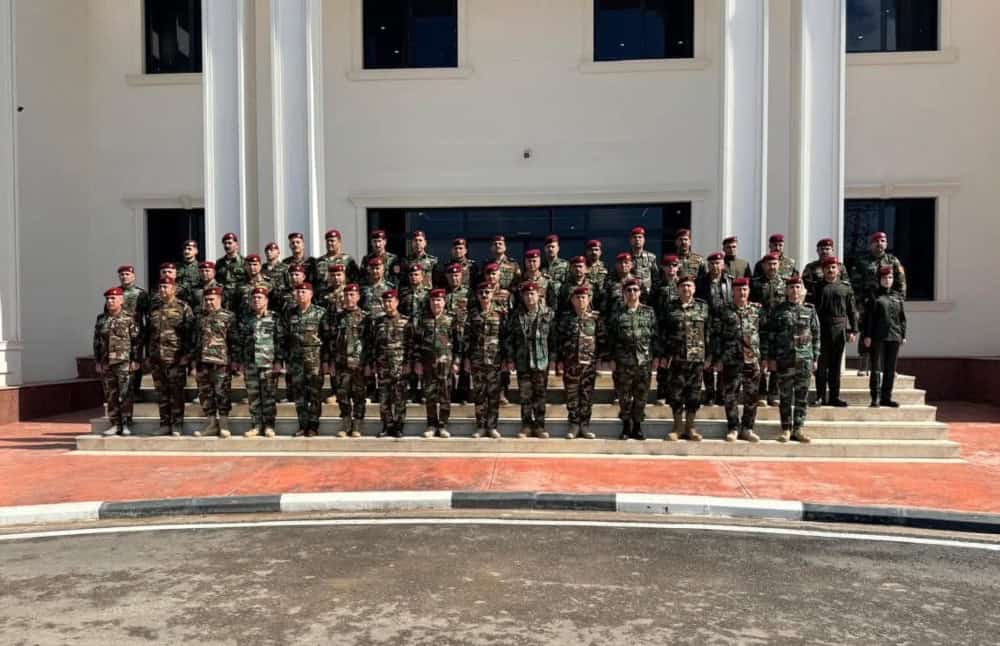
6 Kurdistan Regional Government soldiers killed in Iranian attack on northern Iraq
Six Peshmerga fighters were killed, and more than 20 were wounded in a missile strike north of Erbil on March 24, marking the deadliest attack on the Kurdistan Region since late February. The strike is part of a broader wave of drone and missile attacks by Iran and Iranian-backed militias targeting northern Iraq, US facilities, and Kurdish forces. In addition, rockets were fired toward Syria on March 23, and at least 15 members of Iraq’s Popular Mobilization Forces were killed in a likely US airstrike in Iraq’s Anbar province.
-
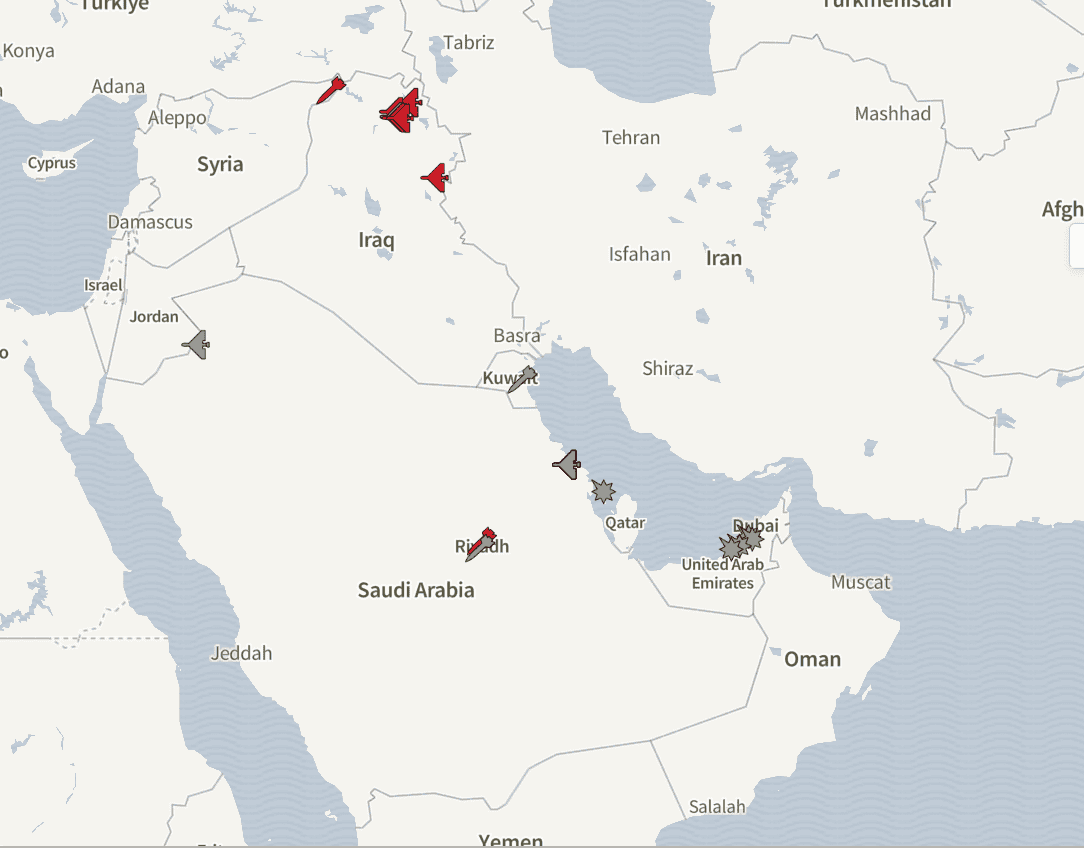
Iran and proxies continue attacking regional airports, energy facilities, military bases, and residential areas (March 20-23 updates)
Between March 20 and March 23, Iran and its allied militias continued launching drones, missiles, and rockets against Arab countries, targeting energy infrastructure, airports, military bases, diplomatic facilities, and residential areas.
-
Generation Jihad | The regime falls when the people rise
The bombs are falling. The Iranian regime is reeling. But revolutions aren’t won from 30,000 feet. As Washington and Jerusalem pummel toward a mission accomplished, Bill Roggio is joined by FDD’s Jon Schanzer to grapple with a harder question that looms: what happens if there’s no uprising when the bombing stops?
-
Israel eliminates 3 Hamas members operating in Lebanon
The Israeli military announced on March 22 that it killed Walid Dib, a Hamas money man, in Lebanon. In addition to Dib, two other Hamas members operating in Lebanon have also been eliminated in Israeli strikes in recent days.

-
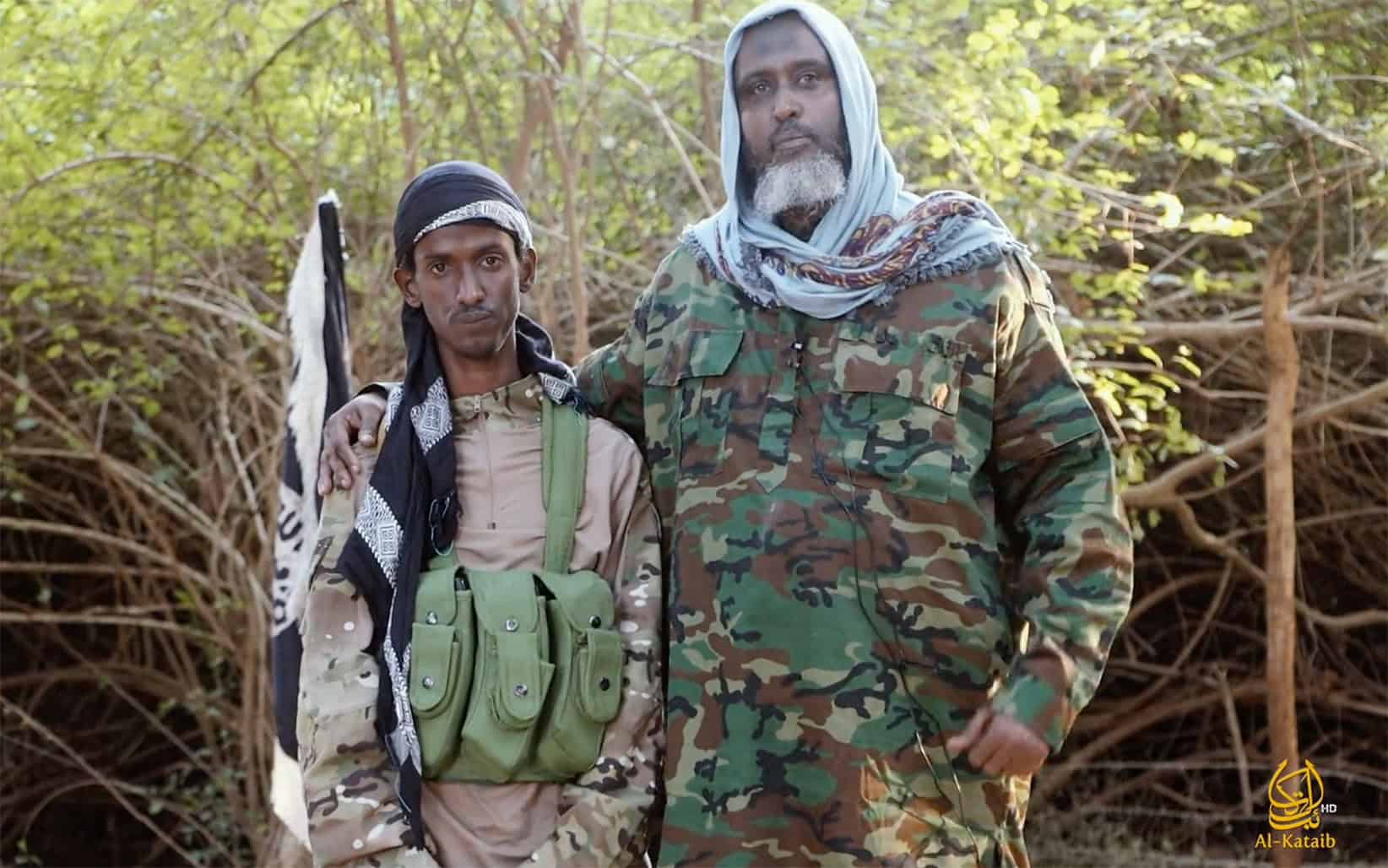
Shabaab celebrates October attack on Mogadishu prison in new video
Shabaab, Al Qaeda’s branch in East Africa, highlighted last year’s brazen assault on Mogadishu’s Godka Jilacow prison, operated by Somalia’s National Intelligence and Security Agency. In the video, one of the attackers was identified as the son of Ali Mohamed Rage, the group’s top spokesman.
-
Kuwait and UAE report disrupting domestic Hezbollah cells
Kuwaiti and UAE authorities stated that they discovered and arrested terror cells linked to Hezbollah operating in their countries. The Lebanese group denied the allegations, insisting that it does not have operatives in the Gulf states.
-
Strikes continue hitting Iran-backed Iraqi militias, Kataib Hezbollah declares temporary US embassy ceasefire
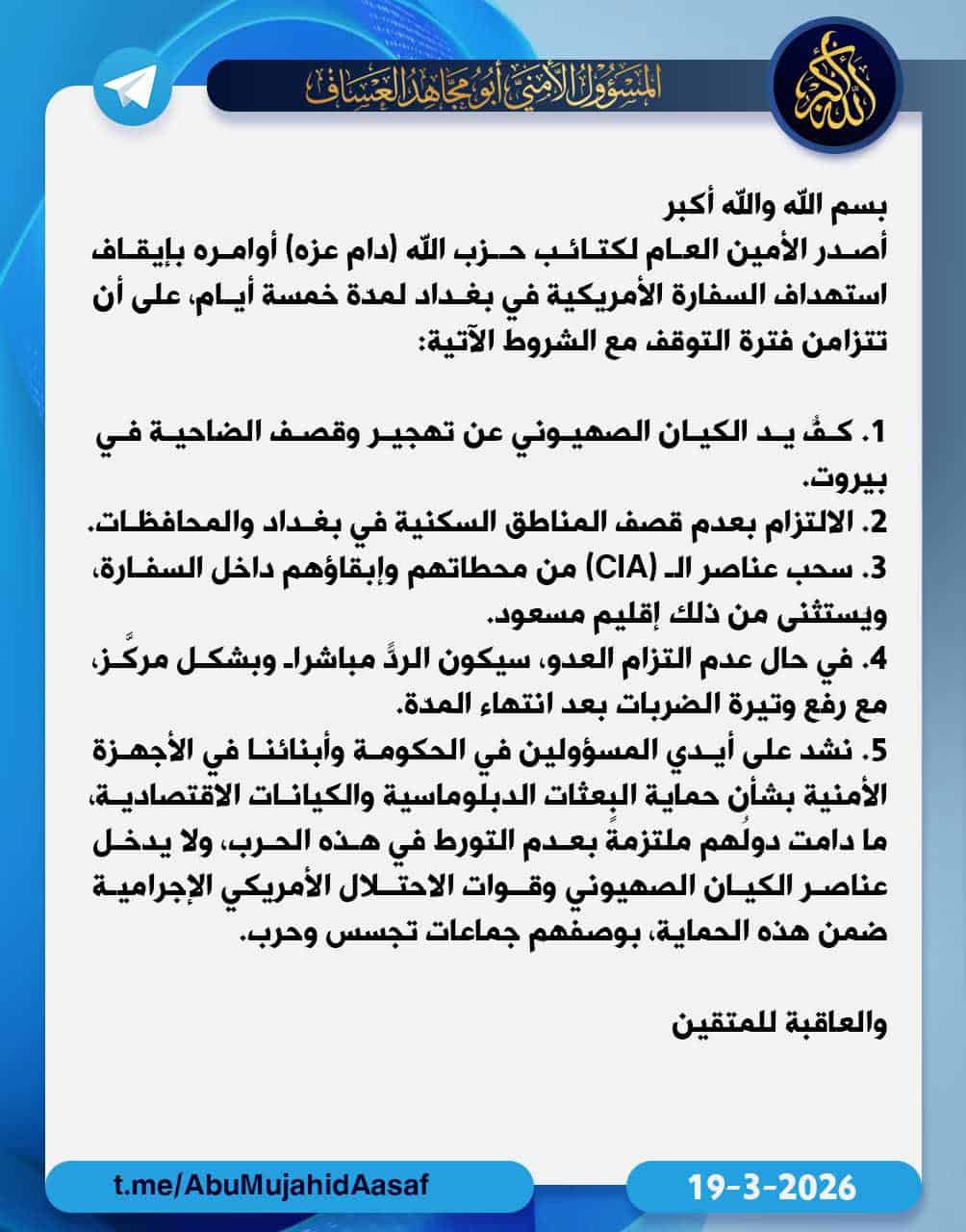
Unclaimed but likely American airstrikes have continued against Iran-backed Iraqi militias, with one strike reportedly killing a senior Kataib Hezbollah commander. The US and Kataib Hezbollah have subsequently agreed to a temporary, conditional pause in attacks on the US Embassy in Baghdad, though other hostilities in the country continue.
-
Iranian drones and missiles hit ports, oil and gas facilities, and US bases in the region (March 17-19 updates)
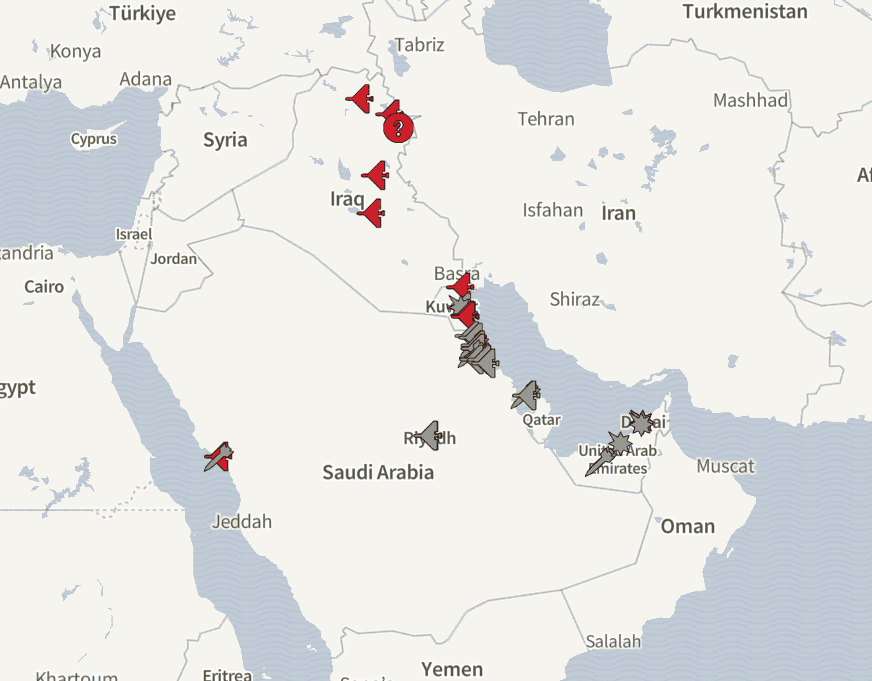
Between March 17 and March 19, Iran and its allied militias continued launching drones, missiles, and rockets across the Middle East. The attacks targeted energy infrastructure, airports, military bases, diplomatic facilities, and residential areas in Saudi Arabia, the United Arab Emirates, Qatar, Kuwait, Bahrain, and Iraq.
-
Iranian-backed militias escalate attacks in Iraq, send mixed signals on next steps
Iranian-backed militias have continued conducting attacks across Iraq, recently targeting US and foreign diplomatic sites in Baghdad and Erbil. Hundreds of strikes have hit the Kurdistan Region since late February, wounding Peshmerga forces and damaging key locations. While Kataib Hezbollah signaled a possible temporary pause in attacks tied to specific demands on March 18, other groups, such as Kataib Sayyid al Shuhada, vowed to continue.