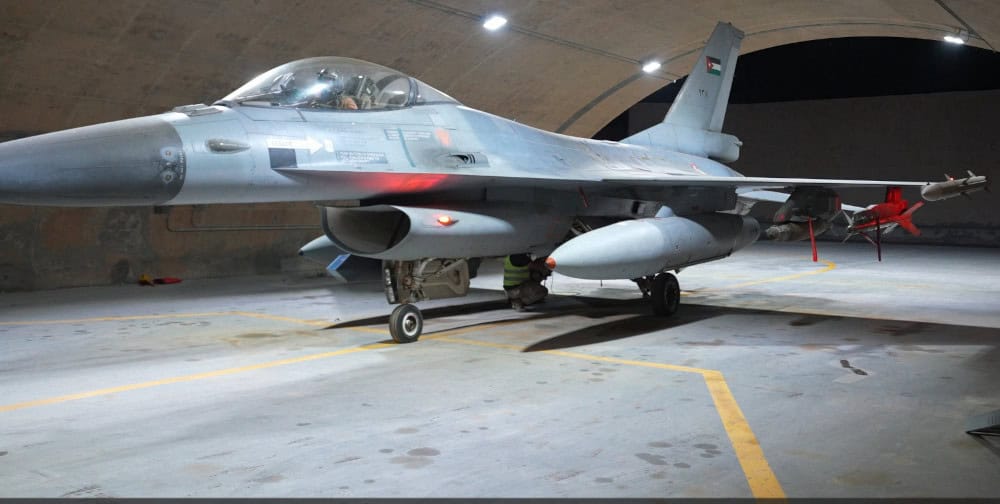
Despite the execution of American reporter James Foley and the Islamic State’s threat to kill more captive Americans, the US is continuing to target the jihadist group that controls large areas of Iraq and Syria. Today the US launched airstrikes “in support of Iraqi Security Force operations, using fighter and attack aircraft to conduct six airstrikes in the vicinity of the Mosul Dam,” US Central Command, or CENTCOM, said in a press release.
“The strikes destroyed or damaged three ISIL Humvees, one ISIL vehicle, and multiple IED emplacements. All aircraft exited the strike area safely,” CENTCOM continued.
The US has now “conducted a total of 90 airstrikes across Iraq. Of those 90 strikes, 57 have been in support of Iraqi forces near the Mosul Dam.”
Iraq has now become one of the hottest active theaters for US forces. The US has conducted more airstrikes in Iraq since Aug. 7, when Obama authorized the military to attack the Islamic State, than all airstrikes this year in Pakistan, Yemen, and Somalia combined.
President Obama has said that he “will not allow the United States to be dragged into fighting another war in Iraq,” and “I ran for this office in part to end our war in Iraq and welcome our troops home.”
Senator Ben Cardin said that the United States will not serve as Iraq’s air force:
“What we will not do is become the Iraqi Air Force,” Cardin said during an appearance on “Fox News Sunday.” “Obviously we got to be extremely concerned that we’re not drawn into that type of military action.”
Yet that is exactly what is happening. When President Obama “authorized the U.S. Armed Forces to conduct targeted air strikes to support operations by Iraqi forces to recapture the Mosul Dam” on Aug. 14, he permitted the United State military to serve as Iraq’s air arm as Iraqi and Kurdish forces went on the offensive in northern Iraq.
The Obama administration should be very explicit about its goals and objectives in Iraq if it wants to retain the support of the American public for an extended period of time. If the goal is to conduct limited airstrikes in the north to help the Iraqi government and the Kurds regain some lost ground with the hopes of containing the Islamic State, then it should say so. If the goal is to further the defeat of the Islamic State by striking in other theaters and possibly putting advisers, forward air controllers, and special operations forces on the ground, then the administration should communicate that as well.
Mission creep, which is exactly what we are witnessing in Iraq today, has a nasty way of making both supporters and detractors wary of the mission. The initial mission was to protect Irbil, US personnel, and support humanitarian operations on Mount Sinjar; it has now expanded to “support Iraqi security forces and Kurdish defense force operations, as well as to protect critical infrastructure,” as CENTCOM notes in its press releases.