-
Syria says it thwarted Hezbollah plot; Israel likely target
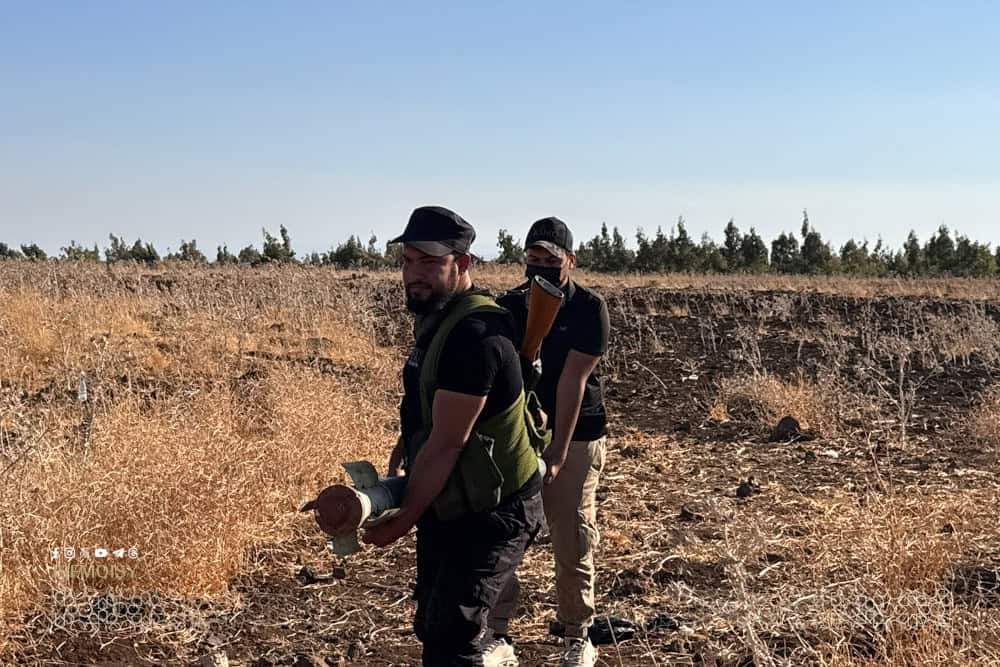
On September 29, Syria’s Internal Security Forces (ISF) announced that the agency, in coordination with the General Intelligence Directorate, had “thwarted a sabotage plot in the Yarmouk Basin in Daraa” and arrested a three-member cell affiliated with Hezbollah.
-
Yazidi armed group YBS to disarm, integrate into Iraqi security forces
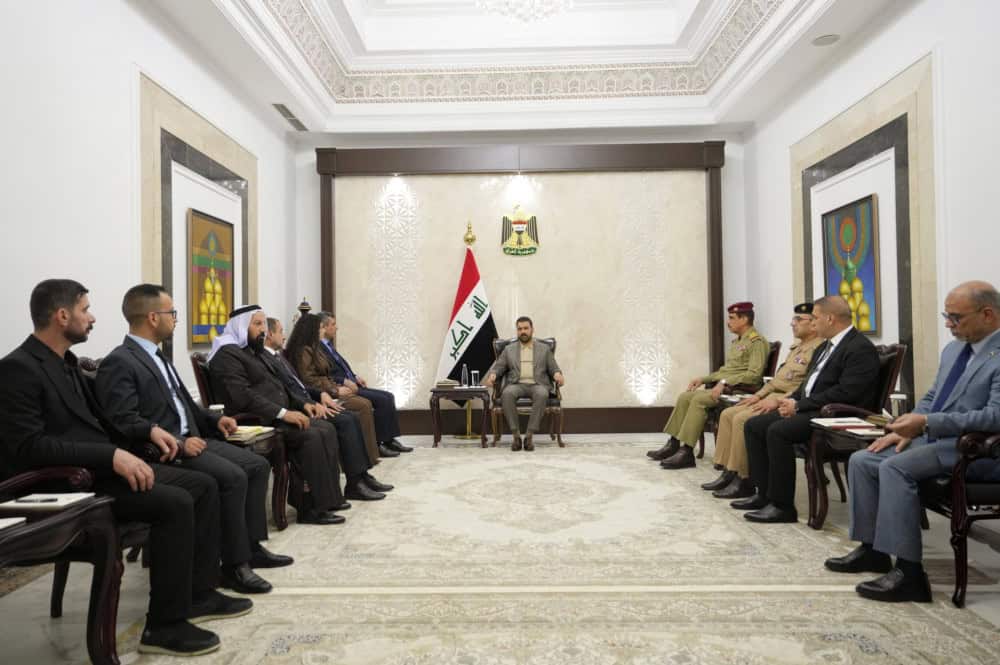
The Sinjar Resistance Units (YBS), a Yazidi armed group with links to the Kurdistan Workers’ Party (PKK), has agreed to disarm and integrate eligible members into Iraq’s security forces as Baghdad seeks to stabilize Sinjar and facilitate the return of displaced Yazidis. The agreement comes amid broader efforts to disarm Iranian-backed militias in Iraq and parallels integration processes involving the Syrian Democratic Forces in Syria.
-
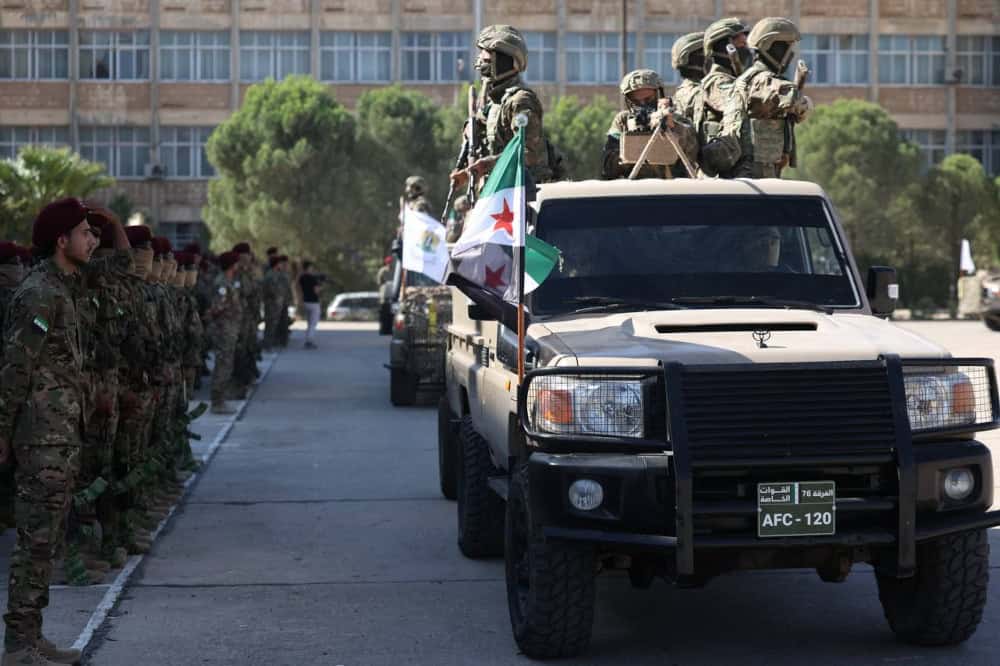
Syria’s military is rebuilding, but foreign influence may slow security progress
Syria’s post-Assad military is rebuilding rapidly, but its structure and foreign dependencies could limit Damascus’s ability to advance US security interests. If security cooperation from Turkey and Russia comes with strings attached, it may jeopardize Syria’s potential as a future partner against the Islamic State and Hezbollah.
-
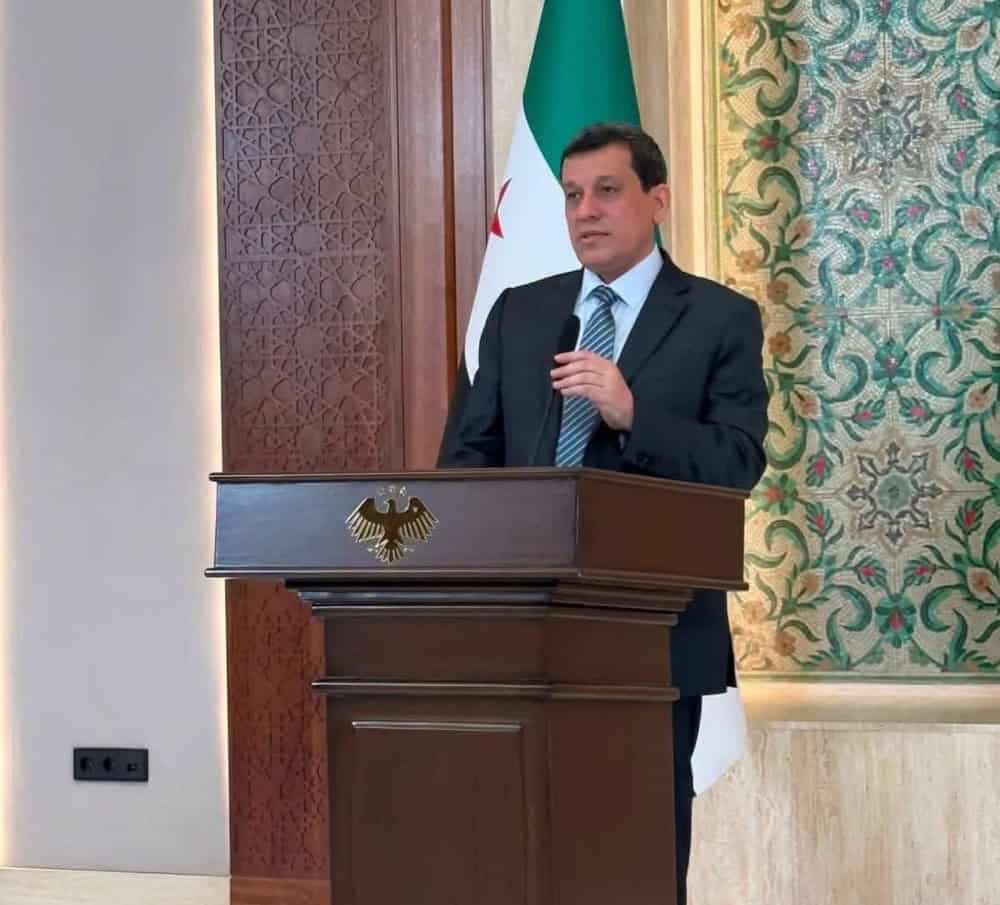
Kurdish-led Syrian Democratic Forces announce its dissolution
The dissolution of the Syrian Democratic Forces (SDF), the main US-backed anti-Islamic State group in Syria, ends more than a decade of Kurdish-led autonomy in the country’s northeast, as the SDF’s military, security, and civilian institutions are integrated into the state.
-
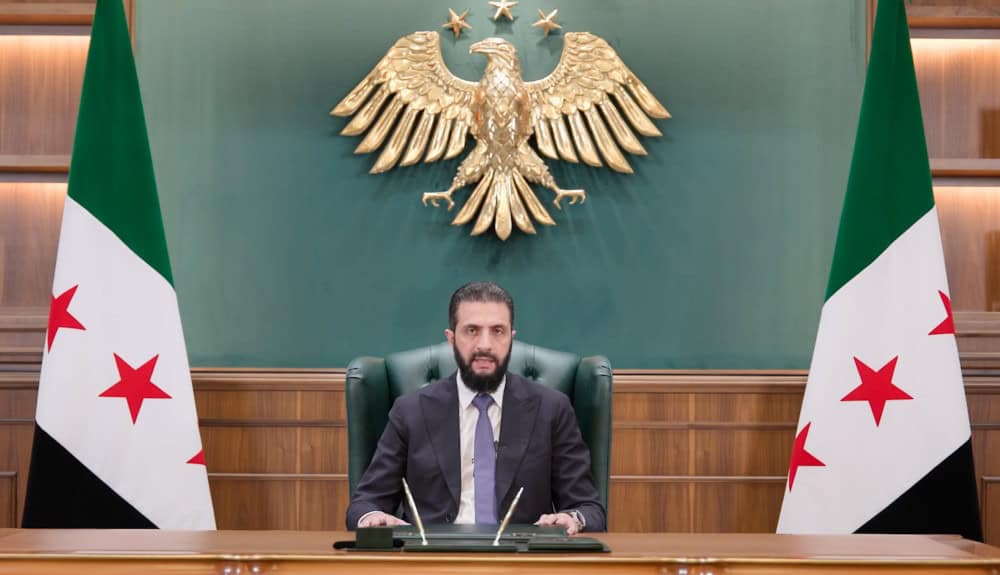
US rescinds Syria’s designation as a State Sponsor of Terrorism
On August 24, the United States formally rescinded Syria’s designation as a State Sponsor of Terrorism, marking a milestone in Washington’s effort to improve relations with Damascus. The decision came as the US has sought to advance security talks between Syria and Israel.
-
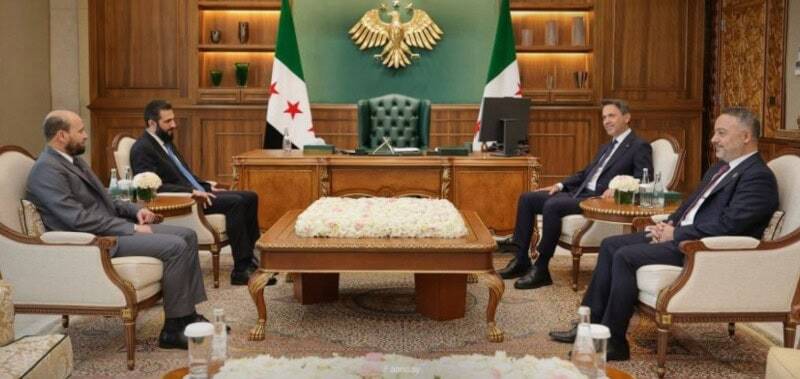
Israel strikes military airbase in Syria while warning Turkey
Israeli airstrikes on Syria’s Abu al Duhur military airbase overnight between August 17 and 18 highlighted growing tensions between Israel and Turkey over Ankara’s expanding role in Syria. Syria condemned the strikes, while the US continued efforts to de-escalate the situation.
-
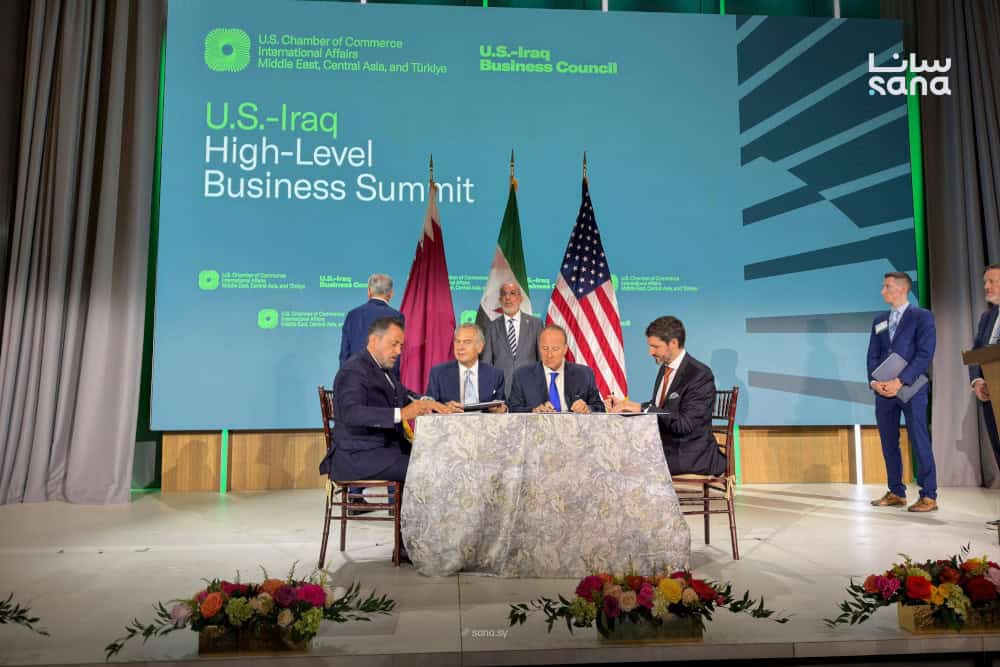
Syria focuses on energy deals, works to revive infrastructure and institutions
Syria is expanding energy and infrastructure cooperation as it seeks economic recovery and greater regional relevance. Damascus is also rebuilding state institutions, including graduating 1,000 new air force cadets.
-
Syria intercepts advanced weapons bound for Hezbollah from Iraq
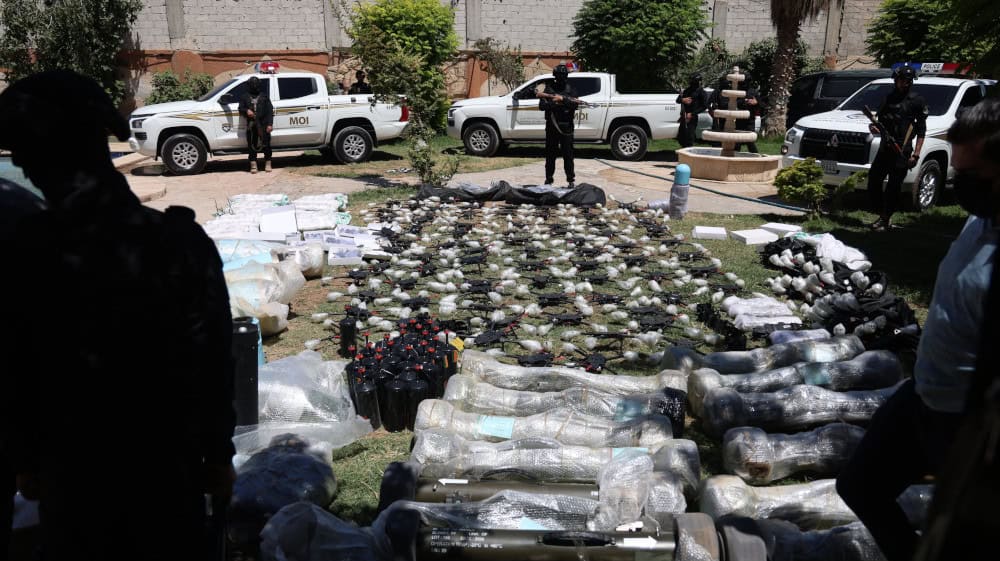
On July 16, Syrian authorities intercepted a weapons shipment concealed in an Iraqi oil tanker and bound for Hezbollah in Lebanon. The tanker contained a wide range of sophisticated weapons and components, including first-person-view drones, fiber-optic spools, drone warheads, anti-tank missiles, and cruise-missile components.
-
Syria opens new parliament, hosts Turkish Navy
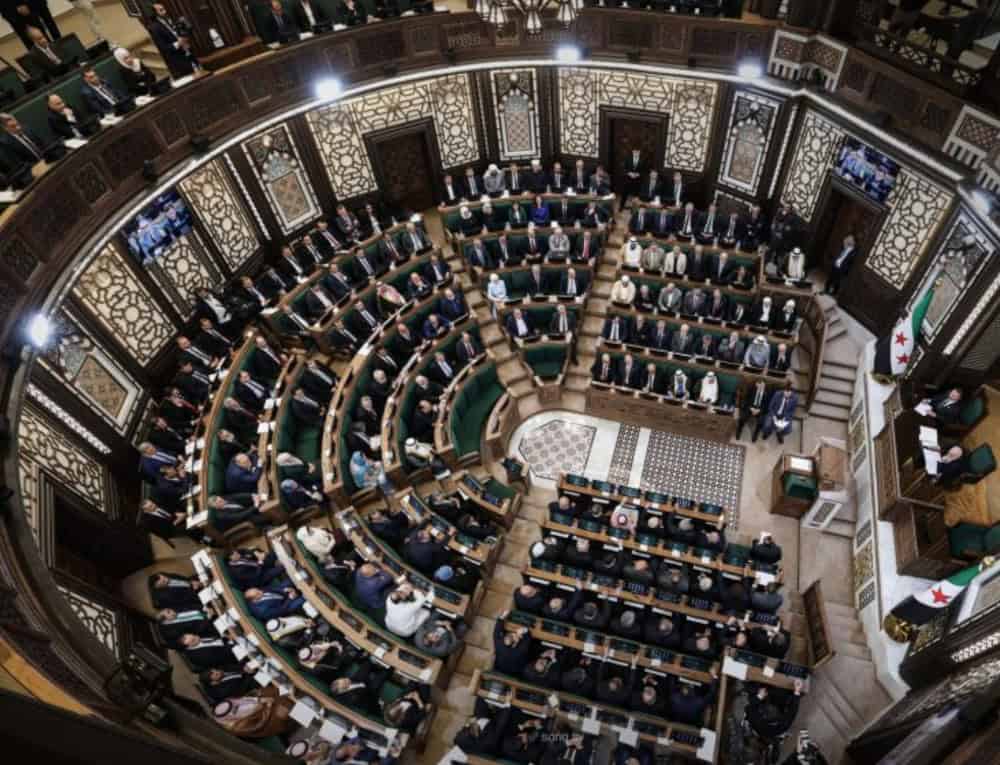
Syria has convened its first parliament since the fall of the Assad regime, marking another milestone in the country’s political transition under President Ahmad al Sharaa. The assembly’s opening comes as Syria expands diplomatic engagement and attempts to strengthen regional and international ties.
-
US moves to rescind Syria’s designation as a State Sponsor of Terrorism
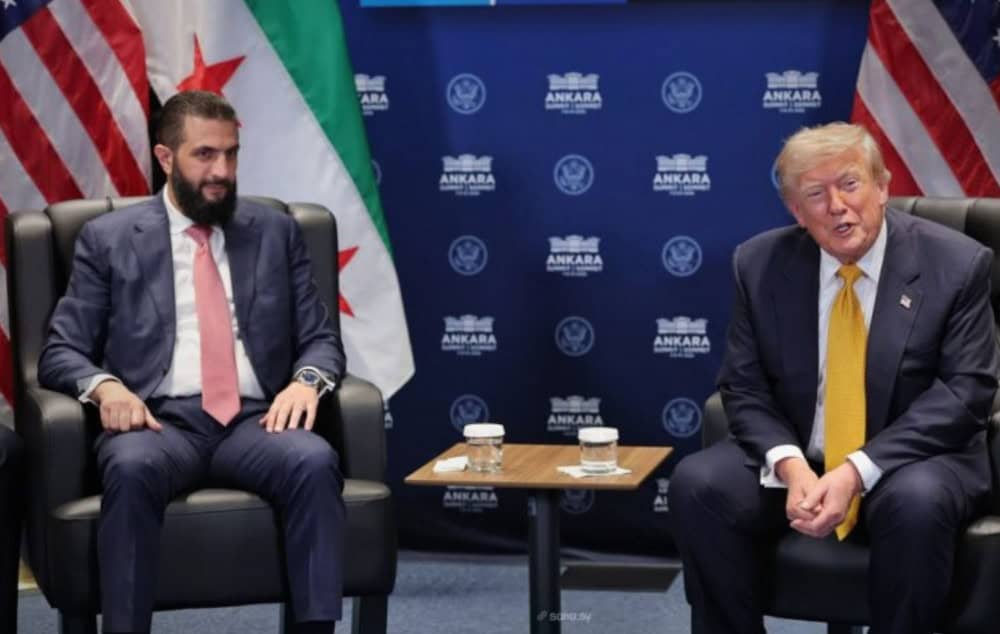
The Trump administration initiated a rescission of Syria’s designation as a State Sponsor of Terrorism on July 8. The decision follows President Donald Trump’s meeting with Syrian President Ahmad al Sharaa at the NATO summit in Ankara and comes amid broader US and European efforts to reintegrate Syria into the international community.
-
Syria appoints new parliament as Israel tensions continue
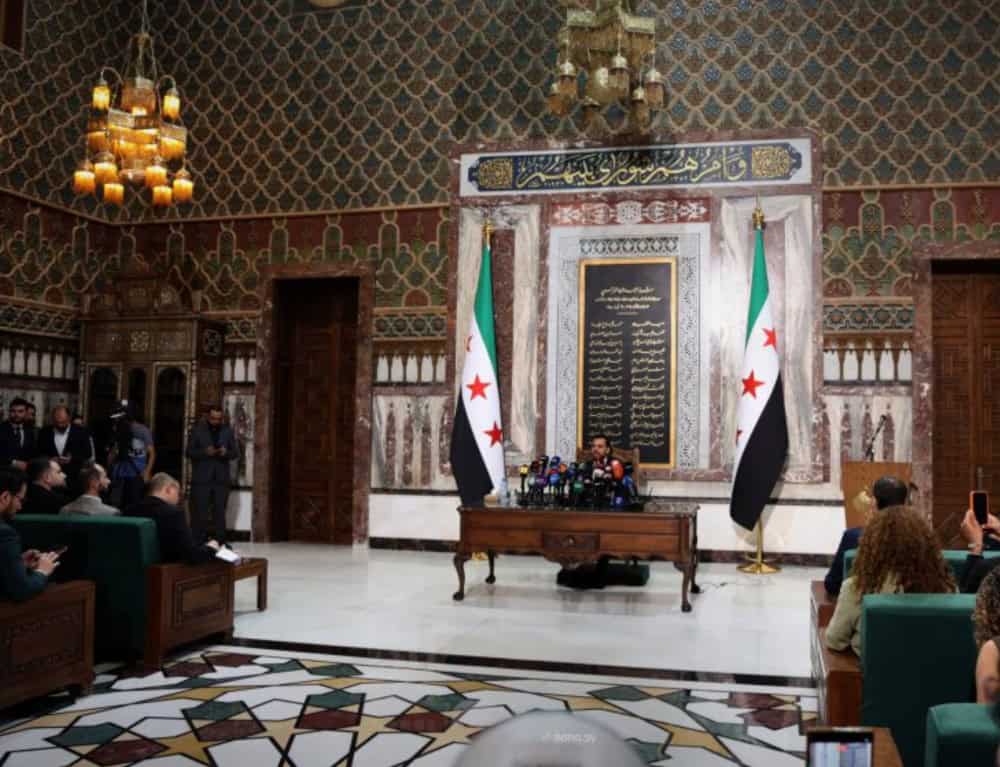
Syria has completed the formation of its new People’s Assembly, appointing the final 70 members of parliament as part of the country’s political transition following the fall of the Assad regime. Meanwhile, security tensions persist along the Israeli border, where recent clashes and Israeli military operations underscore the complex security environment.
-
US kills Islamic State senior leader in Syria, Damascus rejects Lebanon intervention
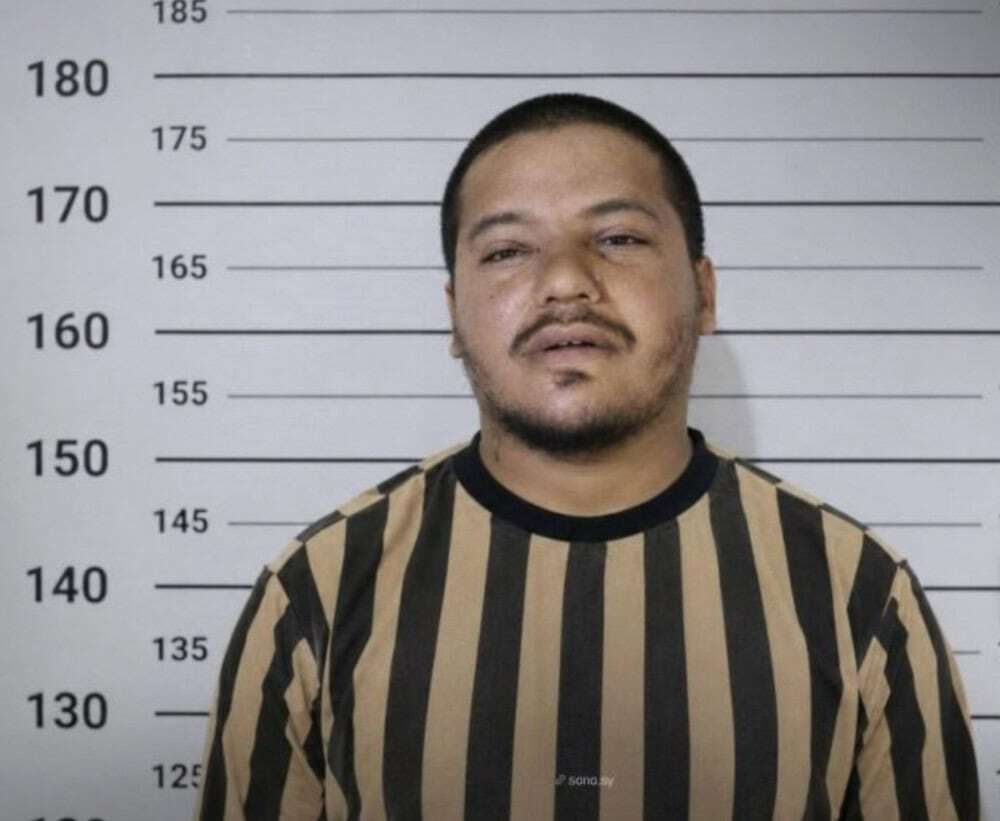
A recent precision strike against a senior Islamic State leader underscored Washington’s continued counterterrorism mission in Syria. Separately, US President Donald Trump urged Syria’s new government to consider intervening against Hezbollah in neighboring Lebanon, but Syrian President Ahmed al Sharaa stated his country will not send forces, preferring diplomacy over military action.
-
Iraqi Prime Minister Ali al Zaidi meets US envoy amid militia pressure
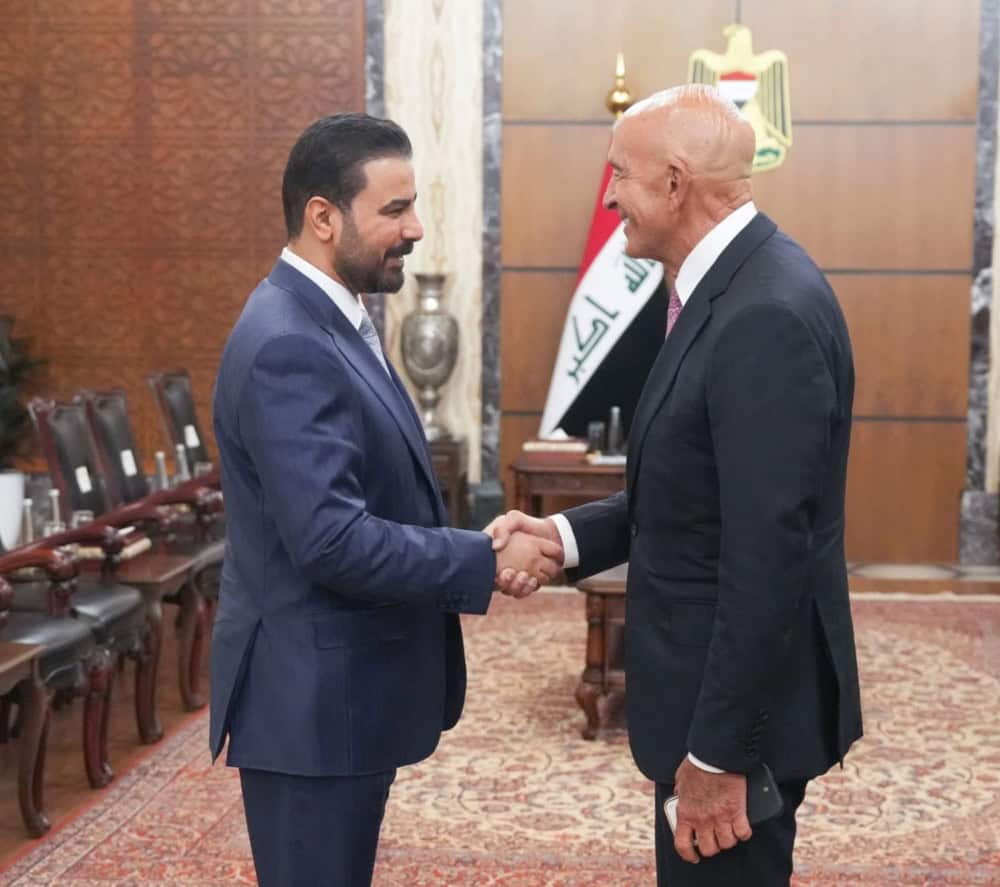
US Envoy to Iraq and Syria Tom Barrack’s recent visit to Iraq on June 15 highlighted Washington’s efforts to support stability, security cooperation, and political reform in the country amid continuing regional tensions. Discussions focused on strengthening ties between Baghdad and Washington, disarming Iranian-backed militias, and advancing energy deals.
-
US Syria Envoy Barrack tapped for Syria and Iraq role
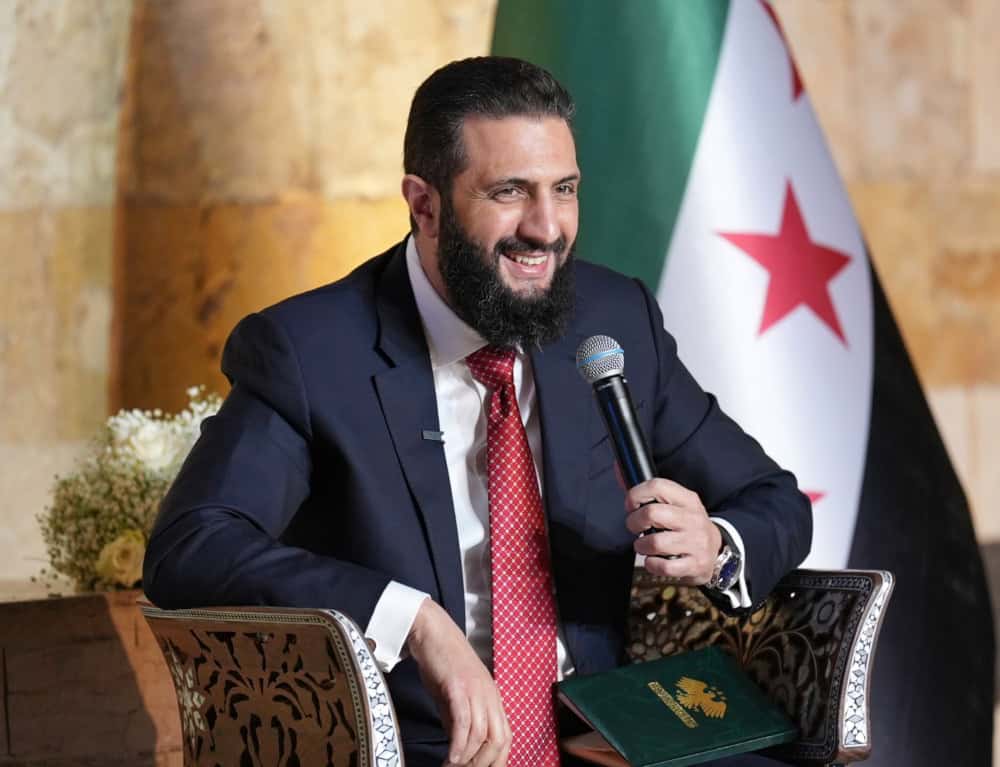
Syria is seeking to deepen ties with the US and expand regional diplomacy as the countries pursue discussions on reconstruction, sanctions relief, and economic recovery. Simultaneously, Syria faces ongoing regional shifts, including emerging trade routes, increased use of Syrian airspace, and broader tensions affecting reconstruction and political integration.
-
Syria holds elections in Kurdish-majority areas, finds Assad-era chemical weapons
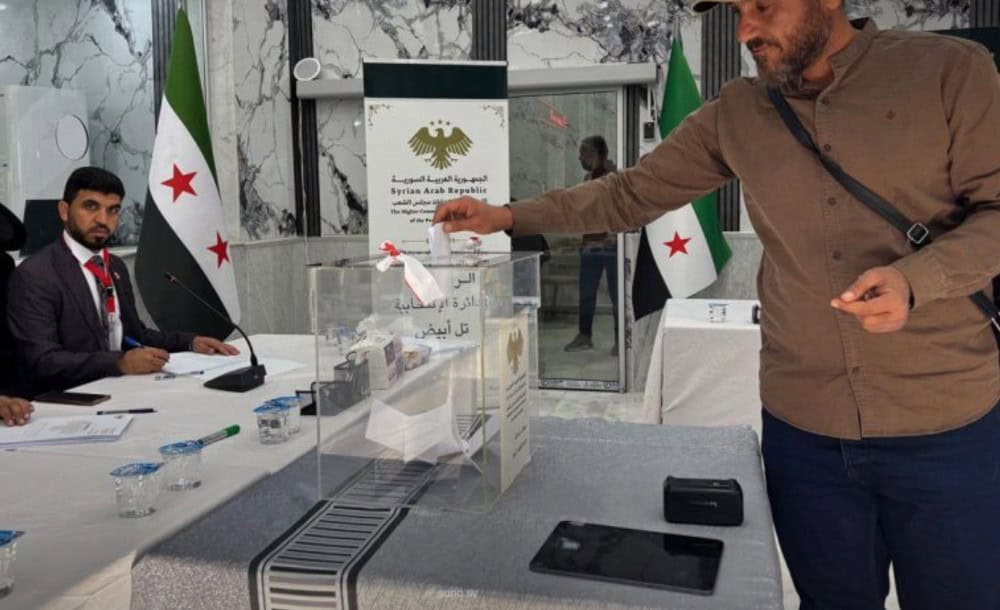
Syria moved forward with another round of local elections on May 24 as the government seeks to strengthen its legitimacy and extend authority following years of conflict. The vote came as Damascus said it was working with the Organisation for the Prohibition of Chemical Weapons (OPCW) to turn over remnants of the previous Assad regime’s chemical weapons program.
-
Amid security threats, Syria attempts to cement stability, international ties
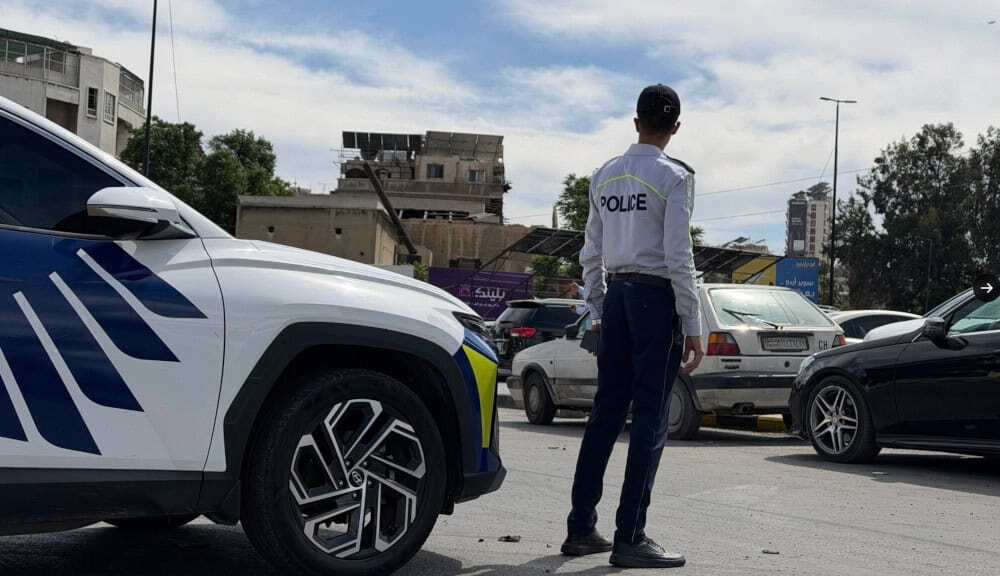
A car bombing in central Damascus on May 19 killed one soldier and wounded civilians, as Syrian forces conducted raids against suspected militants in Deir Ez Zor. Damascus is also advancing reconciliation efforts with Kurdish groups and pursuing international diplomatic engagement.
-
Protests in Syria’s Kurdish region highlight demand for rights
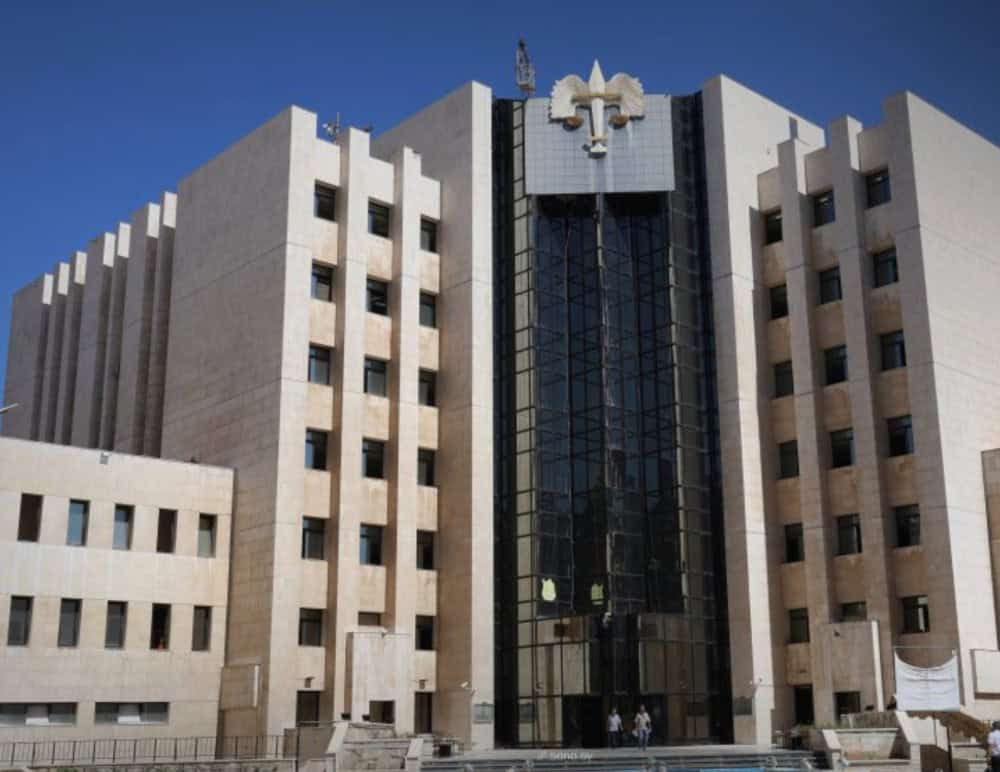
Protests erupted in Hasaka in eastern Syria after authorities replaced Kurdish and Arabic on a government billboard with English and Arabic, angering local residents. The incident reflects broader tensions as Damascus seeks to reassert control over eastern Syria following agreements with the Kurdish-led Syrian Democratic Forces.
-
Syria reports neutralizing Hezbollah plot to assassinate senior officials
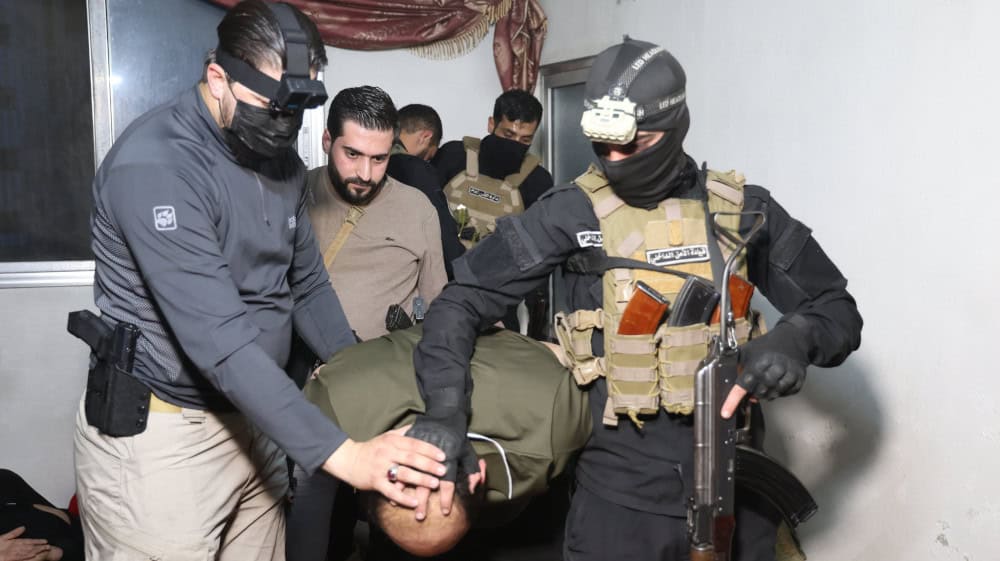
On May 5, Syrian authorities said that security forces dismantled a Hezbollah-linked militant network operating across multiple governorates, arresting 11 operatives, seizing weapons, and foiling planned assassinations.
-
Syria thwarts Hezbollah plot, vows at UN to fight terrorist groups
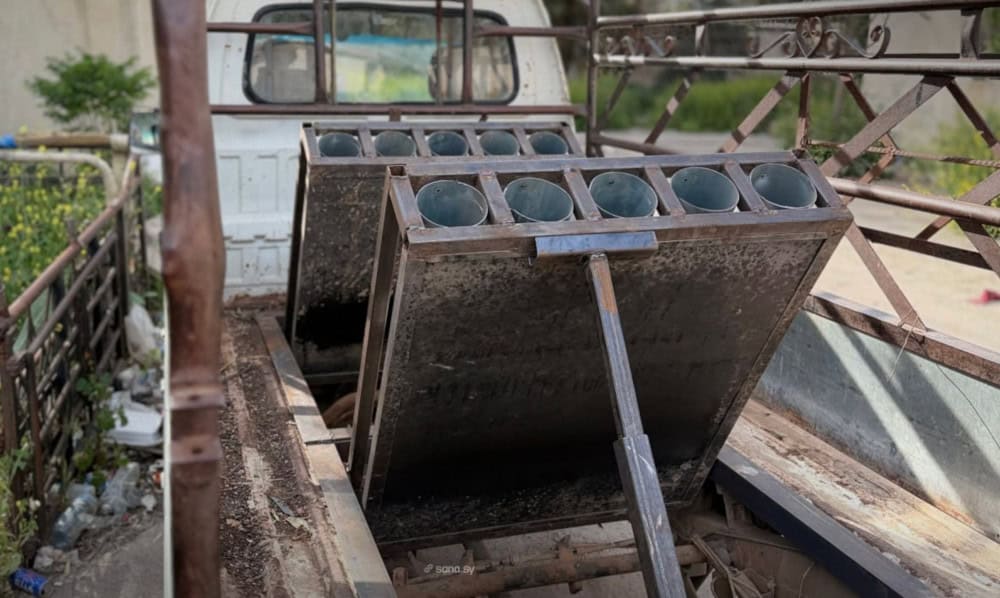
Syria says it disrupted a Hezbollah-linked plot and uncovered rockets near the Quneitra area of the Golan Heights. Officials also reported arrests tied to another terrorist cell, plus the seizure of 500,000 Captagon pills in a joint anti-smuggling operation with Iraq. At the United Nations, Syria pledged to continue counterterrorism operations, while criticizing Israeli actions in southern Syria.
-
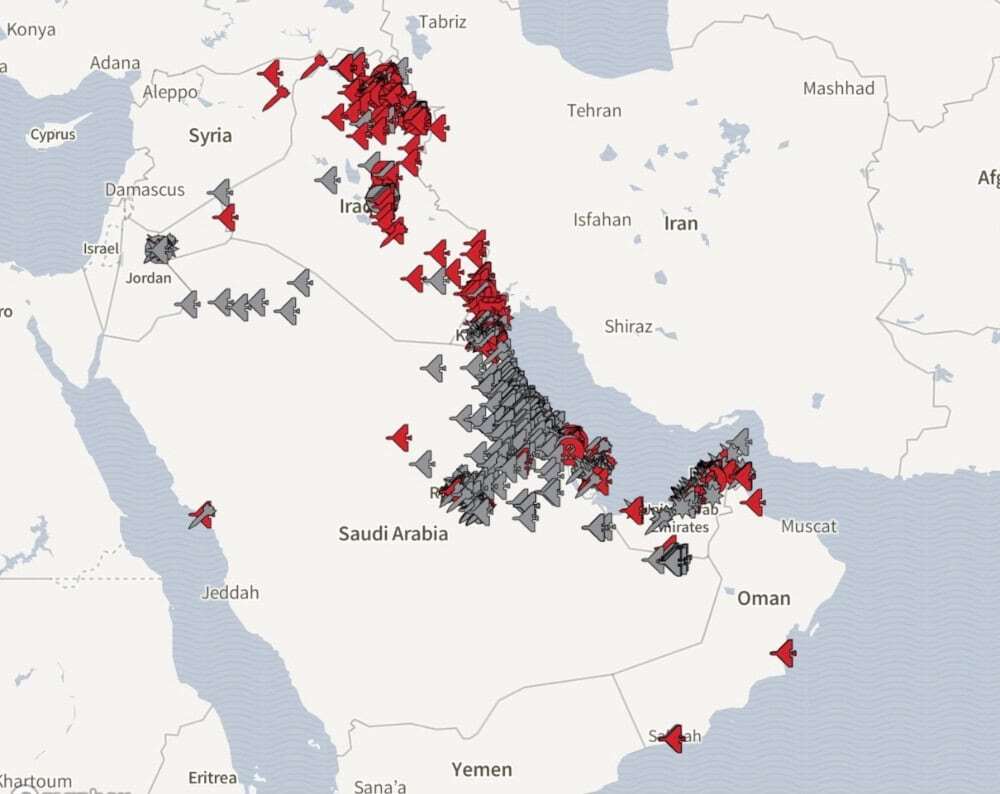
Iran’s war against regional states: UAE bore the brunt, Iraqi Kurdistan still under fire
The ceasefire between the US and Iran has largely held since April 8, and large-scale Iranian barrages targeting predominantly Arab states have ended. However, some attacks, particularly against Iraqi Kurdistan, have continued.
-
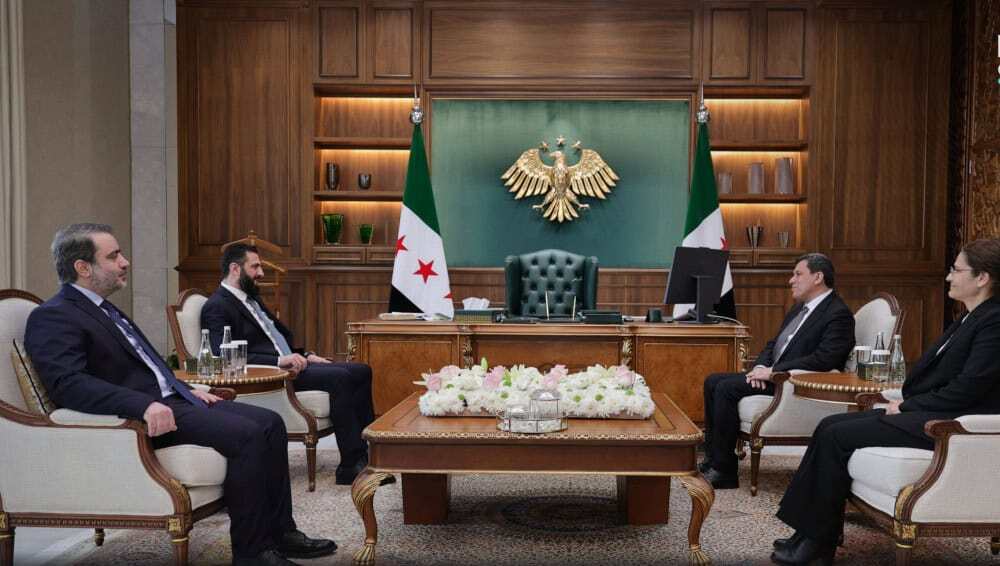
Syrian president meets Syrian Democratic Forces leader to discuss next phase of integration
On April 16, Syrian President Ahmad al Sharaa met with Syrian Democratic Forces (SDF) commander Mazloum Abdi in Damascus to discuss advancing the integration of the SDF into state institutions, following a January agreement. The talks come amid shifting control in eastern Syria, including government moves to secure key bases and border crossings after a US withdrawal.
-
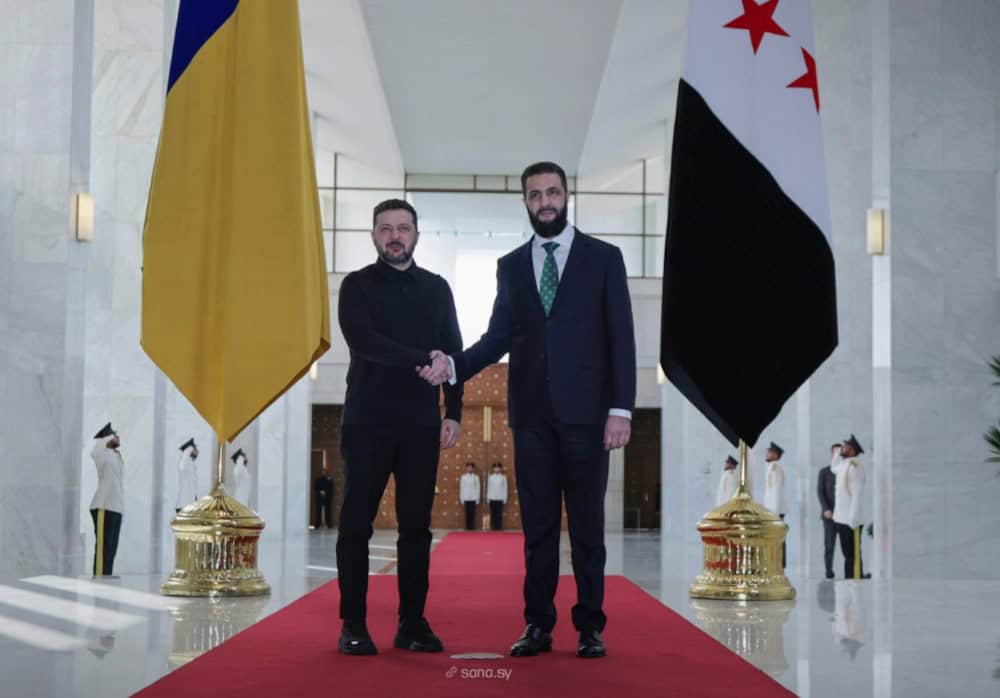
Syria focuses on diplomacy amid Iran war
Syria has sought to position itself as a diplomatic actor amid the regional conflict with Iran, maintaining relative stability while several neighboring states faced significant missile and drone attacks. Damascus has intensified high-level engagements with Turkey, the United States, and Ukraine, highlighting efforts to rebuild international ties following the fall of the Bashar al Assad regime.
-
6 Kurdistan Regional Government soldiers killed in Iranian attack on northern Iraq
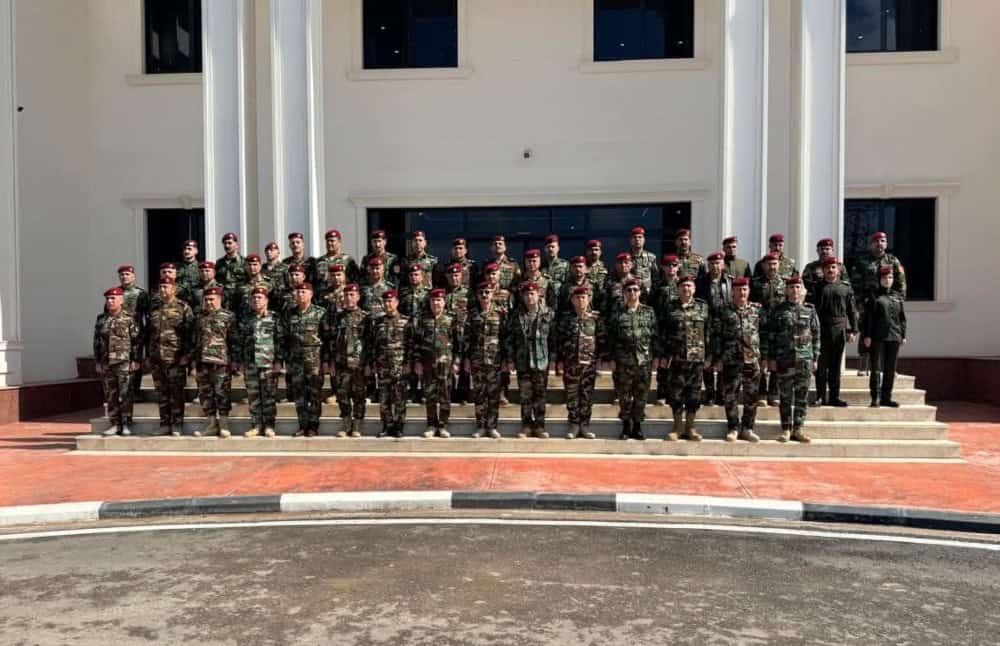
Six Peshmerga fighters were killed, and more than 20 were wounded in a missile strike north of Erbil on March 24, marking the deadliest attack on the Kurdistan Region since late February. The strike is part of a broader wave of drone and missile attacks by Iran and Iranian-backed militias targeting northern Iraq, US facilities, and Kurdish forces. In addition, rockets were fired toward Syria on March 23, and at least 15 members of Iraq’s Popular Mobilization Forces were killed in a likely US airstrike in Iraq’s Anbar province.
-
Islamic State ramps up attacks on Syrian government after issuing threats
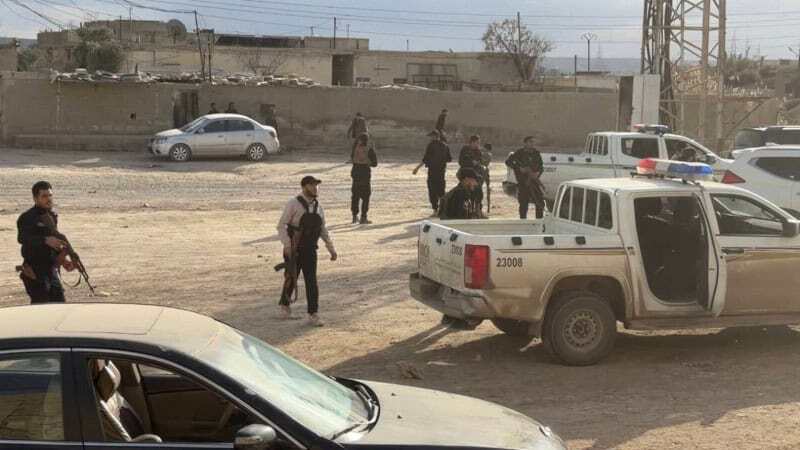
The Islamic State intensified attacks against Syrian government forces in February. The uptick followed a voice recording released by the group’s spokesman, Abu Hudhayfah al Ansari, that announced “a new phase of operations” in Syria.
-
Syrian government and SDF continue transition, US strikes Islamic State and withdraws from Tanf
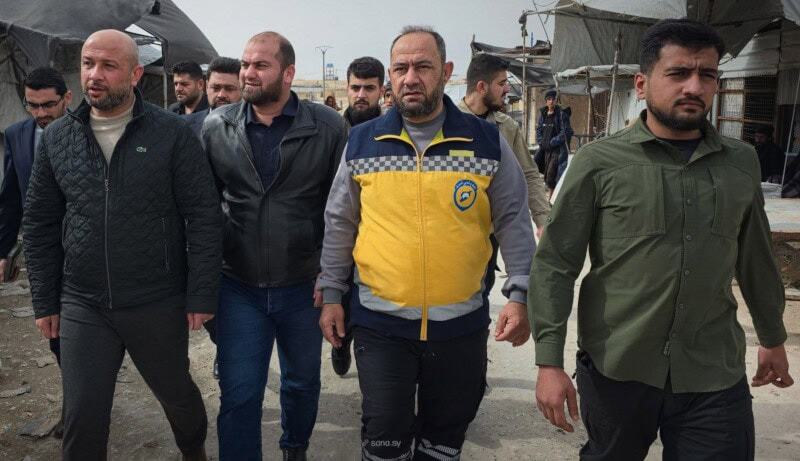
The Syrian government and the Syrian Democratic Forces (SDF) have continued implementing a January transition agreement. US Central Command has maintained pressure on the Islamic State with airstrikes and withdrew from the Tanf garrison in southern Syria. Damascus is assuming control of Islamic State detention sites in the eastern part of the country. Senior US, Syrian, and SDF officials met in Munich to discuss integration, the ceasefire implementation, and safeguarding rights amid Syria’s changing security landscape.
-
5,000 Islamic State detainees transferred to Iraq from Syria, will face investigations
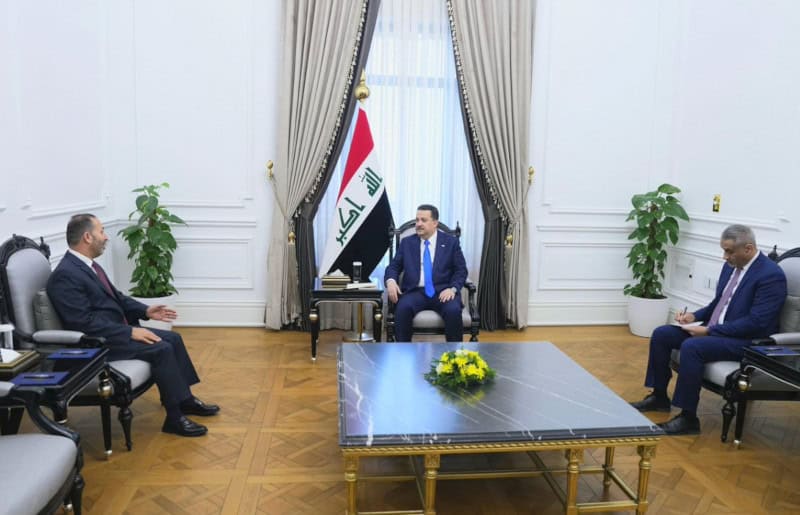
Around 5,000 Islamic State detainees have been transferred from Syria to Iraq under a US-facilitated mission that began in late January, following security shifts in eastern Syria. The number of detainees transferred is expected to reach up to 7,000. Iraqi officials say the transfers may conclude by February 12 and that the detainees will face investigation and prosecution. Iraq has stressed it will not become a permanent repository for foreign fighters and has urged countries to repatriate their citizens now in Iraqi custody.
-
Syria joins anti-Islamic State coalition meeting as territory transition with SDF continues
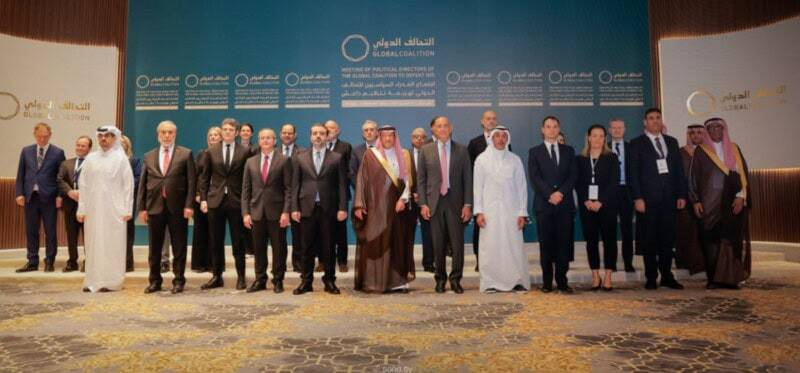
Syria’s foreign minister joined a US-led anti-Islamic State coalition meeting in Riyadh on February 9, signaling deeper coordination after Damascus joined the coalition in November. The meeting followed a January 29 agreement between the Syrian government and the Syrian Democratic Forces enabling government deployments into northeastern Syria. Coalition members praised the deal and discussed transfers of Islamic State detainees to Iraq. As Syrian forces move into SDF-held areas, the transition faces challenges, particularly in Kobani, where humanitarian conditions remain dire despite reduced violence.
-
After Damascus-SDF deal, Syrian security forces deploy in northeastern Syria
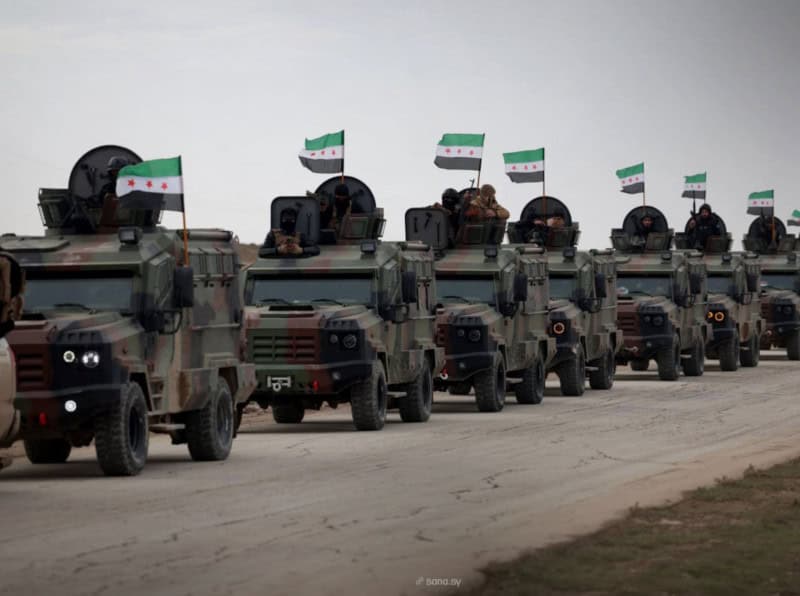
Syrian government forces deployed into Al Hasakah and Qamishli in eastern Syria in early February under a January 30 agreement with the Syrian Democratic Forces (SDF). The deal is aimed at ending clashes and restoring central authority in mainly Kurdish areas that the SDF still controls. The government deployment coincided with reports of continued US transfers of Islamic State detainees from Syria to Iraq and US strikes on Islamic State targets.
-
Generation Jihad | Big Yikes in Syria, Part XXXVII
In Part 37 of Big Yikes in Syria, Bill Roggio and Ahmad Sharawi unpack yet another round of bad alliances and strategic failure in the war-torn country.
-
Fighting intensifies between Damascus and Syrian Democratic Forces as diplomatic talks resume
Battles between Syrian government forces and the Kurdish-led Syrian Democratic Forces (SDF) have continued to intensify despite a US-mediated ceasefire agreement. The latest clashes have involved drone strikes, rocket and artillery fire, and suicide bombings.