-
Generation Jihad | Hezbollah’s moment of truth
A new 14-point trilateral framework toward ending hostilities in Lebanon puts Hezbollah, Iran’s strongest terror proxy, at a crossroads. Disarm and let Lebanon reclaim its southern border—or keep threatening Israel and risk blowing up the fragile US-Iran peace deal. FDD Senior Fellow David Daoud joins Bill Roggio to break down what’s really at stake in these negotiations.
-
Generation Jihad | Is the MOU DOA?
One week after President Trump signed a landmark Memorandum of Understanding (MOU) with Iran, the 60-day negotiation window is already under pressure—and the concessions are piling up. So, is this two-page MOU actually worth the paper it’s written on? FDD Iran Program Senior Director and Senior Fellow Behnam Ben Taleblu joins Bill Roggio to break it all down.
-
Generation Jihad | Iran’s Choke Point
Iran says it’s not in a rush to negotiate, but reality signals something else. Bill Roggio is joined by FDD Senior Fellow Miad Maleki — a former US Treasury sanctions architect — to break down why Tehran walked away from talks, what the Strait of Hormuz blockade is really doing, and why the regime may be under more pressure than at any point since 1979.
-
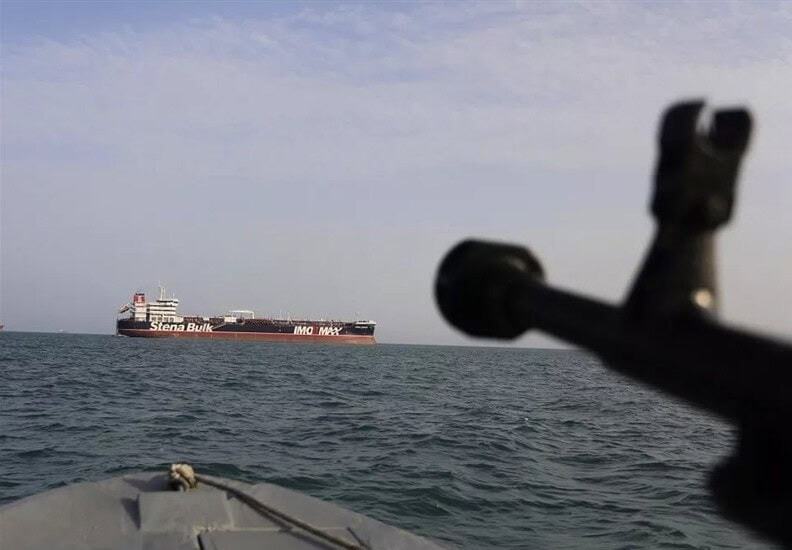
Iran attacks vessels in Hormuz, avoids concrete stance on ceasefire extension
Tehran has refused to take an official position after US President Donald Trump’s announcement of an extension of the US ceasefire with Iran, while conditioning further negotiations on the lifting of the US naval blockade. Iran’s Islamic Revolutionary Guard Corps also threatened regional oil and digital infrastructure and attacked ships in the Strait of Hormuz.
-
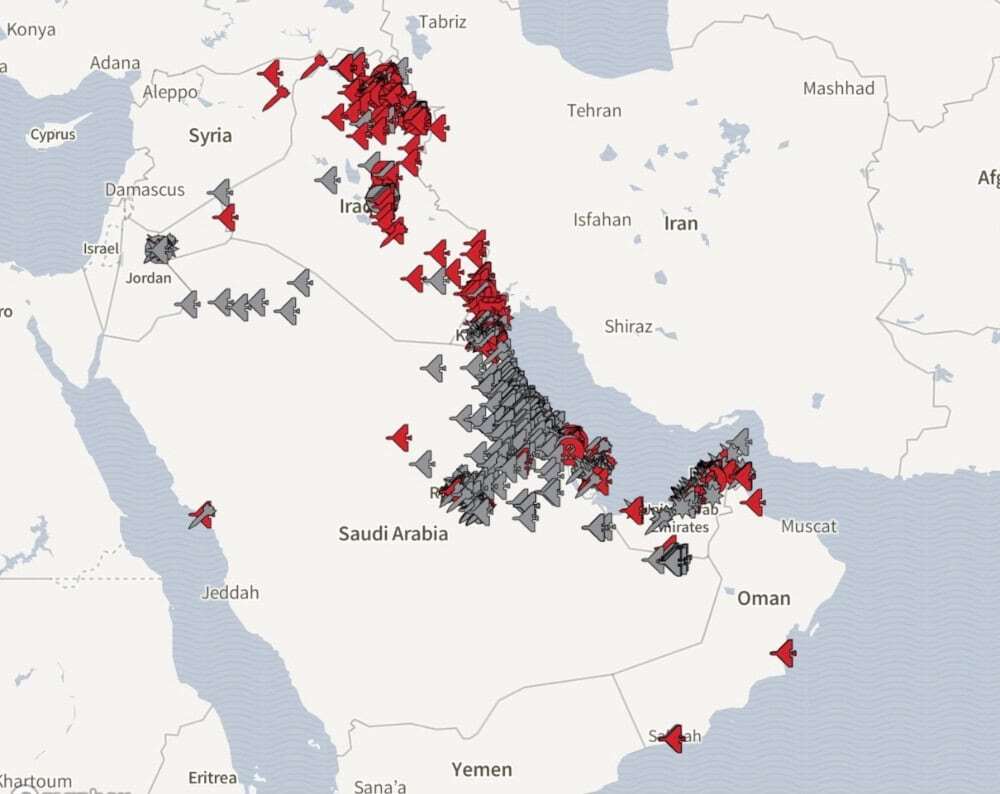
Iran’s war against regional states: UAE bore the brunt, Iraqi Kurdistan still under fire
The ceasefire between the US and Iran has largely held since April 8, and large-scale Iranian barrages targeting predominantly Arab states have ended. However, some attacks, particularly against Iraqi Kurdistan, have continued.
-
Analysis: The road to the latest Lebanon ceasefire
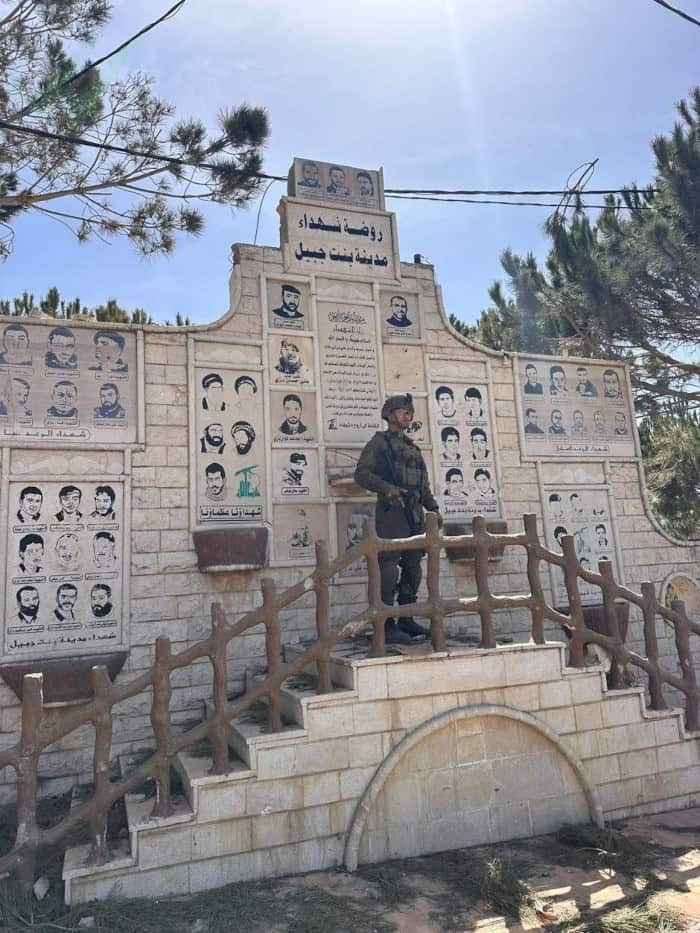
Iran has consistently sought to link its ceasefire with the United States to a concurrent cessation of hostilities in Lebanon. Tehran’s goal is to save Hezbollah, regardless of its stated aim of sparing Lebanon additional suffering. Iran, therefore, pressed the matter again as Hezbollah was on the cusp of losing the critical town of Bint Jbeil. A ceasefire in Lebanon went into effect on April 16.
-
Analysis: How to assess America’s 40 days of war against Iran
US and Israeli forces conducted an impressive campaign that significantly degraded Iran’s primary elements of military power. The operation did not, however, destroy these capabilities outright or eliminate Iran’s ability to project meaningful power outside of its borders.

-
Generation Jihad | Ceasefire or Long Game
FDD Senior Fellow David Daoud and Bill Roggio examine the recent and fragile ceasefire in the ongoing Iran war. Will the fighting in southern Lebanon between Israel and Hezbollah break the peace, and has the Iranian resistance movement missed a golden opportunity?
-
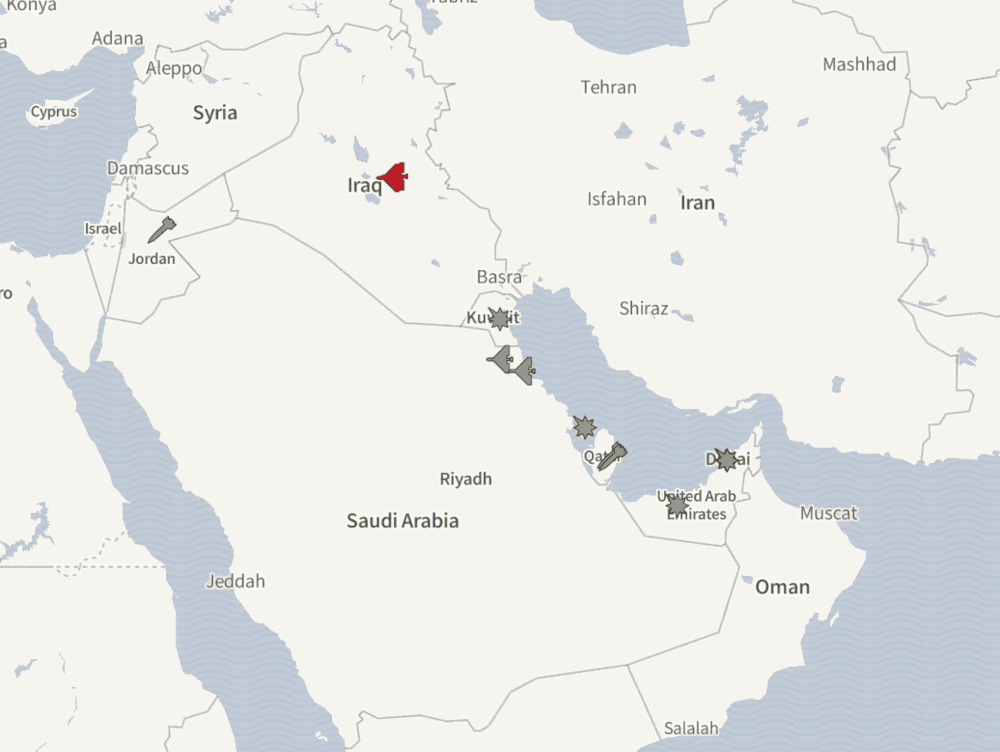
Despite ceasefire, Iran and its militias continue attacking regional states (April 2–8 updates)
Iran and its allied militias launched numerous drones and missiles against regional countries between April 2 and April 8, continuing attacks after a ceasefire between Iran and the United States was announced yesterday. Across this period, the attacks remained concentrated on the Gulf, Jordan, Iraq, and Iraqi Kurdistan, with repeated mass-interception events in the United Arab Emirates, Kuwait, Bahrain, Saudi Arabia, and Qatar.
-
US, Iran agree to 2-week ceasefire in exchange for reopening of Strait of Hormuz
There are conflicting conditions demanded by the US and Iran for lasting peace, and Israeli and Iranian strikes continued after the ceasefire announcement. However, a cessation of hostilities and reopening of the Strait of Hormuz to international shipping appear to be agreed-upon items. Iranian leaders touted the ceasefire as a victory, while US officials said the objectives of destroying Iran’s military and nuclear capabilities were achieved.