-
Analysis: Why do Iraqi Shiites hate the new Syria and its leader?
Many Iraqi Shiites have showcased a deep hatred of Syrian interim President Ahmad al Sharaa and his new government following the fall of dictator Bashar al Assad. Sharaa’s unpopularity can be explained by his history as a jihadist, as well as the Iran-led Axis of Resistance’s defeat in Syria.

-
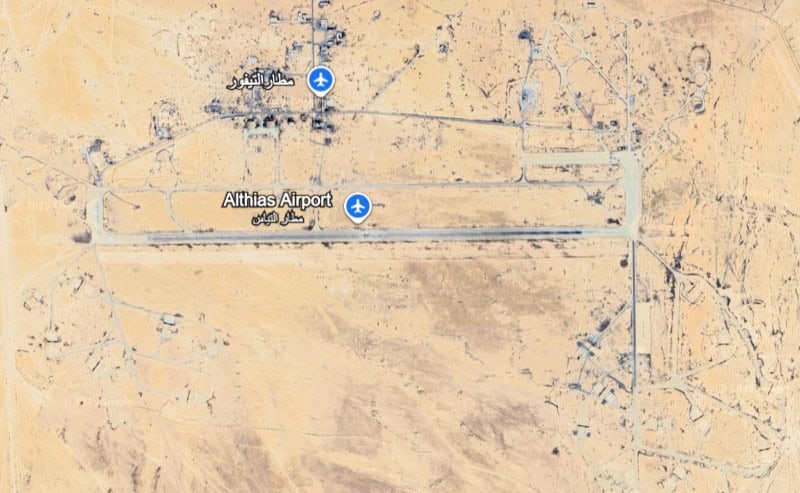
Turkey reportedly plans to take control of airbases in Syria
Turkish plans to establish a presence and air defenses on Syrian soil would hinder Israel’s operational freedom, a situation Israel is unlikely to accept in the post-October 7 Middle East.
-
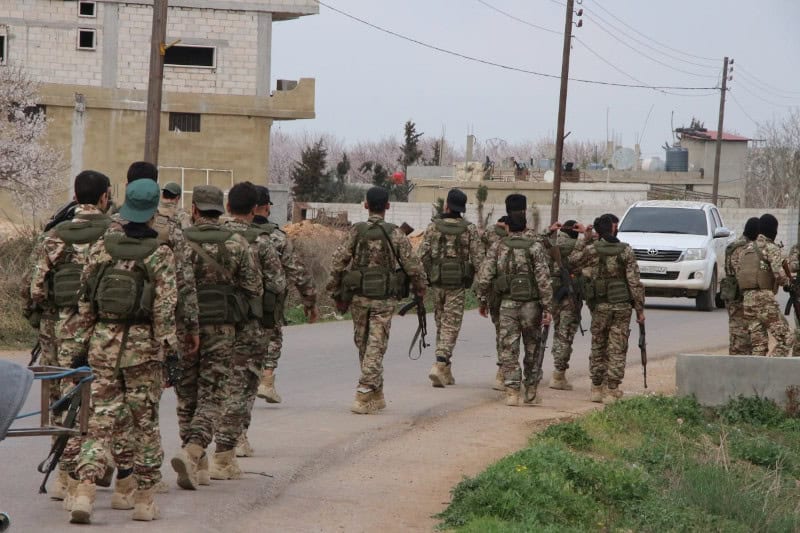
Profiles of commanders in the new Syrian army’s regional divisions
On January 29, Syria’s new leadership announced the dissolution of the Assad regime’s Syrian Arab Army, followed by appointing militia leaders from the civil war to key military positions. FDD’s Long War Journal has identified and profiled several of these figures.
-
Syrian authorities continue crackdown on Hezbollah and its affiliates
On March 16, the Syria-Lebanon border witnessed intense clashes between the new Syrian government and Lebanese Shiite tribesmen and Hezbollah affiliates.
-
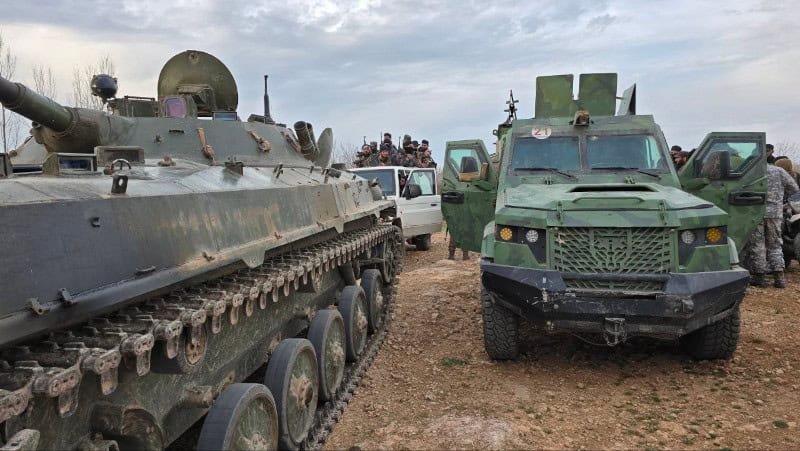
Israel widens campaign against former regime military sites in southern Syria
The Israel Defense Forces (IDF) conducted airstrikes in southern Syria on the evening of March 17, targeting military command centers and “sites containing weapons and military vehicles belonging to the old Syrian Regime.” The operations are part of a widening Israeli campaign to demilitarize southern Syria.

-
US strike in Iraq eliminates top Islamic State leader
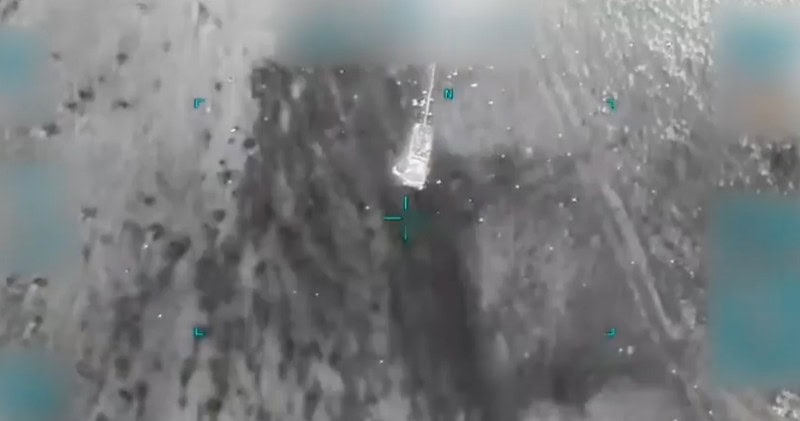
On March 13, US Central Command carried out an airstrike that killed Abdallah Makki Muslih al Rifai, also known as Abu Khadijah. Rifai was a top leader in the Islamic State (IS) whose exact position is in dispute—likely the group’s effective second in command or caliph. His death marks another significant strike against IS after various leaders have been killed in the last three years.
-
Conflict in Syria Continues
Ahmad Sharawi joins Bill for an update on Syria’s ongoing conflict, including: the recent Alawite insurgency against the government led by Abu Muhammad al-Jawlani, the role of jihadist groups and involvement of the Syrian National Army and Syrian Democratic Forces, Israel’s position on minority protection in Syria, and the feasibility of military action in the region.
-
Israel conducts strike targeting Palestinian Islamic Jihad in Damascus
The Israel Defense Forces (IDF) attacked a building in Damascus, Syria, on Thursday, stating it was a Palestinian Islamic Jihad command and control center. The IDF said it conducted the strike due to concerns about planned attacks against Israeli territory. The Israeli military has increasingly carried out strikes in recent months against former and current Syrian regime assets and various groups, including Hamas.
-
Analysis: Why did Syria’s Kurds sign a deal with the new regime?
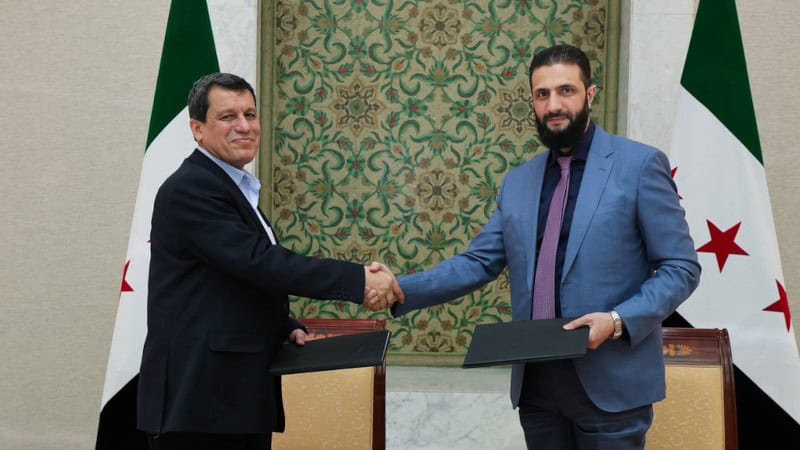
The Syrian Democratic Forces (SDF) signed an agreement with Syria’s interim government, integrating the SDF’s 100,000-strong, mostly Kurdish force into the new Syrian military. The deal likely represents a calculated risk by the SDF to curtail Turkish aggression, especially if the US withdraws from the country.
-
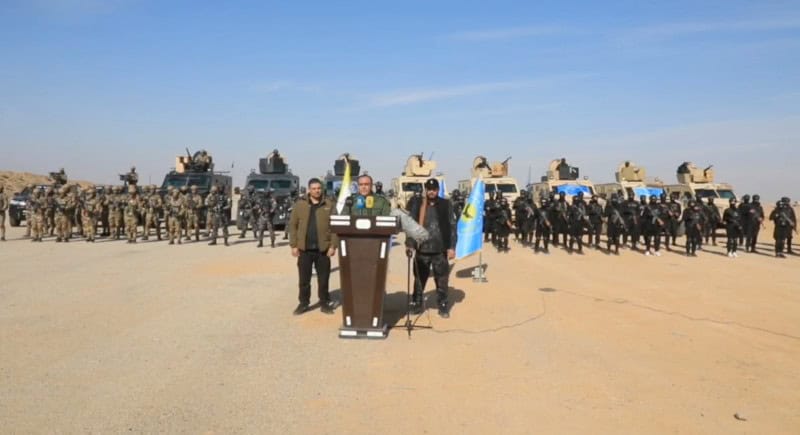
After SDF-Damascus deal, a spotlight on US forces in Syria
US forces in eastern Syria continue to work closely with the Syrian Democratic Forces (SDF) and the Syrian Free Army (SFA). However, the agreement between SDF commander Mazloum Abdi and Syrian President Ahmad al Sharaa to integrate eastern Syria into the country’s new governing institutions could affect the US role in Syria and the broader anti-Islamic State campaign.
-
Israeli defense chief assesses military readiness along Israel’s border with Syria
Lieutenant General Eyal Zamir, the new chief of the General Staff of the Israel Defense Forces (IDF), visited Israel’s border with Syria on March 9. He traveled to IDF positions and met with commanders. It is his first visit to the border since assuming the role and part of a wider series of Israeli moves to bolster the border and warn the new government in Damascus to demilitarize southern Syria.

-
Fierce clashes erupt between Assad loyalists and government forces in western Syria
On March 6, Syria witnessed the most intense and bloodiest clashes between the new Syrian government and Bashar al Assad loyalists since Assad’s downfall on December 8.

-
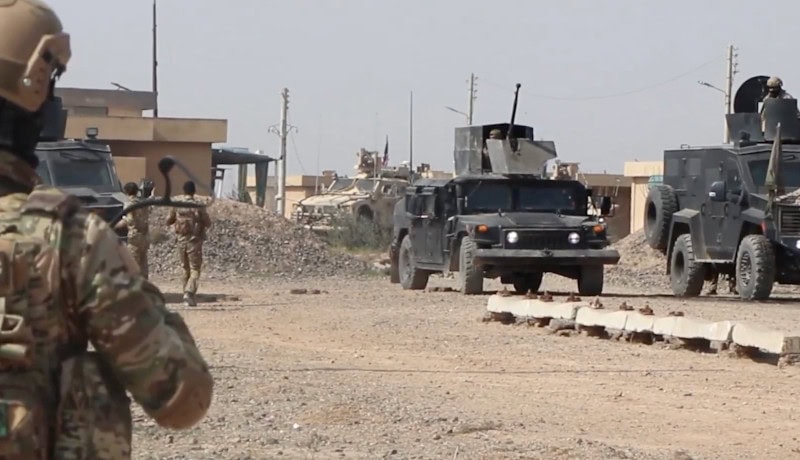
Analysis: How will the US-backed SDF be affected by PKK leader’s disarmament call?
On February 27, Kurdistan Workers Party (PKK) leader Abdullah Ocalan called for his group to disarm and end its conflict with Turkey. The US-backed Syrian Democratic Forces (SDF) in eastern Syria have welcomed this statement, which may provide an opportunity for Turkey to change its policy in Syria, affect US policy, and impact SDF relations with the new government in Damascus.
-
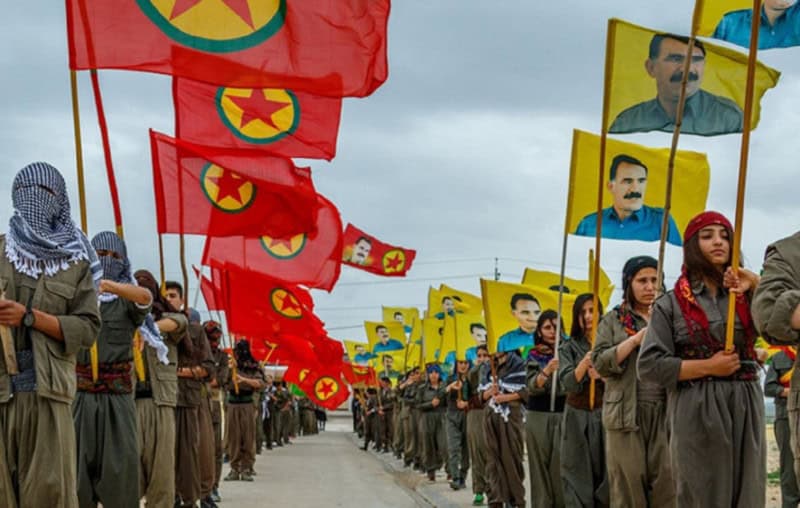
Analysis: Iran’s loss is Turkey’s gain
Tehran’s recent setbacks have paved the way for Ankara’s ascent. The Ankara-backed Azerbaijan’s triumph over Tehran-backed Armenia, Turkish-supported militias outmaneuvering Iran’s influence in Syria, and now, the unraveling of the Iran-backed PKK further tilts the balance in Turkey’s favor.
-
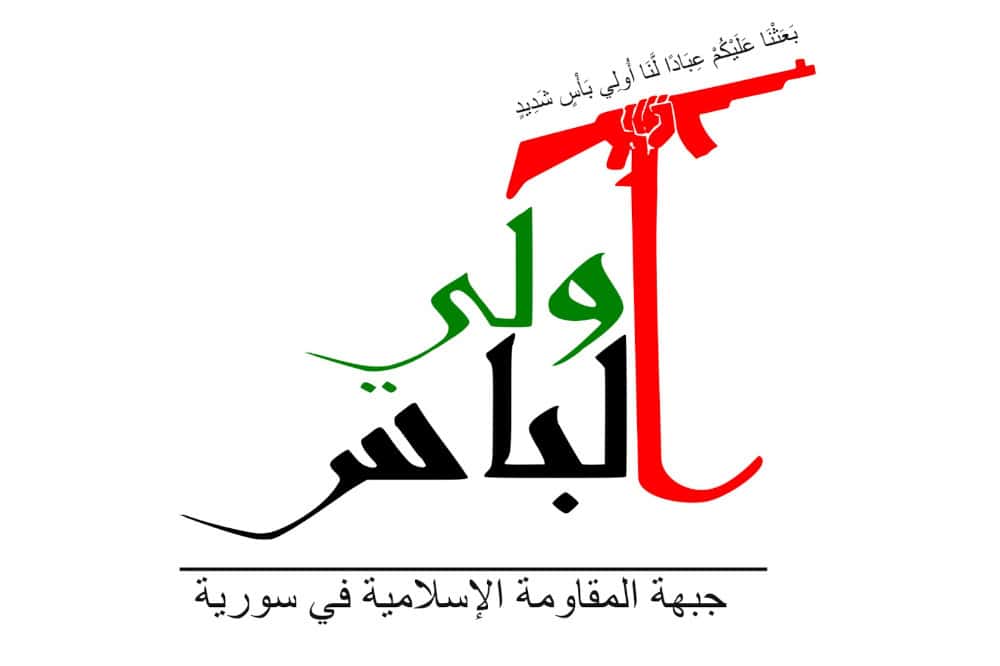
Nascent Syrian armed group emerges to confront Israeli forces
An armed group called the Islamic Resistance Front in Syria recently formed with a stated goal of countering Israel’s military presence in the Golan Heights.
-
Israel strikes southern Syria amid continued demands for demilitarization
The Israel Defense Forces (IDF) carried out airstrikes in southern Syria on February 25 after Israeli Prime Minister Benjamin Netanyahu and Defense Minister Israel Katz said that southern Syria must be a demilitarized zone. Local reports said that the strikes hit several areas in Daraa province, not far from Israel’s Golan Heights.
-
Suwayda Military Council: A new Druze coalition emerges in Syria
A group of Druze militants in Suwayda, southern Syria, has announced the formation of the Suwayda Military Council, a coalition of local armed groups aimed at protecting the region and maintaining security. The council stated its mission is to safeguard civilians and public property from violence and destruction while strengthening cooperation with other security factions. It also announced plans for regular meetings to assess threats and respond accordingly. As part of its efforts, the council has called on officers and soldiers from civil society to attend a military meeting on February 24 in the Sad Al Ain area between Suwayda…
-
US military kills Al Qaeda facilitator in Syria
A US airstrike killed Wasim Tahsin Bayraqdar, who US Central Command (CENTOM) identified as “a senior leadership facilitator” for Hurras al Din. The strike is the third against the Al Qaeda branch since President Donald Trump took office.
-
Profiles of foreign commanders in the new Syrian army
Syria’s interim president, Ahmad al Sharaa, approved the promotion of numerous military commanders, many of whom are foreign fighters previously affiliated with Hayat Tahrir al Sham and other factions that participated in the “Deterring Aggression” campaign against Bashar al Assad.
-
Turkistan Islamic Party leader directs Syrian fighters from Afghanistan
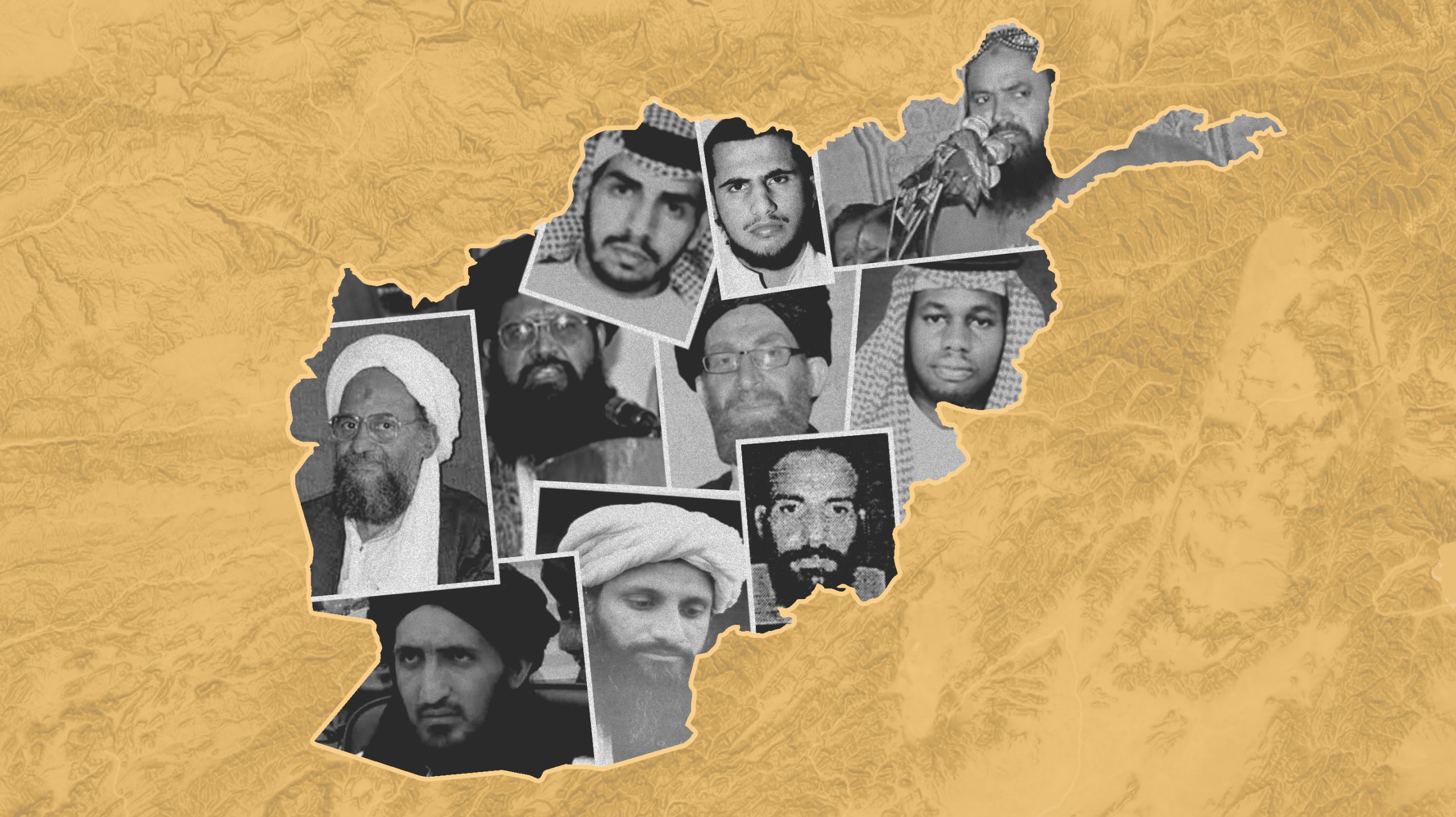
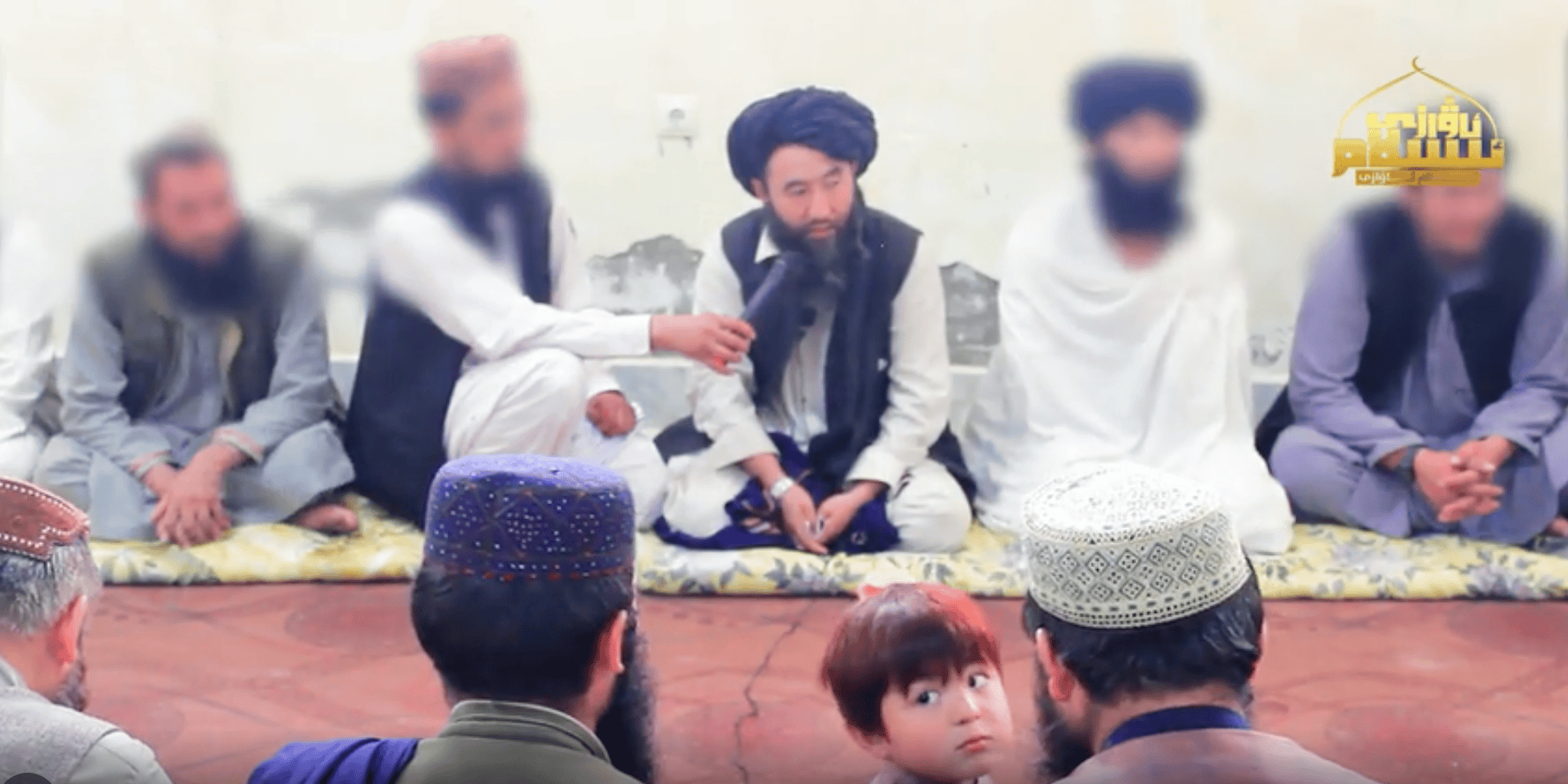
Abdul Haq al Turkistani currently operates from Kabul while directing his fighters in Syria. Haq’s presence in Afghanistan directly contradicts the Taliban’s claims that no foreign fighters operate or are based in the country and that Afghanistan isn’t a headquarters for terrorist groups.
-
US pushes countries to repatriate nationals in Syria’s displaced-persons camps
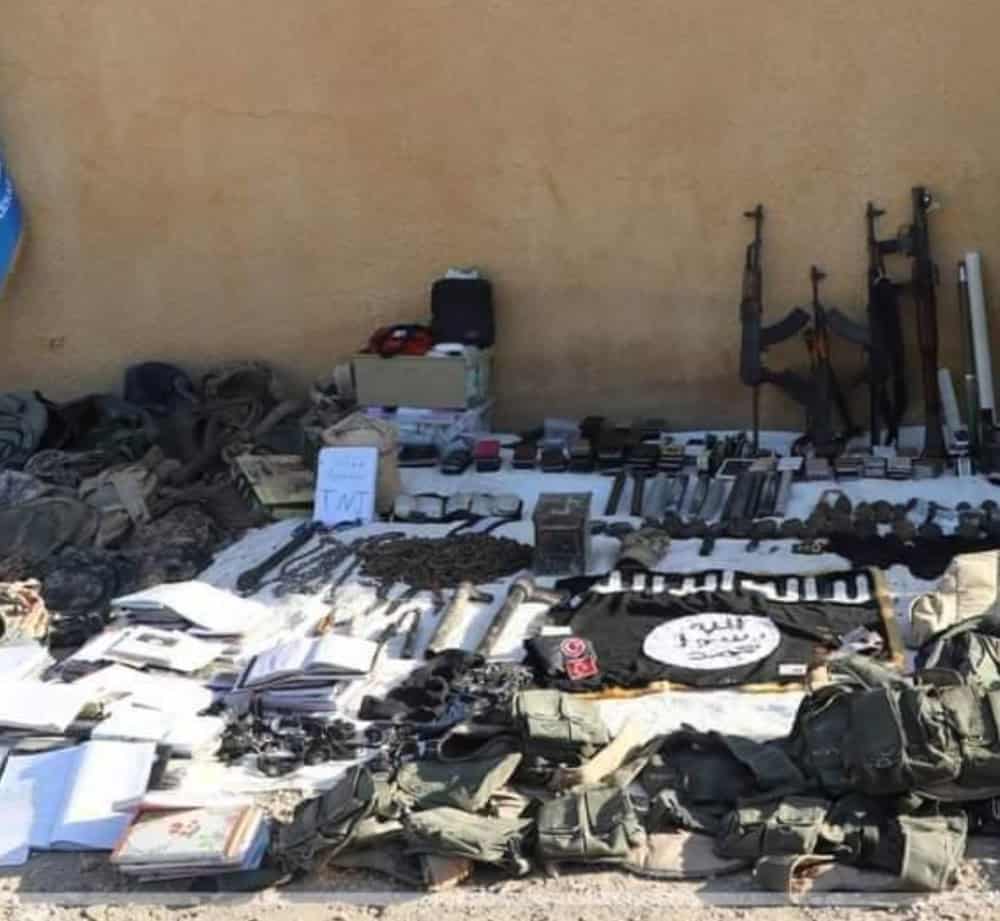
US assistance for camps in Syria that house Islamic State-linked families “cannot last forever,” acting US Ambassador to the UN Dorothy Shea told the UN on February 12. The spotlight on the camps comes as the Islamic State continues to pose a threat, and a new Syrian government attempts to assert control over the country.
-
Analysis: Syria’s crackdown on smuggling sparks tensions with Hezbollah and Lebanon
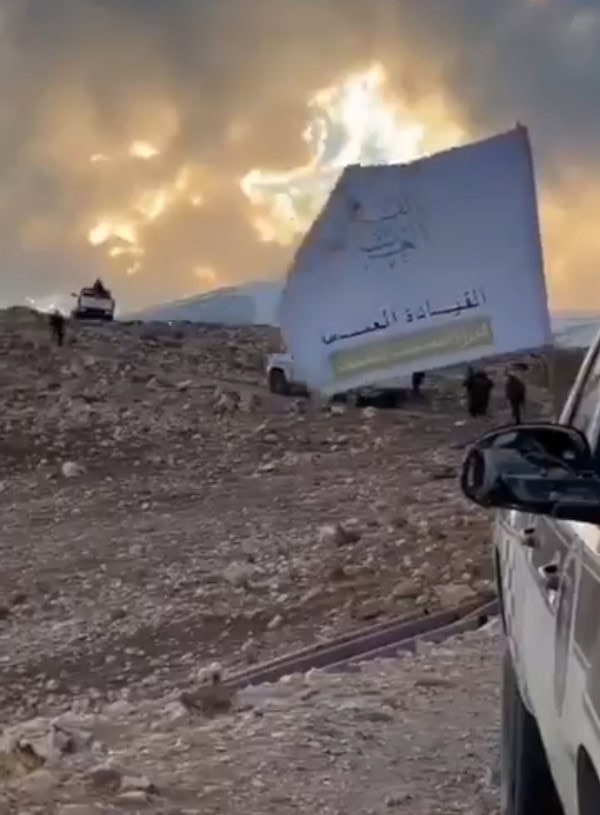
There has been a serious escalation on the Lebanon-Syria border over the past week after Syrian forces launched an operation targeting illegal checkpoints used for narcotics and weapon smuggling.
-
US-backed Syrian Free Army continues to patrol Tanf area in southern Syria
The US-trained Syrian Free Army helped clear unexploded ordnance and provided support to local Syrians in continued operations in southern Syria. Based at Tanf near the Jordanian and Iraqi borders, the unit also met with the new Syrian government in Damascus. The Syrian Free Army grew out of the US-backed anti-Islamic State mission and has operated from Tanf for almost a decade in various forms.

-
Syrian government forces enter Afrin, signaling a change in control
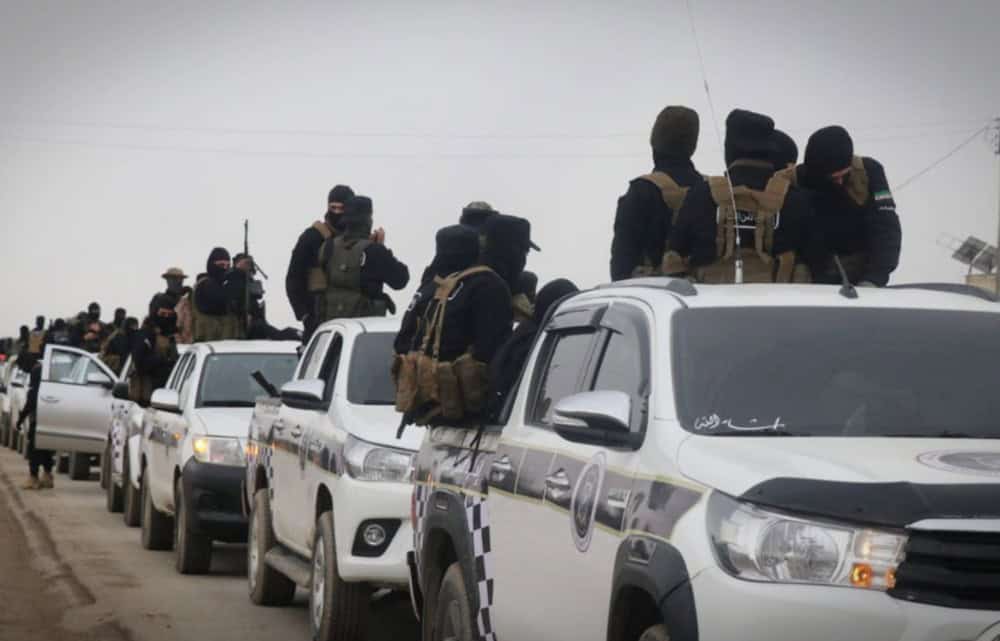
The new Syrian government in Damascus sent a convoy of vehicles from the General Security Department to Afrin, a historically Kurdish city and district in northwest Syria. In 2018, Turkey launched a military operation into Afrin and backed the Syrian National Army (SNA) to run the district. The deployment by Damascus appears to represent a significant shift after five years of rule by the SNA.
-
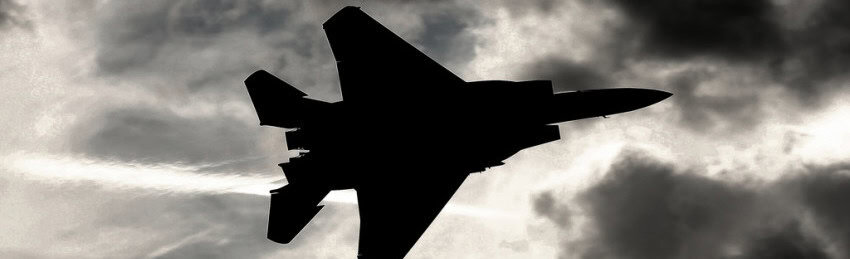
US airstrike kills Al Qaeda operative in Syria
CENTCOM described Muhammad Salah al Zabir as “a senior operative in the terrorist organization Hurras al-Din.” The strike takes place less than two weeks after the Trump administration took office and may signal a change in policy toward Syria.
-
Syria appoints new president amid widespread diplomatic engagement efforts
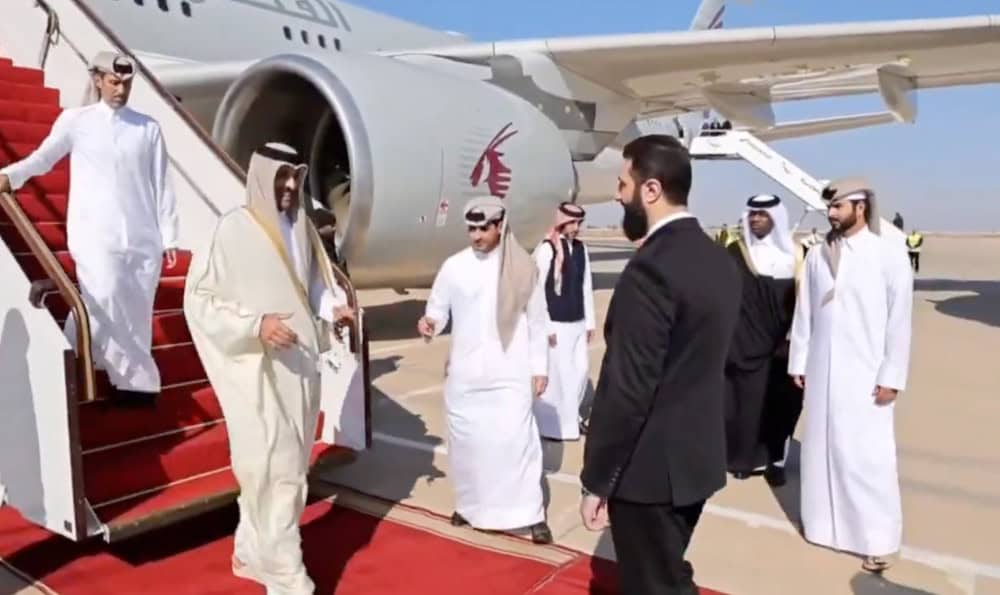
On January 29, Ahmed al Sharaa was declared the new president of Syria in the transitional government that came into power after the collapse of the Assad regime on December 8. This declaration led to congratulations from several Arab states in the region, and the Qatari emir arrived in Damascus on January 30, the first head of state to visit the new ruler. These developments are part of a broad diplomatic outreach by Sharaa and his new foreign minister.
-
Ahmad al Sharaa’s Victory Conference: Syria’s new era and an exclusive translation of Sharaa’s speech
Syria’s new leaders hosted a conference at which Hayat Tahrir al Sham (HTS) leader Ahmad al Sharaa (Abu Mohammad al Jolani) was appointed as the president of Syria for the transitional period. Additionally, a number of Syrian armed factions agreed to integrate into a unified army.

-
Analysis: Continued chaos in Syria: Iraqi militias and an Alawite insurgency
Chaos in Syria deepens as a newly formed Iraqi militia vows to defend the Alawites from alleged Hayat Tahrir al Sham (HTS)-led atrocities and Alawite militias escalate attacks on HTS-affiliated groups in Western Syria, fueling a growing insurgency.
-
Iranian-backed militias in Iraq face an uncertain future
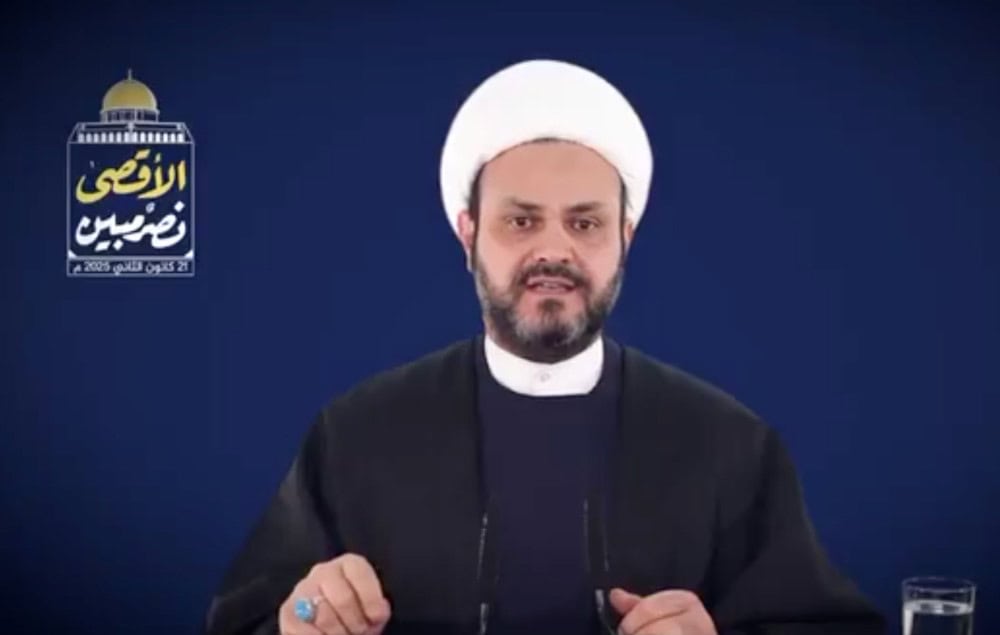
Pro-Iranian militias in Iraq, collectively part of the Hashd al Shaabi (Popular Mobilization Units), face increasing calls to place their arms under state control or lay them down entirely. The fall of the Assad regime, a new administration in Washington, and the Gaza ceasefire have put these groups under the spotlight in Iraqi politics.
-
The strategic Tishrin Dam has become a flashpoint in post-Assad Syria
Clashes in Syria have increased at the Tishrin Dam, a strategic site on the Euphrates River around 30 miles south of the Turkish border controlled by the US-backed Syrian Democratic Forces. The Turkish-backed Syrian National Army, a collection of former Syrian rebel groups, has been seeking to take the dam since the fall of the Assad regime on December 8.