-
Analysis: Tehran on the back foot: Proxy struggles and Assad’s dilemma
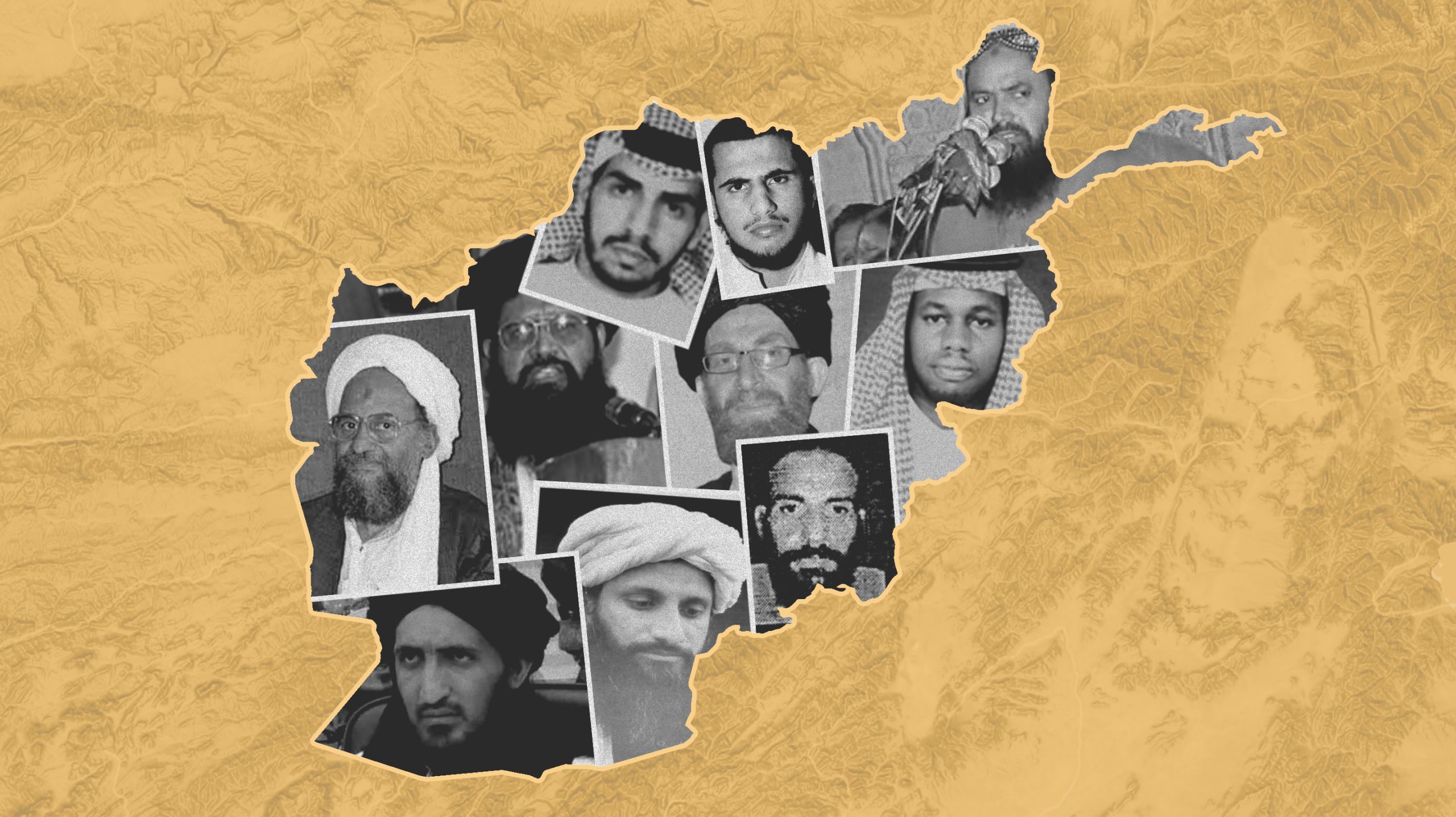
Just a year ago, the Islamic Republic was on the offensive as it used its proxies to launch coordinated attacks on Israel from six fronts to demonstrate the extent of its regional influence. Now, the momentum has shifted. Israeli operations have severely weakened Hamas and Hezbollah, Syrian rebels backed by Turkey wage a relentless war against Assad, and the United States targets Iranian-backed militia bases across Syria.

-
Hezbollah and Israel conduct attacks as ceasefire at risk
The Israel Defense Forces (IDF) carried out strikes against Hezbollah on December 2, five days after a ceasefire began on November 27. Hezbollah launched mortars toward Mount Dov in northern Israel. The IDF has carried out daily strikes on Hezbollah, including the group’s rocket launchers and vehicles, since the ceasefire, accusing the group of violating the terms of the agreement.

-
Amid ceasefire talks, Israel focuses on disrupting weapons smuggling to Hezbollah
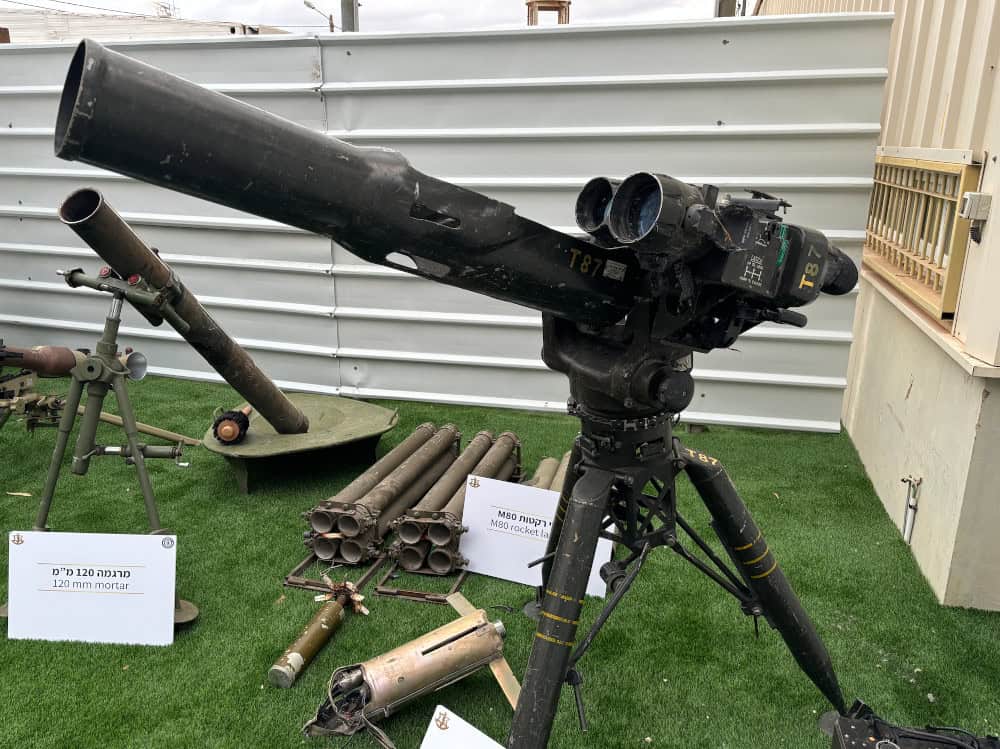
Hezbollah launched numerous barrages of rockets at Israel on November 26 as reports in Israel indicated a possible ceasefire might be agreed to this week. The IDF focused its attacks on Hezbollah’s weapons smuggling networks that stretch into Syria and are backed by Iran. In addition, the IDF showed off some of the vehicles and Iranian weapons it has seized in Lebanon.
-
Israel kills wanted Hezbollah commander behind the establishment of Iraq’s Iran-backed militias
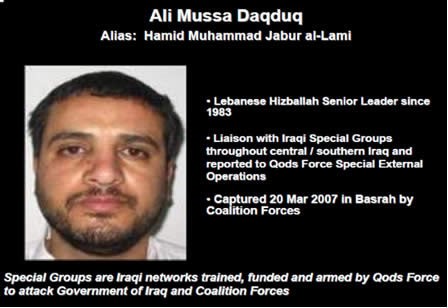
Ali Mousa Daqduq was one of the founders of Iraq’s Iran-backed militias that are responsible for killing over 600 American soldiers in Iraq. Daqduq was in US custody in 2007 before being handed over to the Iraqi government, which subsequently freed him in 2011. He returned to Hezbollah and served as deputy commander of the Radwan Force when he was killed.
-
Analysis: Israel’s expanding efforts to disrupt Hezbollah’s supply chain
Israel’s recent kidnapping of a Lebanese naval officer, allegedly a senior official in Hezbollah’s small, elite naval unit, may have as much to do with disrupting Iranian attempts to resupply Hezbollah’s degraded arsenal by sea as it does with learning more about the secretive unit’s fighting capabilities.

-
Analysis: Hezbollah’s Unit 4400
Israel has focused on degrading Hezbollah’s Unit 4400, which is tasked with supplying the group with weapons and funds. Israel’s spate of attacks has impacted the unit’s ability to function and Hezbollah’s battle-readiness during the current campaign. However, it remains too soon to determine the long-term impact on Hezbollah’s organizational integrity.

-
Analysis: Israeli airstrikes hit Hezbollah’s intelligence branch in Syria
The Israel Defense Forces (IDF) conducted airstrikes targeting sites belonging to Hezbollah’s intelligence headquarters in Syria.

-
Israel launches retaliatory strikes against Iranian military facilities
Israeli fighter jets carried out airstrikes against military bases in Iran as a direct response to Iran’s ballistic missile attack on Israel on October 1. Waves of strikes eliminated radar and air defenses, followed by missile and drone bases, including production sites.

-
Analysis: The impact of Israeli operations on Hezbollah’s organizational structure
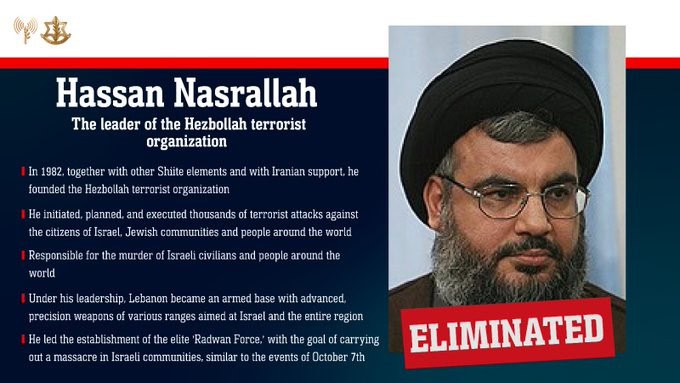
A breakdown of the Hezbollah officials Israel has assassinated, those who remain, and the impact on the organization and its durability.
-
Analysis: Large-scale attack targets Hezbollah fighters
Pagers assigned to members of the Lebanese group exploded on September 17, injuring more than 2,500 people and causing an undetermined number of deaths. A significant Israeli assault that has potentially injured thousands of Hezbollah fighters is unlikely to go unanswered.
-
US and Iraqi forces kill Islamic State leaders
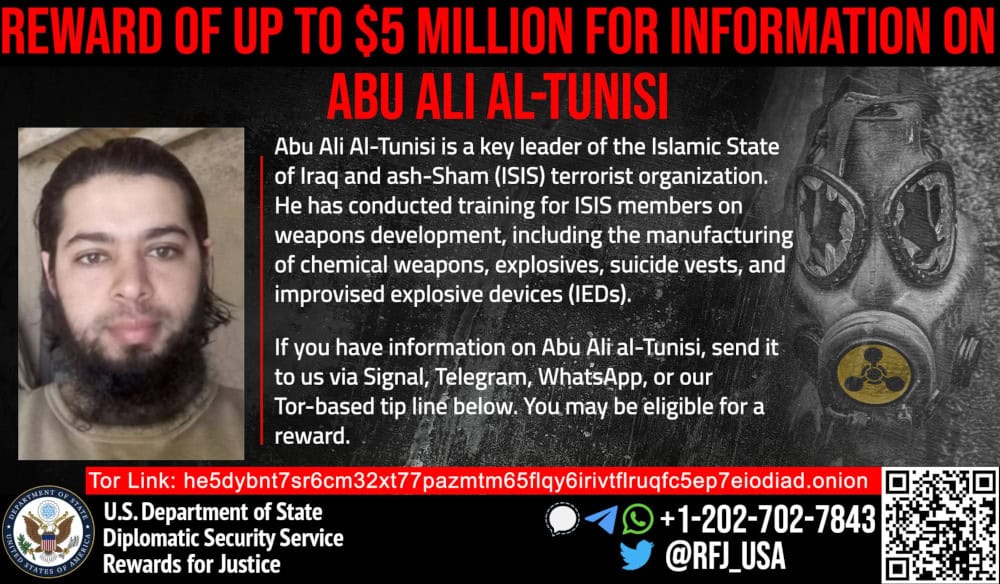
Abu-‘Ali al-Tunisi, one of the killed Islamic State (IS) leaders, had a $5 million bounty on his head. The raid against the IS cell took place one week before the news of the drawdown of US forces from Iraq.
-
Analysis: The perils of a Turkish-Syrian rapprochement
Since Turkey and Syria broke off relations in 2011, Ankara has played a prominent role in fighting Bashar Al-Assad’s regime in Syria by supplying material support to insurgent groups seeking to overthrow Assad and maintaining forces in the opposition-held northwest. However, Turkish President Recep Tayyip Erdogan and Assad recently signaled they are interested in restoring diplomatic ties.

-
Losses mount in Lebanon for Islamic Jihad’s Syrian branch
Palestinian terrorist groups fighting in Lebanon continue to lose fighters to Israeli strikes as Islamic Jihad claims the death of a member on Saturday.

-
Jordanian authorities thwart major drug smuggling operation linked to Iran-backed militias
Jordanian authorities thwarted a major drug smuggling operation linked to Hezbollah and Iran-backed militias, seizing 9.5 million Captagon pills and 143 kilograms of hashish, highlighting regional security challenges and straining Jordan’s resources.

-
Iraqi militia threatens Israel with retaliation over strike in Syria
Iranian-backed Harakat Hezbollah al-Nujaba’ issued a statement warning that it would respond against Israel for attacking a site in Damascus belonging to the militia.
-
Pressure mounting on U.S. with troops under attack in Syria and Iraq, plus blasts on PMF base
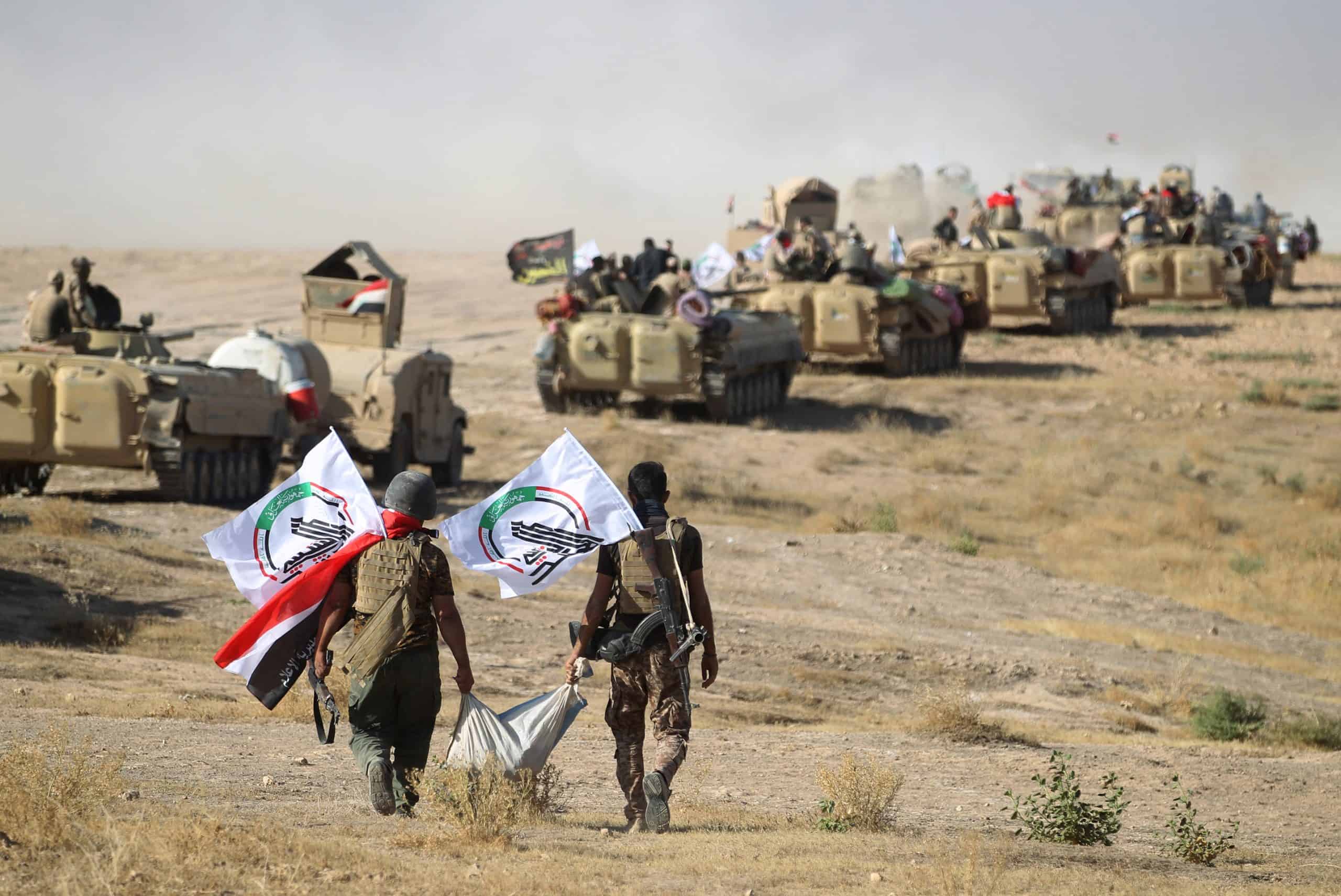
Violent explosions hit the Kalsu base in Iraq, amid speculation of Israeli involvement; no party has claimed responsibility. Recent attacks on US soldiers in Syria and Iraq, after a hiatus, may signal a resurgence of violence against US presence, as Iraqi factions debate approaches towards US withdrawal.
-
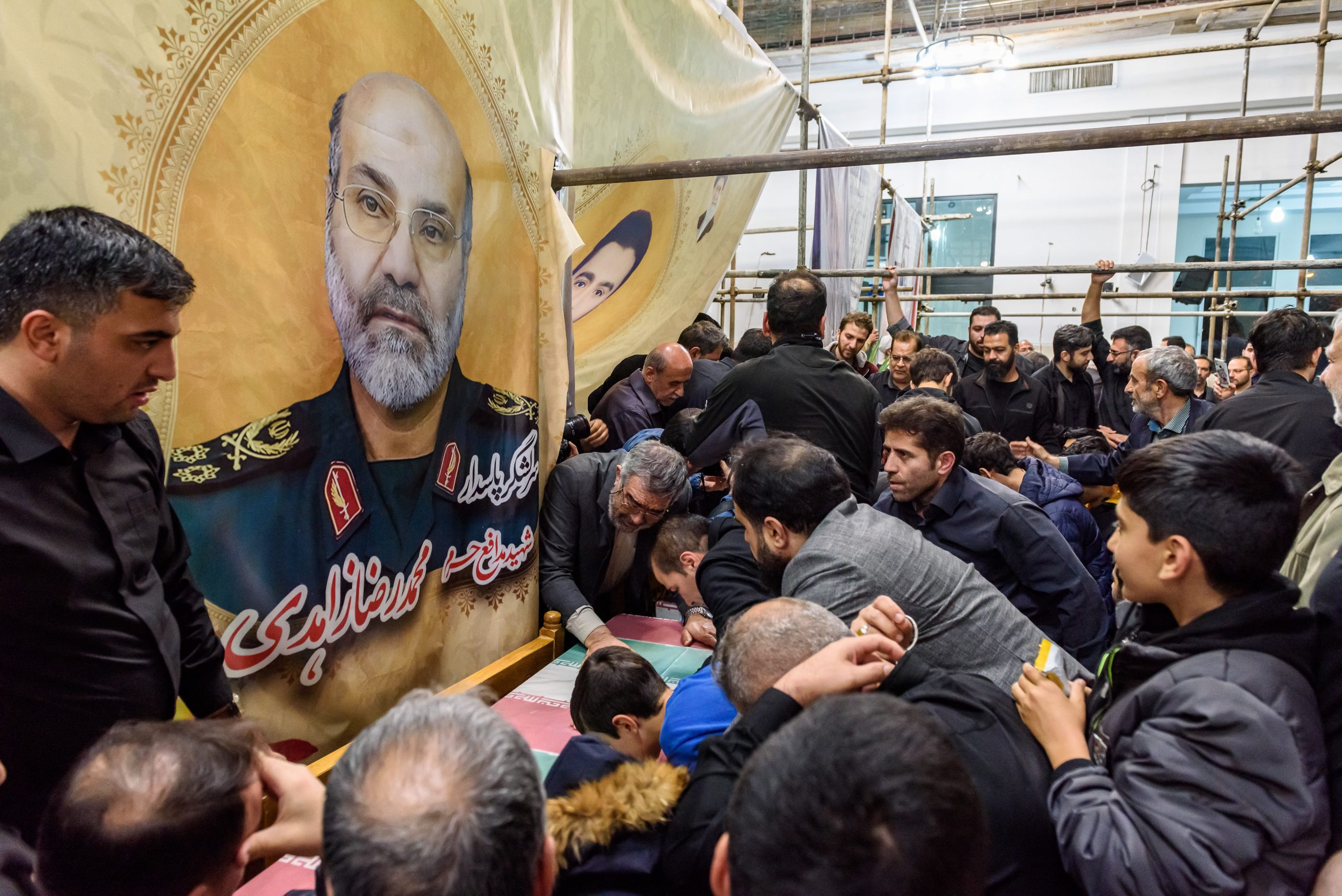
Analysis: Hezbollah’s expected Response to IRGC-QF Gen. Mohammad Zahedi’s killing
Israel killed a senior IRGC officer in Syria. Iran, and possibly Hezbollah will avenge him – but without undermining their broader objective of rescuing Hamas and its partners in Gaza.
-
Analysis: The consequences of US weakness in Iraq and Syria
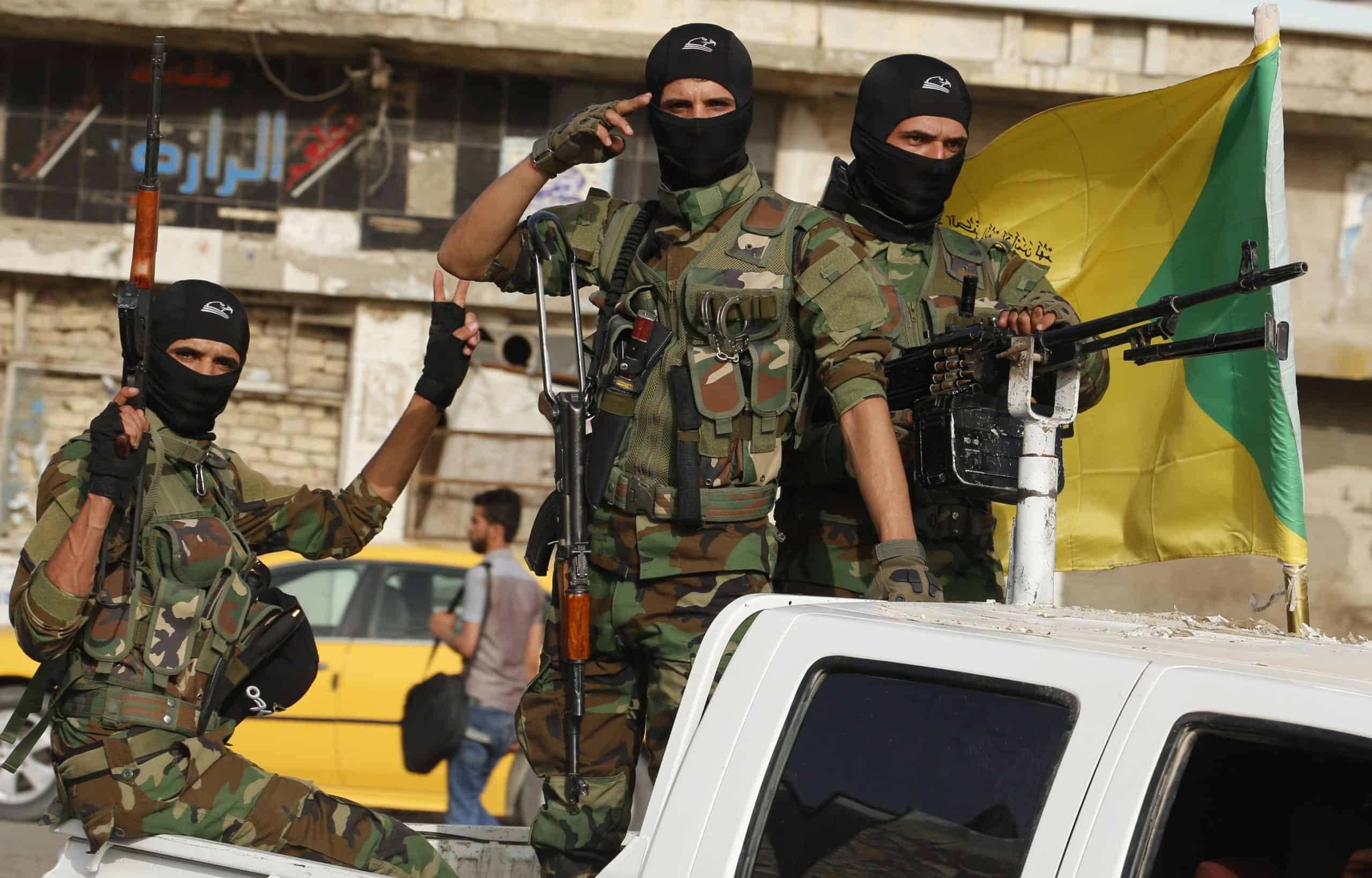
Tehran is threatening new attacks in the Middle East after the April 1 Israeli airstrike in Damascus that killed the Islamic Revolutionary Guard Corps commander responsible for smuggling weapons to Lebanon. Analysis of Iranian-backed attacks and U.S. responses in recent months makes clear that a U.S. failure to hit back hard will simply invite more Iranian attacks and risk more American casualties.
-
Israeli strike eliminates senior IRGC Qods Force officers in Damascus
Iran acknowledged the deaths of senior IRGC officers in a significant airstrike against its forces in the Syrian capital.
-
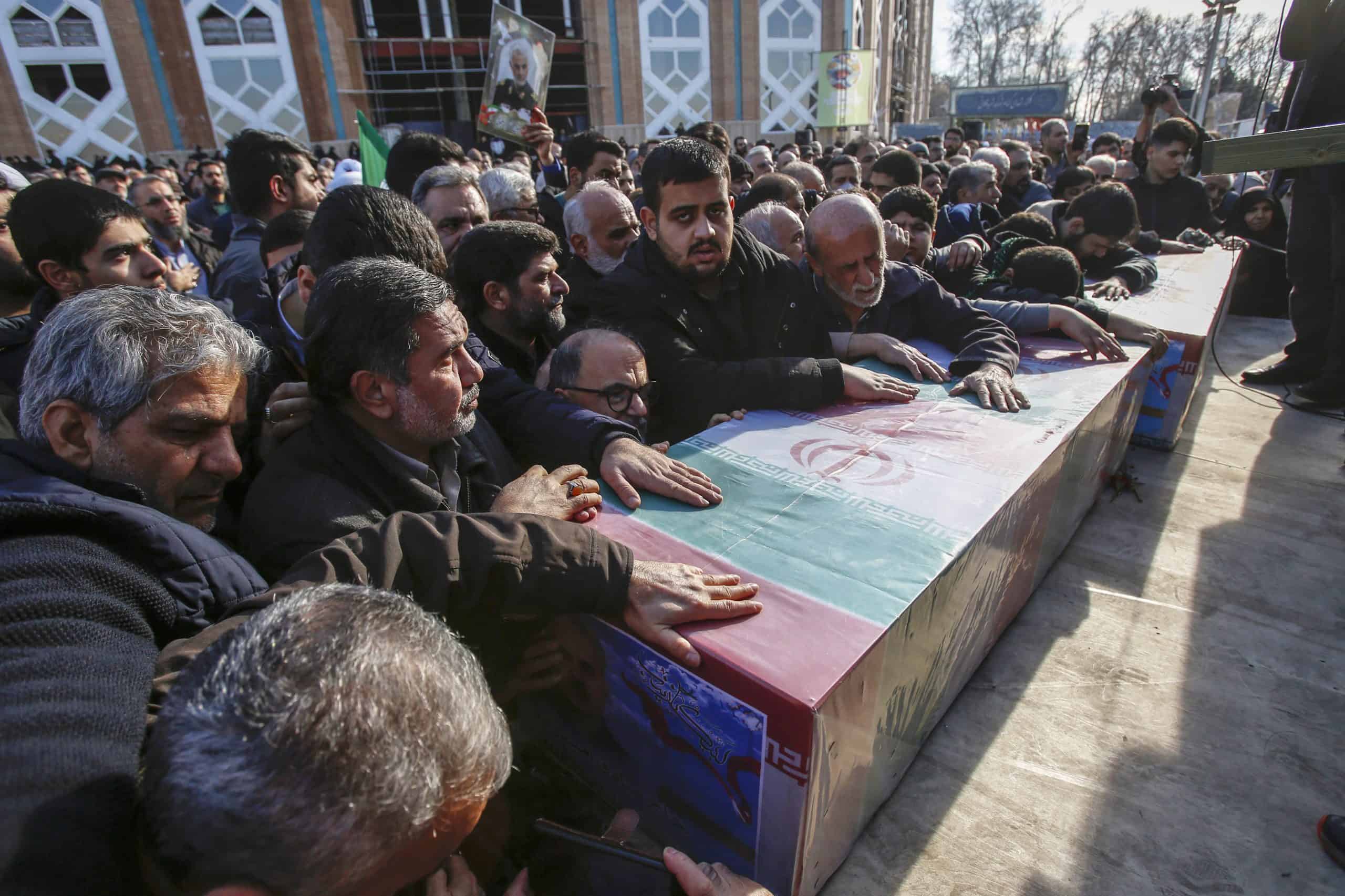
Reported Israeli airstrikes kill IRGC Navy advisor in Syria
Israel continues to attack IRGC advisor in Syria on almost a monthly base.
-
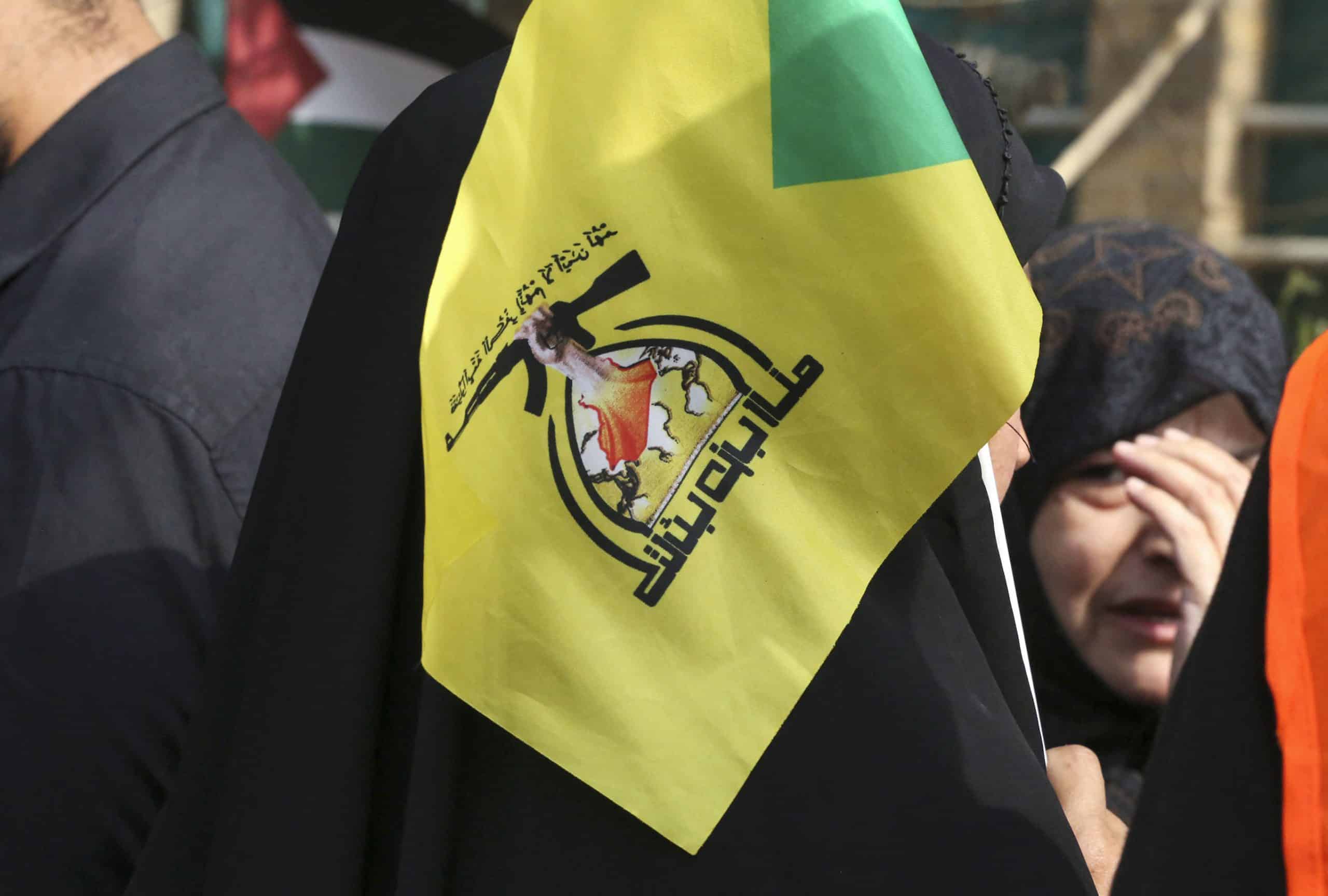
U.S. strike eliminates key Kata’ib Hezbollah commander
A drone strike in Baghdad eliminated a Hezbollah Brigades commander complicit in planning and carrying out attacks against U.S. troops in the region.
-
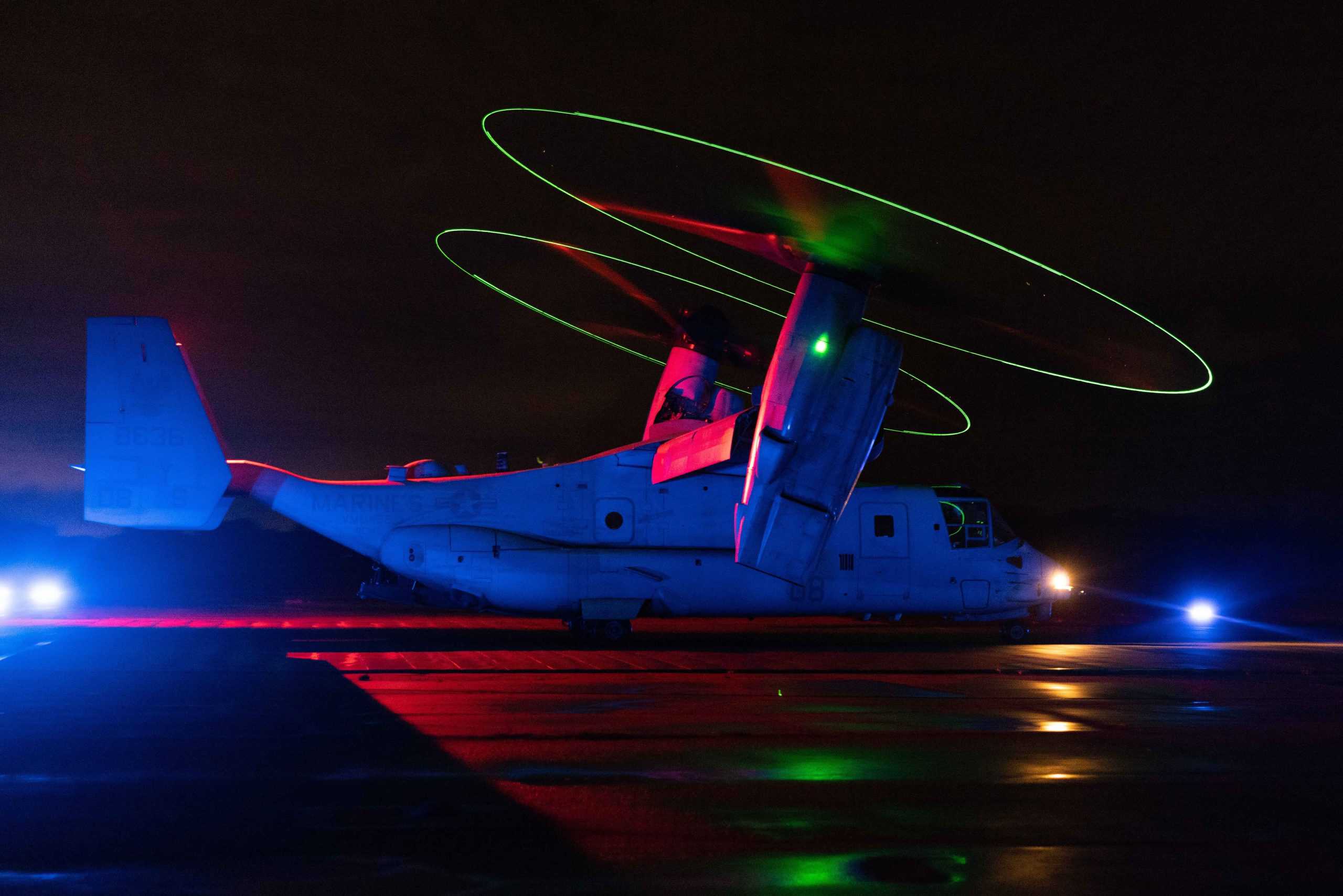
U.S. strikes target IRGC and affiliated militias in Iraq and Syria
It is unclear if the U.S. response is retaliatory in nature, or if the strikes are designed to force Iran to get its proxy terror militias to cease their attacks.
-
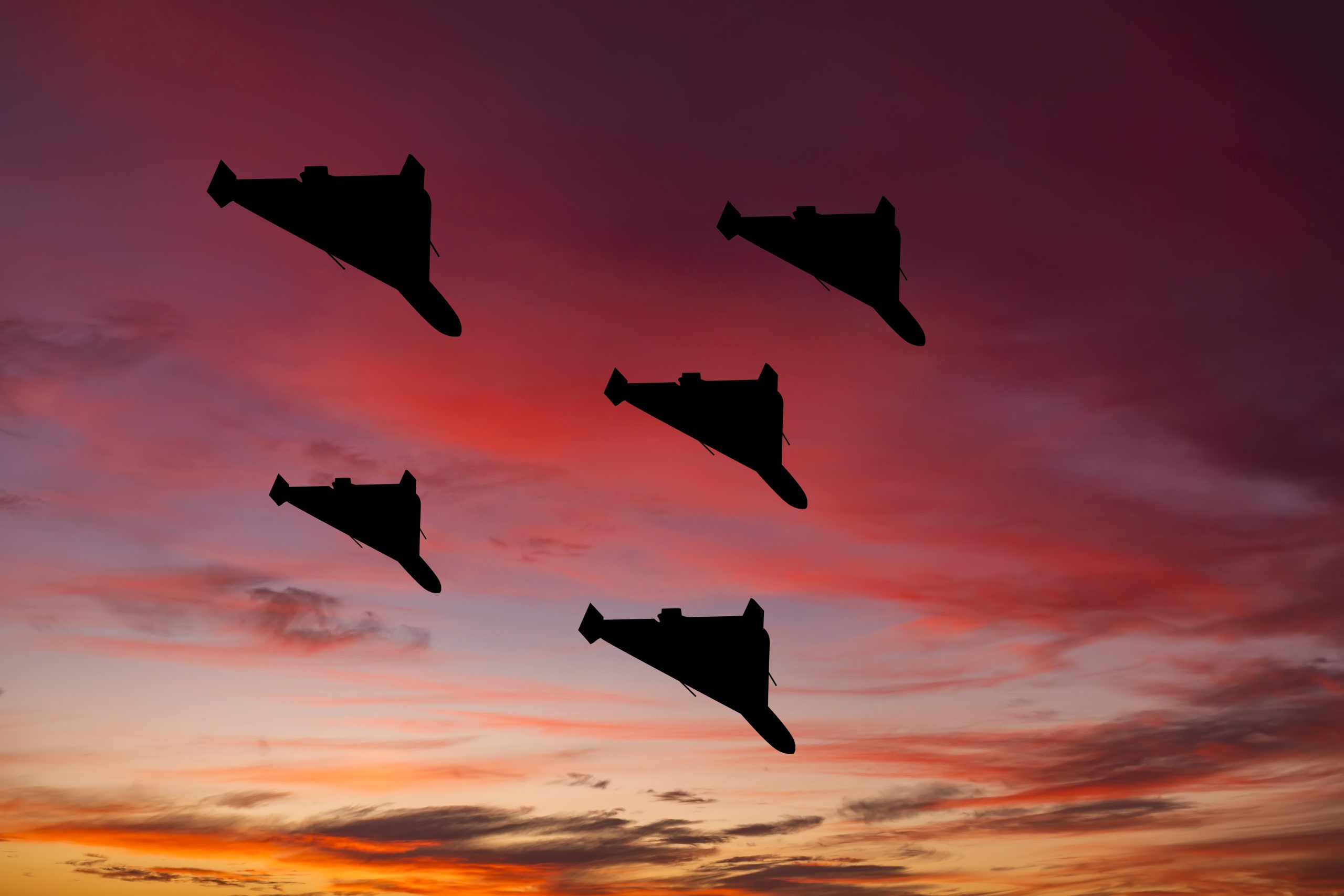
Three U.S. service members in Jordan killed by Iran-backed militias
President Biden blamed Iranian-backed militias for killing three US service members and injuring others following a drone attack on a base in Jordan.
-
Generation Jihad Ep. 136 — H is for Hamas… and Hezbollah (and Houthi)
Bill and Joe catch up on the latest news from the Middle East, including U.S. pressure on Israel (led by Secretary of State Blinken) to come to a permanent ceasefire in Gaza while the U.S. also considers withdrawing its own troops from Syria; Israeli casualties in Gaza (including suffering the recent historic loss of 24 IDF reservists); Israeli strikes inside Lebanon; and, yes, more Houthi drama.

-
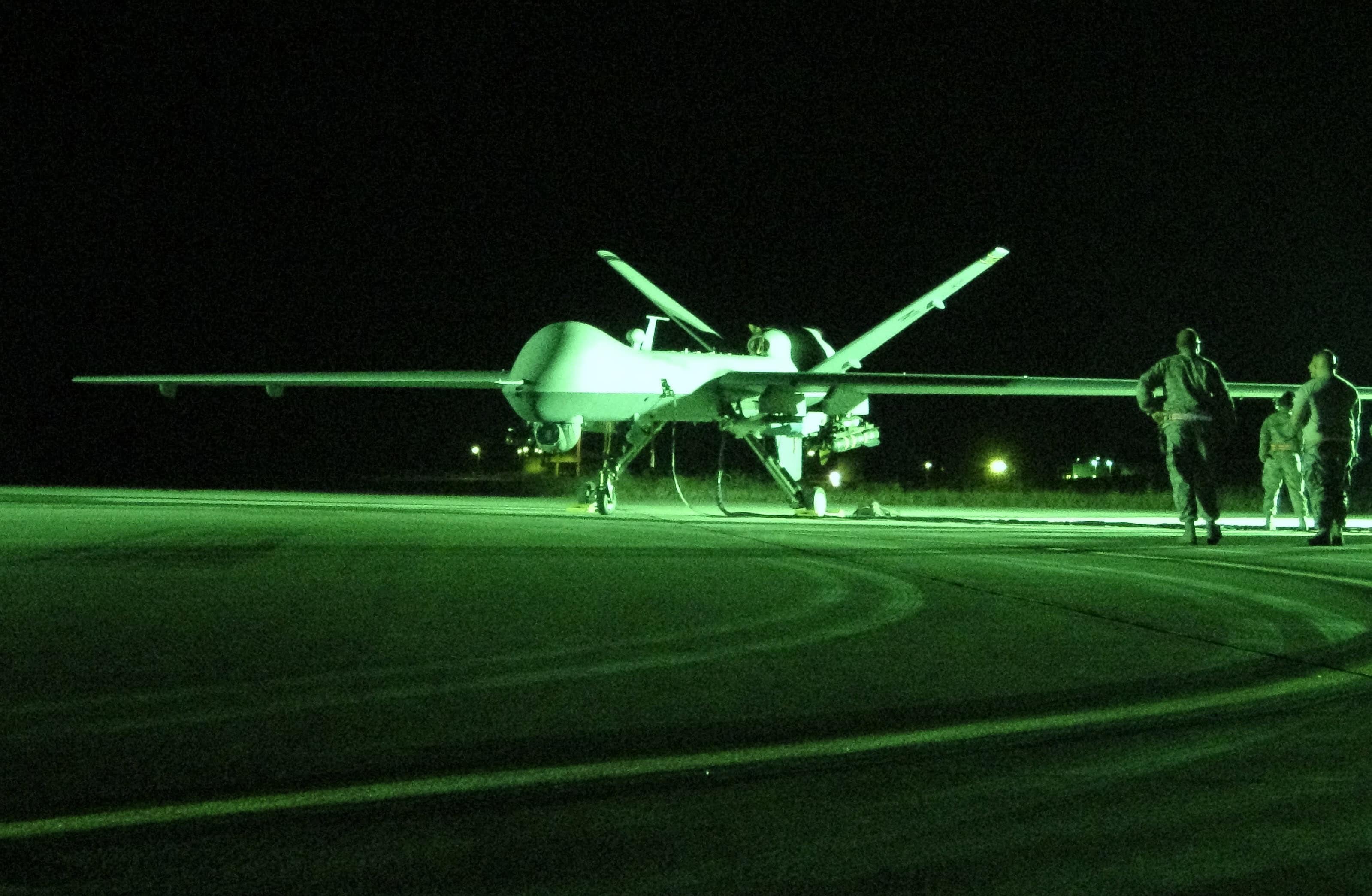
U.S. carries out strikes on Iran-backed militias in Iraq
U.S. forces hit “headquarters, storage, and training locations for rocket, missile, and one-way attack UAV capabilities,” according to CENTCOM. The strike is the eight against the Iranian-backed militias, which have hit U.S. bases more than 150 times since Hamas attacks Israel in October 2023.
-
Iran-backed militias attack U.S. forces in western Iraq
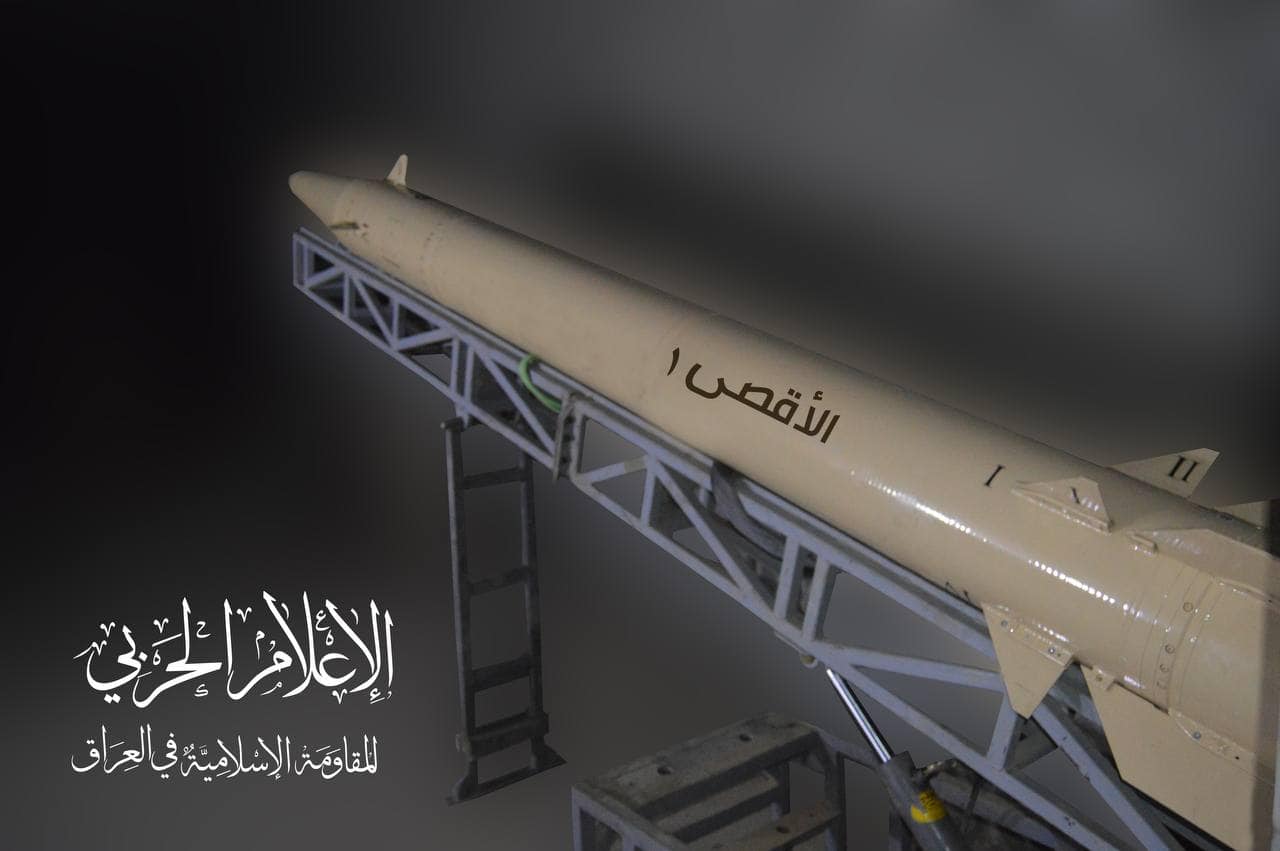
Iran-backed militias in Iraq fired ballistic missiles and rockets at U.S. troops operating in Ain al-Assad airbase in western Iraq.
-
U.S. targets Houthi anti-ship missiles in “self-defense” strikes
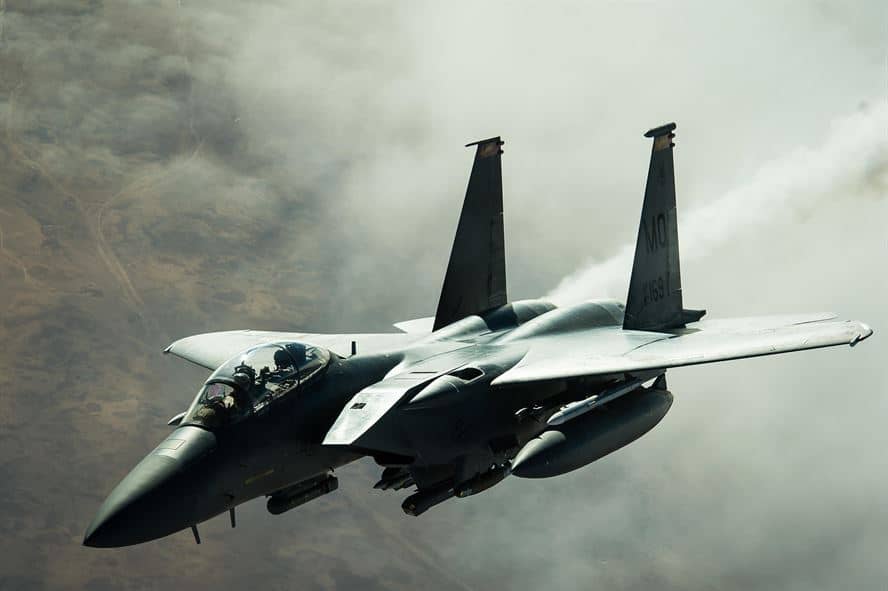
The attacks against Houthi missiles are no longer being conducted under the aegis of an international coalition, but directly by the U.S. military.
-
IRGC intelligence advisor killed by airstrike in Syria
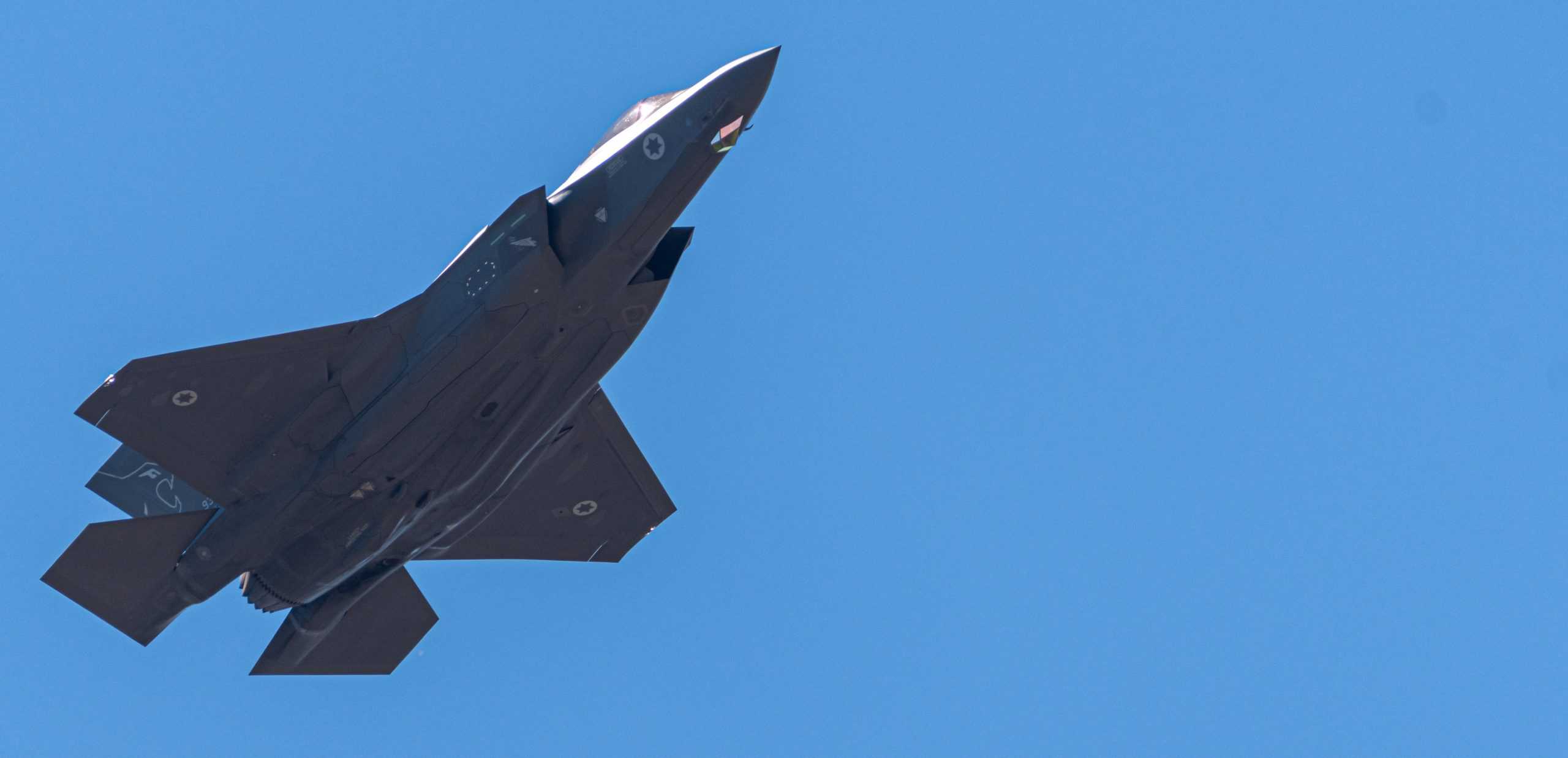
An airstrike in the Syrian capital of Damascus killed five IRGC military advisors, including General Sadegh Omidzadeh. The strike is the second against Iranian advisors in Syria in the past four weeks.
-
U.S. and Israeli officials discuss Hezbollah threat
The US Ambassador to Israel visited Israel’s Northern Command, where IDF commanders discussed threats from Hezbollah. Israeli Defense Minister Yoav Gallant spoke with US Secretary of Defense Lloyd Austin. IDF tanks found a terrorist training facility in Gaza, and the IDF wrapped up a two-day raid in the West Bank.

-
Islamic State announces new global campaign to rally members and supporters
The current Islamic State spokesman announced yet another global campaign for the group’s global affiliates and supporters. Though intrinsically propagandistic, prior global campaigns had severe real world consequences.