-
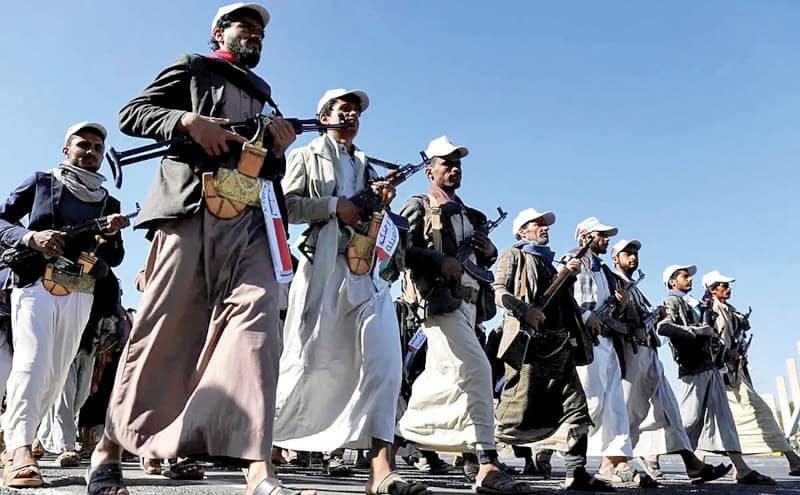
US re-designates Houthis as Foreign Terrorist Organization, sanctions leaders
The Trump Administration returned the Houthis to the FTO list after President Donald Trump issued an executive order targeting the group on the second day of his term. The US Treasury followed the FTO designation with a round of sanctions against senior Houthi operatives involved in financing, weapons procurement, and cooperation with the terrorist group’s partners.
-
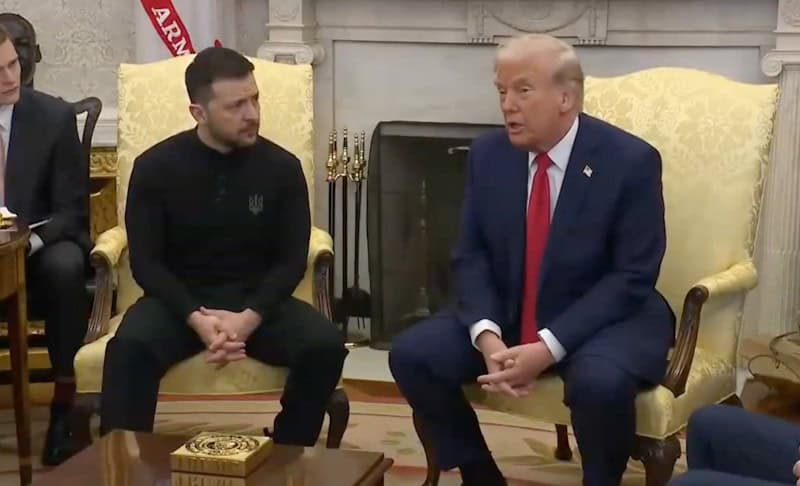
Analysis: What the suspension of US aid means for Ukrainian forces
A permanent cutoff of all aid likely would not cause a Ukrainian collapse, but it would result in more Ukrainian lives and land lost and more infrastructure destroyed. Challenges would build over time and could exacerbate Kyiv’s manpower shortage, boosting Russian efforts to grind down Ukrainian forces and granting Moscow greater leverage in negotiations.
-
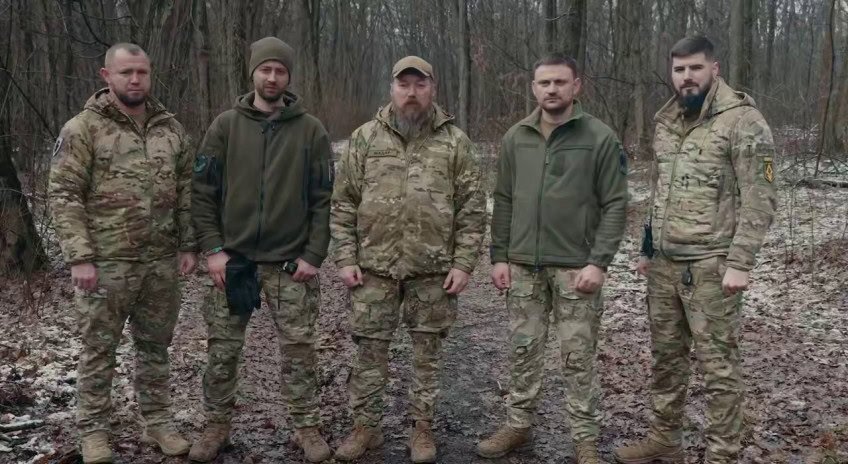
Ukraine bets on unmanned systems with expansion of best drone units
Ukraine announced a new initiative to expand some of its best drone units and replicate their strengths across the force. Amid a shortage of infantry, Kyiv is leaning even more on drone units to serve as a force multiplier in support of ground troops.
-
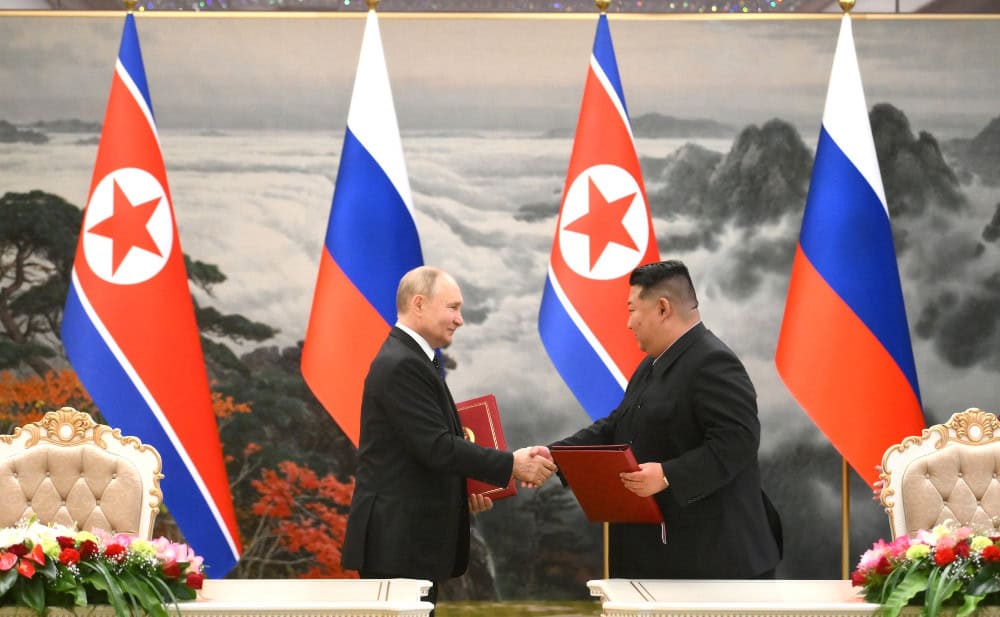
North Korean troops pull back in Kursk as Pyongyang prepares fresh deployment, officials say
North Korean troops in Russia’s Kursk region have pulled back from the front lines following heavy losses, US and Ukrainian officials say, while Pyongyang is reportedly preparing to deploy more forces. North Korean troops have put the Ukrainian defense in Kursk under greater stress, but reinforcements will be necessary to sustain that pressure.
-
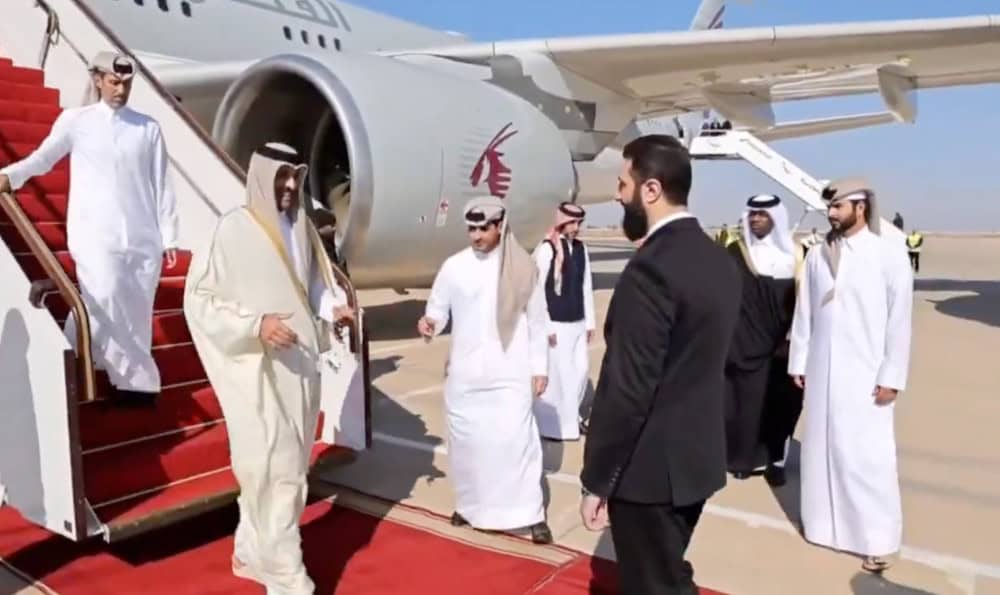
Syria appoints new president amid widespread diplomatic engagement efforts
On January 29, Ahmed al Sharaa was declared the new president of Syria in the transitional government that came into power after the collapse of the Assad regime on December 8. This declaration led to congratulations from several Arab states in the region, and the Qatari emir arrived in Damascus on January 30, the first head of state to visit the new ruler. These developments are part of a broad diplomatic outreach by Sharaa and his new foreign minister.
-
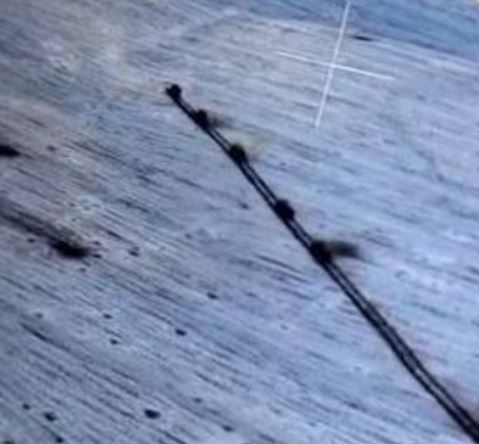
Analysis: Ukraine, Russia trade attacks in Kursk while Russia takes Kurakhove
Russia and Ukraine traded attacks in the Kursk region this week as Moscow looks to continue clawing back its territory. Meanwhile, Russian forces appear to have taken the eastern city of Kurakhove but failed to encircle the Ukrainian forces there.
-
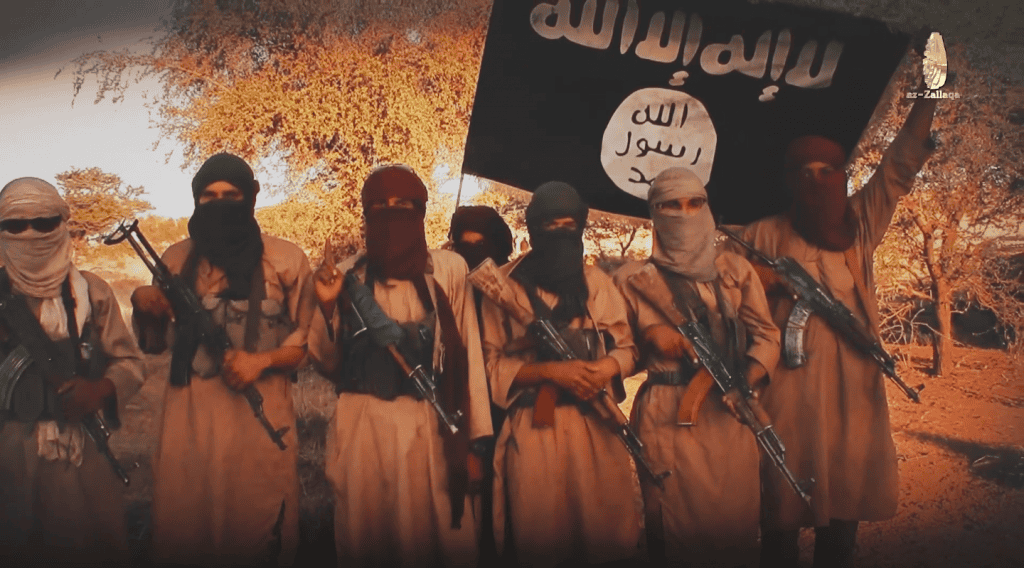
Analysis: Turkey and JNIM: Jihadist messaging signals possible conflict between 2 ascending forces in central Sahel
Turkey has steadily increased its foothold in the central Sahel by providing arms, security assistance, and more to regional juntas. Similarly, The Group for Support of Islam and Muslims (JNIM), Al Qaeda’s branch for the Sahel and West Africa, is on its own upward trajectory, standing as one of the region’s most dominant violent actors. The jihadist group’s external messaging suggests it perceives Turkey to be an obstacle as it seeks to expand its territorial control and influence.
-
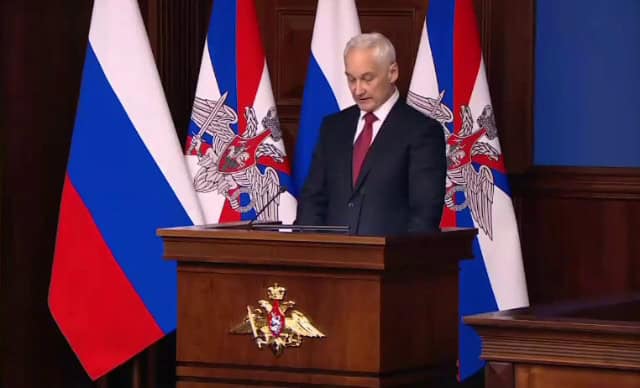
Russia announces plans to form Unmanned Systems Forces
Russia unveiled plans to form a new branch dealing with unmanned systems, echoing a similar move by Ukraine. This decision reflects both the increasing importance of drones and a desire to systematize related evolutions within the Russian military.
-
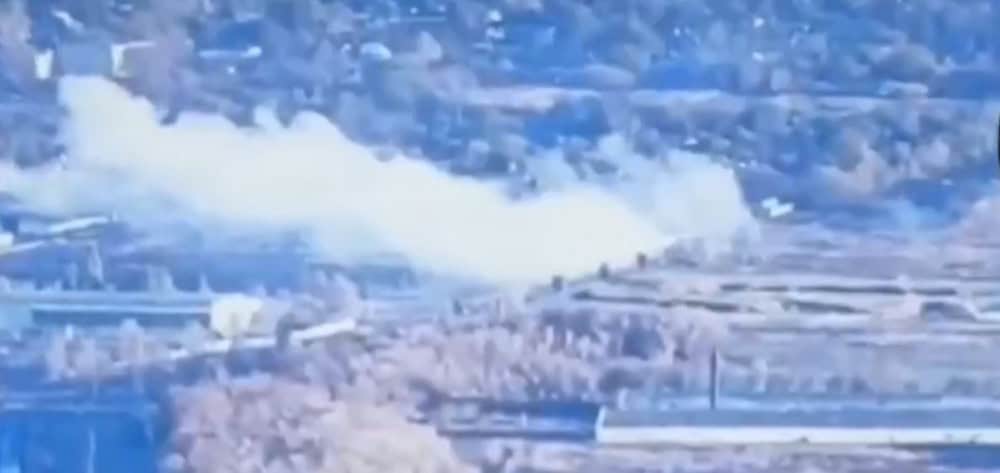
Russia looks to encircle the eastern Ukrainian city of Kurakhove
Russian forces are currently focused on encircling the eastern city of Kurakhove. Their rate of advance has accelerated in recent weeks as Ukraine grapples with a manpower shortage.
-
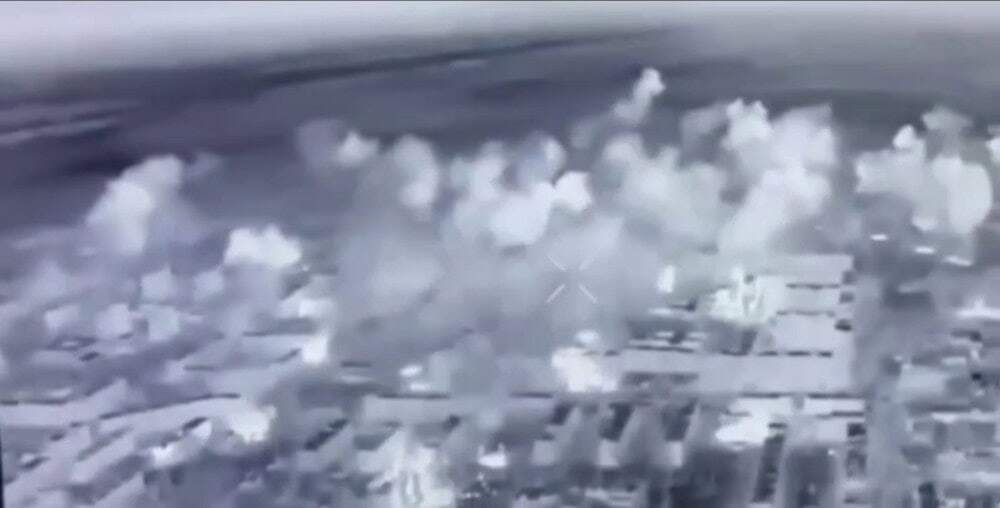
Russia closes in on “fortress” city of Vuhledar
Russia is close to capturing the city of Vuhledar, a defensive stronghold in eastern Ukraine. Vuhledar’s fall will further stretch Kyiv’s forces and aid Russia’s efforts to push Ukraine out of southern Donetsk Oblast.
-
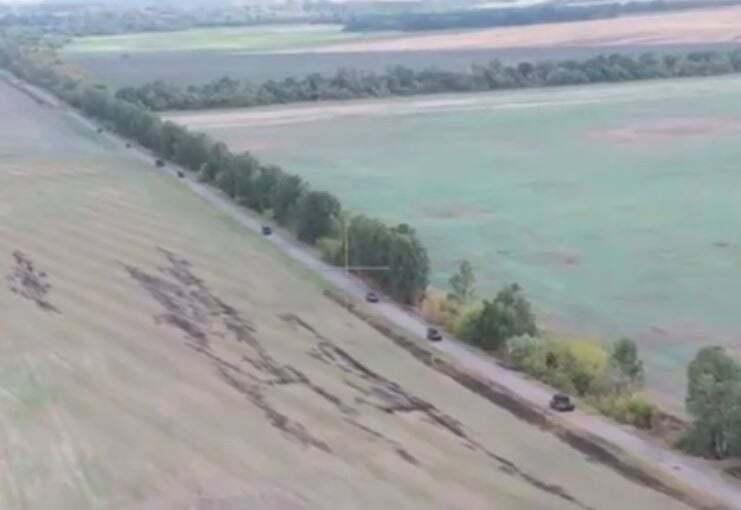
Russia retakes some territory in the Kursk region
Russian forces are on the attack in the Kursk region. While it is unclear exactly how much progress they have made, Russia appears to have retaken at least some territory.
-
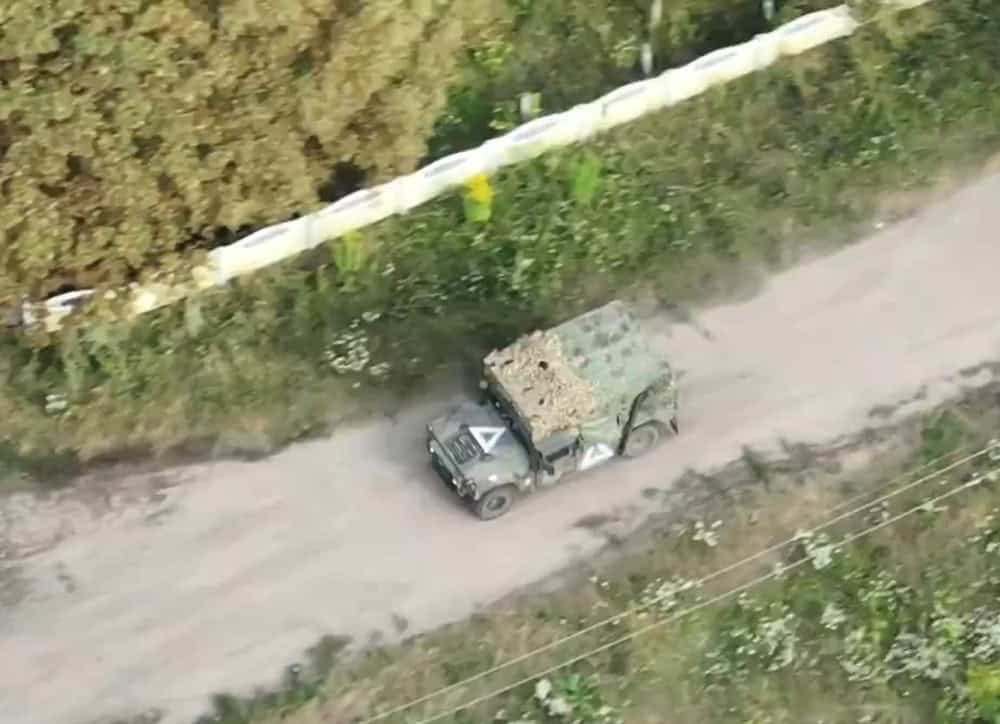
Analysis: Ukraine’s bold—and risky—gamble in Kursk
Ukraine’s surprise offensive in the Kursk region is a daring gambit likely intended to divert Russian forces and shift the war’s momentum. But it also comes with major risks for Ukraine, which is short on reserves and struggling to hold its lines in Donetsk Oblast.
-
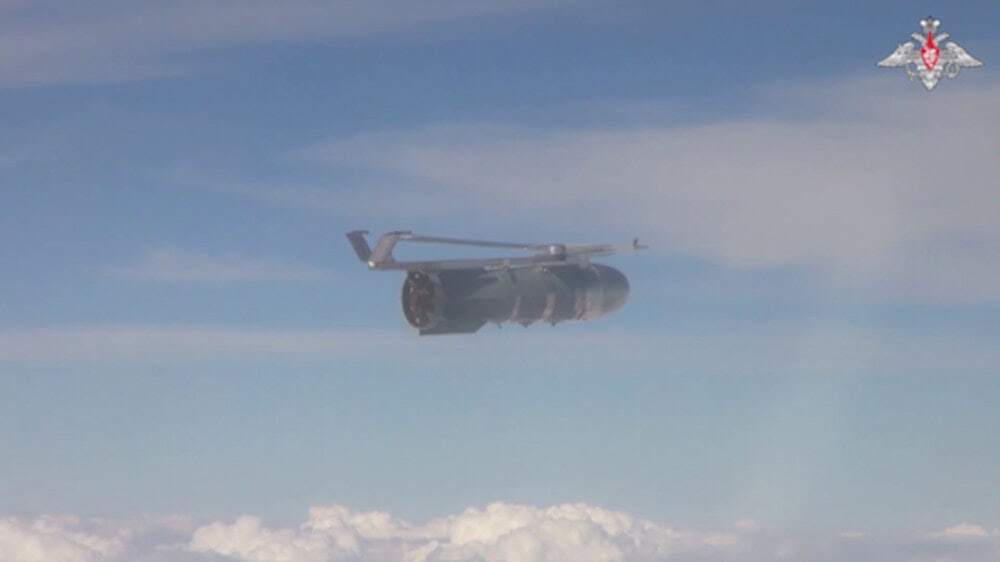
Analysis: What we know about Russia’s new 3-ton glide bomb
New footage confirms Russia has begun using three-ton bombs equipped with “UMPK” wing and guidance kits, adding to the serious threat that Russian glide bombs already pose to Ukraine. Here is what we know about the new weapon and its implications for the war.
-
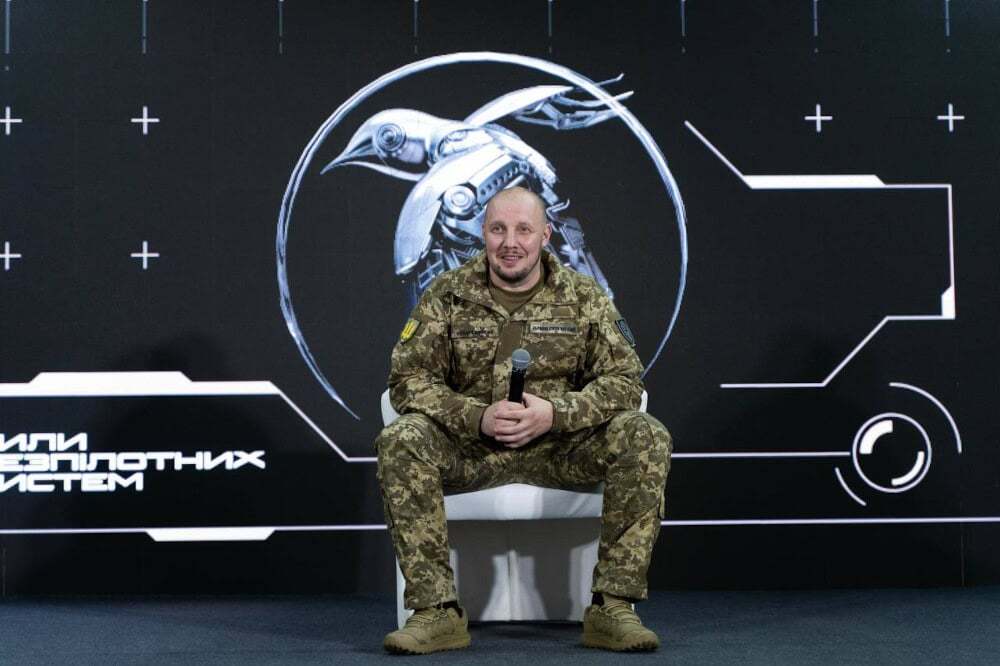
Ukraine’s new Unmanned Systems Forces takes shape
Ukraine announced the commander of its nascent Unmanned Systems Forces (USF), Colonel Vadym Sukharevskyi. Sukharevskyi detailed various plans for the USF and how Ukraine plans to continue leveraging unmanned technology in its conflict with Russia.
-
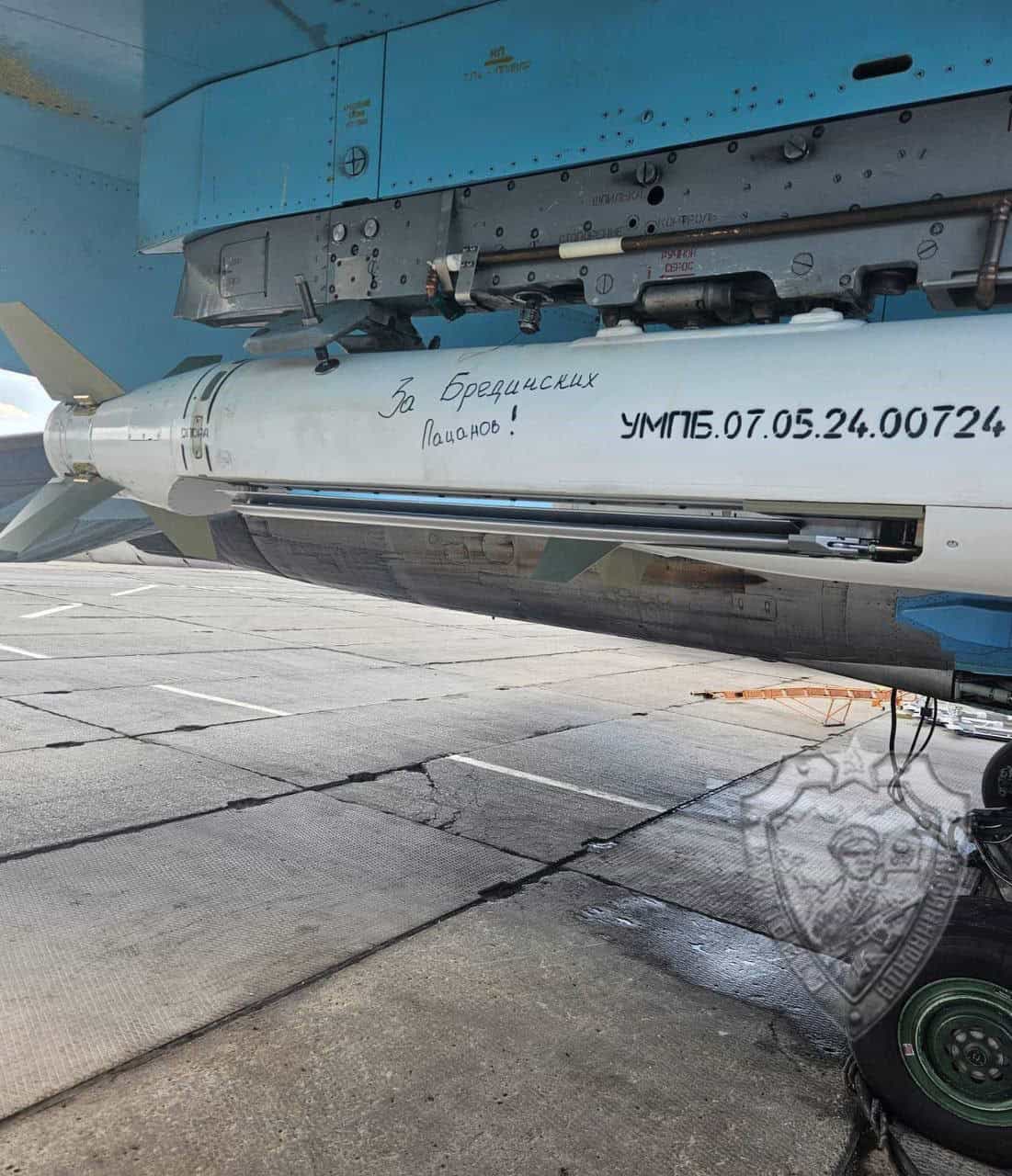
Photos offer insights on Russia’s new UMPB D-30SN glide bomb
Recent photos shared on social media offer insights on a new Russian glide bomb that has seen growing use in Ukraine: the UMPB D-30SN.
-
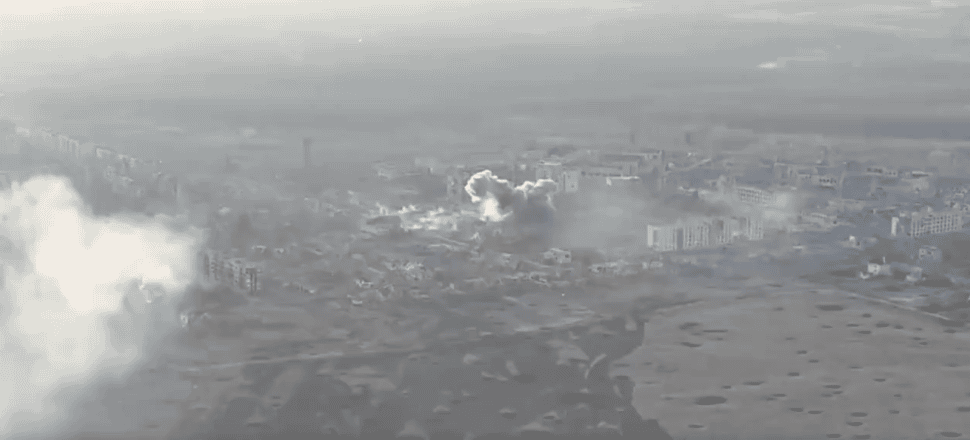
As Ukrainian Forces Flow to Kharkiv, Russia Inches Forward at Chasiv Yar
As Russia’s Kharkiv offensive has forced Ukraine to divert forces badly needed elsewhere, the Russians are trying to capitalize on the eastern front.
-
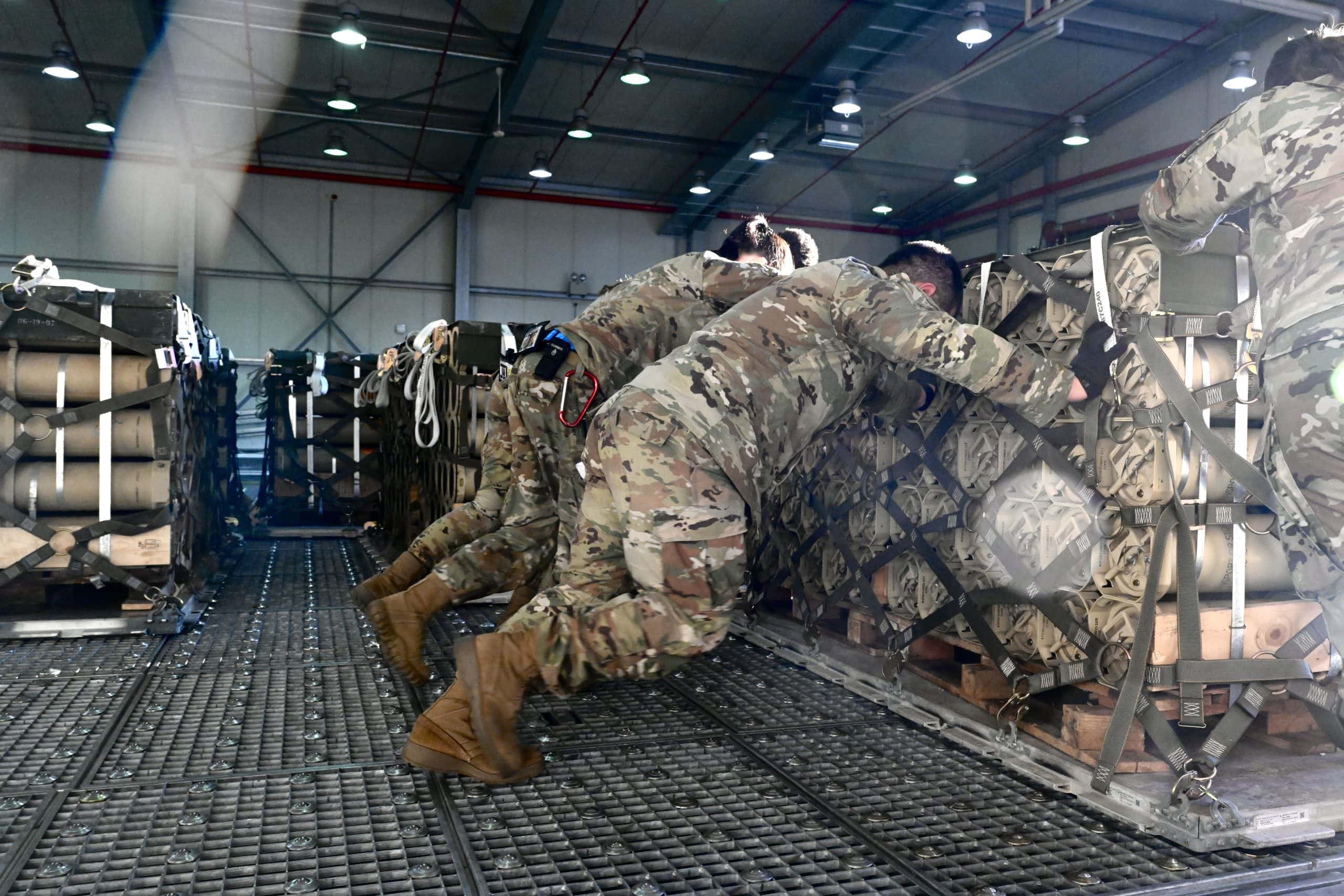
U.S. Rushes Aid to Ukraine as Russia Presses Near Avdiivka, Chasiv Yar
Long-delayed U.S. aid is finally on its way to Ukraine as Russia presses forward near Avdiivka and Chasiv Yar. A look inside those battles.
-
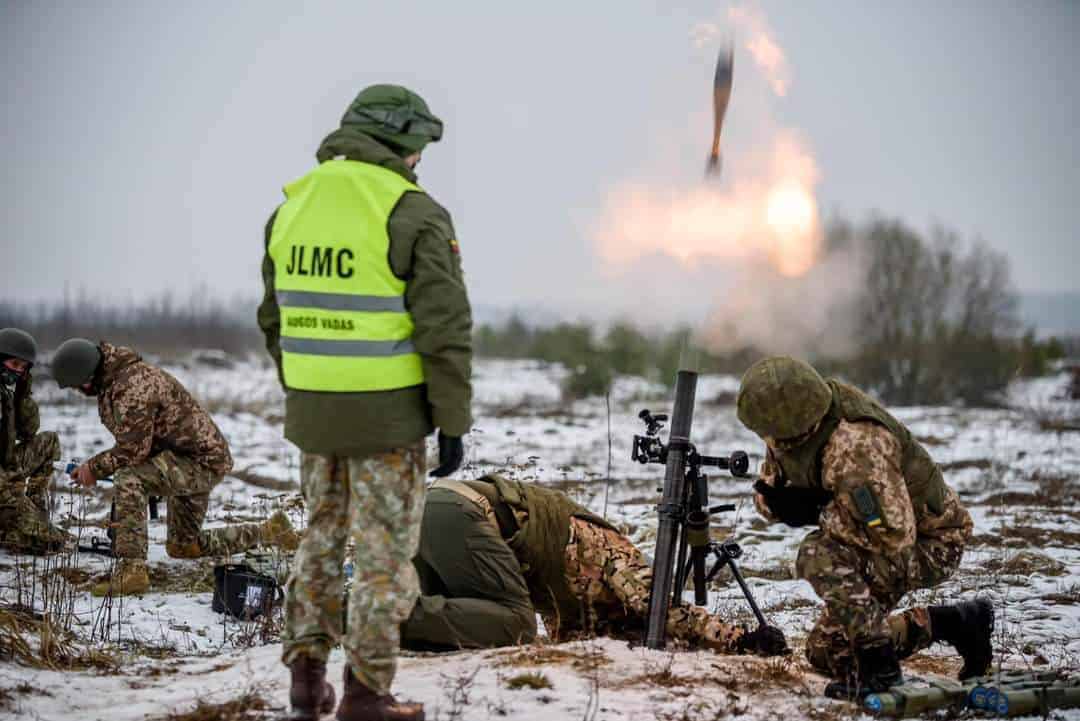
Ukrainian Parliament Passes Mobilization Bill But Punts on Demobilization
Ukraine’s parliament finally passed a bill aimed at redressing its manpower shortage. But Kyiv’s lack of urgency has given Russia an opportunity to make gains.
-
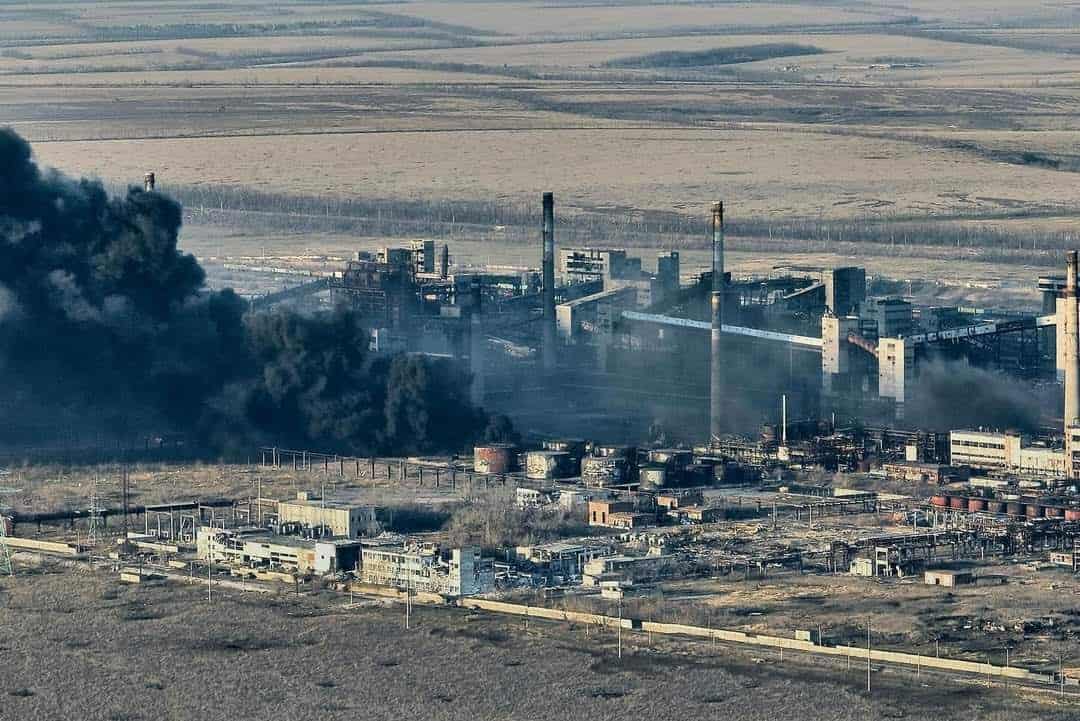
Battle of Avdiivka: A Preliminary Analysis
The battle was generally favorable for Ukraine, as it destroyed a lot of Russian combat power. But Ukraine waited too long to withdraw and failed to prepare a solid second line of defense.
-
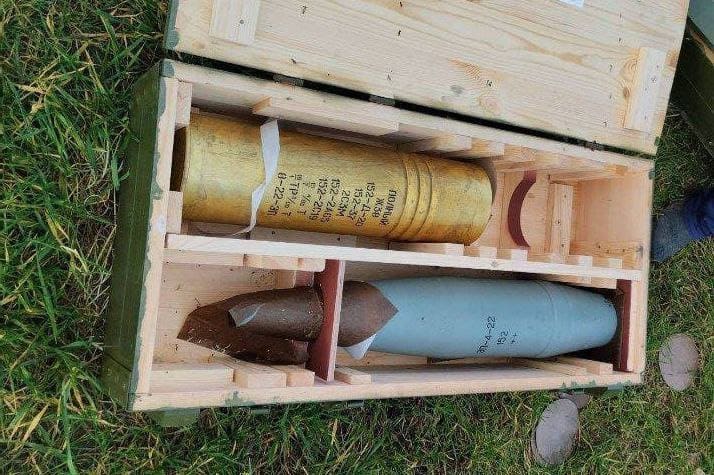
Russian Munitions Production Higher But Still Insufficient
A Ukrainian intelligence official confirmed that Russia has increased production of key munitions. But supply remains short of demand.
-
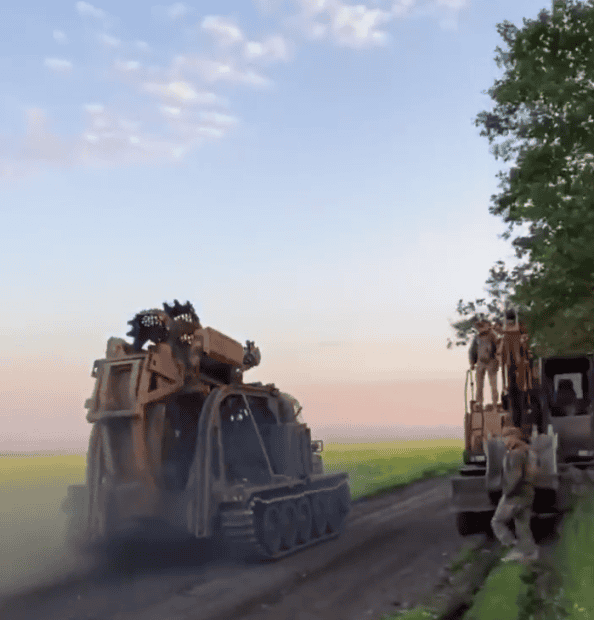
Zelenskyy Orders Ukrainian Forces to Dig In
Extensive fortifications helped Russia thwart Ukraine’s counteroffensive. Ukraine may now take a page from Russia’s book heading into a tough 2024.
-
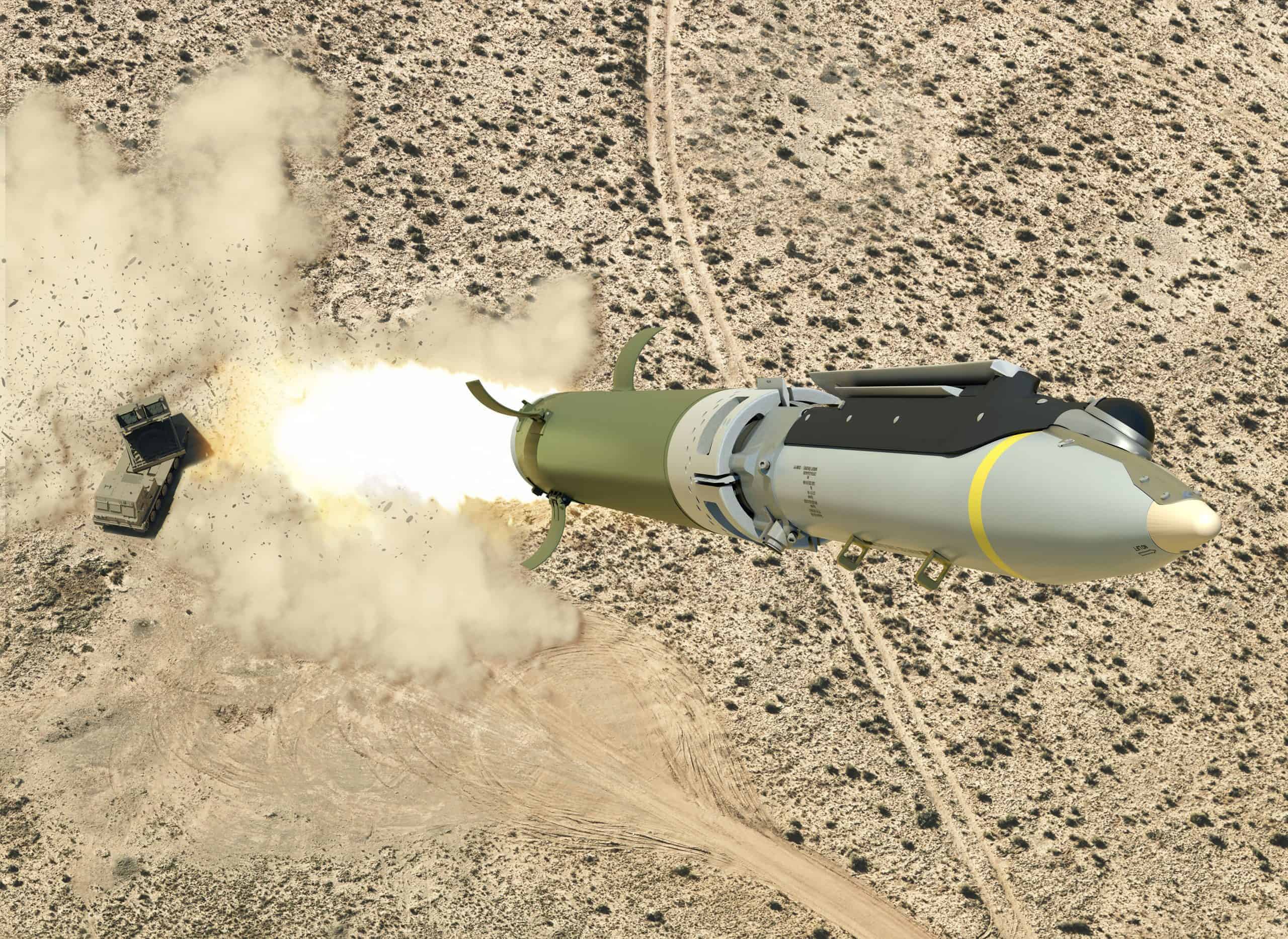
Key Precision-Strike System for Ukraine Delayed Until 2024
The much-anticipated GLSDB will not arrive in Ukraine until early 2024. It will offer Ukraine a cost-effective weapon against targets up to 150 km away.
-
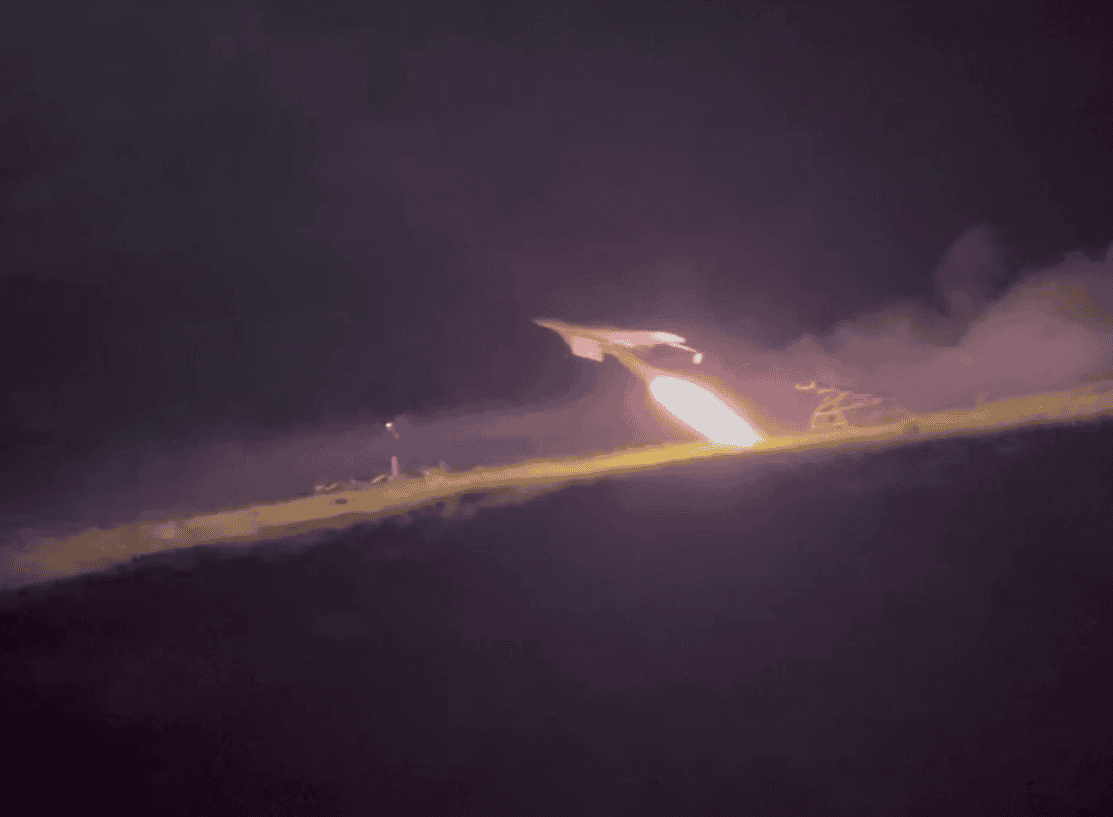
Drone Fragment Offers Clue About Russia’s Shahed-136 Production Rate
As Moscow looks to ramp up production of Iranian Shahed-136 kamikaze drones, a recent strike left a clue about Russia’s production rate.
-
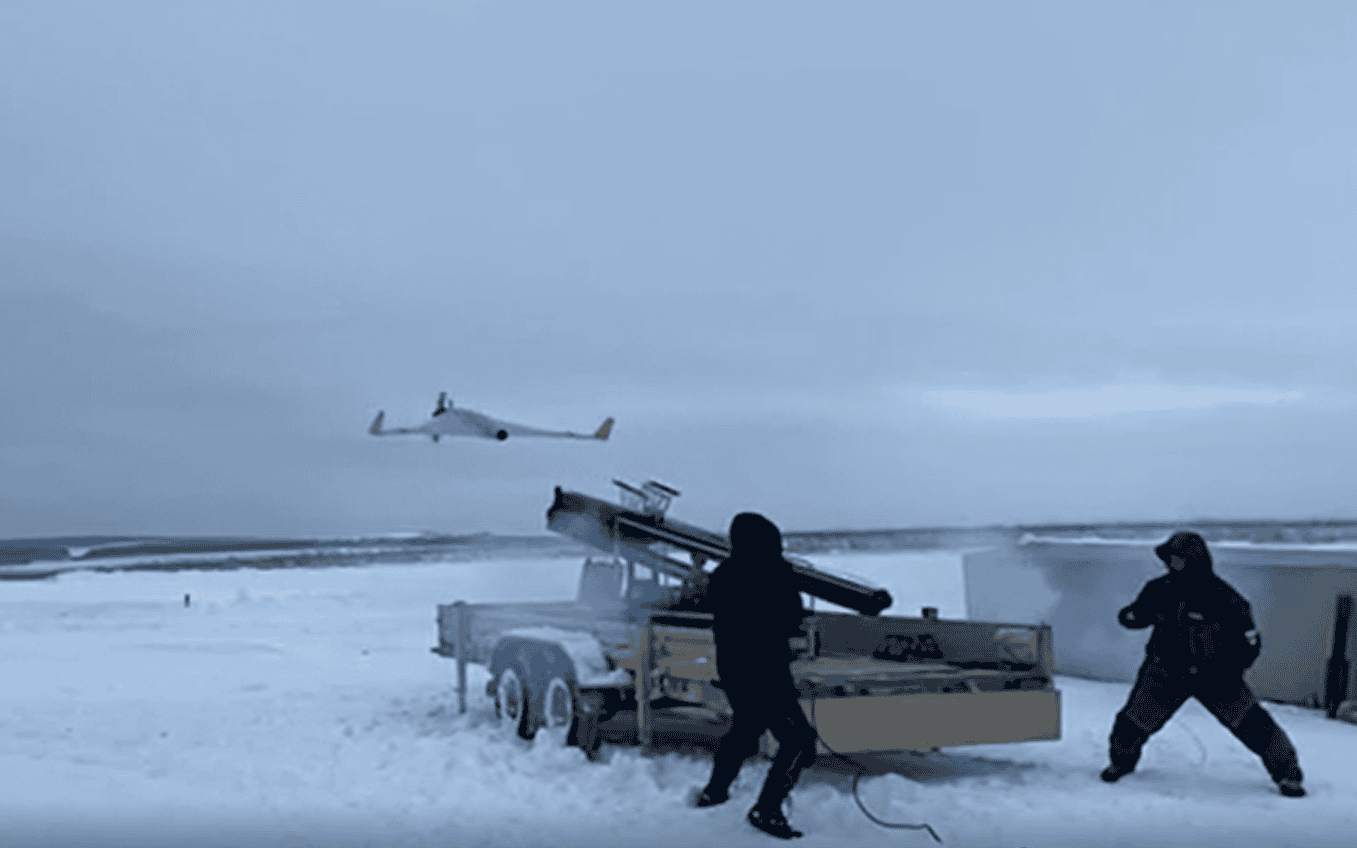
No Solid Evidence Russia Debuted ‘Italmas’ Drone
Despite speculation that Russia debuted its new Italmas drone in Ukraine, the mystery drone in question is likely more mundane.
-
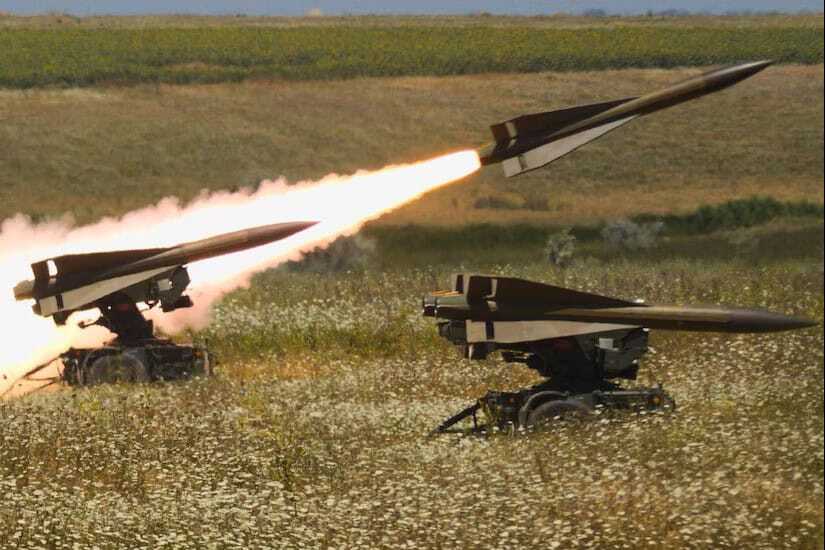
Ukraine Shows HAWK Air Defense System in Action for First Time
While the HAWK may be old, Ukraine will take all the air defenses it can get as winter approaches.
-
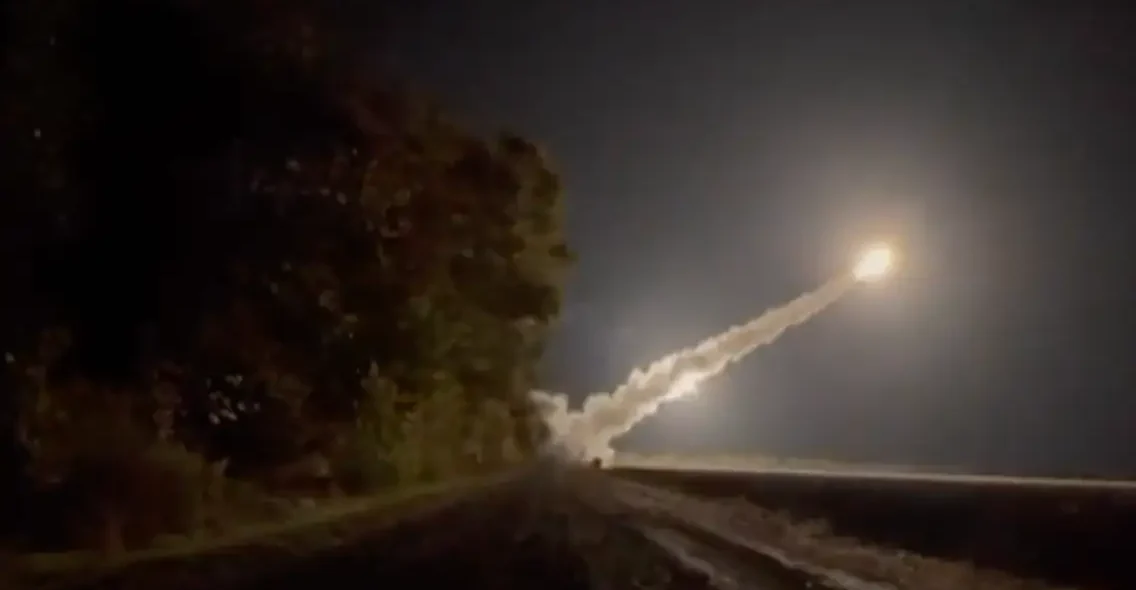
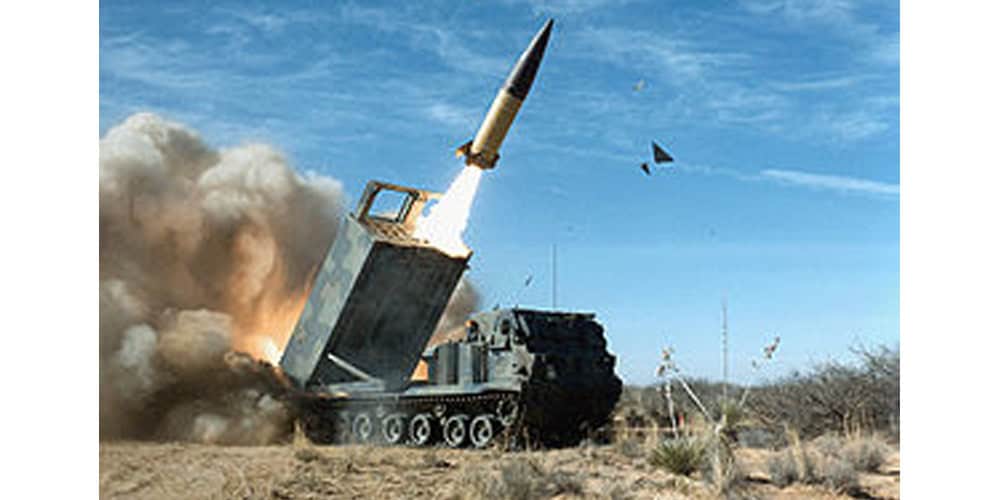
Ukraine now has ATACMS — but will soon need more
ATACMS has already proven its value for Ukraine in strikes against a pair of Russian helicopter bases. But unless Kyiv receives more missiles, it will soon run out.
-
Ukraine Might Finally Get ATACMS. Here’s What That Means.
Washington may finally give Ukraine ATACMS missiles. Although not a silver bullet, ATACMS will be a boon for Ukraine. Here’s how.
-
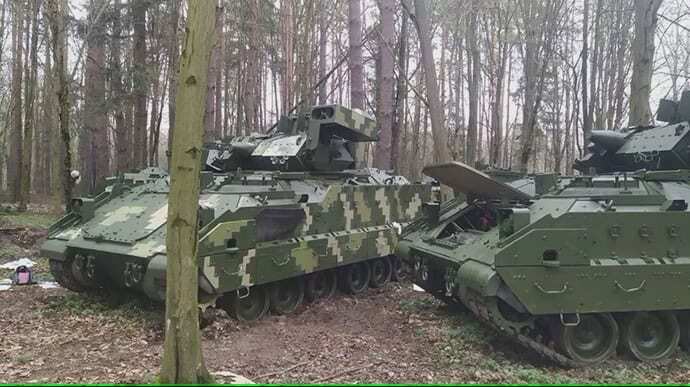
Main Thrust of Ukraine’s Counteroffensive Has Begun
Ukraine seems to have launched the main thrust of its counteroffensive. The coming weeks will likely determine whether the operation succeeds.
-
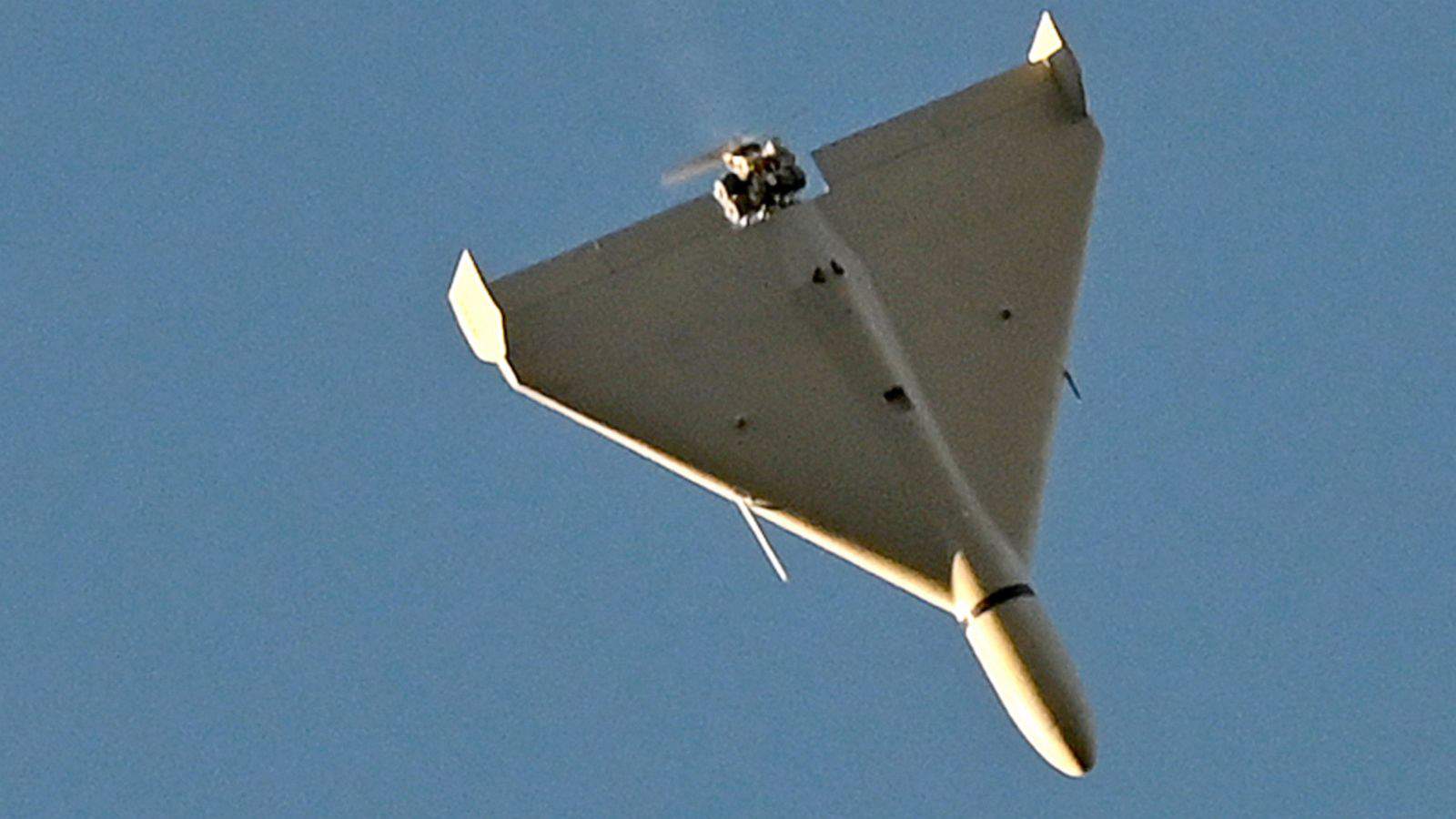
More Evidence That Russia’s Making Iranian Drones
Further evidence has emerged indicating Russia has begun making Iranian kamikaze drones or at least prototypes thereof.
-
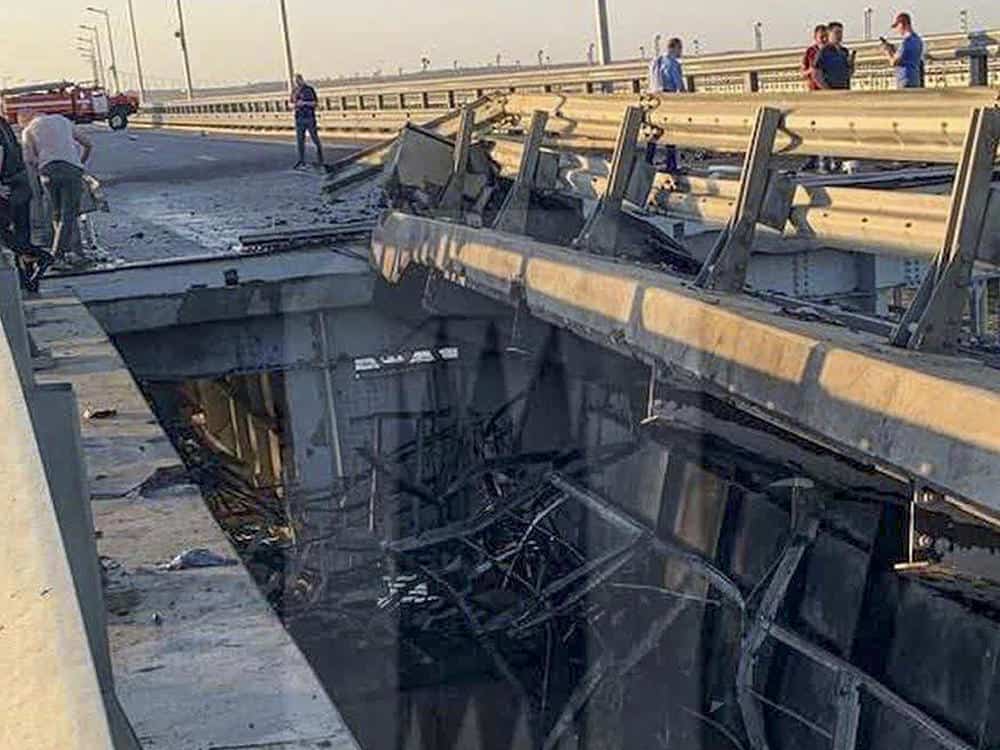
Crimean Bridge Damaged by Ukrainian Strike
Ukraine apparently struck the Crimean Bridge using unmanned surface vehicles. However, it will likely have a limited impact on Russian military logistics.