-
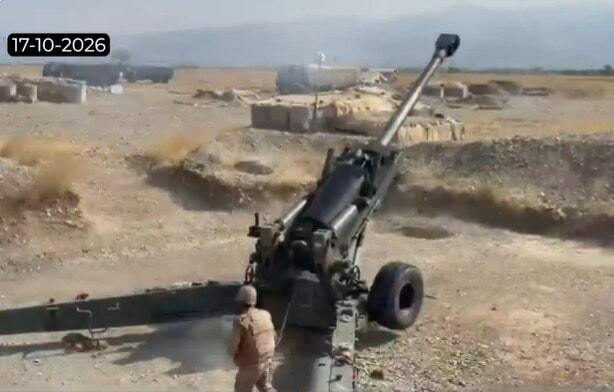
Pakistan-Taliban border clashes continue amid diplomatic efforts
Pakistani forces and the Taliban exchanged heavy fire along the border as Russia, the European, and China pressed for dialogue and action against terrorist groups operating from Afghanistan.
-
Shipshow: The world’s waterways are at war
The world’s most critical shipping lanes are becoming battlegrounds as Iran targets commercial vessels in the Strait of Hormuz, the Houthis threaten shipping through the Bab al Mandab, and Russia and Ukraine wage an escalating maritime war in the Black Sea. Bill Roggio is joined by Dr. Sal Mercogliano to discuss how these conflicts are disrupting global trade, driving up energy prices, and threatening the freedom of navigation.
-
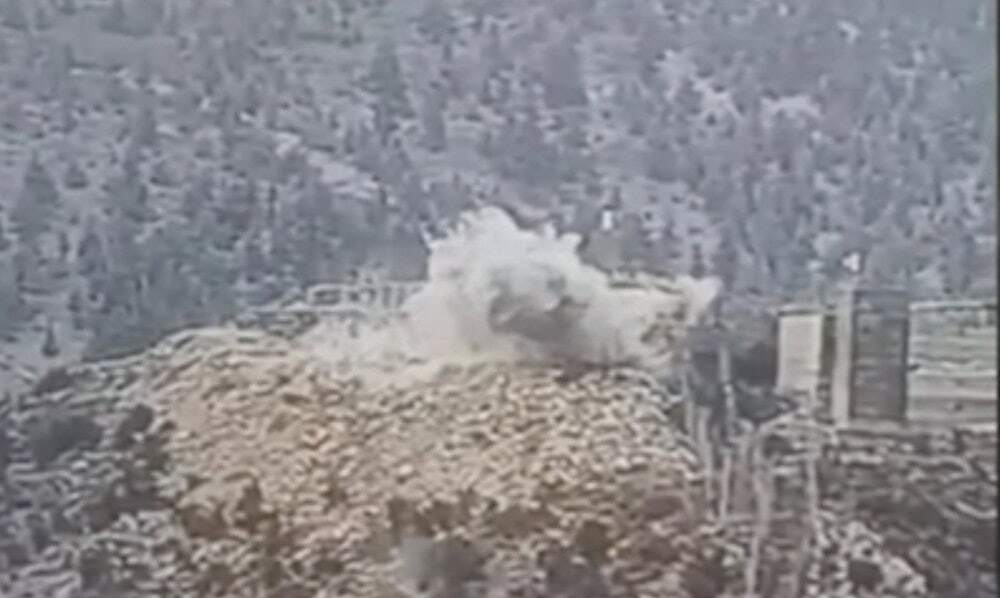
Taliban-Pakistan border clashes continue after Moscow talks end without agreement
Pakistan reported killing 12 militants and Taliban fighters during ongoing clashes along its border with Afghanistan over the past week. Islamabad also suspended the provincial government of Khyber Pakhtunkhwa amid security concerns and protests demanding the release of imprisoned former Prime Minister Imran Khan.
-
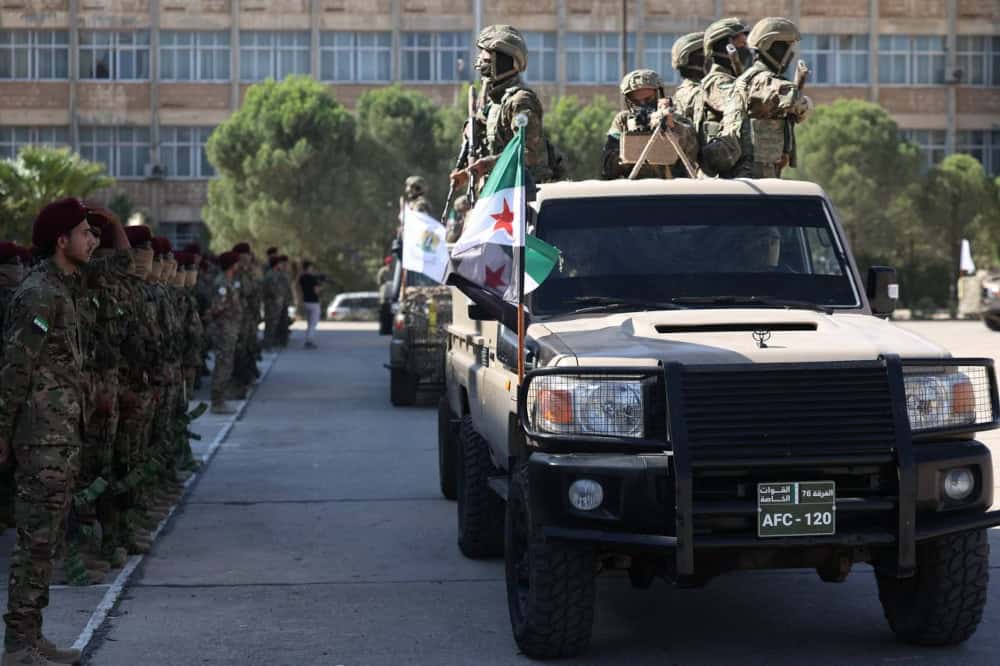
Syria’s military is rebuilding, but foreign influence may slow security progress
Syria’s post-Assad military is rebuilding rapidly, but its structure and foreign dependencies could limit Damascus’s ability to advance US security interests. If security cooperation from Turkey and Russia comes with strings attached, it may jeopardize Syria’s potential as a future partner against the Islamic State and Hezbollah.
-
What is the Axis of Aggressors doing in Europe and the Middle East?
China, Russia, Iran, and North Korea are engaged in “unprecedented” cooperation, empowering Russian aggression in Ukraine and making the regime in Iran more lethal and resilient. Generation Jihad guest host Bradley Bowman, senior director of FDD’s Center on Military and Political Power (CMPP), discusses these relationships and impacts with John Hardie, deputy director of FDD’s Russia program, and Cameron McMillan, senior research analyst at FDD’s CMPP.
-
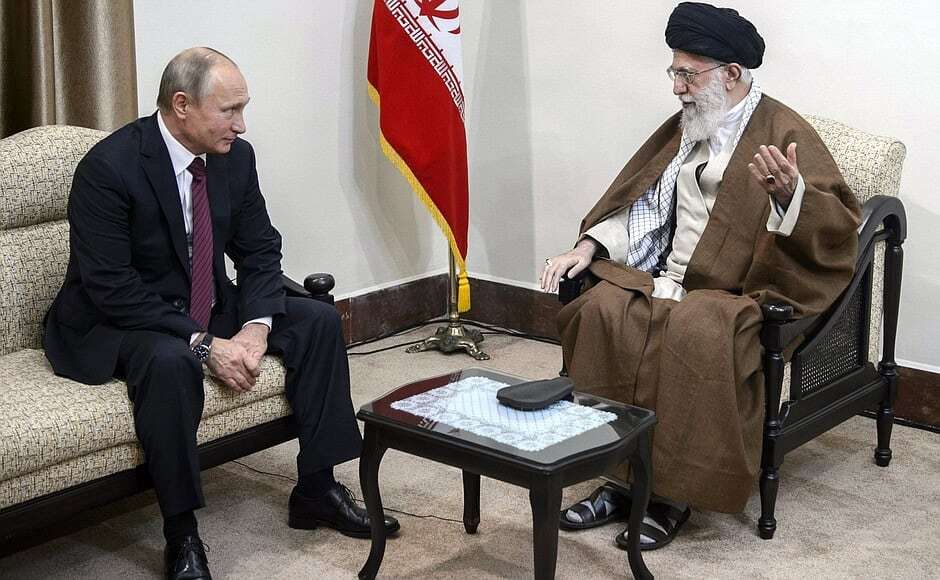
Russia helps Iran sharpen its sword
Russia reportedly is supplying explosives, drone components, and other military goods to Iran, helping the Islamic Republic replenish arsenals for future rounds of fighting with the United States and Israel.
-
Generation Jihad | China, Russia, Iran, North Korea: Inside the Axis of Aggressors
China, Russia, Iran, and North Korea aren’t just aligned in rhetoric—they’re actively coordinating to erode American military, economic, and cyber dominance. In this episode, Generation Jihad’s Bill Roggio sits down with Bradley Bowman, senior director of FDD’s Center on Military and Political Power, and Ryan Brobst, CMPP deputy director, to unpack the real-world mechanics behind this dangerous authoritarian convergence.
-
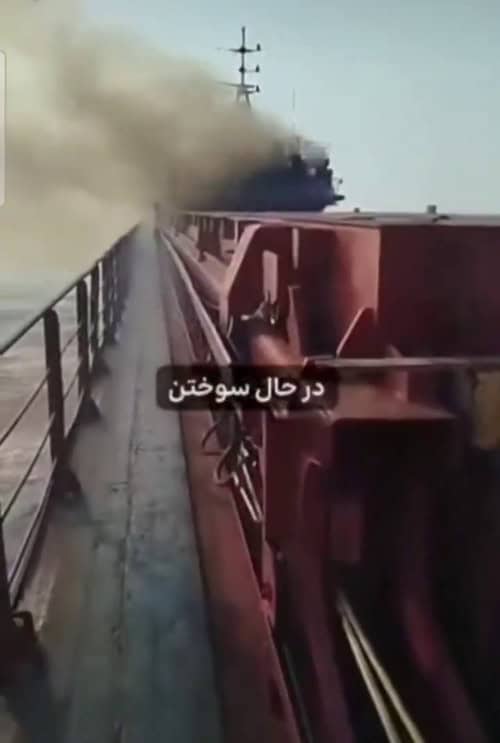
Russia continues to aid Iran in war with US, Ukraine says
Russia continues to provide intelligence to help Iran strike American forces, Kyiv alleged over the weekend. Ukraine is also attempting to interdict the transportation of military goods between the two authoritarian powers.
-
Generation Jihad | What is Iran’s breaking point? Part 2
In part two of their conversation, Generation Jihad’s Bill Roggio, FDD CMPP Senior Director Bradley Bowman, and FDD Senior Analyst Cameron McMillan ask a tough question following months of kinetic warfare with Iran: What’s the Pentagon’s readiness for the next battle?
-
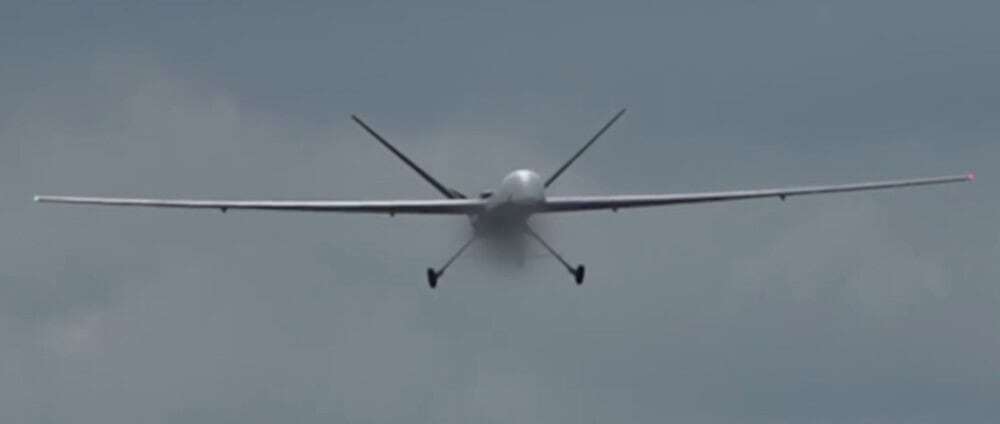
Russia’s ‘Banderol’ low-cost cruise missile officially breaks cover
Moscow has now officially acknowledged the existence of its new Banderol low-cost cruise missile, which has seen growing action in Ukraine in recent months.
-
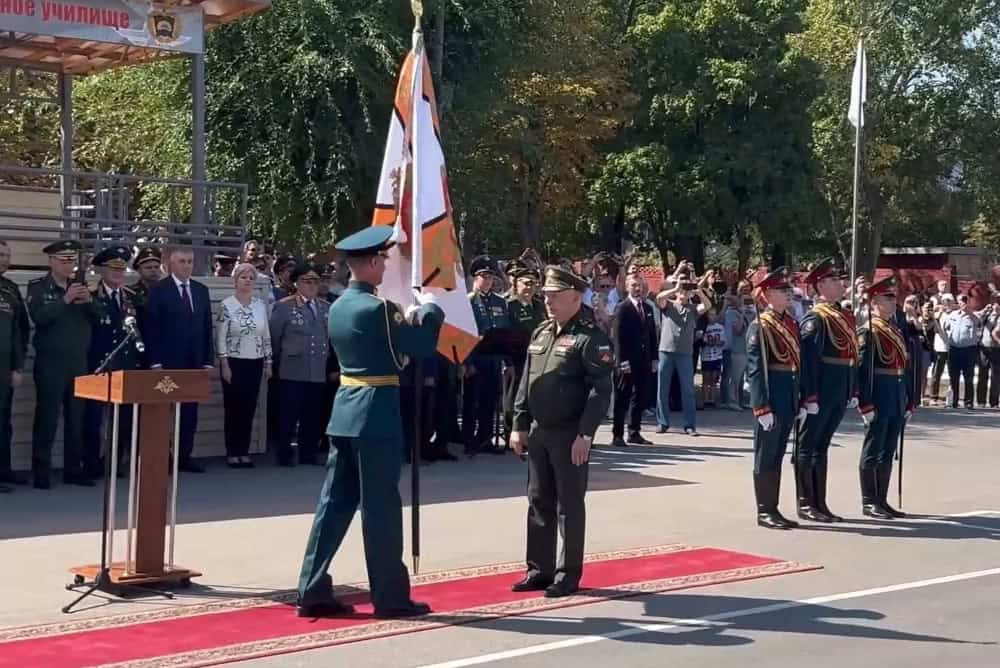
Russia reopening military schools to expand officer training pipeline
Moscow announced that it will re-establish the Chelyabinsk Higher Tank Command School, one of more than a dozen new schools Russia is standing up to expand its officer-training pipeline for a larger military that has been heavily attrited by the war in Ukraine.
-
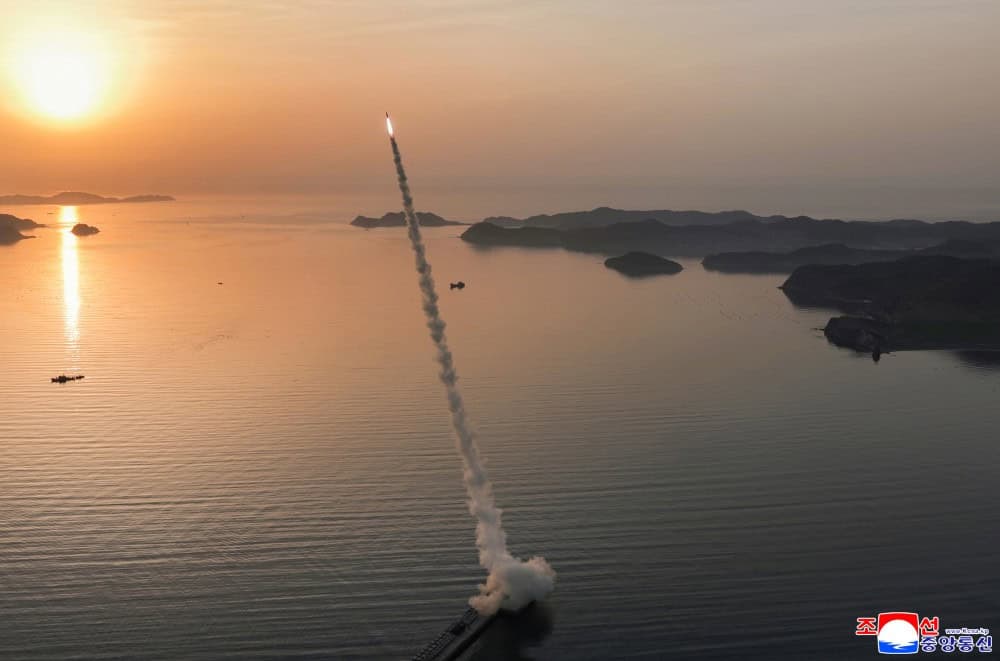
Analysis: Russian security assistance is creating problems on the Korean Peninsula
North Korea has launched dozens of missiles since the start of 2026. The regime is displaying increasingly lethal long-range fires capabilities that have been enabled, in no small part, by Russian security assistance.
-
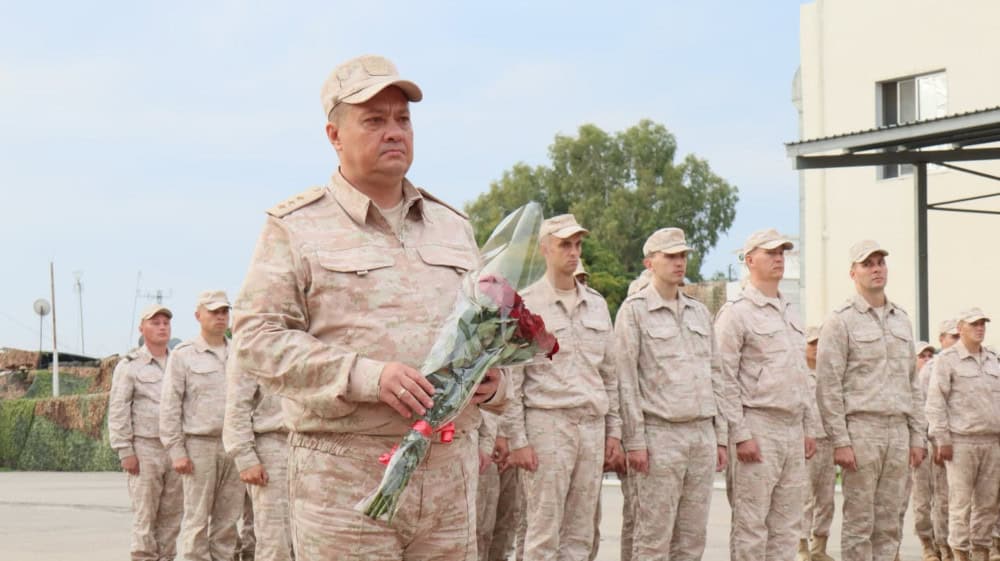
Russian Aerospace Forces reportedly get new commander
Colonel-General Aleksandr Chaiko reportedly has been appointed commander of Russia’s Aerospace Forces. He is an unusual choice for the position, given his army background and unimpressive record in Ukraine.
-
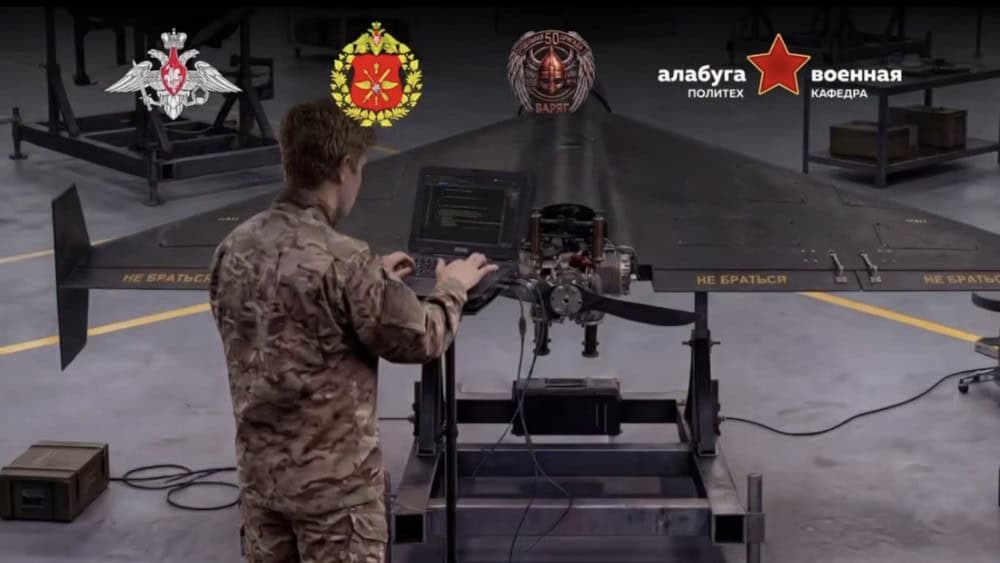
Russian Shahed drone maker recruiting for new unmanned systems brigade
As part of Moscow’s efforts to expand its Unmanned Systems Forces, a vocational training center affiliated with Russia’s main Shahed drone producer is recruiting for a new unmanned systems brigade. Its recruitment messaging highlights fulfilling mandatory military service requirements while earning the pay of enlisted troops serving under contract but without the associated danger.
-
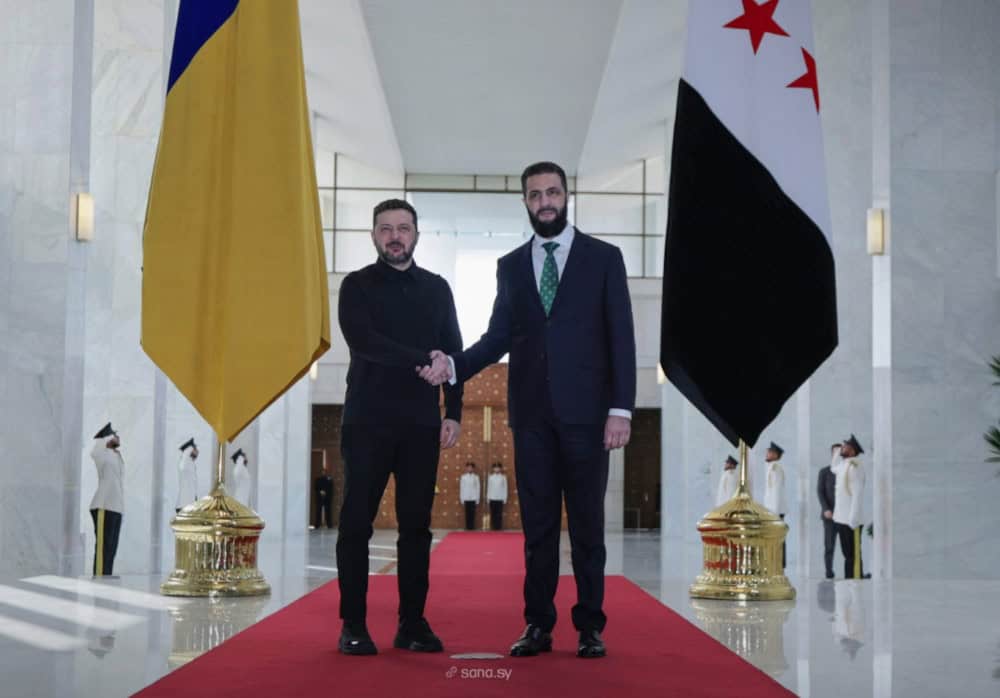
Syria focuses on diplomacy amid Iran war
Syria has sought to position itself as a diplomatic actor amid the regional conflict with Iran, maintaining relative stability while several neighboring states faced significant missile and drone attacks. Damascus has intensified high-level engagements with Turkey, the United States, and Ukraine, highlighting efforts to rebuild international ties following the fall of the Bashar al Assad regime.
-
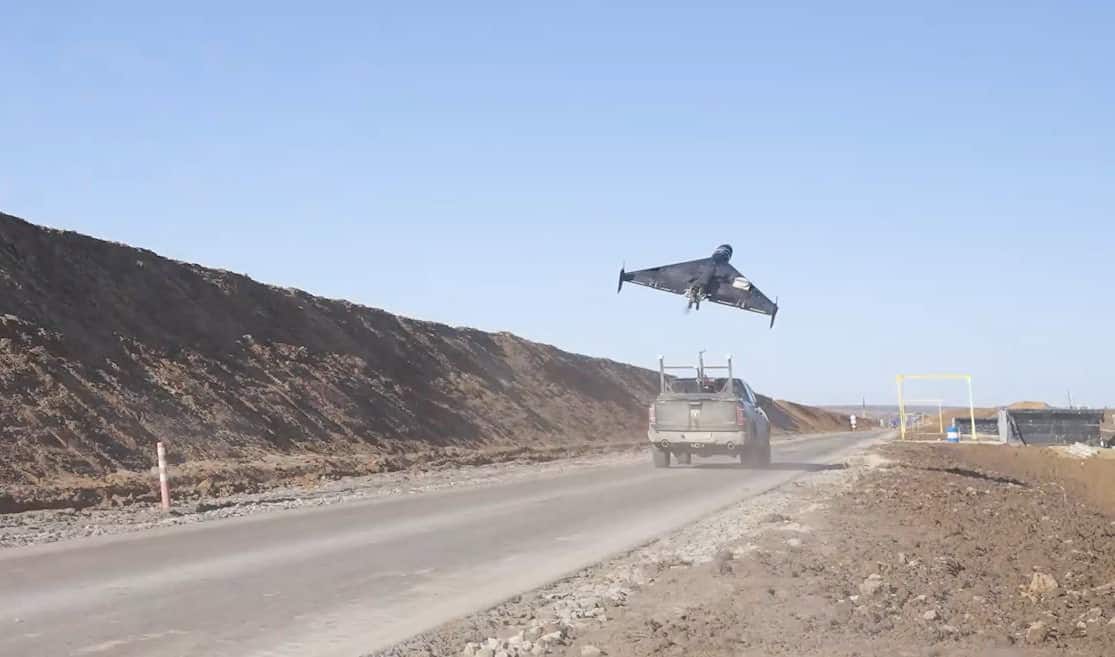
Russia reportedly sending Iran drones for use against the US and Israel
Reports citing Western officials suggest that Russia has started supplying Iran with complete drones after Russia was previously suspected of only providing components to improve Iranian systems. The unmanned aerial systems are likely modified, Russian-made versions of the same Shahed-136 one-way attack drones that Tehran previously supplied to Moscow.
-
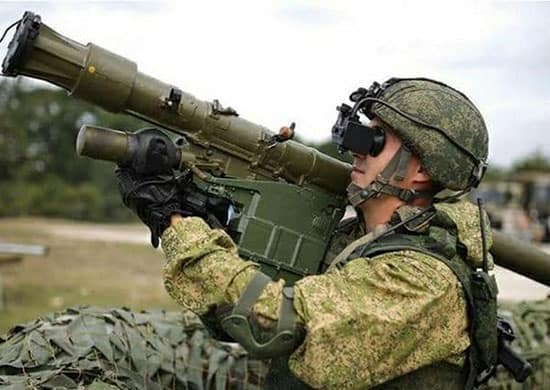
Russia to supply Iran with shoulder-fired air defense system
Russia and Iran have reportedly finalized a contract for the sale of 500 Russian “Verba” man-portable air defense systems (MANPADS) and 2,500 missiles as Iran tries to shore up its air defenses. However, it is unlikely that these weapons would significantly impact potential US operations against the Islamic Republic.
-
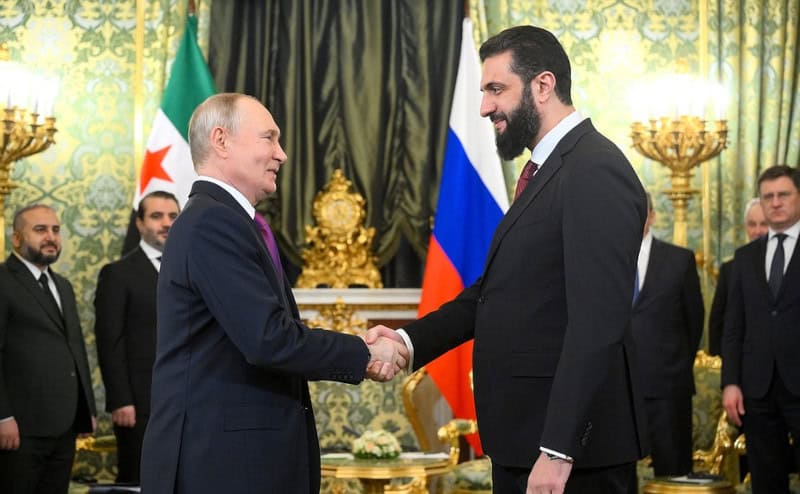
Russian troops begin evacuating from northern Syria
Russia evacuated troops from the northeastern Syrian city of Qamishli ahead of interim Syrian President Ahmed al Sharaa’s second visit to Moscow. Whether Russia will retain access to two key military facilities in western Syria was a part of the discussion between the two leaders.
-
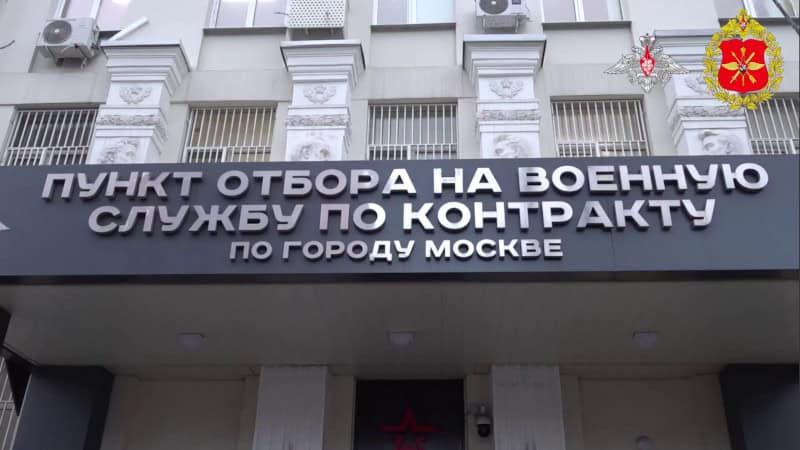
Russian military launches recruitment drive for drone units
The Russian military has launched a recruitment drive seeking troops for drone units, reflecting the key role that unmanned systems have come to play both in the Ukraine war and in Russia’s plans for its future force structure.
-
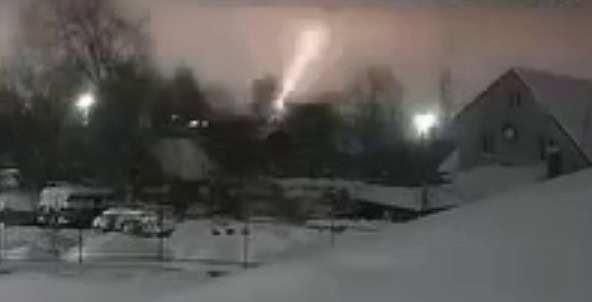
Russia uses new Oreshnik missile for second time in Ukraine
Russia reportedly used its new “Oreshnik” intermediate-range ballistic missile for the second time in Ukraine. Russia’s employment of the missile, which can deliver nuclear or conventional payloads, may be aimed at intimidating the West.
-
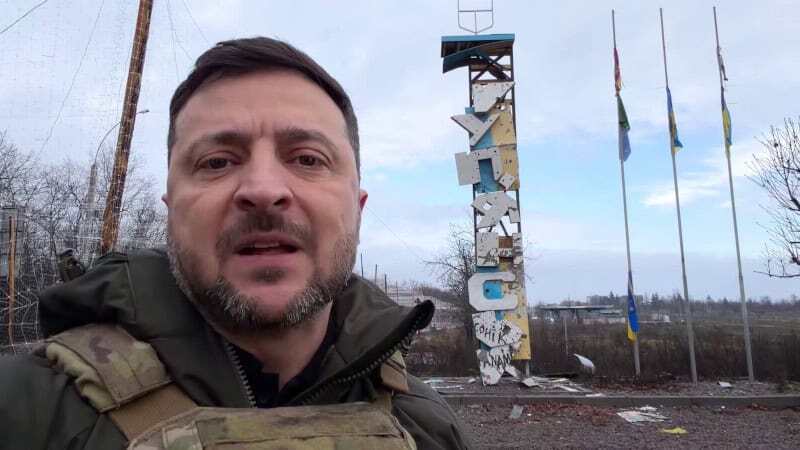
Ukraine says it has regained ground from Russian forces in Kupiansk
Ukrainian forces appear to have regained ground in and around the northeastern Ukrainian city of Kupiansk, giving Kyiv a much-needed victory amid setbacks elsewhere on the battlefield and in peace negotiations.
-
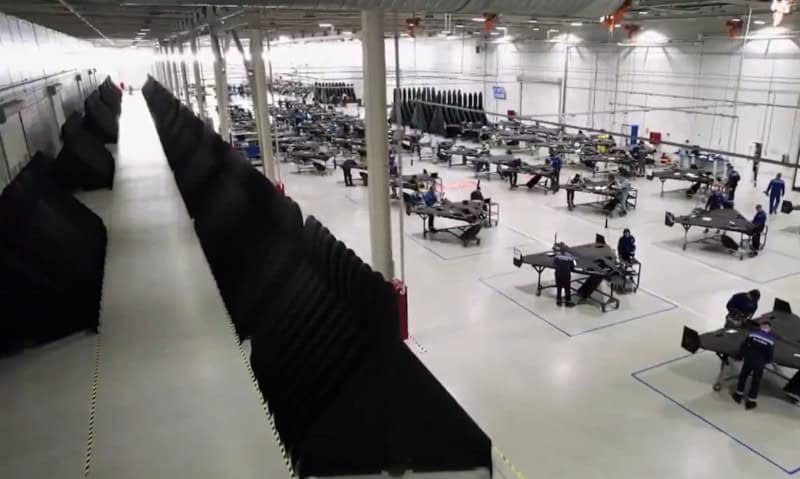
North Korean workers to make Russian drones, Ukrainian intel says
North Korea will soon provide thousands of workers to help Russia produce Shahed-type kamikaze drones, according to Ukrainian military intelligence. If true, the additional trained labor will increase both Russia and North Korea’s drone-manufacturing capabilities while providing significant revenue to Pyongyang.
-
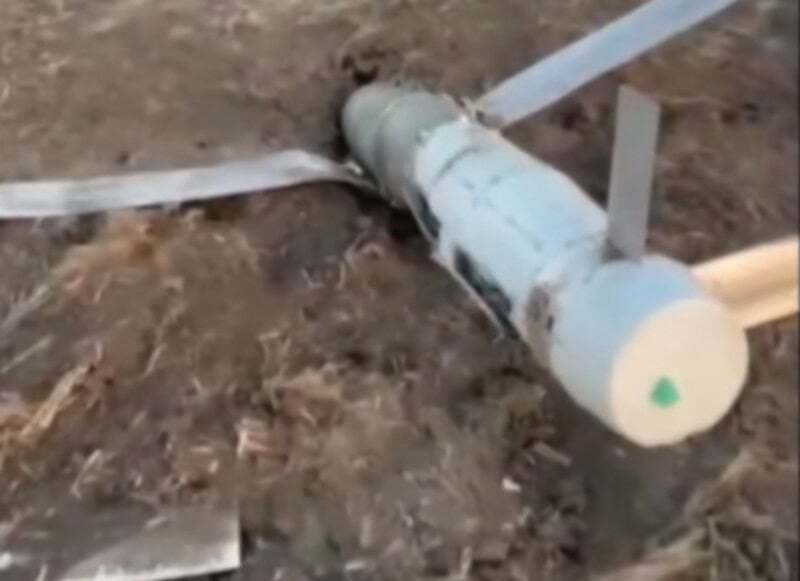
Russia deploys new, longer-range bombs in war against Ukraine
Russia has developed longer-range bombs that offer the Russian Air Force inexpensive, survivable tools for long-range strikes, including on Ukrainian cities that were previously safe from glide bombs.
-
Russia announces plan to muster reservists to combat Ukrainian drones
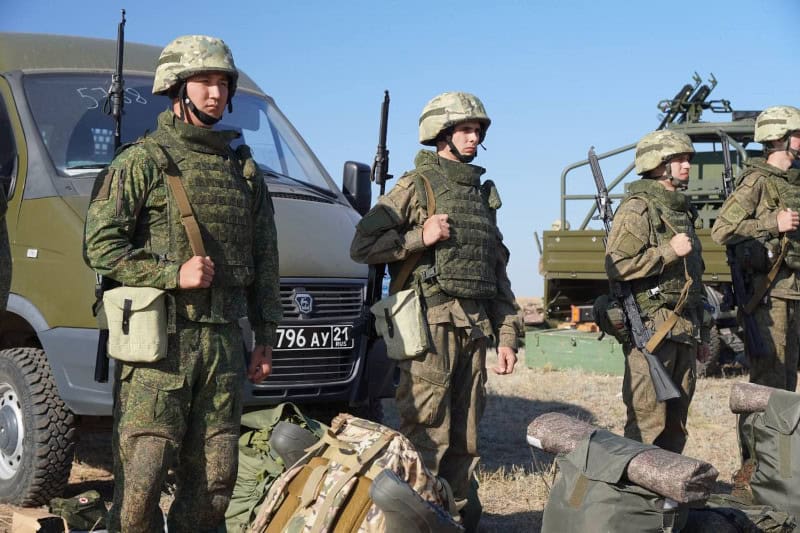
Moscow has introduced a new law allowing for reservists to be mustered to counter Ukrainian drone strikes targeting Russian oil refineries and other key facilities.
-
Ukraine scrambles to contain Russian advance near Dobropillia
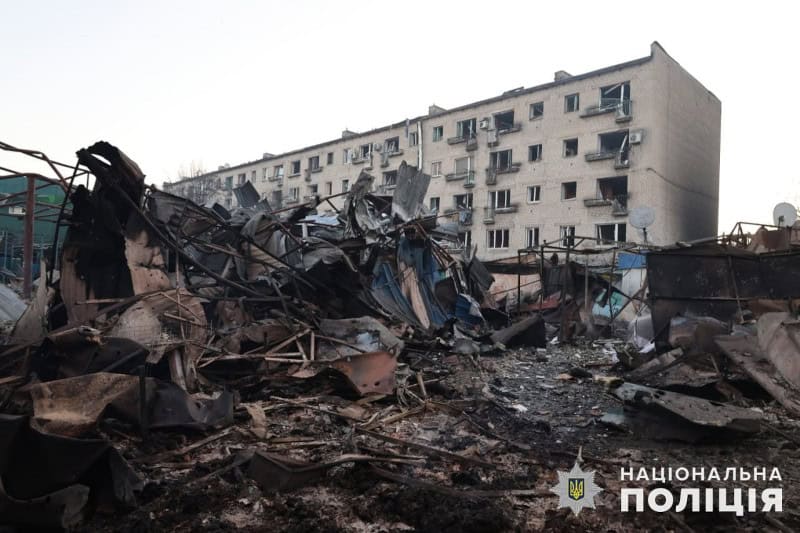
Ukraine’s Azov Corps announced that it has been tasked with stabilizing the situation near the eastern city of Dobropillia following recent Russian advances.
-
Analysis: Armenia–Azerbaijan deal worries Iran
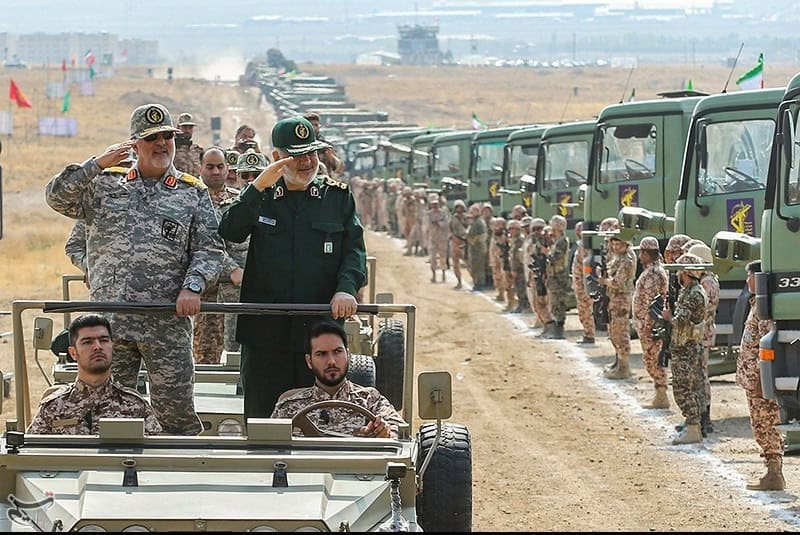
The August 8 agreement between Armenia and Azerbaijan that was brokered in Washington created the US-managed “Trump Route for International Peace and Prosperity” and granted Azerbaijan a link to its Nakhchivan exclave. While the deal preserves Iran’s overland access to Armenia and Europe, Tehran sees it as a strategic setback that could weaken its role in regional trade, bolster Turkish and Azerbaijani influence, and reduce its leverage with the West.
-
Ukraine reports new Russian glide bomb
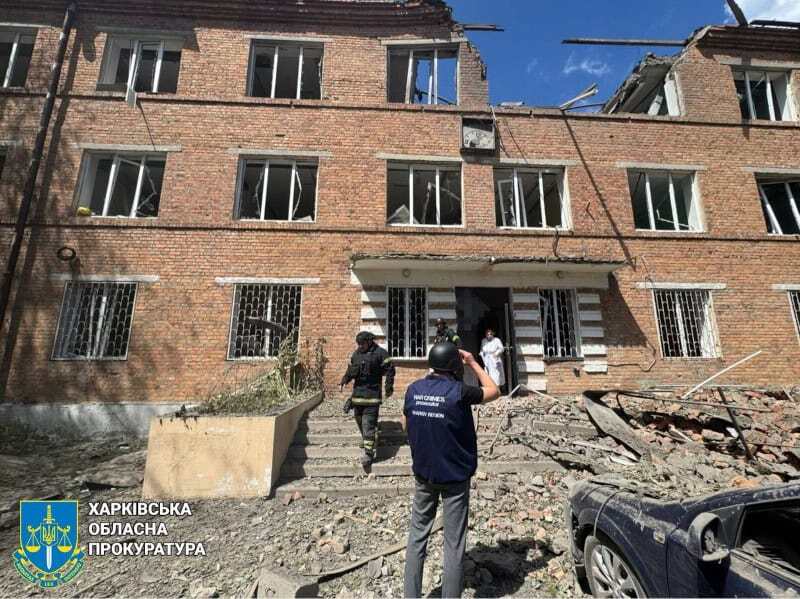
Russia has employed a new guided glide bomb in Ukraine that appears to be a more powerful derivative of a similar munition introduced last year. The latest weapon is part of Russian efforts to develop a growing variety of cheap standoff munitions.
-
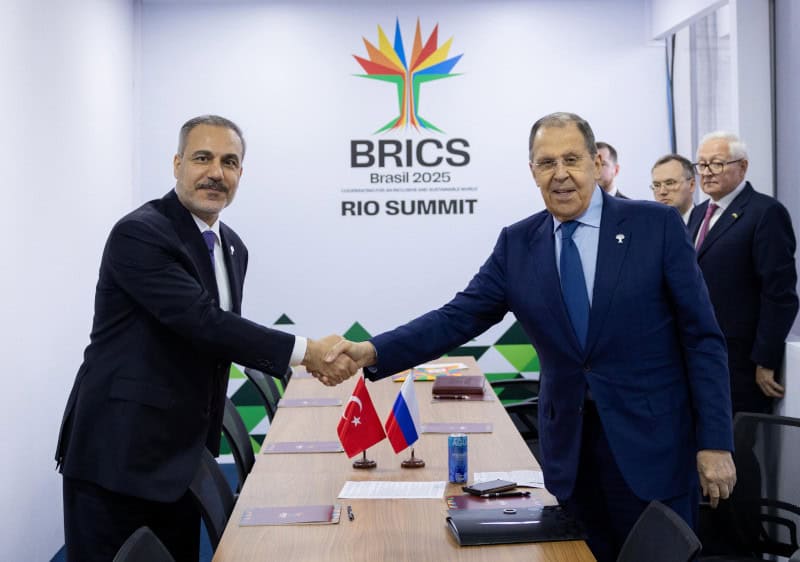
Analysis: Turkey still wants to join BRICS while pretending to be a NATO ally
Turkey’s attempt to join BRICS, a bloc that seeks to undermine the foundations of the Western world order, is only one of many transgressions against the interests of its ostensible allies in NATO, the US, and Europe.
-
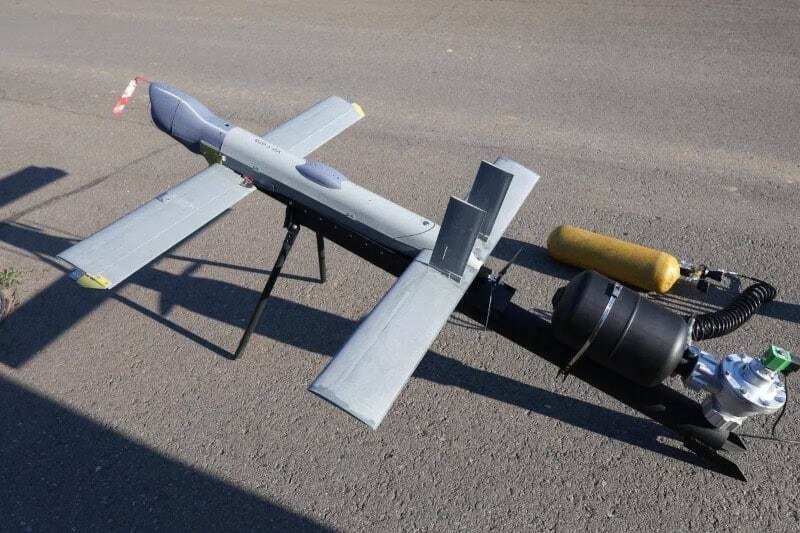
Ukrainian intelligence details Russia’s new V2U autonomous loitering munition
Russia has developed a new loitering munition called the V2U that, according to Ukrainian reports, can use AI to navigate and strike targets and may be able to collaborate with other drones as part of a swarm. If these reports are accurate, the V2U marks a significant step forward in Russian autonomous drone development.
-
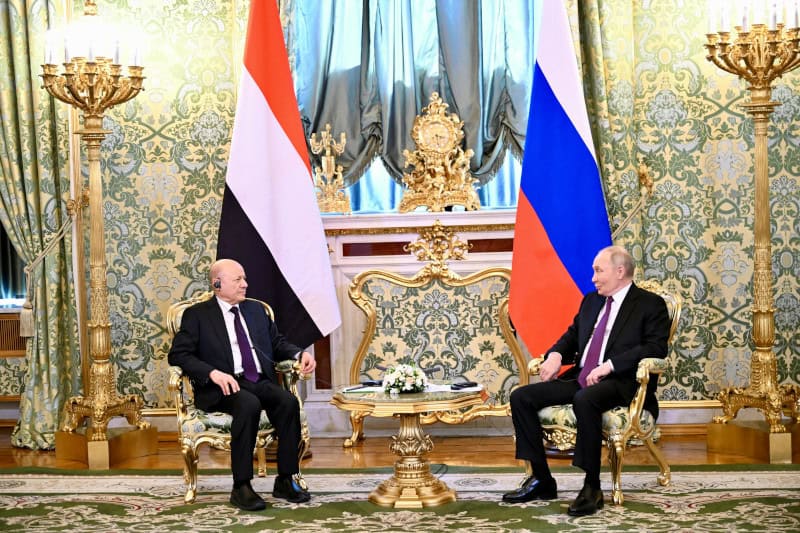
Yemeni president meets with Russian president despite Russia’s ongoing relationship with the Houthis
Yemeni President Rashad al Alimi and Russian President Vladimir Putin held the first presidential-level meeting between the two countries in recent years. The heads of state discussed bilateral relationships and regional security, but the visit was clouded by Russia’s ongoing friendliness with the Houthis.