-
US designates 3 members of Lashkar-e-Tayyiba as terrorists
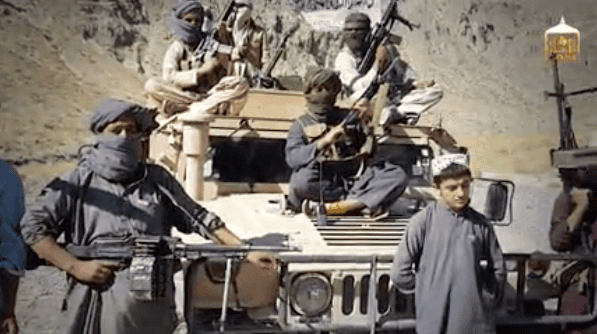
The US Treasury and State Departments designated three members of Lashkar-e-Tayyiba as terrorists today. One of them was captured in Iraq in 2004 and held for a decade before he was transferred to Pakistan and released. Another has raised funds to send to Syria.
-
US Counterterrorism strikes: Tempo remains high in Somalia and Yemen, transparency improves
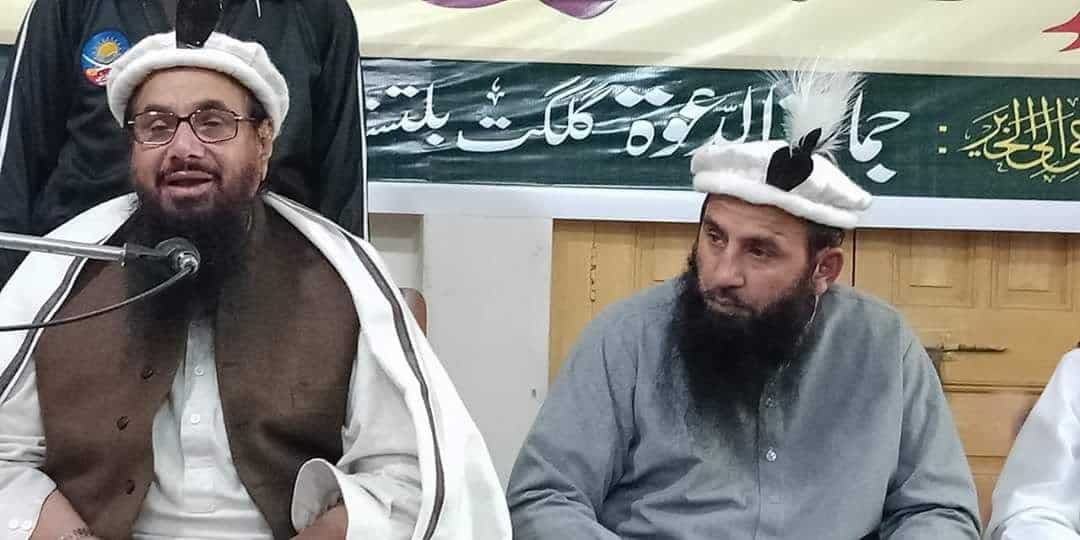
In 2017, LWJ reported unprecedented levels of airstrikes in Somalia and Yemen. Thus far in 2018, the United States has sustained its high strike tempo in Somalia and improved transparency on its air campaign in Yemen. Strikes in Pakistan have leveled off, however press restrictions make tracking operations there difficult. In Libya, the U.S. has targeted jihadists sparingly.
-
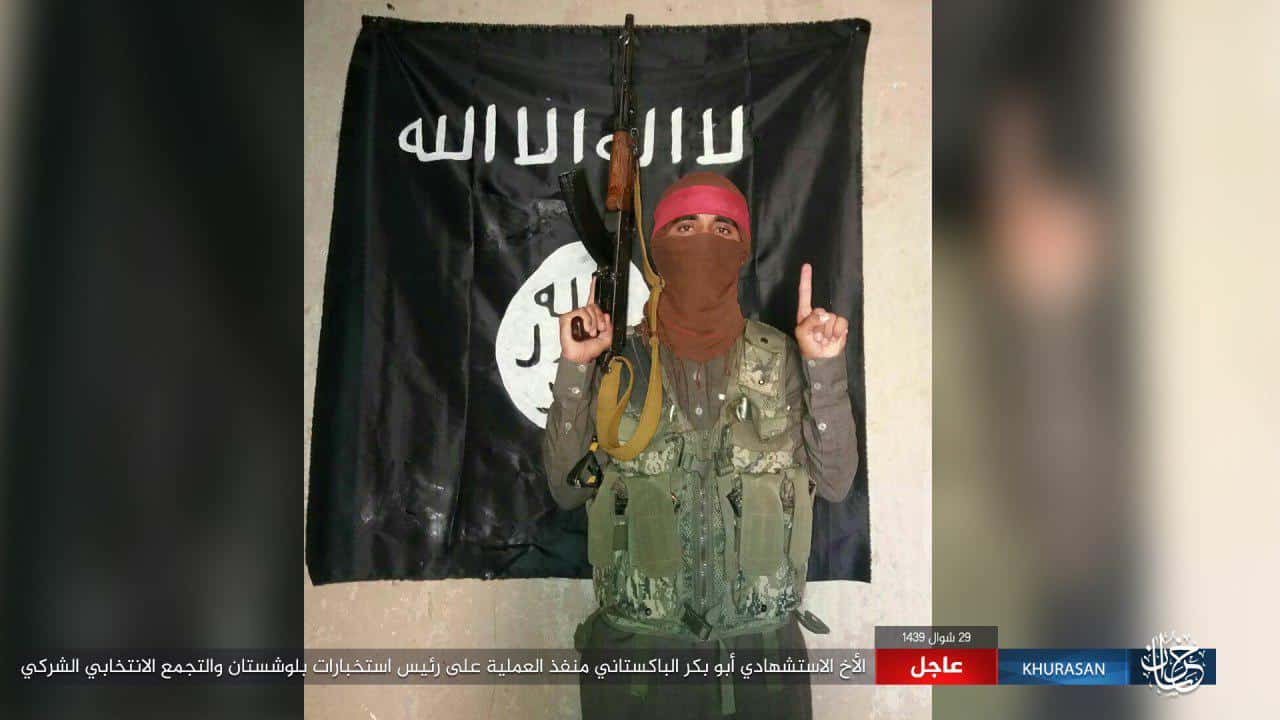
Islamic State claims suicide bombing at election rally in Pakistan
The Islamic State has claimed responsibility for a devastating suicide bombing at an election rally in Mastung, Baluchistan earlier today. More than 100 people were killed and dozens more wounded. The so-called caliphate has identified the bomber as Abu Bakr al-Pakistani and claims that a Pakistani intelligence official was among the victims.
-
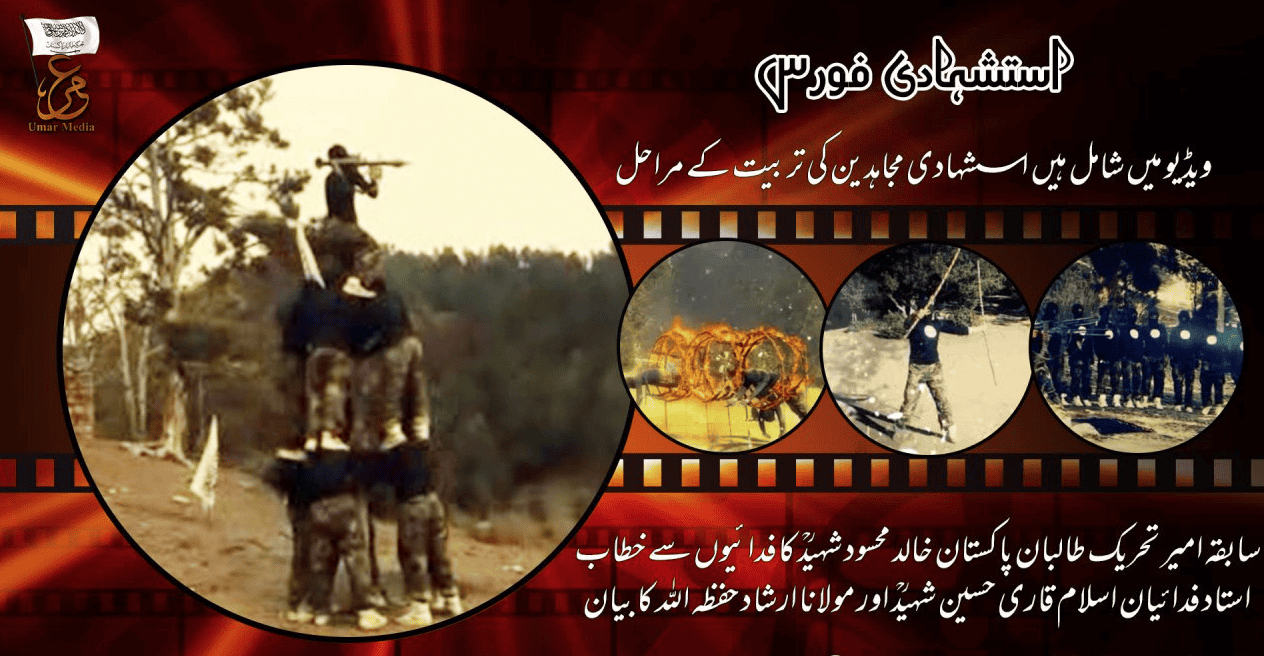
Pakistani Taliban claims Peshawar suicide attack, threatens more to come
The deadly bombing is the first major attack executed by the Taliban group since Mufti Noor Wali Mehsud assumed command of the group in late June.
-
Analysis: Pentagon continues to underestimate al Qaeda, downplay ties to Taliban
The Pentagon and the US intelligence community have been consistently wrong about al Qaeda’s strength in Afghanistan, and evidence of strategic ties between the two groups does indeed exist.

-
Pakistani Taliban appoints new emir after confirming death of Mullah Fazlullah
The TTP appears to be returning to its roots by selecting Mufti Noor Wali Mehsud, a prominent commander from the Mehsud tribe, to lead it. The TTP also confirmed the death of Mullah Fazlullah.
-
Taliban rejects ceasefire extension, resumes attacks on ‘internal puppets’
The Taliban has rejected a request by the Afghan government to extend its three-day ceasefire. The Taliban claims that the short-lived lull in the fighting proved that it has command-and-control over its forces throughout the country and that the mujahideen enjoy popular support.

-
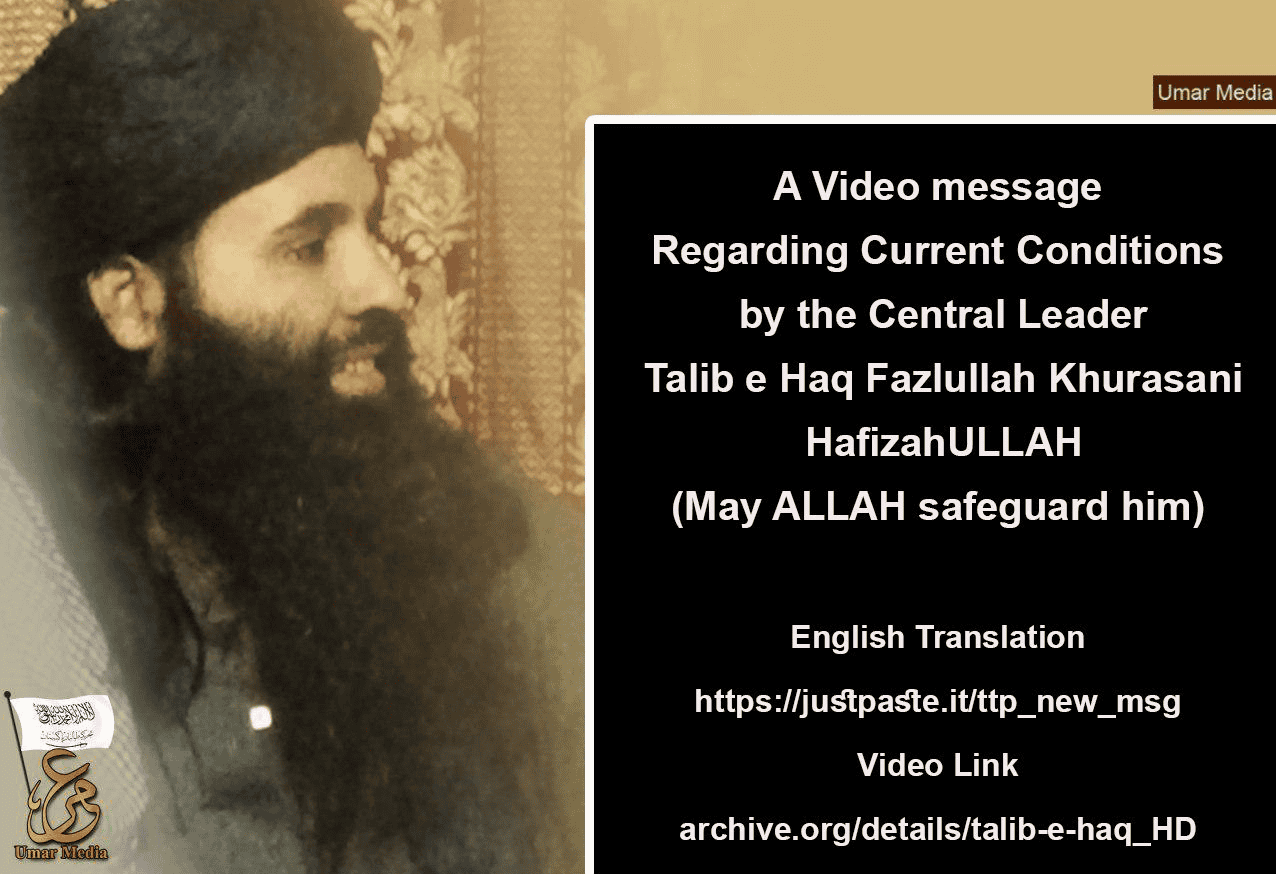
Emir of Pakistani Taliban thought killed in US airstrike
The Afghan Ministry of Defense claims Mullah Fazlullah was killed in a US airstrike in Kunar on June 13. His death has not been confirmed by the US or the Movement of the Taliban in Pakistan. Fazlullah’s death, if confirmed, may not be as impactful as US, Pakistani, and Afghan officials would like to believe.
-
Analysis: A misbegotten ‘ceasefire’ in Afghanistan
The government of Afghanistan announced yesterday that it has entered into a unilateral ceasefire with the Taliban. Gen. John Nicholson, who oversees the US-led war effort, claimed it was a “bold initiative for peace.” But the thinking behind the ceasefire is confused.
-
US military kills ‘dual-hatted’ AQIS leader in eastern Afghanistan
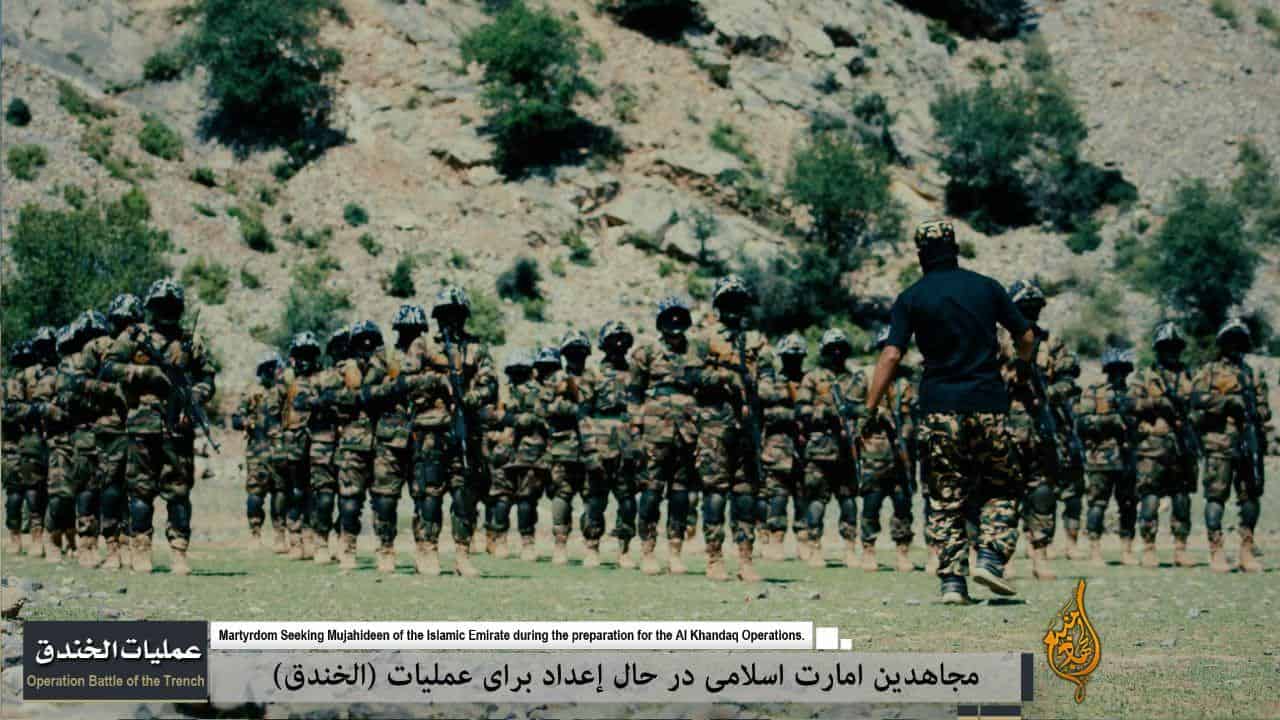
Hazrat Abbas served as a leader for both al Qaeda in the Indian Subcontinent and the Movement of the Taliban in Pakistan. AQIS was formed to unite disparate jihadist factions to fight under the banner of the Afghan Taliban.

-
Mattis claims Taliban ‘cannot win at the ballot box’
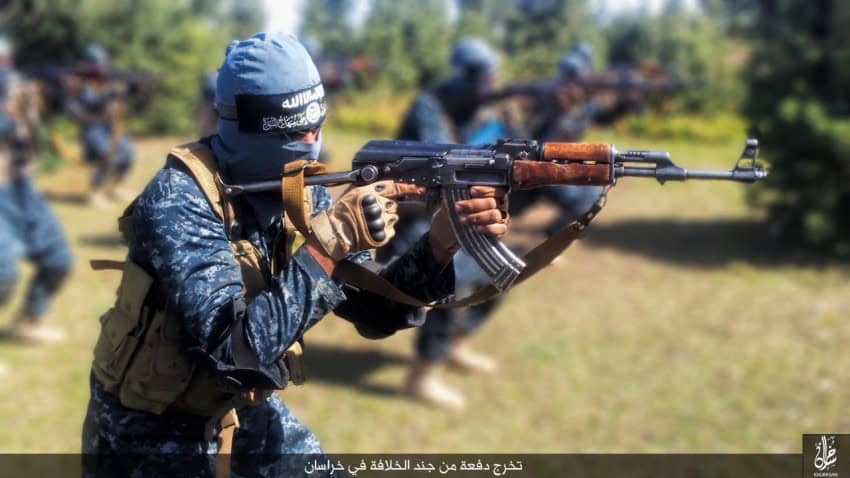
Yet again, senior American officials display a stunning level of ignorance about the Islamic State and the Taliban. Elections are antithetical to jihadists’ belief of religious rule.
-
Suicide bomber strikes voter registration office in Kabul
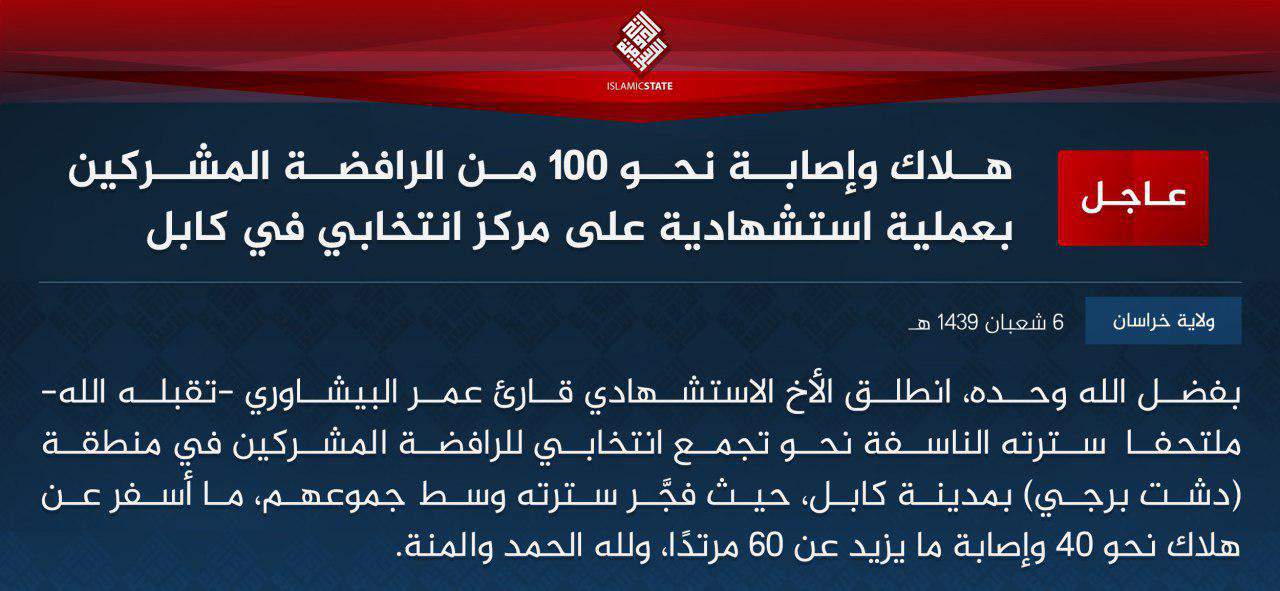
The Islamic State has claimed responsibility for a suicide bombing at a voter registration office in Kabul, Afghanistan earlier today. It is the latest in a string of attacks carried out by the group inside the Afghan capital. More than 50 people were killed and over 100 others wounded, according to initial casualty reports.
-
20 dead, civilians protest following Indian counter-terror operation in Kashmir
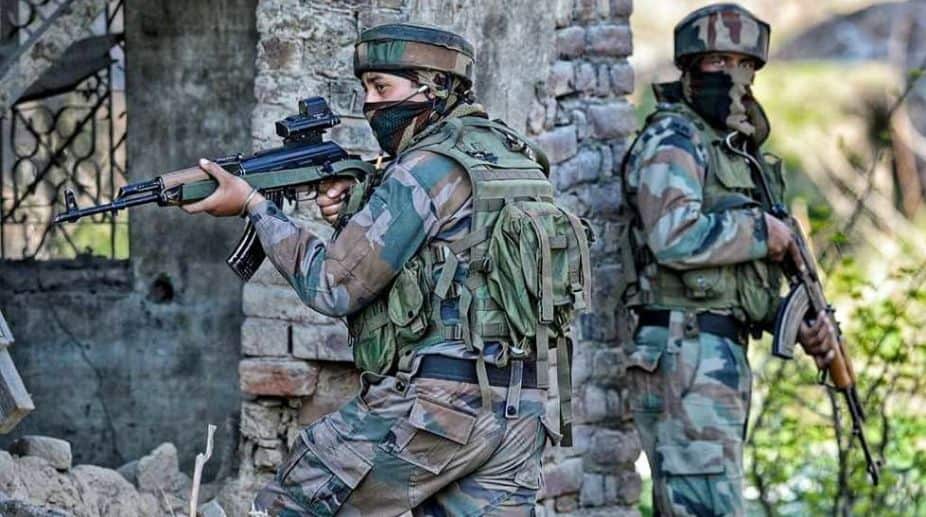
Indian security forces launched a decisive counter-terror operation yesterday in the Kashmiri districts of Shopian and Anantnag resulting in the deaths of at least 13 terrorists, three Indian security forces, and four civilians.
-
US adds 2 Lashkar-e-Taiba fronts, 7 leaders to terrorism list
The designations are the latest in a series of moves by the Trump administration to pressure Pakistan to tackle terrorist groups that openly operate inside the country with the approval and support of both the military and government.

-
Can Resolute Support possibly still not understand Taliban strategy?
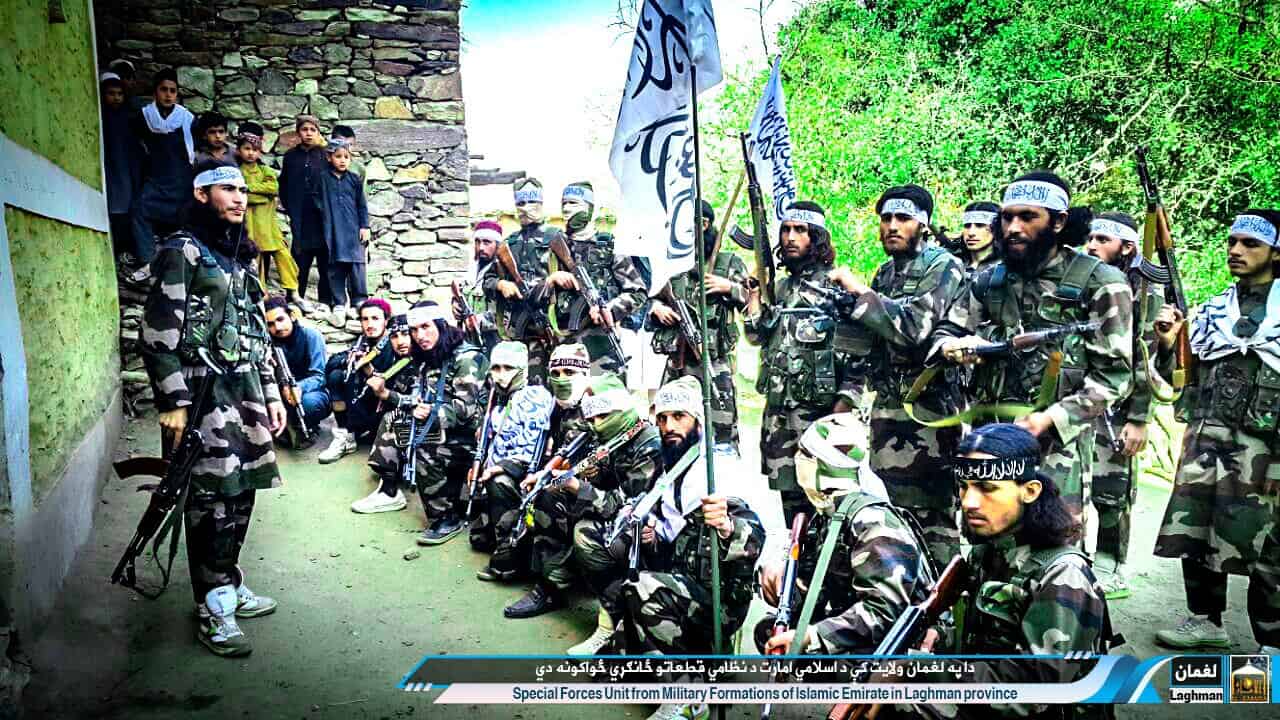
Resolute Support continues to claim that the Taliban failed in its strategic goals in 2017 and discounts the importance of the Taliban’s rural insurgency.
-
India blames Lashkar-e-Taiba for Kashmir attack on security forces
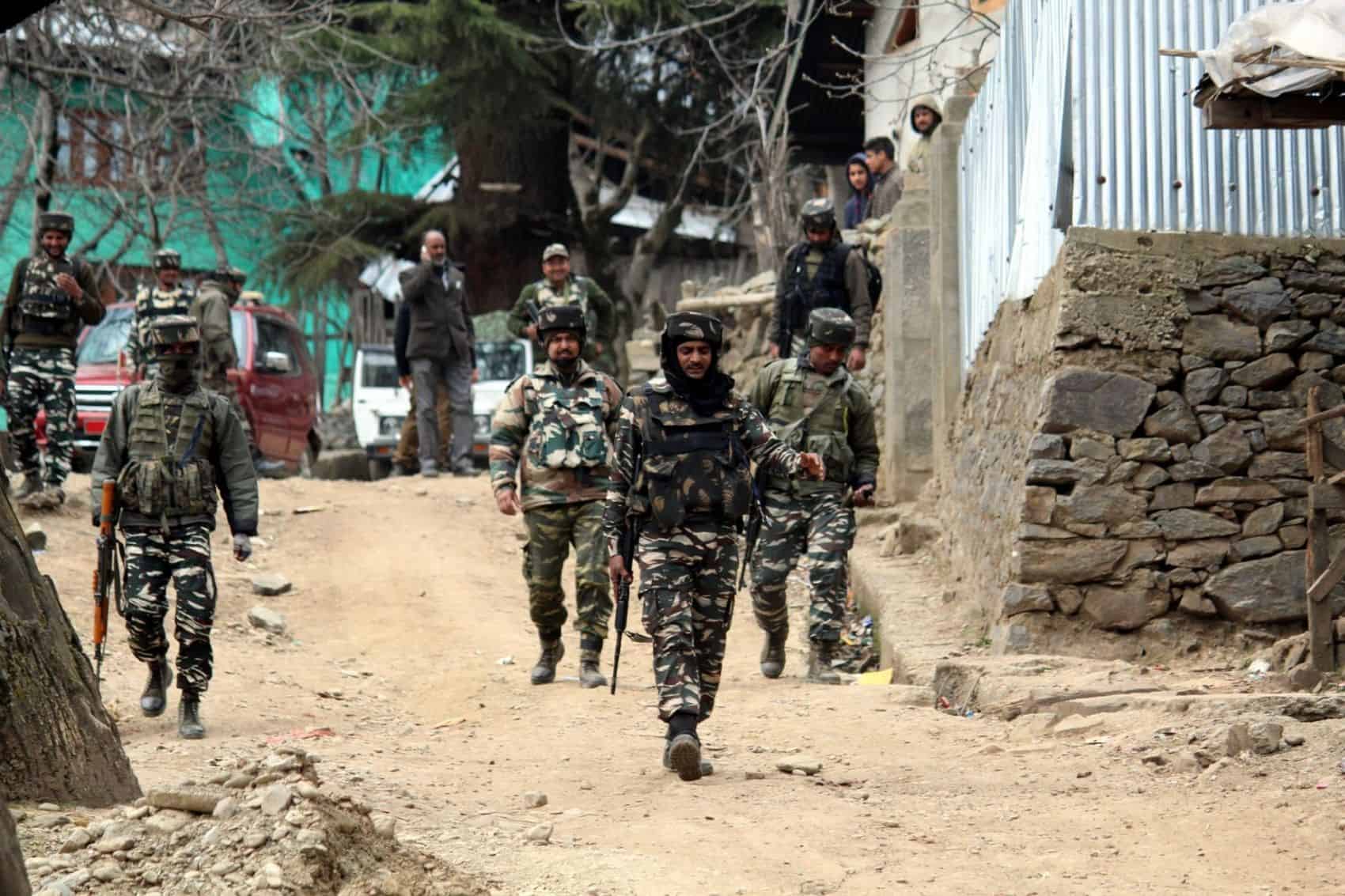
Pakistan continues to fuel the terrorist insurgency inside Jammu and Kashmir by backing Lashkar-e-Taiba and other proxies.
-
US military will not pursue Taliban into Pakistan
A US military spokesman also said that the military would be fine if the Taliban was operating on the Pakistani side of the border just as long as Afghanistan was secured.

-
US hits Pakistani Taliban training camp in eastern Afghanistan
The son of Mullah Fazlullah, the emir of the TTP, and two commanders, including the camp’s trainer of suicide bombers, are reported to have been killed.

-
German captured while fighting with Taliban’s Red Unit
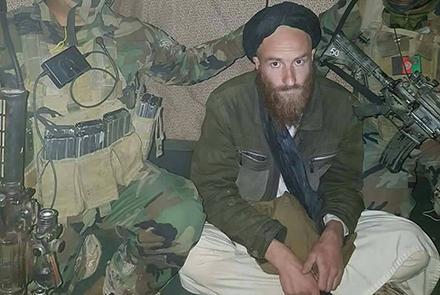
The Afghan military said it captured a German citizen who was fighting in Helmand province and belonged to the Taliban’s Red Unit, which serves as an elite unit that spearheads attacks on Afghan forces.
-
US military confirms death of Pakistani Taliban commander
Rehan, a commander from the Movement of the Taliban in Pakistan who also served as an al Qaeda facilitator, was killed in an airstrike in Bermal district in Afghanistan’s eastern province of Paktika. Bermal is a known jihadist hotspot.

-
Pakistani General talks tough on terrorism, but remains short on action
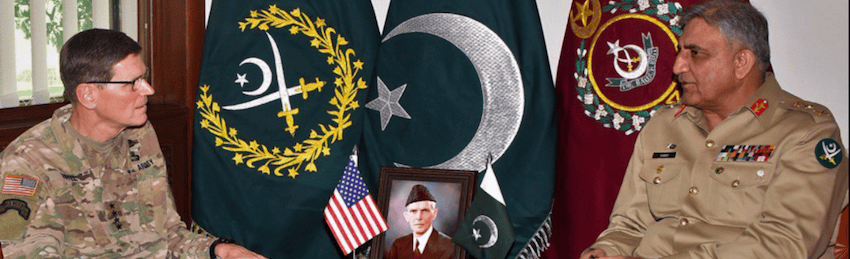
General Bajwa and Pakistani officials can pontificate all they like about how their country has eliminated terrorism and no longer permit terrorists to use its soil to attack another country. A look at the facts tells another story, and that is one of Pakistani duplicity.
-
Pakistani Taliban confirms US killed deputy emir in North Waziristan drone strike
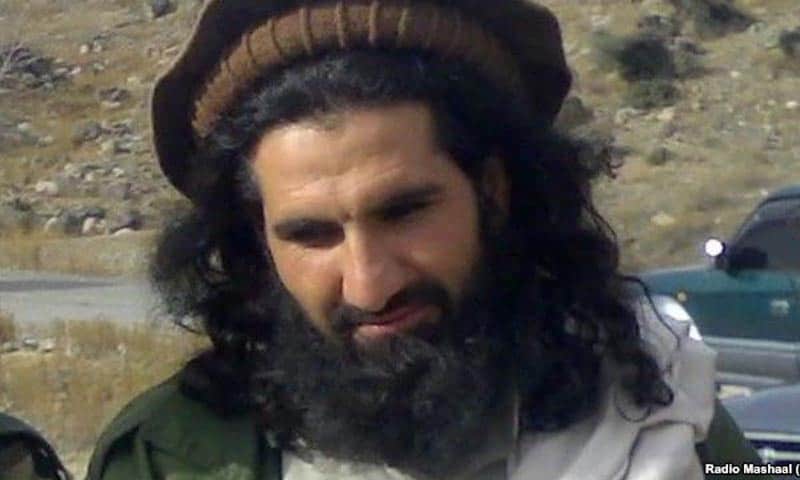
Sajna Mehsud was killed in a US drone strike in North Waziristan, not in Afghanistan like some Pakistani officials have claimed. Sajna lead the group’s powerful Mehsud faction, was close to al Qaeda, and was responsible for murdering thousands of Pakistanis.
-
Treasury Department sanctions 3 jihadist facilitators based in Pakistan
The US Treasury Department designated three jihadist facilitators who work for Sheikh Aminullah, a key al Qaeda and Taliban facilitator based in Peshawar, Pakistan. All three have allegedly facilitated Aminullah’s travels to the Gulf, where he has presumably raised funds. Two of the newly-sanctioned jihadists have been tied to operations in Afghanistan.

-
US launches airstrikes on Taliban training camps
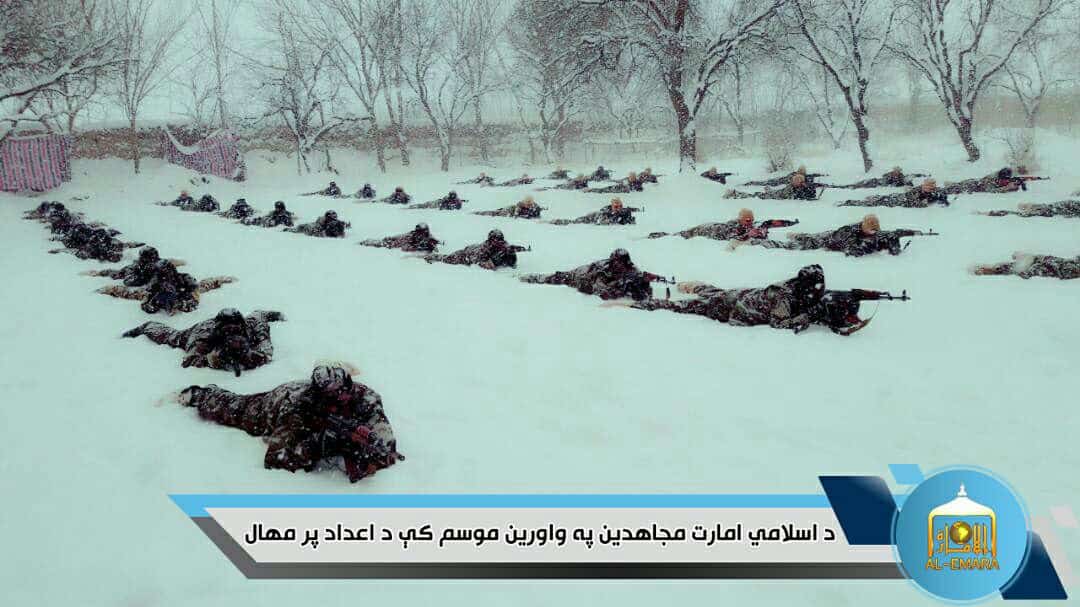
The camps were used by the East Turkistan Islamic Movement (ETIM) and other terrorist groups.
-
Pakistani Taliban claims 2 suicide bombings
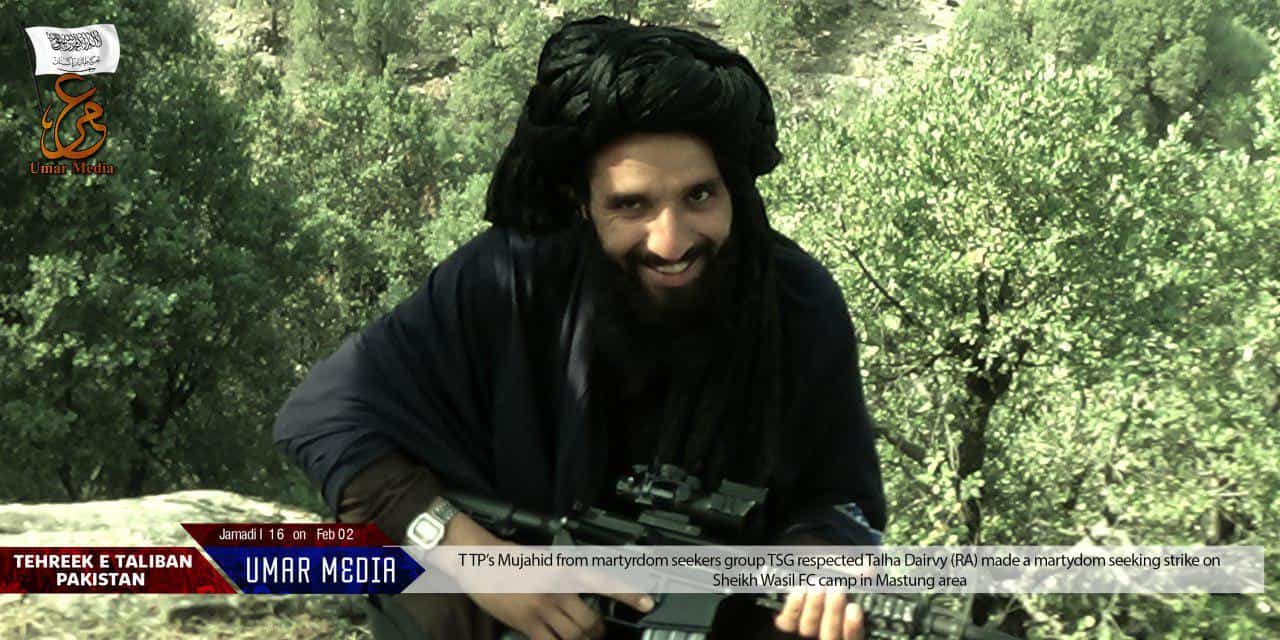
The Pakistani Taliban has claimed responsibility for two suicide bombings this month, one in Balochistan and the other in Swat. At least 11 Pakistani soldiers were killed in the attack in Swat. The jihadists controlled Swat from 2007 to 2009, when Pakistani forces removed them from power. The group has claimed at least 5 “martyrdom” operations thus far in 2018, after claiming 11 in all of 2017.
-
Designations highlight Taliban’s longstanding ties to al Qaeda
The designation of Taliban leaders on the Peshawar Shura highlights the continuity of the Taliban-al Qaeda relationship in Afghanistan and Pakistan that has endured more than 16 years of war against the US and its allies.
-
Pakistan ‘condemns drone strike’ that killed Haqqani Network commander
The Pakistan government often criticizes US airstrikes that kill members of the Afghan Taliban, including Haqqani Network leaders.

-
Taliban terrorists lay siege to Intercontinental Hotel in Kabul
The Taliban quickly claimed credit for an assault on the Intercontinental Hotel in Kabul, Afghanistan. The jihadists’ siege lasted more than half a day before it was finally ended by Afghan security forces.

-
US drone strike inside Pakistan targets ‘Afghan extremist’
The last five US counterterrorism strikes have all taken place inside Pakistan’s Kurram tribal agency. The Afghan Taliban, including the Haqqani Network, is known to operate inside Kurram and use it as a base to attack Afghanistan.
-
Pakistan pits CENTCOM commander against Trump administration
In a conversation with Pakistan’s Chief of Army Staff, the Pakistani military claimed CENTCOM commander General Joseph Votel said the idea that the Taliban uses Pakistan as a safe haven is “undermining … Pakistan’s contributions in war against terrorism” in Washington.