-
Generation Jihad: Ep. 5 – Banned in Pakistan
Hosts Tom Joscelyn and Bill Roggio discuss how the Daniel Pearl affair highlights deeper problems within Pakistan. After all, FDD’s Long War Journal is banned in Pakistan, while many jihadists are not.

-
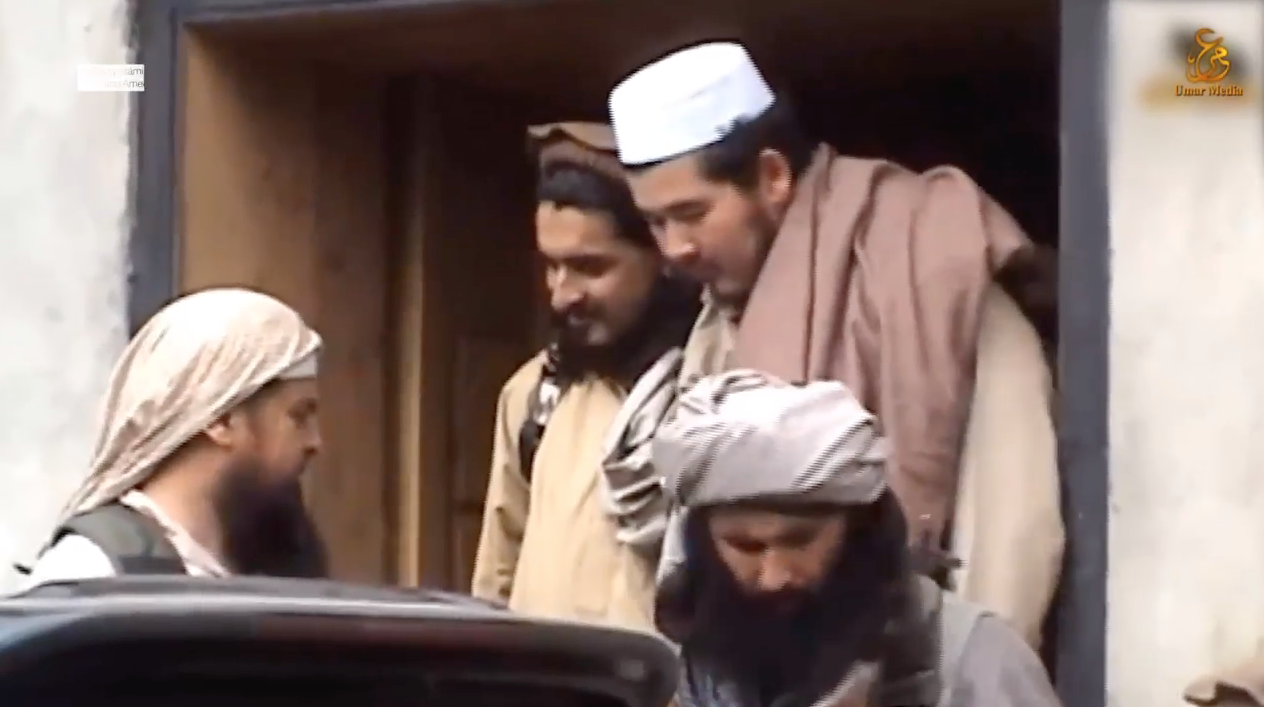
In tribute to Hakeemullah Mehsud, TTP exposes ties to Afghan Taliban, Al Qaeda
The Movement of the Taliban in Pakistan highlights the often overlooked relationship between the Afghan Taliban, its Pakistani brothers, and al Qaeda, and Pakistan’s complicity in propping up terror networks.
-
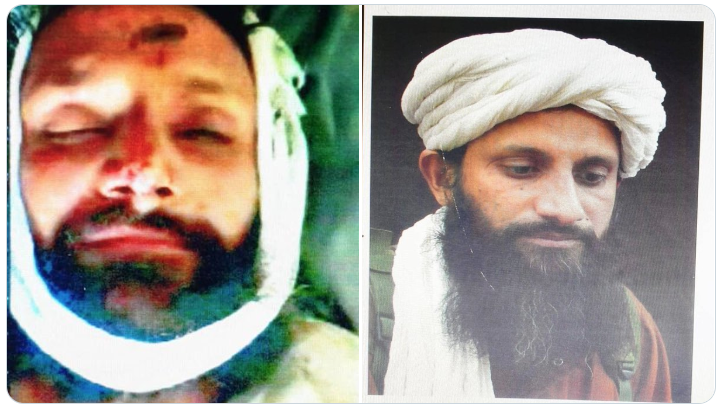
U.S. military buries press release that would announce killing of Al Qaeda in the Indian Subcontinent’s emir
The U.S. military has suppressed a press release announcing the death of Al Qaeda In the Indian Subcontinient’s emir for three months as his presence with the difficult. Asim Umar, his courrier to Ayman al Zawahiri, his staff, and even his wife were embedded with the Taliban in Helmand province when he was killed.
-
Afghan intelligence confirms death of AQIS emir
Afghanistan’s National Directorate of Security claims it has confirmed that Asim Umar, the emir of Al Qaeda in the Indian Subcontinent, was killed during a Sept. 23 raid in Helmand province. Other key AQIS leaders were also killed in the fighting.
-
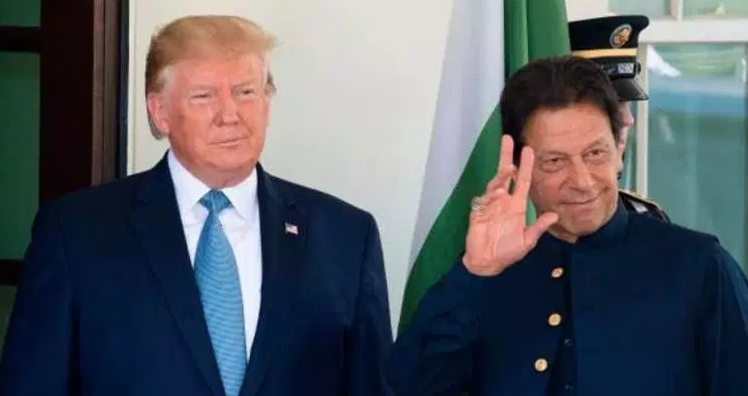
Trump caves to Pakistan on Afghanistan
Trump’s acquiescence to Pakistan, which has backed the Taliban’s deadly insurgency in Afghanistan, occurs less than two years after he accused Pakistan of providing “safe haven to agents of chaos, violence, and terror”. Trump also said Pakistan returned billions of dollars in US aid with “nothing but lies & deceit.”
-
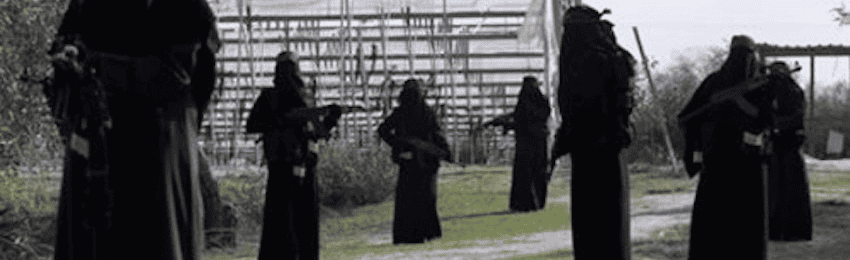
Female Pakistani Taliban suicide bomber hits hospital
The Taliban has used female suicide bombers in the past. Years ago, a wanted commander known as Qari Zia Rahman established training camps to indoctrinate women and young girls to carry out the gruesome attacks.
-
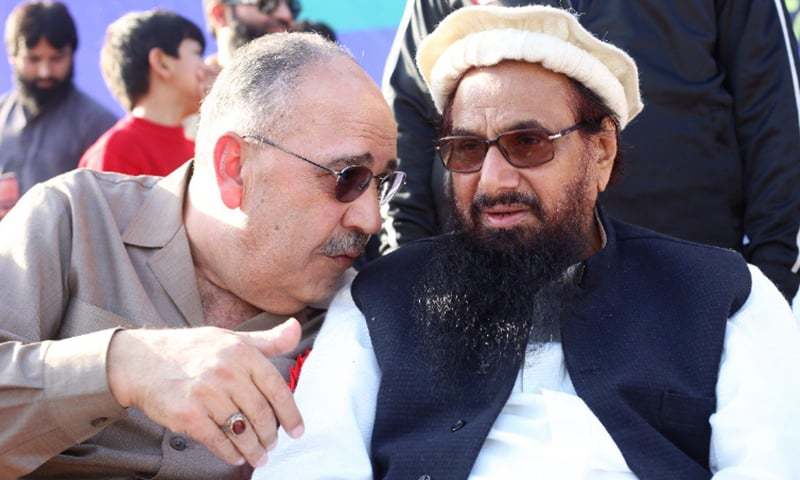
Pakistan again arrests Lashkar-e-Taiba emir Hafiz Saeed
Pakistan is a state where those who push the bounds of what is acceptable to the military and Inter-Services Intelligence Directorate, including jihadists, politicians, journalists, and activists, end up missing or are found murdered. Pakistan has weathered nearly two decades of international condemnation over Saeed and Lashkar-e-Taiba, yet he and his terrorist entities have not only survived, but thrived.
-
Pakistan charges 13 Lashkar-e-Taiba leaders under Anti-Terrorism Act
If history is any guide, Laskahr-e-Taiba leader Hafiz Saeed and his cadre will dodge the charges and continue to provide support to a wide range of terrorist groups, including al Qaeda and the Afghan Taliban.

-
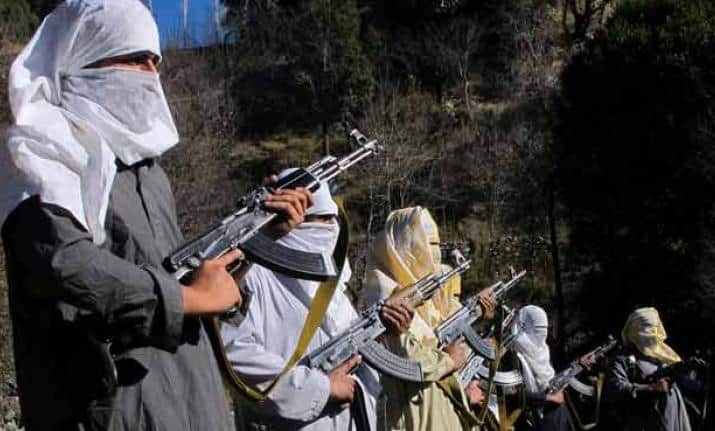
US Citizen Pleads Guilty to Recruiting for Lashkar-e-Taiba
An 18-year-old man from North Texas has pleaded guilty to charges that he conspired to actively recruit for the Pakistani-backed terror outfit Lashkar-e-Taiba (LeT), according to a release from the Department of Justice last week.
-
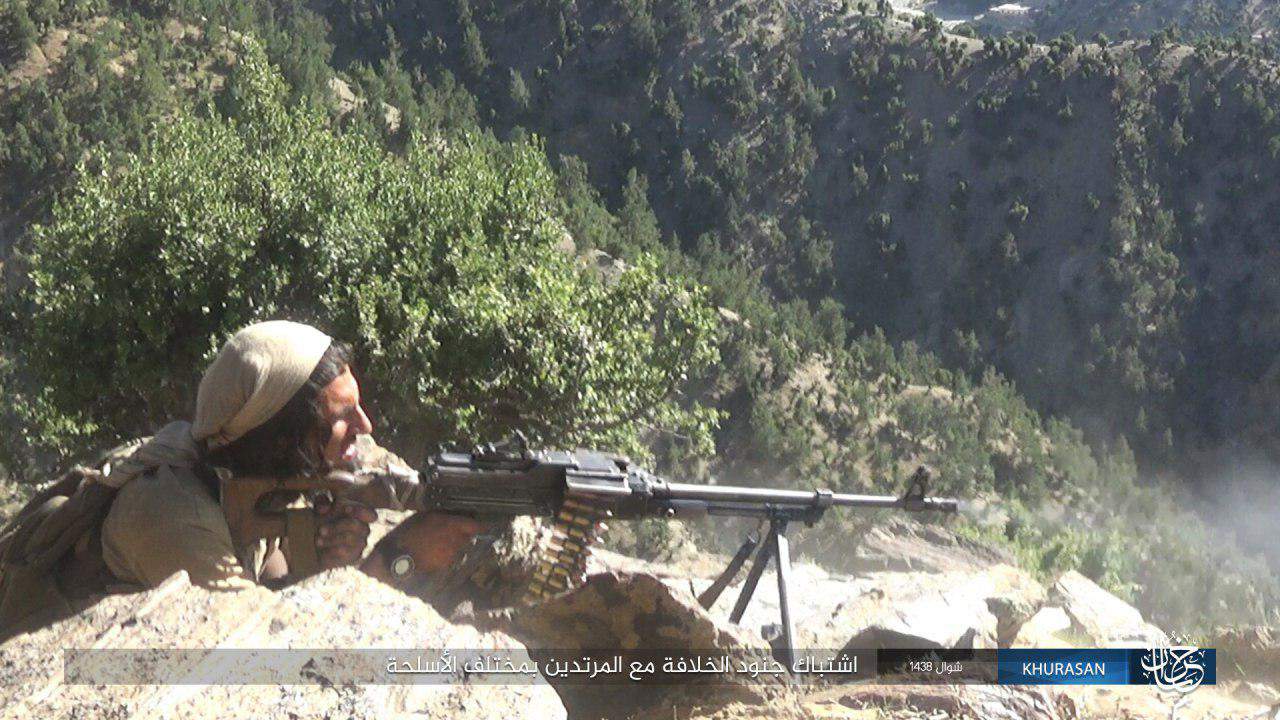
UN sanctions Islamic State’s Khorasan province, as jihadists claim operations in Kashmir and Pakistan
On May 14, the UN Security Council added the Islamic State’s so-called Khorasan province to its list of sanctioned terrorist entities. The group has recently rebranded operations in Kashmir and Pakistan as the work of supposedly new “provinces.”
-
Khalilzad flip flops on Pakistan, Taliban’s relationship with al Qaeda
In his testimony to Congress in July 2016, Zalmay Khalilzad called for designating Pakistan a State Sponsor of Terrorism for its support of the Taliban, noted the enduring Taliban-al Qaeda alliance. Today he praises Pakistan for its desire for peace in Afghanistan and claims the Taliban will be an effective counterterrorism partner.
-
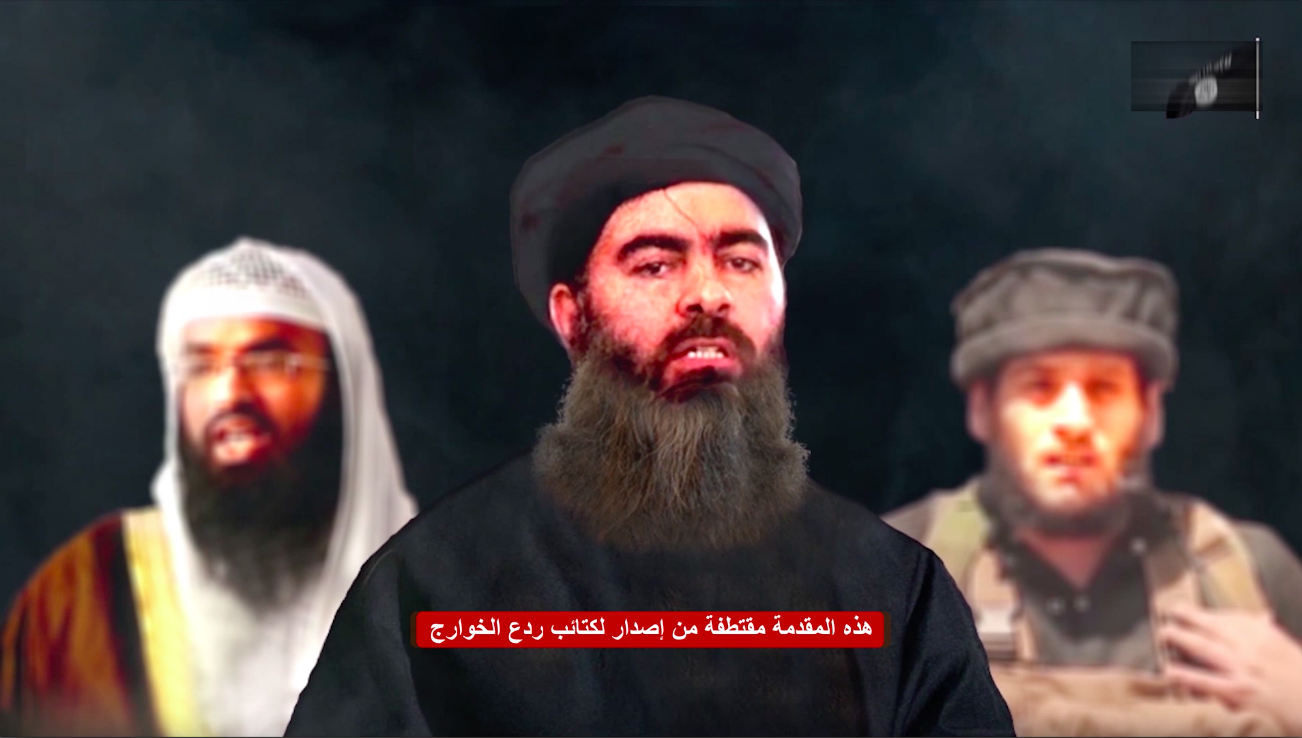
Examining the Global Terrorism Landscape
Bill Roggio testifies before the House Committee on Foreign Affairs Subcommittee on the Middle East, North Africa and International Terrorism, and examines the global terrorism landscape.
-
Pakistan claims to ‘crack down’ on Jamaat-ud-Dawa. Again.
If the past is any guide, the efforts are merely eyewash to placate Western governments in the wake of major terror attacks emanating from Pakistani soil. Pakistan has claimed it has shut down JuD offices and detained its top leaders in the past, only to allow the offices to reopen and the leaders free months later.
-
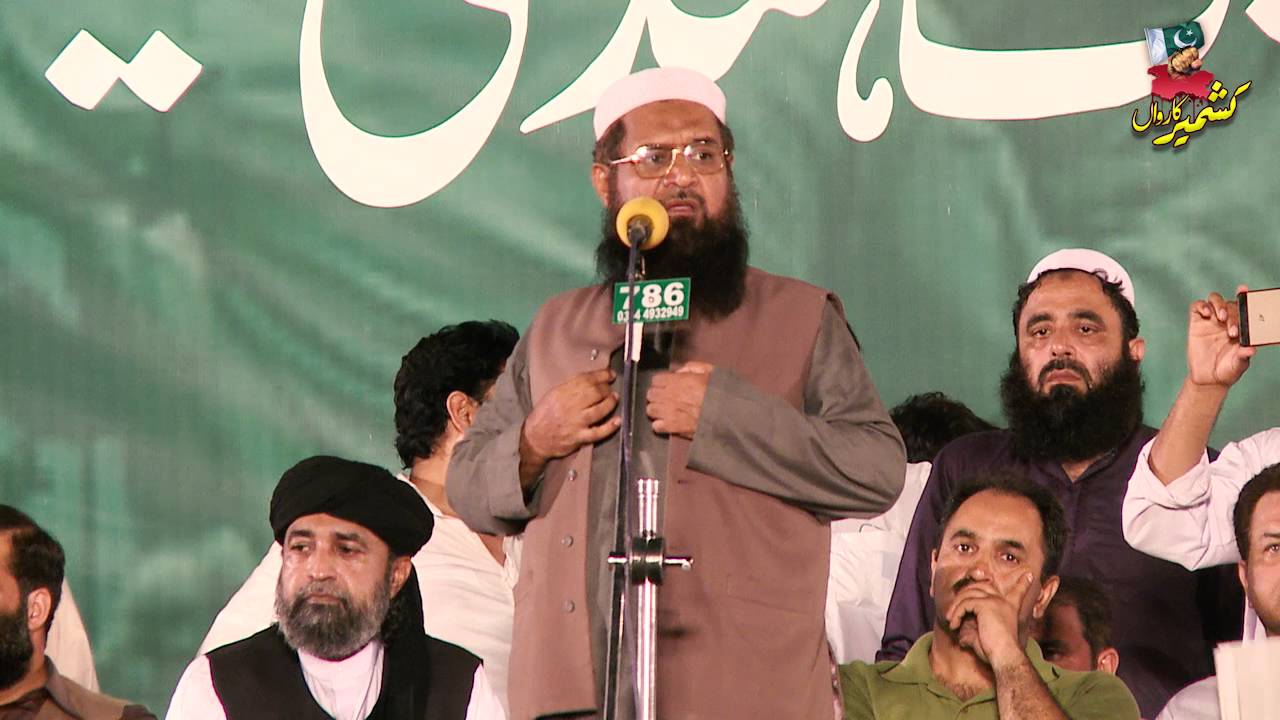
Pakistan PM’s political party welcomes Harakat-ul-Mujahideen emir into ranks
If Pakistan was sincere about tackling terrorists groups and their leaders and operatives, Khalil would be at the top of the target list. Instead, he has been welcomed with open arms into Imran Khan’s political party.
-
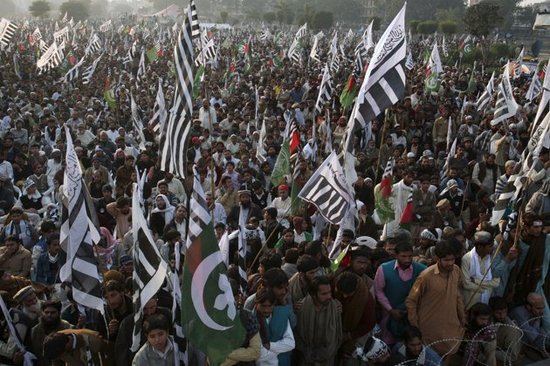
Pakistan has ‘full-fledged plan’ to take out terrorist groups, while denying their existence
For years, Pakistani officials and military commanders have denied the existence of terrorist groups operating on Pakistani soil, and concurrently claimed that they are taking action against the same non-existent terrorist groups.
-
US offers $1 million reward for information on Hamza bin Laden
The State Department announced today that it is offering a $1 million reward for information on Hamza bin Laden’s whereabouts. Hamza is the genetic and ideological heir of al Qaeda’s founder and he has been groomed for a leadership position within the organization.

-
‘Our soil is not used for carrying out terrorist attacks,’ Pakistan PM claims
Khan’s claim that “our [Pakistani] soil is not used for carrying out terrorist attacks in other countries” is remarkably similar, if not identical to the Afghan Taliban’s false assurances that it won’t allow its territory to be used by terror groups.
-
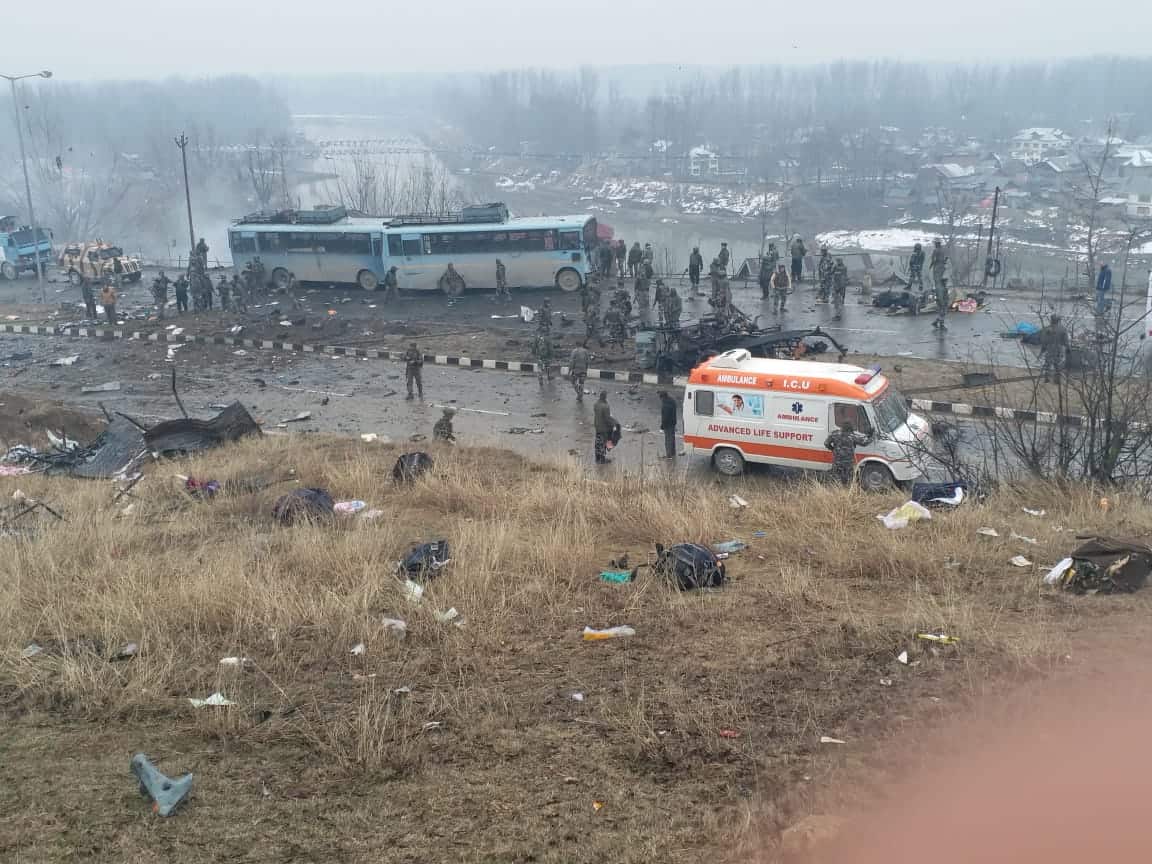
Jihadist suicide bomber kills dozens of Indian troops in largest attack in Kashmir in decades
The attack is the deadliest in decades for a region fraught with constant, often violent, struggles. Jaish-e-Mohammad is part of a syndicate of terror groups allied with al Qaeda and supported by the Pakistani state.
-
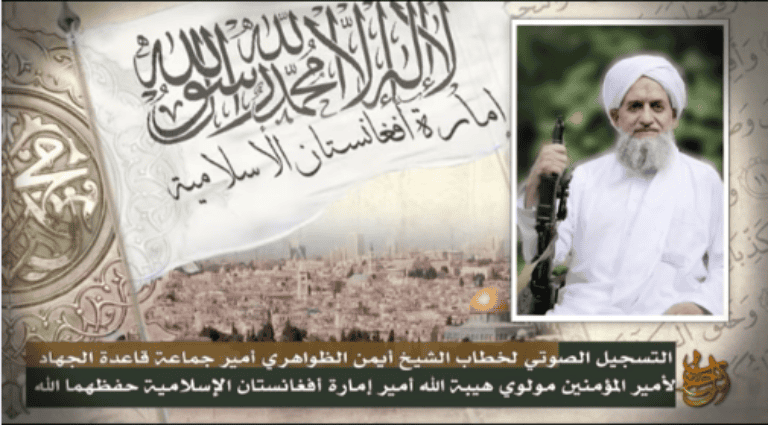
Analysis: The costs of withdrawal from Afghanistan
President Trump’s decision to withdraw American forces from Afghanistan will have consequences. The Taliban and al Qaeda will declare victory, while the US will find it harder to hunt terrorists throughout the region.
-
Peace with the Taliban will not be peaceful
The Taliban is more than happy to negotiate the terms of US withdrawal — but if and only if an accord is reached on its terms. Because if a so-called peace agreement can be reached, you can be sure it will be one that will not benefit the Afghan people, the US, or the region.
-
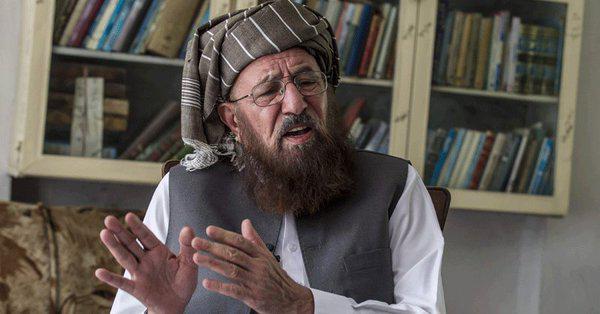
Taliban, Pakistani military mourn death of extremist cleric
The Afghan Taliban, Pakistani Taliban and Pakistani military have all honored Maulana Sami ul-Haq, a influential and radical cleric who was stabbed to death. Haq’s madrassa has been a breeding ground for the Taliban and other jihadist groups in the region.
-
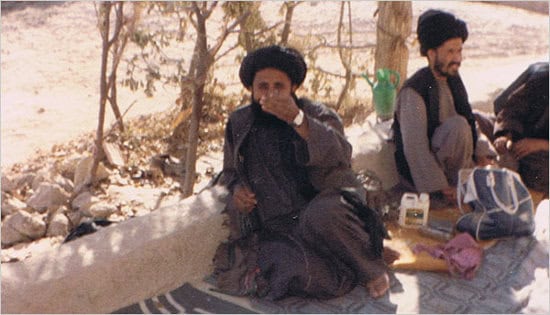
Analysis: Baradar’s release from Pakistani custody unlikely to impact Afghan peace talks
While many officials and analysts are hopeful that Baradar can influence negotiations between the US and the Taliban, it is highly unlikely that he will be able to influence the current crop of Taliban leaders, who have waged a successful insurgency and control more ground in the country since any point during the war.
-
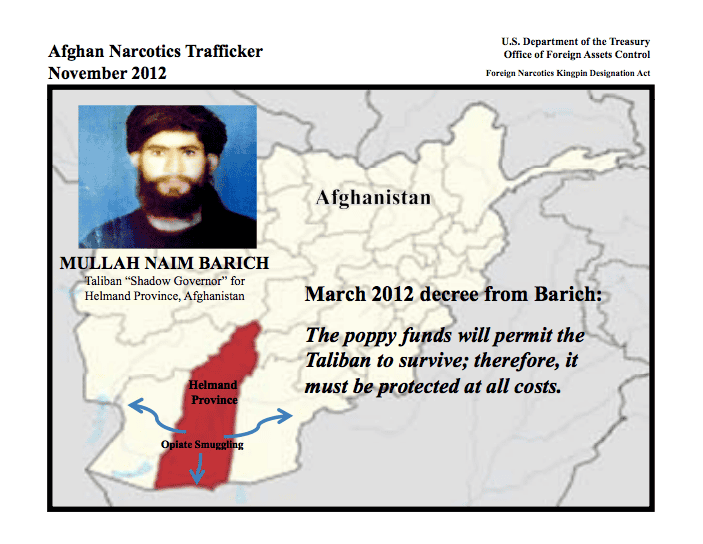
US and partner nations seek to disrupt Iran-Taliban nexus
The Terrorist Financing Targeting Center (TFTC) designated nine individuals who are undermining the Afghan government. The nine include six Taliban leaders, two officials in Iran’s Islamic Revolutionary Guard Corps (IRGC), and a narcotics trafficker based in Pakistan.
-
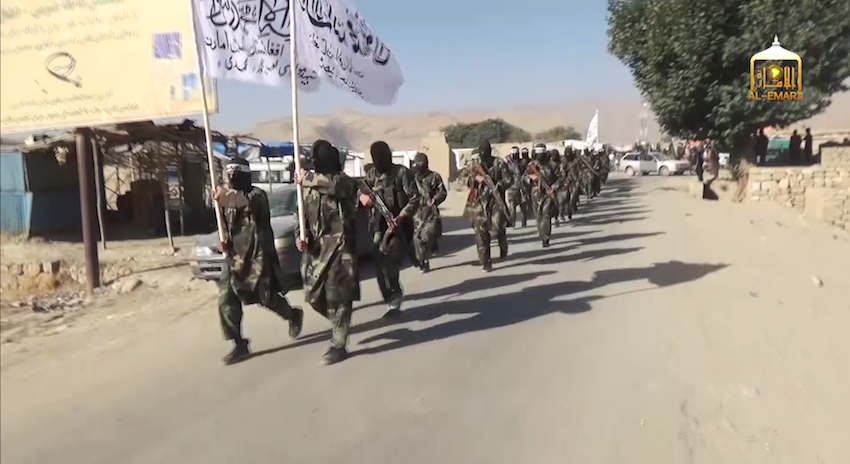
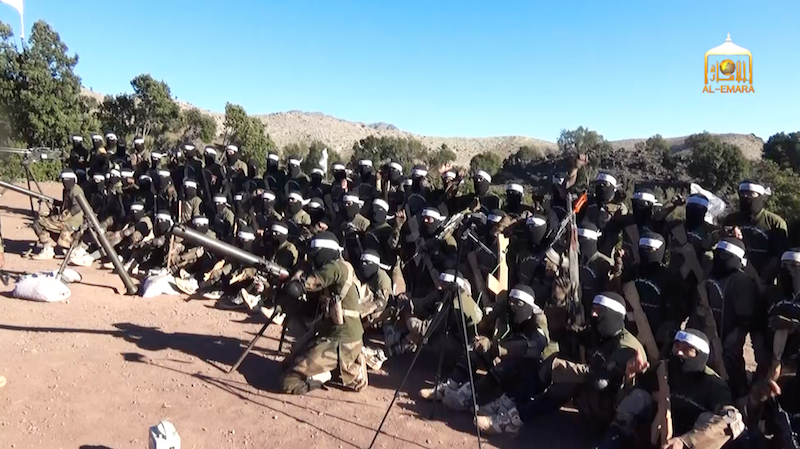
Scores of Taliban recruits train at Abu Ubaidah bin Jarrah Training Camp
Scores of Taliban recruits train in broad daylight at the Abu Ubaidah bin Jarrah Training Camp.
-
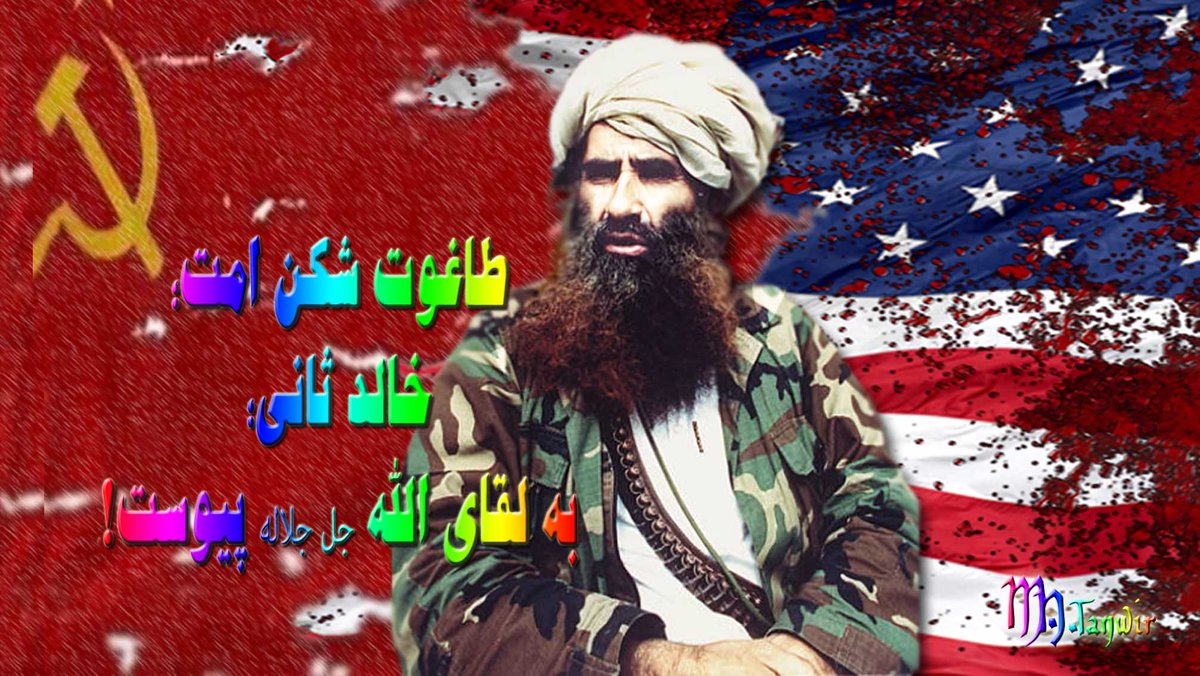
Badness personified
Jalaluddin Haqqani is dead. The terror network he created lives on.
-
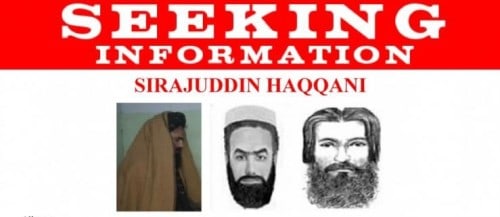
Pakistan continues to harbor Taliban, including al Qaeda-linked Haqqanis
According to a new report by the State Department, the Afghan Taliban and its Haqqani Network are still “operating in Pakistan-based safe havens and threatening U.S. and Afghan forces in Afghanistan.” Pakistan has assisted the US in counterterrorism operations against al Qaeda. However, by refusing to move against the Taliban, including the Haqqanis, Pakistan is harboring al Qaeda’s most important allies in the region.
-
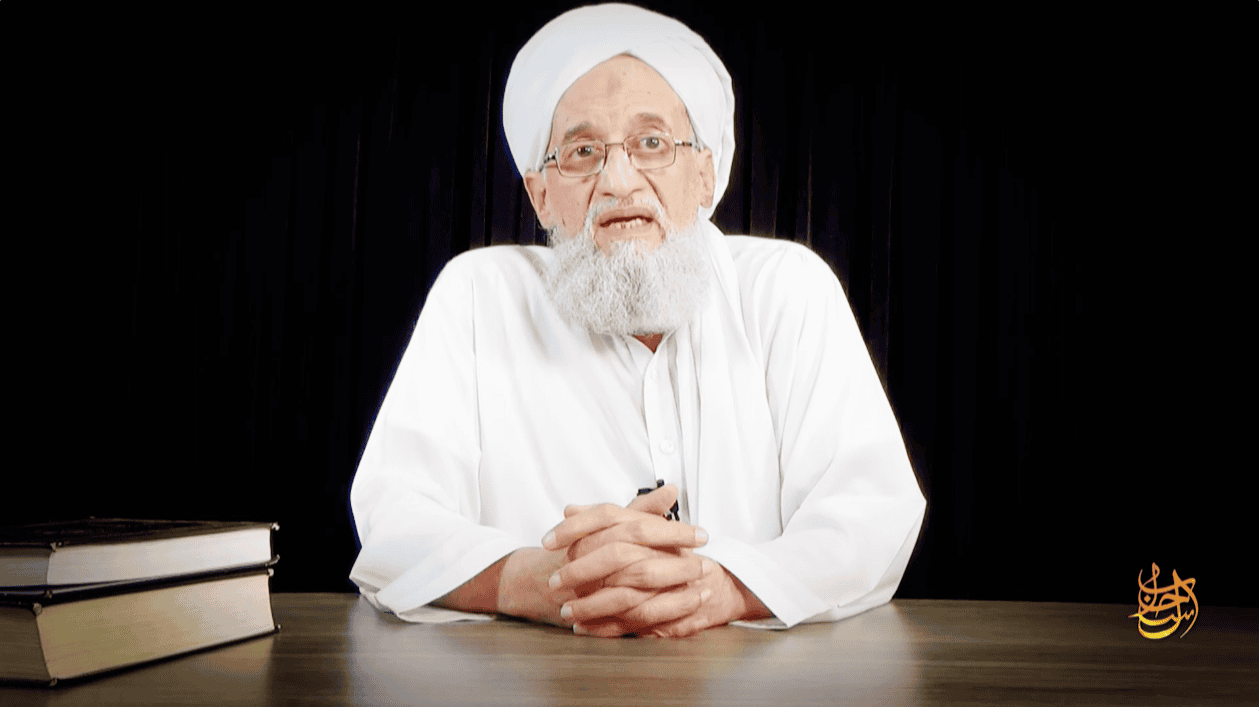
Al Qaeda is very much alive, and widely misunderstood
AL Qaeda’s operatives are fighting in more countries around the world today than was the case on 9/11. And its leaders still want to target the United States and its interest and allies. The war they started is far from over.
-
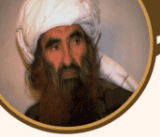
Taliban announces death of Jalaluddin Haqqani
Jalaluddin fought the Soviets, served as the Minister of Frontiers during the Taliban rule of Afghanistan from 1996-2001, was a member of the Taliban’s Quetta Shura, or governing body, and father of Sirajuddin Haqqani, one of the Taliban’s two deputy emirs and overall military commander.
-
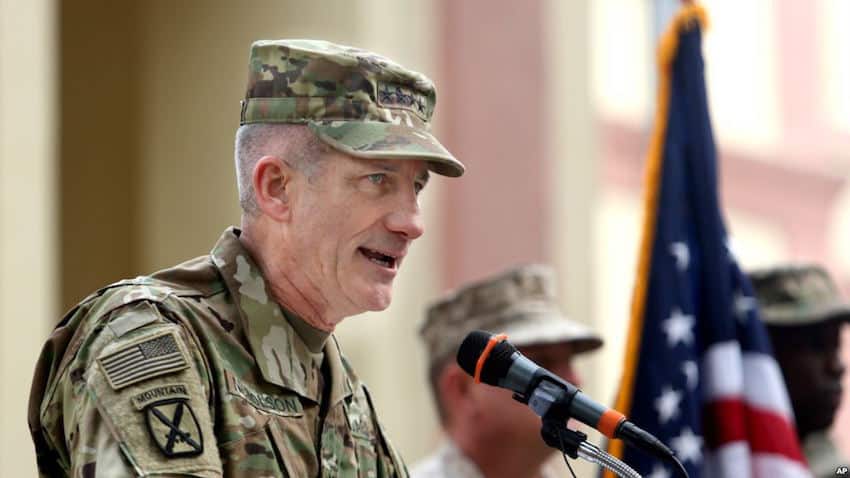
Analysis: Gen. Nicholson says US strategy in Afghanistan ‘is working,’ despite the facts
At a Pentagon press conference, General Nicholson again gave a Pollyannish assessment of the state of Afghanistan. He claimed the peace process is working and the Taliban’s offensive is failing, and took credit for a Taliban victory over the Islamic State.
-
Afghan forces target al Qaeda commanders in Helmand and Nangarhar
The raids in Helmand and Nangarhar indicate that al Qaeda’s leaders are not focused on its survival. Al Mesri was focused on manufacturing IEDs to support the Taliban’s insurgency in Helmand, while Rahmatullah and his cohorts were operating in Nangarhar’s provincial capital.