-
AQIS emphasizes allegiance to Ayman al Zawahiri, Taliban in new ‘code of conduct’
Al Qaeda in the Indian Subcontinent (AQIS) has released a 20-page code of conduct outlining its approach to waging jihad throughout the region. The group says its men are currently fighting “shoulder-to-shoulder” with the Taliban and calls on Muslims in the surrounding countries to pledge allegiance to the Islamic Emirate of Afghanistan (another name for the Taliban).

-
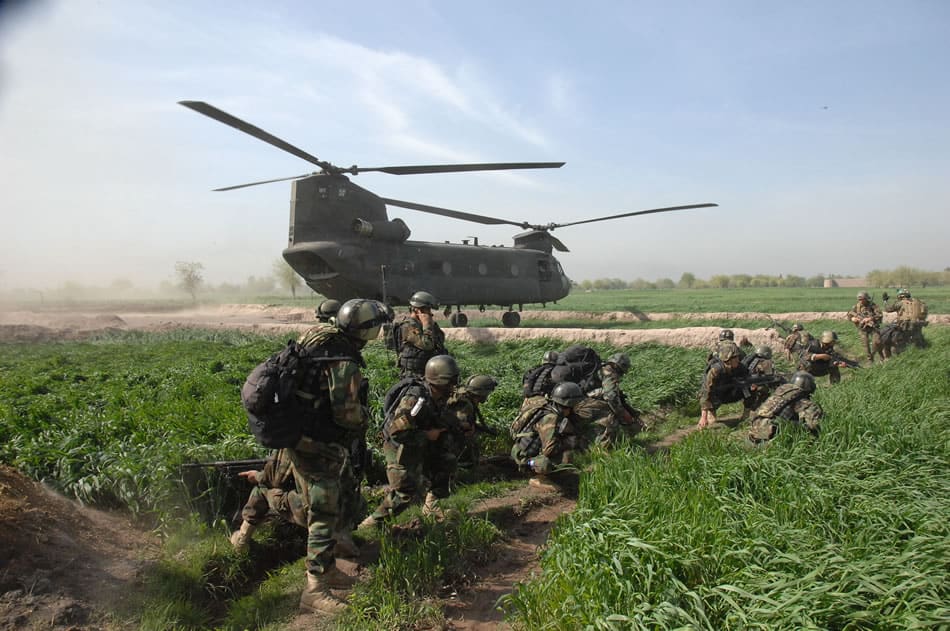
Afghan soldier opens fire on US troops, wounds 7
Today’s insider attack, also known as green-on-blue attack, is the second of its kind in the past week, and the third reported so far this year. The attack took place on a base that was overrun by Taliban fighters two months ago.
-
US drone strikes ‘against spirit of ongoing cooperation,’ Pakistani Army chief says
General Bajwa made the statement despite the fact that drone strikes have killed scores of top tier terrorist leaders, including mortal enemies of the Pakistan state, and Pakistani officials have passed along actionable intelligence to terrorists to avoid raids.
-
US kills Haqqani commander in drone strike in Pakistan
Haqqani Network commander Abu Bakar and two close aides from the Afghan province of Paktika were killed in the attack, the fourth drone strike recorded in Pakistan this year.

-
Kabul funeral suicide bombers trained in Pakistan, Afghan intelligence says
According to the NDS, the suicide bombers trained at the Mawlawi Ahmad Madrassa in Chaman, a border town in Pakistan’s Baluchistan province. The Taliban denied it executed the attack.
-
Taliban again affirms Haqqani Network is an integral part of group
The Taliban has issued a second statement denying any responsibility for the May 31 bombing in Kabul. Afghanistan’s National Directorate of Security (NDS) has accused the Haqqani Network and Pakistan of orchestrating the attack. The Taliban claims the NDS is lying and defends the Haqqanis, once again affirming their key role in the organization.

-
US kills Pakistani Taliban ‘master in electronics’ in drone strike
The Pakistani Taliban said it retaliated against the Pakistani military for a US drone strike that killed Abdullah, a “master in electronics.” The US has launched at least three drone strikes in Pakistan so far this year.
-
Taliban attacks another base in Kandahar
The Taliban continues its offensive in Kandahar. Afghan officials report that at least 18 soldiers were killed and four more were captured during another Taliban assault on a military base in Shah Wali Kot.
-
Taliban assaults Afghan Army bases in Kandahar
Taliban fighters overran a large military base earlier this week, and launched attacks on other installations throughout the province. The fighting in Kandahar takes place as the Taliban remains on the offensive on several fronts throughout the country as part of Operation Mansouri.
-
Islamic State’s Wilayah Khorasan bombs convoy carrying Pakistani politician
The Islamic State’s Wilayah Khorasan has claimed responsibility for a suicide bombing that targeted Maulana Abdul Ghafoor Haideri, the deputy chairman of Pakistan’s Senate. Haideri was injured. Dozens of others were also killed or wounded in the blast, which was launched in Pakistan’s Baluchistan province.

-
Treasury adds 3 JDQ leaders, charity to list of global terrorists
Jamaat ul Dawa al Quran is an excellent example of the complex and evolving network of jihadist groups that operate in the Afghanistan-Pakistan region. The three designated leaders have been tied to al Qaeda, the Taliban, Lashkar-e-Taiba, and the Islamic State.

-
Pakistani Taliban retaliates for ‘the drone attack in North Waziristan’
Shawal is one of several areas in North Waziristan that the Pakistani military claimed it cleared after it launched an operation in 2014. However the fact that the TTP can organize 120 fighters and assault a base there indicates the area is all but cleared.

-
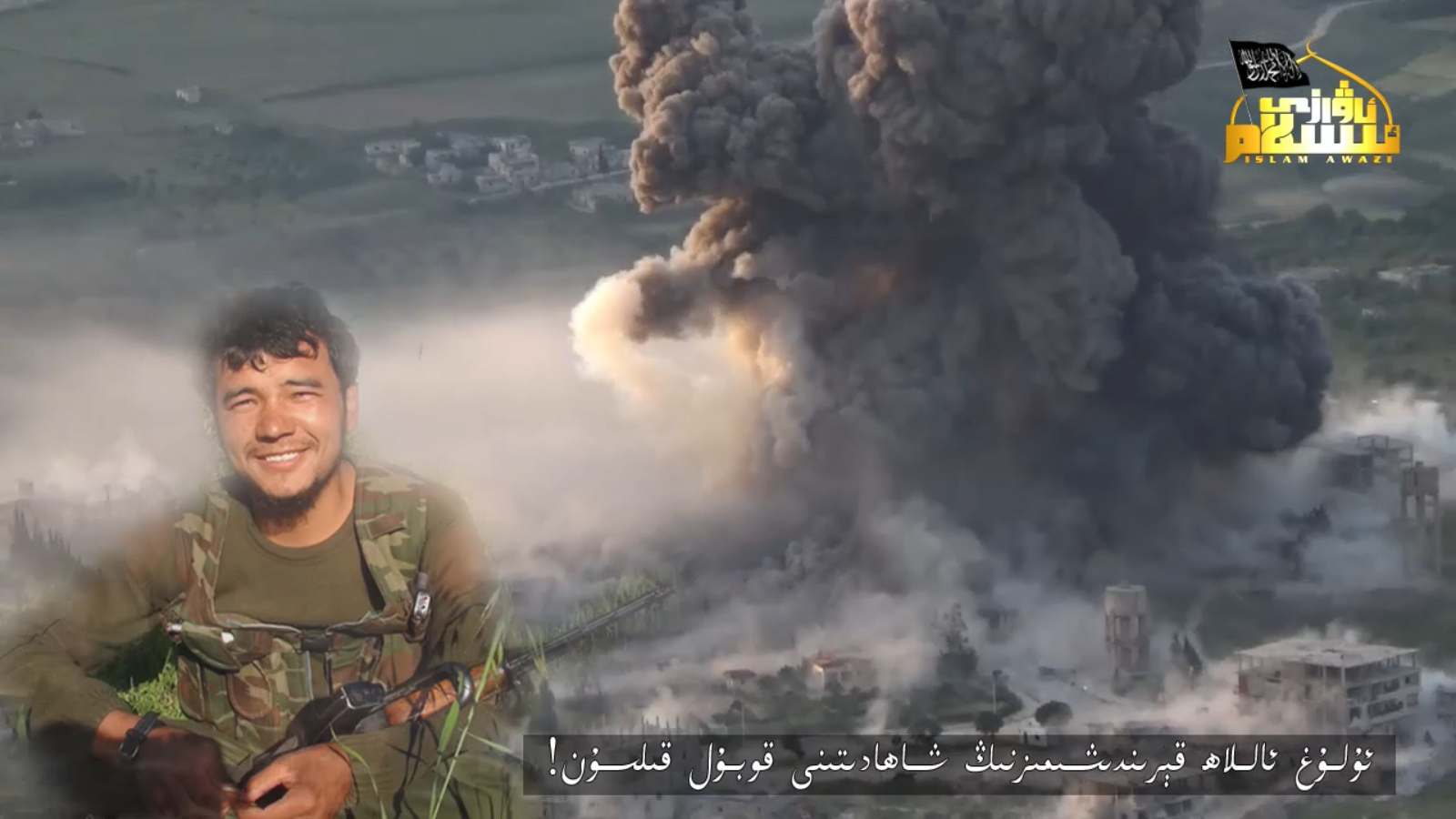
Suicide bombings detail Turkistan Islamic Party’s role in Syria
The suicide bombings show the Turkistan Islamic Party’s close battlefield integration with al Qaeda’s forces in Syria, as well as further highlighting its position within the overall al Qaeda network.
-
Iraqi al Qaeda leader reportedly killed in drone strike in Pakistan
An “important” al Qaeda figure, Abdul Raheem, was reportedly killed in a drone strike in the Datta Khel area of North Waziristan late last month. Al Qaeda and allied groups have sheltered in Datta Khel in the past. The Pakistani military claimed the area was cleared in Sept. 2014, but jihadists continue to operate there.
-
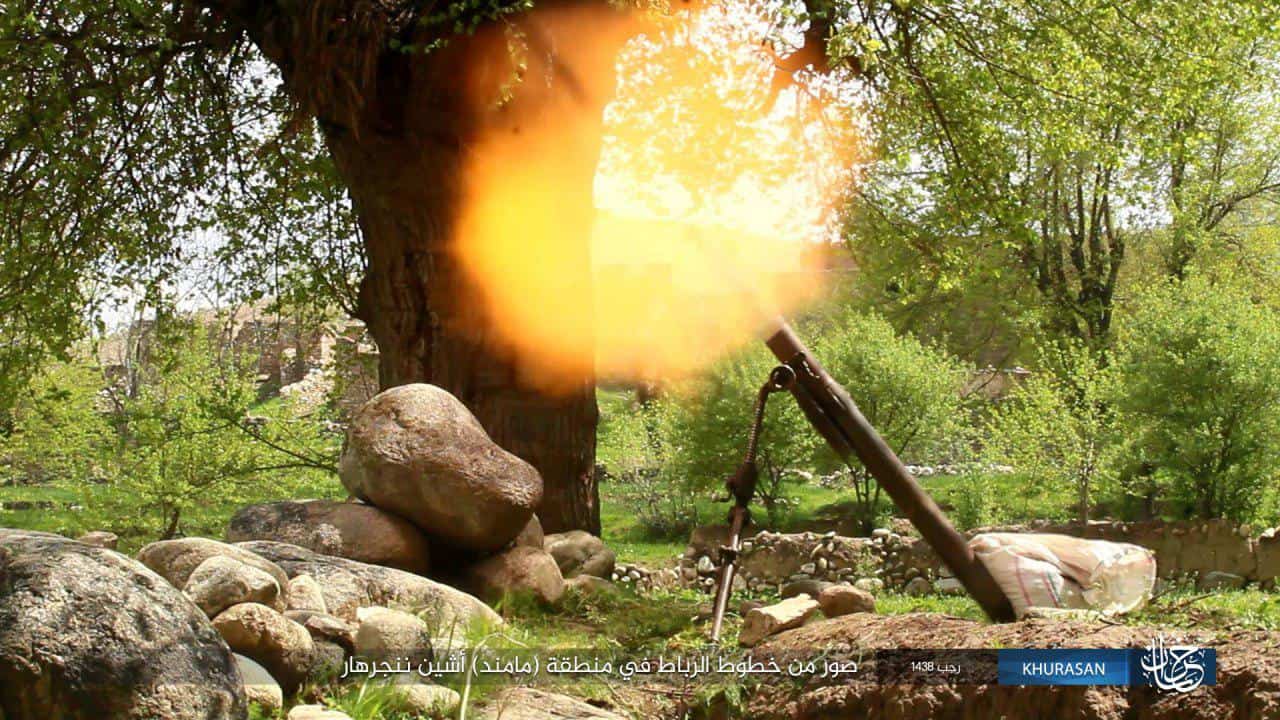
Taliban and Islamic State clash in eastern Afghanistan
The Islamic State’s Wilayah Khorasan and the Taliban clashed in the Chaparhar district of Afghanistan’s eastern Nangarhar province earlier today. The two sides have battled each other in the area since 2015. Late last month, the Islamic State also fought with the Taliban in northern Afghanistan and assassinated a Taliban figure in Peshawar.
-
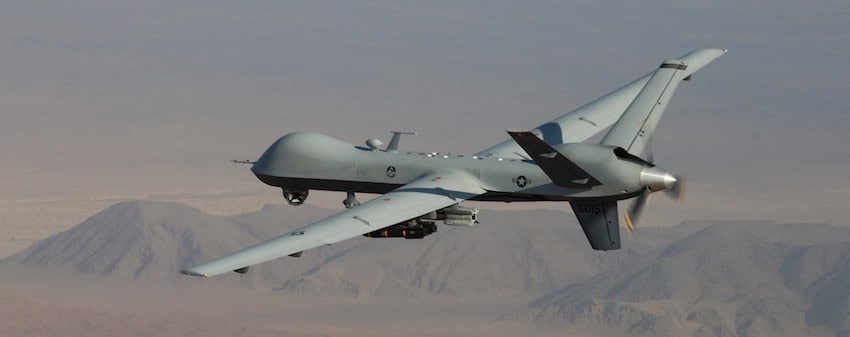
2 Taliban commanders reportedly killed in US strike in Pakistan
Yesterday’s strike is just the second reported in Pakistan this year, and the second since the US killed Afghan Taliban emir Mullah Akhtar Muhammad Mansour in an attack in Baluchistan province in May 2016.
-
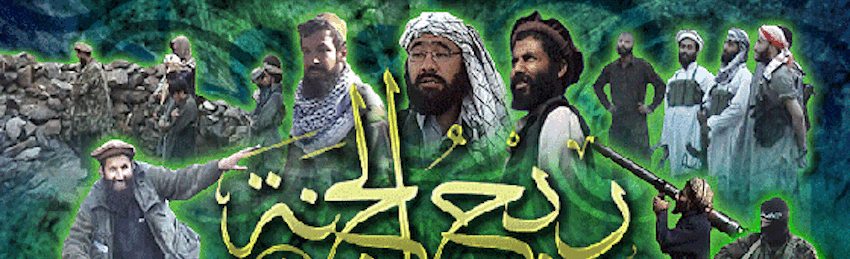
Afghanistan’s terrorist resurgence: Al Qaeda, ISIS, and beyond
Bill Roggio testifies before the House Committee on Foreign Affairs Subcommittee on Terrorism, Nonproliferation, and Trade on terrorist groups in Afghanistan and the threat posed to the United States and its allies.
-
US military kills AQIS leaders, fighters in southern Afghanistan
Usama Ibrahim was a member of al Qaeda in the Indian Subcontinent’s top leadership body and the chief of Al Sahab Media, al Qaeda’s official media production arm. Tariq Bhai was AQIS’ “head of Bangladeshi Affairs.”

-
Taliban strikes US base in eastern Afghanistan
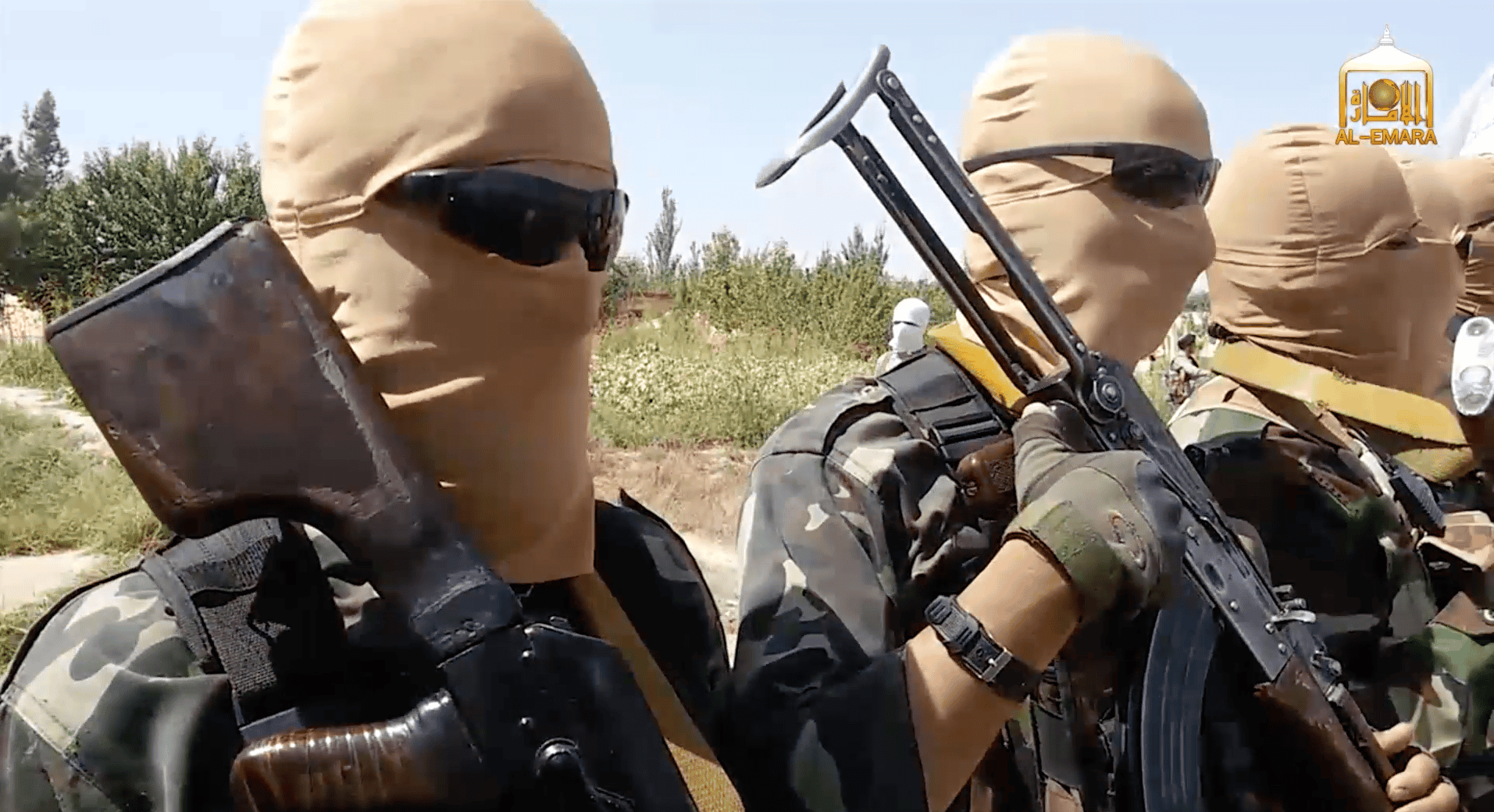
The Taliban claimed the attack was a suicide assault, however this has not been confirmed. Camp Chapman is used by the CIA to hunt al Qaeda in the region.
-
Pakistani Taliban faction claims spokesman was captured in Afghanistan
Jamaat-ul-Ahrar said that Ehsanullan Ehsan was captured on Mar. 7 by Pakistan’s Inter-Services Intelligence Directorate along with three others and subsequently turned over to the Pakistani military. The group’s claim contradicts the Pakistani military’s version of events. Earlier this week, Pakistani officials said Ehsan had voluntarily turned himself in.

-
Pakistani Taliban emir calls for unity, jihad, and global caliphate
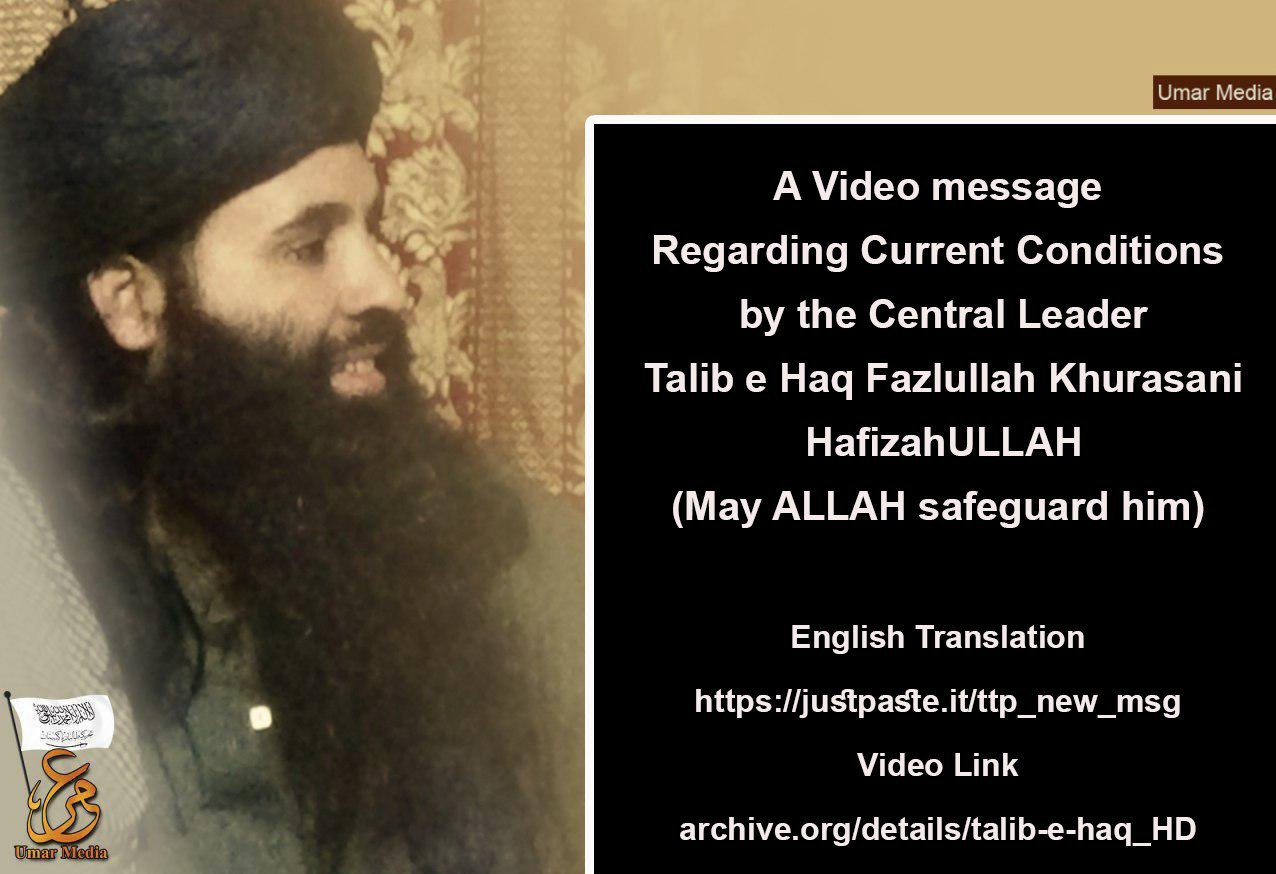
Mullah Fazlullahsaid that his group’s ultimate goal is “to implement the law of Allah on the Earth” and called on Muslims to unite and wage jihad to achieve that end. Fazlullah also said that attempts made by Pakistan’s military intelligence service have largely failed and the TTP has reorganized following a tumultuous period.
-
US military confirms death of al Qaeda commander
The US military said Qari Yasin was responsible for the deaths of two US Marines in the Sept. 2008 suicide assault on the Islamabad Marriott Hotel, and confirmed he was killed in Paktika province.
-
Taliban claims US drones killed commander from North Waziristan
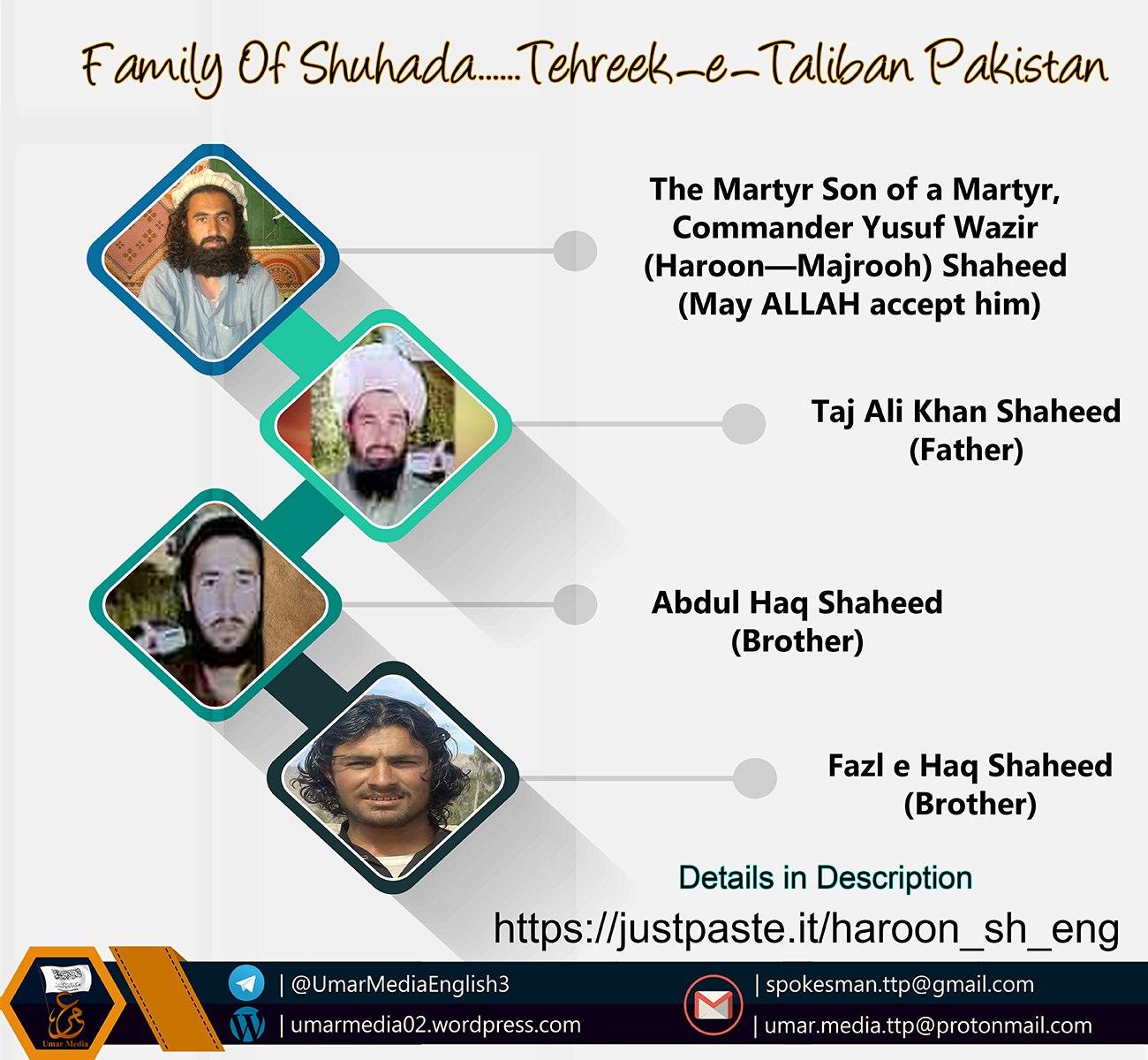
Commander Yusuf Wazir, the slain Taliban leader, also lost a father and a brother in previous US drone strikes, according to the Movement of the Taliban in Pakistan. Three Taliban commanders are reported to have been killed in US drone strikes along the Afghan-Pakistani border since the beginning of March.
-
Pakistani Taliban confirms senior al Qaeda commander killed in Afghanistan
The Pakistani Taliban confirmed today that Qari Muhammad Yasin, a senior al Qaeda military commander, was killed along with three of his “companions” in a US drone strike on Mar. 19. The airstrike was carried out in Afghanistan’s eastern Paktika province. Yasin was a member of the Punjabi Taliban, which includes jihadists from various other Pakistani terrorist organizations who are aligned with al Qaeda.

-
Al Qaeda commander believed to be killed in US airstrike
The death of Qari Muhammad Yasin, an experienced Pakistani jihadist, has not been confirmed by the US or jihadists operating in the region. He was targeted in an area of Afghanistan known to serve as an al Qaeda safe haven.
-
Resolving the Conflict in Yemen: U.S. Interests, Risks, and Policy
On March 9, Thomas Joscelyn testified before the Senate Committee on Foreign Relations. The hearing, “Resolving the Conflict in Yemen: U.S. Interests, Risks, and Policy,” was called to explore the political dynamics of the ongoing war in Yemen, as well as the roles played by foreign actors and al Qaeda.

-
The future of counterterrorism: Addressing the evolving threat to domestic security
Testimony before the House Committee on Homeland Security, Subcommittee Counterterrorism and Intelligence, on the future of counterterrorism and addressing the evolving threat to domestic security.
-
Al Qaeda-linked Uzbek groups advertise operations in Afghanistan
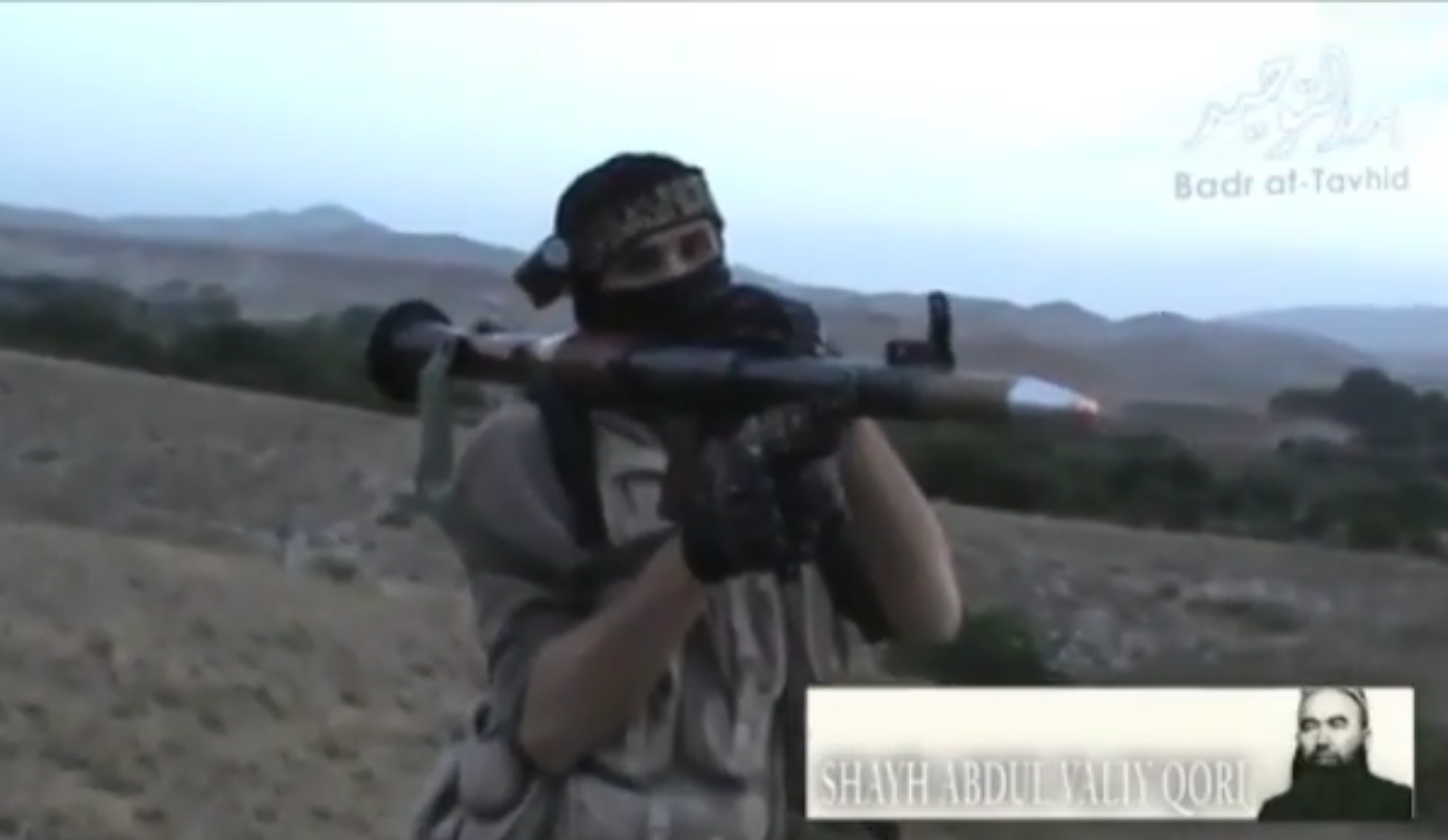
The Imam Bukhari Jamaat and the Islamic Jihad Union have claimed attacks in eastern and northern Afghanistan. Members of these two groups are also known to have operated in Syria.
-
Taliban overruns Afghan district where al Qaeda ran training camps
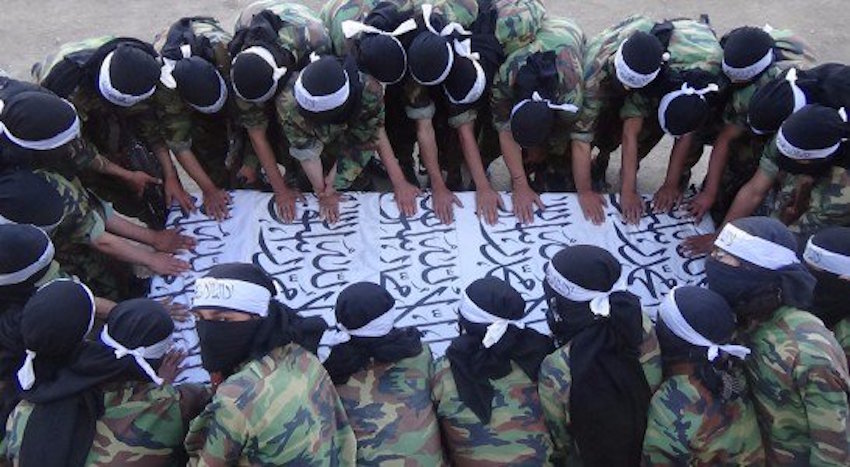
The Taliban claims it now controls four of Kandahar’s 18 districts, and that others are contested. Shorabak was the location of an al Qaeda camp that was described by a US general in 2015 as “probably the largest training camp-type facility that we have seen in 14 years of war.”
-
Afghan intelligence confirms top al Qaeda leader killed in raid
Qari Saifullah Akhtar’s waged jihad for four decades. He has been directly linked to Osama bin Laden and Pakistan’s Inter-Services Intelligence Directorate.