-
Pakistan frees jihadist leader behind deadly uprising
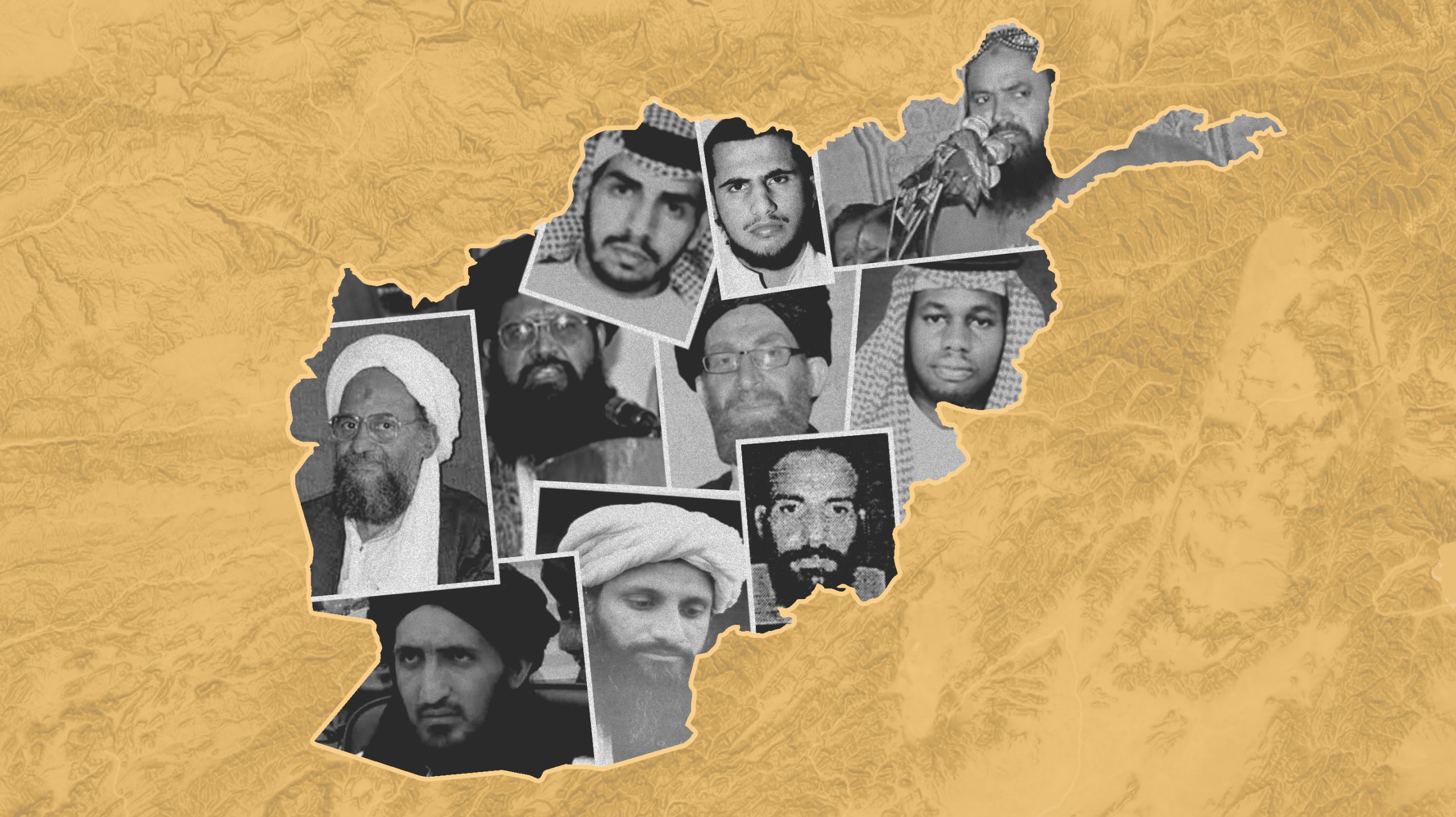
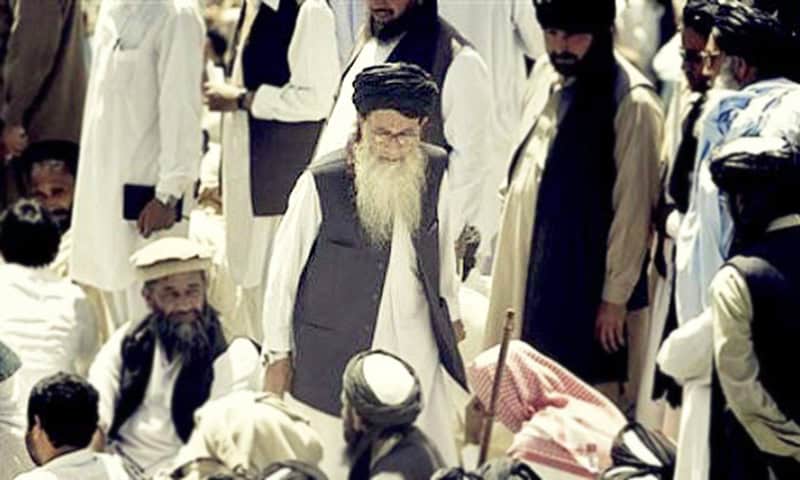
Sufi Mohammed was responsible for the Taliban uprising in Swat and the peace agreement that put jihadists in control of a significant area of Pakistan from 2007 to 2009.
-
2017: A record year for US counterterrorism strikes
The pattern of operations in 2017 in what the Obama administration used to call areas outside of active hostilities indicates that the US will continue the reinvigorated air campaign in Pakistan, Yemen, Somalia, and Libya in the coming year.
-
Trump blasts Pakistan for its ‘lies & deceit’
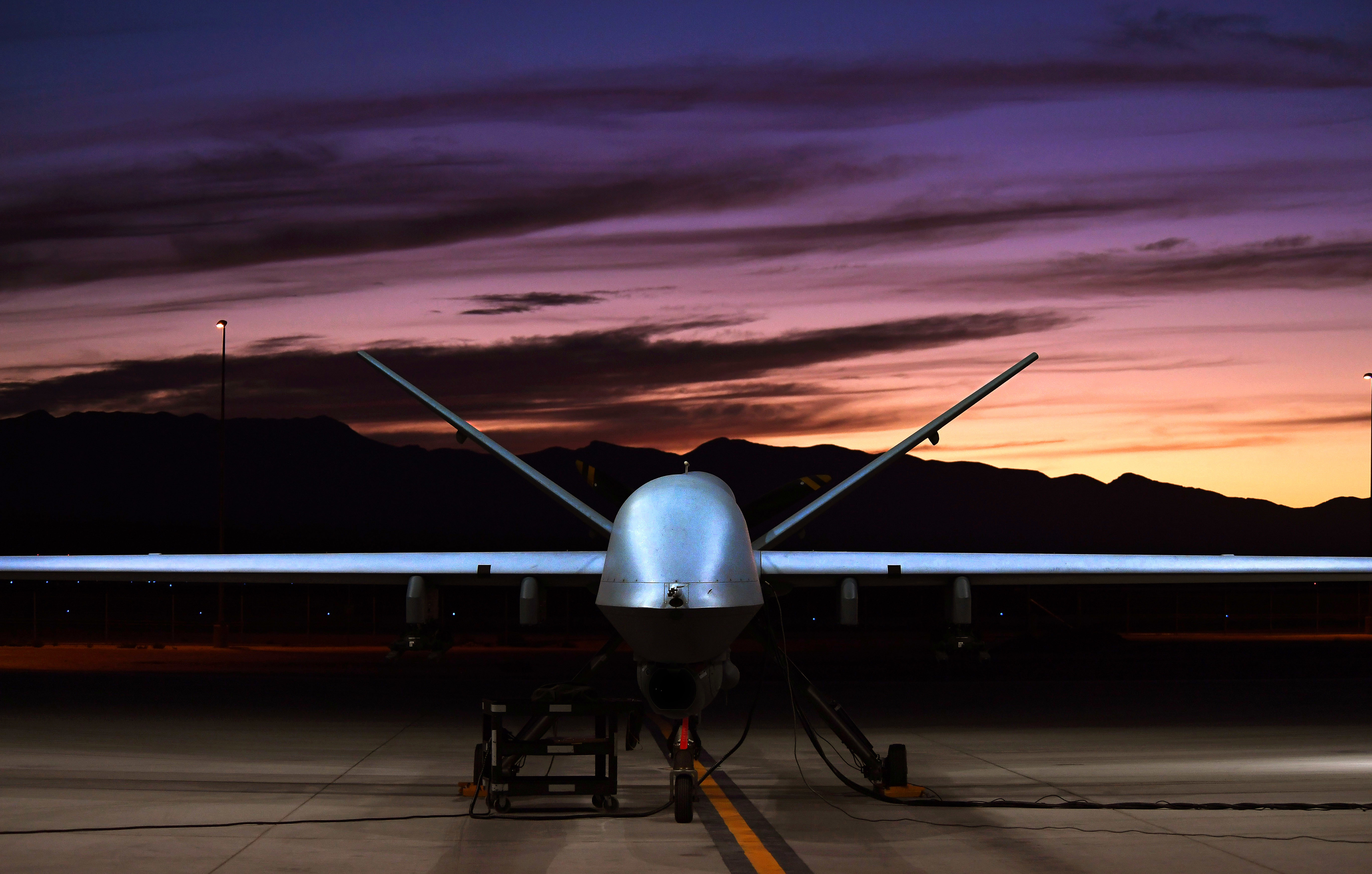
If Trump is serious about hitting back at Pakistan, expect the US to ramp up drone strikes against jihadists, and not just in Pakistan’s tribal areas.
-
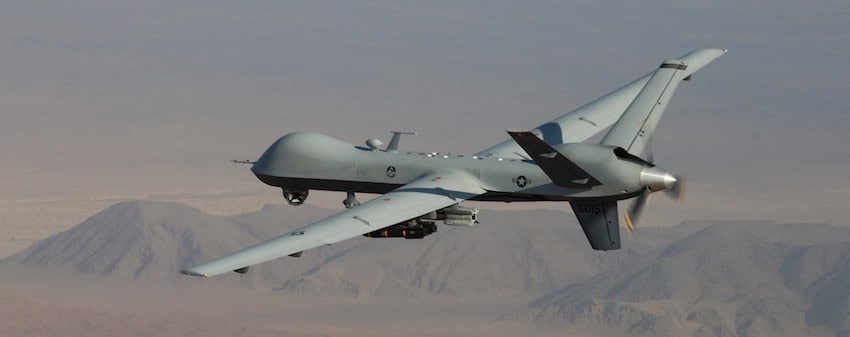
US kills Afghan Taliban commander in drone strike inside Pakistan
Jamiuddin, was a “trusted man” within the Haqqani Network, a subgroup of the Afghan Taliban, who helped fighters move from Pakistan to Afghanistan.
-
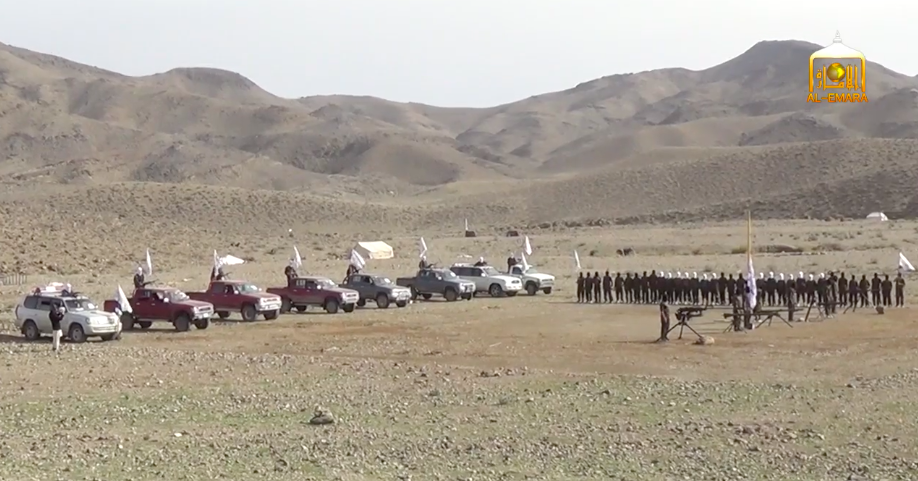
Taliban features its ‘Umari Martyrdom Battalion’
The video is the latest in a series of propaganda that promotes Taliban units and the network of training camps.
-
Pakistan laughingly says its fight against terrorists is ‘unmatched in the world’
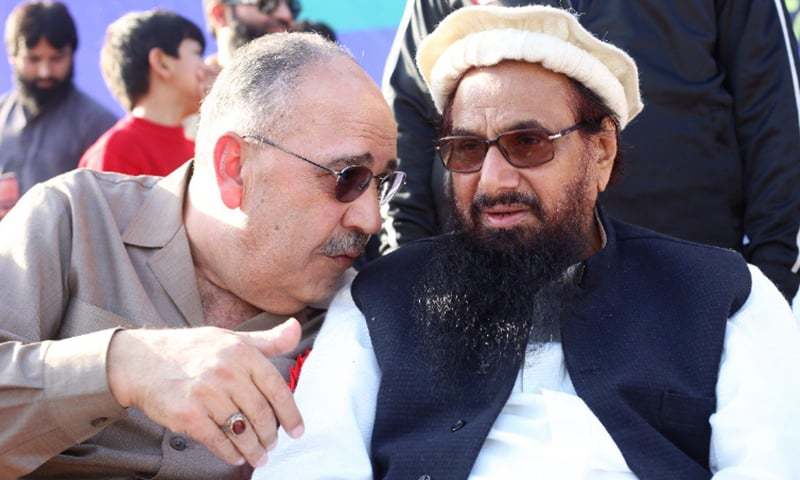
“Pakistan’s resolve, actions and successes in the fight against terrorism, terrorist violence and terrorists is unmatched in the world,” the Ministry of Foreign Affairs said the day after Lashkar-e-Taiba leader Hafiz Saeed was freed from house arrest.

-
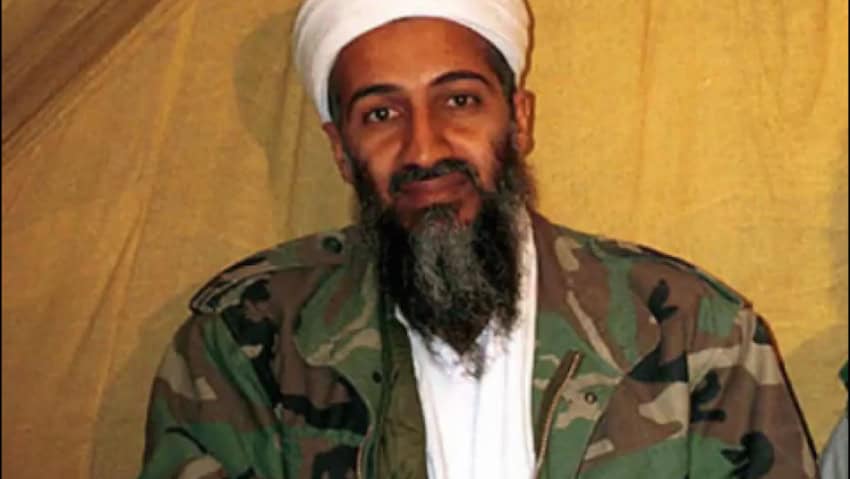
Understanding al Qaeda through the massive trove of Osama bin Laden’s files
On Nov. 17, The Foundation for Defense of Democracies and FDD’s Long War Journal held an event to discuss the findings from the recently released documents from Osama bin Laden’s compound.
-
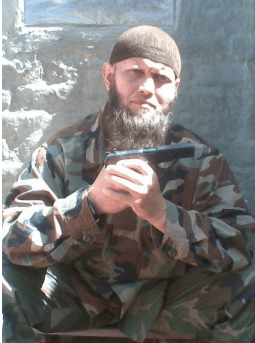
Islamic State eulogizes former Islamic Movement of Uzbekistan figure killed in Iraq
Abdul Hakim al Tatari, a Russian Tatar member of the former Islamic Movement of Uzbekistan, joined the Islamic State’s Wilayat Khurasan before migrating to Syria. He was later killed in the battles around Baiji, Iraq, just days after arriving to Islamic State-held territory.
-
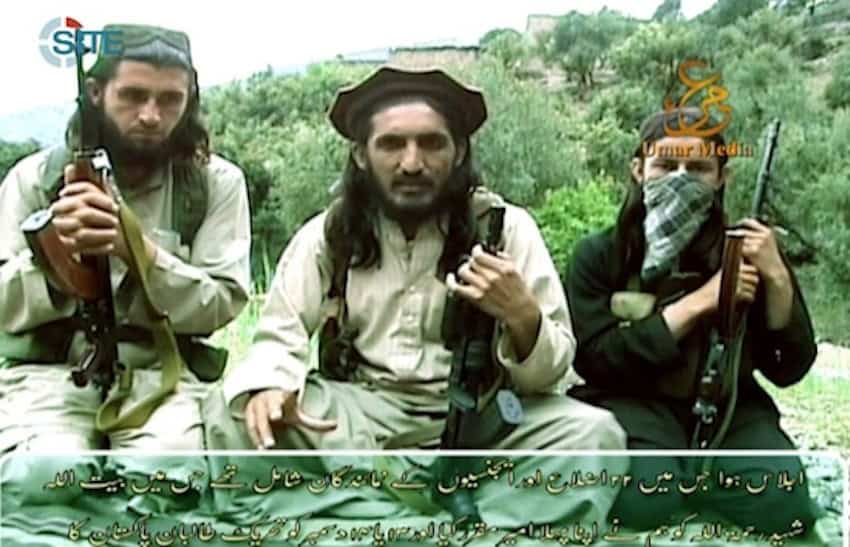
Leader of Jamaat-ul-Ahrar emerges after reports of his death
Omar Khalid Khurasani, who was reported to have died on Oct. 19 after a US drone strike, is alive. However, he confirmed the death of Khalifa Umar Mansour, the group’s military leader who was killed in a US airstrike back in Afghanistan in July 2016.
-
US kills influential al Qaeda-linked Pakistani Taliban leader in Afghanistan
Omar Khalid al Khurasani was closely allied with al Qaeda and its emir, Ayman al Zawahiri. In the past Khurasani has called for the imposition of sharia law, the establishment of a global caliphate, and the seizure of Pakistan’s nuclear weapons. He was killed in a drone strike in Paktia province.
-
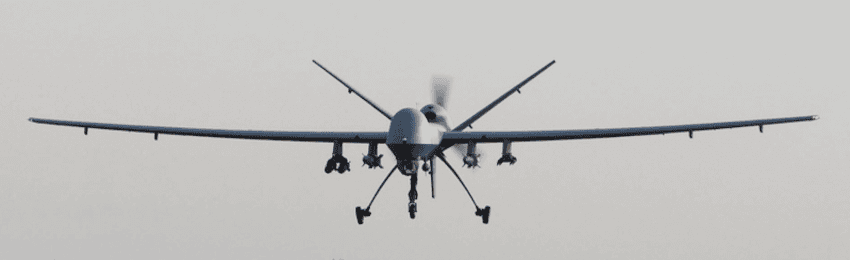
US drones target Taliban commander in Pakistan’s tribal areas
The strike took place just days after Pakistan freed two westerners and their children from Taliban custody in the same tribal agency.
-
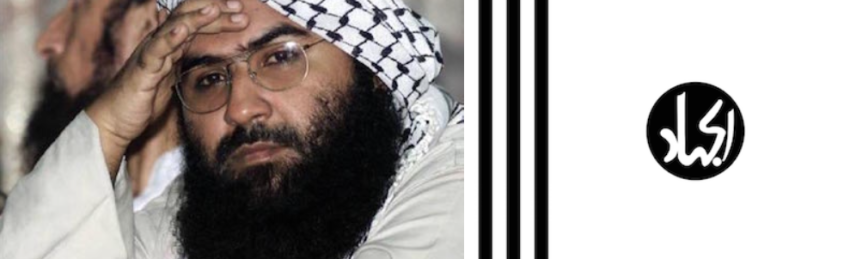
Indian forces kill Jaish-e-Mohammed commander in Kashmir
The commander, who went by the alias Abu “Khalid,” or Shahid Showkat, was highly sought by Indian security forces for his role in orchestrating attacks targeting Indian military positions and personnel.
-
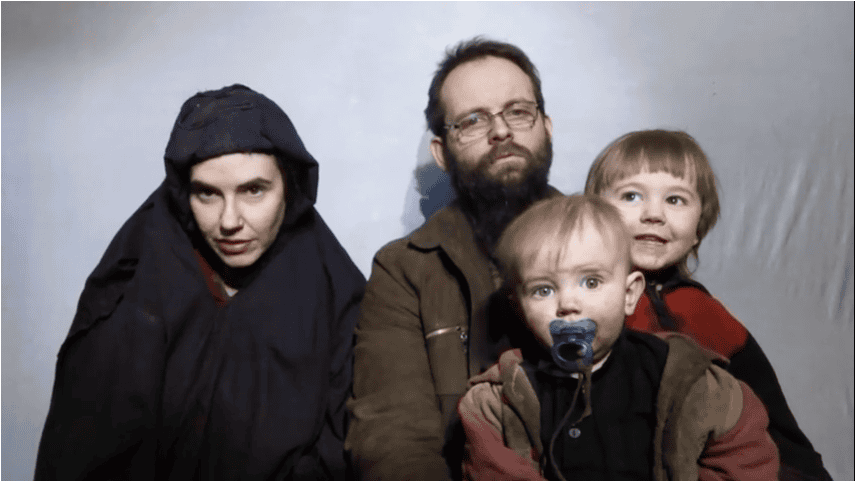
Pakistan announces release of couple held captive by Taliban since 2012
The Pakistani and American governments announced today that Caitlan Coleman and Joshua Boyle, along with their three children, have been released from the Taliban’s custody. The couple was abducted in Afghanistan in 2012.
-
Pakistan’s intelligence service ‘has connections with terrorist groups’
Mattis and Dunford placed all of the blame for Pakistan’s support of terrorist groups on the ISI, and essentially absolved Pakistan’s government and the military of any responsibility for incubating and supporting regional and global jihadist organizations.
-
Pakistani foreign minister: ‘We don’t have the assets to match’ Haqqanis and LeT
Pakistani Foreign Minister Khawaja Asif accused the United States of creating jihadist groups such as the Haqqani Network and Lashkar-e-Taiba, and supporting them to this day.
-
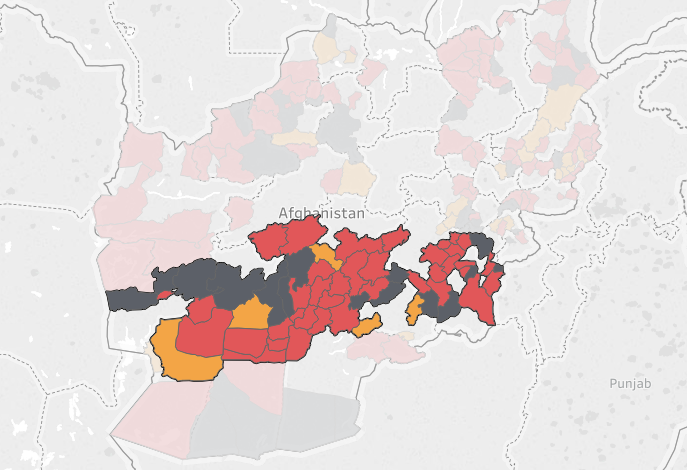
LWJ Map Assessment: Taliban controls or contests 45% of Afghan districts
As the United States enters a new phase of its war in Afghanistan, FDD’s Long War Journal presents a renewed assessment of the Taliban’s strength and disposition, with new interactive features.
-
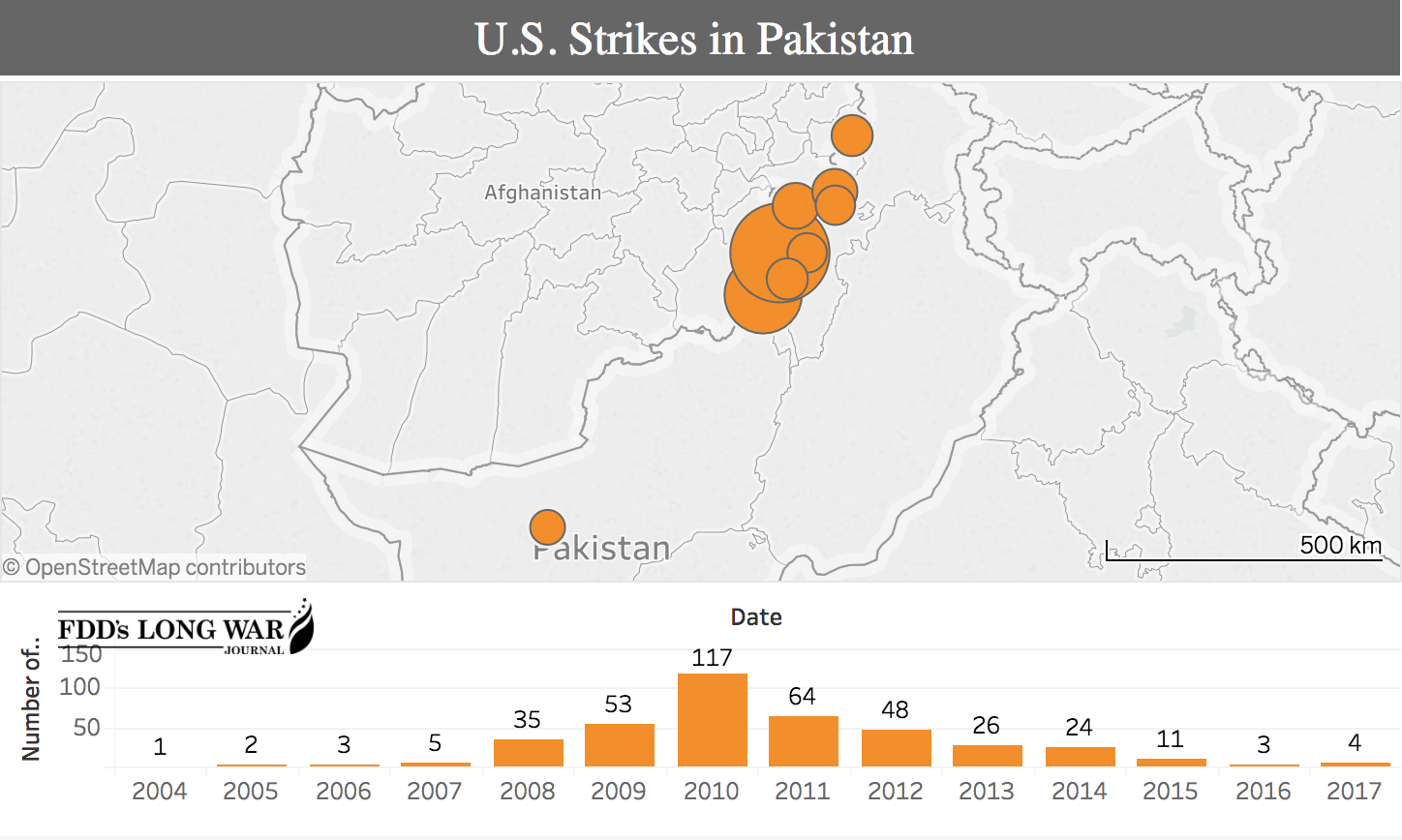
US drones strike jihadists in Pakistan
The US is likely to step up drone strikes in Pakistan after President Trump accused Pakistan of harboring and supporting jihadist groups last month.
-
Pakistan suffers diplomatic defeat as BRICS names regional terrorist groups
The blow comes just two weeks after President Trump called out Pakistan for providing “safe haven” for terrorist groups operating in the region and advocated for closer ties with India.
-
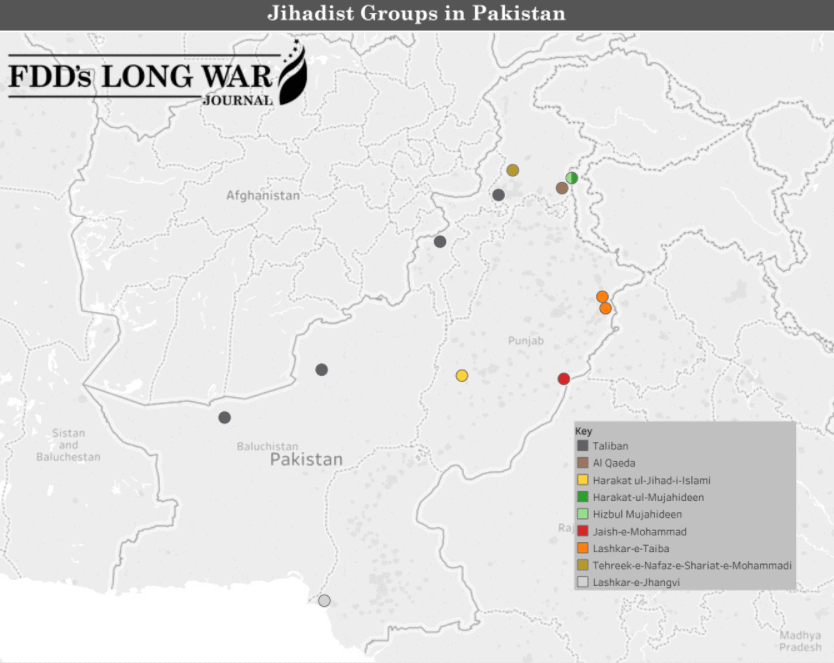
Mapping terrorist groups openly operating inside Pakistan
For decades the country has permitted a number of jihadist groups to openly operate under its aegis. A map highlights the more prominent groups openly operating inside Pakistan.
-
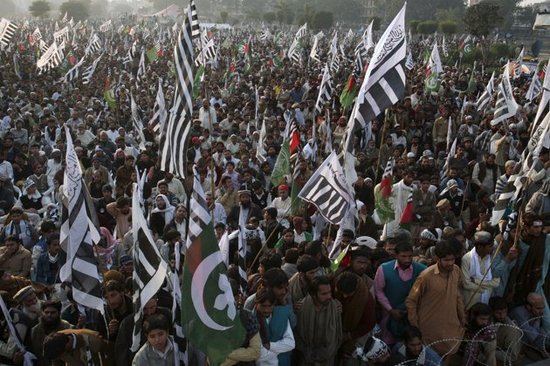
In response to Trump, Pakistan claims no terrorist groups operate on its soil
Pakistan’s denial of harboring terrorist groups that conduct attacks outside of its borders falls flat on its face when looking at Lashkar-e-Taiba, which not only supports al Qaeda and the Taliban, but has executed numerous attacks inside of Pakistan’s neighbor and enemy, India, as well as in Afghanistan.
-
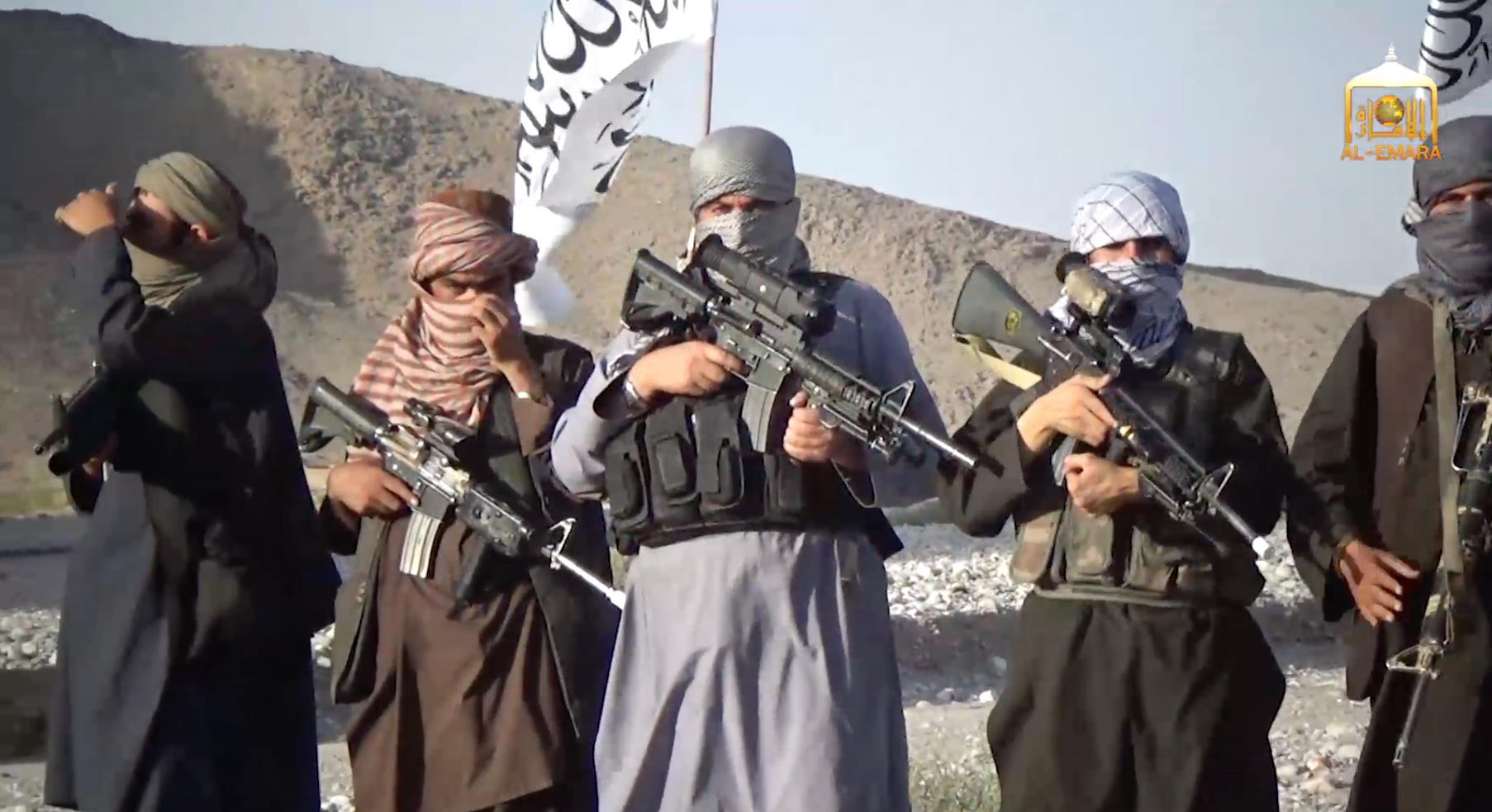
Trump takes hard line on Pakistan for supporting terrorist groups
With words unprecedented for a US president, Trump called out Pakistan for harboring and supporting terrorist groups that target and kill US citizens and said there would be a radical change in policy toward the South Asian nation. Trump indicated the US would work to increase ties with India, Pakistan’s neighbor and greatest enemy, a move sure to both enrage as well as frighten Pakistani elites.
-
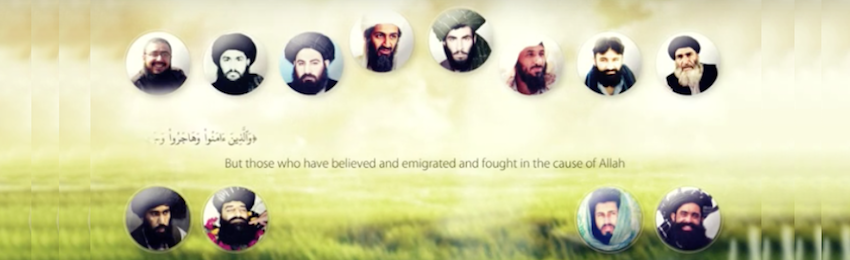
Sending more troops to Afghanistan is a good start
A complete US withdrawal from Afghanistan would have been disastrous. The US government needs to drastically reassess America’s jihadist enemies and avoid the policy pitfalls of the past.
-
US lists Hizbul Mujahideen as a Foreign Terrorist Organization
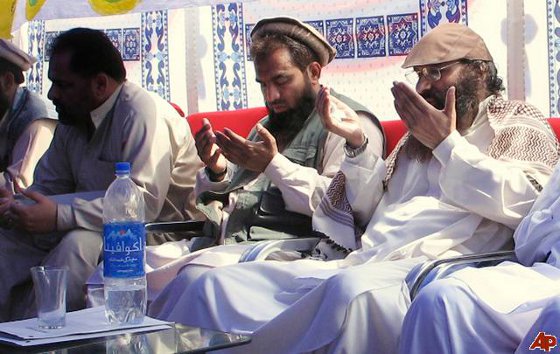
The brief designation omitted Hizbul Mujahideen’s support for al Qaeda in the past, as well as its relations with other jihadist groups in Pakistan, Afghanistan, and India, such as Lashkar-e-Taiba. Hizbul Mujahideen’s emir was officially listed as a global terrorist in June 2017.
-
Analysis: Taliban propagandists release ‘open letter’ to President Trump
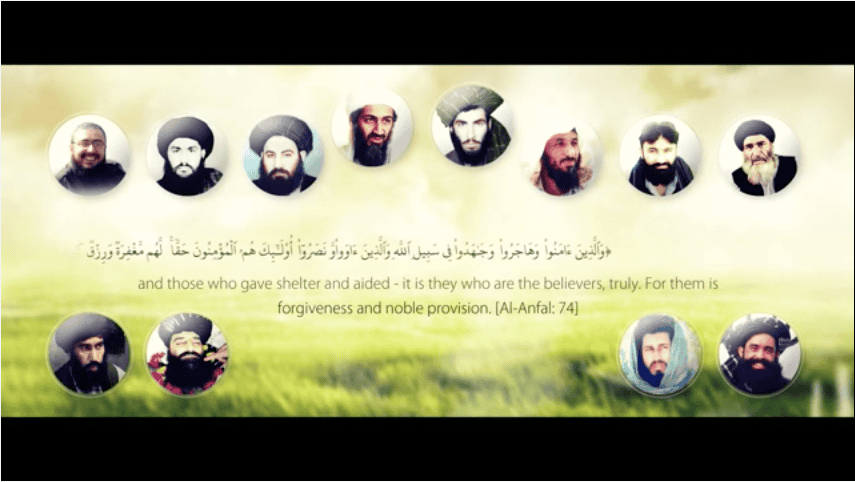
The Taliban has released an “open letter” to President Trump urging him to “adopt the strategy of a complete withdrawal from Afghanistan instead of a troops increase.” The propaganda letter contains several erroneous or misleading claims. It is also disingenuous with respect to the jihadist threat emanating out of Afghanistan.
-
State Department: Pakistan continues to provide safe haven for Taliban, allied jihadists
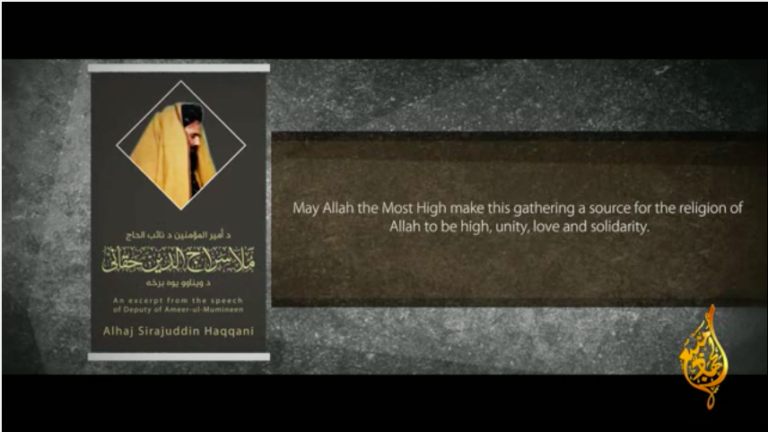
The State Department’s newly released Country Reports on Terrorism says that Pakistan “did not take substantial action against the Afghan Taliban,” including the Haqqani Network, in 2016. The Taliban’s leadership has long had a presence in Pakistan.
-
Afghan military calls for Pakistan to launch operations on ‘terrorist centers’ throughout country
The Pakistan military recoiled after Afghanistan’s Ministry of Defense called on Pakistan to launched operations against “terrorist centers” throughout the country, including in the Pakistani cities of Lahore and Quetta.

-
Afghan forces liberate district in central Helmand
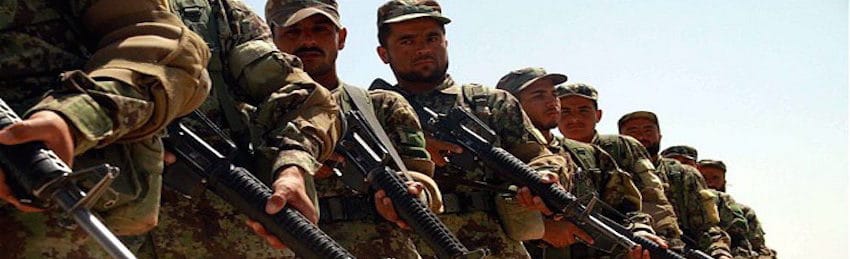
Nawa district, which is adjacent to the provincial capital of Lashkar Gah, was under Taliban control for nine months before Afghan forces could muster the strength to mount an operation and retake it.
-
US kills third emir of Islamic State’s Khorasan province
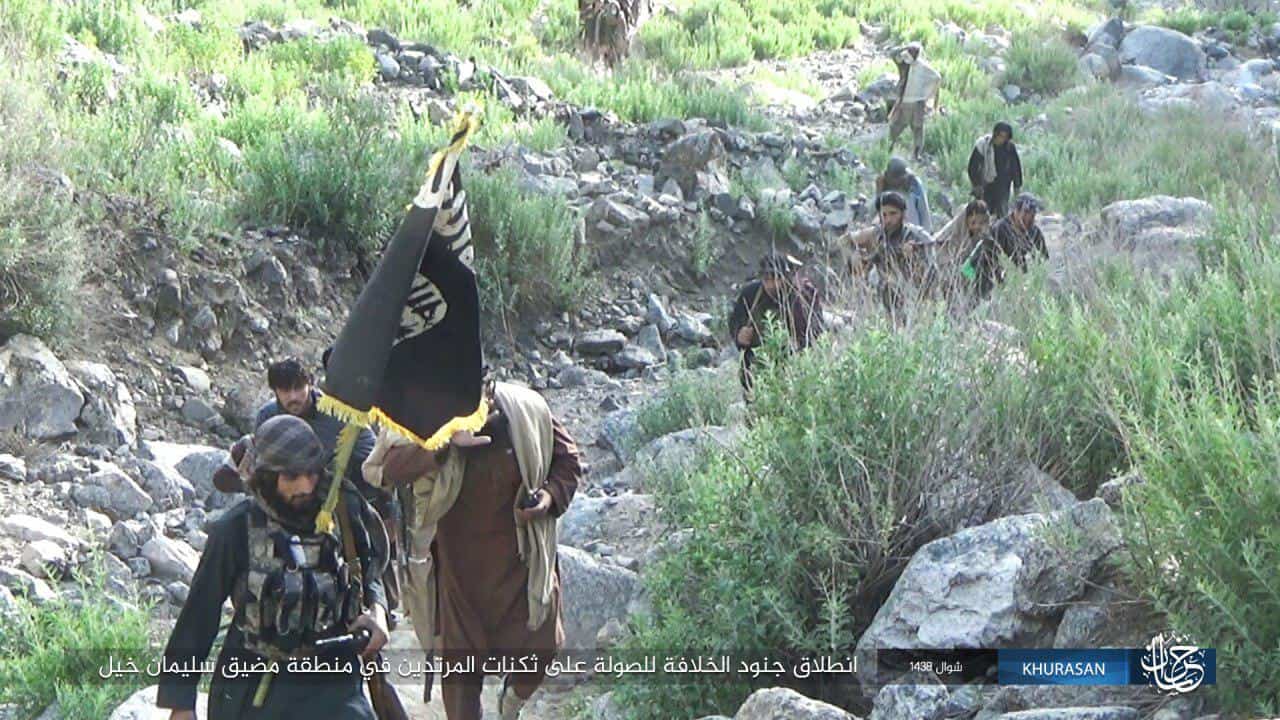
The US announced that Abu Sayed, the emir of the Islamic State’s Wilayah Khorasan, died as result of an airstrike in Afghanistan’s Kunar province on July 11. He is the third emir of Wilayah Khorasan killed in the past year.
-
Pakistan denounces US terrorism designation of Hizbul Mujahideen chief
While denouncing the designation of Syed Salahuddin, the Ministry of Foreign Affairs claimed that “Pakistan has a demonstrated and longstanding commitment of combating terrorism in all its forms and manifestations.”
-
Qods Day commemorations highlight Tehran’s global reach
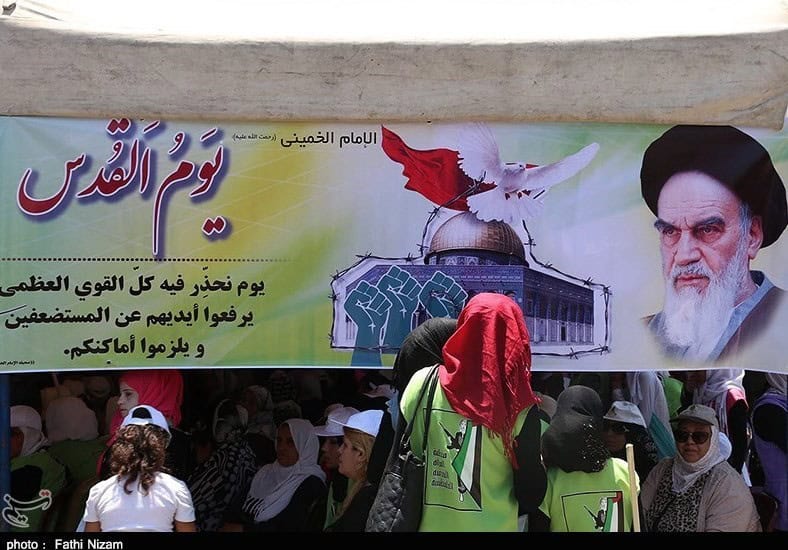
The Islamic Republic of Iran and its allies abroad on Friday commemorated Qods (Jerusalem) Day, an annual event held on the last Friday of Ramadan and established by Ayatollah Ruhollah Khomeini to express support for Palestinians and opposition to Israel. The regime has not shied away from reiterating its call for Israel’s destruction during the annual event.