-
Israeli operations in Lebanon against Hezbollah: April 28–May 11, 2025
Israel continued operations in Lebanon between April 28 and May 11, 2025. These activities included targeted killings and the destruction of a Hezbollah PGM storage facility in Beirut’s southern suburbs.
-
Analysis: Naim Qassem encourages voting in upcoming Lebanese municipal elections
Hezbollah Secretary-General Naim Qassem called on his group’s followers to vote in strength in the upcoming municipal elections in Lebanon. He also demanded that the Lebanese government end Israel’s operations in the country and rebuild areas damaged in the recent Hezbollah-Israel war.

-
Israeli operations in Lebanon against Hezbollah: April 21–April 27, 2025
Israel continued operations in Lebanon between April 21 and April 27, 2025. These activities included targeted killings and the destruction of a Hezbollah precision-guided munitions storage facility in Beirut’s southern suburbs.
-
Israeli operations in Lebanon against Hezbollah: April 14–April 20, 2025
Israel continued operations in Lebanon between April 14 and April 20, 2025. This week witnessed an uptick in Israeli strikes against Hezbollah, including several assassinations of the group’s operatives and commanders.
-
Israel kills Hezbollah Unit 4400 deputy commander amid allegations of continued smuggling
Israel killed Hezbollah Unit 4400’s new deputy commander, Hussain Ali Nasr. The Israel Defense Forces alleged that Iran and Unit 4400 continue to oversee weapons smuggling to Hezbollah, including through Beirut–Rafic Hariri International Airport.

-
Analysis: Qassem’s speech on Lebanon’s national defense strategy indicates Hezbollah will remain armed
Hezbollah Secretary-General Naim Qassem delivered his first speech thoroughly addressing Hezbollah’s vision for a national defense strategy. He said the group was ready for a dialogue, which remained premature, but would refuse to disarm even after a strategy is set.

-
Israeli operations in Lebanon against Hezbollah: April 7–April 13, 2025
Israel continued operations in Lebanon between April 7 and April 13, 2025, repeating a lower-intensity pattern from the previous week. The Israel Defense Forces targeted 10 areas and killed one mid-level Hezbollah commander and one Hezbollah operative.
-
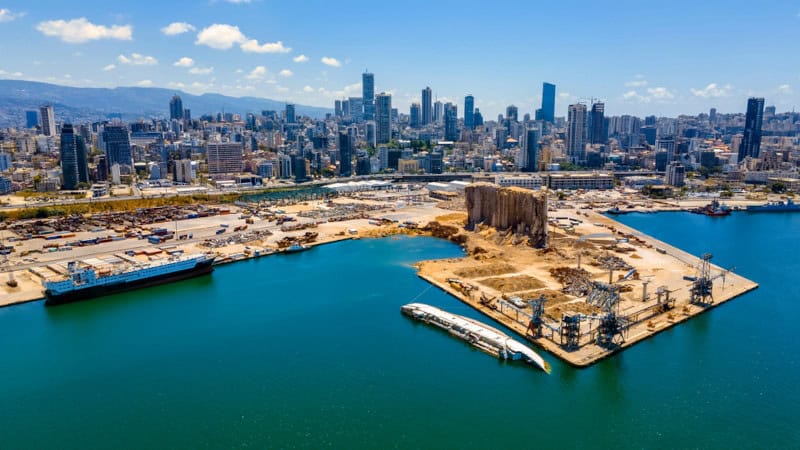
Iran reportedly smuggling weapons to Hezbollah via Beirut port
A “Western security source” told Al Arabiya that Hezbollah is using the Port of Beirut to smuggle weapons into Lebanon from Iran. In early March, Israel assassinated a Hezbollah commander in charge of maritime weapons smuggling, saying his activities had continued after the November 27 Lebanon-Israel ceasefire.
-
Israel assassinates Hamas official in Lebanese city of Sidon
Israel assassinated senior Hamas official Hassan Ahmad Farhat in Sidon on Friday. The Israel Defense Forces said Farhat was responsible for attacks on Israel during the recent war, including the February 14, 2024, strike on Tzfat and continued planning attacks against Israel in recent months. Farhat’s son Hamzah, also a Hamas operative, and his daughter, Jinan, were killed alongside him.

-
Israeli operations in Lebanon against Hezbollah: March 31–April 6
Israel continued operations in Lebanon between March 31 and April 6, 2025, though there was a noticeable drop in number and intensity. However, Israel conducted two targeted killings in Lebanon: one in Beirut’s Dahiyeh neighborhood killed a Hezbollah commander and operative, and another in Sidon killed a Hamas commander and operative.
-
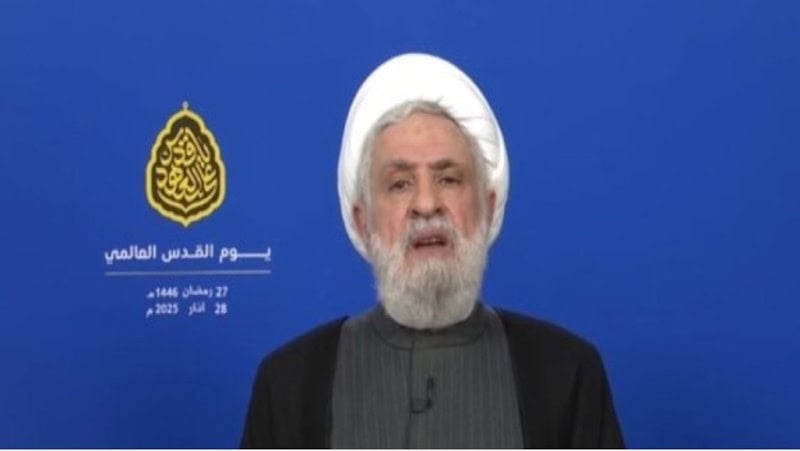
Analysis: Hezbollah Secretary-General Naim Qassem’s Quds Day speeches
Naim Qassem delivered two speeches last week to mark Quds Day that touched on similar themes, including Hezbollah’s alleged victory in the recent war with Israel. Qassem also vowed Hezbollah would not disarm and cryptically threatened to resume attacking Israel if Israeli operations in Lebanon continued.
-
Israeli airstrike in Beirut kills Hezbollah commander, operative
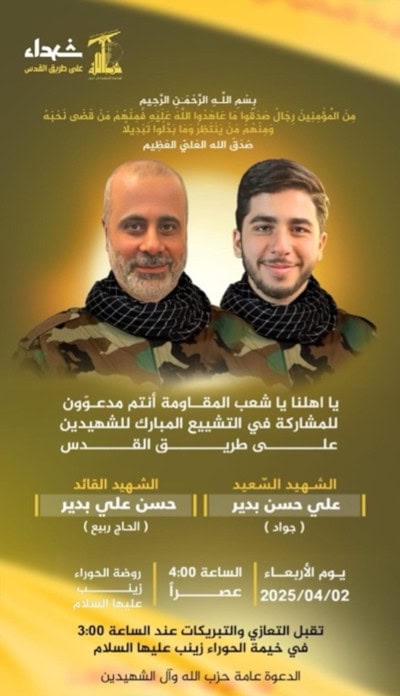
The Israel Defense Forces conducted an airstrike in the Dahiyeh suburb of Beirut, the second in two weeks and since the November 27 ceasefire, that killed Hezbollah commander Hassan Badeer, his son (another Hezbollah member), and two others. Israel said Badeer was helping Hamas plan an imminent attack against Israeli civilians.
-
Israeli operations in Lebanon against Hezbollah: March 24–March 31
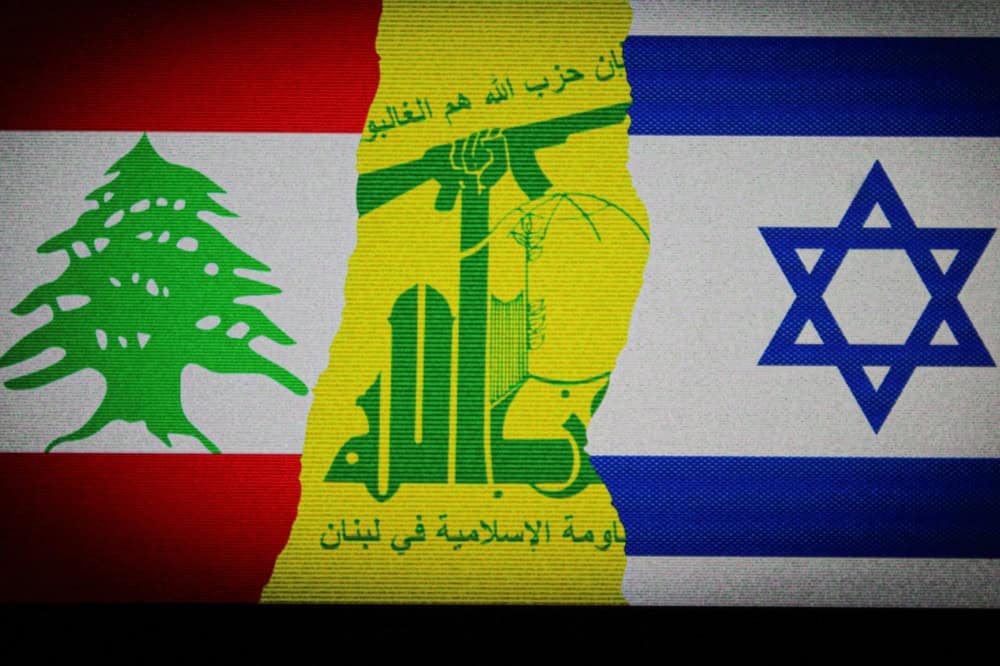
Israeli operations in Lebanon continued on a near-daily basis last week. On Friday, Israel struck in Dahiyeh, Beirut for the first time since the November 27 ceasefire, destroying a Hezbollah drone storage facility. Lebanese officials made equivocal statements on reining in Hezbollah.
-
Analysis: A deported Brown University professor’s Hezbollah ties
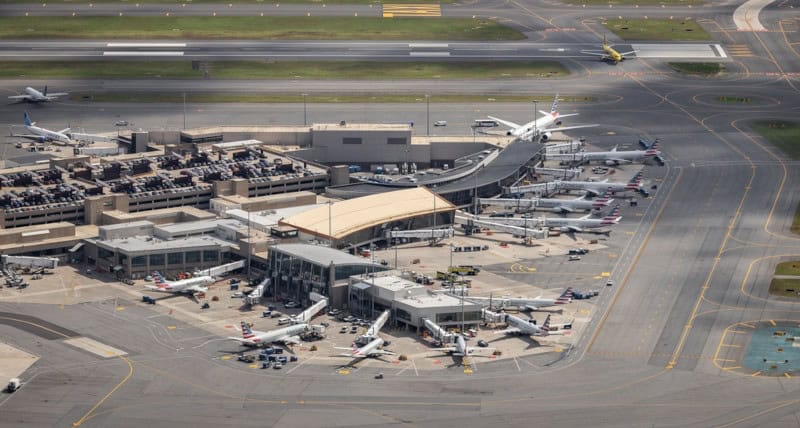
Dr. Racha Alawieh, a Brown University physician in the US on a visa, was denied re-entry into the country after returning from Lebanon. A central question is whether Alawieh’s entry was blocked for her exercising First Amendment rights or whether her family’s close links to Hezbollah jeopardized her visa. If the latter justification survives judicial review, the precedent may give US authorities a tool to disrupt Hezbollah’s influence and illicit finance operations in the United States.
-
Syrian authorities continue crackdown on Hezbollah and its affiliates
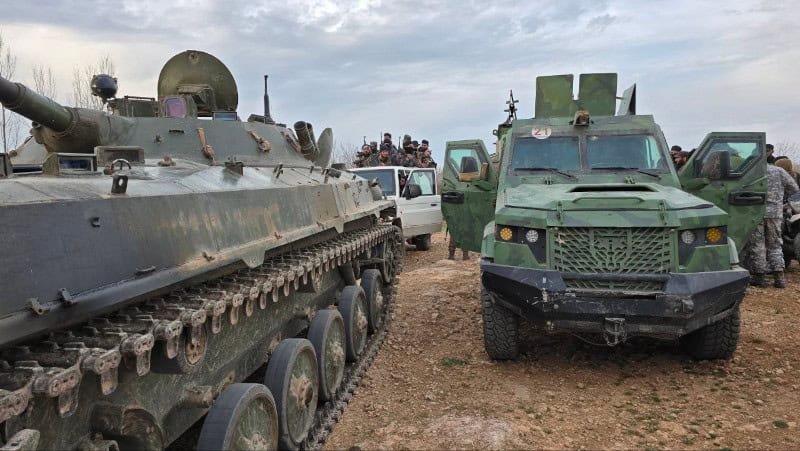
On March 16, the Syria-Lebanon border witnessed intense clashes between the new Syrian government and Lebanese Shiite tribesmen and Hezbollah affiliates.
-
Israeli airstrikes target Hezbollah assets and personnel in south Lebanon
Israel conducted two sets of airstrikes in south Lebanon on March 11 that targeted Hezbollah operatives. The first targeted a senior Hezbollah aerial defense operative, whose fate remains unknown. The second set of strikes targeted Hezbollah members in south Lebanon. Hezbollah-affiliated media announced two of the group’s fighters were killed.
-
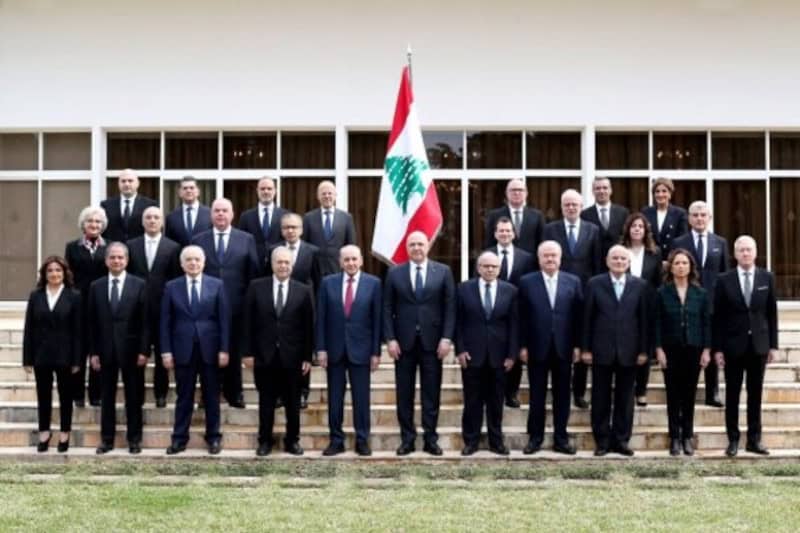
Analysis: Lebanon’s new government, the absent “resistance” Clause, and Hezbollah’s fate
A review of the new Lebanese government’s policy statement reveals some positive changes from the positions of previous governments regarding the official posture on Hezbollah and its arms. Nevertheless, the statement contains subtle but significant loopholes that Hezbollah can exploit to ensure its survival and eventual regeneration.
-
Analysis: A comparison of IDF and LAF activities in Lebanon post-November 27 ceasefire
A comparison of actions by the Israel Defense Forces (IDF) and Lebanese Armed Forces (LAF) in Lebanon after the ceasefire on November 27, 2024, demonstrates that the Lebanese have not taken significant action against Hezbollah.
-
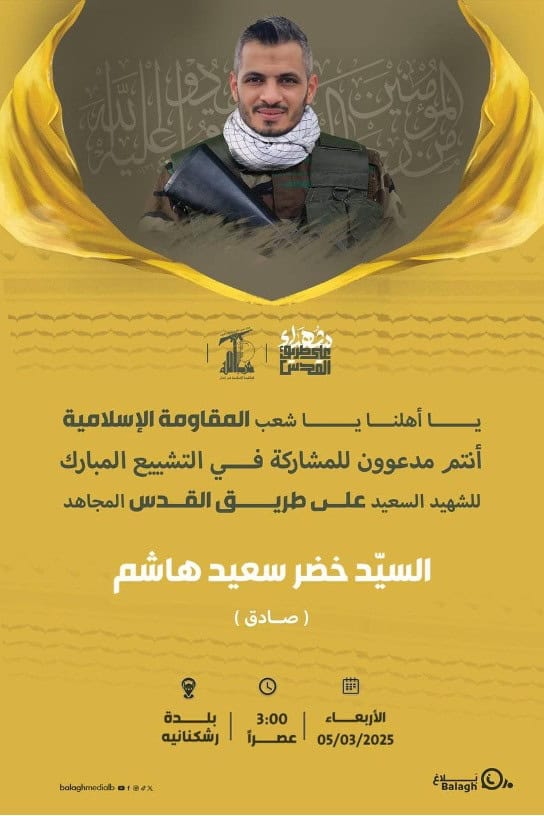
Israel assassinates commander of Hezbollah Radwan Force’s seaborne forces
Israel assassinated Khodr Hashem, the commander of Hezbollah’s Radwan Force’s seaborn forces, in south Lebanon. Hashem was involved in armed activities and maritime weapons smuggling to Hezbollah before and after the November 27, 2024, Lebanon-Israel ceasefire agreement, activities which constituted a violation of the deal.
-
Lebanon seizes funds bound for Hezbollah at Beirut airport
Lebanon seized $2.5 million in cash destined for Hezbollah carried by a man arriving from Turkey. This development follows Israeli accusations that Turkey is being used as a conduit for Iranian funds to reach Hezbollah and may be facilitating the transfers.

-
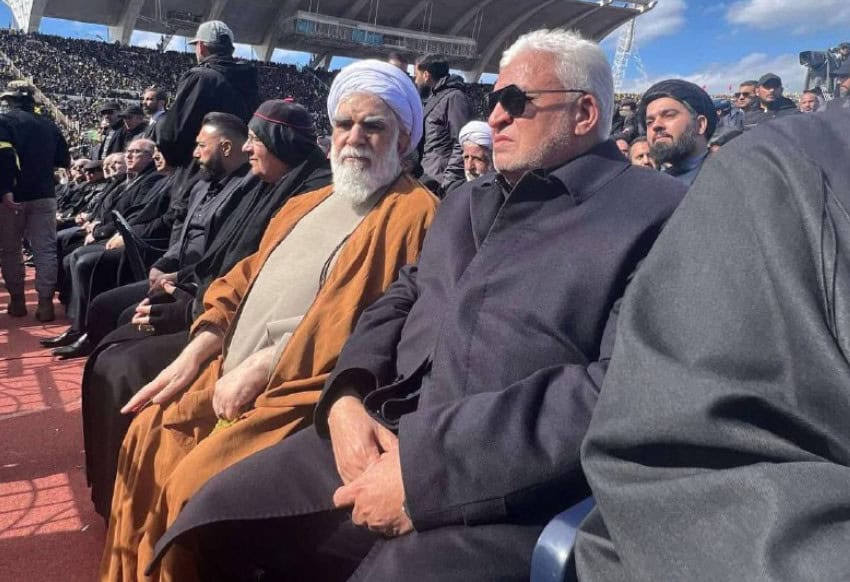
Pro-Iranian Iraqi militia leaders gather in Lebanon for Hezbollah leader’s funeral
Falih al Fayyadh, the head of Iraq’s largely pro-Iranian Popular Mobilization Units (PMU), traveled to Beirut for the funeral of Hezbollah leader Hassan Nasrallah on February 23. Other senior members of pro-Iranian militias in Iraq also attended the funeral, and several militia leaders put out statements. Hezbollah-affiliated media claimed approximately 200,000 Iraqis came to Lebanon for the event, though this number is unverified.
-
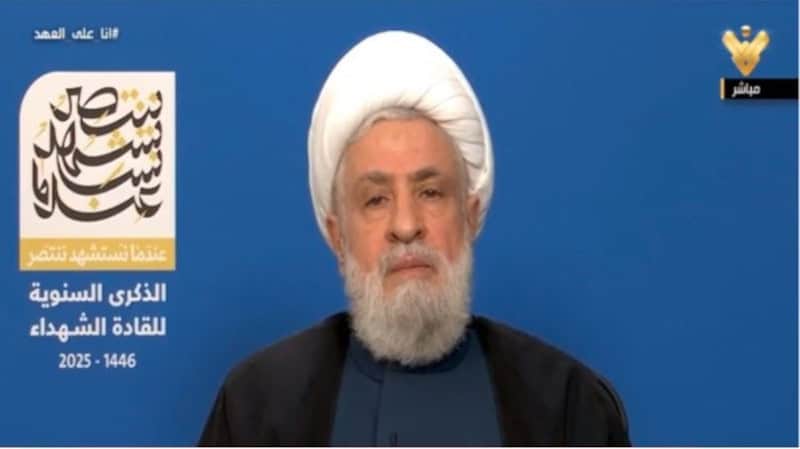
Hezbollah Secretary-General Naim Qassem’s “Martyr Leaders Day” speech
Hezbollah Secretary-General Naim Qassem delivered a speech on February 16 addressing regional and domestic developments, Beirut banning Iranian flights from landing at Hariri International Airport, and Nasrallah’s upcoming funeral. Qassem called for massive participation in the funeral to deter Hezbollah’s domestic political opponents from targeting the group or its weapons.
-
Analysis: Syria’s crackdown on smuggling sparks tensions with Hezbollah and Lebanon
There has been a serious escalation on the Lebanon-Syria border over the past week after Syrian forces launched an operation targeting illegal checkpoints used for narcotics and weapon smuggling.

-
Analysis: Naim Qassem announces the date of Nasrallah’s funeral
Hezbollah Secretary-General Naim Qassem gave a speech to mark the onset of the month of Shaban, in which he announced the date of Hassan Nasrallah’s funeral, sought to counter the group’s domestic detractors, and condemned provocative behaviors by Hezbollah’s supporters.

-
Analysis: Naim Qassem’s most defiant speech yet as Hezbollah secretary-general
On January 27, Naim Qassem insisted Hezbollah had emerged from the fight with Israel victorious, despite painful and unprecedented setbacks, and was unwilling to concede the group’s domestic position. Qassem also expressed Hezbollah’s satisfaction with Lebanon’s post-war political direction and said his group had a productive and positive relationship with Lebanon’s new president and prime minister-designate.

-
Analysis: Lebanon’s Mahan Air theater was meant to cover ceasefire deal non-performance
Lebanon did not thoroughly inspect a Mahan Air Flight suspected of carrying funds for Hezbollah. It engaged in an act of theater to deny Israel justification to resume fighting the group in light of Beirut’s failure to implement its obligations under the November 27, 2024, ceasefire agreement.

-
Israel takes stock of military casualties over a year of war
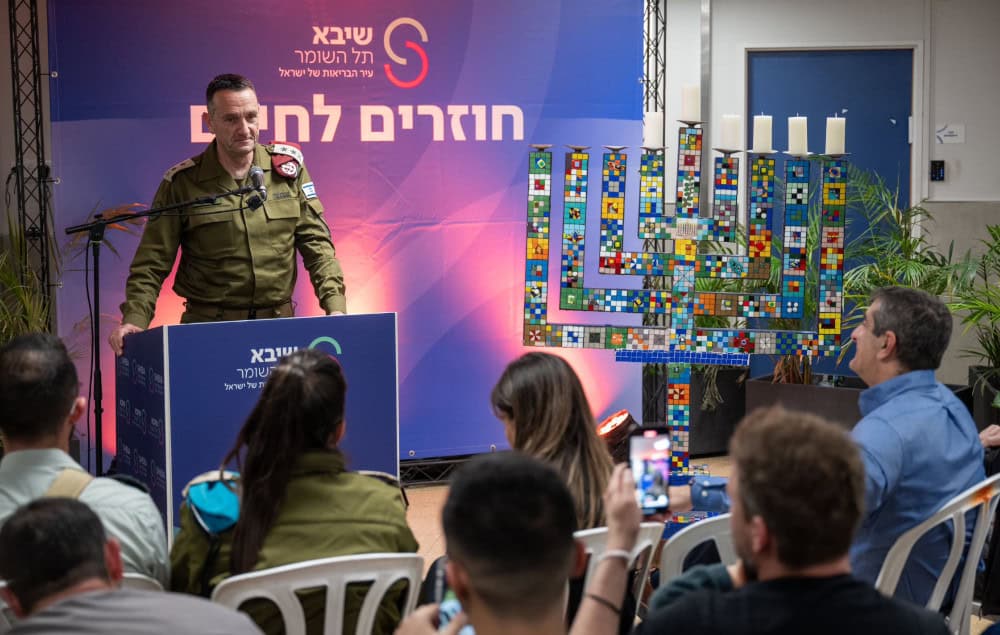
The Israel Defense Forces (IDF) published data on the number of soldiers killed and wounded in 2024 and since the war began on October 7, 2023. A total of 363 IDF soldiers were killed in 2024, most of them during combat operations and in terrorist attacks. Overall, 891 servicemembers have died, most of them in combat, and 5,569 have been wounded since the conflict started last year.
-
Israeli forces in southern Lebanon dismantle more Hezbollah sites
The Israel Defense Forces (IDF) continue to search for and uncover Hezbollah munitions and terrorist infrastructure in southern Lebanon. IDF forces found weapons, explosives, and a tunnel in the fourth week of December. Israel is aiming to fulfill its mission against these threats before troops withdraw from southern Lebanon over the next three weeks in compliance with the Israel-Lebanon ceasefire. Hezbollah has warned that it will respond to Israel if the ceasefire’s terms are violated.

-
Analysis: Don’t bet on the Lebanese Army to restrain Hezbollah
Lebanon and the Lebanese Armed Forces (LAF) cannot be counted upon to restrain Hezbollah. Beirut continues to demonstrate a lack of will to act against the group—and the more time that passes, the more difficult Hezbollah will become to rein in or disarm.

-
Ceasefire between Israel and Hezbollah holds over first 5 days
The Israel Defense Forces (IDF) eliminated an estimated 2,500 Hezbollah members during two months of fighting that ended with a ceasefire on November 27. The ceasefire has essentially held over the first five days despite accusations of violations, and IDF Home Front Command changed guidelines, enabling Israelis to return to normal activity in all areas of the country except near the border with Lebanon. The IDF continued to call on Lebanese civilians not to return to areas close to the border, and commanders said the Israeli military would enforce the ceasefire “forcefully.”