-
Israel-Hezbollah ceasefire begins in Lebanon
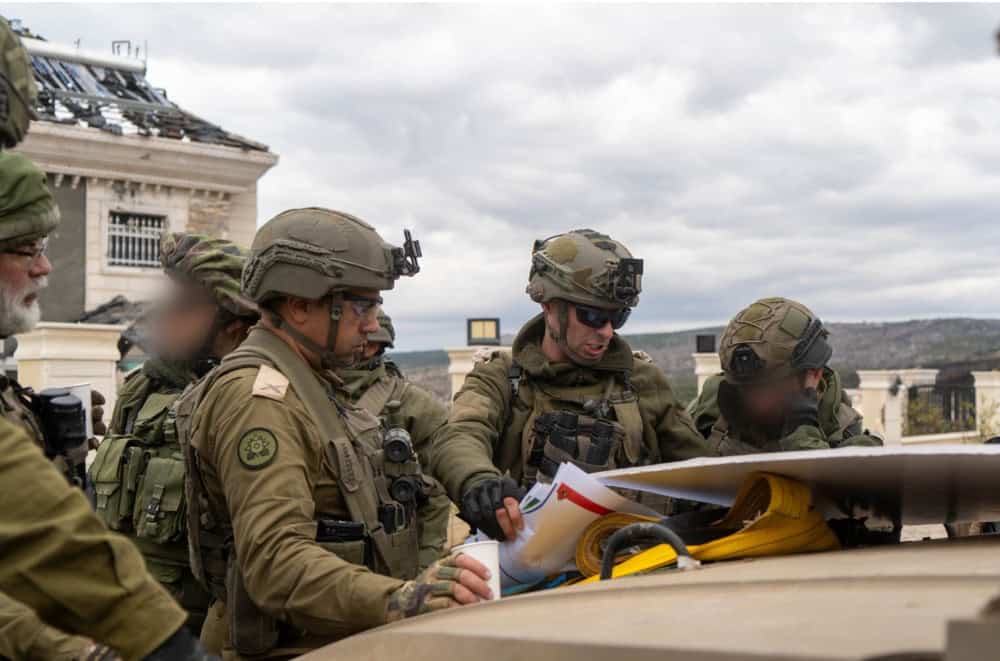
Israel agreed to a ceasefire on November 27 that ended the current fighting with Hezbollah. The agreement calls for Israel to conduct a phased withdrawal from southern Lebanon within the next 60 days. “The Government of Lebanon will prevent Hezbollah and all other armed groups in the territory of Lebanon from carrying out any operations against Israel, and Israel will not carry out any offensive military operations against Lebanese targets,” the ceasefire said. “The fundamental test of the ceasefire agreement taking shape along the Israel-Lebanon border will be in its full implementation, ensuring the security of all residents of the…
-
Israel moves closer to a ceasefire in Lebanon
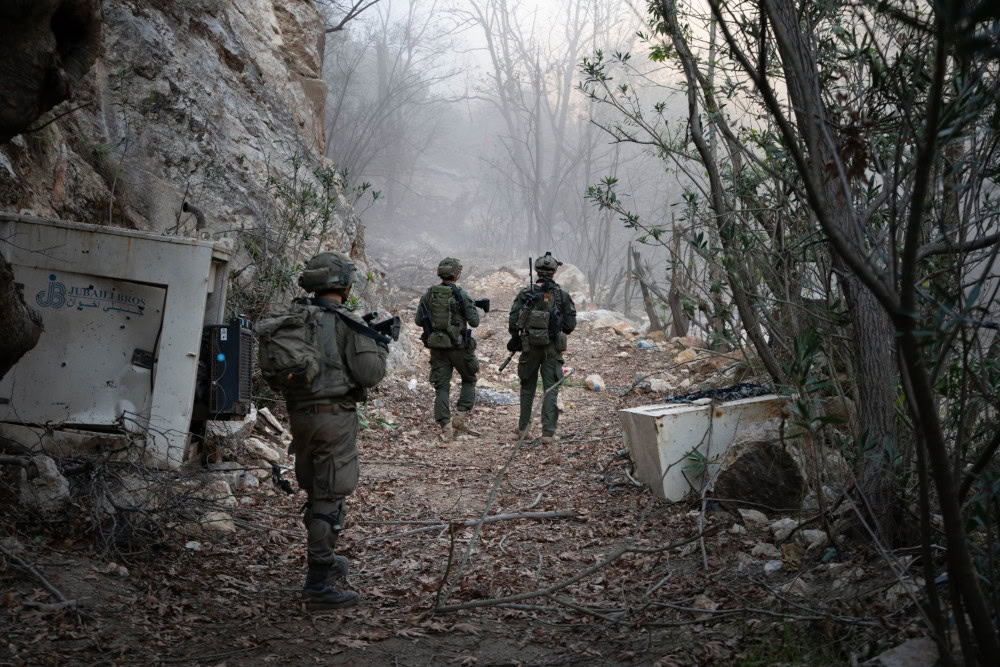
The Israel Defense Forces (IDF) carried out several rounds of airstrikes against Hezbollah targets in Beirut on November 26 ahead of a possible ceasefire expected to take effect on November 27. Israeli Prime Minister Benjamin Netanyahu promised Israelis that “we will achieve victory” and said the ceasefire would enable the IDF to “maintain full freedom of military action” if Hezbollah seeks to re-arm or return to threaten Israel near the border. Israeli units continued limited operations in southern Lebanon.
-
Amid ceasefire talks, Israel focuses on disrupting weapons smuggling to Hezbollah
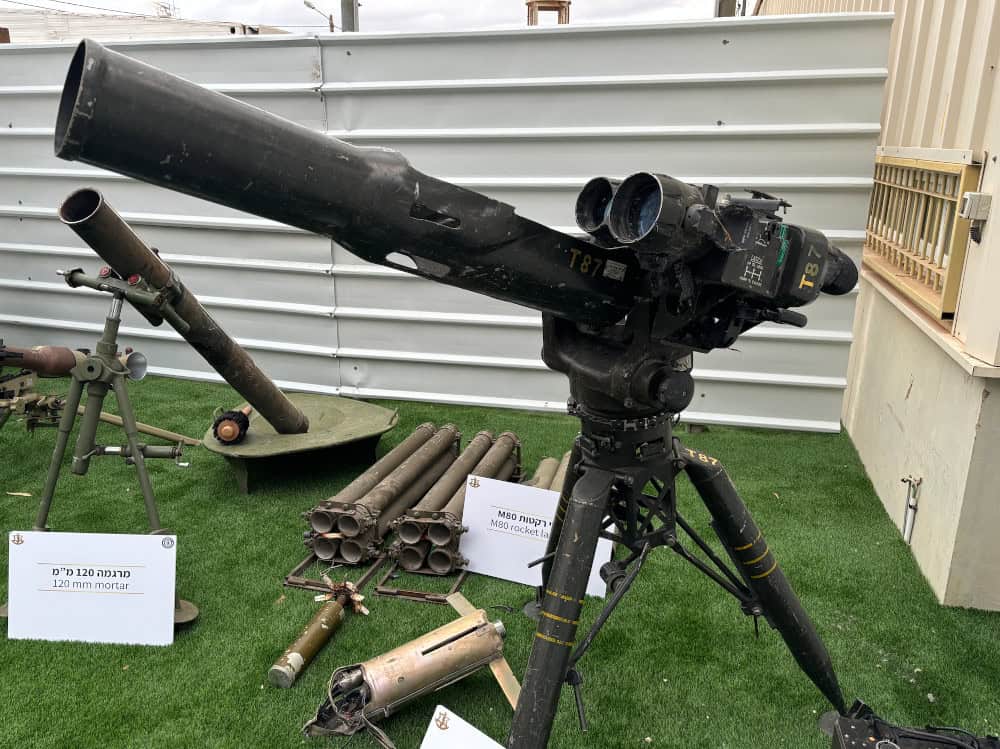
Hezbollah launched numerous barrages of rockets at Israel on November 26 as reports in Israel indicated a possible ceasefire might be agreed to this week. The IDF focused its attacks on Hezbollah’s weapons smuggling networks that stretch into Syria and are backed by Iran. In addition, the IDF showed off some of the vehicles and Iranian weapons it has seized in Lebanon.
-
Israel kills wanted Hezbollah commander behind the establishment of Iraq’s Iran-backed militias
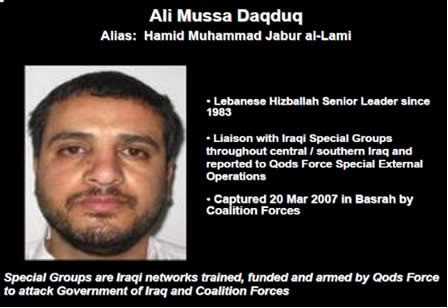
Ali Mousa Daqduq was one of the founders of Iraq’s Iran-backed militias that are responsible for killing over 600 American soldiers in Iraq. Daqduq was in US custody in 2007 before being handed over to the Iraqi government, which subsequently freed him in 2011. He returned to Hezbollah and served as deputy commander of the Radwan Force when he was killed.
-
IDF targets sites in Beirut as Hezbollah says it is ready for a “long battle”
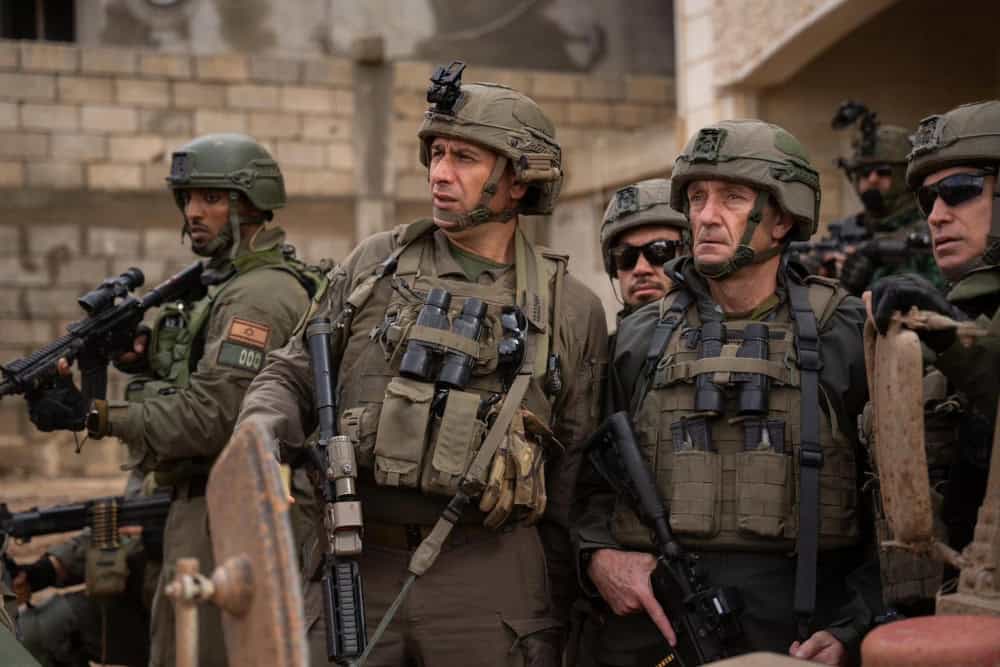
On November 21, the Israeli military said it conducted three rounds of strikes that were “directed toward Hezbollah terrorist infrastructure and are part of the IDF’s efforts to dismantle Hezbollah’s weapons production and storage capabilities.” IDF Chief of the General Staff Lieutenant General Herzi Halevi visited the 98th Division in Lebanon and discussed the importance Israel places on returning evacuated civilians to border communities. A clash near an archaeological site led to the death of a 71-year-old Israeli researcher who was also a major in the reserves.
-
IDF expands Lebanon airstrikes and ground operations
The Israel Defense Forces (IDF) expanded operations in Lebanon, committing several new units to the battle against Hezbollah and moving artillery into the country for the first time. In southern Lebanon, the IDF found rocket launchers with rockets ready to launch. Israel also increased precision airstrikes in Beirut, targeting terrorist infrastructure and eliminating Hezbollah spokesperson Mohammad Afif.

-
IDF strikes Hezbollah in Beirut as the group increases rocket and drone attacks
On November 12, the Israel Defense Forces (IDF) said the Israeli Air Force has “dismantled a majority of Hezbollah’s weapons storage and missile manufacturing facilities located under the Dahieh district” of Beirut. In southern Lebanon, the IDF found an underground compound and dismantled it by pouring concrete into its bunkers and tunnels. Hezbollah launched around 200 projectiles and numerous drone attacks on Israel on November 11.

-
IDF uncovers Hezbollah training facility near UNIFIL post
The Israel Defense Forces (IDF) uncovered a Hezbollah training site near a United Nations Interim Force in Lebanon (UNIFIL) base, the IDF said on November 8. The IDF also carried out airstrikes on Hezbollah terrorists in Baalbek in eastern Lebanon. Hezbollah fired around 400 rockets at Israel between November 5 and November 8, including long-range rockets that reached central Israel.

-
Israeli Prime Minister Netanyahu removes Defense Minister Gallant
Israeli Prime Minister Benjamin Netanyahu removed Israeli Defense Minister Yoav Gallant from office on November 5 after months of tension between the two men. The move comes as the Israel Defense Forces (IDF) continues to operate in Lebanon against Hezbollah, and Israel faces threats on multiple fronts. In Gaza, the IDF has eliminated approximately 1,000 terrorists and cleared a large area of northern Gaza of Hamas members.

-
Analysis: Hezbollah’s Unit 4400
Israel has focused on degrading Hezbollah’s Unit 4400, which is tasked with supplying the group with weapons and funds. Israel’s spate of attacks has impacted the unit’s ability to function and Hezbollah’s battle-readiness during the current campaign. However, it remains too soon to determine the long-term impact on Hezbollah’s organizational integrity.

-
Analysis: Israeli airstrikes hit Hezbollah’s intelligence branch in Syria
The Israel Defense Forces (IDF) conducted airstrikes targeting sites belonging to Hezbollah’s intelligence headquarters in Syria.

-
IDF strikes Hezbollah units as rocket and drone attacks continue
The Israel Defense Forces (IDF) downed seven drones between October 31 and November 1, including five launched from Iraq. On November 4, the IDF intercepted four drones launched from Lebanon and Iraq. Hezbollah fired more than 100 rockets and drones per day at Israel on November 2 and November 3, and the IDF struck several key Hezbollah commanders in southern Lebanon.

-
Analysis: Naim Qassem’s inaugural speech as Hezbollah’s new secretary-general
On October 30, Naim Qassem delivered his first speech as Hezbollah’s new secretary-general. Qassem stressed his intention to continue in Nasrallah’s footsteps and that Hezbollah would continue its war with Israel until a ceasefire was reached on the group’s terms.

-
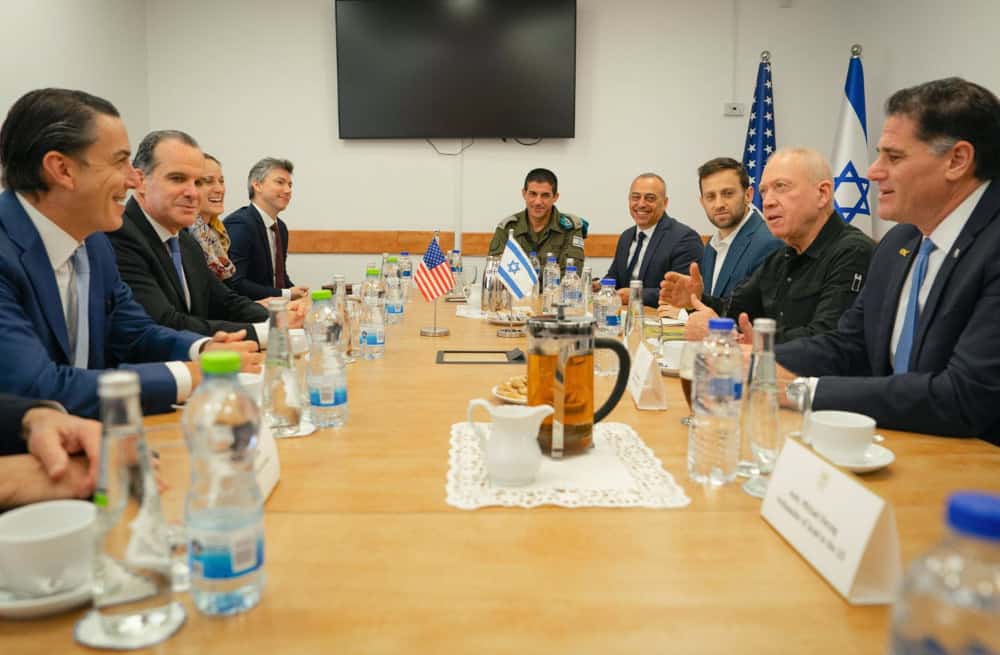
7 Israelis killed by Hezbollah rocket fire as Israel hosts US envoys
Seven Israelis were killed by Hezbollah rocket fire on October 31: five people in an agricultural area near Metula in northern Israel and two others while harvesting olives near Haifa. The IDF carried out airstrikes in Lebanon, targeting Hezbollah’s command and control and weapons storage facilities.
-
Israeli forces uncover Hezbollah bunkers and tunnels in southern Lebanon
Four Israel Defense Forces (IDF) divisions continued operations in southern Lebanon between October 27 and 29. The IDF found one Hezbollah facility that was 24 feet underground, while another stretched for more than a mile underground and “included food supplies, beds, storage cabinets, electrical power, and an arsenal of weapons.” The IDF also captured several Hezbollah members, including the commander of a local village.

-
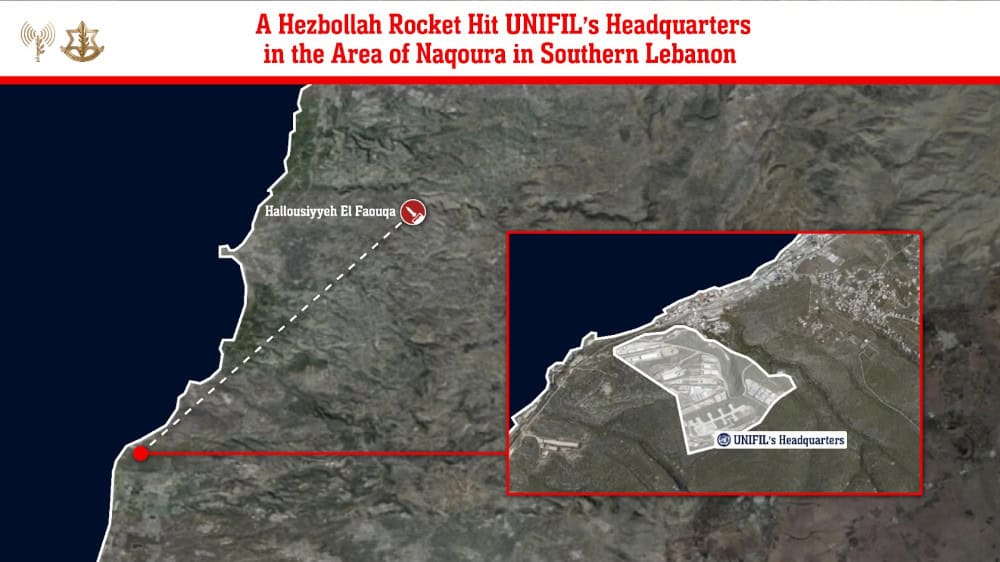
UNIFIL headquarters in Naqoura struck by Hezbollah rocket
Hezbollah rocket fire struck a United Nations Interim Force in Lebanon (UNIFIL) compound in Naqoura, Lebanon, wounding eight Austrian peacekeepers.
-
IDF clears hospital of terrorists in northern Gaza
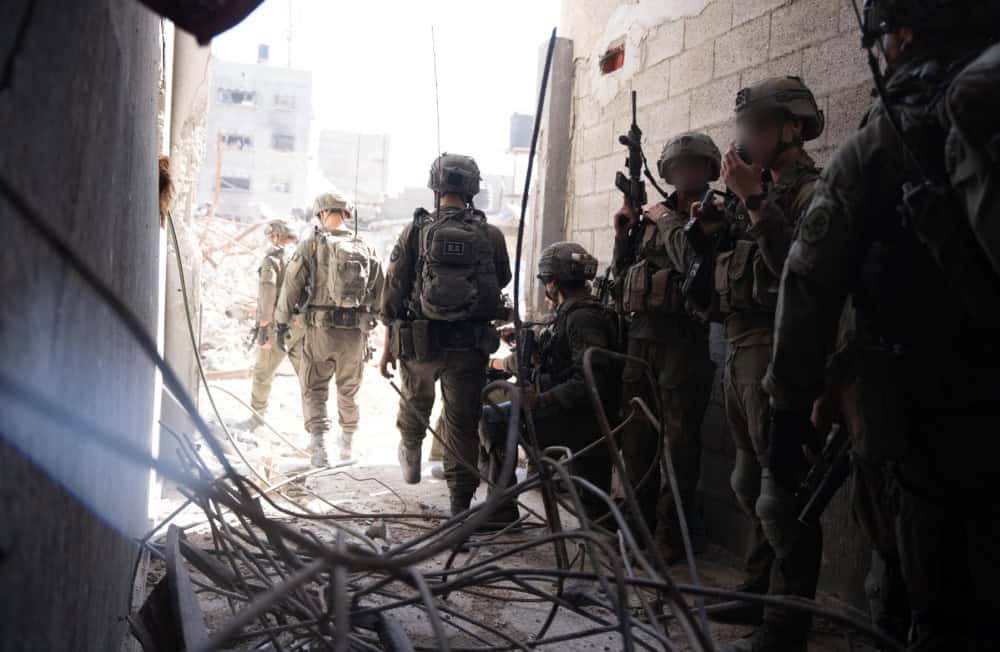
The Israel Defense Forces (IDF) completed an operation in the Kamal Adwan Hospital in northern Gaza’s Jabaliya. During the raid, the Israeli military found weapons and detained 100 suspected terrorists. This is the third time the IDF has operated in Jabaliya to clear it of terrorists, and the second time it has raided the hospital and detained suspected militants.
-
Hezbollah continues to fire large barrages of rockets at Israel
Hezbollah launched a barrage of 50 rockets at northern Israel on October 24, targeting Israeli communities during the Simchat Torah holiday, after launching an estimated 135 projectiles into Israel the day before. On October 22, a total of 140 projectiles were launched. Israelis were injured in rocket attacks on October 23 and October 24. The IDF carried out airstrikes in Tyre and Beirut, and Israeli troops in southern Lebanon uncovered large amounts of Hezbollah weapons, including rifles, RPGs, mortars, and anti-tank missiles.

-
Analysis: Explaining UNSC Resolution 1701 and its relation to Resolution 1559
A specious argument fueled by DC-based Lebanese activists is gaining traction. It alleges that UN Security Council Resolution 1559 (2004) takes a stronger stance against Hezbollah than its successor, Resolution 1701, adopted after the 2006 Israel-Hezbollah War. This entire argument, however, rests on misinterpretations of Resolution 1701’s meaning and intent and demonstrates ignorance of international law.

-
Israel executes waves of strikes on Hezbollah financial institution
The Israel Defense Forces (IDF) began waves of strikes on a financial organization it states has branches across Lebanon and is used to fund Hezbollah’s terror activities. An Israeli military assessment reports the IDF has hit 3,200 Hezbollah targets and killed seven of the group’s brigade commanders and 21 of its battalion commanders since the operation in Lebanon began almost a month ago.

-
IDF strikes 490 Hezbollah targets in ground and air operations
Israeli ground forces and aircraft struck hundreds of Hezbollah targets in southern Lebanon in three days of operations from October 14 to October 17. The Israel Defense Forces (IDF) estimates that 45 Hezbollah members were eliminated on October 17. Israeli ground forces also uncovered tunnels and numerous weapons and captured Hezbollah personnel in recent operations.

-
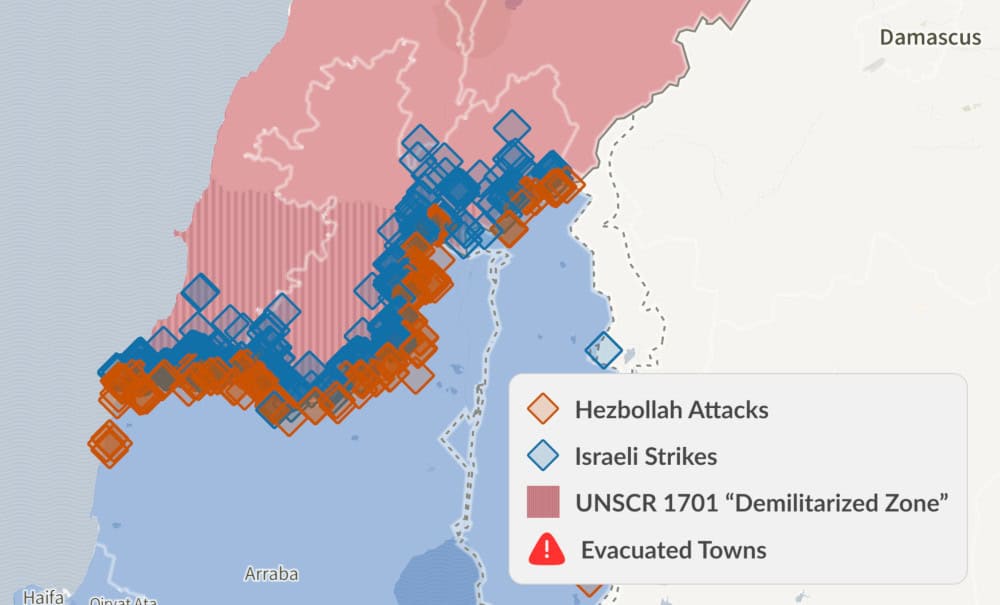
Analysis: The road to the Third Lebanon War
The conflict between Hezbollah and Israel that began on October 8, 2023, has evolved into a protracted war of attrition that neither side initially expected to last this long. Hezbollah’s goal was to support Gaza by diverting the Israelis’ attention and impacting their morale, but the group miscalculated Israel’s resolve, leading to an extended and more intense conflict.
-
Hezbollah drone strikes IDF base as Israeli forces uncover weapons in Lebanon
A Hezbollah kamikaze drone struck an IDF training base, killing four soldiers and wounding 60 others. Hezbollah has used more than 200 drones in attacks over the past year. IDF Chief of Staff Lieutenant General Herzi Halevi visited the site of the attack, and Israeli Defense Minister Yoav Gallant said, “We must investigate it, study the details, and implement lessons in a swift and professional manner.” Gallant also spoke with US Secretary of Defense Lloyd Austin and visited northern Israel to oversee operations against Hezbollah.

-
Hezbollah anti-tank and rocket fire strike northern Israel; Halevi visits Lebanon front
IDF Chief of Staff Lieutenant General Herzi Halevi visited Israeli forces operating in southern Lebanon on October 10. He reviewed how the IDF is operating against Hezbollah in Lebanese villages near the border from where Hezbollah has threatened Israel with rockets over the past year. The United Nations Interim Force in Lebanon (UNIFIL) said on October 11 that two of its peacekeepers were wounded in Lebanon. Hezbollah fired 190 projectiles into Israel on October 10.

-
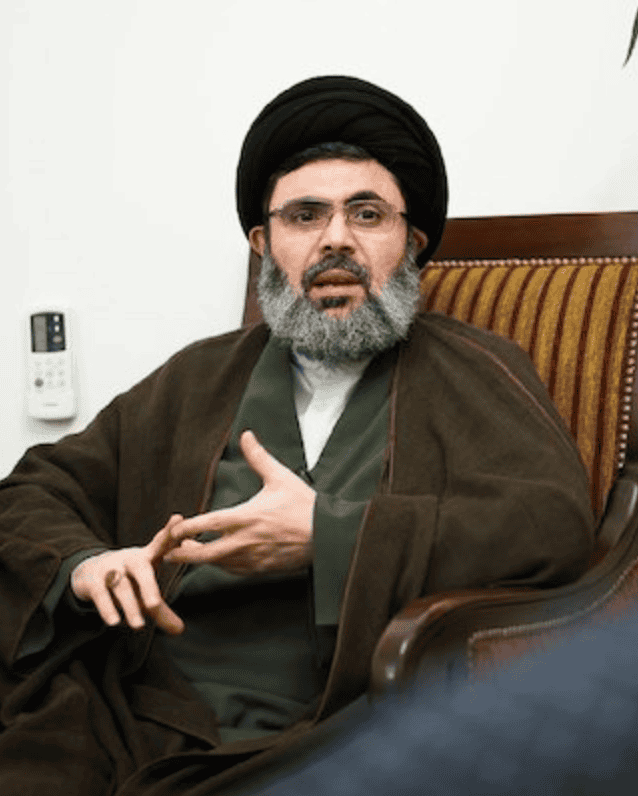
Israel eliminated Nasrallah’s successor
Israel announced that it killed Hashem Safieddine, the likely successor to Hezbollah’s longtime Secretary-General Hassan Nasrallah. Safieddine was a veteran Hezbollah leader, and the group has suffered significant losses to its leadership cadre.
-
IDF locates Hezbollah tunnel and weapons as Lebanon operation expands
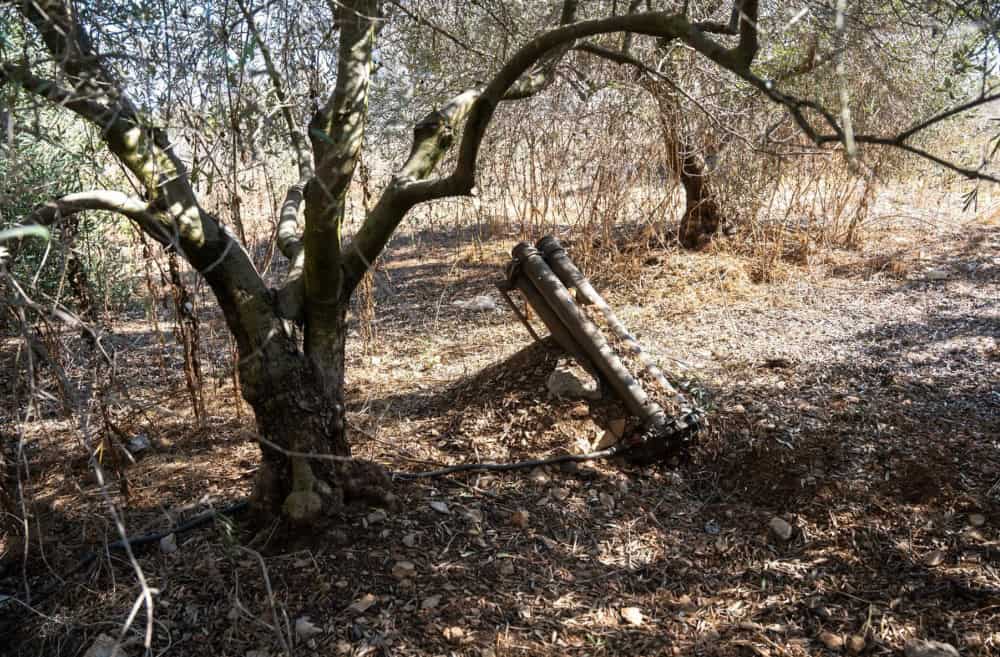
Hezbollah targeted Israel’s northern city of Haifa with rocket fire on October 8 after launching 190 rockets at Israel on October 7. The IDF continued to carry out operations in southern Lebanon. Israel’s Golani Brigade uncovered Hezbollah weapons in Maroun al-Ras. The IDF also dismantled a tunnel that stretched into Israel. Four IDF divisions are now operating in Lebanon.
-
IDF suffers first casualties in Lebanon as 2nd Division begins ops
The Israeli military suffered its first casualties in southern Lebanon battles with Hezbollah on October 2. Eight soldiers were killed in one incident and a ninth in a second clash, according to Israel Defense Forces (IDF) reports from October 2 and October 3. The IDF struck approximately 200 Hezbollah targets and estimated it eliminated 60 of the group’s members. During the same two days, Hezbollah launched 360 projectiles at Israel. In addition, the IDF downed several drone threats off the coast. Two Israeli divisions, the 98th and the 36th, are now operating in southern Lebanon.

-
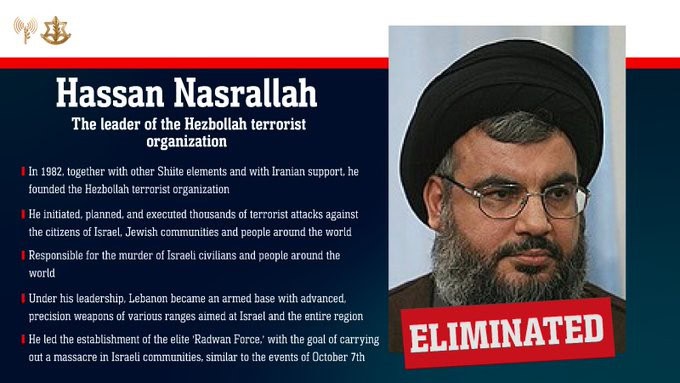
Analysis: The impact of Israeli operations on Hezbollah’s organizational structure
A breakdown of the Hezbollah officials Israel has assassinated, those who remain, and the impact on the organization and its durability.
-
IDF begins Lebanon ground operation, Iran launches 180 ballistic missiles at Israel
The Israel Defense (IDF) Forces began a ground operation in southern Lebanon against Hezbollah, led by the IDF’s 98th Division. The IDF described the offensive as “localized, and targeted ground raids based on precise intelligence against Hezbollah terrorist targets and infrastructure in southern Lebanon.” Iran launched 180 ballistic missiles at Israel, while Hezbollah fired rocket barrages at northern and central Israel.

-
Israel’s Northern Command prepares for possible ground operation
The Israel Defense Forces (IDF) called up two reserve brigades as Operation Northern Arrows entered its third day. The Israeli Air Force continued to conduct strikes against Hezbollah targets in Lebanon. In addition, Major General Ori Gordin, head of the IDF’s Northern Command, spoke to Israel’s 7th Armored Brigade and urged them to be ready for possible ground operations in the north. Hezbollah launched a ballistic missile toward Tel Aviv and struck Safed and other areas in northern Israel.