-
Generation Jihad | China, Russia, Iran, North Korea: Inside the Axis of Aggressors
China, Russia, Iran, and North Korea aren’t just aligned in rhetoric—they’re actively coordinating to erode American military, economic, and cyber dominance. In this episode, Generation Jihad’s Bill Roggio sits down with Bradley Bowman, senior director of FDD’s Center on Military and Political Power, and Ryan Brobst, CMPP deputy director, to unpack the real-world mechanics behind this dangerous authoritarian convergence.

-
Fighting in Yemen escalates, raising concern of a return to civil war
The Houthis launched drone and missile attacks on Yemeni forces and civilian infrastructure across three of Yemen’s governorates on August 6. The attacks have escalated fighting in the country while the Iran-backed terror group is simultaneously targeting Saudi Arabia and ships in the Red Sea.

-
IRGC-Qods Force commander Qaani travels to Iraq amid pressure over militia weapons
Gen. Esmail Qaani, commander of Iran’s Islamic Revolutionary Guard Corps-Qods Force (IRGC-QF), traveled to Iraq as Baghdad moves forward with legislation to place all weapons under state control. The visit came amid continued Iranian drone and missile attacks on Kurdish opposition groups in the Kurdistan Region of northern Iraq.

-
From Guantanamo Bay to ISCAP: The case of Jamal Kiyemba
In 2002, Jamal Kiyemba, a Ugandan national living in the United Kingdom, was arrested in northwest Pakistan after allegedly attempting to join Al Qaeda in Afghanistan and was sent to the US prison facility at Guantanamo Bay, Cuba. Released in 2006 and sent to Uganda, Kiyemba has since been in and out of prison, most recently over his support of the Islamic State’s Central Africa Province (ISCAP).

-
Generation Jihad | Losing ground: Somalia and Mali’s jihad problem
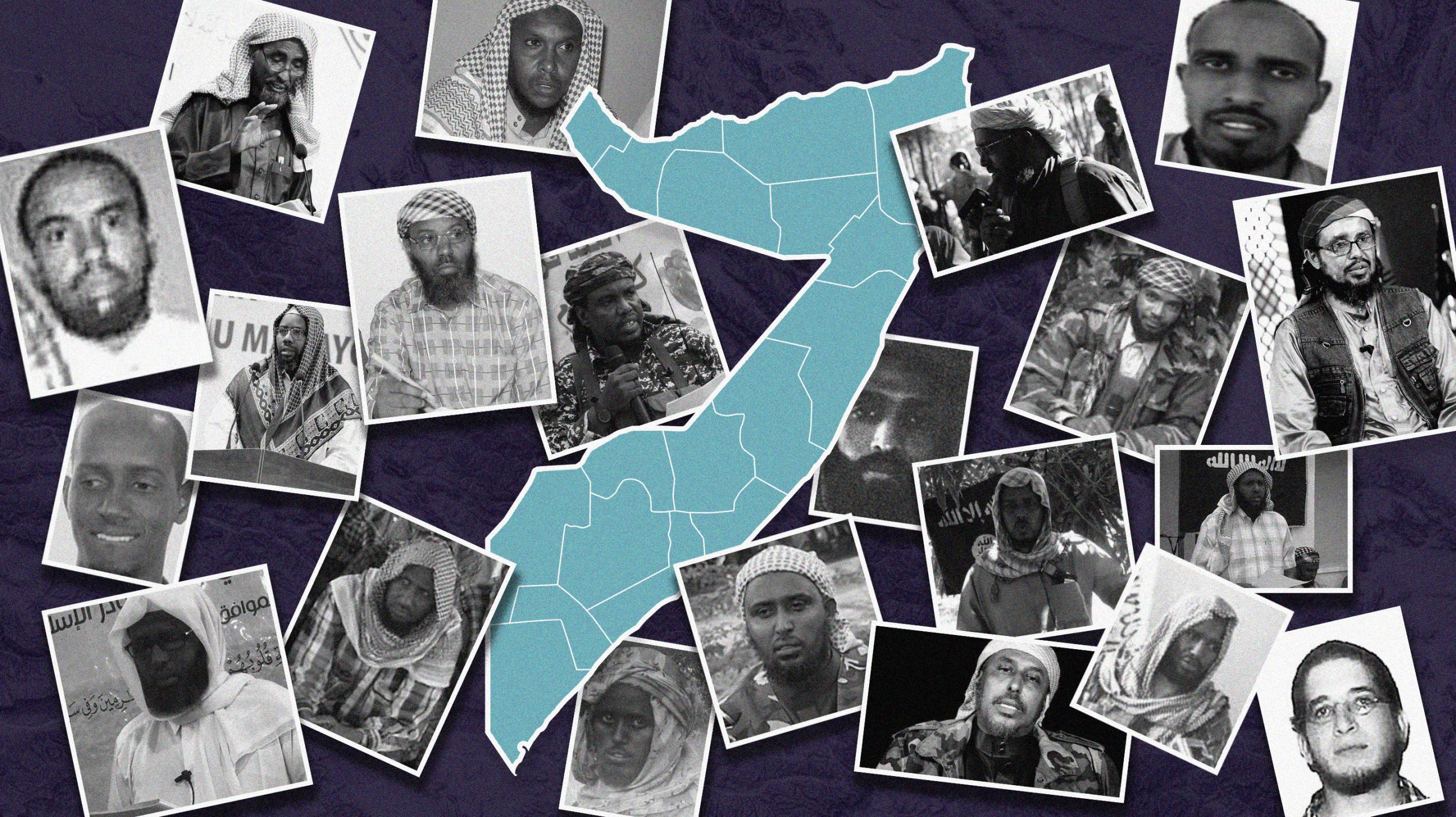
The US is losing leverage in Somalia as frustration with Mogadishu threatens critical African Union support and risks strengthening Al Shabaab’s hold. In Mali, renewed US airstrikes against JNIM raise a parallel concern—whether air power alone, without a ground strategy or political reform, can contain the group’s advance. Bill Roggio and Caleb Weiss examine these dynamics across the Sahel and the assess the murky state of Al Qaeda.
-
Analysis: North Korean missile deployment raises urgency of Ukraine’s Starlink plea
North Korea is reportedly dispatching as many as 120 additional ballistic missiles to Ukraine as the embattled country searches for ways to destroy Russian missile launchers.

-
Sudanese Armed Forces gains in civil war force strategic adjustment from paramilitia rival
The Sudanese military’s recapture of the Al Sadarat highway marks its most significant success against the Rapid Support Forces (RSF) in the fourth year of the Sudanese civil war. However, the RSF’s shift toward tribal mobilization and the growing role of foreign-backed drone warfare suggest the conflict’s broader cycle of adaptation and attrition will continue.

-
Afghan United Front commences operations against Taliban
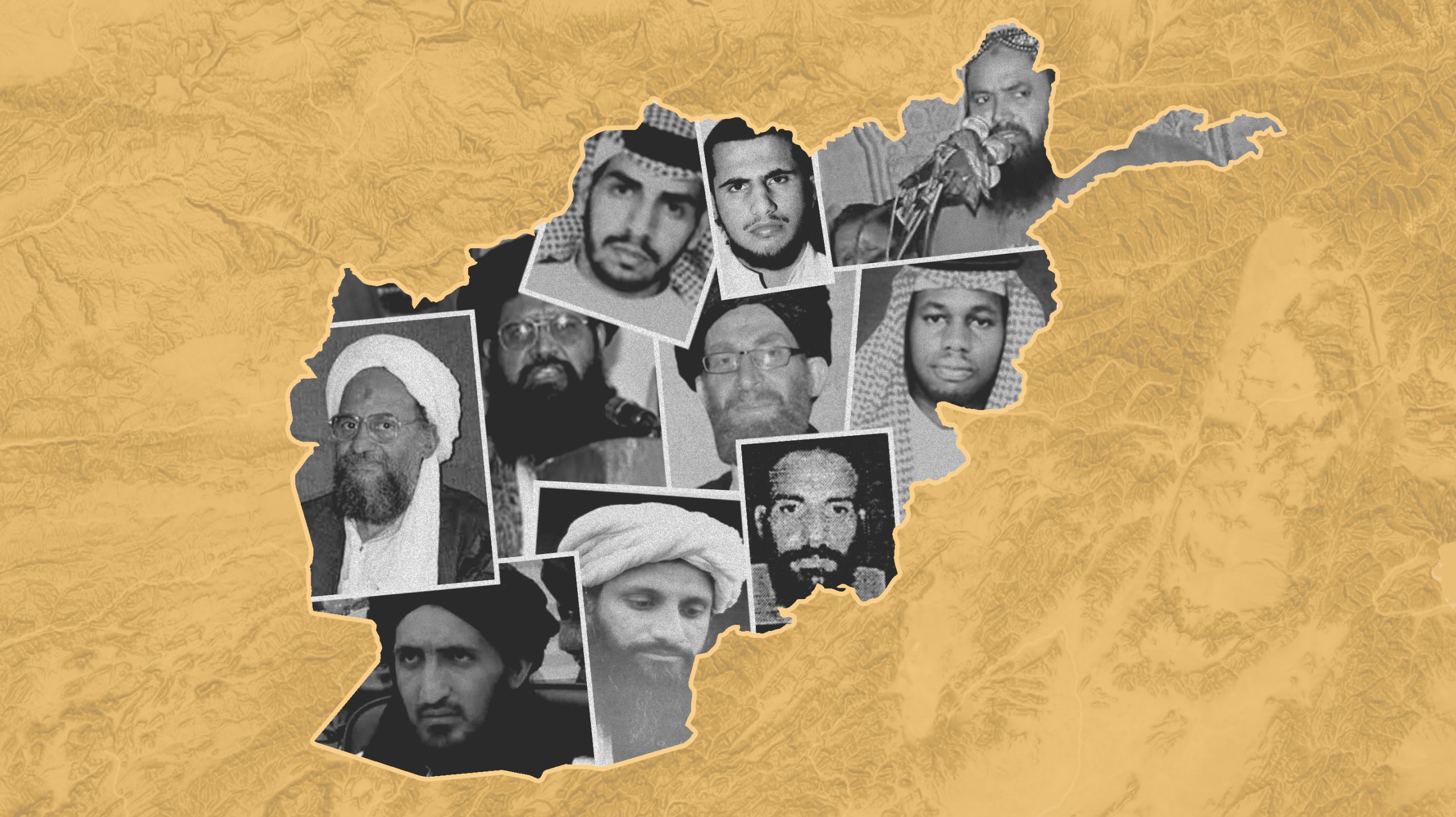
The Afghan United Front has emerged as the first major Pashtun-led resistance organization to launch operations against the Taliban. The group’s likely focus on operations in southern Afghanistan would expand resistance organizations’ historical focus in the country’s north.
-
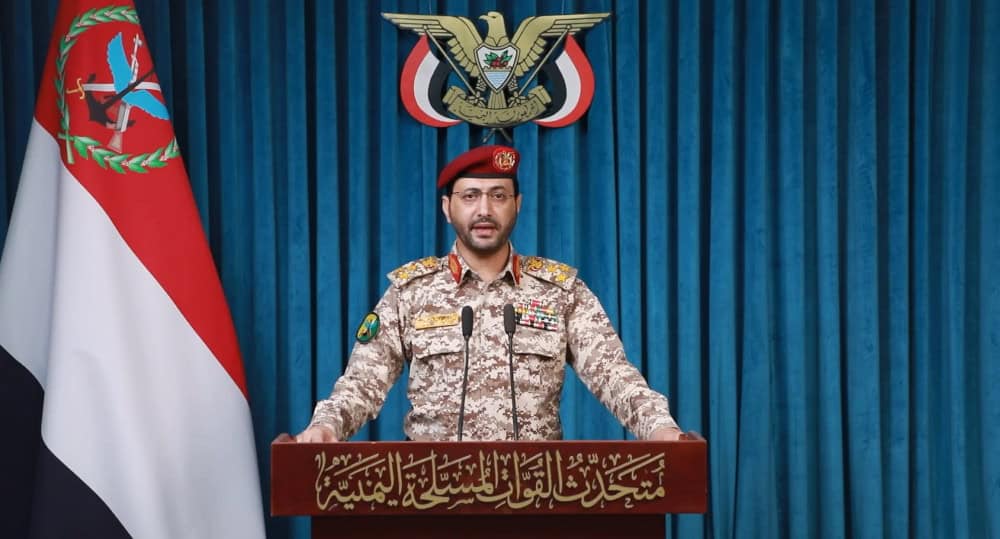
Houthis escalate attacks in Red Sea and on Saudi Arabia, Riyadh evaluates options
Yemen’s Houthis claimed attacks on eight Saudi-linked vessels as well as energy facilities and an airport to enforce its blockade of the kingdom. Saudi Arabia is reportedly pursuing a diplomatic path to de-escalate the conflict or military options if necessary.
-
Iraq pressured by regional countries to rein in Iran-backed militias as new data on extent of attacks released
Iraq faces mounting pressure to rein in the militias while balancing tensions with neighboring countries, the US, and Iran. The Kurdistan Region of northern Iraq has come under nearly 1,000 drone and missile attacks by Iran and its proxies since late February, underscoring the growing threat posed by Tehran’s network of militias.