-
2 Jewish men stabbed in London, Ashab al Yamin claims attack
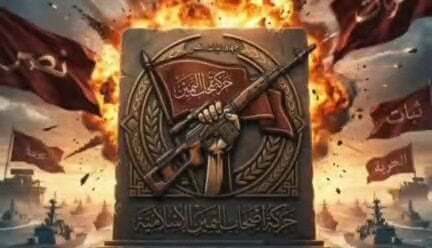
The Iran-linked front group Ashab al Yamin claimed credit for a stabbing attack in London that wounded two Jewish men. The group has claimed more than a dozen attacks in Europe, most of them targeting Jewish institutions.
-
Charity founded by Hamas member raising funds on US-based platform
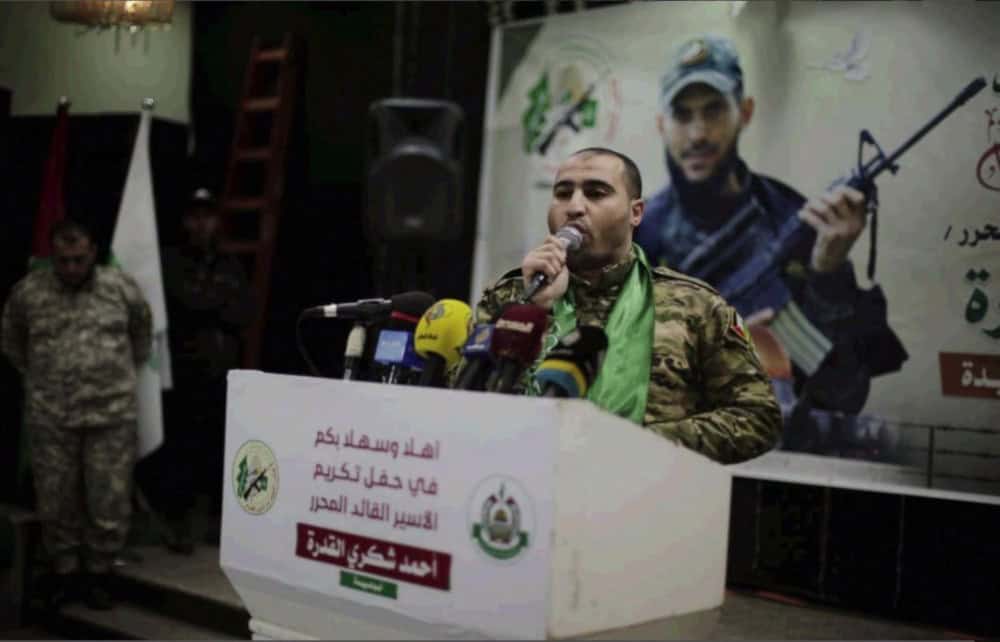
A Hamas operative who was killed during the recent war with Israel founded a Gaza-based charity that has raised hundreds of thousands of dollars online. The charity continues to solicit donations, including through a New York-headquartered platform.
-
Venezuelan president to end amnesty, hundreds of political prisoners still unreleased
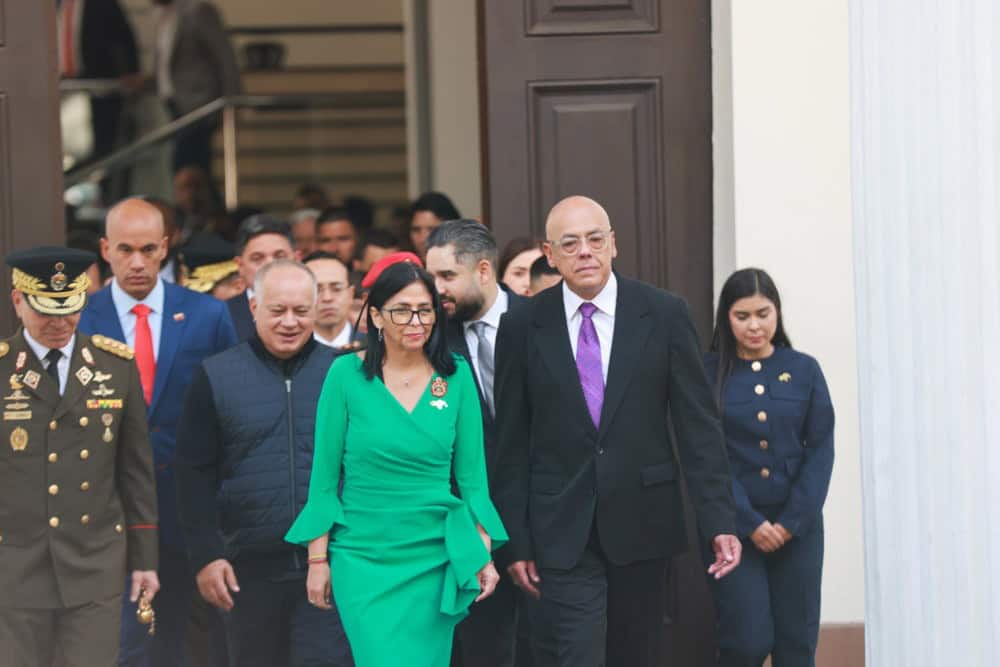
Venezuelan Acting President Delcy Rodríguez Delcy Rodríguez said the country’s recent amnesty is ending as the NGO Foro Penal reports that 473 political prisoners remain in custody. In addition, Caracas is fast-tracking investment laws, opposition leader María Corina Machado plans to return to the country this year, and US Southern Command launched new a combat unit covering the Caribbean and Latin America.
-
Iraq nominates little-known businessman to be next prime minister
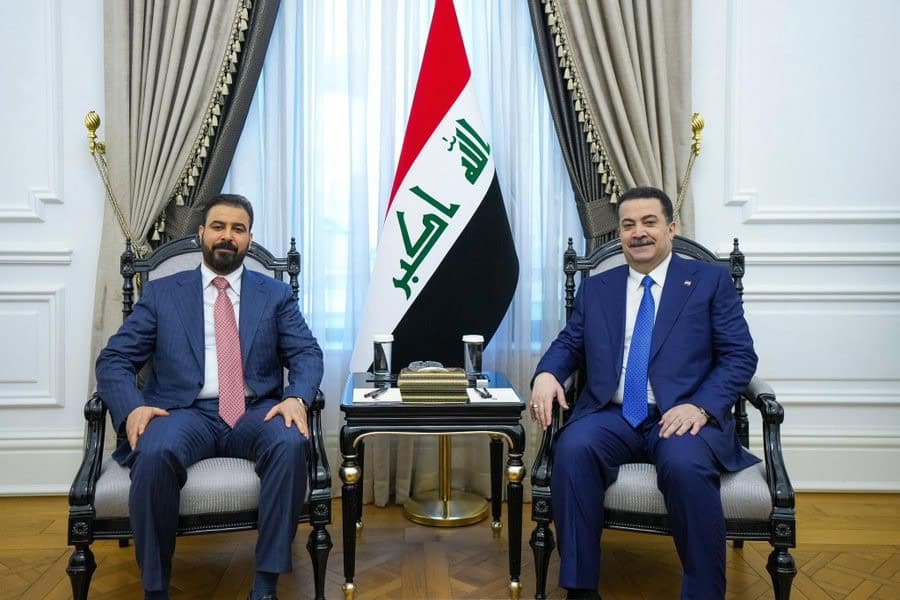
After months of political deadlock, the Shiite parties that comprise Iraq’s largest parliamentary bloc named Ali al Zaidi as the country’s prime minister-designate. Zaidi, a businessman who has not previously held a government position or been publicly affiliated with a specific party, now has 30 days to form a government.
-
Kosovo military team evaluates Gaza deployment amid continuing ceasefire violations
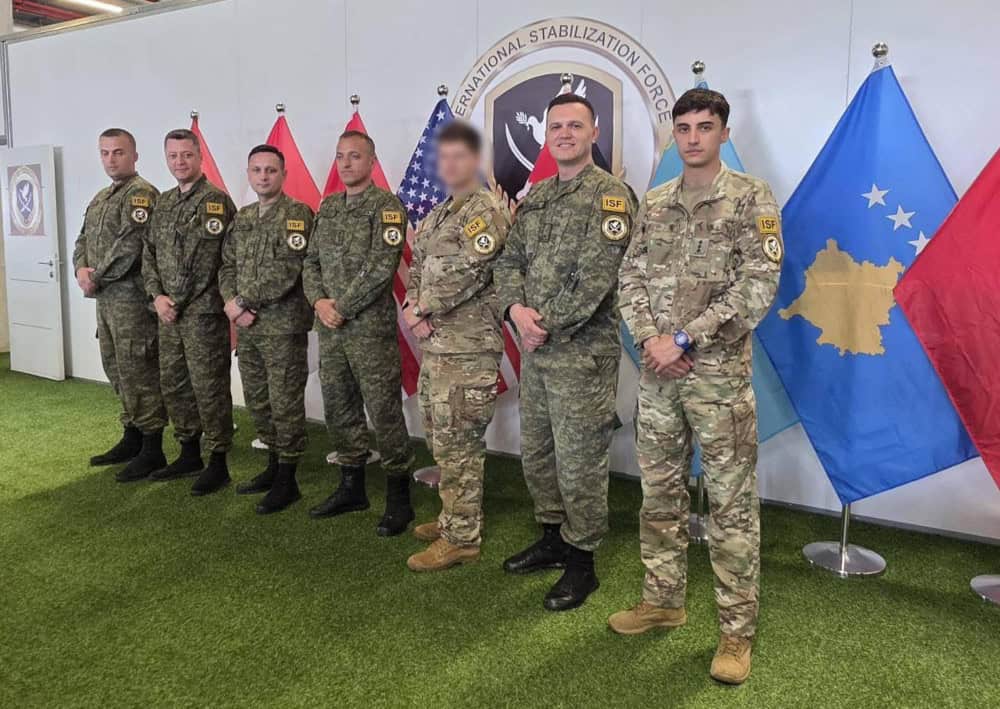
Kosovo has moved toward contributing forces for the International Stabilization Force (ISF) mission in Gaza, sending a military team to assess a future deployment area and coordinate with local and multinational officials. The security situation in Gaza remains tense despite a ceasefire, with uncertainty over Hamas’s disarmament.
-
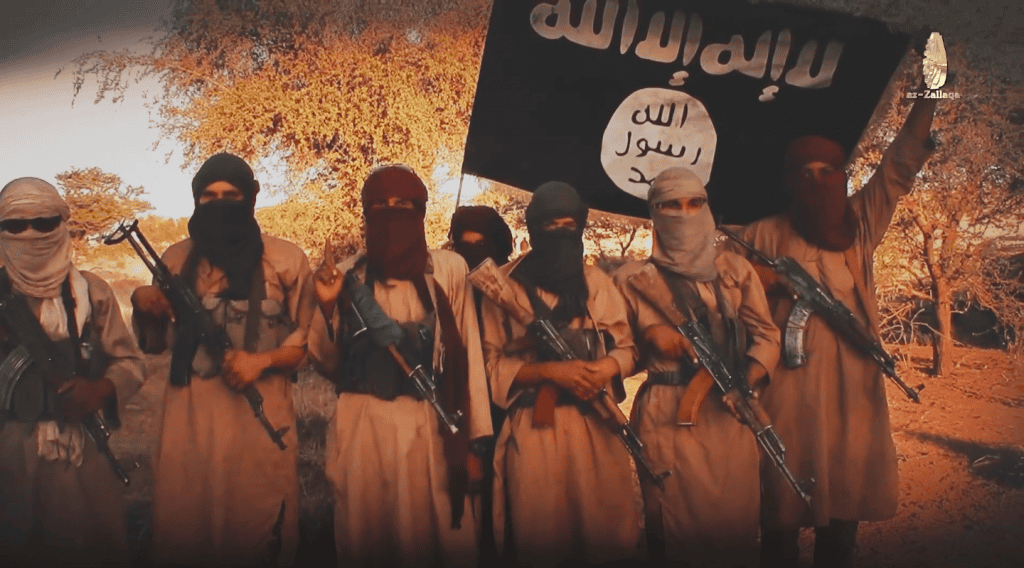
JNIM and allied rebels surge across Mali, take several cities, pressure capital
Al Qaeda’s Group for Support of Islam and Muslims (JNIM) and its allies in the Azawad Liberation Front (FLA) conducted a massive, widespread offensive in Mali, from Bamako to Kidal, on Saturday. Several cities fell under the complete or partial control of the militant alliance, while others, including Mali’s capital, remain under intense pressure.
-
Russian Shahed drone maker recruiting for new unmanned systems brigade
As part of Moscow’s efforts to expand its Unmanned Systems Forces, a vocational training center affiliated with Russia’s main Shahed drone producer is recruiting for a new unmanned systems brigade. Its recruitment messaging highlights fulfilling mandatory military service requirements while earning the pay of enlisted troops serving under contract but without the associated danger.

-
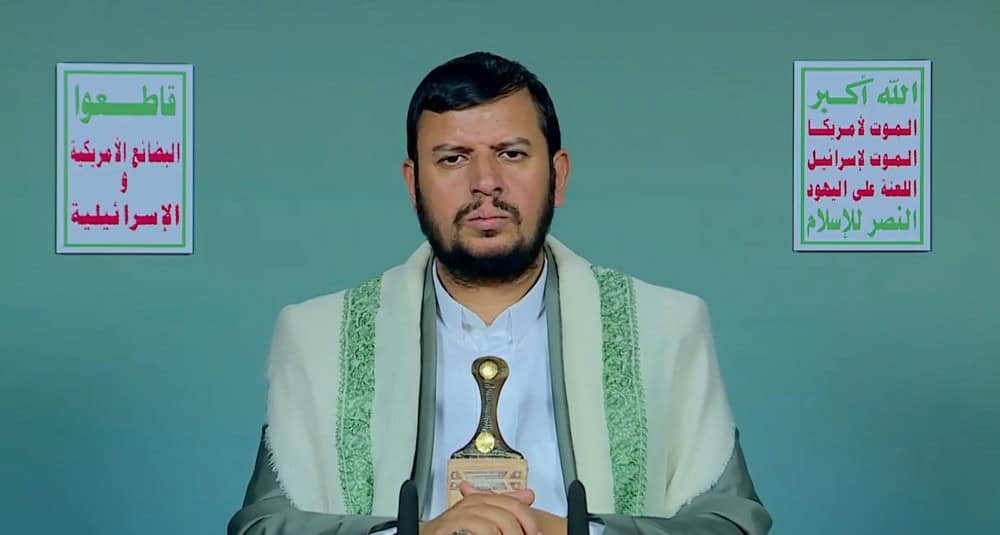
Houthis portray steadfast support for Iran, reportedly consider Red Sea toll
The Houthis have reiterated support for Iran despite their limited involvement in the Islamic Republic’s recent war with Israel and the United States. The Yemeni terrorist group is also reportedly weighing a toll for the safe transit of ships in the Red Sea, a move it has implemented before.
-
Generation Jihad | Iran’s Choke Point
Iran says it’s not in a rush to negotiate, but reality signals something else. Bill Roggio is joined by FDD Senior Fellow Miad Maleki — a former US Treasury sanctions architect — to break down why Tehran walked away from talks, what the Strait of Hormuz blockade is really doing, and why the regime may be under more pressure than at any point since 1979.
-
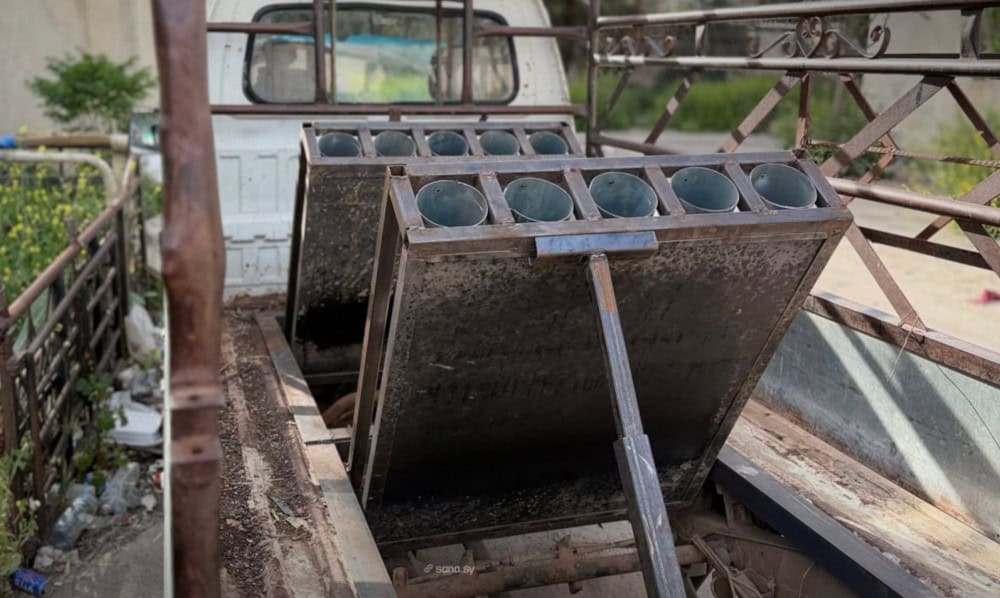
Syria thwarts Hezbollah plot, vows at UN to fight terrorist groups
Syria says it disrupted a Hezbollah-linked plot and uncovered rockets near the Quneitra area of the Golan Heights. Officials also reported arrests tied to another terrorist cell, plus the seizure of 500,000 Captagon pills in a joint anti-smuggling operation with Iraq. At the United Nations, Syria pledged to continue counterterrorism operations, while criticizing Israeli actions in southern Syria.
-
Iran attacks vessels in Hormuz, avoids concrete stance on ceasefire extension
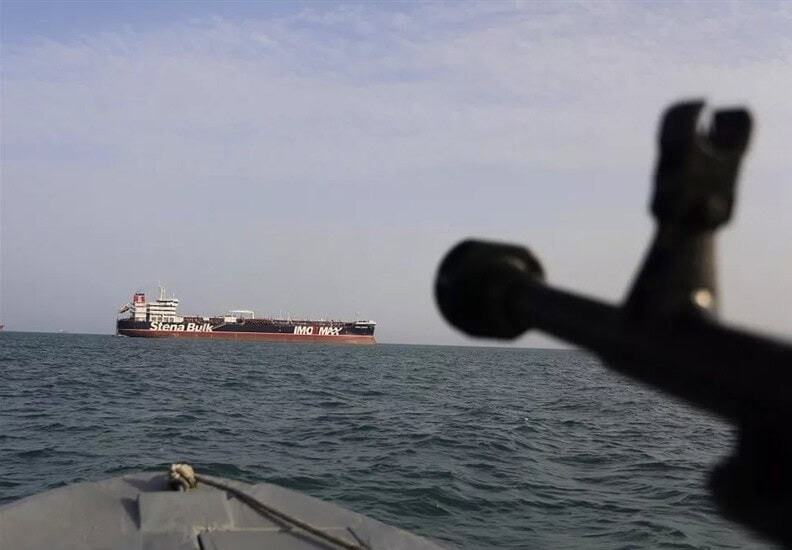
Tehran has refused to take an official position after US President Donald Trump’s announcement of an extension of the US ceasefire with Iran, while conditioning further negotiations on the lifting of the US naval blockade. Iran’s Islamic Revolutionary Guard Corps also threatened regional oil and digital infrastructure and attacked ships in the Strait of Hormuz.
-
Hamas says it may give up some weapons, IDF reports 5 ceasefire violations April 17-21
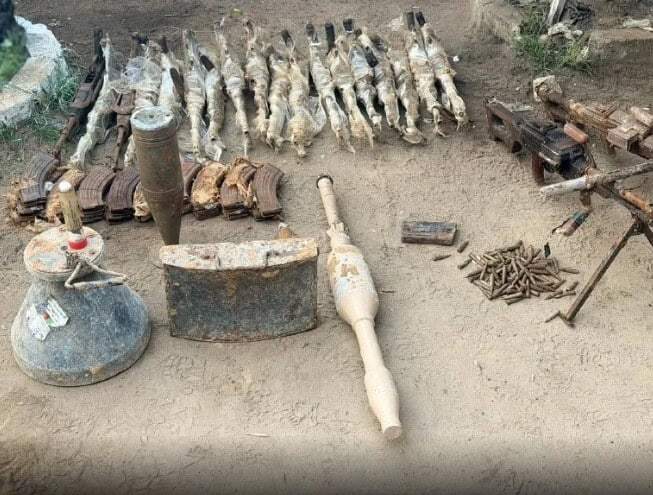
Hamas has reportedly indicated a readiness to give up thousands of rifles belonging to its police and internal security forces. The weapons conceded would still fail to meet the total disarmament required by President Donald Trump’s 20-point Gaza peace plan. The Israel Defense Forces also tracked five ceasefire violations between April 17 and 21.
-
Iraq aims to select new PM as US warns of Iran-backed threats, IRGC-QF head visits
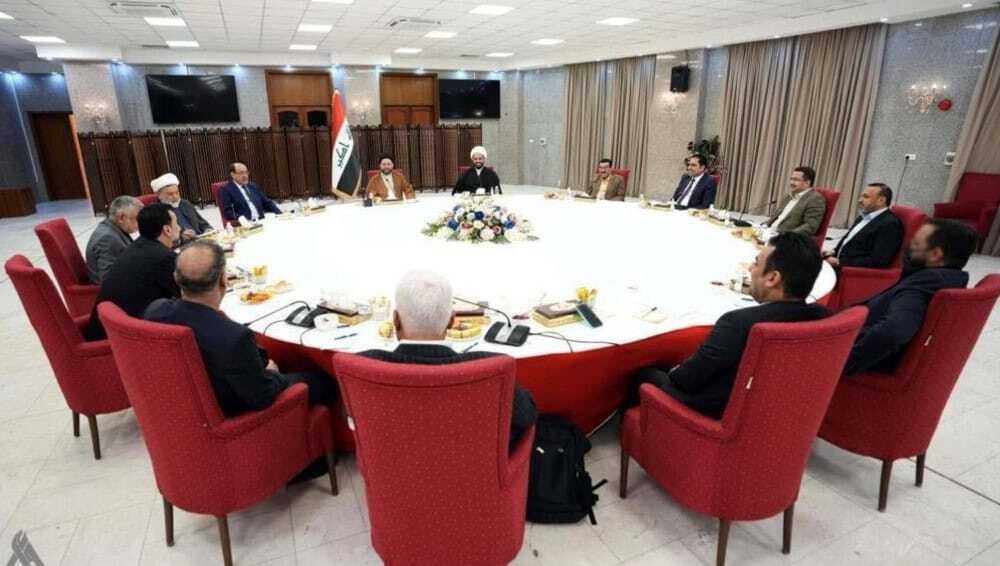
Iraq faces mounting political pressure as Shiite parties in the Coordination Framework (CF) seek to select a new prime minister amid tensions between the US and Iran. On the evening of April 20, the CF delayed its decision to nominate a candidate for the office until April 22. The US has reportedly paused some coordination with Baghdad pending investigations into attacks on US interests, and Iranian Islamic Revolutionary Guard Corps-Qods Force commander Esmail Qaani visited Iraq on April 19.
-
US Treasury designates 7 Iran-backed Iraqi militia commanders as terrorists
The US Treasury Department announced the designation of seven high-level members of Iran-backed Iraqi militias as Specially Designated Global Terrorists on April 17. Their organizations are previously US-designated terror groups that, operating under front groups, have conducted numerous attacks on the US presence in Iraq since the start of the war with Iran on February 28.

-
Iran’s war against regional states: UAE bore the brunt, Iraqi Kurdistan still under fire
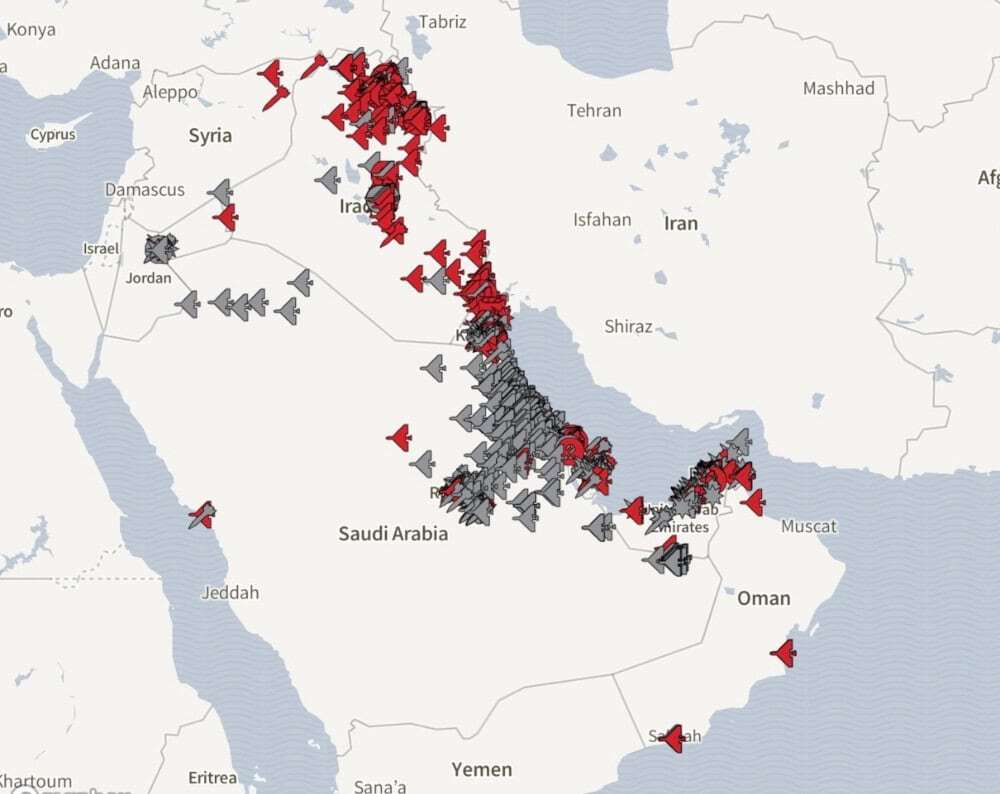
The ceasefire between the US and Iran has largely held since April 8, and large-scale Iranian barrages targeting predominantly Arab states have ended. However, some attacks, particularly against Iraqi Kurdistan, have continued.
-
Iran-linked group Ashab al Yamin surges attacks in European cities, claims 15 since March
The Iran-linked front organization Ashab al Yamin claimed eight attacks on what it describes as “American and Zionist interests” in European countries in April. The most recent statements by the group took responsibility for targeting multiple locations in London, including the Israeli embassy.

-
Analysis: The road to the latest Lebanon ceasefire
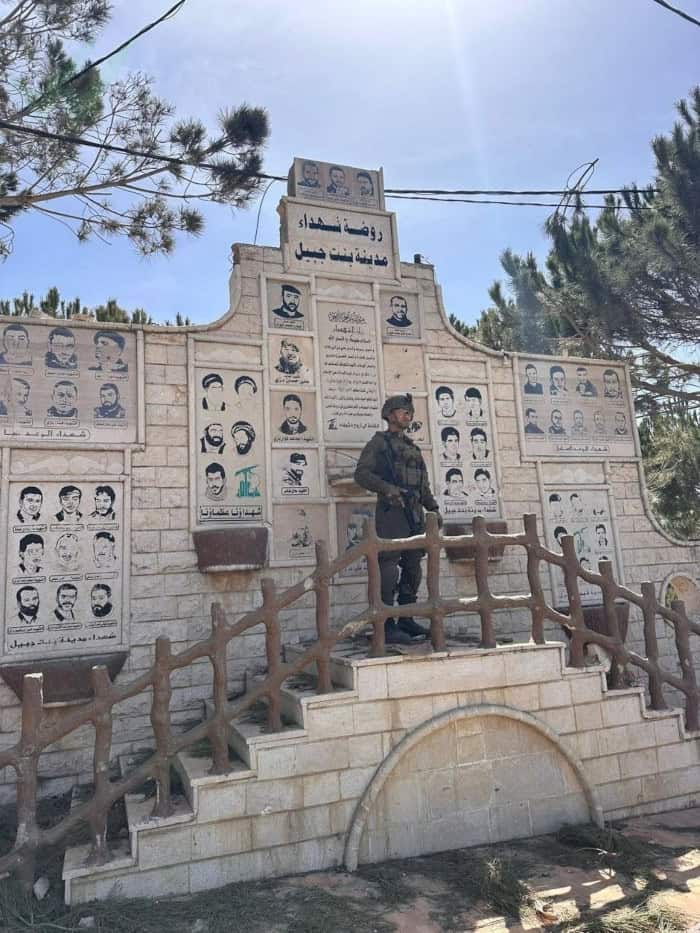
Iran has consistently sought to link its ceasefire with the United States to a concurrent cessation of hostilities in Lebanon. Tehran’s goal is to save Hezbollah, regardless of its stated aim of sparing Lebanon additional suffering. Iran, therefore, pressed the matter again as Hezbollah was on the cusp of losing the critical town of Bint Jbeil. A ceasefire in Lebanon went into effect on April 16.
-
Hamas rejects disarmament clause of Gaza peace plan, IDF reports 14 ceasefire violations April 8–16
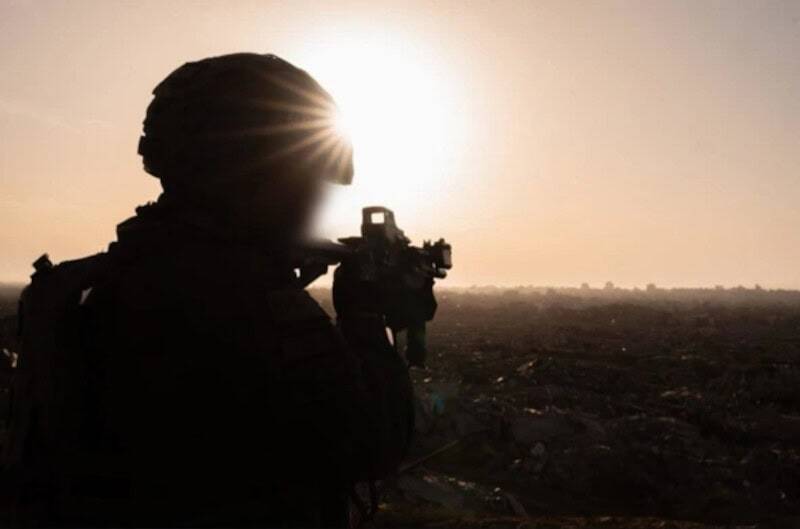
Kinetic events and military actions continue in Gaza, including 14 violations of the fragile ceasefire by Palestinian terrorists, according to the Israeli military. The Israel Defense Forces has documented an uptick in planned attacks against Israeli soldiers in the enclave.
-
Syrian president meets Syrian Democratic Forces leader to discuss next phase of integration
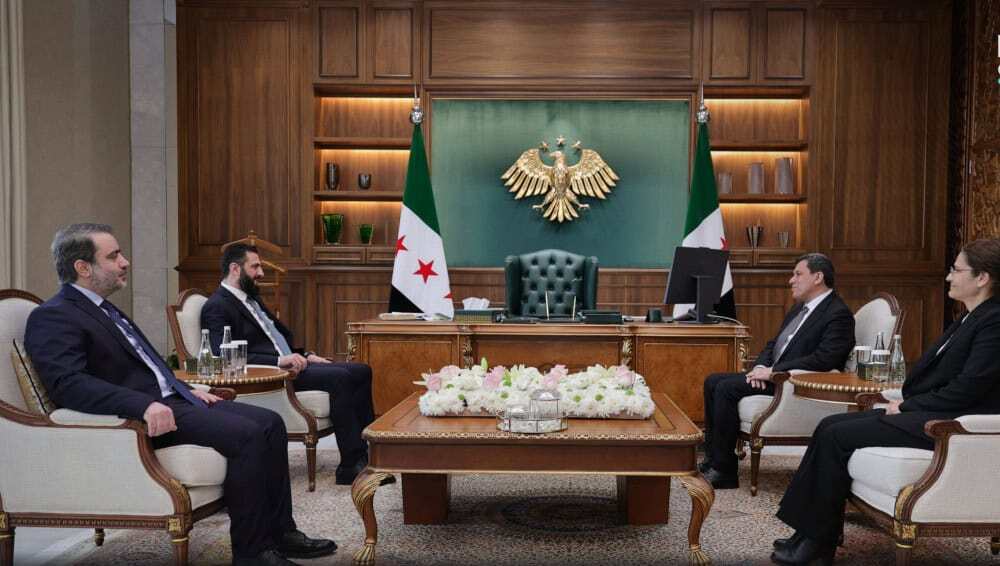
On April 16, Syrian President Ahmad al Sharaa met with Syrian Democratic Forces (SDF) commander Mazloum Abdi in Damascus to discuss advancing the integration of the SDF into state institutions, following a January agreement. The talks come amid shifting control in eastern Syria, including government moves to secure key bases and border crossings after a US withdrawal.
-
Generation Jihad | Battle for the Strait
FDD Senior Fellow Edmund Fitton-Brown joins Bill Roggio to assess the current state of the Iran War. From the dual blockade in the Strait of Hormuz to the failed peace negotiations, they consider: Why did Pakistan step up as mediator? Can Tehran stretch the Houthis for even more leverage in the Red Sea? Has the war pushed the Gulf States closer together?
-
Iraq focuses on political appointees, economic challenges amid Iran ceasefire
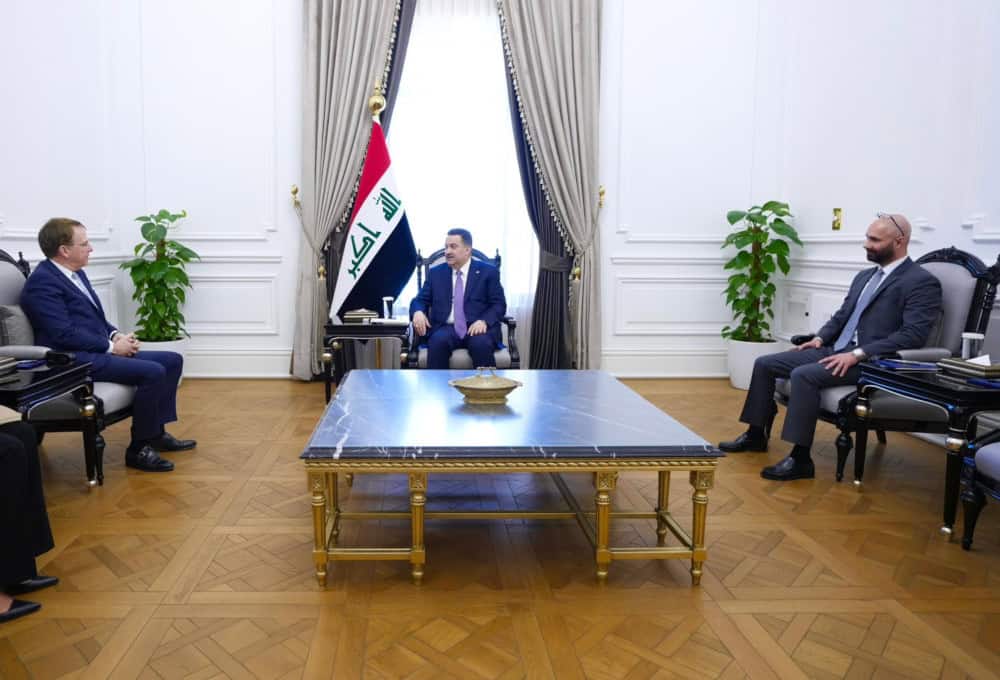
Baghdad is shifting toward political stabilization and economic challenges during the fragile post-conflict phase that follows more than a month of US-Israeli strikes on Iran and Iranian-backed militia attacks in Iraq. After hundreds of militia attacks, including strikes on US and Kurdish targets, Iraq is moving forward with long-delayed political appointments, including choosing a new president.
-
Iraqi fundraising drives linked to militias channel support to Iran and Hezbollah
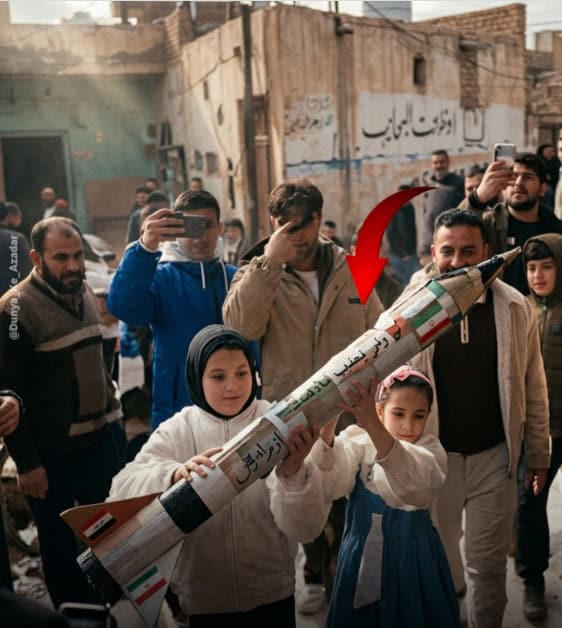
Efforts described by Iran-backed Iraqi militias as humanitarian campaigns increasingly show signs of serving as a parallel financial pipeline that also fuels Iran’s current war effort and regional proxy network. Across Iraq, groups aligned with Tehran are mobilizing donation drives framed as a religious obligation and in wartime solidarity.
-
A breakdown of Israel’s heavy bombardment of Beirut on April 8
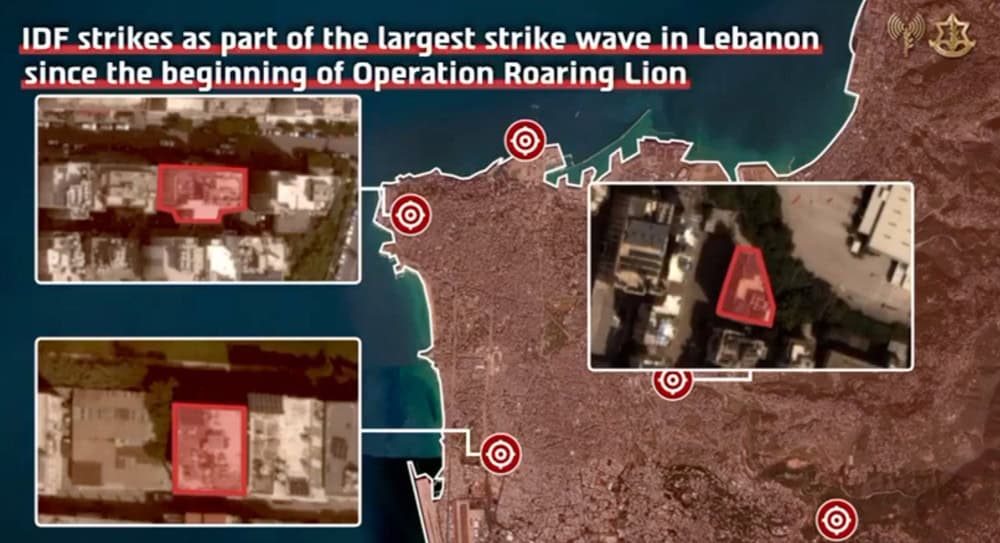
On April 8, Israel launched its most intense aerial blitz in Lebanon since the war with Hezbollah restarted. The strikes were particularly deadly in Beirut, where the Israeli military struck targets both in the suburb of Dahiyeh and, in a rare occurrence, the heart of the Lebanese capital. Israel alleges that Hezbollah operatives had moved northward out of the group’s Dahiyeh nerve center into the city.
-
Analysis: How to assess America’s 40 days of war against Iran
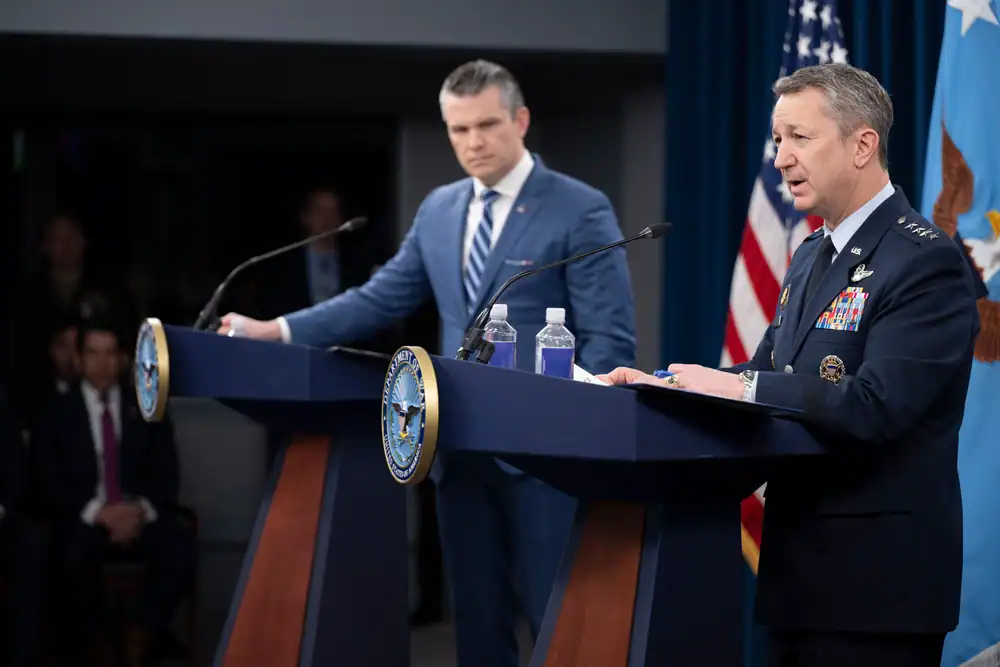
US and Israeli forces conducted an impressive campaign that significantly degraded Iran’s primary elements of military power. The operation did not, however, destroy these capabilities outright or eliminate Iran’s ability to project meaningful power outside of its borders.
-
Syria focuses on diplomacy amid Iran war
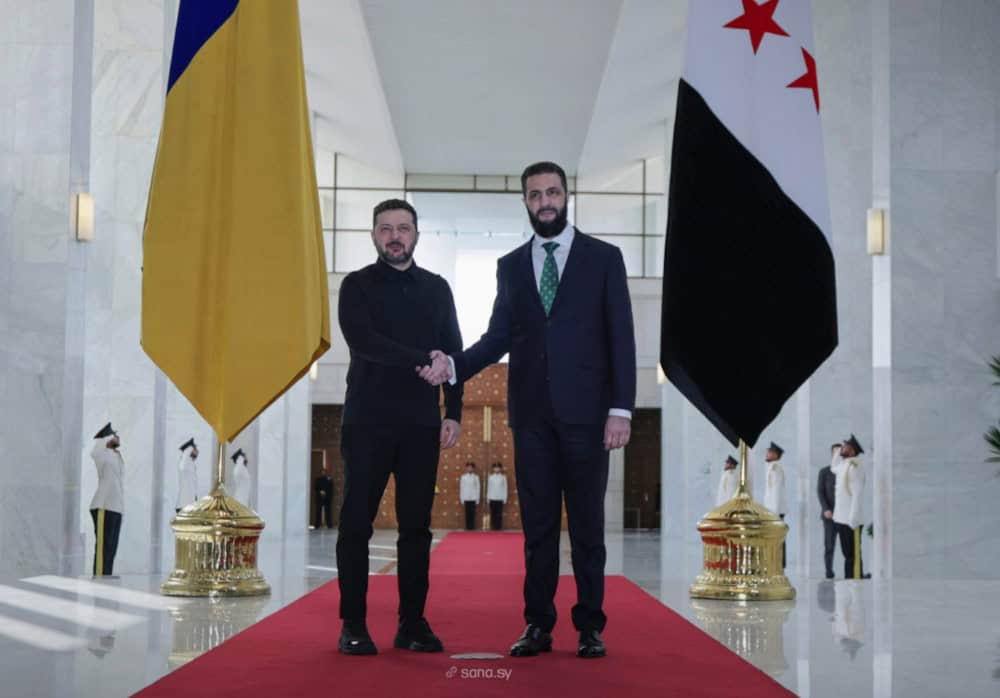
Syria has sought to position itself as a diplomatic actor amid the regional conflict with Iran, maintaining relative stability while several neighboring states faced significant missile and drone attacks. Damascus has intensified high-level engagements with Turkey, the United States, and Ukraine, highlighting efforts to rebuild international ties following the fall of the Bashar al Assad regime.
-
Generation Jihad | Ceasefire or Long Game
FDD Senior Fellow David Daoud and Bill Roggio examine the recent and fragile ceasefire in the ongoing Iran war. Will the fighting in southern Lebanon between Israel and Hezbollah break the peace, and has the Iranian resistance movement missed a golden opportunity?
-
Despite ceasefire, Iran and its militias continue attacking regional states (April 2–8 updates)
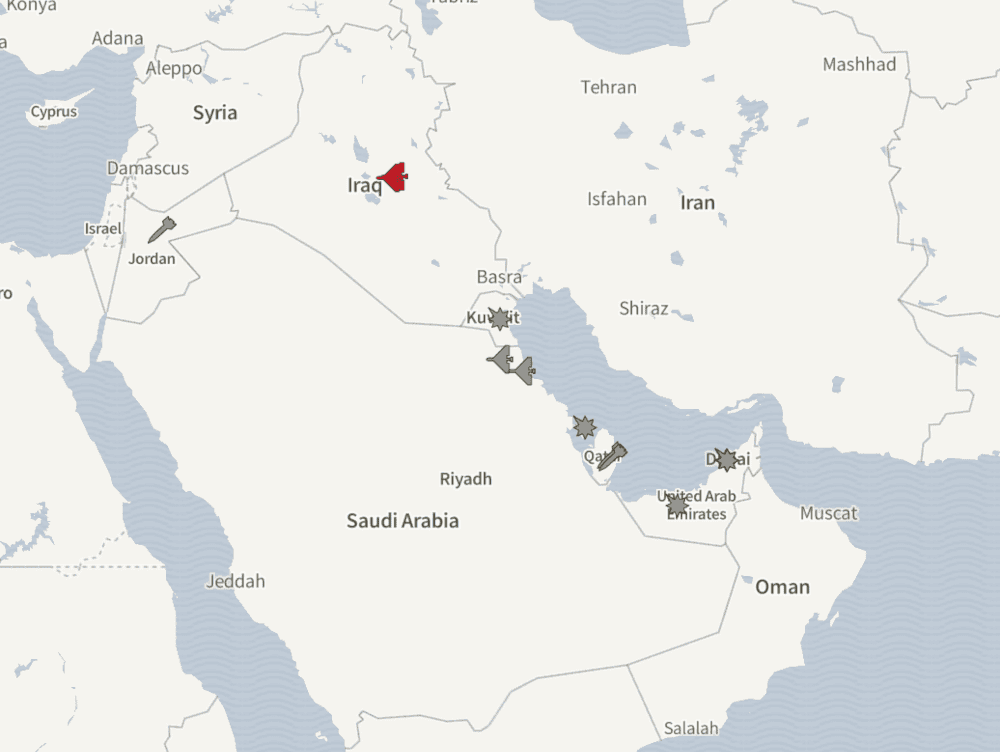
Iran and its allied militias launched numerous drones and missiles against regional countries between April 2 and April 8, continuing attacks after a ceasefire between Iran and the United States was announced yesterday. Across this period, the attacks remained concentrated on the Gulf, Jordan, Iraq, and Iraqi Kurdistan, with repeated mass-interception events in the United Arab Emirates, Kuwait, Bahrain, Saudi Arabia, and Qatar.
-
US, Iran agree to 2-week ceasefire in exchange for reopening of Strait of Hormuz
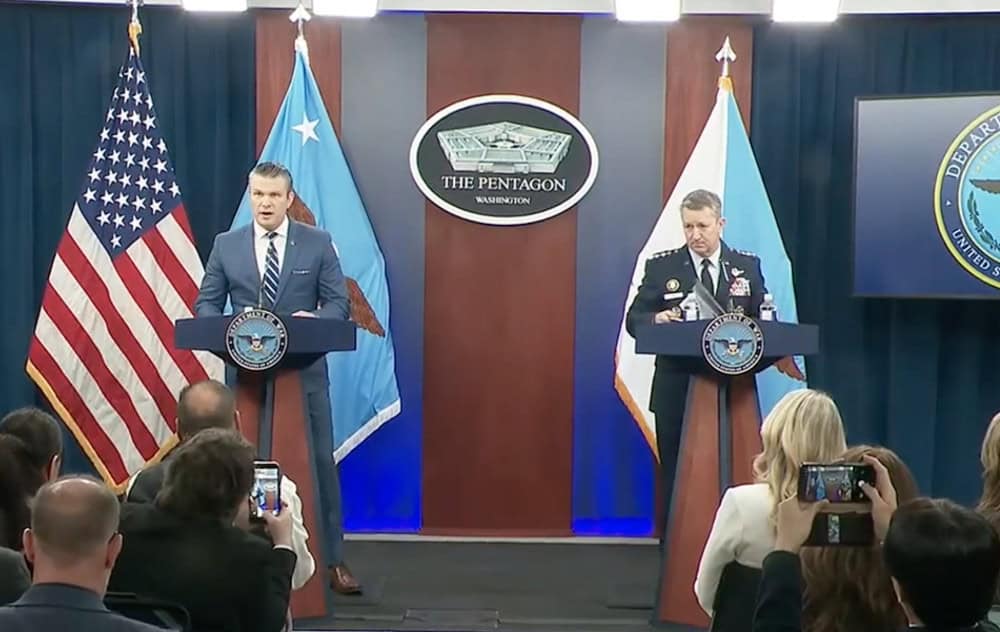
There are conflicting conditions demanded by the US and Iran for lasting peace, and Israeli and Iranian strikes continued after the ceasefire announcement. However, a cessation of hostilities and reopening of the Strait of Hormuz to international shipping appear to be agreed-upon items. Iranian leaders touted the ceasefire as a victory, while US officials said the objectives of destroying Iran’s military and nuclear capabilities were achieved.
-
Generation Jihad | Risky Raid Behind Enemy Lines
Bill Roggio and FDD Senior Analyst Cameron McMillan unravel the complex rescue of two US airmen shot down over Iran, including the strategic coordination and risks involved with the operation, plus the current state of the Iranian ballistic missile program and Tehran’s strategic adaptability amidst the dynamic conditions of this war.
-
Gunmen fire at police outside of Israeli consulate in Istanbul
Three attackers opened fire on police officers outside the Israeli consulate in Istanbul, Turkey earlier today. Turkish police killed one shooter and captured two others. The affiliation of the attackers is currently unknown, but the incident comes almost a week after the Islamic State called for attacks on Jews during the Passover holiday.