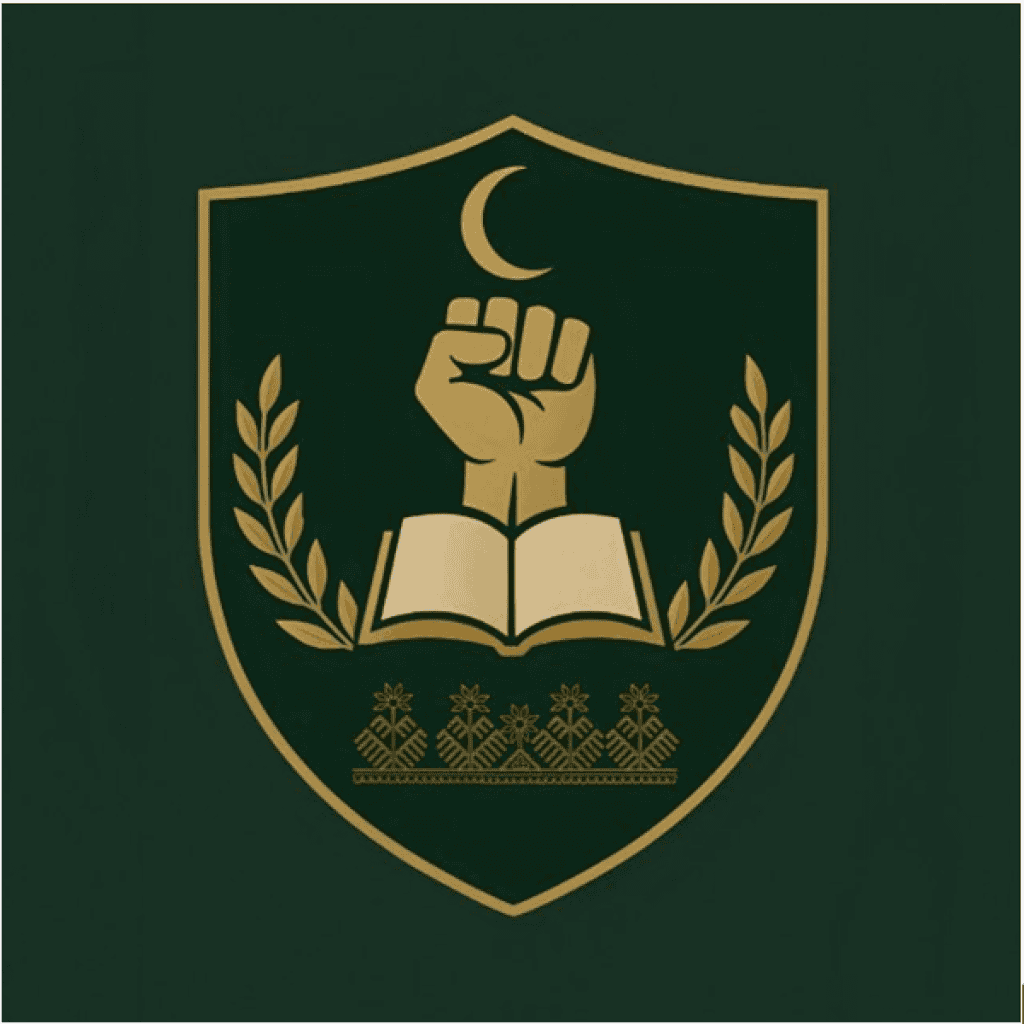
On December 10, several Iranian separatist groups belonging to the country’s Baluch minority announced that they will operate under the umbrella of the Popular Fighters Front (JMM).
The new coalition released a five-minute video on social media that depicts its masked spokesperson, Mahmoud Baluch, outlining the group’s ambitions. Citing the systemic oppression of the Baluch ethnic group under the Islamic Republic of Iran, the JMM spokesperson said that “the fighters of Sistan and Baluchistan, recognizing the sensitive moment the country is facing and seeking greater effectiveness in their struggle, have taken practical steps toward unity and coordination among all resistance forces.”
A manifesto published on JMM’s social media accounts claimed that the group was formed through the merger of several Baluch entities. The manifesto named PADA Baluch, a movement founded in 2017 to promote Baluch identity, and Harakate Nasr Baluchistan, established in 2006, as participants. It also included Jaish al Adl, founded in 2012 and portrayed as an armed group that has dealt significant blows to the regime’s security forces in Baluchistan. The Mohammad Rasulullah military group, created in the mid-1990s by Molabakhsh Derakhshan, is another listed component. The manifesto added a final category of “self-organized Baluch fighters” whose individual experiences in confronting the Islamic Republic are now being consolidated under JMM.
Jaish al Adl is the most active armed faction associated with Baluch militancy, with a long record of attacks against Islamic Revolutionary Guard Corps (IRGC) units, Iranian law enforcement, and border guards. It emerged after the dismantling of Jundallah, a Baluch Sunni militant network that the United States designated as a Foreign Terrorist Organization (FTO) in 2010.
The United States designated Jaish al Adl as a Specially Designated Global Terrorist (SDGT) entity in 2019 under Executive Order 13224, placing it on the Treasury Department’s Specially Designated Nationals (SDN) list. That same year, the State Department amended Jundallah’s FTO designation to list Jaish al Adl as an alias, formally recognizing it as Jundallah’s successor. “
JMM’s new manifesto says that under velayat-e faqih, the system in which a senior Shiite cleric holds ultimate political and religious authority over the state, “there is no possibility of seeking justice or achieving fairness” in Iran, and that efforts at reform face “severe repression.” It also states that the Front will pursue “media, political, diplomatic, cultural, and social activities” alongside its armed struggle.
The manifesto presents an unusual mix of separatist and national language. At several points, the document frames the Baluch as a distinct political community, stating that “the right to life of the Baluch people is disregarded” and defining its mission as protecting “the dignity, culture, political identity, and religious life of the people of Sistan and Baluchistan.” However, elsewhere, it speaks in nationwide terms, asserting that “more than 80 million citizens […] have no path to freedom except unity” and calling for cooperation with the broader “opposition.” This combination of appeals to a Baluch constituency and the wider Iranian public creates a notable contradiction in how the movement describes its goals.
JMM has already reportedly carried out an attack against the Iranian regime. On December 10, the IRGC regional command of Qods Headquarters confirmed that four members of its ground forces were killed and three others wounded in the Lar area of Zahedan during clashes with what it called “terrorist and hostile groups.” A local publication, Halvash, reported on December 11 that a group calling itself the Popular Fighters Front (JMM) claimed responsibility for the operation.
A range of Sunni militant factions have drawn on longstanding Baluch grievances to frame their struggle in ethnic and separatist terms. The Baluch regions of Iran have endured decades of state neglect and remain the country’s poorest provinces, creating conditions that are ripe for unrest. During the 2022 nationwide protests, Baluchistan saw the Islamic Republic’s most violent reprisals in what became known as “Bloody Friday,” when security forces killed roughly 100 demonstrators, among them 17 children, and wounded approximately 350.
Note: This post was updated to reflect the correct designations of Jaish al Adl as both a Specially Designated Global Terrorist (SDGT) entity and a Foreign Terrorist Organization (FTO).