On July 29, the United Nations Security Council Analytical Support and Sanctions Monitoring Team released its latest report detailing terrorist group activities around the world. The section on Syria discussed the most recent developments related to the resurgence of the Islamic State and Al Qaeda, in addition to the difficulties of integrating various groups into the country’s military.
The UN Monitoring Team report notes that “at least 9 out of 23 [Syrian government] ministers are directly or indirectly linked” to Hayat Tahir al Sham (HTS), the former Islamist coalition led by interim President Ahmad al-Sharaa that took over Syria and overthrew former dictator Bashar al Assad. HTS succeeded Jabhat al Nusrah, Al Qaeda’s former branch in Syria. Among the HTS-affiliated officials are the heads of the most prominent ministries: foreign affairs, defense, interior, and justice.
The report also highlights the rising sectarian violence in Syria, most importantly, the massacres on the Syrian coast in March 2025, where HTS affiliates, Turkish-backed Syrian National Army factions, and Hurras al Din, Al Qaeda’s current affiliate in Syria, took part. UN Monitoring Team further states that “many tactical-level individuals hold more extreme views than the HTS leader and interim president, Ahmad al-Sharaa, and the Interior Minister Anas Khattab, who are generally regarded as more pragmatic than ideological.” Finally, the report claims that there are “no active ties between Al-Qaeda and HTS.”
The UN Monitoring Team details how, in the aftermath of the fall of the Assad regime, both the Islamic State and Al Qaeda took advantage of the chaos and “seized stockpiles of heavy weaponry held by the previous government.” Prisoners affiliated with both groups also managed to escape from prisons. The most recent escape was in March, when 70 detainees fled a prison in Aleppo. In total, 500 detainees linked to both terrorist organizations have been released since the fall of the Assad regime.
The UN Monitoring Team report assesses that the Islamic State “exploited shifting security conditions in the Syrian Arab Republic, where some key leaders remained based, and maintained up to 3,000 fighters across Iraq and the Syrian Arab Republic.”
The primary location of the Islamic State’s cells has been the Syrian Desert, with a smaller presence “near Damascus and the Aleppo countryside, Homs and southern regions.”
According to the report, the Islamic State “also tried to incite sectarian tensions and ran multilingual campaigns to discredit al-Sharaa, recruiting some dissatisfied fighters, foreign terrorist fighters and former regime soldiers.”
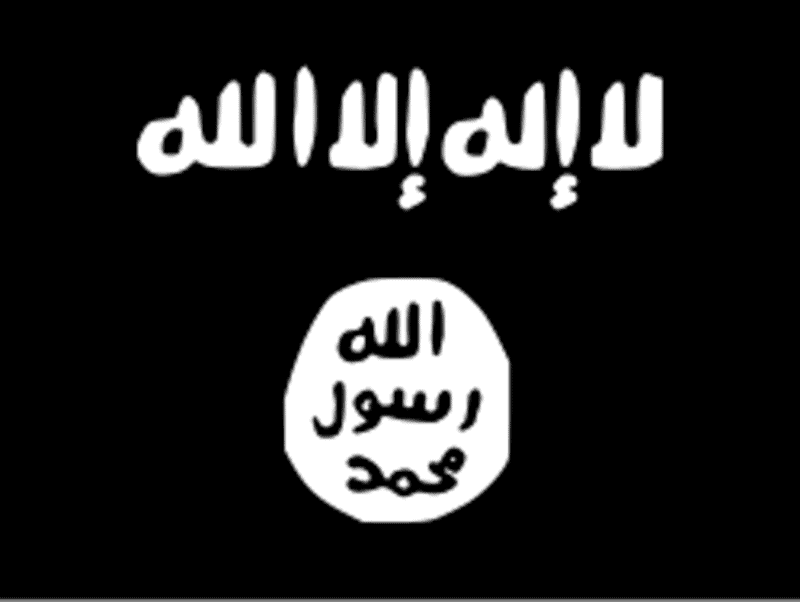
While the UN Monitoring Team does not name specific groups linked to the Islamic State, Saraya Ansar al Sunnah—a group that claims it splintered from Hayat Tahrir al Sham—can be linked to the Islamic State, given that it has continuously criticized Sharaa and incited against minorities in Syria. The report claims that the Islamic State “carried out more than 90 attacks across the country, mostly targeting Syrian Democratic Forces in north-eastern Syrian Arab Republic, where about 400 ISIL (Da’esh) fighters remain active.”
Regarding Al Qaeda and its affiliates, the report claims that Hurras al Din saw its decision to dissolve as “largely symbolic.” The report adds that the “group retained approximately 2,000 fighters.” The group’s leaders are Samir Hijazi and Sami al Aridi, who are present in northwest Syria and have coordinated with “HTS defectors to form new factions in Idlib and the coastal countryside.”
The report further claims that some members within Hurras al Din are “exploring relocation to Afghanistan, Africa, or Yemen under al-Qaida leadership.”
The UN Monitoring Team report also raised the issue of “foreign terrorist fighters,” stating that the number of them “at large in the Syrian Arab Republic [is] estimated at more than 5,000.” It further claimed that “certain foreign terrorist fighters (in particular from Central Asia) retained external ambitions, were dissatisfied with the interim government’s approach, and may operate beyond its control.”
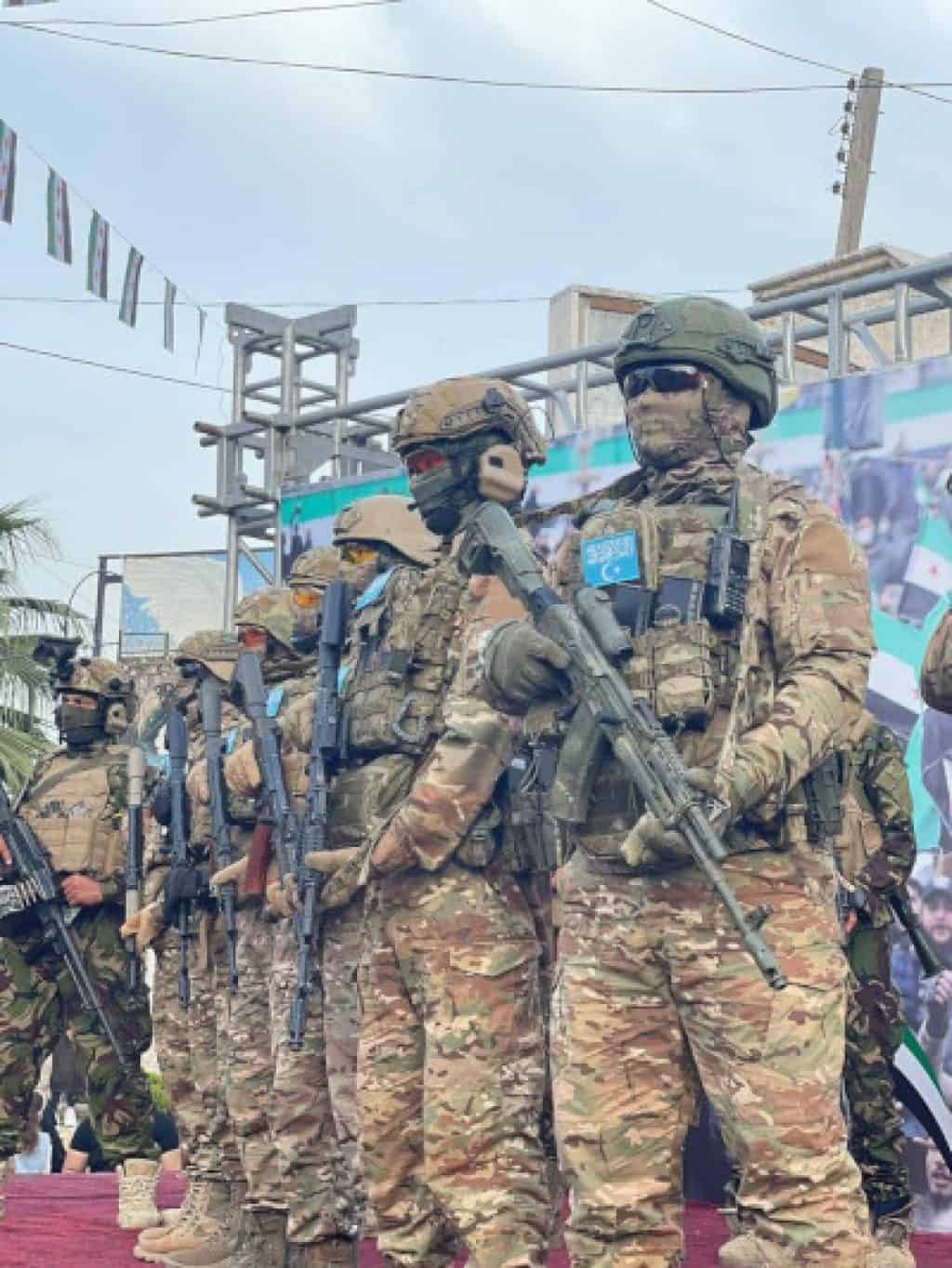
Notably, the Trump administration has greenlit the integration of foreign fighters into Syria’s armed forces. Despite the integration of the Turkistan Islamic Party, an Al Qaeda-affiliated Uighur jihadist group that operates in both Afghanistan and Syria, into the Syrian army under the 84th Division, the report mentioned that the “interim government had not asserted full control over all factions, including some that held extremist ideologies.”
One of those independent groups is Katibat al Tawhid wal Jihad, a US-designated terrorist organization. Other organizations mentioned by the report are “Ajnad al-Kawkaz, Ansar al-Tawhid, Ansar al-Islam, Ansar al-Din, [and] Katibad al-Ghoraba al-Faransiya.” Some of these groups still have a relationship with Al Qaeda affiliates and share logistics.