-
IDF clears Beit Hanoun, completes several operations in northern Gaza
The Israel Defense Forces (IDF) completed several local operations in northern Gaza aimed at defeating terrorist threats in Shejaiya, Zeitoun, and other areas. The IDF’s 99th and 162nd Divisions operated in Beit Hanoun for three weeks, and the Israeli military estimates it will take another week to completely clear the town of terrorists. The IDF’s 98th Division also completed missions in Shejaiya. The latest operations in northern Gaza ended as humanitarian aid increased to the territory.

-
Generation Jihad | New UN report on state of global jihad
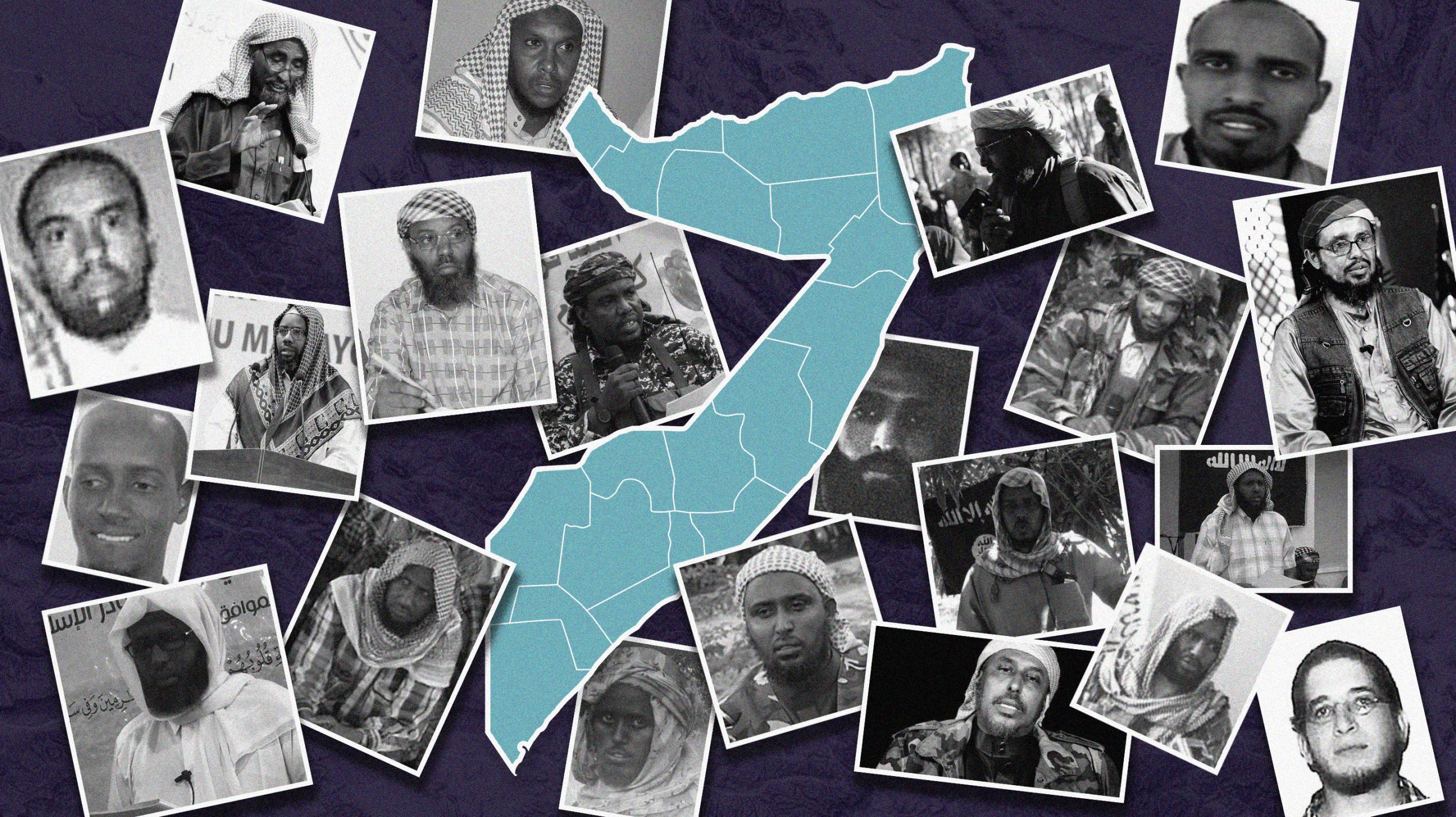
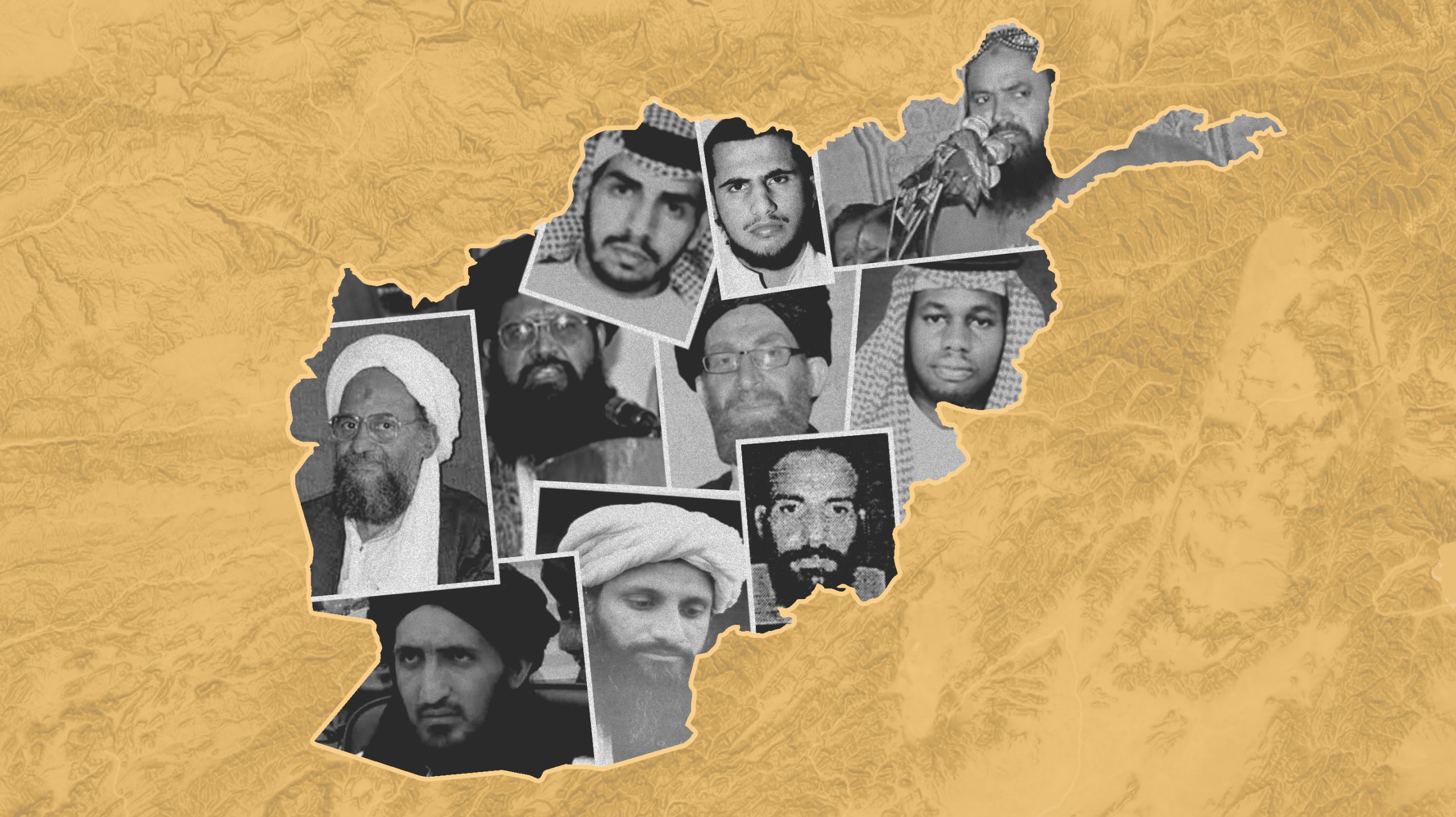
Bill is joined by Caleb Weiss and Edmund Fitton-Brown to analyze the UN’s latest Analytical Support and Sanctions Monitoring Team report on the evolving threats posed by Al Qaeda and the Islamic State — from their current state and leadership to the geopolitical influences at play and strategic significance of areas like Syria, Iraq, and Somalia

-
Israeli operations in Lebanon against Hezbollah: July 21–27, 2025
Israel continued military operations in Lebanon between July 21 and July 27, 2025. These activities included targeted assassinations of Hezbollah operatives involved in the group’s regeneration efforts and strikes on its assets.
-
Israel enables increased humanitarian aid for Gaza
The Israel Defense Forces (IDF) began to facilitate increased humanitarian aid to Gaza on July 26, the IDF said, including completing new air drops of assistance, opening new humanitarian corridors, and pausing fighting in areas of the territory during the day. The policy change came as ceasefire talks broke down in Qatar and international pressure increased on Israel to enable more aid for Gaza.

-
Generation Jihad | Mapping the chaos in Syria
Behnam Ben Taleblu, David Daoud, and Ahmad Sharawi unpack the ongoing tensions in Syria and the country’s political landscape, including the role of the Druze community, Iranian influence, Israel’s military strategy, and the broader implications for Israel and the United States.
-
Analysis: Syrian Druze are not entitled to self-determination, and Kurds cannot yet pursue secession
Damascus’s new rulers may be unwilling or unable to protect Syria’s minorities, and calls have arisen to carve sovereign states for Kurds and Druze out of Syrian territory. However, these calls reflect a fundamental misunderstanding and misapplication of the principle of self-determination.

-
US ground raid captures Islamic State leader in northern Somalia
The United States launched a rare ground operation in northern Somalia that apprehended Abdiweli Mohamed Yusuf, the finance emir for the Islamic State’s so-called Somali Province. The raid was the first confirmed US ground operation in northern Somalia since January 2023.
-
Germany considers buying US-made Typhon as ‘bridge’ long-range strike solution
As part of its efforts to fill Europe’s gap in long-range strike capabilities, Berlin is interested in buying the US-made Typhon missile launch system as a “bridge” until European-developed systems enter service.

-
Suspected bus bomber captured by Israeli authorities
Following a five-month manhunt, Israeli authorities said they located and apprehended the suspect behind a series of bus bombings in central Israel earlier this year. Authorities did not detail if the individual had ties to specific terrorist groups, though there are indications the bombings were connected to a Hamas branch in the West Bank

-
US expresses concern over Iraqi legislation enshrining militias as independent security force
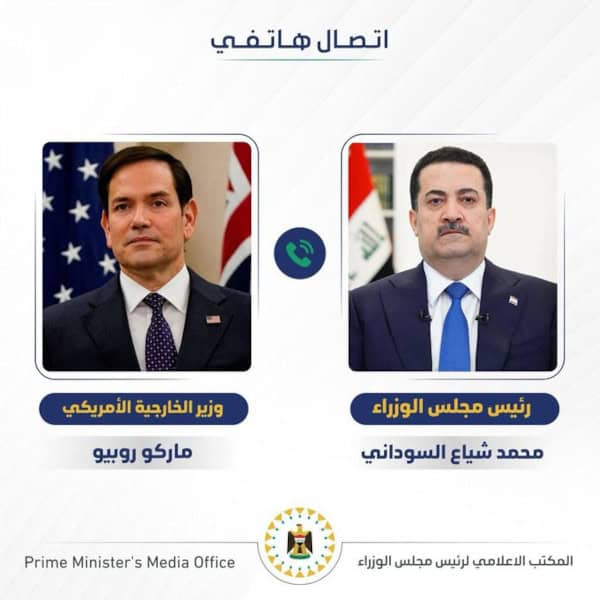
US Secretary of State Marco Rubio voiced American objections to pending Iraqi legislation concerning the Popular Mobilization Forces (PMF), an entity largely composed of pro-Iranian militias. Iraq is attempting to pass a law to protect and legitimize the PMF as an autonomous security organization separate from other government military or security agencies.
-
Generation Jihad | Syria’s Turmoil
Bill, Joe and Ahmad cut through the social media smokescreen surrounding Suwayda’s Druze‑Bedouin clashes, from shifting loyalties to regime reprisals, as well as unpack Israel’s Gaza City offensive.
-
New head of anti-Islamic State mission in Iraq and Syria takes command
The anti-Islamic State coalition of Combined Joint Task Force-Operation Inherent Resolve received its new commander at a ceremony in Iraq on July 21, 2025. Brigadier General Kevin Lambert took over for Major General Kevin Leahy, who served in the role for a year. Lambert takes over as US allies in Syria may integrate into the new Syrian armed forces, and the US is weighing its next steps in the country.

-
Israeli operations in Lebanon against Hezbollah: July 14–20, 2025
Israel continued operations in Lebanon between July 14 and July 20, 2025. These activities included strikes on Radwan Force training camps and targeted killings of Hezbollah operatives.
-
Egypt cracks down on Muslim Brotherhood-affiliated HASM terror organization amid resurgence
Egyptian security forces killed two suspected members of Harakat Sawaid Misr (HASM) in a shootout in Giza on July 20. The raid follows a new HASM propaganda video threatening fresh attacks, along with calls from affiliated regional leaders for “armed and revolutionary activism.”

-
IDF gears up for expanded operation in Gaza’s Deir al Balah
The Israel Defense Forces (IDF) expanded operations into part of the Gaza town of Deir al Balah, according to reports on July 21. In other sectors of the territory, the Israeli military continued to conduct precision strikes and expand areas it controls. The IDF now controls 75 percent of Gaza, according to IDF Chief of Staff Eyal Zamir. An errant Israeli shell struck the Holy Family Catholic Church in Gaza City on July 17.

-
The post‑12‑Day War chessboard
Bill and Edmund Fitton‑Brown break down the post‑12‑day war chessboard: Houthis, Hezbollah, and Tehran’s other proxies—what they’ve learned, and where to anticipate the next flashpoint.
-
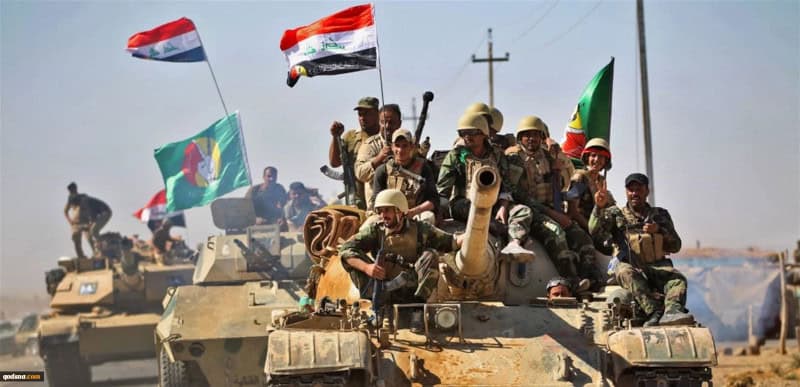
Iran and its militias brace for another conflict with Israel
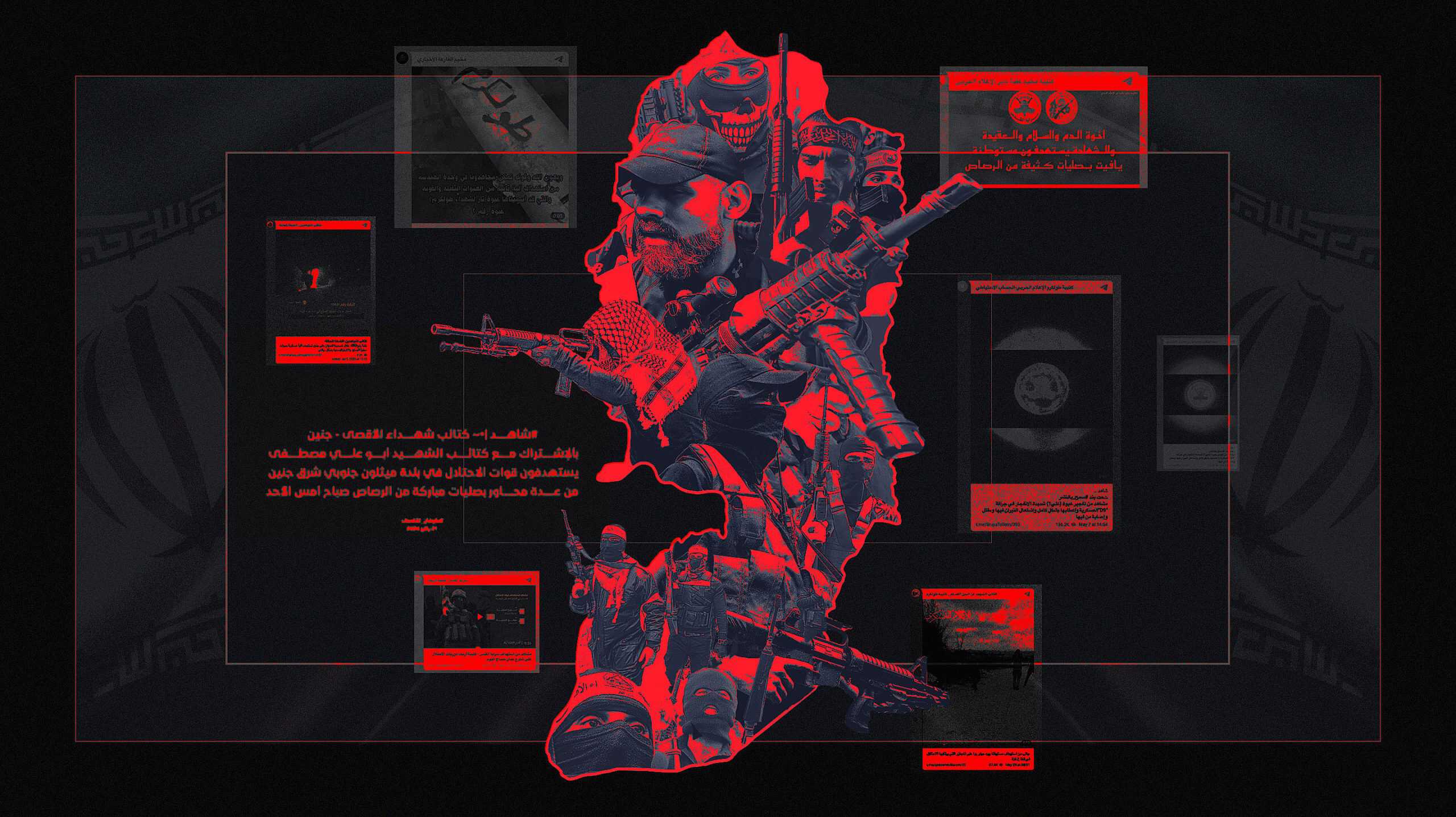
Tehran’s leaders anticipate another war with Israel and have instructed their proxies to remain on high alert for a potential attack wave. Jerusalem has not ruled out the possibility of a new conflict with the Islamic Republic and is optimistic about a green light from Washington.
-
Generation Jihad | Another quiet week for the Houthis, Syria, etc.
Bill, Ahmad, and Bridget unpack this week’s biggest headlines out of the Middle East, including Druze militias overrunning Soweda as Israeli jets blast Damascus; anonymous drones torching Kurdish oilfields and U.S. posts; Yemeni forces intercepting 750 tons of Iranian arms—and more.
-
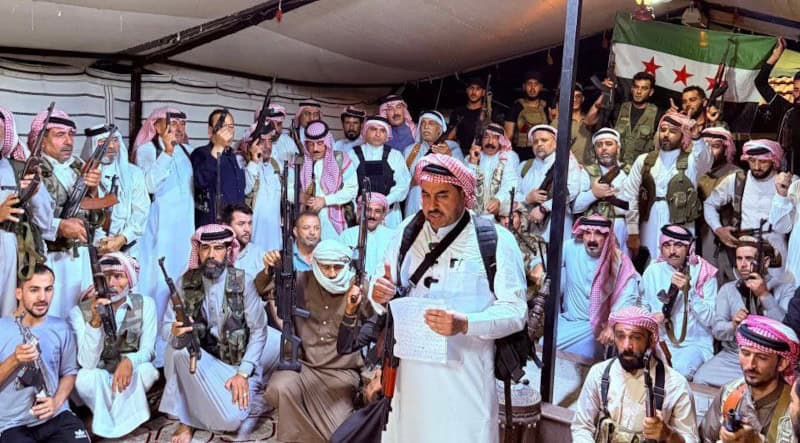
Clashes intensify between Arab Bedouin tribes and Druze militias in Suwayda, Syria
Clashes between Druze militias and Sunni Arab tribes have continued and grown after Syrian Army forces withdrew from the predominantly Druze governorate of Suwayda on July 16.
-
US lists Pakistan-supported Resistance Front as Foreign Terrorist Organization
The US State Department added the Resistance Front to its list of Foreign Terrorist Organizations. The Resistance Front, a cover organization of the Pakistan-supported and Al Qaeda-allied Lashkar-e-Taiba terror group, claimed credit for the April 22 attack in the Indian union territory of Jammu and Kashmir that killed 26 tourists.
-
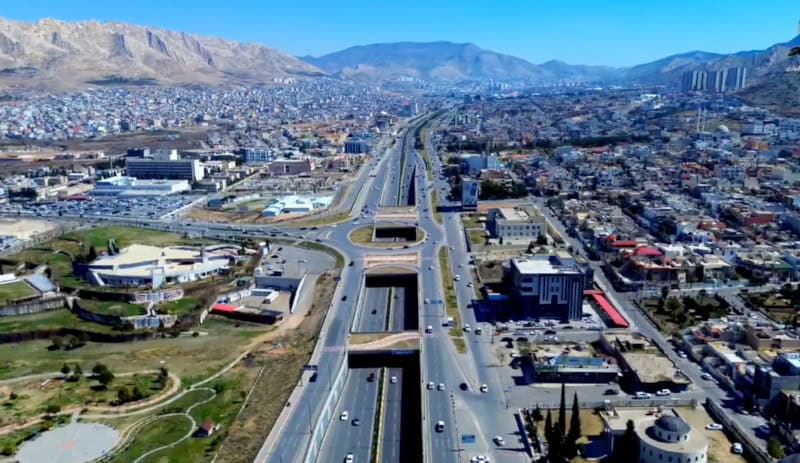
US, UK condemn drone attacks targeting energy sites in Iraq’s Kurdistan Region
The US and UK Embassies in Baghdad have issued statements regarding recent drone attacks targeting the Kurdistan Region of Iraq. “The United States condemns the recent drone attacks throughout Iraq, including the July 14 and July 15 drone attacks on critical infrastructure at the Khormala and Sarsang oil fields in the Iraqi Kurdistan Region,” the US said on July 15. Drone attacks continued on July 16 and 17. Officials in the autonomous Kurdistan Regional Government have accused Iranian-backed militias within Iraq’s Popular Mobilization Forces of the attacks.
-
Mysterious wave of explosions, sudden IRGC death disrupt post-ceasefire calm in Iran
Israel and Iran indirectly agreed to a ceasefire on June 24, yet a wave of explosions and the mysterious death of an IRGC general over the past week have disturbed the relative calm in Iran. The regime has attributed every explosive incident to “gas leaks,” despite contradictory evidence. Israel has remained silent on these events but likely maintains intelligence superiority and the capacity to conduct operations in Iran.

-
Hamas-affiliated ‘agitators’ foment violence at aid site, 20 Palestinians dead: GHF
The Gaza Humanitarian Foundation (GHF) said that Hamas affiliates are behind a deadly crowd crush at an aid distribution site in Khan Younis on July 16. Twenty Palestinians died in the incident, including one person who was stabbed to death. In a related incident at the site, an American medic belonging to the GHF was wounded by a Hamas affiliate.

-
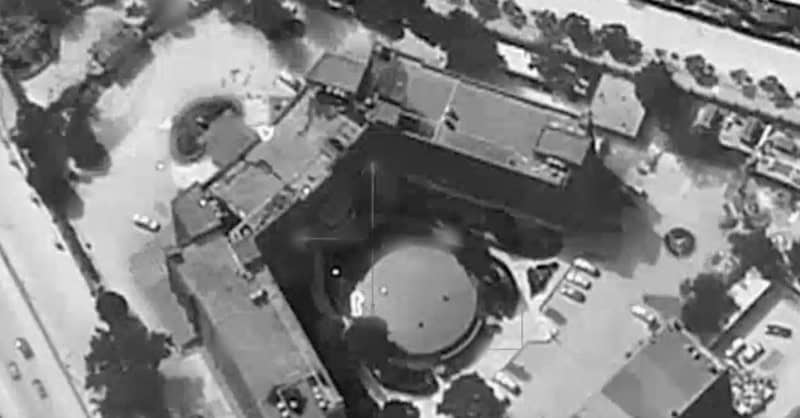
Israel intensifies airstrikes on Syria to deter attacks on Druze
Israel has increased attacks on government sites in Damascus and carried out airstrikes against Syrian forces to deter attacks against the Druze minority in southern Syria. The Israel Defense Forces struck tanks and vehicles on July 14 and 15. On July 16, it expanded the campaign to target an area near the Syrian Presidential Palace and struck a military headquarters in Damascus. Israeli officials have vowed over the last six months to protect the Druze in Syria and keep southern Syria demilitarized.
-
Shabaab seizes two towns in central Somalia
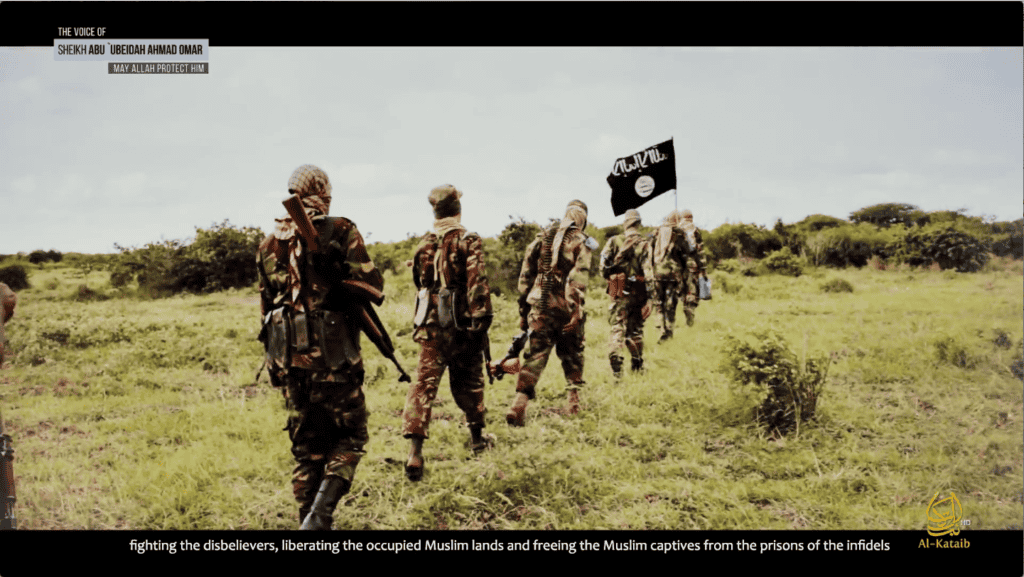
Shabaab has reasserted its dominance in the Hiiran region in central Somalia. The Al Qaeda branch’s takeover of the towns of Moqokori and Tardo effectively completes the rollback of the government’s offensive in those areas, which began in 2022.
-
Clashes intensify between Druze militias, Bedouin tribes, and government forces in southern Syria
Syrian Armed Forces entered the Druze-majority governorate of Suwayda for the first time on July 15, prompting severe clashes with Druze militias that have long resisted state control.

-
Iran threatens Europe as France, Germany, and UK weigh snapback options
As France, Germany, and the UK weigh triggering snapback sanctions, Tehran has escalated its threats against Europe both rhetorically and operationally. Mohammad Javad Larijani, a senior advisor to the Supreme Leader, warned that Europeans “can no longer move about comfortably,” pointing to Iran’s growing drone capabilities as a tool of deterrence. From supplying Russia with drones for use in Ukraine to cultivating organized crime networks across Europe, the Islamic Republic is leveraging multiple pressure points to dissuade the E3 from restoring UN sanctions under Resolution 2231.

-
Israeli operations in Lebanon against Hezbollah: July 7–13, 2025
Israel continued military operations in Lebanon between July 7 and July 13, 2025. These activities included targeted killings of terrorist personnel, including a smuggler for Iran’s Islamic Revolutionary Guard Corps (IRGC) and a senior Hamas operative.
-
Generation Jihad | Loose ceasefires sink ships
The Houthis are back at it—sinking ships, killing civilians, and holding crews hostage in the Red Sea. Bill is joined by his FDD colleagues Bridget Toomey and Bradley Bowman to unpack the details and discuss why Iran-backed proxies keep getting away with it—including how the U.S. “ceasefire” deal may have emboldened them. Also: Where’s Europe? And why does everyone seem more afraid of offending Tehran than protecting global shipping and freedom of navigation?
-
Generation Jihad | Does helping Ukraine help us?
Does arming Ukraine come at the expense of our military readiness—or is it an investment in it? Bill asks his FDD colleague and military expert Bradley Bowman to set the record straight on what it really takes for the US to defeat its enemies in the long war — and why deterring China, Russia, and Iran simultaneously is essential for American national security. From munitions math and Pentagon priorities to strained stockpiles, weapons we’re sending, and weapons we’re not making fast enough, Brad covers the bases to illustrate why helping our democratic partners do damage to our enemies now is…