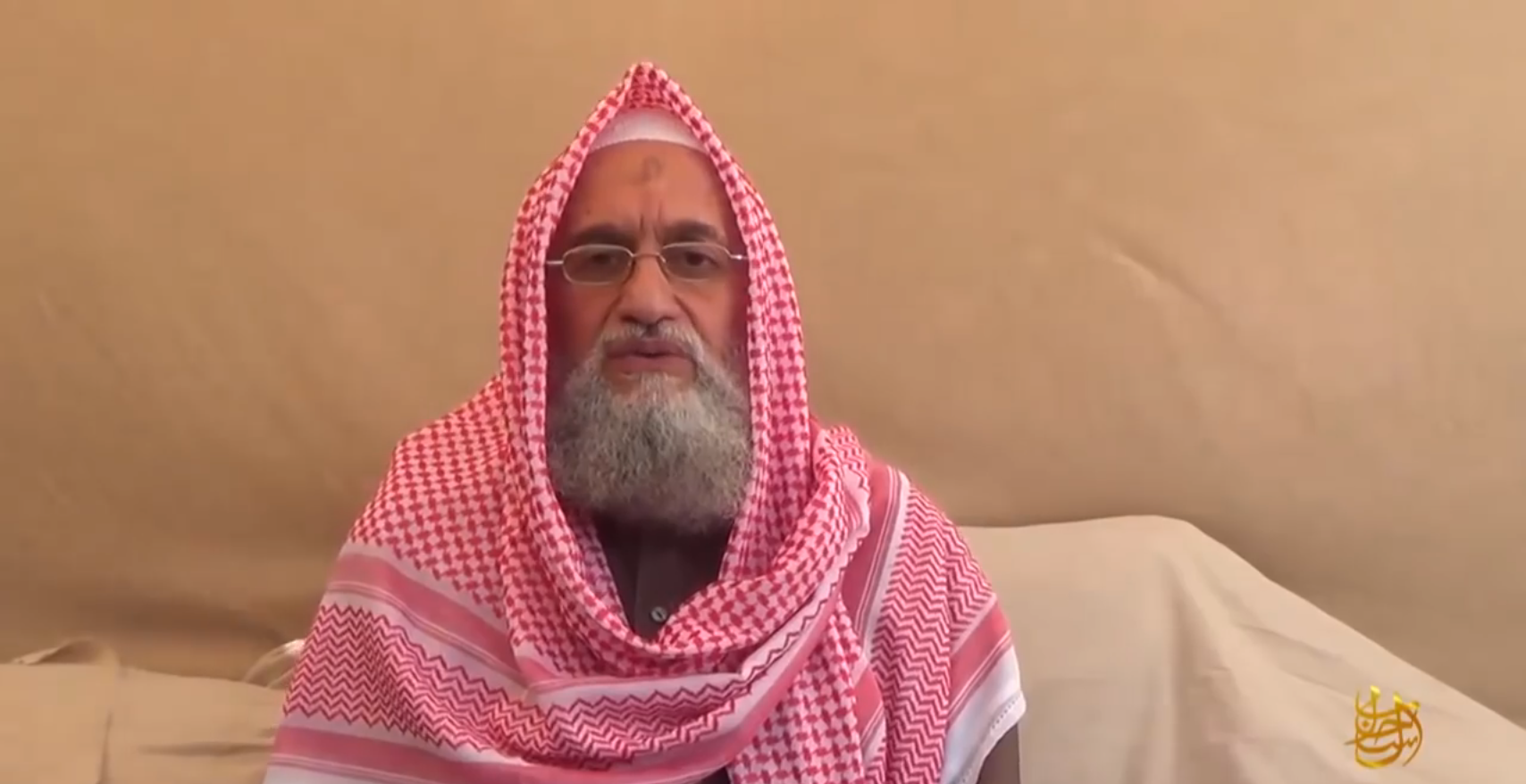
In his third media appearance this month, Ayman al Zawahiri urges jihadist unity in the realm of the media.
After a lengthy media absence, al Qaeda emir Ayman al Zawahiri has appeared in three separate releases this month.
In the first, Zawahiri swore allegiance to Mullah Akhtar Mohammad Mansour, the Taliban’s new emir. Mansour, in turn, promptly accepted the pledge. In the second, Zawahiri introduced Osama bin Laden’s son, Hamzah, to the world as a “lion” of al Qaeda. Hamzah went on to deliver a lengthy address, praising al Qaeda’s regional branches and discussing other matters. The first two messages featured the same still image of Zawahiri set against different backgrounds. The al Qaeda leader’s talks were delivered via audio files, with no video of him speaking.
But Zawahiri’s third appearance is different. In a 35-minute video, which was disseminated via Twitter on August 15, Zawahiri discusses his time spent with Osama bin Laden. The video is the seventh part in Zawahiri’s “Days with the Imam” series, which began in November 2011. And bin Laden’s former deputy uses the video to preach jihadist unity, especially in the realm of the media.
Much of Zawahiri’s story focuses on al Qaeda’s escape from the Tora Bora Mountains in December 2001. He heralds bin Laden’s “wisdom,” explaining that al Qaeda’s first leader foiled the designs of the “traitors” and “hypocrites” who sought to do him in. But the Battle of Tora Bora serves a higher purpose in Zawahiri’s telling, as it is supposedly an example of how the jihadist media can counter the Western press.
Zawahiri says he escaped from the mountains before bin Laden did and heard the BBC report that all of the Arabs had been killed. This was one of the many “lies” the mujahideen’s enemies spread, Zawahiri claims, and it is the responsibility of the jihadist media to counter them.
Since the 9/11 attacks, he says, the jihadist media has “exposed the lies of the Americans and the lies” of NATO’s “Crusader” coalition. But while the jihadist media supposedly earned victories over America in the past, the situation has been reversed, with the American media “moving the battle to us.”
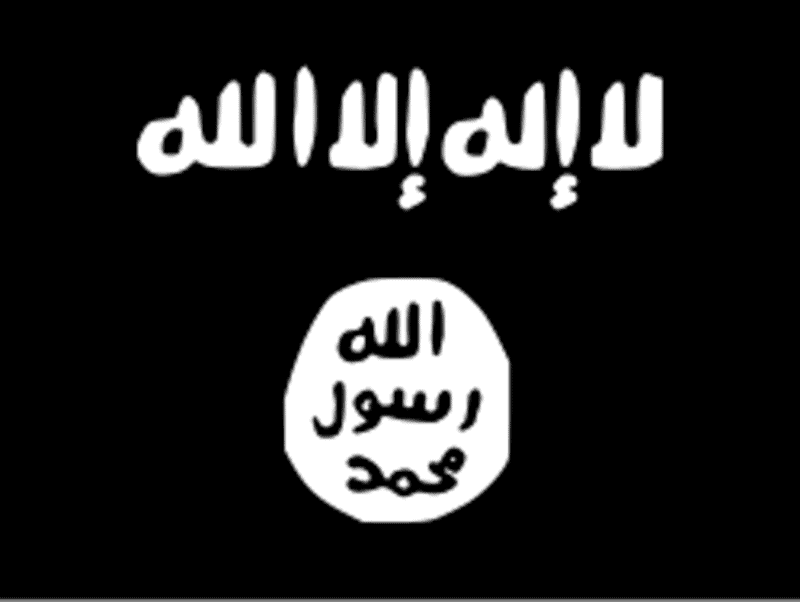
Of particular concern to bin Laden’s successor is the way in which the jihadist media has “become a tool for the destruction” of the jihadists’ cause. Here, Zawahiri is clearly referring to the rivalry between the Islamic State and al Qaeda, which has garnered more and more attention in the jihadists’ media sphere.
The “jihadist media” today is filled with “insults” and “curses,” Zawahiri laments, with everyone from the mujahideen’s leaders to the rank and file being “guilty” of spreading “abuses.” He calls on jihadist media operatives to abstain from disseminating material that further sows discord in their ranks.
There was a time, under Mullah Omar and bin Laden, when the jihadists were “all one rank,” Zawahiri says. They would march into battle “united,” but now a “war has begun between ourselves.”
In a message clearly aimed at the Islamic State’s men, Zawahiri says the jihadists should refrain from calling one another “nonbelievers” or saying that some belong to the “awakenings.” The latter is a reference to the Islamic State’s habit of lumping in their jihadist rivals with members of the US-backed awakenings in western Iraq, where tribal forces battled the Islamic State’s predecessor organization during the height of the Iraq War.
The content of the al Qaeda emir’s third message this month is drastically different from the Islamic State’s messaging. In late June, for example, Islamic State spokesman Abu Muhammad al Adnani called on all rival factions to “repent” for daring to fight Abu Bakr al Baghdadi’s “caliphate.” Adnani was especially disturbed by the setbacks suffered by Baghdadi’s fighters in Derna, Libya, where the Mujahideen Shura Council (MSC), a coalition of pro-al Qaeda forces, quickly routed the “caliphate’s” men from their strongholds. Adnani blasted the MSC’s members, saying they were part of the “awakenings.” Of course, Zawahiri objects to this very same term. However, the Islamic State’s propagandists continue to employ it and have even released dozens of posters targeting their rivals using this same theme.
Al Qaeda can “pardon any personal issues,” Zawahiri says, but anything that further tears apart the jihadists’ ranks should not be tolerated. The Islamic State’s leaders have charted a different course, using their media machine to exacerbate the infighting at every turn.