One day after al Qaeda in the Arabian Peninsula retreated from its key strongholds of Zinjibar and Jaar in Abyan province, the group released a statement vowing to take the fight into “the cities of the enemy and its capitals.” AQAP again stated that it withdrew from Jaar to spare civilians and preserve its forces. AQAP also railed against the Yemeni government for taking assistance from “the foreigners from among the Americans, the French, the British and other Crusaders” who “are assisted by some of our own people from the agents, hypocrites and apostates ….”
Below is an excerpt of the statement, which has been obtained and translated by the SITE Intelligence group.
We did not withdraw out of weakness, praise and gratitude be to Allah, but to shuffle the cards of the enemy and make it miss its aim in the war and the destruction. Allah permitting, we will take the battle to quick operations and painful strikes in the cities of the enemy and its capitals, so that the battle will be in its place and so that the enemy would wish they had never fought us…
We say to the agent government:
The battle had been far away from your palaces and administration, but you believed the falsehoods of American policy, and their money has made you arrogant… As for us, this has been a year of preparation for the leaders, experts, and martyrdom-seekers, so await the battle in your palaces. The Americans will not help you any longer.
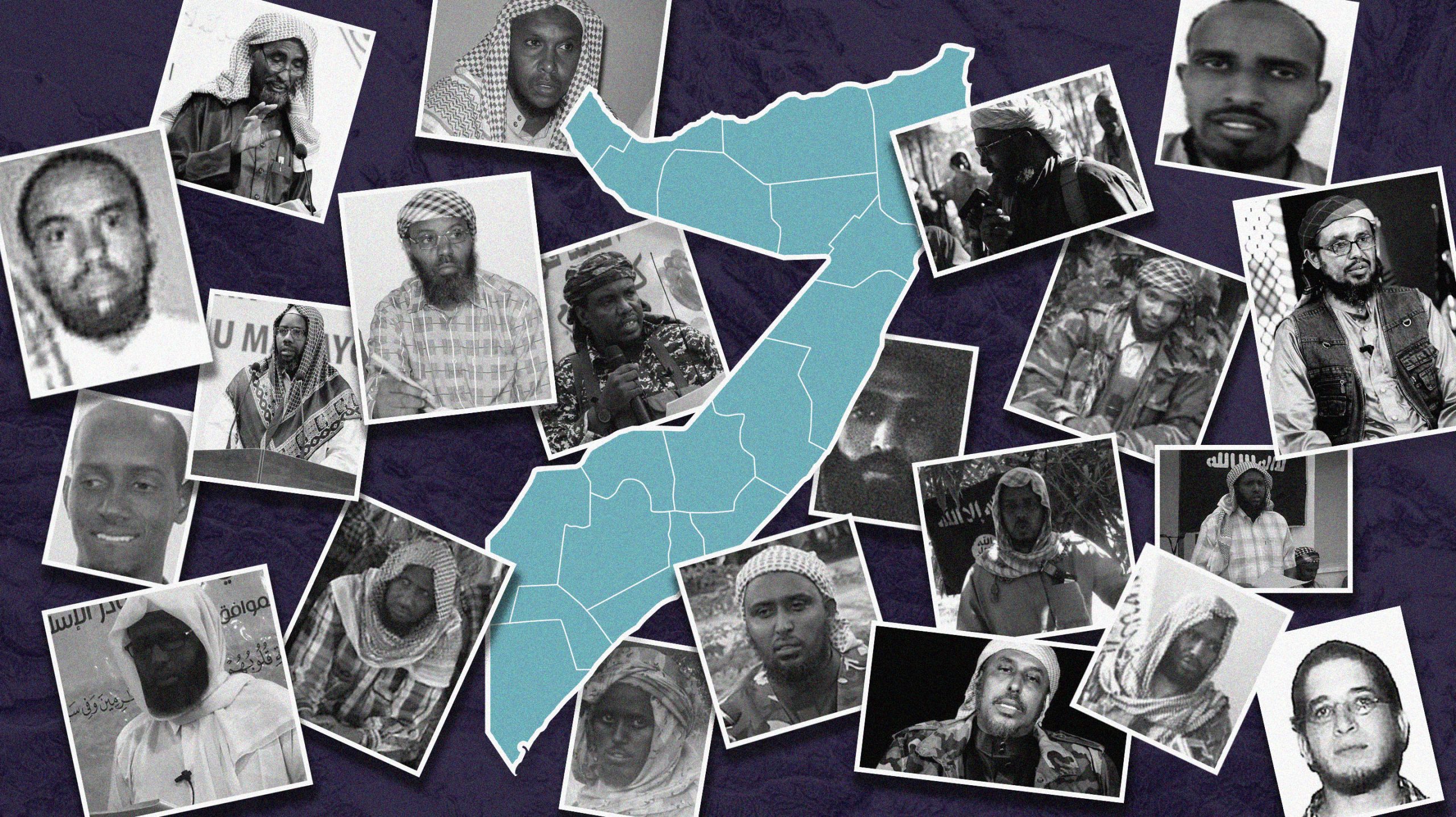
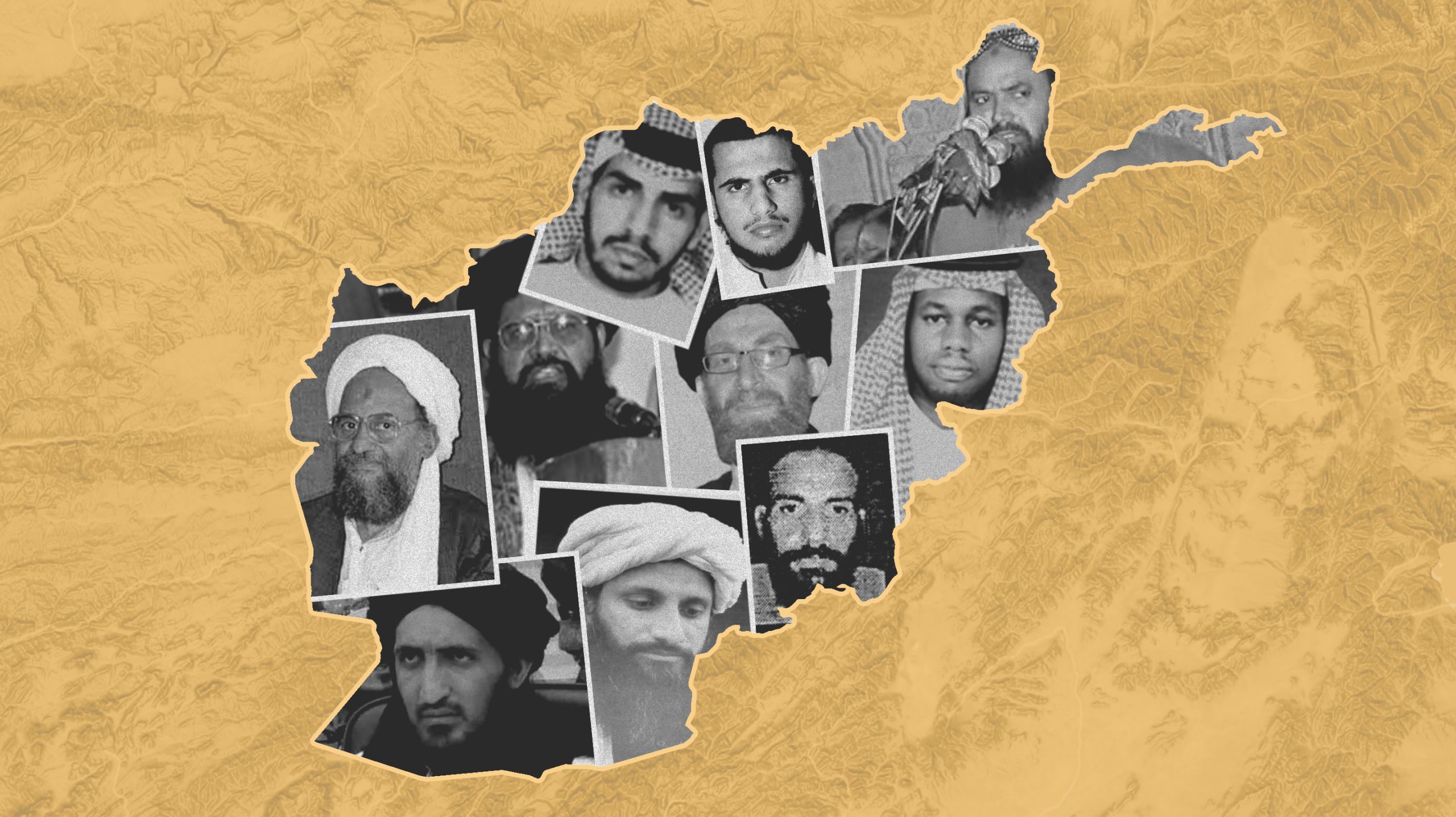
AQAP will probably not be able to hold its remaining strongholds in Shaqra and Azzan, assuming that the government remains focused and the Yemeni military can consolidate its gains in Zinjibar and Jaar, regroup, and push forward. The AQAP statement’s threat of “quick operations and painful strikes” is likely a reference to suicide attacks, IED strikes, ambushes, and other operations as AQAP shifts its focus from open warfare against the Yemeni state to a shadow terrorist insurgency. AQAP will likely remain in control of remote areas in southern Yemen, just as the Taliban does in Afghanistan and Shabaab does in Somalia.