-
Al Qaeda’s enduring challenge: A vision of victory over America
The recent article, penned by the now believed deceased son of al Qaeda leader Sayf al-Adl, clearly demonstrates al-Qaeda’s strategic vision and continued threat.

-
Al-Qaeda in the Arabian Peninsula names new emir; U.S. has $6 million bounty on his head
Al Qaeda in the Arabian Peninsula announced the sudden death of its previous emir, Khalid al-Batarfi, and named Sa’ad bin Atef al-Awlaki as his successor. The cause of Batarfi’s death is unknown.

-
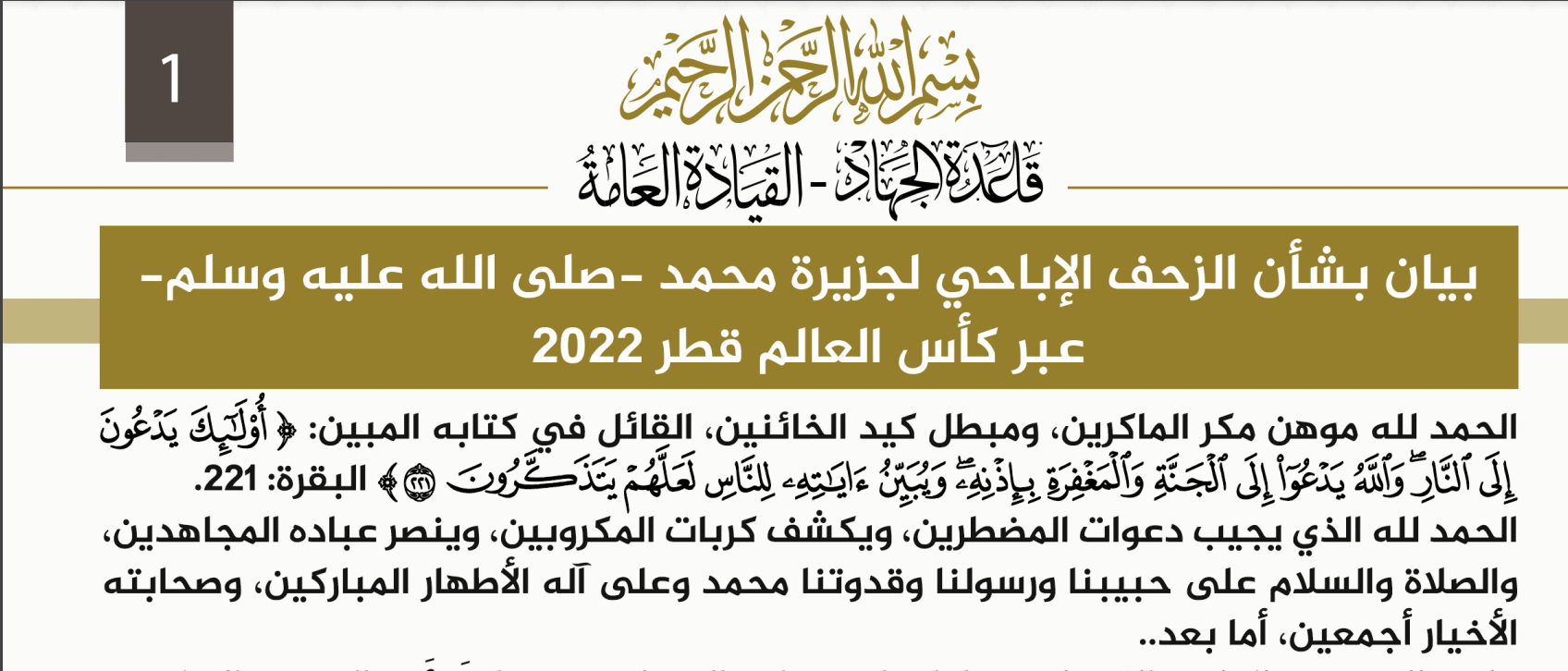
Jihadis issue vague threats against World Cup
Al Qaeda in the Arabian Peninsula, as well as al Qaeda’s general command, have issued communiques denouncing Qatar and the World Cup as a means to degrade the morals of the Arabian Peninsula. The Islamic State’s supporters have additionally issued their own infographics, calling for attacks on the games.
-
US government sanctions several Shabaab officials and affiliated individuals
Nine individuals were designated by the U.S. Treasury Department while an additional five were also blacklisted by the U.S. State Department.

-
AQAP leader cites U.S. Capitol riot as evidence of America’s supposed decline
Khalid Batarfi, the emir of AQAP, appears in a video released today. His commentary proves that he was not detained late last year, as some reports said.

-
AQAP leader reportedly captured
According to a newly released report by a UN Monitoring Team, AQAP leader Khalid Batarfi was captured in Oct. 2020. FDD’s Long War Journal has not confirmed Batarfi’s arrest.

-
AQAP congratulates JNIM for attacks on French soldiers
Al Qaeda in the Arabian Peninsula has sent a message of support to its fellow al Qaeda branch for recently killing five French soldiers.

-
Generation Jihad Ep. 19 – Al Qaeda in 2020
Hosts Bill Roggio and Tom Joscelyn discuss what al Qaeda looks like in 2020.
-
Pensacola shooter had ‘significant ties’ to AQAP, FBI finds
The FBI and DOJ announced today that Mohammed Saeed Alshamrani had “significant ties” to AQAP and had been planning a terrorist attack for years. Alshamrani carried out the Dec. 6, 2019 shooting at Naval Air Station Pensacola, killing three U.S. sailors and wounding eight other Americans.

-
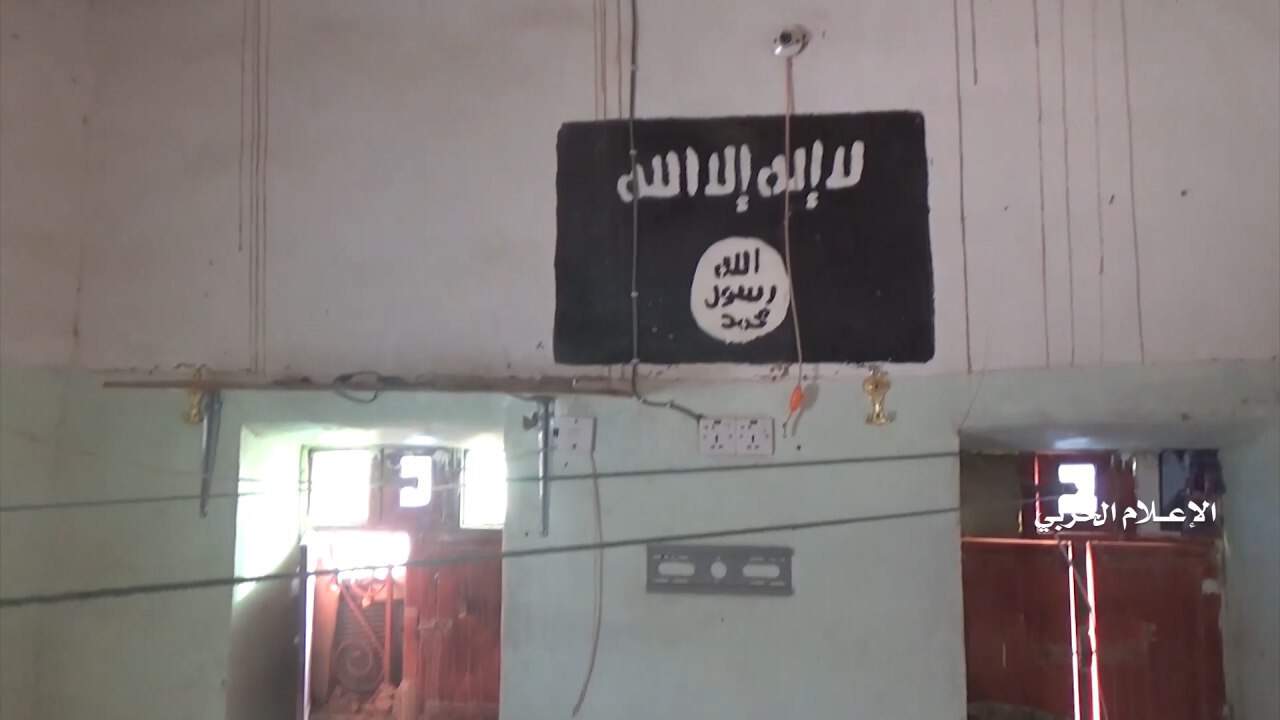
Houthis allege capture of Al Qaeda base in northern Yemen
Houthis report to have captured an al Qaeda base in one of its historical strongholds in the country. No independent verification of this event, however, has yet been reported.
-
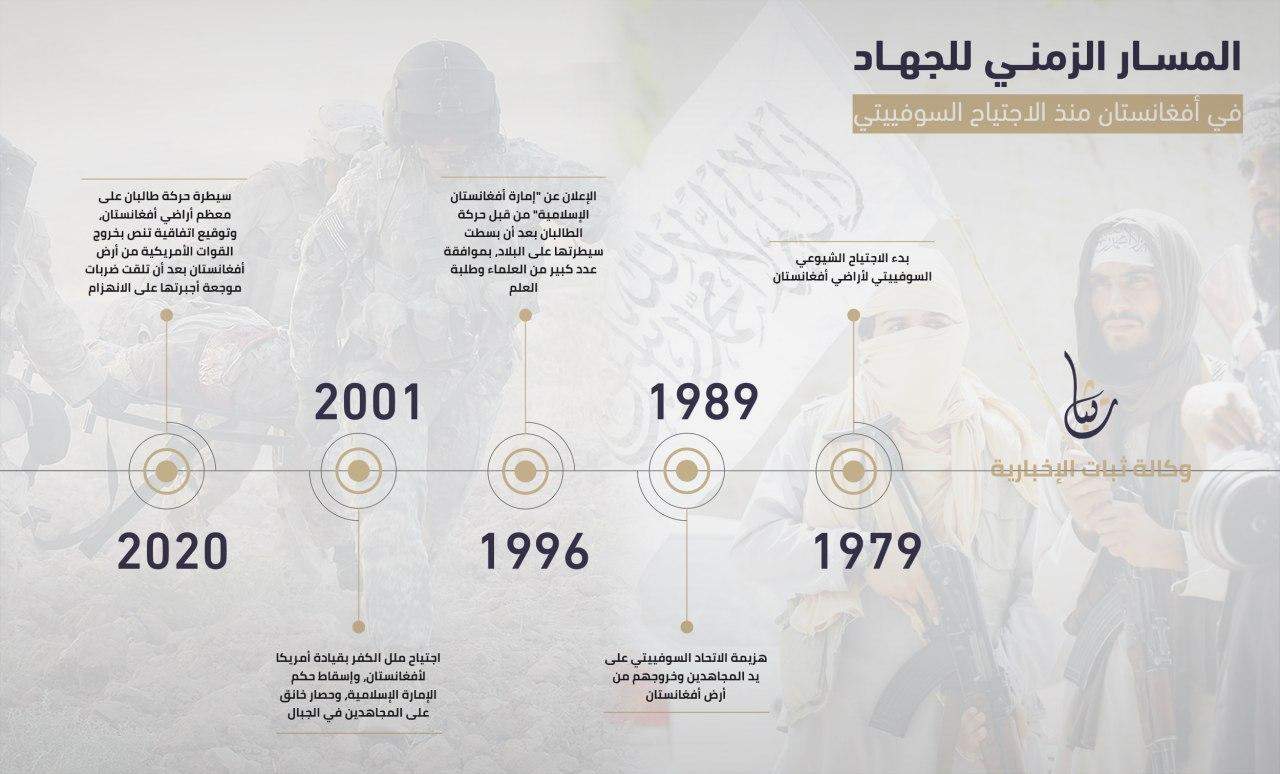
Al Qaeda-affiliated media shop promotes worldwide operations
Thabat, an al-Qaeda-affiliated media outfit, has released a series of infographics that are intended to highlight the group’s global reach and resiliency. The images trumpet a large number of purported attacks in Afghanistan, as well as America’s withdrawal from the country.
-
Generation Jihad: Ep. 3 – AQAP Names A New Emir
Hosts Bill Roggio and Tom Joscelyn profile Al Qaeda in the Arabian Peninsula’s (AQAP) new emir, Khalid Batarfi.
-
Analysis: AQAP’s new emir reaffirms allegiance to Zawahiri, praises Taliban
Last week, AQAP released an audio message form its new emir, Khalid Batarfi. In it, Batarfi renews his allegiance to Ayman al-Zawahiri on behalf of AQAP. He also praises the Taliban and Shabaab.

-
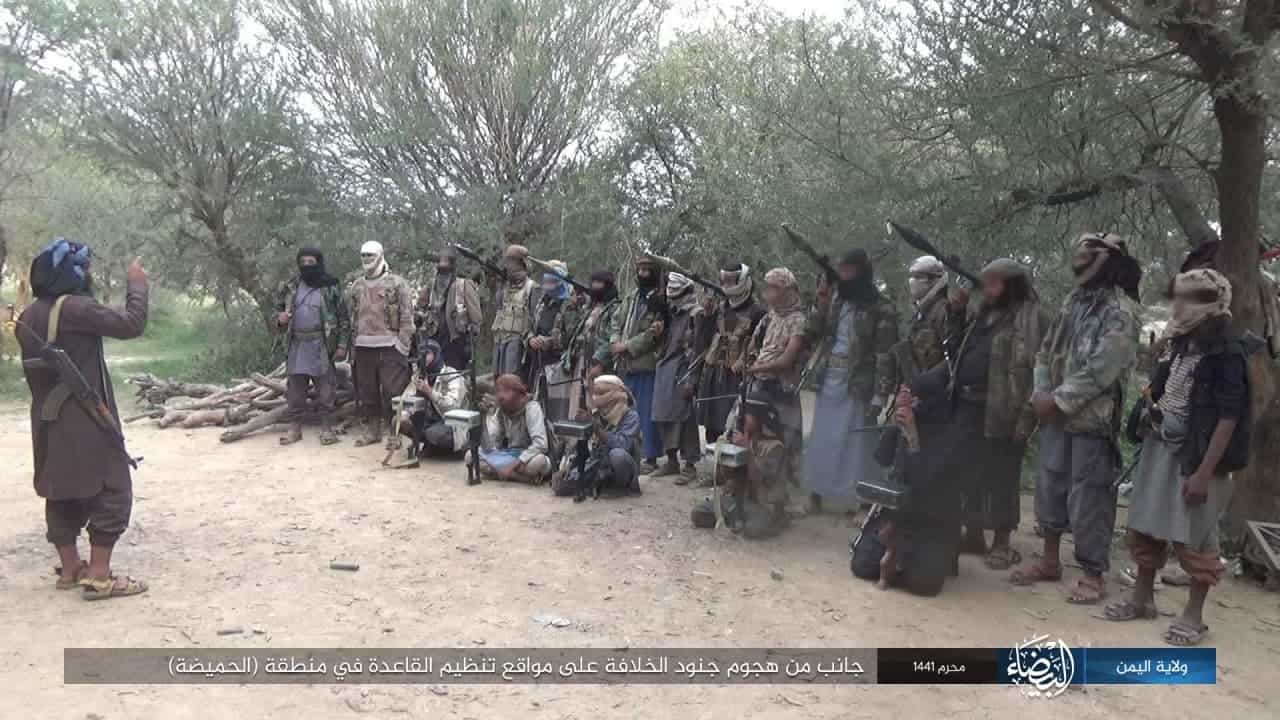
AQAP and Islamic State resume fighting in Yemen
The past week has seen the harshest fighting between the two jihadist groups since April.
-
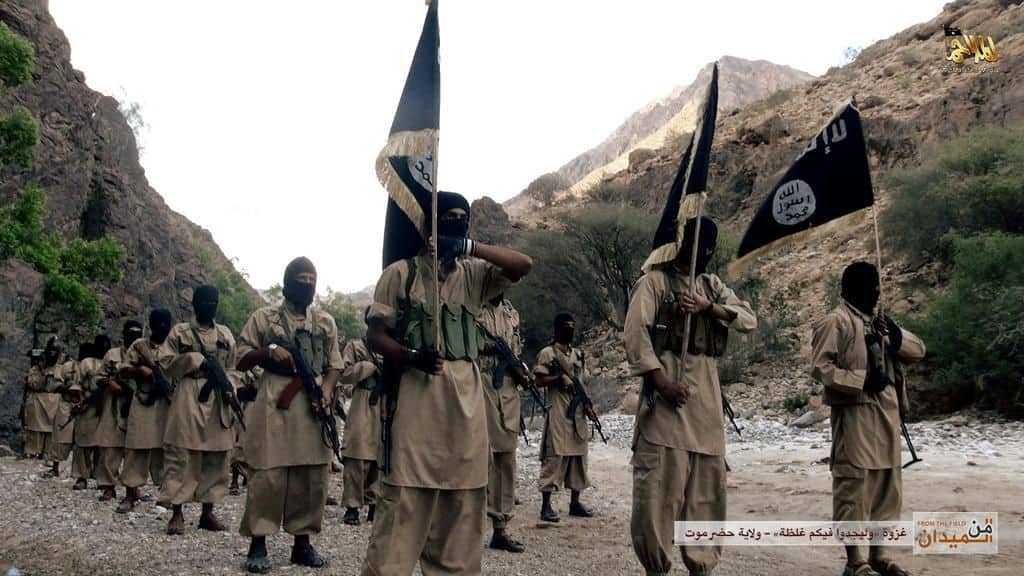
AQAP responds to Al Jazeera documentary
Al Jazeera released a documentary alleging that Bahrain and al Qaeda in the Arabian Peninsula work together. Today, the al Qaeda branch denied this accusation in a letter to the editor.
-
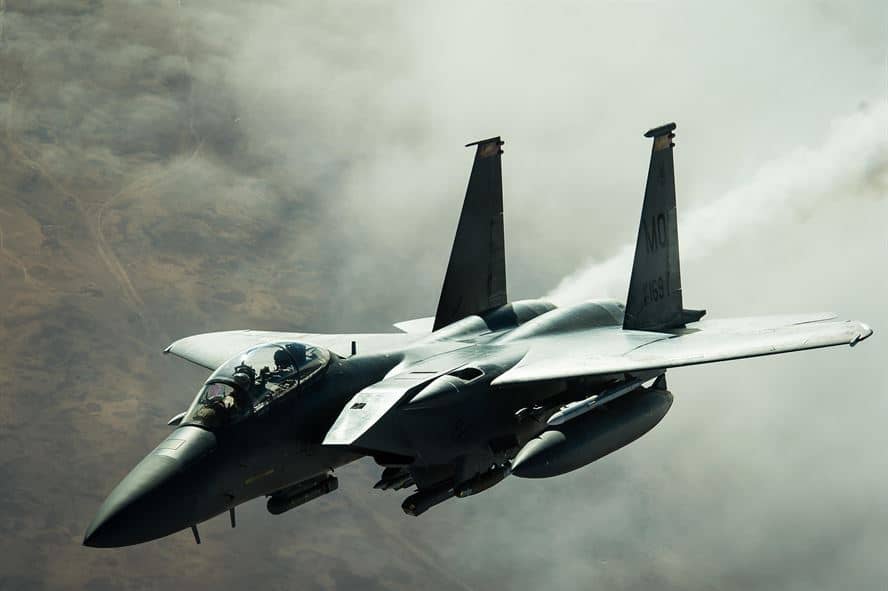
US targets AQAP 8 times in past 3 months
While strikes against al Qaeda in the Arabian Peninsula have waned over the past year, they have not halted all together. AQAP remains a significant threat.
-
US strike that killed USS Cole plotter first in Yemen in 3 months
Counterterrorism operations against AQAP have significantly tapered off in 2018 after a massive increase in 2017. The strike that killed Jamal-al Badawi is the first in Yemen since mid-September 2018.
-
Al Qaeda tries to capitalize on Saudi controversy
Al Qaeda’s As Sahab has released an essay blasting Saudi Arabia’s relationship with the US. The essay’s author, identified as Sheikh Awab Bin Hasan al Hasni, portrays America as a declining power and touts the resurrection of the Taliban’s Islamic Emirate of Afghanistan. AQAP also finally released the 58th issue of Al Masra newsletter, which focuses on the murder of Jamal Khashoggi.

-
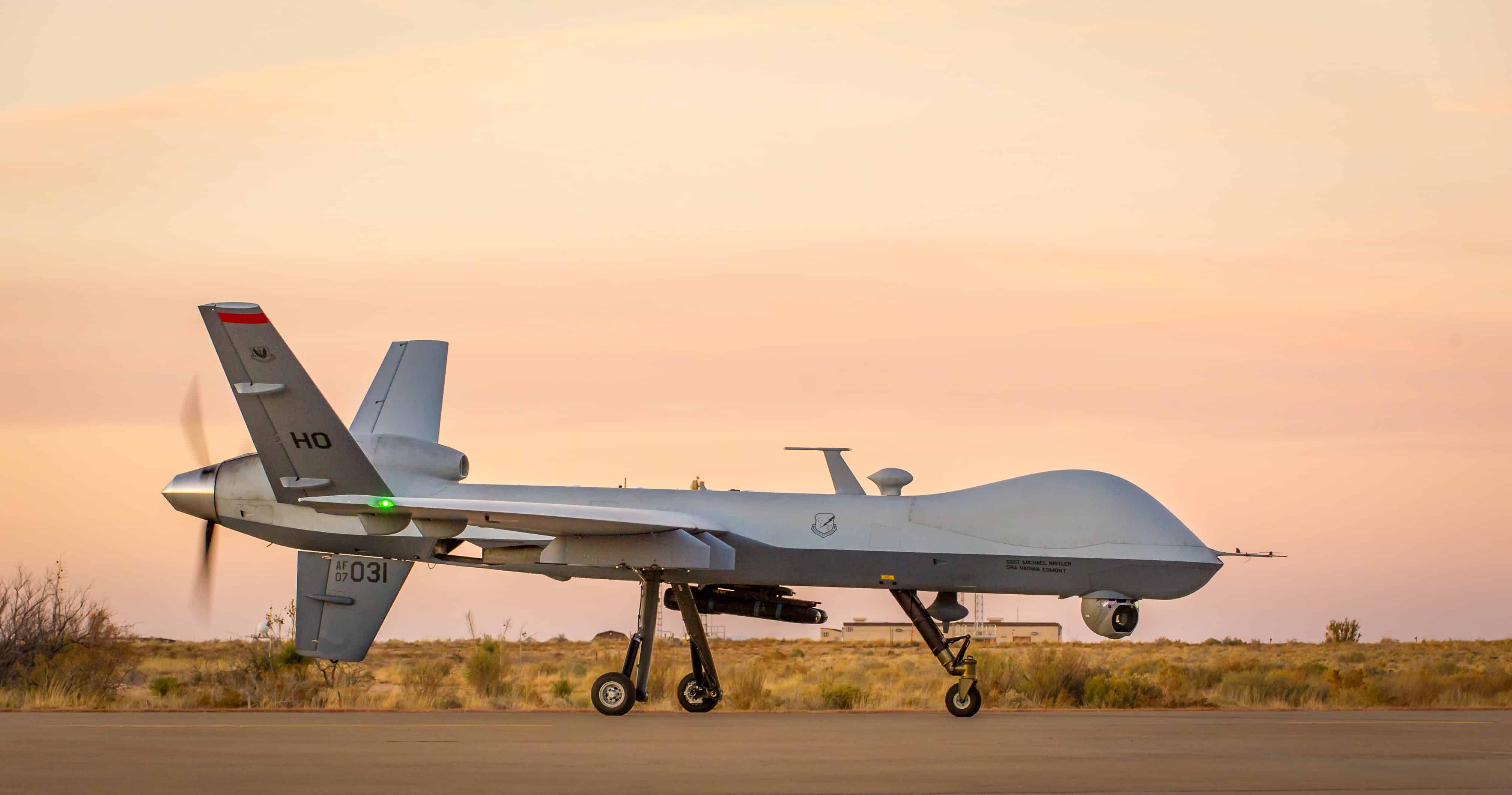
Yemen strikes wane, but AQAP still poses “a significant threat”
The United States has conducted 36 strikes in Yemen in 2018, roughly a quarter of last year’s record high of 131 strikes.
-
US offers reward for information on 2 senior AQAP leaders
The US State Department announced today that it is offering rewards for information on two senior AQAP leaders: Qasim al-Raymi and Khalid al-Batarfi. Both men attended al Qaeda’s training camps in pre-9/11 Afghanistan before assuming leadership roles in Yemen.

-
Al Qaeda is very much alive, and widely misunderstood
AL Qaeda’s operatives are fighting in more countries around the world today than was the case on 9/11. And its leaders still want to target the United States and its interest and allies. The war they started is far from over.

-
AQAP claims Saudi spy network targeted its leaders
Al Qaeda in the Arabian Peninsula has released a new video that includes the testimony of several “spies” who have allegedly helped the Saudis and Americans hunt down the group’s members. There are reasons to be skeptical of AQAP’s claims, but the organization is clearly concerned that spies will do more damage to its hierarchy.

-
US conducts 6 strikes against Al Qaeda in Yemen
The United States has conducted a total of 34 strikes in Yemen in 2018, all of which targeted Al Qaeda barring one strike against the Islamic State in Jan. 2018. However the military is not likely to top last year’s high.
-
Wanted AQAP bomb maker rumored killed in US drone strike
The death of Ibrahim al Asiri, one of the most dangerous and wanted men in the world, has yet to be confirmed. If he is confirmed to have been killed, his death will likely have minimal impact on AQAP as he has shared his expertise for well over a decade.

-
Exclusive: CENTCOM reveals scope of Yemen air campaign
CENTCOM released the dates and general locations of the last 18 counterterrorism strikes against al Qaeda in the Arabian Peninsula. Since early 2017, the military has provided few details on the Yemen air campaign, typically only providing an aggregate number and scant information on high-value target strikes.

-
US Military reviews possible civilian casualties in Yemen, Somalia
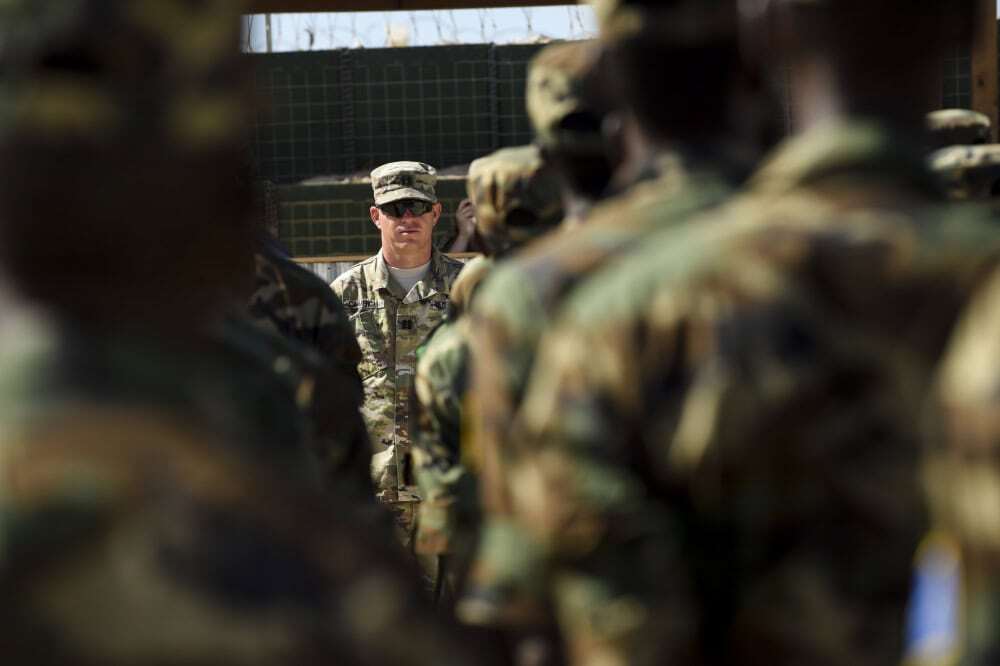
Two regional combatant commands acknowledged reports of civilian casualties in recent operations.
-
CENTCOM releases some Yemen strike information, but gaps remain
The US military has conducted 27 counterterrorism strikes in Yemen in 2018, but has only provided complete information on two. One of the strikes hit an AQAP training camp in Hadramout.
-
As Senate probes Yemen role, US quietly continues strikes
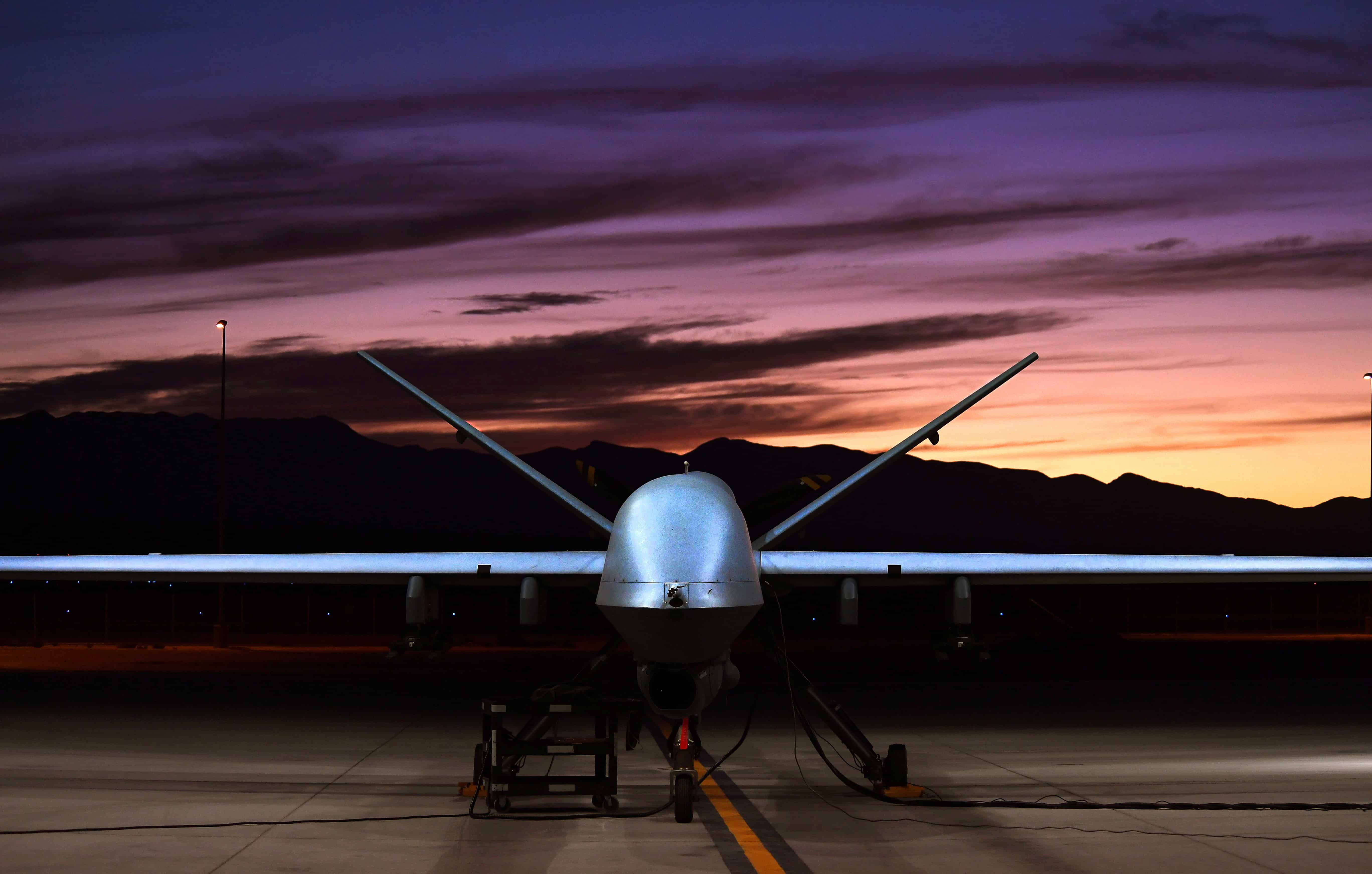
The military has not produced detailed press releases for any strikes this year, continuing 2017’s limited transparency.
-
Hamza bin Laden warns of Shiite expansion in the Middle East
In his latest message, Hamza bin Laden warns that Shiites are expanding throughout the Middle East and claims that the Saudi government is incapable of stopping them. Hamza calls upon Muslims to support the jihadists in Yemen. He also criticizes the relationship between the Saudis and the US.

-
LWJ Exclusive: US quietly continues Yemen air campaign
The US military has launched 22 airstrikes against al Qaeda int he Arabian Peninsula and the Islamic State’s Yemeni branch, a spokesman told FDD’s Long War Journal.