-
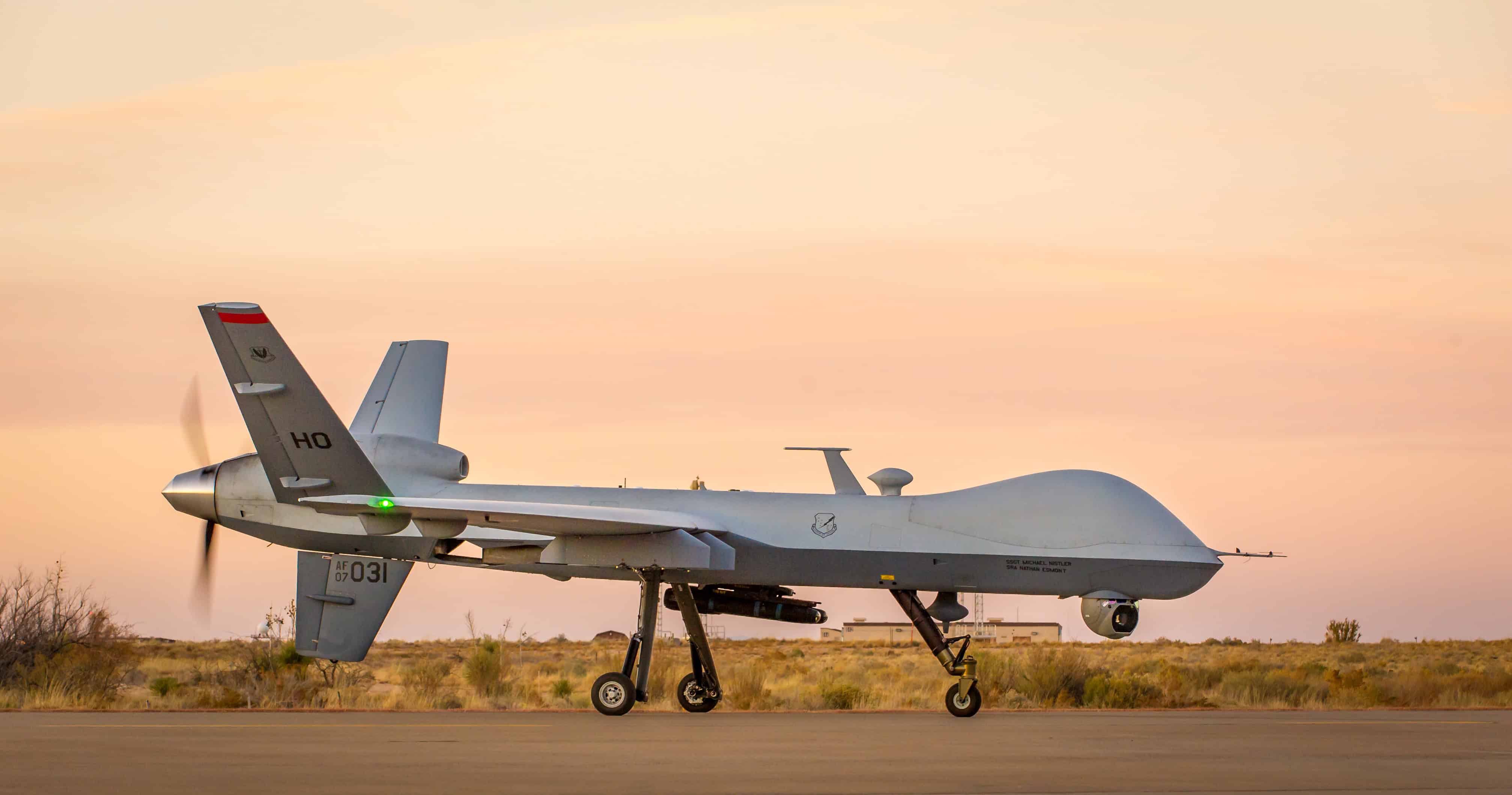
US conducted a record 131 airstrikes in Yemen last year
The United States conducted 131 counterterrorism strikes in Yemen, CENTCOM told FDD’s Long War Journal.
-
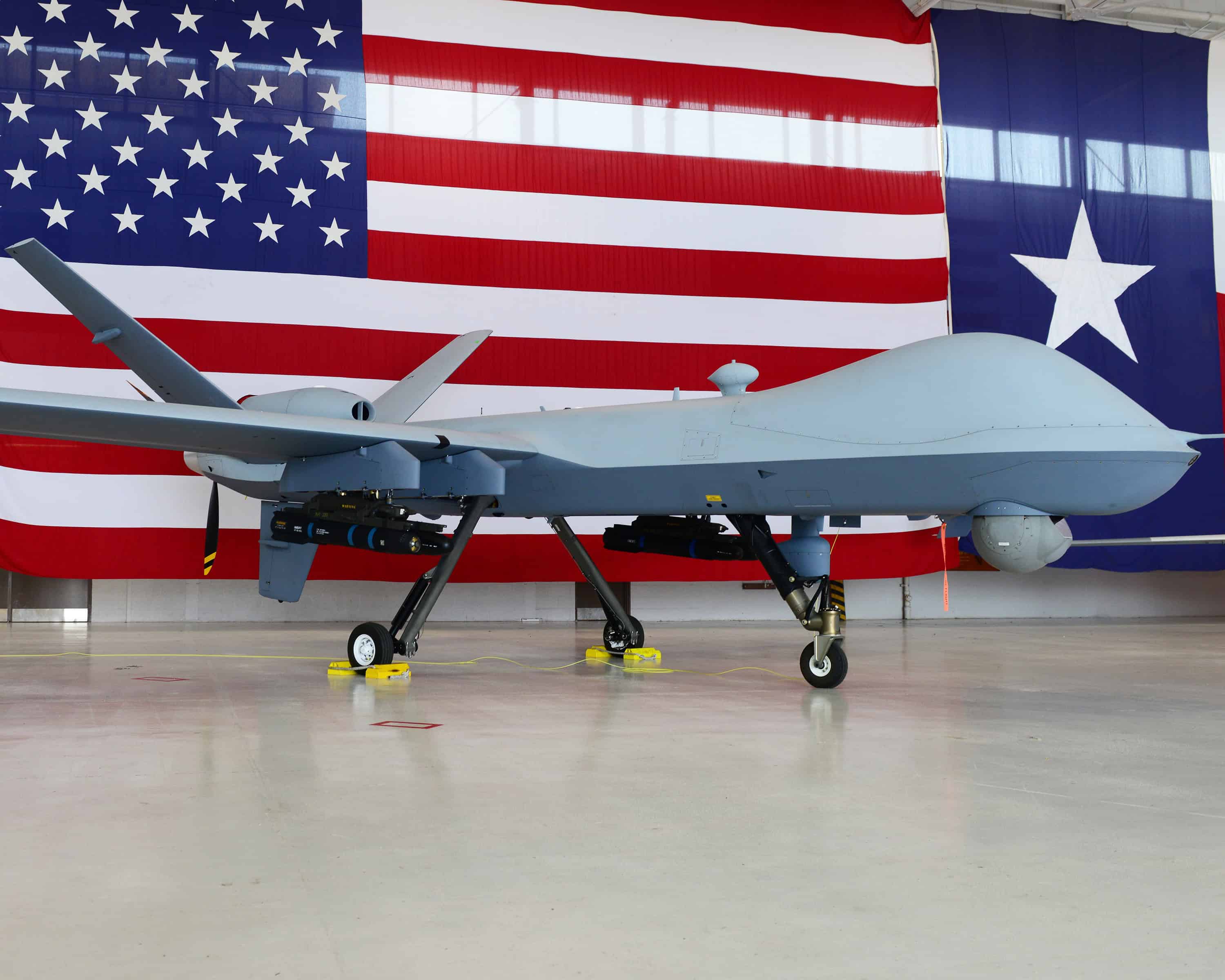
US conducts 10 counterterrorism strikes in Yemen
US forces conducted a record 120 strikes in Yemen in 2017 and appears to be operating at a similar tempo thus far in 2018.
-
Senior AQAP leader added to US terror list by State Department
The State Department has added Khalid Batarfi, an al Qaeda veteran and senior al Qaeda in the Arabian Peninsula (AQAP) leader, to the US government’s list of specially designated global terrorists. Batarfi threatened the US and Jews in a video released by AQAP just yesterday.

-
Former Guantanamo detainee warns against spilling secrets
Ibrahim al Qosi, a former Guantanamo detainee, is one of three senior AQAP leaders featured in a video released this week titled, “Secrets, its Dangers and the Departure of the Best of Us.” The video is focused on the US drone campaign and the jihadists’ lapses in security.

-
US killed three ‘key’ AQAP leaders in Yemen
CENTCOM identified the AQAP operatives who were killed as “key Al Qaeda in the Arabian Peninsula leaders.” Their responsibilities included “external operations facilitator,” an operative who paves the way for attacks outside of Yemen, an arms facilitator, and a member of its proselytizing council.
-
State Department designates 3 al Qaeda figures as global terrorists
One of the leaders “planned” the March 2015 Bardo Museum attack in Tunis, which was claimed by the Islamic State. Another serves as Shabaab’s deputy emir.

-
AQAP propaganda official reportedly killed in US drone strike
Pro al Qaeda jihadists reported on social media that Abu Hajar al-Makki, an Al Qaeda in the Arabian Peninsula (AQAP) propaganda official, was killed in a US drone strike earlier this week. The US has been targeting AQAP’s propagandists throughout the year and has also done so in the past.

-
Understanding al Qaeda through the massive trove of Osama bin Laden’s files
On Nov. 17, The Foundation for Defense of Democracies and FDD’s Long War Journal held an event to discuss the findings from the recently released documents from Osama bin Laden’s compound.

-
Map: US hits Islamic State in Yemen as jihadist attacks intensify in Aden
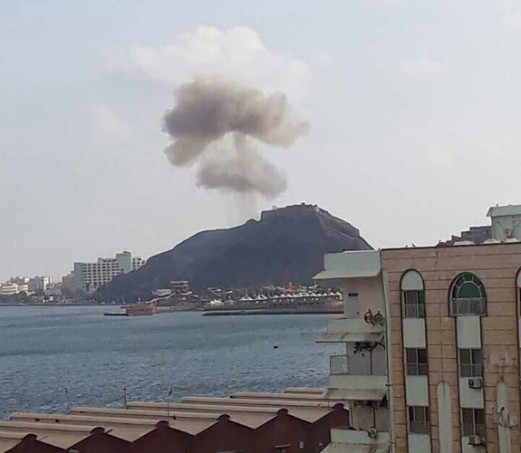
The US has stepped up its air campaign on the Islamic State’s network in Yemen as the group has intensified its attacks on Yemeni security forces in the alternate capital of Aden.
-
US military hits Islamic State in Yemen
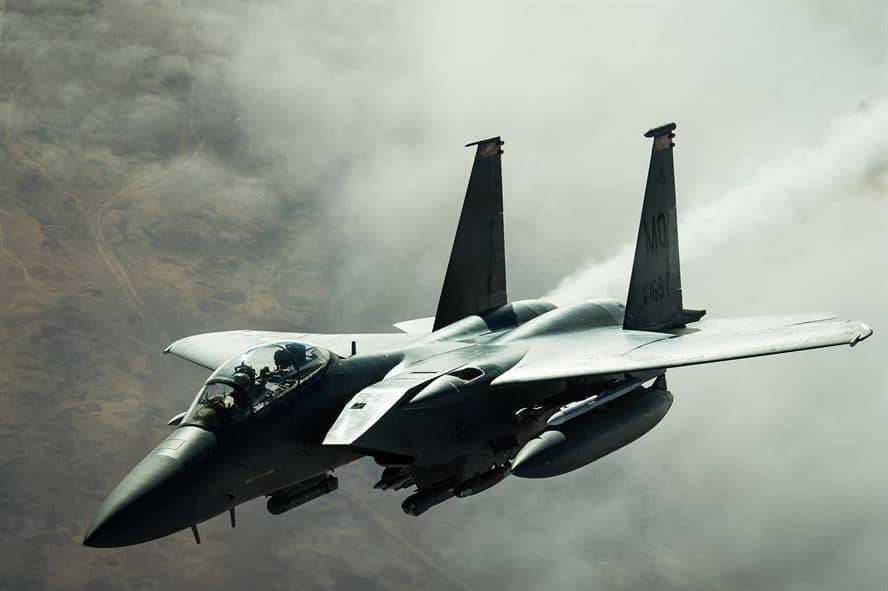
An estimated 60 Islamic State fighters are thought to have been killed in three US strikes that have targeted the group over the past two weeks.
-
US kills local AQAP commander in airstrike
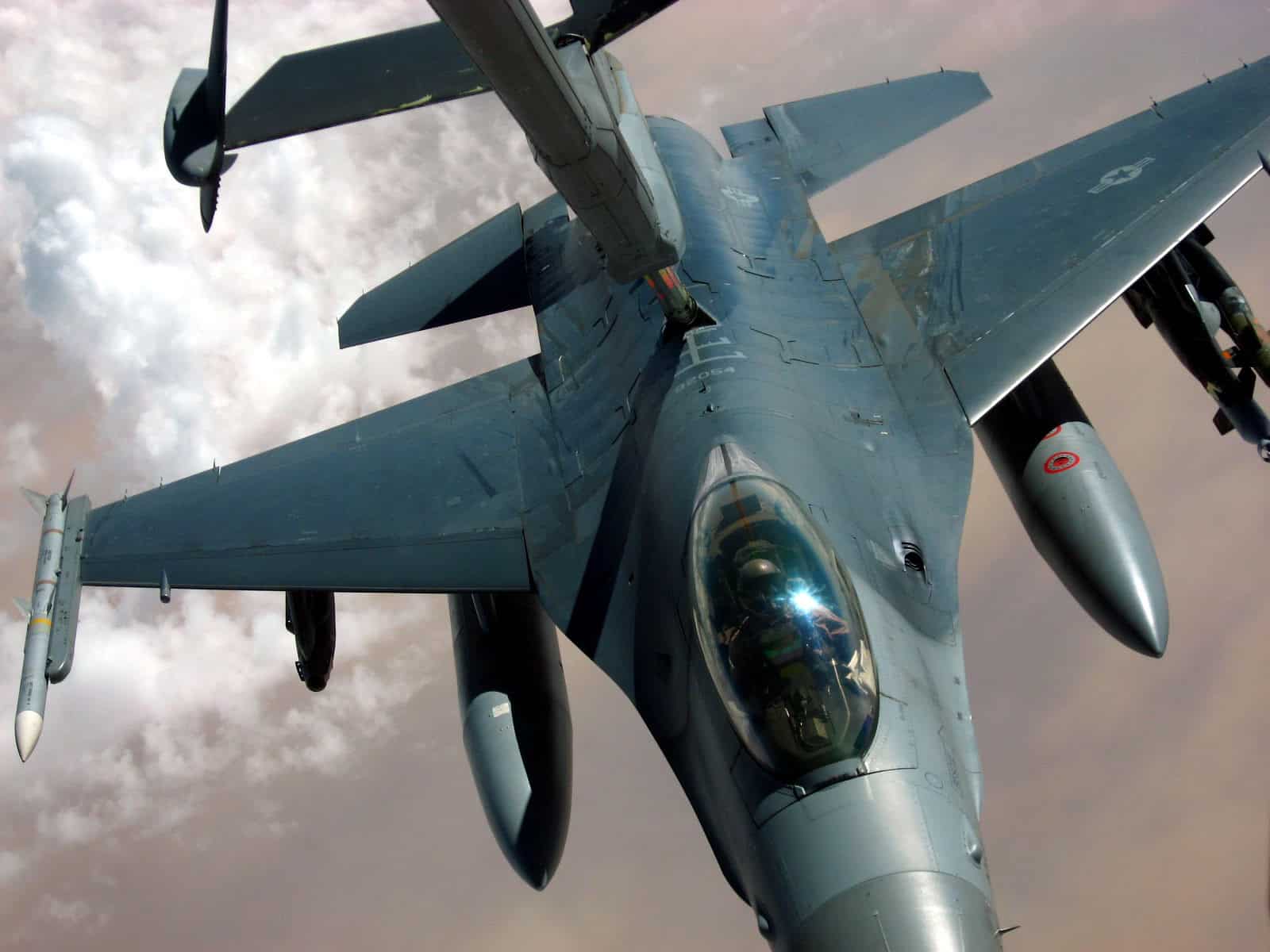
The strike is the latest in a series that have targeted the entirety of AQAP’s network in the war-torn country.
-
US has launched ‘more than 100 strikes against AQAP’ so far this year
In addition to the updated strike total for Yemen, the response is interesting as it notes that AQAP operatives are not the only target of the air campaign: the US military is hitting the entirety of the network.
-
US kills 3 AQAP fighters in drone strike
The US military has stepped up its campaign against AQAP, but has not been forthcoming about its targeting of the group as it has in Somalia.

-
US kills AQAP provincial emir in Yemen airstrike
CENTCOM announced today that Abu Khattab al Awlaqi, al Qaeda in the Arabian Peninsula’s emir for the Shabwah province in Yemen, was killed along with two associates in a June 16 airstrike that targeted “terrorist compounds and attack networks in Yemen.”

-
US special forces raid al Qaeda compound in central Yemen
The operation took place just days after the US Treasury Department listed two tribal leaders from Marib as global terrorists for supporting al Qaeda.

-
The US Intelligence Community’s newest assessment of the jihadist threat
The Office of the Director of National Intelligence (ODNI) presented its written “Worldwide Threat Assessment” to the Senate last week. The analysis confirms that the Islamic State is capable of sustaining insurgencies in both Iraq and Syria, Afghan security continues to “deteriorate,” and al Qaeda remains a threat in several parts of the globe.

-
AQAP leader calls for ‘simple’ attacks in the West
In a short video released yesterday, Al Qaeda in the Arabian Peninsula’s (AQAP) leader, Qasim al Raymi, reiterated his group’s call for “lone mujahid” attacks in the West. AQAP was an early innovator of the concept of “individual jihad,” but has been eclipsed by its rivals in the Islamic State in recent years. Raymi is attempting to move AQAP back to the fore of the “lone mujahid” effort.

-
AQAP leader discusses complex war in Yemen
AQAP released a lengthy “dialogue” with its emir, Qasim al Raymi, on April 30. Raymi discusses the complex war inside Yemen, AQAP’s desire to focus on the Houthis and his group’s general approach to waging jihad. He also cites a text written by Ayman al Zawahiri to explain why AQAP cooperates with other Islamists inside Yemen.

-
US military hits AQAP with more than 20 airstrikes
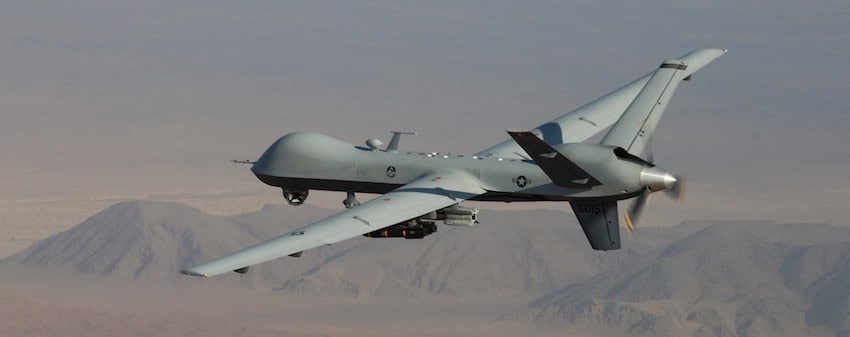
The US has now launched more than 75 airstrikes in Yemen since the beginning of the year, almost double the yearly total since the drone program against al Qaeda in Yemen began in 2009.
-
What’s really behind Trump’s laptop ban
Skeptics scoffed. But al Qaeda has been devising ingenious ways to blow up planes for years.

-
Resolving the Conflict in Yemen: U.S. Interests, Risks, and Policy
On March 9, Thomas Joscelyn testified before the Senate Committee on Foreign Relations. The hearing, “Resolving the Conflict in Yemen: U.S. Interests, Risks, and Policy,” was called to explore the political dynamics of the ongoing war in Yemen, as well as the roles played by foreign actors and al Qaeda.

-
Former Guantanamo detainee killed in US air campaign in Yemen
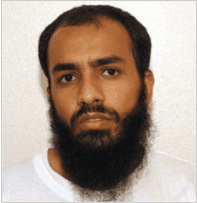
The Pentagon announced today that a former Guantanamo detainee, Yasir al Silmi, was killed in a bombing on Mar. 2 in Yemen. Joint Task Force Guantanamo identified al Silmi, also known as Muhammad Yasir Ahmed Taher, as a “high” risk and warned that he would “engage in extremist activities upon release.” He was transferred to Yemen on Dec. 19, 2009.
-
US blitzes AQAP in Yemen with an unprecedented 30 airstrikes
The large number of strikes, more than 30 over the course of two days, indicates the US is changing its tactics in fighting AQAP in Yemen.
-
The future of counterterrorism: Addressing the evolving threat to domestic security
Testimony before the House Committee on Homeland Security, Subcommittee Counterterrorism and Intelligence, on the future of counterterrorism and addressing the evolving threat to domestic security.
-
Al Qaeda criticizes American raid in Yemen
The seventh issue of Al Qaeda’s Al Nafir Bulletin, which was released earlier today, denounced the recent American counterterrorism raid in Yemen. The group’s statement portrayed the operation as an assault on all Muslims and threatened President Donald Trump, saying “the flame of jihad has ignited and reached all over the world.”

-
US military says AQAP leaders killed in Yemen raid
FDD’s Long War Journal has previously identified Abdulrauf al Dhahab, one of the senior jihadist operatives killed in the raid, as a member of a family with strong ties to al Qaeda in the Arabian Peninsula.
-
US kills 5 AQAP operatives in Yemen airstrikes
The strikes in Yemen are the first reported against jihadist groups in what the Obama administration has described as “areas of active hostilities,” meaning Iraq, Syria, Afghanistan, and sometimes Libya, since President Donald Trump took office.
-
US killed 3 AQAP operatives in pair of strikes in Yemen
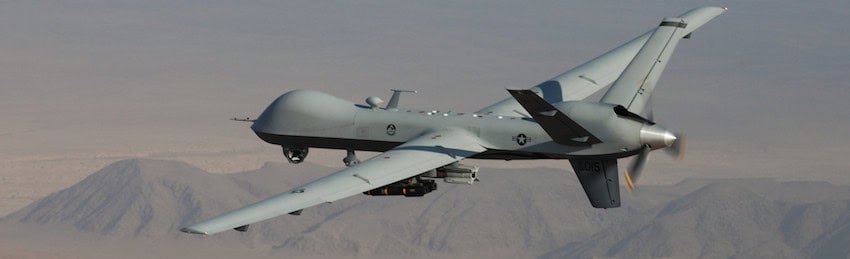
The US military “remains committed to defeating AQAP and denying it safe havens in Yemen.” AQAP remains entrenched in southern and central Yemen despite the active targeting of the group and its leaders by the US for eight years.
-
State Department designates founding member of Al Qaeda in the Arabian Peninsula
The State Department has designated Ibrahim al Banna as a terrorist. Al Banna has served as an al Qaeda official in Yemen since the 1990s. He originally joined the Egyptian Islamic Jihad (EIJ) and has been one of Ayman al Zawahiri’s loyalists for decades.

-
US military killed 15 AQAP operatives in 6 airstrikes
The US has now launched 37 airstrikes against AQAP in 2016, the largest yearly total since 2012 (41 strikes).