-
Jihadi History: Al-Qaeda’s failed mobilization efforts in Central African Republic
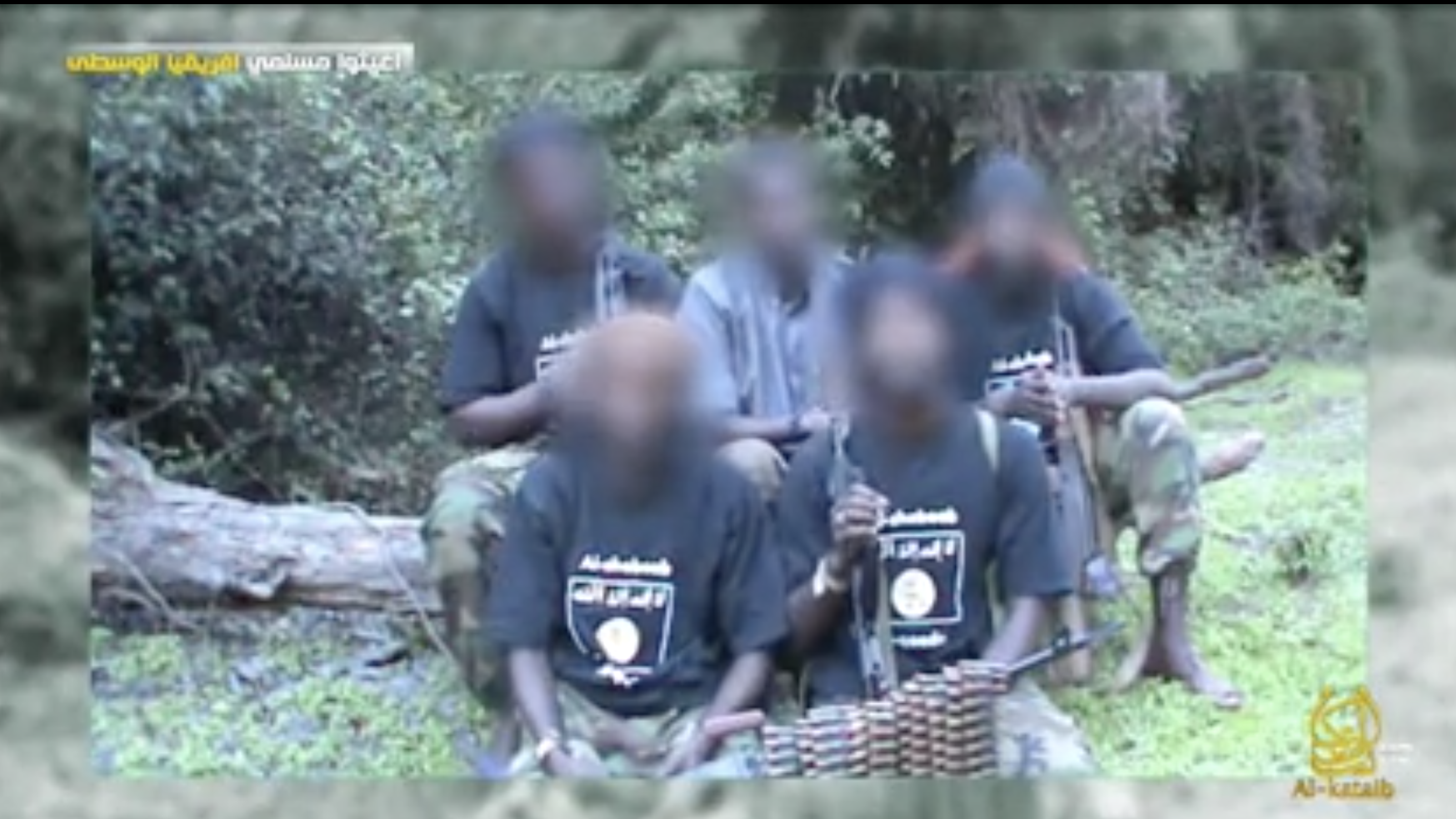
In early 2014, as Muslim civilians were being massacred in Central African Republic as part of a cycle of violence between Muslim and Christian militias, al-Qaeda went on a full-court press in an attempt to foster any jihadist movement to take up arms in the country. These attempts, however, largely fell on deaf ears. As such, this offers a unique glimpse into when, and potentially how, jihadist mobilization attempts fail.
-
Understanding al Qaeda through the massive trove of Osama bin Laden’s files
On Nov. 17, The Foundation for Defense of Democracies and FDD’s Long War Journal held an event to discuss the findings from the recently released documents from Osama bin Laden’s compound.

-
AQAP leader discusses complex war in Yemen
AQAP released a lengthy “dialogue” with its emir, Qasim al Raymi, on April 30. Raymi discusses the complex war inside Yemen, AQAP’s desire to focus on the Houthis and his group’s general approach to waging jihad. He also cites a text written by Ayman al Zawahiri to explain why AQAP cooperates with other Islamists inside Yemen.

-
How a US citizen became a key player in the Islamic State’s rivalry with al Qaeda
The eighth edition of the Islamic State’s Rumiyah magazine features a cover story on Ahmad Abousamra, who was added to the FBI’s Most Wanted Terrorist List in 2013. Abousamra was the “chief editor” of Dabiq, the Islamic State’s English-language magazine, and also one of al Qaeda’s fiercest rhetorical opponents. He described al Qaeda’s leaders and pro-al Qaeda ideologues as the “Jews of Jihad.”

-
Resolving the Conflict in Yemen: U.S. Interests, Risks, and Policy
On March 9, Thomas Joscelyn testified before the Senate Committee on Foreign Relations. The hearing, “Resolving the Conflict in Yemen: U.S. Interests, Risks, and Policy,” was called to explore the political dynamics of the ongoing war in Yemen, as well as the roles played by foreign actors and al Qaeda.
-
US confirms death of high-profile Tunisian Islamic State assassin
The Defense Department has confirmed that Boubaker al-Hakim, a French-Tunisian Islamic State leader, was killed in Raqqa, Syria on Nov. 26. Al-Hakim had ties to Ansar al Sharia Tunisia, an al Qaeda-affiliated group, before defecting to the Islamic State’s cause. He admittedly assassinated one Tunisian politician in 2013 and knew the assailants responsible for a second slaying.

-
Presence of French special forces in Libya sets off controversy
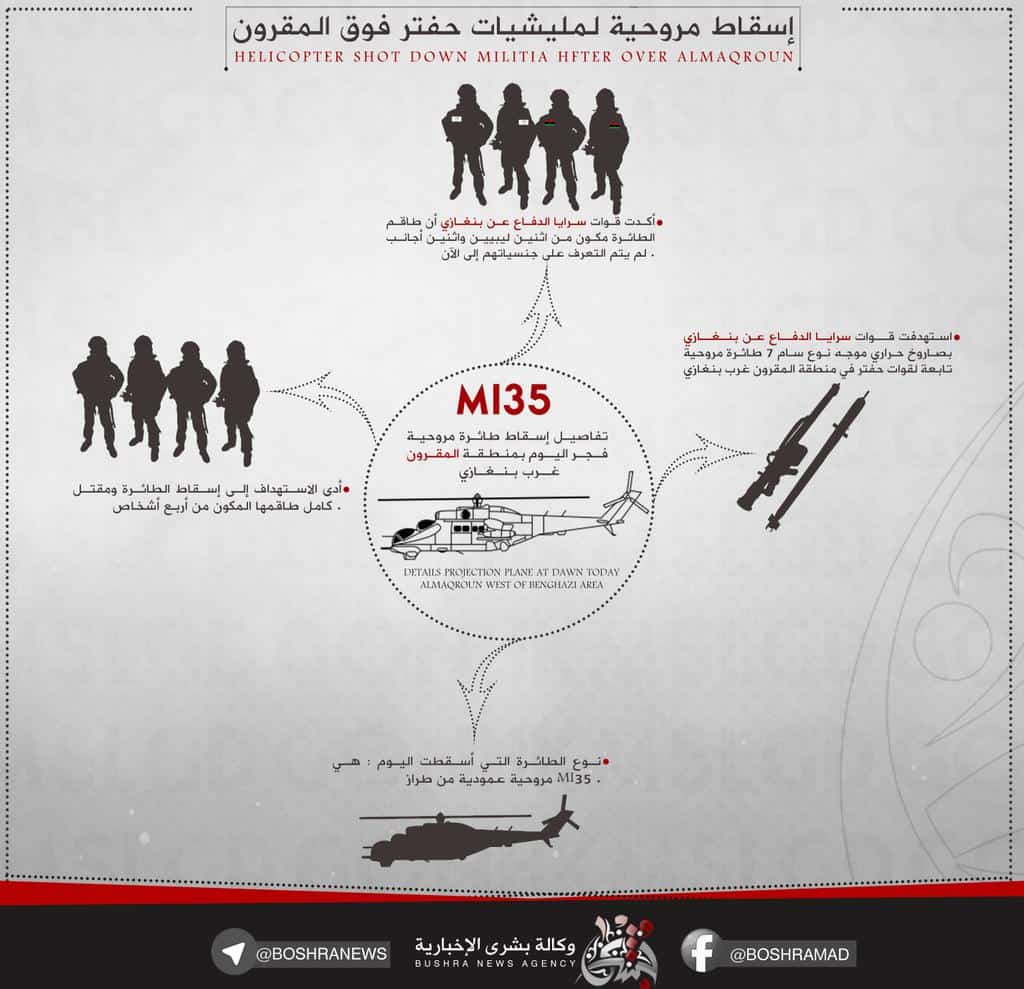
A helicopter carrying three French soldiers crashed near Benghazi, Libya on July 17, killing the Frenchmen and their Libyan counterparts on board. A new jihadist front called the Benghazi Defense Brigades quickly claimed credit, saying its fighters downed the helo with a shoulder-fired missile. French President Hollande said it was an “accident.” Either way, jihadists and Islamists are now rattling their sabres at France.
-
2 Damascus-based jihadist groups swear allegiance to Al Nusrah Front
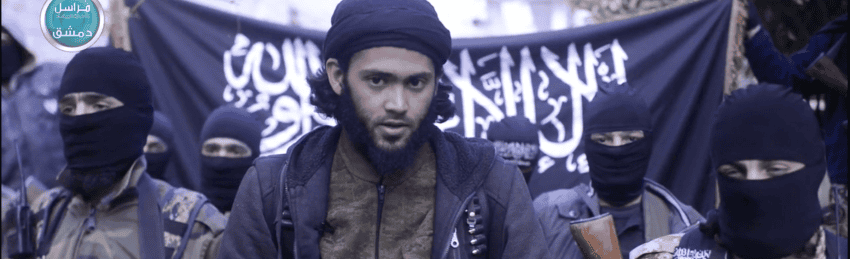
Two small jihadist groups in Damascus, Ansar al Sharia and Al Muntasir Billah, have sworn allegiance to Al Nusrah Front, al Qaeda’s official branch in Syria. Several organizations have joined Al Nusrah since late last year.
-
Al Qaeda seizes more territory in southern Yemen
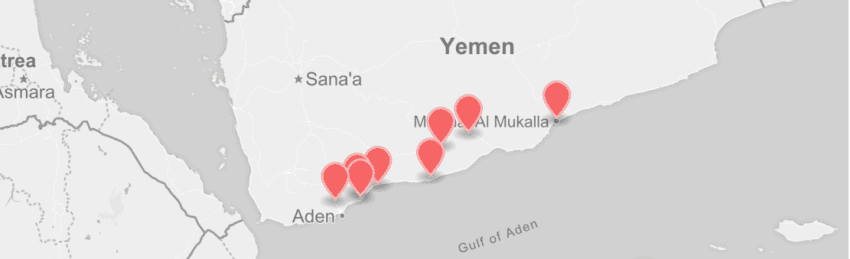
Al Qaeda in the Arabian Peninsula expanded the territory under its sphere of influence after capturing five towns in southern Yemen over the past two weeks.
-
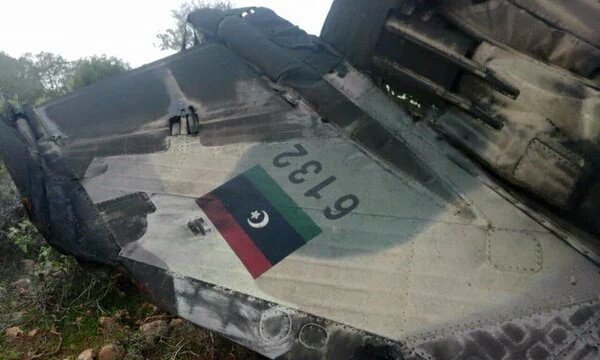
Ansar al Sharia claims to have downed jet flying over Derna, Libya
Libya’s air force confirmed that a jet was shot down by anti-aircraft fire earlier today. Ansar al Sharia Libya, which says its fighters were responsible, openly promotes al Qaeda ideologues in its propaganda.
-
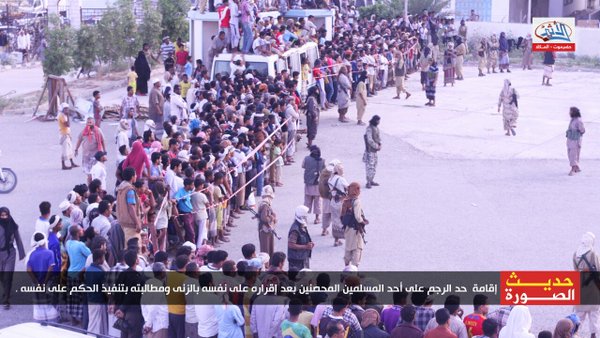
AQAP provides social services, implements sharia while advancing in southern Yemen
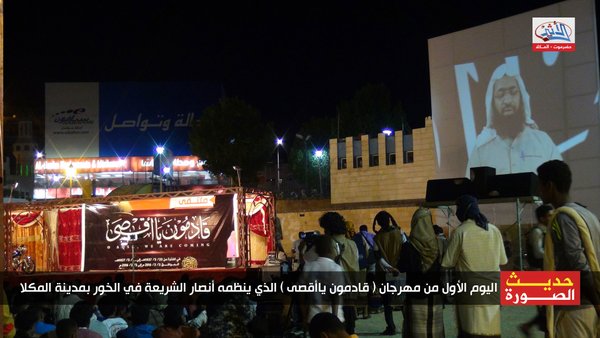
AQAP has taken control of Azzan, a town in Yemen’s southeastern Shabwa province. The jihadists have captured significant territory in southern Yemen since early 2015. AQAP’s front group, Ansar al Sharia, has launched a new social media campaign to promote its governance efforts, implementation of sharia law and provision of services in the areas under the jihadists’ control.
-
Ansar al Sharia Libya relies on al Qaeda ideologues to guide followers
More than three years after the Sept. 11, 2012 terrorist attacks in Benghazi, Libya, Ansar al Sharia tells its followers to learn from the teachings of slain al Qaeda ideologues. The group’s radio station regularly broadcasts lectures by al Qaeda leaders who have been killed in US airstrikes.

-
Al Qaeda seizes town, provincial capital in southern Yemen
Al Qaeda’s official branch in Yemen took control of Zinjibar, the provincial capital of Abyan, and Jaar. The two towns were previously under al Qaeda control between May 2011 and the summer of 2012.
/assets/images/featured-image-default.jpg)
-
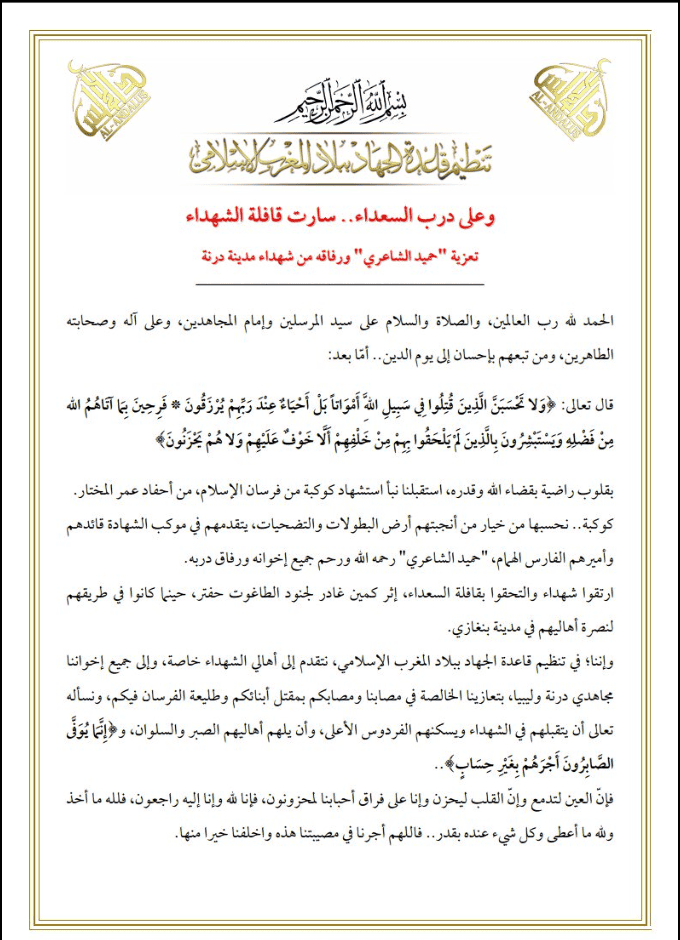
Al Qaeda in the Islamic Maghreb squadron ambushed in Libya
AQIM has released a eulogy for Hamid al Sha’iri, who led a “squadron” in Libya. Al Sha’iri and his men were traveling from Derna to Benghazi to fight General Khalifa Haftar’s forces when they were ambushed.
-
Al Qaeda in the Islamic Maghreb honors Ansar al Sharia’s slain military commander
Al Qaeda in the Islamic Maghreb (AQIM) has released a eulogy for Mansur al Shalali (aka “Harun”), the slain military commander of Ansar al Sharia in Libya. AQIM notes that Shalali fought for several years in Algeria. The eulogy further underscores the tight relationship between AQIM and Ansar al Sharia Libya.

-
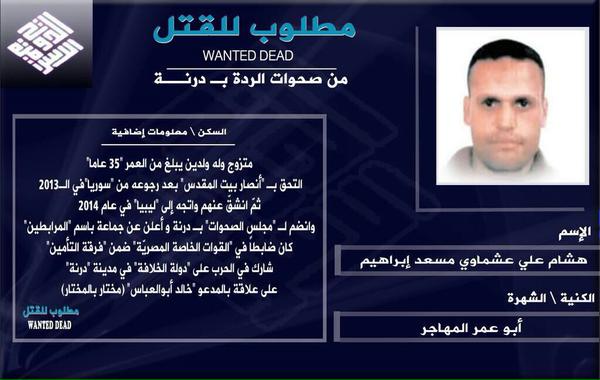
The Islamic State’s ‘wanted dead’ list in Libya
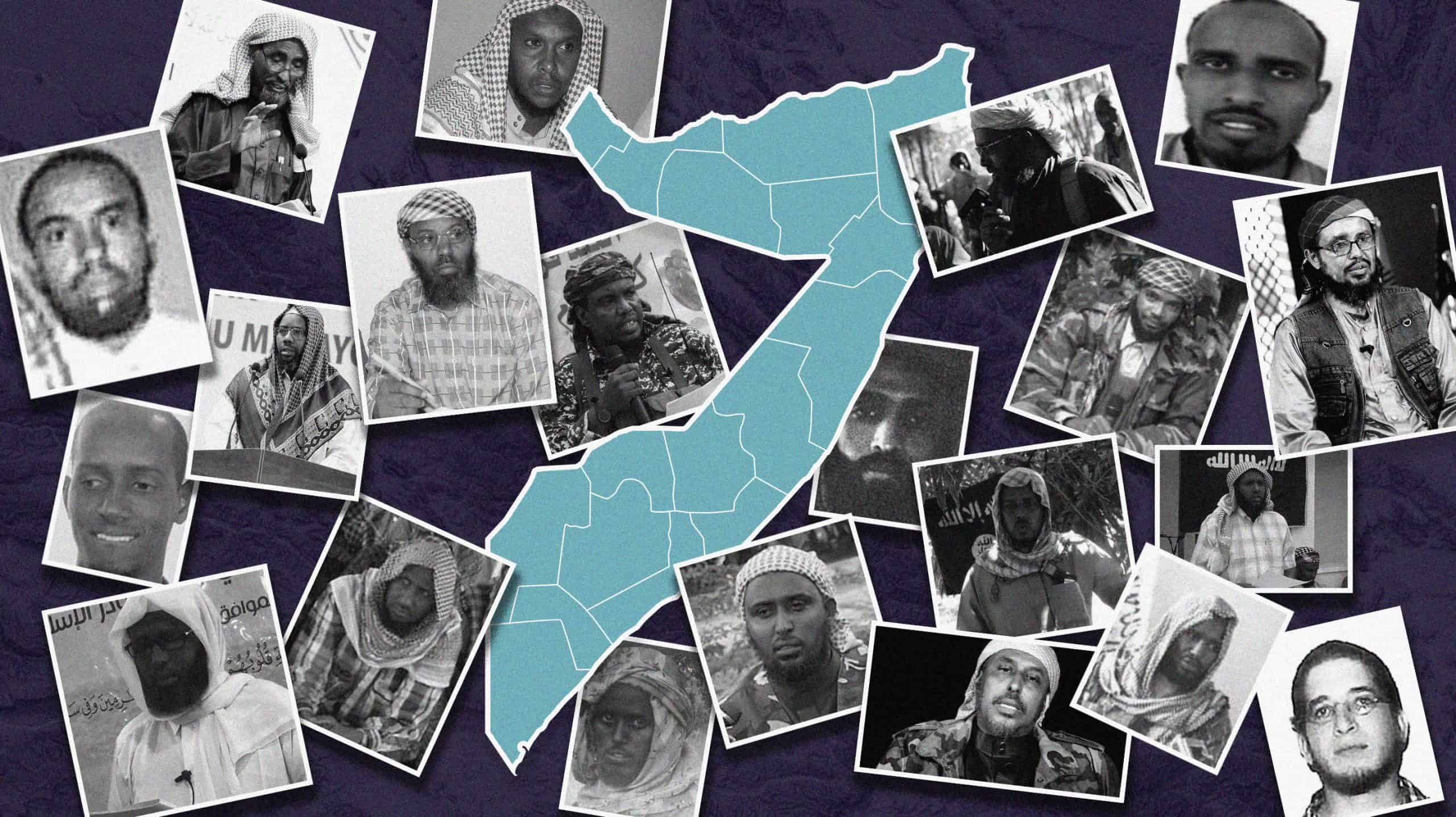
The Islamic State’s supporters in Libya have released dozens of “wanted dead” posters online. The images are part of a campaign targeting the “caliphate’s” jihadist and Islamist opposition in Derna and elsewhere in Libya. If the information in the graphics is accurate, then the Islamic State is offering up valuable intelligence on its pro-al Qaeda adversaries in North Africa.
-
Al Qaeda in the Islamic Maghreb backs jihadists fighting Islamic State in Derna, Libya
AQIM has issued a pair of statements backing the Mujahideen Shura Council (MSC) in Derna against its rivals in the Islamic State. Abu Bakr al Baghdadi’s men picked a fight with the MSC last month, but have sustained significant losses since then.

-
Al Nusrah Front suicide bomber targets Assad regime in Aleppo
The Al Nusrah Front claims to control “several buildings” in a key neighborhood in Aleppo after a “martyrdom operation” cleared the path for its fighters. Separately, the US-led coalition struck a group of seasoned al Qaeda operatives near Aleppo.

-
Ansar al Din’s propaganda from the Battle of Aleppo
Ansar al Din, an al Qaeda-linked group that is part of the Ansar al Sharia coalition, has posted images from the early fighting in the new offensive against Bashar al Assad’s forces in Aleppo.
-
Al Nusrah Front, allies form new coalition for battle in Aleppo
Jihadist groups have announced the creation of Ansar al Sharia, a new alliance for the battle of Aleppo. Ansar al Sharia is the latest of several coalitions formed by the Al Nusrah Front and Ahrar al Sham this year.
-
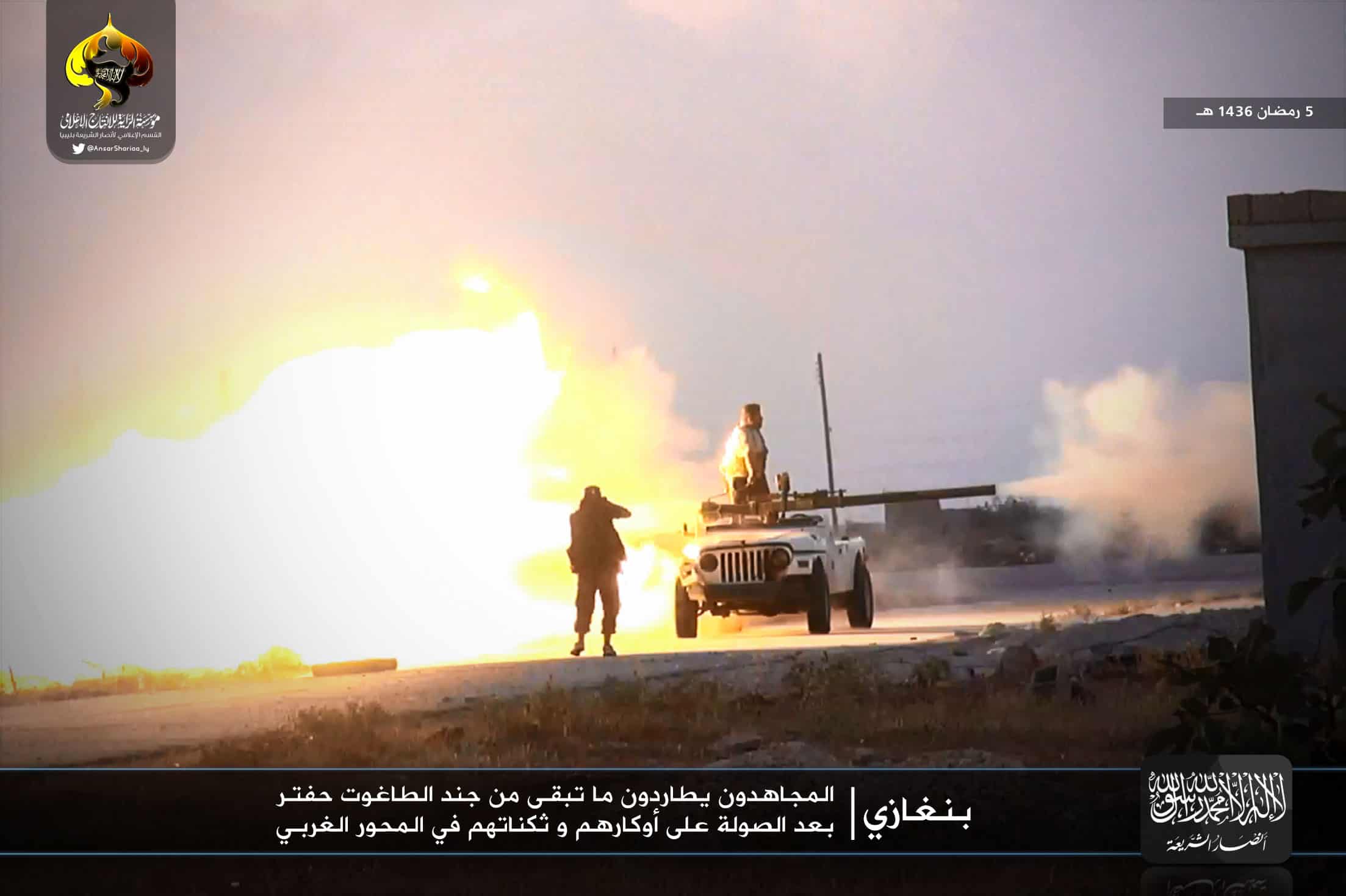
Ansar al Sharia Libya fights on under new leader
Ansar al Sharia, which is now led by a jihadist known as Abu Khalid al Madani, continues to battle General Khalifa Haftar’s forces. Contrary to erroneous accounts, the group has not sworn allegiance to the Islamic State.
-
Benghazi suspect killed in Mosul, Pentagon says
The Pentagon said today that Ali Awni al Harzi, the first suspect publicly identified in the September 11, 2012 terrorist attack in Benghazi, Libya, was killed in a US airstrike in Mosul, Iraq. Al Harzi and his brother have been working for the Islamic State as facilitators.

-
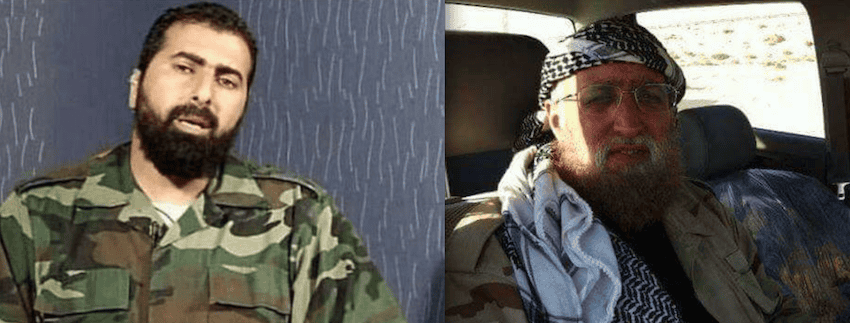
Veteran jihadists killed by Islamic State’s ‘province’ in Derna, Libya
Earlier this week, one of the Islamic State’s “provinces” in Libya assassinated a veteran jihadist in Derna. The act sparked intense fighting between Abu Bakr al Baghdadi’s followers and al Qaeda-allied jihadists in the city.
-
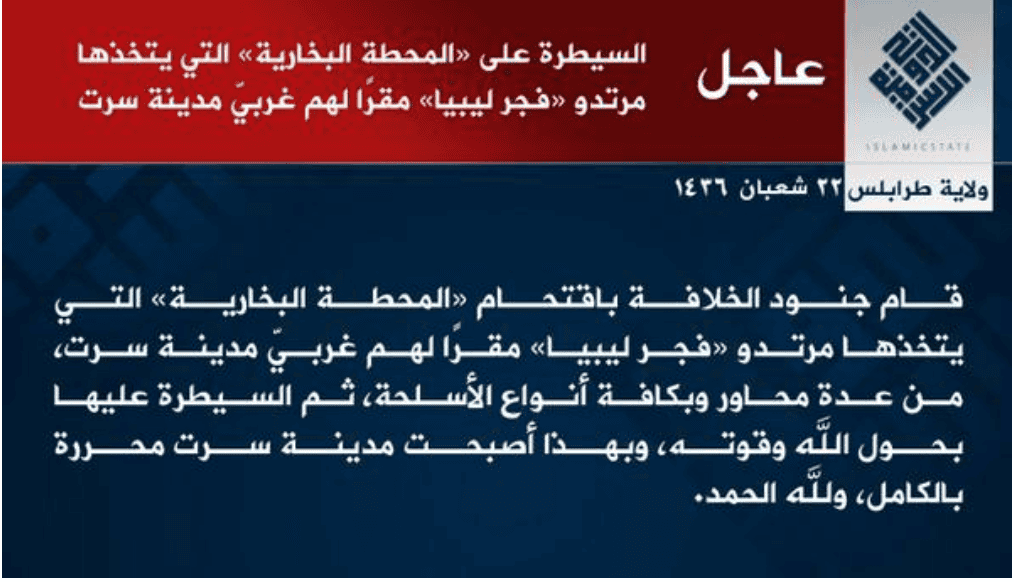
Islamic State ‘province’ advances in and around Libyan city of Sirte
The Islamic State’s fighters in Libya say they have taken control of a power plant outside of the city of Sirte. The group has repeatedly targeted locations in Sirte since the beginning of the year, taking over significant parts of the city in the process.
-
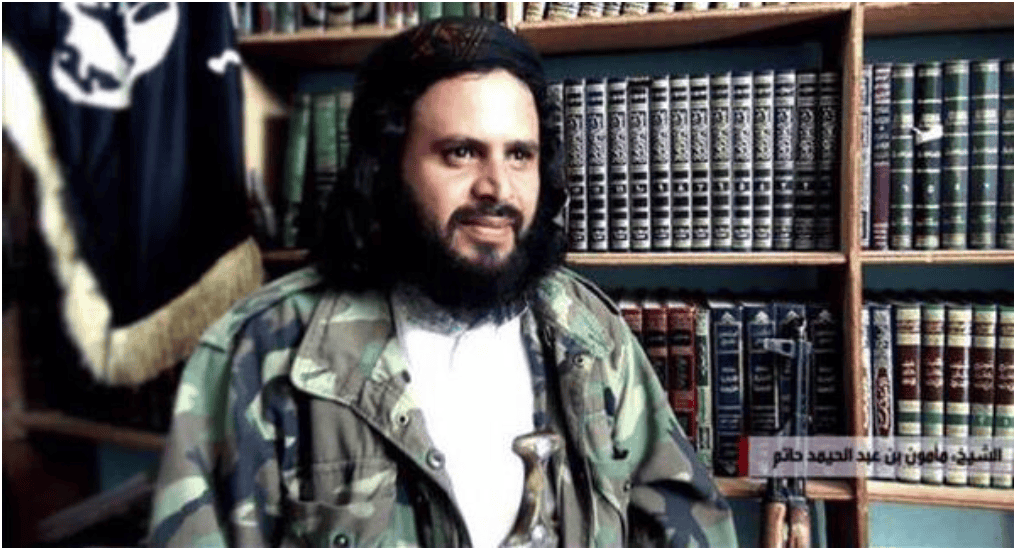
US reportedly kills Ansar al Sharia official in drone strike in Yemen
A US drone strike reportedly killed Ma’moun Abdulhamid Hatem, an AQAP and Ansar al Sharia official who supported the Islamic State, yesterday in Yemen. His purported death has not been confirmed by the group.
-
Ansar al Sharia Libya relaunches social media sites
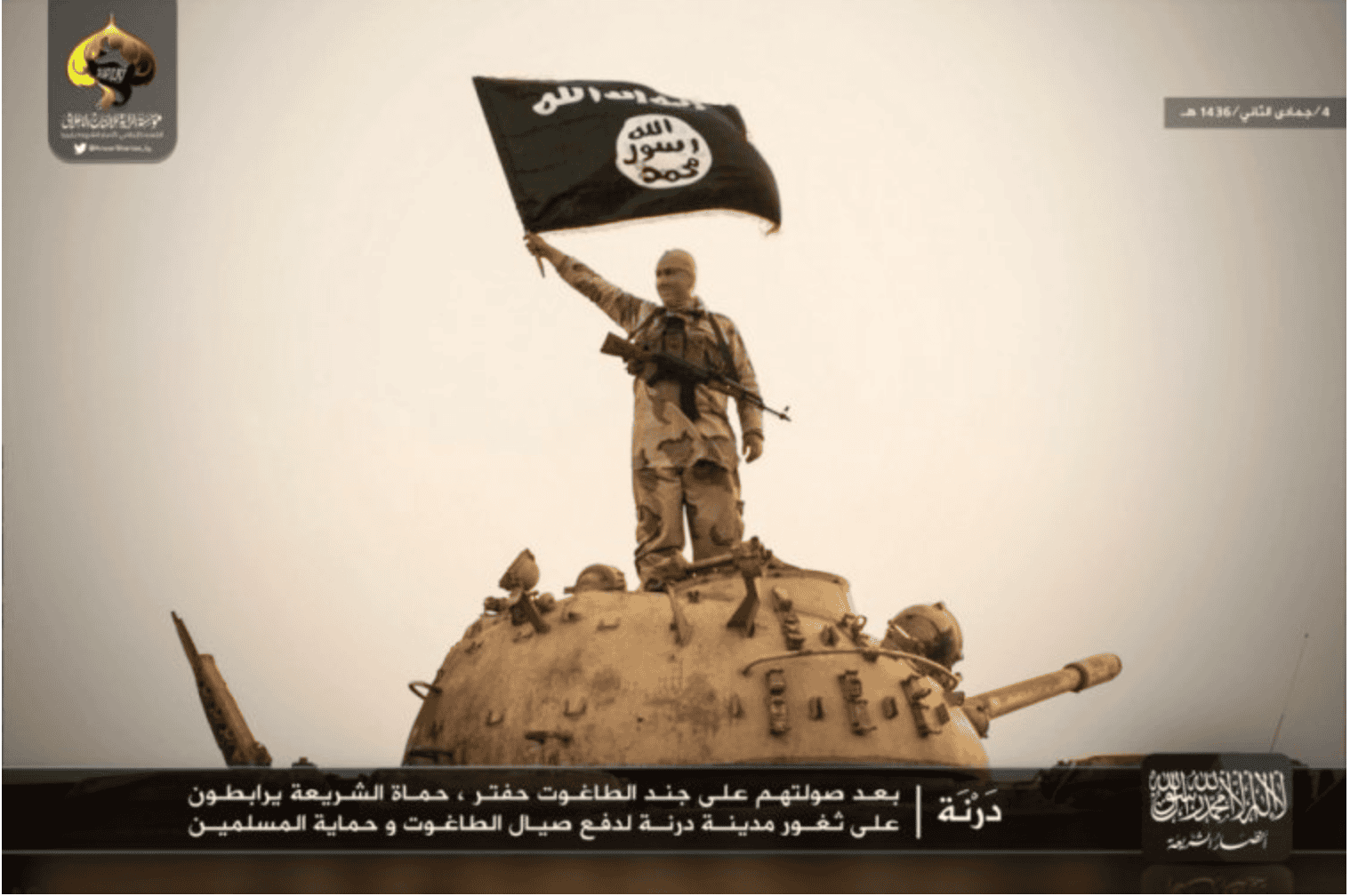
Ansar al Sharia Libya now operates a radio station in Benghazi and several Twitter feeds. The group is at war with General Khalifa Haftar’s forces, but is promoting its governance efforts even while in the thick of battle. While a senior sharia official has defected to the Islamic State, there is no indication the group as a whole has followed suit.
-
Islamic State reportedly claims responsibility for Tunis massacre
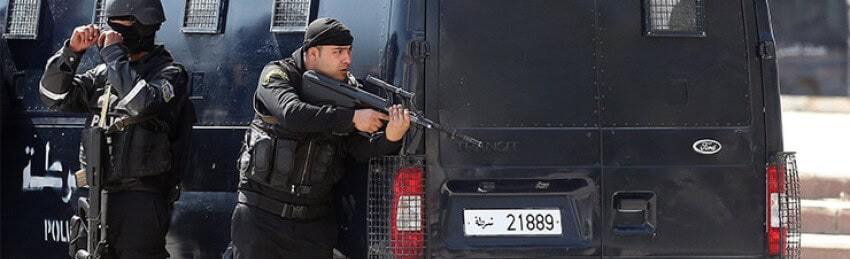
Twenty of the victims were visiting from Western nations and elsewhere, which the Islamic State referred to as “Crusader countries.”
-
AQIM battalion takes credit for killing 4 Tunisian security officers
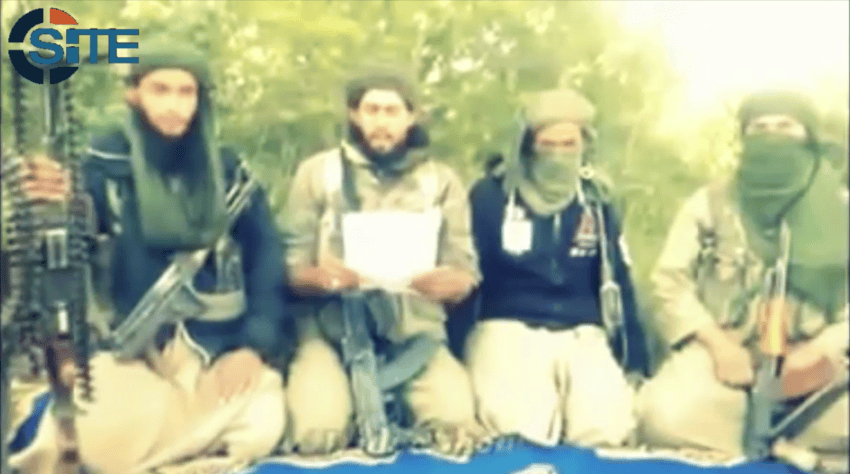
Al Qaeda in the Islamic Maghreb’s (AQIM) Uqba bin Nafi Battalion has claimed credit for an attack that killed four members of Tunisia’s National Guard. The group remains loyal to AQIM despite some claims that it had defected to Abu Bakr al Baghdadi’s Islamic State.
-
Ansar al Sharia Libya leader met with Osama bin Laden, followed his ‘methodology’
Before his own death on Jan. 31, Harith al Nadhari, a senior AQAP sharia official, recorded an audio eulogy for the leader of Ansar al Sharia Libya, Mohammed al Zahawi. Nadhari noted that Zahawi had met with Osama bin Laden in the mid-1990s.

-
Ansar al Sharia photos focus on governance efforts near Benghazi
Ansar al Sharia Libya released a set of propaganda photos in late January that are intended to demonstrate the group’s authority over areas in and around Benghazi. The photos purportedly show a police station and a convoy of security vehicles under the group’s control. However, forces loyal to General Haftar also claim to control much of the city.