In an interview on Tuesday, US Defense Secretary Leon Panetta said that US operations against al Qaeda will decline in Iraq and Afghanistan, and that US operations will now focus on groups in Yemen, Somalia, and North Africa.
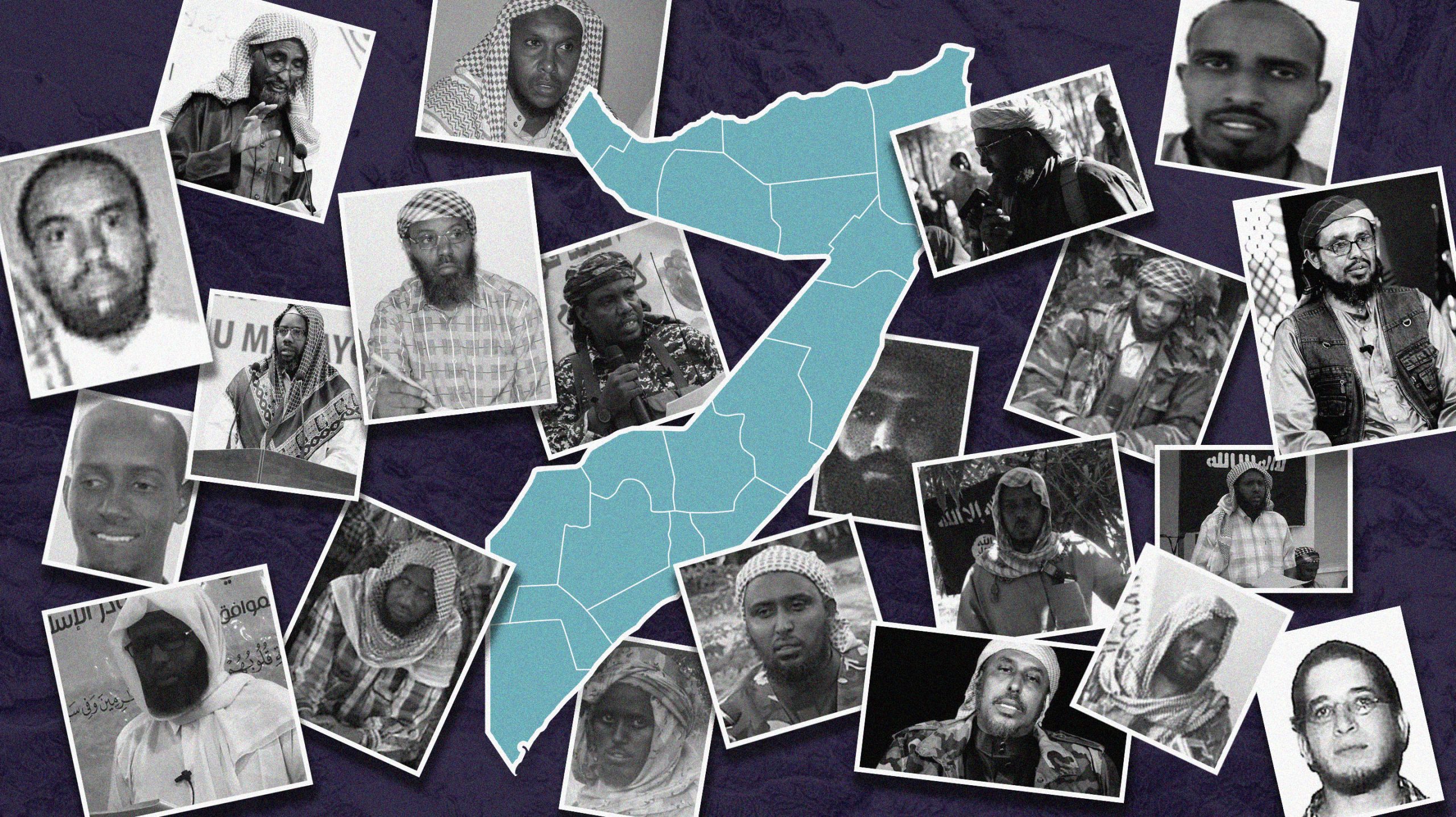
As the US winds down operations in Iraq and begins its methodical withdrawal from Afghanistan, the U.S. military has increasingly focused on Africa — particularly the north, where insurgents have found sanctuary.
What has caused this change in focus? According to the US government, the threat from al Qaeda in Pakistan has declined.
US officials have acknowledged that as the threat from al Qaeda leaders in Pakistan declines — largely due to U.S. strikes that have killed insurgents or kept them on the run — affiliated groups in Africa and Yemen have taken on more active and dangerous roles.
To some, the statement that the threat from al Qaeda in Pakistan and Afghanistan has declined to such an extent is … remarkable, to put it mildly. But it should come as no surprise. In June 2011, the Obama administration published its “National Strategy for Counterterrorism,” which spelled out official US strategy on counterterrorism. It contains the same positions stated by Secretary Panetta.
I have the extracted the relevant passages below, as well as some others that the reader may also find remarkable. In particular, see underlined passages [emphasis added].
Al Qaeda central has been weakened:
Since the beginning of 2011, the transformative change sweeping North Africa and the Middle East– along with the death of Usama bin Laden–has further changed the nature of the terrorist threat, par¬ticularly as the relevance of al-Qa’ida and its ideology has been further diminished. Usama Bin Laden’s persistent calls for violent regime change in the Arab World and perpetual violence against the United States and our allies as the method to empower Muslim populations stands in stark contrast to the nonviolent movements for change in the Middle East and North Africa.In just a few short months, those movements achieved far more political change than al-Qa’ida’s years of violence, which has claimed thousands upon thousands of victims–most of them Muslim.Our support for the aspirations of people throughout the Middle East, North Africa, and around the world to live in peace and prosperity under representative governments stands in marked contrast to al-Qa’ida’s dark and bankrupt worldview.
To put it simply: We are bringing targeted force to bear on al-Qa’ida at a time when its ideology is also under extreme pressure.
Al Qaeda in Pakistan is on the path to defeat:
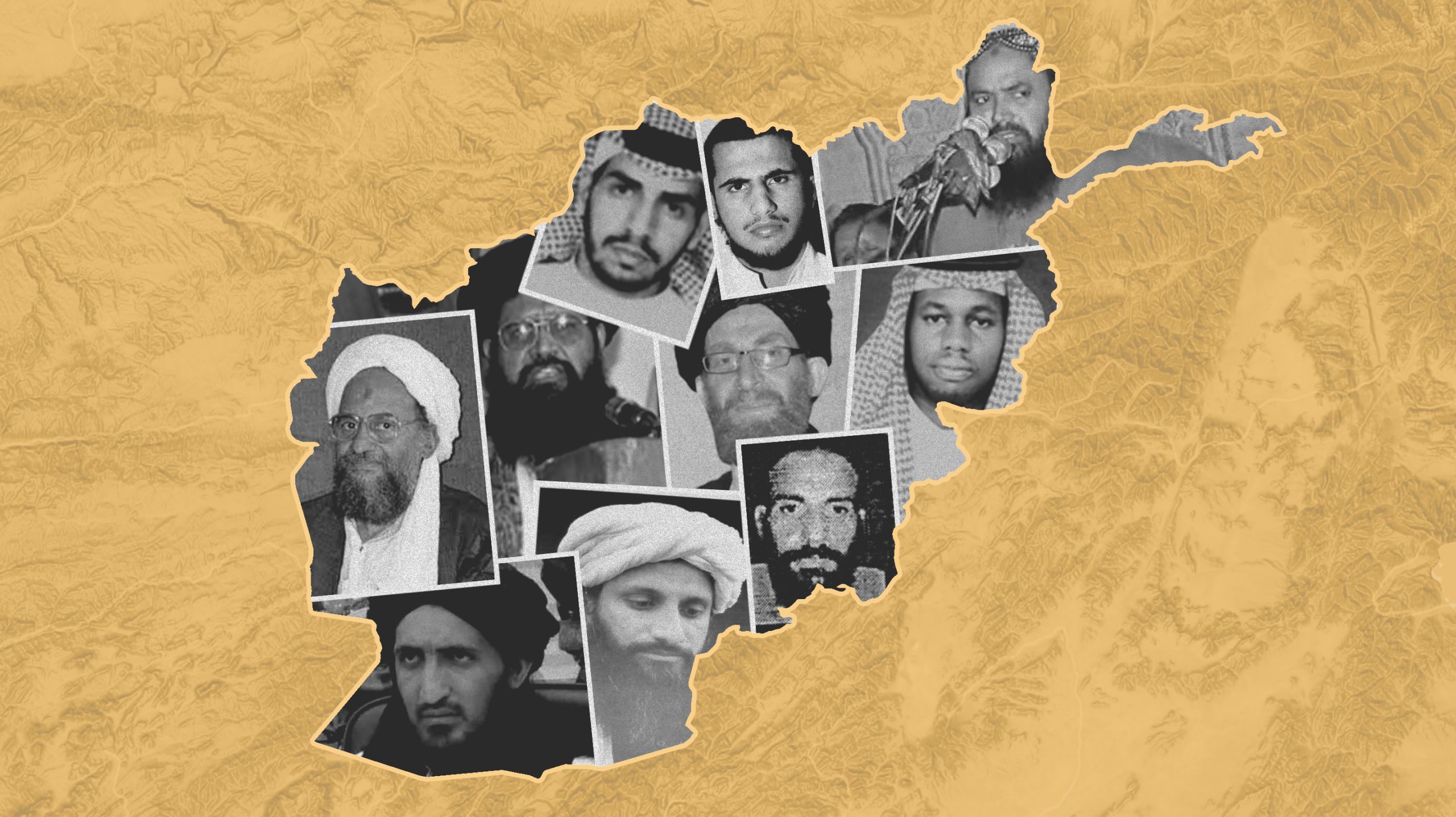
From its base of operations in Pakistan’s Federally Administered Tribal Areas (FATA), al-Qa’ida continues to pose a persistent and evolving threat to the U.S.Homeland and interests as well as to Pakistan, Afghanistan, India, Europe, and other targets of opportunity. Sustained pressure against al-Qa’ida in Pakistan–in particular since 2008–has forced the group to undergo the most significant turnover in its command structure since 2001 and put al Qa’ida on a path to defeat. Despite these losses, al-Qa’ida is adapting.
Our CT efforts in Pakistan have far-reaching implications for our global CT efforts. Al-Qa’ida continues to capitalize on its safehaven to maintain communications with its affiliates and adherents and to call on them to use violence in pursuit of its ideological goals. Therefore, the operational dismantlement of Pakistan-based al-Qa’ida will not eliminate the threat to the United States, as we are likely to face a lingering threat from operatives already trained as well as from the group’s affiliates and adherents in South Asia and in other parts of the world. Disrupted terrorist attacks in 2009 and 2010–including al-Qa’ida in the Arabian Peninsula’s role in the failed December 25, 2009 aviation bombing and the Tehrik-e Taliban Pakistan’s involvement in the May 1, 2010 failed attack in Times Square–suggest that the determination of an expanded and more diverse network of terrorist groups to focus beyond their local environments may persist even with the ultimate defeat of al-Qa’ida in the Afghanistan-Pakistan theater.
In Pakistan our efforts will continue to focus on a range of activities that are pursued in conjunction with the Government of Pakistan to increase the pace and scope of success against key al-Qa’ida and affili¬ated targets. It is unlikely that any single event–even the death of Usama bin Laden, the only leader al-Qa’ida has ever known–will bring about its operational dismantlement. Therefore, a sustained level of intensified pressure against the group is necessary. As such, U.S.CT activities are focused on working with our partners to ensure the rapid degradation of al-Qa’ida’s leadership structure, command and control, organizational capabilities, support networks, and infrastructure at a pace faster than the group is able to recover as well as on further shrinking its safehaven and limiting access to fallback locations elsewhere in Pakistan.
The major threats are al Qaeda affiliates outside of Pakistan:
Even if we achieve the ultimate defeat of al-Qa’ida in the Afghanistan-Pakistan theater, an expanded and diverse network of terrorist groups determined to focus beyond their local environments is likely to persist.
The principal focus of the National Strategy for Counterterrorism is the collection of groups and individuals who comprise al-Qa’ida and its affiliates and adherents.
Affiliated movements have taken root far beyond al-Qa’ida’s core leadership in Afghanistan and Pakistan, including in the Middle East, East Africa, the Maghreb and Sahel regions of northwest Africa, Central Asia, and Southeast Asia. Although each group is unique, all aspire to advance al-Qa’ida’s regional and global agenda.
Al-Qa’ida in the Arabian Peninsula (AQAP)
The United States faces a sustained threat from Yemen-based AQAP, which has shown the intent and capability to plan attacks against the U.S.Homeland and U.S.partners. Yemen is struggling to contain AQAP amidst an unprecedented confluence of security, political, and economic challenges. Yemen’s instability has direct implications for the United States. Even as we work to support Yemen’s stability and the aspirations of the Yemeni people, the defeat of AQAP will remain our CT priority in the region, and we will continue to leverage and strengthen our partnerships to achieve this end.
The United States faces two major CT challenges in the Arabian Peninsula–the direct threat posed by al-Qa’ida in the Arabian Peninsula (AQAP), and the large quantity of financial support from individuals and charities that flow from that region to al-Qa’ida and its affiliates and adherents around the world. In confronting both challenges, we will look chiefly to our partners in the region–Saudi Arabia, United Arab Emirates, Kuwait, Bahrain, Oman, Yemen, and others–to take the lead, with U.S.support and assistance.
Al-Qa’ida in East Africa and Al-Shabaab
Al-Qa’ida elements continue to be the primary CT focus of the United States in light of clear indications of their ongoing intent to conduct attacks. Their presence within al-Shabaab is increasingly leading that group to pose a regional threat with growing transregional ties to other al-Qa’ida affiliates and ambitions on the part of some to participate more actively in al-Qa’ida-inspired violence.Influenced by its al-Qa’ida elements, al-Shabaab has used terrorist tactics in its insurgency in Somalia, and could–motivated to advance its insurgency or to further its al-Qa’ida-agenda or both–strike outside Somalia in East Africa, as it did in Uganda, as well as outside the region.
Other Terrorist Concerns Requiring Focus and Attention
Although al-Qa’ida is our strategic as well as tactical CT priority, other designated terrorist organizations pose a significant threat to U.S.strategic interests. Hizballah, HAMAS, and the Revolutionary Armed Forces of Colombia (FARC) remain opposed to aspects of U.S.foreign policy and pose significant threats to U.S.strategic interests as regional destabilizers and as threats to our citizens, facilities, and allies worldwide.
Iran and Syria remain active sponsors of terrorism, and we remain committed to opposing the support these state sponsors provide to groups pursuing terrorist attacks to undermine regional stability.
Thus, the shift in US strategy:
Although we continue to pursue those components of our CT strategy that have proven so successful in recent years in degrading al-Qa’ida, we must at the same time be prepared to adjust our strategy to confront the evolving threat prompted in part by that very success. It is clear that al-Qa’ida the organization has been degraded and has, out of weakness, called on individuals who know the group only through its ideology to carry out violence in its name.
In this Strategy we have redoubled our efforts to undercut the resonance of the al-Qa’ida message while addressing those specific drivers of violence that al-Qa’ida exploits to recruit and motivate new generations of terrorists. And even as the core of al-Qa’ida in Pakistan and Afghanistan continues to be dismantled through our systematic CT actions, we have expanded our focus in this Strategy to articulate the specific approaches we must take to counter al-Qa’ida affiliates and adherents on the periphery, be they established affiliated groups in Yemen or Somalia or individual adherents in the Homeland who may be mobilized to violence in al-Qa’ida’s name.
Let me reiterate. This is the official US policy at the highest level.