|
|
|
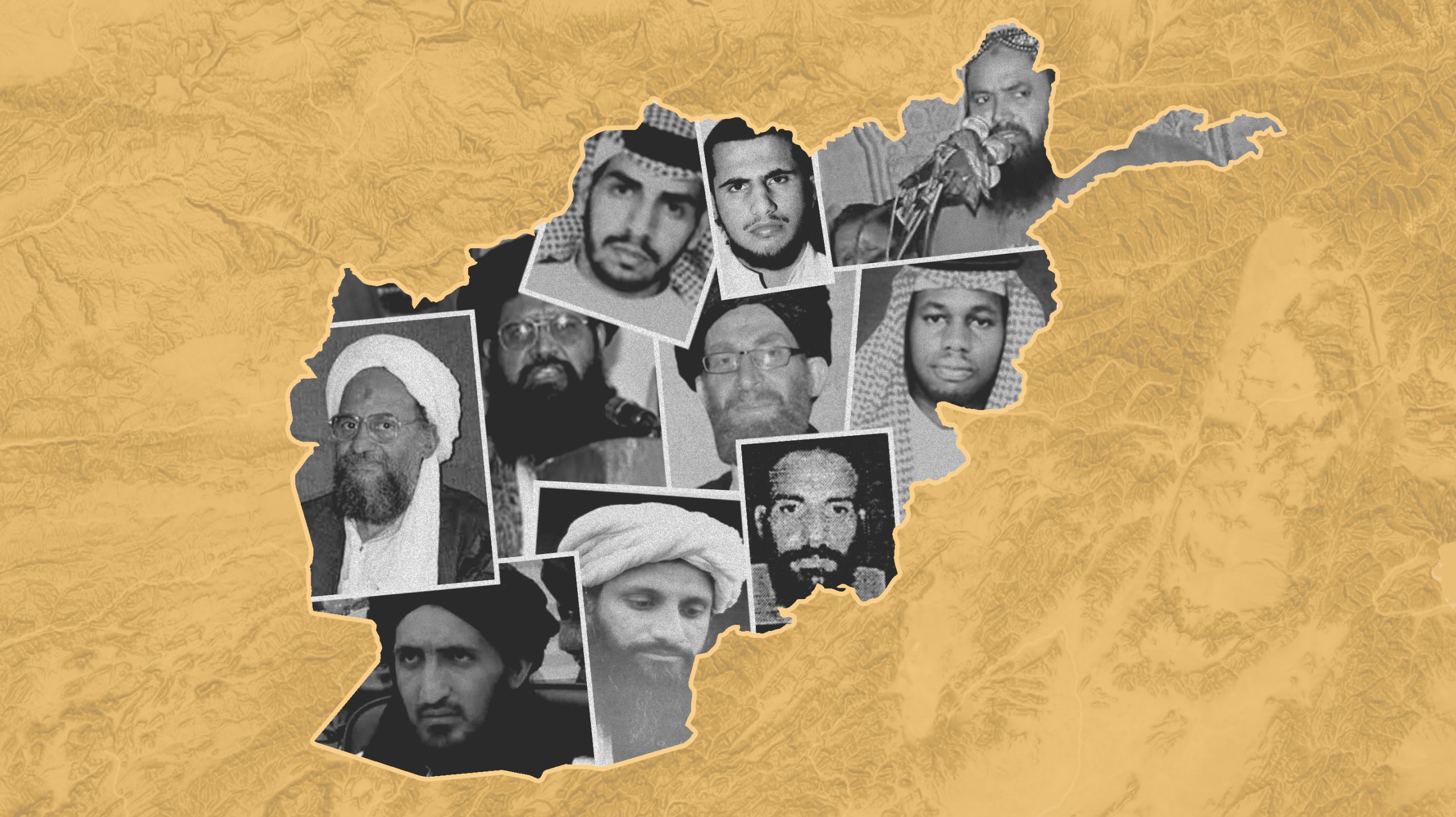
Map of Afghanistan’s provinces. Click map to view larger image. |
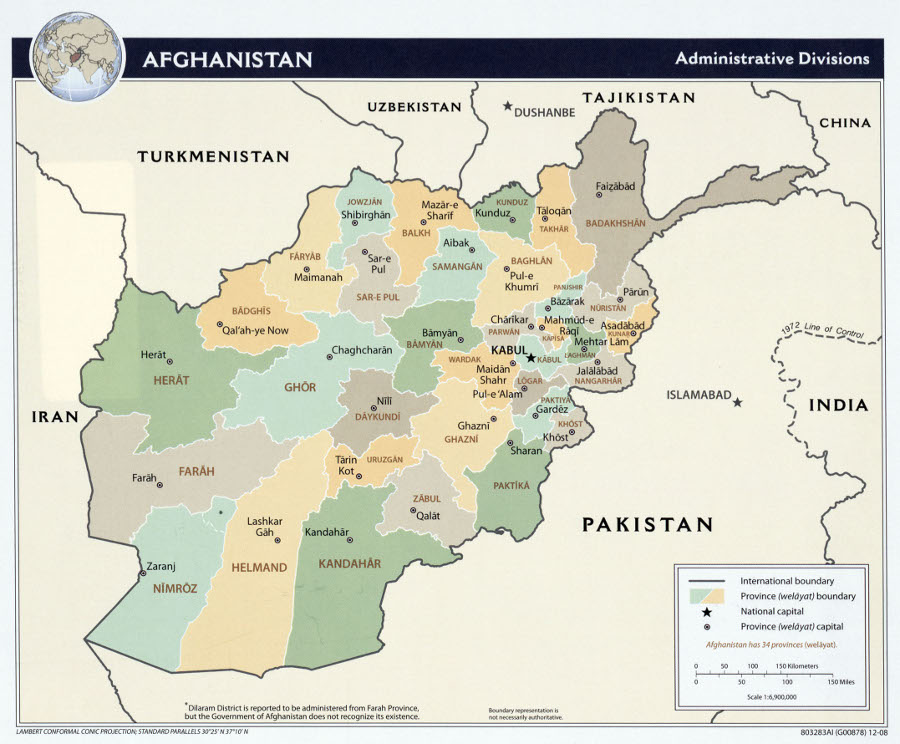
In Balkh province yesterday, a Coalition and Afghan special operations team captured a leader of the al Qaeda-linked Islamic Movement of Uzbekistan who ran training camps in the northern Afghan province of Samangan. And in a separate raid, a senior IMU commander was detained in Baghlan province.
The IMU leader, who was not named, was captured during a joint special operations raid yesterday in the Sholgarah district in Balkh. During the raid, one IMU fighter was killed and two more were captured, the International Security Assistance Force stated in a press release.
ISAF said the IMU leader ran “multiple IMU training camps and was involved with the facilitation and movement of fighters in and out of Samangan training camps, including fighters’ movement to Pakistan.” He also was involved in “numerous attacks” on Coalition and Afghan security forces, as well as civilians.
ISAF’s identification of training camps in Samangan province makes for the second time in the past week that the military command has pointed out the location of terror camps in the Afghan north. On March 18, ISAF stated that “suicide training camps” were in operation in the neighboring province of Sar-i-Pul.
Over the past four days, ISAF special operations teams have also hammered away at the IMU’s network in Baghlan province’s district of Burkah, which ISAF has previously called “a Taliban and Islamic Movement of Uzbekistan safe haven.” ISAF has reported on three separate raids in the last four days against the al Qaeda-linked IMU in Burkah.
The March 19 raid targeted four “key” Islamic Movement of Uzbekistan commanders, “including the most senior IMU leader and Taliban liaison” in the north. The second raid took place on March 20, when a “senior leader of the Islamic Movement of Uzbekistan and Taliban liaison” was targeted. The third raid, yesterday, appears to have hit the mark. The “senior IMU leader and liaison to the Taliban network in Kunduz” appears to have been captured. (Had he been killed, ISAF would have announced his name; ISAF does not release the names of those detained.)
Since March 8, ISAF has carried out six raids against the IMU leadership cadre in the Burkah district in Baghlan province alone. [See LWJ report, ISAF strikes at 4 IMU commanders in ‘safe haven’ in Afghan north, from March 20, for a description of the other raids.]
Background on the Islamic Movement of Uzbekistan in the region
The Islamic Movement of Uzbekistan and the Taliban maintain a strong presence in the northern Afghan provinces of Baghlan, Kunduz, and Takhar, and have branched out into the provinces of Badakhshan, Balkh, Faryab, Jawzjan, Samangan, and Sar-i-Pul. The two allied terror groups have been establishing strongholds in the Afghan north, and are known to operate training camps in Kunduz and suicide camps in Sar-i-Pul. In addition, top leaders of the Islamic Movement of Uzbekistan have integrated into the Taliban’s shadow government in the north.
The Islamic Movement of Uzbekistan’s top leadership cadre is based in Pakistan’s Taliban-controlled tribal agency of North Waziristan, and operates primarily along the Afghan-Pakistani border and in northern Afghanistan. According to one estimate, more than 3,000 Uzbeks and other Central Asian fighters are sheltering in North Waziristan.
Since Sept. 1, 2010, the US has ramped up airstrikes against the terror groups in North Waziristan. Many of the strikes targeted cells run by the Islamic Jihad Group, an IMU offshoot, which were plotting to conduct Mumbai-styled terror assaults in Europe. A Sept. 8 strike killed an IJG commander known as Qureshi, who specialized in training Germans to conduct attacks in their home country.
The IMU’s former leader, Tahir Yuldashev, was killed in a US Predator airstrike in South Waziristan in September 2009. Yuldashev sat on al Qaeda’s top council, the Shura Majlis. He has been replaced by Abu Usman Adil.
Islamic Movement of Uzbekistan fighters often serve as bodyguards for top Pakistani Taliban and al Qaeda leaders. The IMU fights alongside the Taliban in Pakistan and Afghanistan, and has stepped up attacks in Central Asian countries as well.