-
One war, many fronts: Iran and its proxies
The war with Iran is far from over, and the fight extends well beyond the Strait of Hormuz. Bill Roggio is joined by FDD Senior Fellow and former British Ambassador to Yemen Edmund Fitton-Brown to assess the status of the US-Iran conflict, Tehran’s efforts to break the American naval blockade, and the growing role of its terrorist proxies.
-
Afghanistan-Pakistan border clashes continue amid reported Pakistani outreach to anti-Taliban groups
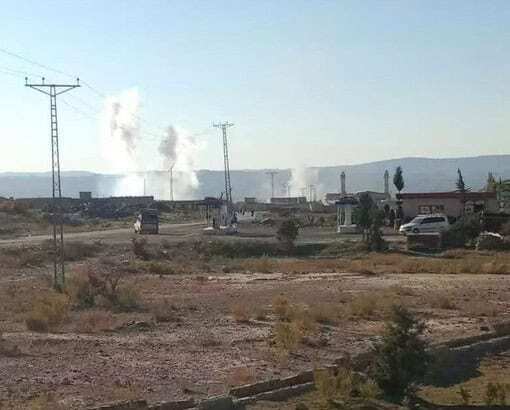
Taliban and Pakistani forces have clashed at least three times since October 19, amid reports that Pakistani military and intelligence officials have met with members of Afghanistan’s anti-Taliban resistance to discuss possible support.
-
Poland selected to host Patriot Advanced Capability-3 missile maintenance facility
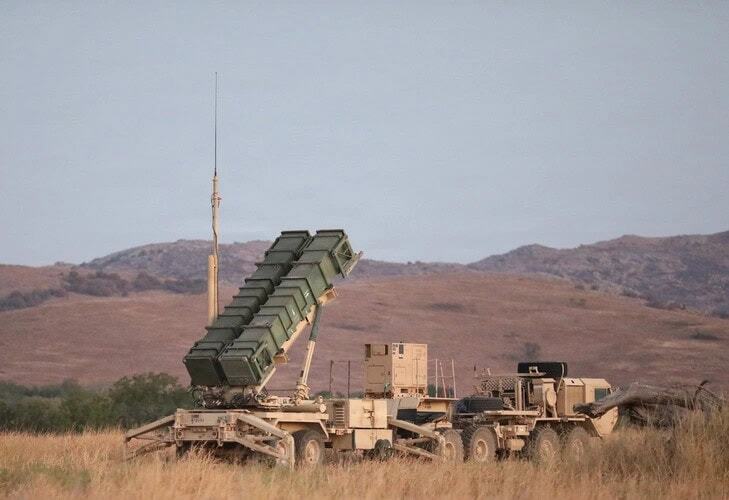
Poland will host Europe’s first dedicated maintenance facility for the Patriot air defense system’s PAC-3 missiles, reducing repair and servicing times while strengthening regional air defense readiness. The initiative comes amid growing shortages of critical munitions and Poland’s broader efforts to expand its role in US weapons production and maintenance.
-
Jordanian Air Force strikes targets in Syria in retaliation for deadly church attack
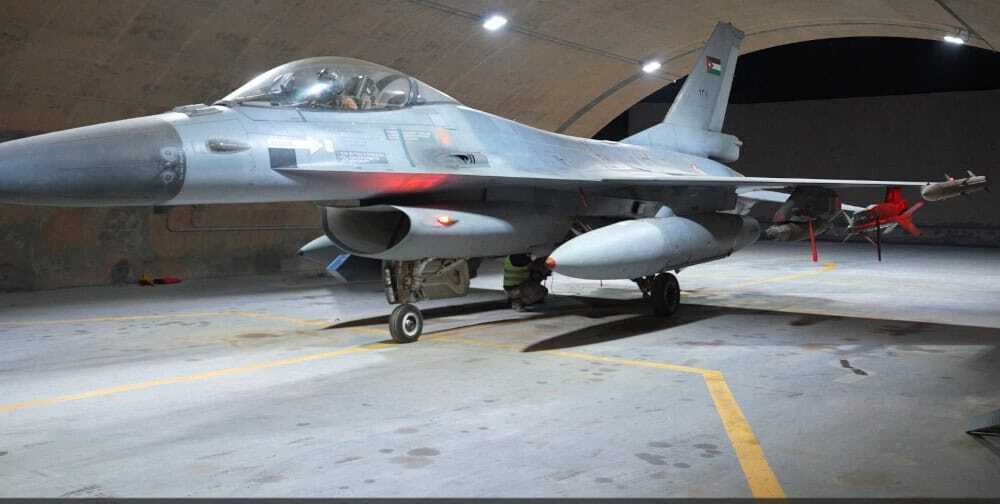
On October 26, the Jordanian Air Force conducted multiple strikes against suspected Islamic State positions in southern Syria, targeting militants Jordan linked to an October 23 attack on a church in Karak that killed nine people and wounded dozens. Jordan said the strikes killed more than 20 militants, while Syrian authorities reported seven civilian deaths.
-
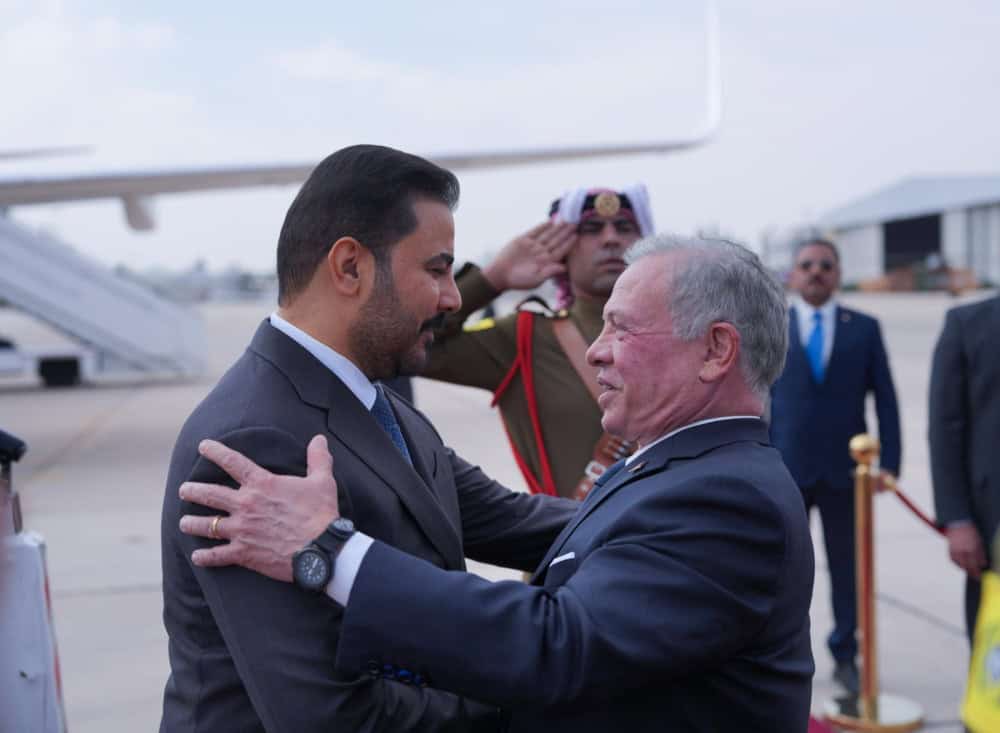
Iraq juggles border security and ties with Iran, Syria, and Jordan
Iraqi Prime Minister Ali al Zaidi is seeking to strengthen border security and regional cooperation amid tensions with Iran over the closure of a key crossing in Iraq’s Maysan province, while also pursuing closer ties with Jordan and Syria. The developments come as Baghdad continues to face threats from Iranian-backed militias, concerns over instability along…
-
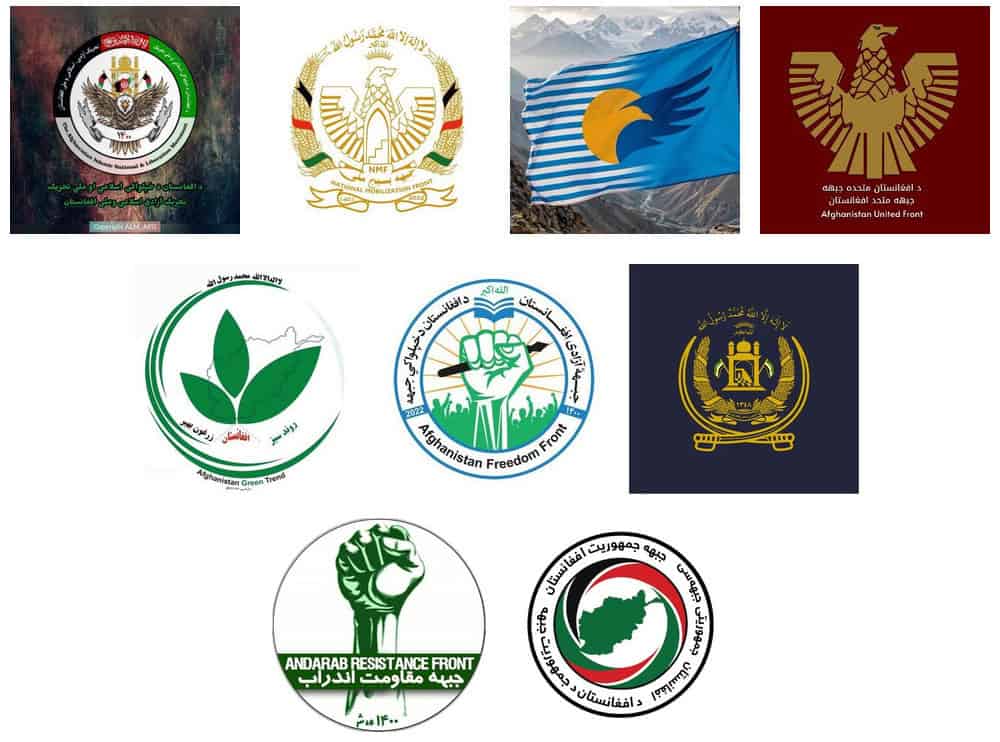
Pakistani outreach presents a dilemma for Afghanistan’s anti-Taliban resistance
Pakistan’s reported outreach to anti-Taliban resistance groups reflects deteriorating ties with its longtime ally. But accepting Pakistani support could deepen divisions in the resistance and undermine its standing among Afghans who blame Islamabad for decades of bloodshed.
-
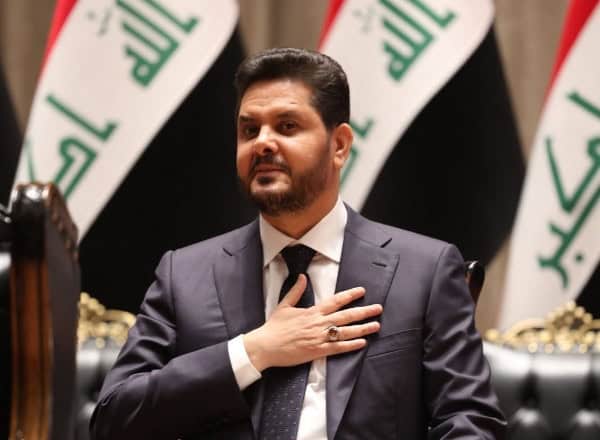
Iraqi parliament approves most remaining cabinet appointments, including Iran-backed militia figures
After five months of negotiations, almost all remaining spots in Iraqi Prime Minister Ali al Zaidi’s cabinet were approved by the parliament on October 15. Among the three deputy prime ministers is Laith al Khazali, whom the US State Department designated a Specially Designated Global Terrorist in 2020.
-
The Houthis’ Red Sea power play
The Houthis are on the offensive in Yemen, threatening one of the world’s most important maritime chokepoints and bringing the war back to Saudi Arabia’s doorstep. Bill Roggio is joined by FDD research analyst and Long War Journal contributor Bridget Toomey to discuss the Iranian-backed group’s renewed campaign to conquer Yemen, its advances along the…
-

Ukrainian intelligence details new low-cost Russian cruise missile
A new missile called the Filin adds to Russia’s growing arsenal of low-cost, long-range munitions, placing strain on Ukraine’s overstretched air defenses. Ukraine is expected to scale production of faster interceptor drones, but this addresses only part of the challenge of countering Russia’s evolving missile and drone capabilities.
-
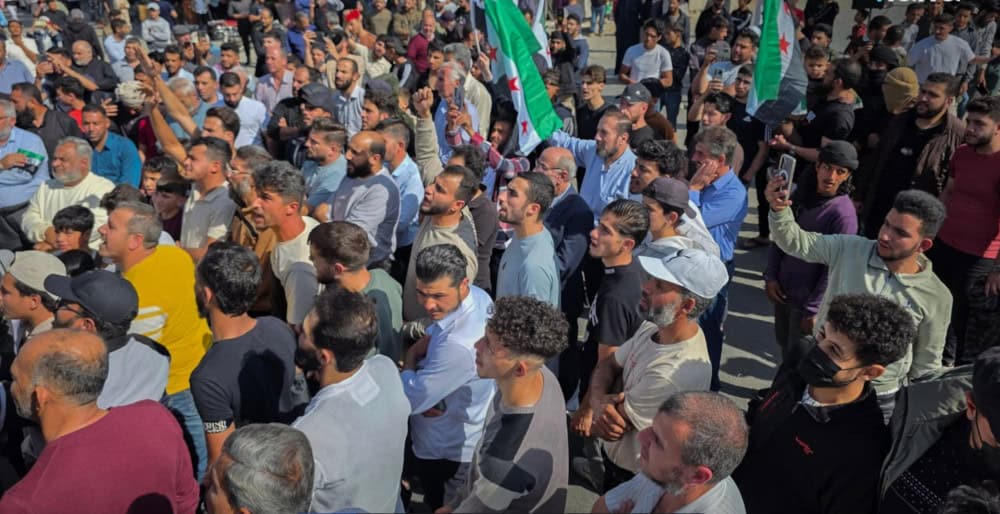
Protests break out in Syria against ‘Israeli incursions and attacks’ as tensions rise
Protests erupted across southern Syria and Damascus on October 23 against Israeli military operations in the buffer zone along the Golan border, following reports that a Syrian man with disabilities was killed during an IDF raid. The protests come amid growing Syrian condemnation of Israeli incursions, as well as diplomatic efforts by Syrian officials to…
-
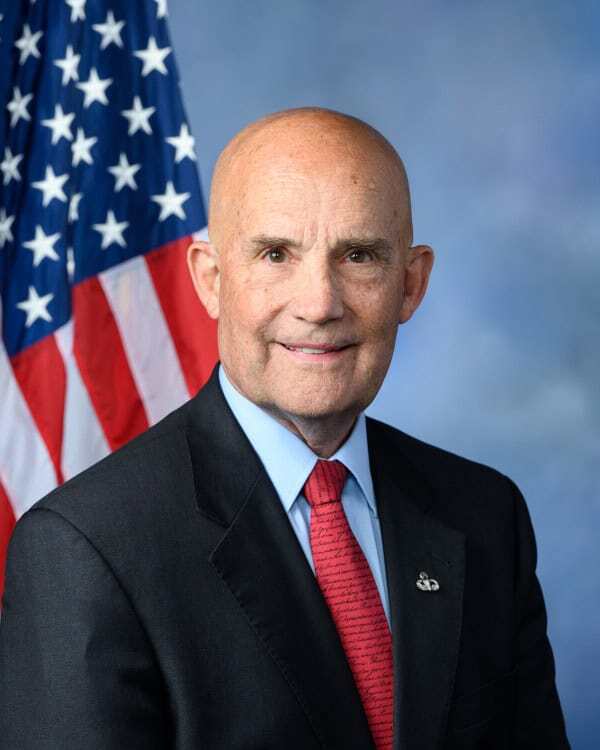
FBI arrests alleged Islamic State supporter accused of plotting to assassinate Texas congressman
A 17-year-old Texas teenager allegedly plotted to assassinate Republican US Representative Keith Self at a veterans’ fundraiser as part of a broader Islamic State-inspired terrorist plot. Federal agents arrested the suspect after he acquired a firearm.

All Articles
-
Jordan carries out airstrikes in Syria against drug smugglers
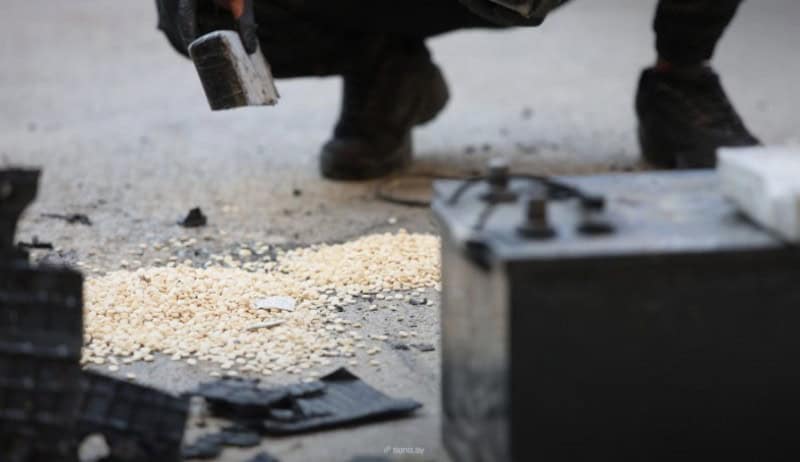
The Kingdom of Jordan conducted airstrikes targeting drug smuggling networks in southern Syria between December 23 and 25. The Jordanians coordinated with regional partners, although reports did not specify whom. The strikes targeted rural areas near the Jordanian border in Syria’s southern Suwayda Governorate, which is currently controlled by Druze forces.
-
UAE forces to depart Yemen after Saudi demands, strikes
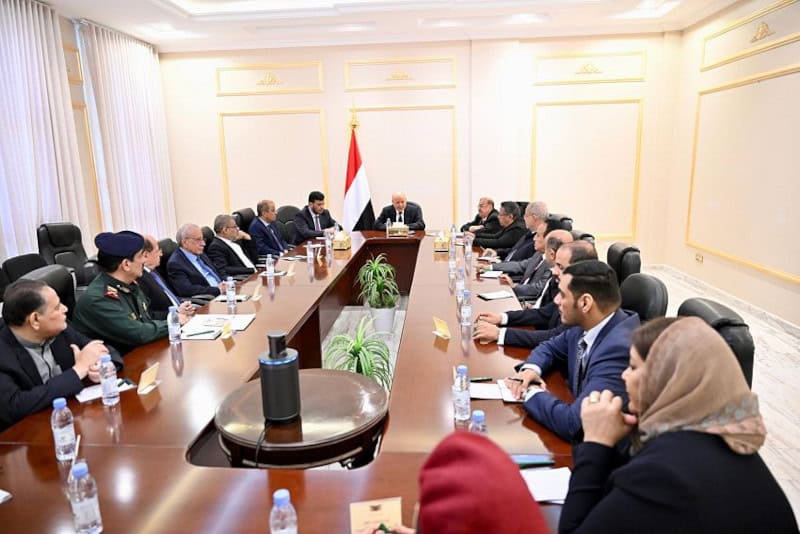
The United Arab Emirates announced the withdrawal of its forces from Yemen after demands for their departure from Saudi and select Yemeni leaders and Saudi airstrikes targeting Yemeni separatist groups. The UAE forces previously served in a counterterrorism capacity as part of the Saudi-led coalition fighting the Houthis. Saudi Arabia and the United Arab Emirates, as well as their respective local partners, are renegotiating the balance of power in Yemen after southern separatist forces captured the country’s eastern territory.
-
Israeli operations in Lebanon against Hezbollah: December 22–28, 2025
Israel continued military operations in Lebanon between December 22 and December 28, 2025. Israeli activities this week included strikes on Hezbollah assets and personnel north and south of the Litani River, reaching as far as Hermel, and killing an alleged Lebanese Armed Forces-Hezbollah dual operative.
-
Israel rotates military units in Gaza as new phase of ceasefire deal looms
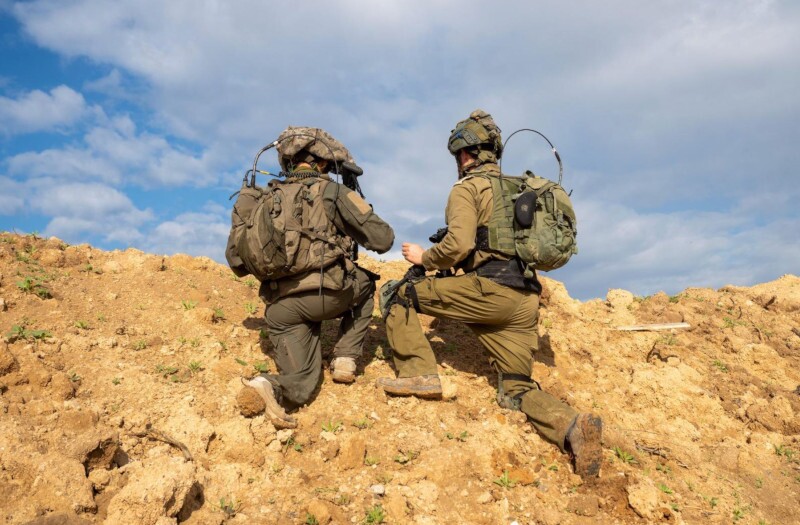
In late December, the Israel Defense Forces (IDF) replaced the 2nd Reserve Infantry Brigade and Kfir Brigade in Gaza with the 16th Reserve Infantry Brigade and 188th Armored Brigade, respectively. The IDF continues to deal with threats from terrorists along the Yellow Line in the territory, and an Israeli soldier was wounded on December 24 by an explosive device. Israeli Prime Minister Benjamin Netanyahu prepared for a trip to Miami to meet US President Donald Trump.
-
US strikes Islamic State in Nigeria
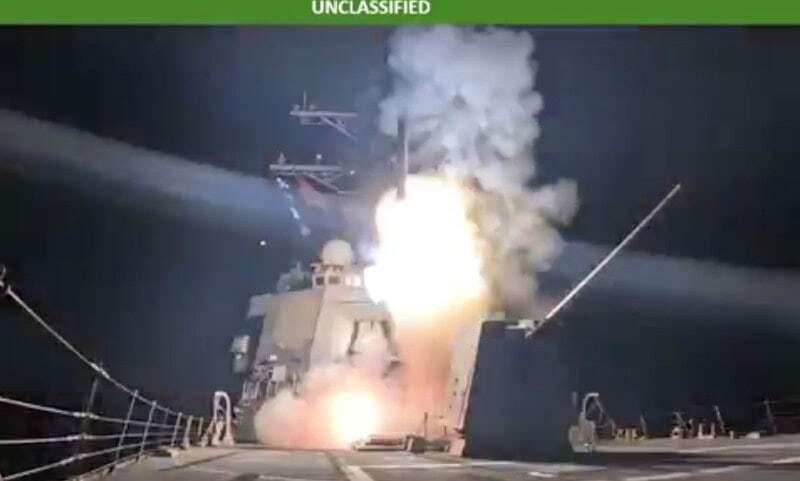
President Donald Trump announced that US forces struck Islamic State targets in northwestern Nigeria on December 25 after the Nigerian government reportedly requested military action from the United States. The strikes took place in Sokoto State, which borders Niger and has been one of the scenes of jihadist expansion from the Sahel into Nigeria.
-
Iraqi militias divided on disarming and accepting government control
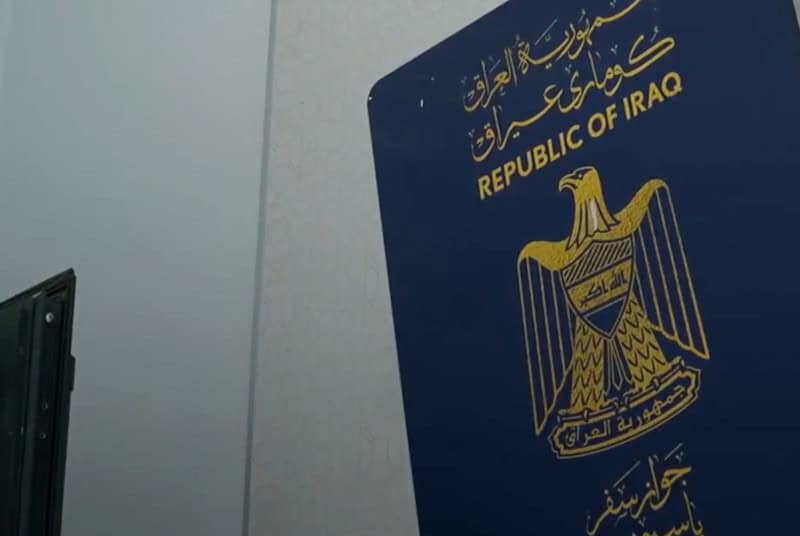
Iranian-backed militias in Iraq are reportedly considering an initiative to disarm and place their weapons under government control. The militias, part of Iraq’s Popular Mobilization Forces (PMF), have been incorporated as independent units within Iraq’s security forces since 2016. Kataib Hezbollah, one of the most powerful of militias, has rejected disarmament, while the US lauded the potential development.
-
Libyan parliament speaker claims maritime deal with Turkey invalid but open to renegotiation
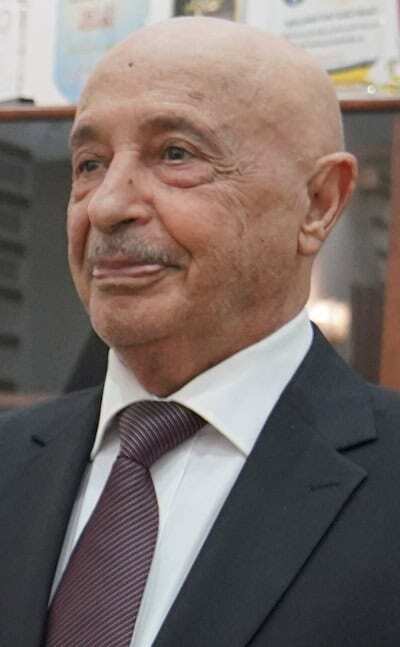
House of Representatives Speaker Aguila Saleh has declared the 2019 Libya-Turkey maritime agreement illegitimate, arguing that it lacked parliamentary ratification and was concluded amid Libya’s unresolved civil conflict. The deal, signed after Turkey’s military intervention on behalf of the Tripoli-based government, expanded Ankara’s maritime claims in the eastern Mediterranean and provoked sharp opposition from Greece, Egypt, and the European Union. Saleh’s call for multilateral negotiations—including Greece, Egypt, and Turkey—underscores Libya’s continued fragmentation and signals a potential challenge to Ankara’s long-term military and energy ambitions in the region.
-
Israeli operations in Lebanon against Hezbollah: December 15–21, 2025
Israel continued military operations in Lebanon between December 15 and December 21, 2025. Israeli activities this week included strikes on Hezbollah assets and personnel north and south of the Litani River, reaching as far as Baalbek and Hermel.
-
US launches widespread airstrikes against Islamic State in Syria after deadly Palmyra attack
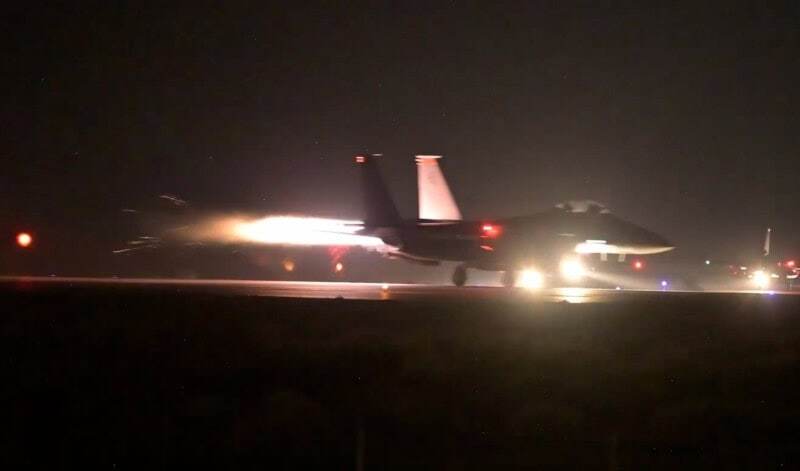
On December 19, US Central Command announced that US forces conducted “a large-scale strike against ISIS infrastructure and weapons sites in Syria.” Al Arabiya reported that the United States hit “70 ISIS targets in sites in central Syria.”
-
US highlights anti-Islamic State operations after soldiers killed in Syria
US Central Command (CENTCOM) published new data in the wake of the killing of two American soldiers and an interpreter in Syria on December 13, showing that US and partner forces have carried out 80 operations in the country since July 2025. “We will continue to work closely with our Syrian partners to hunt down ISIS networks and prevent their resurgence,” Admiral Brad Cooper, the head of CENTCOM, said. There have also been several security operations in Syria and Iraq conducted by Syrian and Iraqi security forces in the wake of the attack.
-
Generation Jihad | Fighting terror with terror
According to the Taliban’s self-assessment (what could go wrong), Afghanistan is “stable” — but according to reality, it’s not. Terrorist groups still operate openly, Al Qaeda remains embedded, and the same extremists are now being trusted to “fight” other extremists. Bill Roggio and Edmund Fitton-Brown break down why outsourcing counterterrorism to jihadists is a fatal mistake — and why the so-called “peace of the Taliban” comes at an unbearable price: the erasure of half the country’s population and the return of Afghanistan as a global terror hub.
-
US-led meeting on Gaza International Stabilization Force inconclusive, IDF reports 12 Gaza ceasefire violations from December 4 to 18
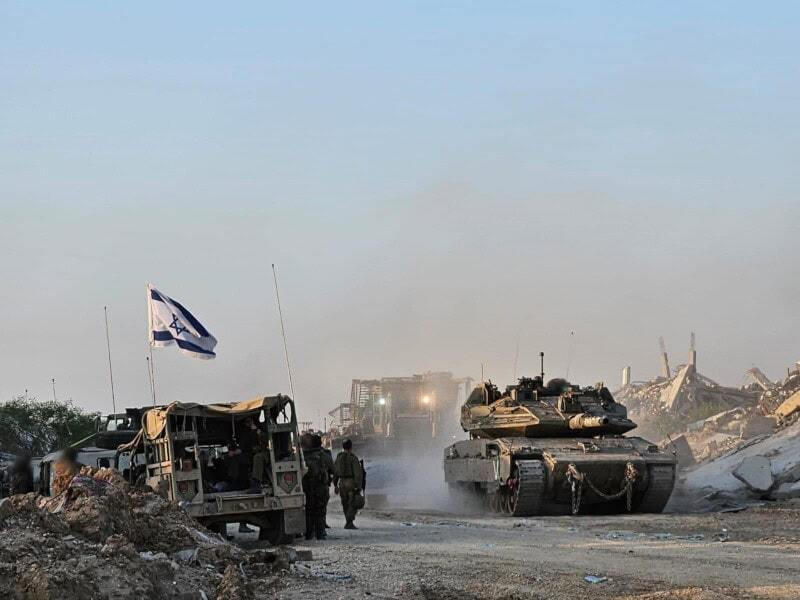
As Israel awaits the return of the remains of the final hostage in Gaza, Hamas and Palestinian terror groups violated phase one of US President Donald Trump’s 20-point ceasefire plan 12 times between December 4 and 18, according to the Israel Defense Forces (IDF). Dozens of countries attended a United States Central Command conference in Doha to discuss the deployment of an International Stabilization Force in Gaza, but no nations have committed to sending troops. Meanwhile, Hamas leadership reiterated the terror group’s unwillingness to disarm.
-
Israeli operations in Lebanon against Hezbollah: December 8–14, 2025
Israel continued military operations in Lebanon between December 8 and December 14, 2025. Israeli activities were more intense than in the preceding weeks and included a resumption of targeted killings.
-
Hamas acknowledges the killing of senior commander Raed Saad
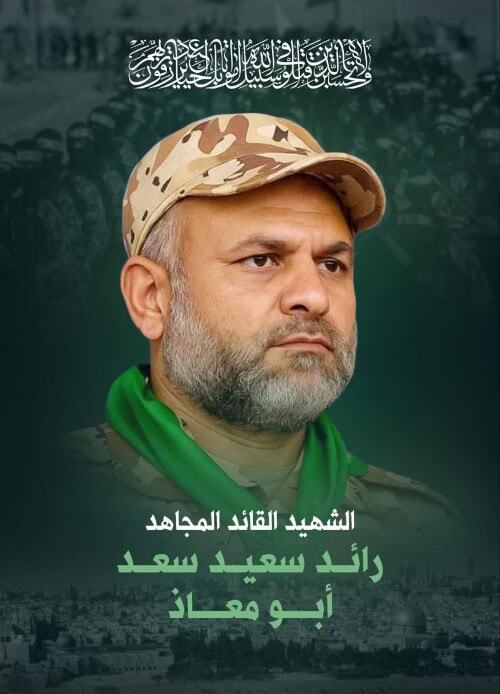
In contrast to its ambiguity about casualty announcements during the recent war with Israel, Hamas confirmed the killing of veteran senior leader Raed Saad and additional operatives. Israel said Saad held multiple senior positions within Hamas and was among the planners of the October 7 attack.
-
Syria investigates deadly attack on US forces, US names 2 National Guard soldiers as victims
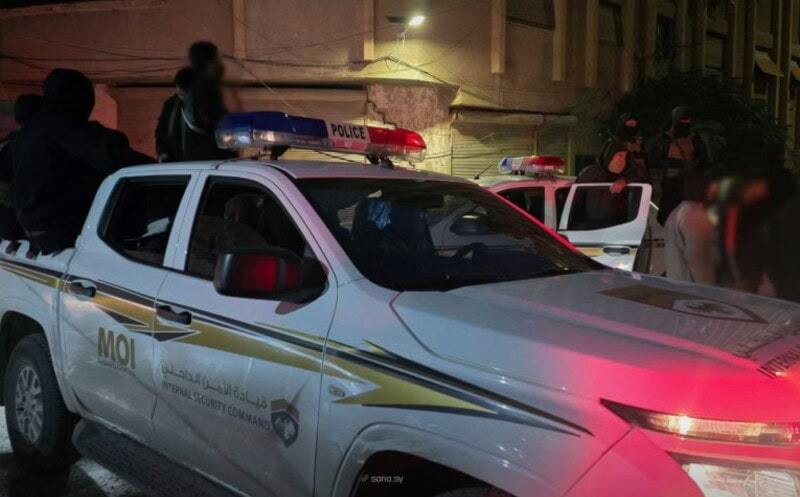
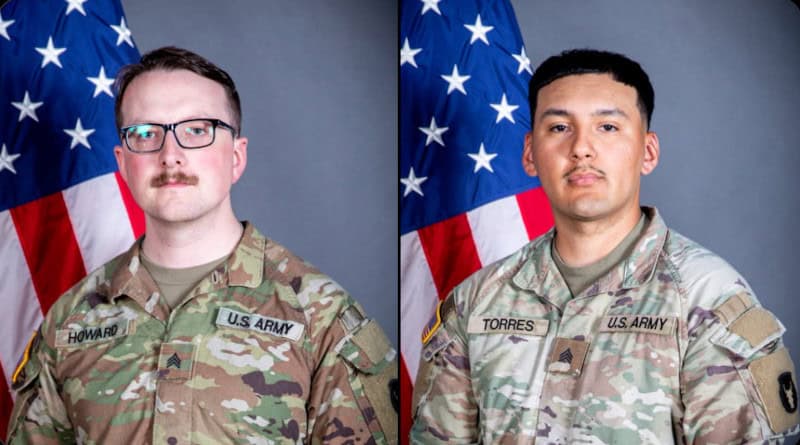
The Iowa National Guard released the names of two US soldiers who were killed by an Islamic State member in Syria on December 13. In the aftermath of the attack, Syrian Foreign Minister Assad al Shaibani spoke with US Secretary of State Marco Rubio on December 14 and said the Syrian government would work with the US to degrade and destroy the Islamic State (IS). Syria’s Interior Ministry also conducted an anti-IS operation and detained five people. In northern Syria, an armed group killed four Syrian Interior Ministry personnel.
-
Terrorists attack Hanukkah lighting ceremony in Australia, kill at least 16
Two gunmen carried out an antisemitic terrorist attack on a Hanukkah celebration at Sydney’s Bondi Beach, killing at least 16 people and wounding dozens before one attacker was killed and the other arrested. Australian authorities, who said one suspect was previously known to the Australian Security Intelligence Organization, are investigating possible foreign links as Israel separately examines whether Iran or its proxies played a role amid warnings about Iranian-backed threats to Jewish communities abroad.

-
3 Americans killed, 3 injured in Islamic State ambush attack in Palmyra, Syria
US Central Command announced that “two U.S. service members and one U.S. civilian were killed, and three service members were injured, as a result of an ambush by a lone [Islamic State] gunman in Syria.” A Syrian government official confirmed reports that the attacker was a member of the government’s security forces, stating that he had been under investigation and may have had “extremist ideas.”
-
Ukraine says it has regained ground from Russian forces in Kupiansk
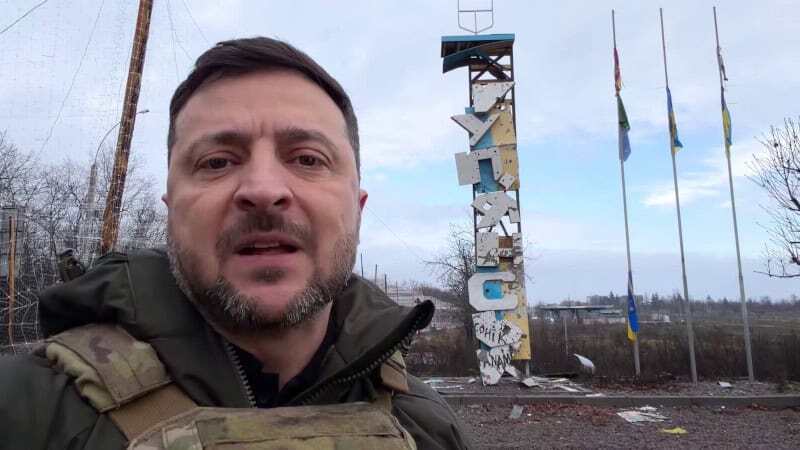
Ukrainian forces appear to have regained ground in and around the northeastern Ukrainian city of Kupiansk, giving Kyiv a much-needed victory amid setbacks elsewhere on the battlefield and in peace negotiations.
-
Analysis: The Islamic State’s war on Christians in Congo
The Islamic State Central Africa Province (ISCAP), locally known as the Allied Democratic Forces (ADF), has killed almost 1,000 civilians this year, with the vast majority of its victims being Christian villagers. ISCAP has explicitly framed its attacks as a war against Congo’s Christians. However, the group’s rhetoric has changed in recent months to also focus on trying to convert Christians to Islam.

-
Iranian Baluch separatist factions establish Popular Fighters Front coalition
Iranian Baluch separatist factions have formed a new coalition known as the Popular Fighters Front (JMM), presenting themselves as a unified movement against the Islamic Republic of Iran. The coalition’s manifesto outlines its constituent groups, including PADA Baluch, Harakat-e Nasr, Jaish al Adl, the Mohammad Rasulullah network, and independent fighters, and frames its mission as defending the “dignity, culture, and political identity” of the Baluch people while appealing to broader Iranian opposition forces. JMM has already claimed responsibility for a December 2025 attack in Zahedan that left four of Iran’s Islamic Revolutionary Guard Corps personnel dead.