The Pakistani government and military have rejected US requests to dismantle the deadliest Taliban network, which operates in eastern Afghanistan and is based in North Waziristan.
Pakistani officials refuse to take on the Haqqani Network, a Taliban group closely allied to al Qaeda, Mullah Omar’s Quetta Shura, and Pakistan’s military and intelligence services.
The Haqqani Network is behind some of the most deadly suicide attacks in Afghanistan as well as a series of complex terror assaults that targeted Afghan ministries and Coalition forces.
Pakistani officials have responded negatively to US diplomatic demarches and a very public campaign by the US government to put pressure on Pakistan to act against the Haqqanis and the Quetta Shura, The New York Times reported. “Former Pakistani military officers voice irritation with the American insistence daily on television, part of a mounting grievance in Pakistan that the alliance with the United States is too costly to bear,” according to the Times.
Pakistani officials claimed the US timeline on the Afghan ‘surge’ and Pakistan’s desire to keep Mullah Omar and the Haqqanis as strategic depth against India and other actors in Afghanistan account for the intransigence. But US military and intelligence officials said Pakistan’s military brass also fears that acting against the Haqqanis and Mullah Omar will fracture the services.
“Even if he wanted to moved against Haqqani, I think General Kiyani is concerned the move will spark the nationalist elements of the Army and ISI [the Inter-Services Intelligence] to side with the pro-Islamists, and spark a civil war within the military,” said a senior US intelligence official contacted by The Long War Journal.
There is already a low-grade conflict within the military and intelligence services over the Pakistani Army’s move against the Mehsud branch of the Taliban in South Waziristan and the tribal areas.
“The reality is the Taliban have been able to successfully conduct attacks against secured targets, particularly GHQ [Army General headquarters] in Rawalpindi, because they’ve had inside help,” the official continued. “The military at least can say the TTP [the Movement of the Taliban in Pakistan led by Hakeemullah Mehsud] is conducting attacks against Pakistan; Kiyani can’t make that argument with the Haqqanis or the Quetta Shura. It would be a bridge too far.”
US officials have very publicly leaked reports that the covert US air campaign would expand beyond the remote villages of the tribal areas and begin to target the Taliban and al Qaeda based in Quetta and Baluchistan. This also has infuriated much of the rank and file and the officer ranks in Pakistani military.
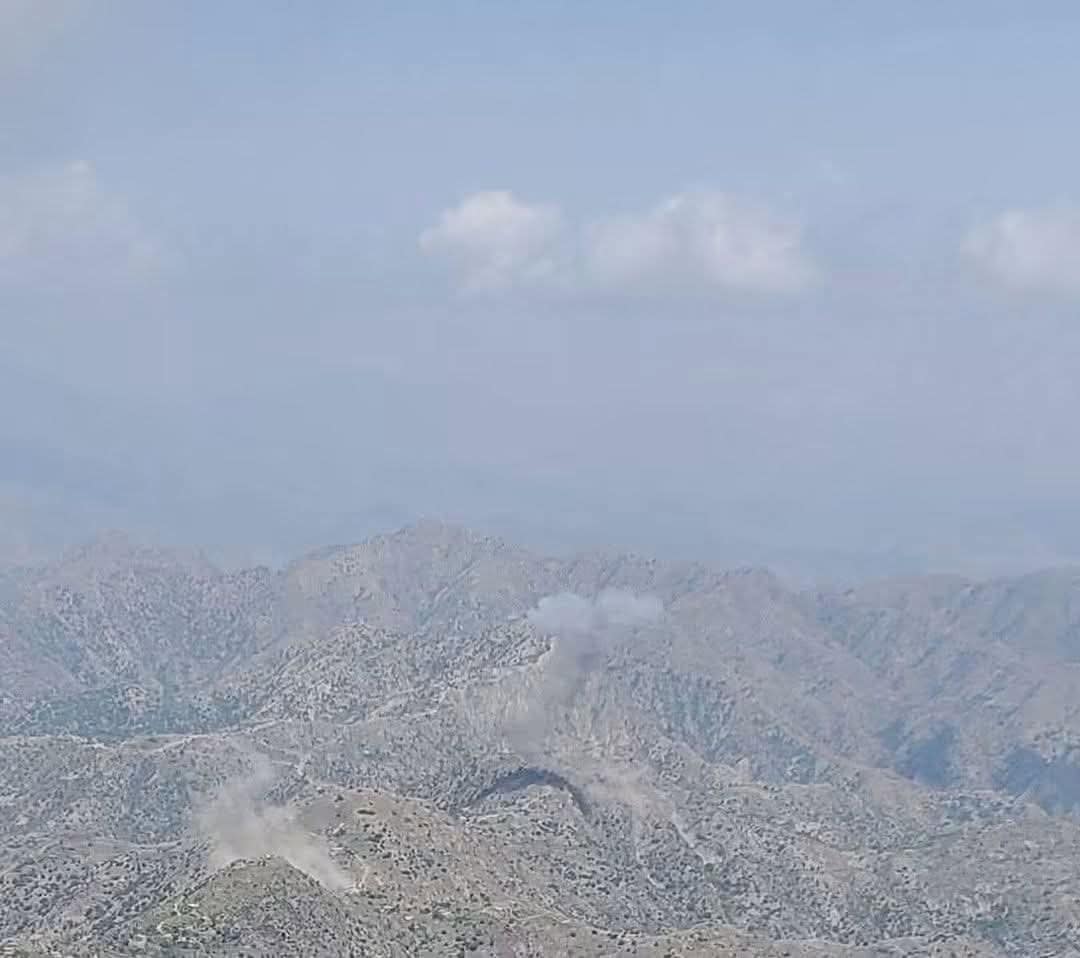
The US air campaign has focused on targeting the Haqqani Network and al Qaeda operatives sheltering in their tribal regions. Twelve of the last 15 strikes have taken place in North Waziristan, a region inhabited by Siraj Haqqani and Taliban leader Hafiz Gul Bahadar.
Last week, the US believed it killed Saleh al Somali, the leader of al Qaeda’s external operations network, in a strike in the Haqqanis’ territory.
The US is dependent on Pakistan’s approval for the air campaign to expand beyond the tribal areas. The Pakistani military and government ultimately hold the upper hand, a senior US military officer reminded The Long War Journal. While the Pakistani government reaps the benefits of nearly $1.5 billion in US aid per year, the US is “reliant on Pakistan for our logistics into Afghanistan.” An estimated 70 percent of the supplies for NATO pass though Pakistan.
The Pakistani government has pulled the plug on the logistic chain once in September 2008 in protest of a US air assault on a village in South Waziristan.
|
|
|
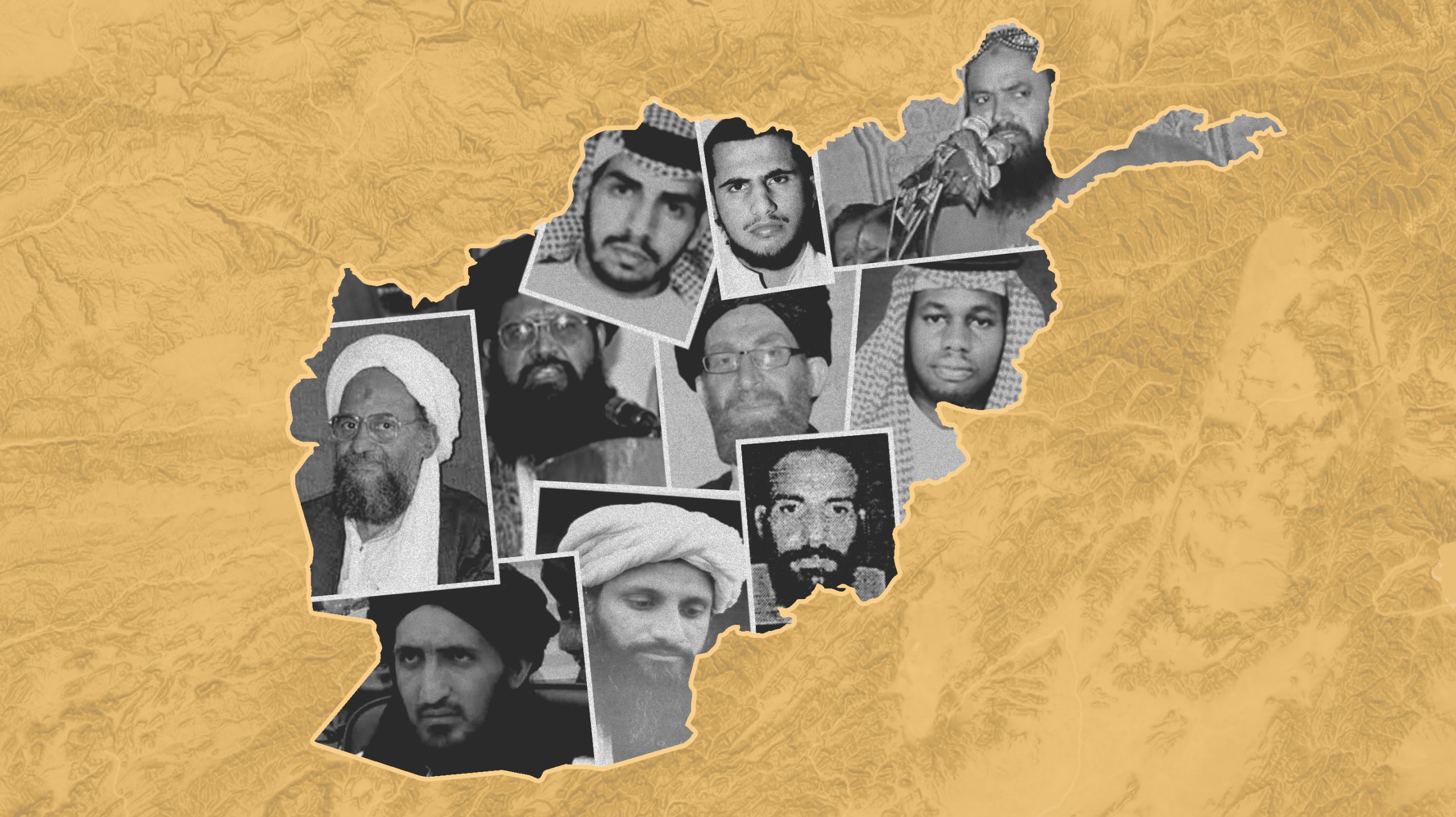
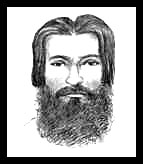
Click to view slide show of the Haqqani Network. Pictured is a composite image of Siraj Haqqani. |
Background on the Haqqani Network
The Haqqani Network is active in the Afghan provinces of Khost, Paktia, Paktika, Ghazni, Logar, Wardak, and Kabul, and provides support to Taliban networks in Kunar, Nangarhar, Helmand, and Kandahar provinces.
The Haqqanis have extensive links with al Qaeda and with Pakistan’s military intelligence agency, the Inter-Services Intelligence. These relationships have allowed the Haqqani Network to survive and thrive in North Waziristan. The Haqqanis control large swaths of North Waziristan, and run a parallel administration with courts, recruiting centers, tax offices, and security forces. Miramshah, the main town in North Waziristan and a stronghold of the Haqqanis, is a hub of activity for jihadis from all over the world.
Siraj Haqqani, a son of Jalaluddin, has risen in prominence over the past few years. He is believed to be the mastermind of the most deadly attacks inside Afghanistan and to be the senior military commander in eastern Afghanistan. The US military has described Siraj as the primary threat to security in eastern Afghanistan.
Siraj is considered dangerous not only for his ties with the Afghan Taliban, but also because of his connections with al Qaeda’s central leadership, which extend all the way to Osama bin Laden. On March 25, the US Department of State put out a $5 million bounty for information leading to the capture of Siraj.
Siraj is believed to be a member of al Qaeda’s military shura, or council, US intelligence officials told The Long War Journal.