Afghan soldiers and Coalition troops have launched offensives against Taliban forces in Farah and Kunar provinces and killed more than 50 Taliban. The remains of a US soldier who was listed as missing in Kunar after a Taliban assault on an outpost on May 1 have been found.
The fighting in Farah broke out after the Taliban carried out public executions of three former government officials in the Bala Boluk district. The three men were murdered for working with the government, the provincial governor told Reuters.
Afghan soldiers backed by Coalition strike aircraft launched an operation in Bala Boluk, targeting the more than 100 Taliban fighters manning fighting positions in the district. The operation sparked major fighting. Twenty-five Taliban fighters and four Afghan soldiers have been reported killed in the battle, which has been reported to still be underway. Eight soldiers and 11 civilians have also been wounded in the clashes.
“The operation is still going on and casualty figures on both sides may change,” Governor Rohul Amin said. “Civilians might have been hurt during the operations, but we don’t have any figure yet.”
The insurgency in Farah has intensified over the past two years. While attacks and violence are low compared to the hotter regions in the south and east, the Taliban has stepped up efforts in the southwest. Farah borders the insurgency-wracked province of Helmand and also borders Iran, which smuggles weapons to the Taliban across the border.
Battles in Kunar
Afghan and Coalition forces have also battled the Taliban in the eastern province of Kunar over the past several days.
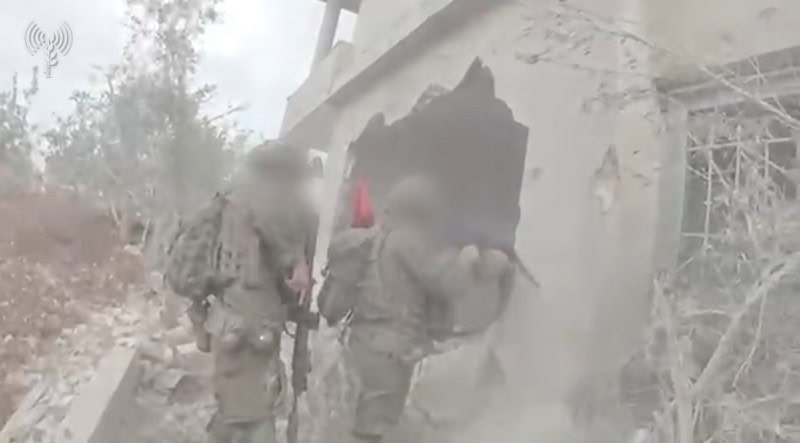
On May 1, a large Taliban force, estimated at more than 100 fighters, attacked a combat outpost near the village of Nishagam, leading to a large clash that resulted in losses on both sides. Two US and two NATO soldiers were killed during the attack, and a US soldier was officially listed as Duty Status Whereabouts Unknown (DUSTWUN) before his remains were recovered. Between 11 and 14 Afghan soldiers are also missing. Three Taliban fighters were also reported killed during the fighting.
The attack was likely the work of the Lashkar al Zil, or the Shadow Army, al Qaeda’s elite paramilitary army [see LWJ report, Al Qaeda’s paramilitary ‘Shadow Army’]. The unit has its roots in the 055 Brigade, which fought conventional battles against the Northern Alliance and US forces in Afghanistan.
The Taliban, al Qaeda, the Haqqani Network, Lashkar-e-Taiba, Harakat-ul-Jihad-al-Islami, Harakat-ul-Mujahideen, Lashkar-e-Jhangvi, and a host of Pakistani jihadi terror groups have joined forces to battle both the Pakistani military in the Northwest Frontier Province and the NATO and Afghan forces in Afghanistan. The Shadow Army contains fighters from each of these terror groups, and trains in camps in the Northwest Frontier Province and the tribal areas. The unit is led by Abdullah Sa’id al Libi.
Afghan and US forces responded to the May 1 attack by launching an operation that killed 24 Taliban fighters. Four Afghan soldiers were also killed during the fighting, which is reported to be ongoing.
Kunar is one of the most dangerous provinces in Afghanistan. Kunar is consistently in the top three in attacks and incidents, behind only Kandahar and Helmand provinces.
US forces have stepped up their presence in Kunar and neighboring Nuristan province since 2005, building remote outposts and bases along established smuggling routes used by Taliban forces.
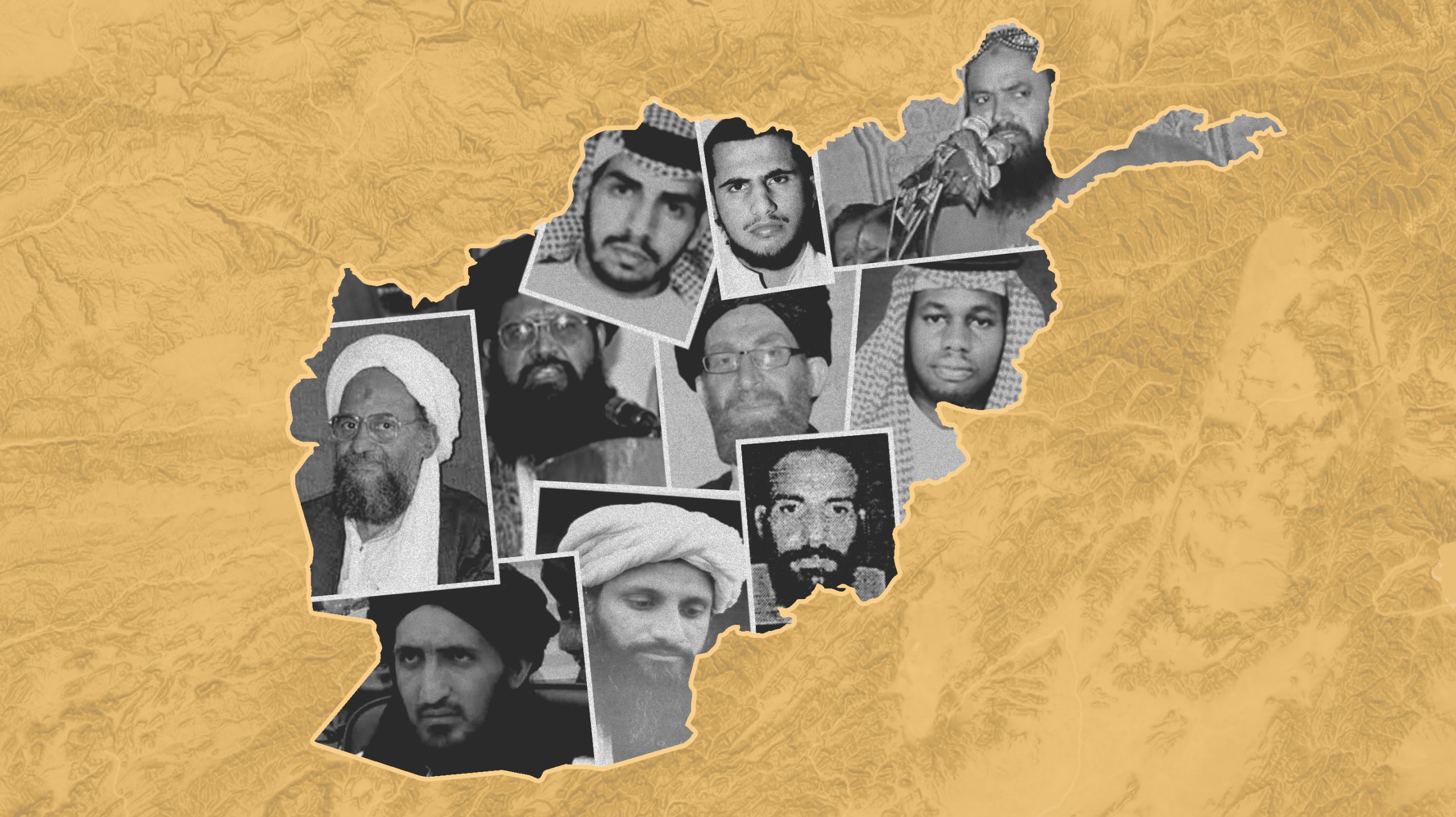
A host of Taliban, al Qaeda, and allied Islamist terror groups operate inside Kunar and in the Bajaur tribal agency in neighboring Pakistan. Gulbuddin Hekmatyar and Younus Khalis’ Hezb-i-Islami factions operate in Kunar and in neighboring Bajaur in Pakistan. The Pakistan-based Lashkar-e-Taiba also operates in the border region. Al Qaeda’s senior leadership, including Osama bin Laden and Ayman al Zawahiri, are thought to shelter in the region.
Bajaur is a strategic command and control hub for al Qaeda. The tribal agency is administered by Faqir Mohammed, the local leader of the outlawed Tehrik-e-Nifaz-e-Shariat-e-Mohammadi (TNSM – the Movement for the Implementation of Mohammad’s Sharia Law) and the deputy leader of Baitullah Mehsud’s unified Pakistani Taliban movement.
The TNSM sent thousands of fighters into Afghanistan to fight US forces in 2001 and 2002, and continues to sponsor attacks in Afghanistan, despite a “peace agreement” with the Pakistani government that requires Faqir’s followers to disarm, stop sheltering al Qaeda, and stop cross-border attacks in Afghanistan.