-
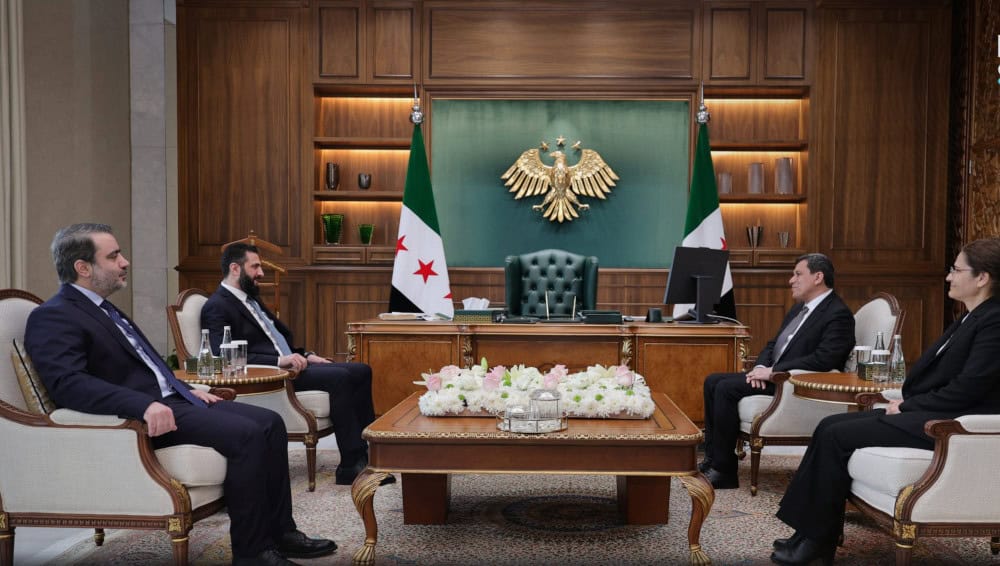
Syrian president meets Syrian Democratic Forces leader to discuss next phase of integration
On April 16, Syrian President Ahmad al Sharaa met with Syrian Democratic Forces (SDF) commander Mazloum Abdi in Damascus to discuss advancing the integration of the SDF into state institutions, following a January agreement. The talks come amid shifting control in eastern Syria, including government moves to secure key bases and border crossings after a US withdrawal.
-
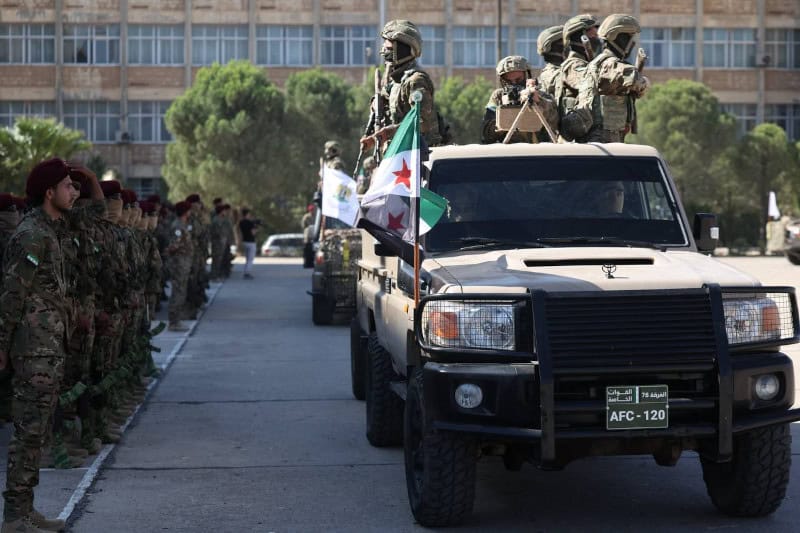
Clashes erupt between Syrian government troops and Kurdish-led Syrian Democratic Forces
On November 19, the Syrian Army and the Syrian Democratic Forces (SDF) battled near Maadan, Syria. While the two factions have not entered into full-blown conflict, tensions between them are rising as the end-of-year deadline for an integration agreement signed in March 2025 approaches.
-
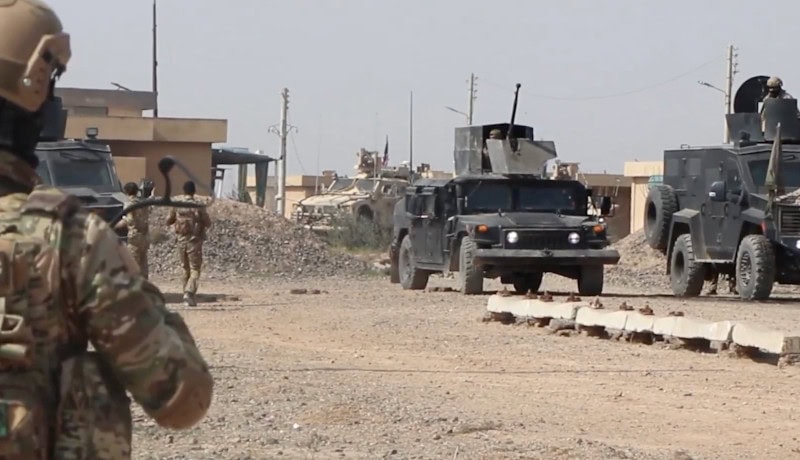
PKK announcement of withdrawal from Turkey has ramifications for Iraq, Syria
On October 26, the Kurdistan Workers Party (PKK) announced that it was withdrawing its fighters from Turkey as part of a peace process with the Turkish government. Media reports indicate that the PKK may be moving to northern Iraq, leading to questions about how the withdrawal may affect the Kurdish regions of eastern Syria and northern Iraq.

-
Analysis: How will the US-backed SDF be affected by PKK leader’s disarmament call?
On February 27, Kurdistan Workers Party (PKK) leader Abdullah Ocalan called for his group to disarm and end its conflict with Turkey. The US-backed Syrian Democratic Forces (SDF) in eastern Syria have welcomed this statement, which may provide an opportunity for Turkey to change its policy in Syria, affect US policy, and impact SDF relations with the new government in Damascus.
-
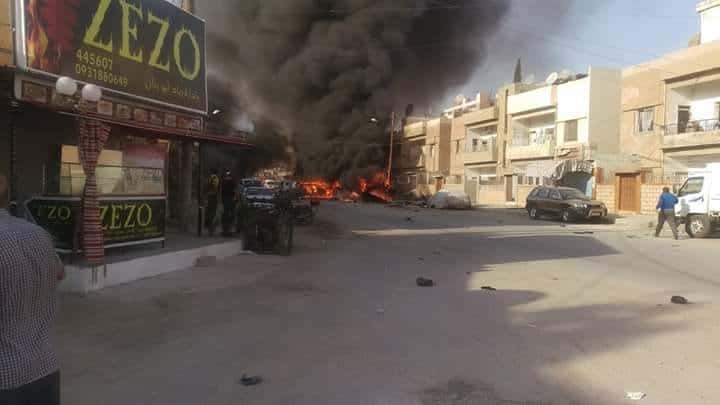
Islamic State targets Syria’s Qamishli with car bombing
The bombing came as Turkey also shelled the city. It is likely that as the Turkish advance continues, the Islamic State will further exploit the chaos inside northern Syria to regroup and conduct more attacks.
-
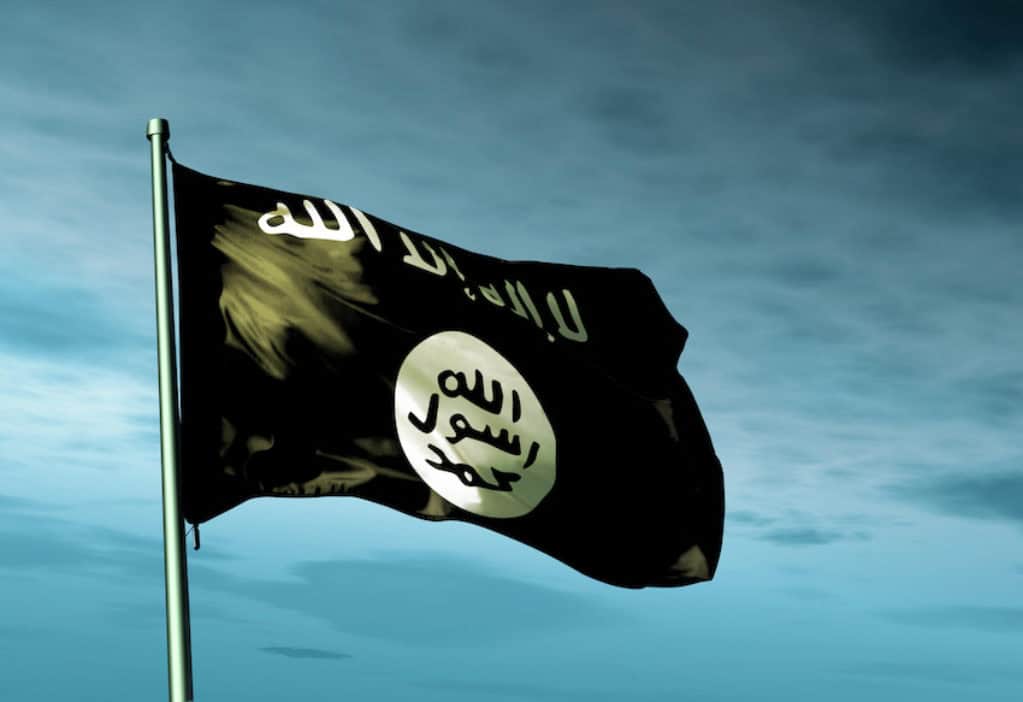
Islamic State sleeper cells target Raqqa
The rising of Islamic State sleeper cells could become more common as the Kurdish-dominated SDF is diverted to the newly announced Turkish invasion of northern Syria.
-
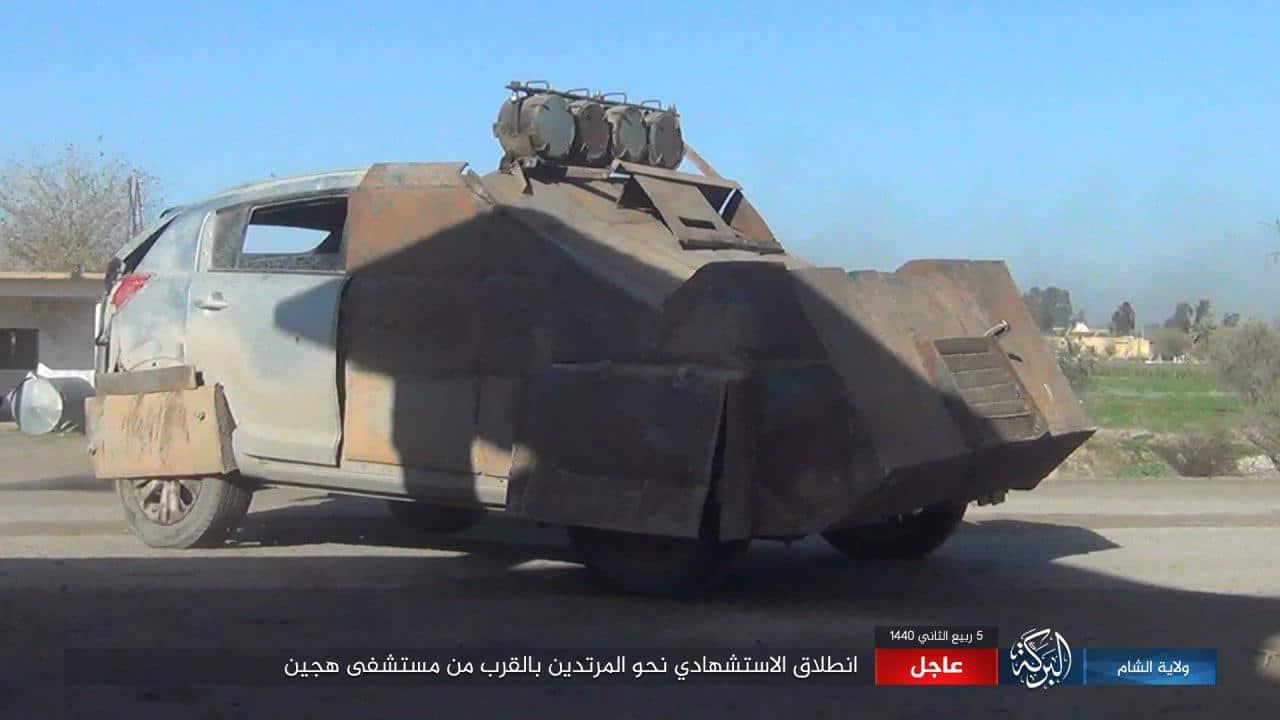
Islamic State unleashes suicide bombers in Hajin, Syria
In the past 24 hours, the Islamic State has conducted more than one suicide bombing against US-backed forces in Hajin, Syria. One Islamic State “martyr” blew himself up near the Hajin hospital, which became the scene of intense fighting earlier this week.
-
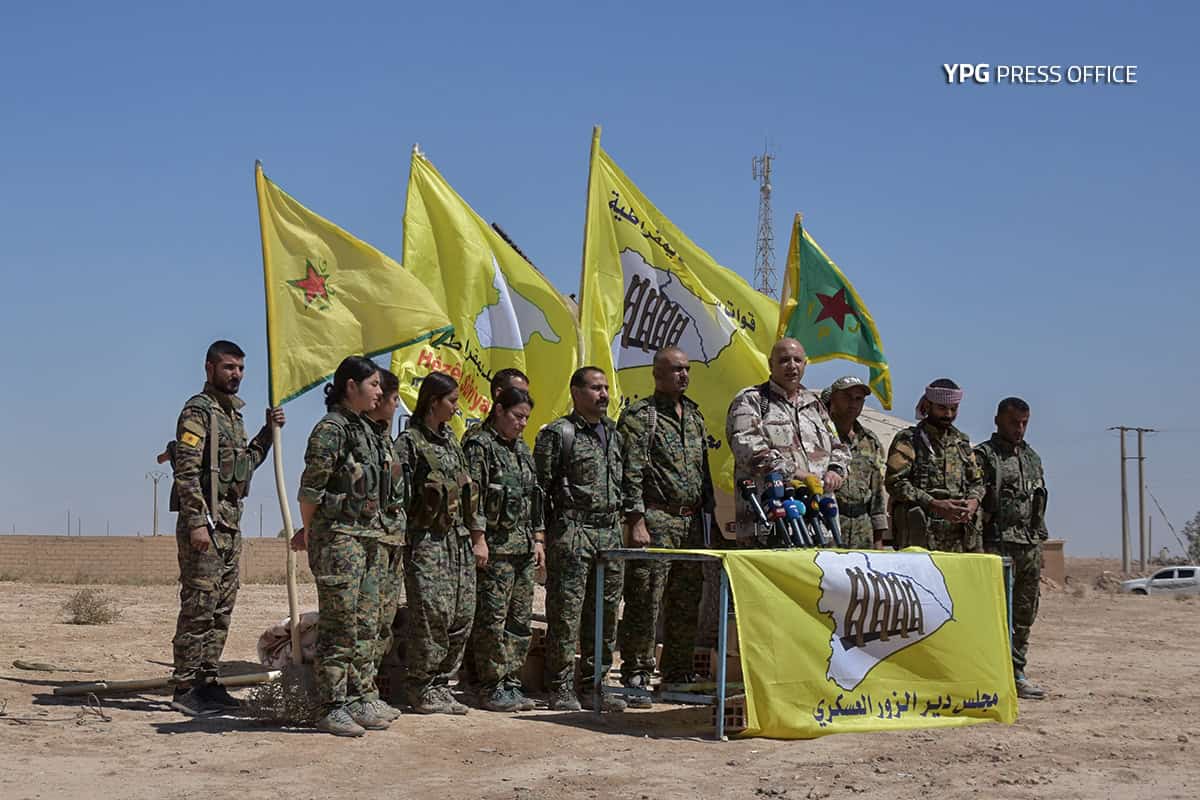
Coalition-backed forces push into Syria’s Kahbur River valley
The US-led coalition has announced a new offensive against the Islamic State in eastern Syria. The offensive, named “Operation Jazeera Storm,” aims to clear the so-called caliphate out of territory north of the city of Deir Ezzor.
-
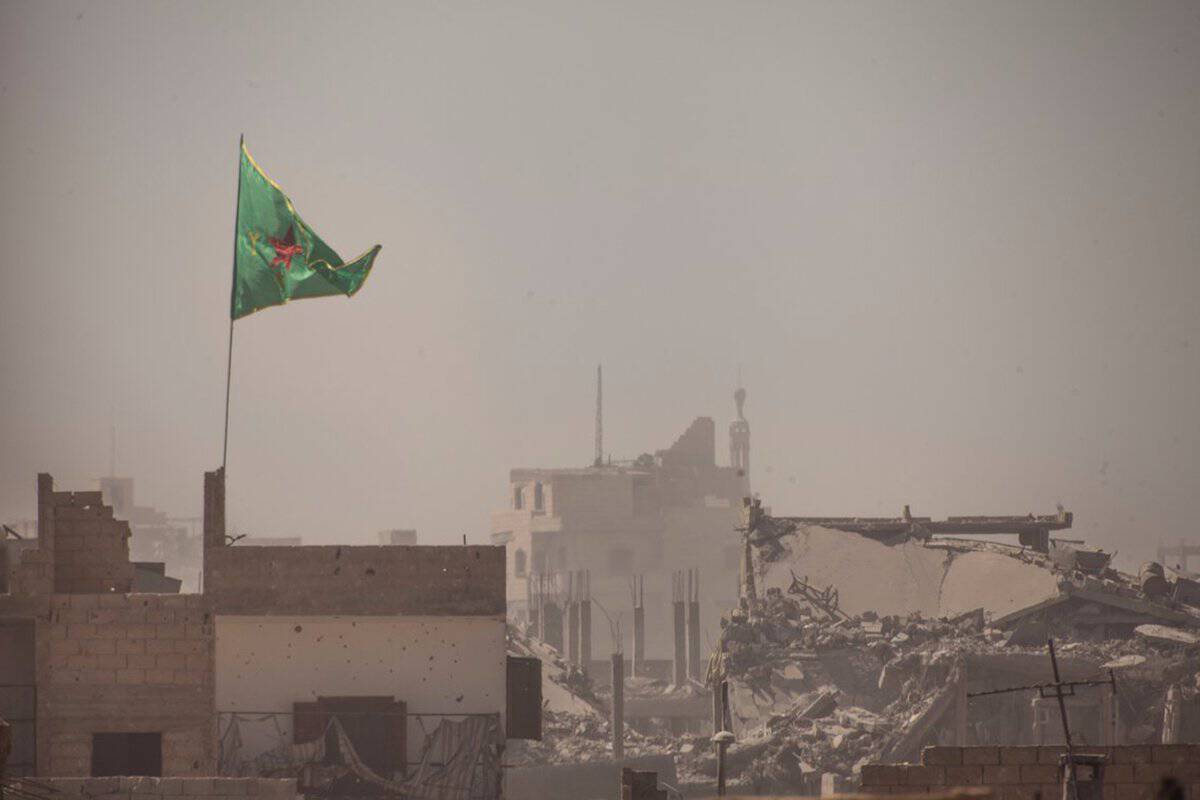
Islamic State loses more ground in Raqqa, Deir Ezzor
As US-backed forces seize the city of Raqqa, the Syrian regime moves to retake ground in Deir Ezzor, where the Islamic State has laid siege to Bashar al Assad’s forces since 2014. Assad’s regime has received a boost from Iranian-sponsored militias, as well as the Russians, during its recent offensive in eastern Syria.
-
US-backed forces enter Islamic State stronghold within Raqqa
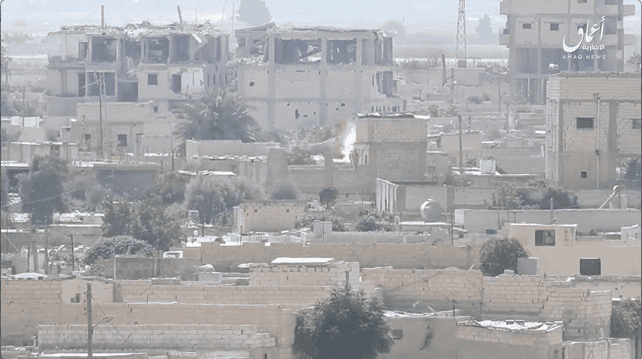
US-backed Syrian Democratic Forces (SDF) have entered the Old City of Raqqa after the coalition blew two holes in a historic wall the Islamic State was using as a defensive fortification. The SDF’s fighters first approached the Old City in mid-June, but the wall and heavy fighting in a nearby neighborhood impeded their advance. Meanwhile, an Australian jihadi is featured in a new propaganda video recorded in Raqqa.
-
The US Intelligence Community’s newest assessment of the jihadist threat
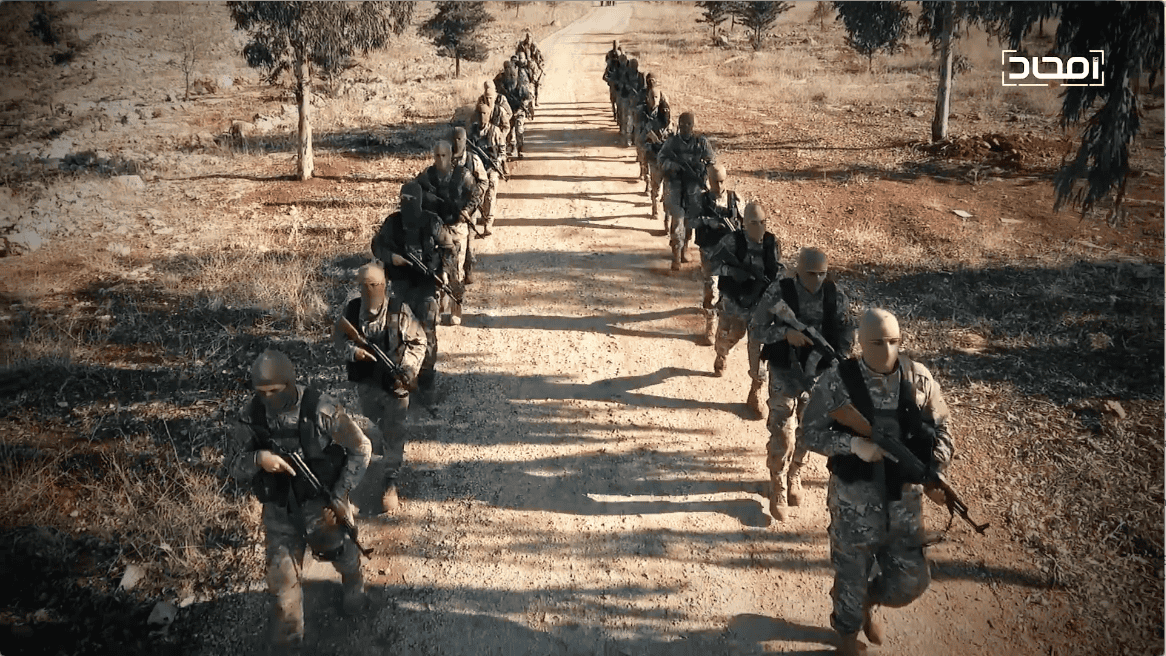
The Office of the Director of National Intelligence (ODNI) presented its written “Worldwide Threat Assessment” to the Senate last week. The analysis confirms that the Islamic State is capable of sustaining insurgencies in both Iraq and Syria, Afghan security continues to “deteriorate,” and al Qaeda remains a threat in several parts of the globe.
-
Tabqah, Syria liberated from the Islamic State
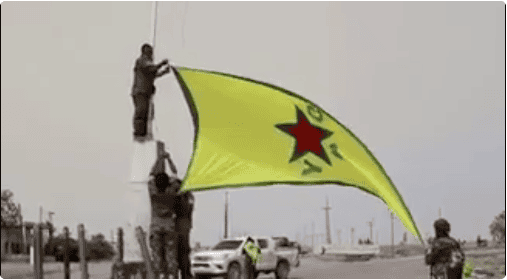
The city of Tabqah and the surrounding area have fallen to US-backed forces. The Islamic State had controlled the city, the Tabqah dam, and a military airbase in the area since 2013-2014. The battle for Tabqah, which began with a surprise attack on Mar. 22, is a key part of the strategy to capture the self-declared caliphate’s capital of Raqqa.
-
Turkey is on a collision course with the Syrian regime and its backers
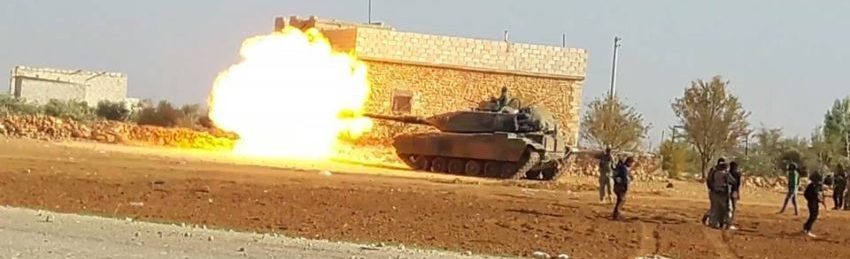
As each side converges on the Islamic State-held city of al-Bab, a military confrontation between Turkish-led rebels and pro-regime forces appear inescapable. In the meantime, tensions between Ankara and Moscow are rising yet again, risking pulling the United States and NATO further into the Syrian theater.
-
Islamic State claims more than 700 suicide attacks since beginning of the year
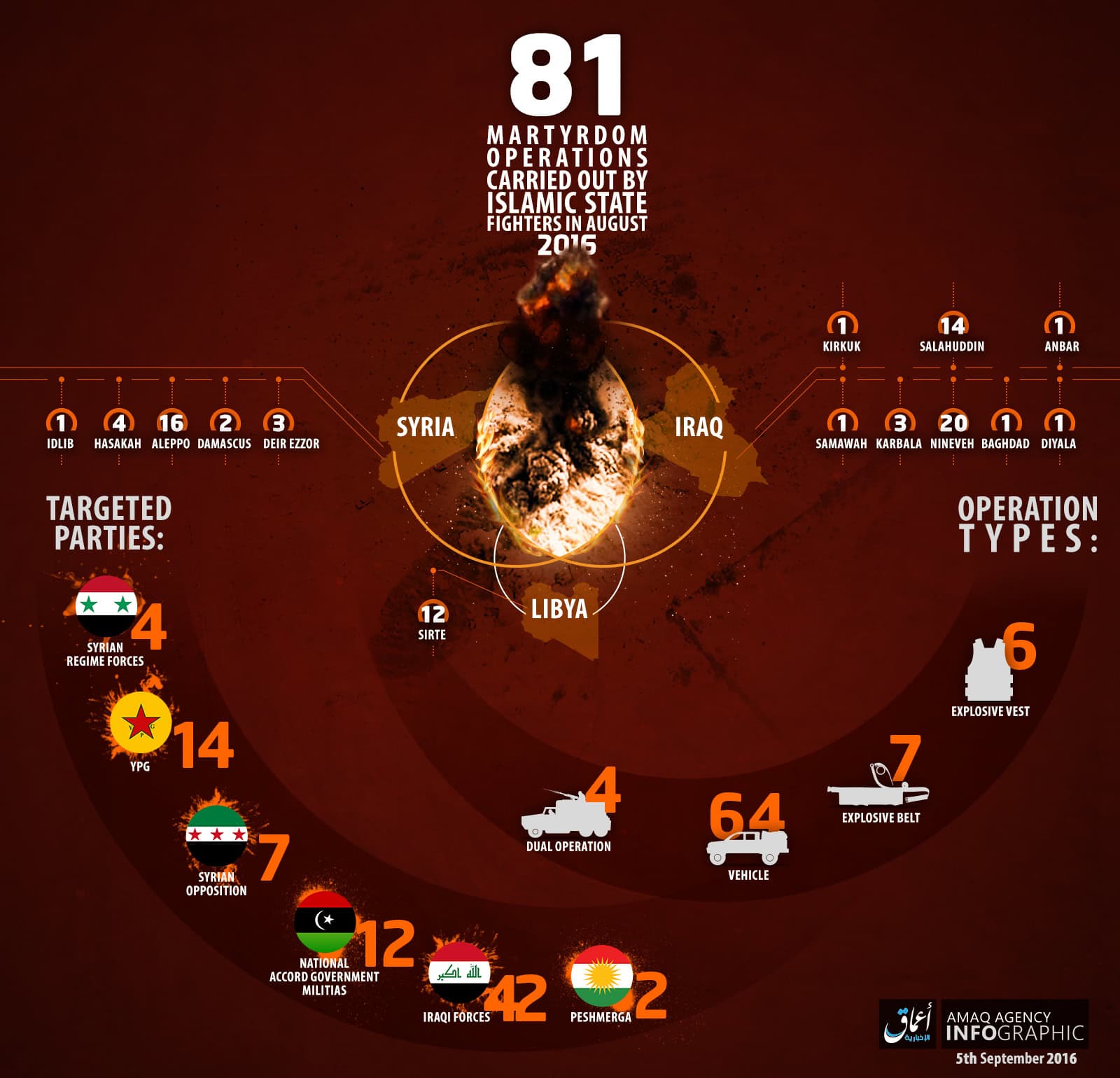
The Islamic State’s Amaq News Agency has claimed 729 “martyrdom operations” in Iraq, Syria and Libya since the beginning of the year. The figures for August indicate that 81 suicide attacks were carried out in these three countries. If the statistics are accurate, then the self-declared “caliphate” is carrying out suicide bombings at a historically high rate.
-
Two US-backed groups clash in northern Syria
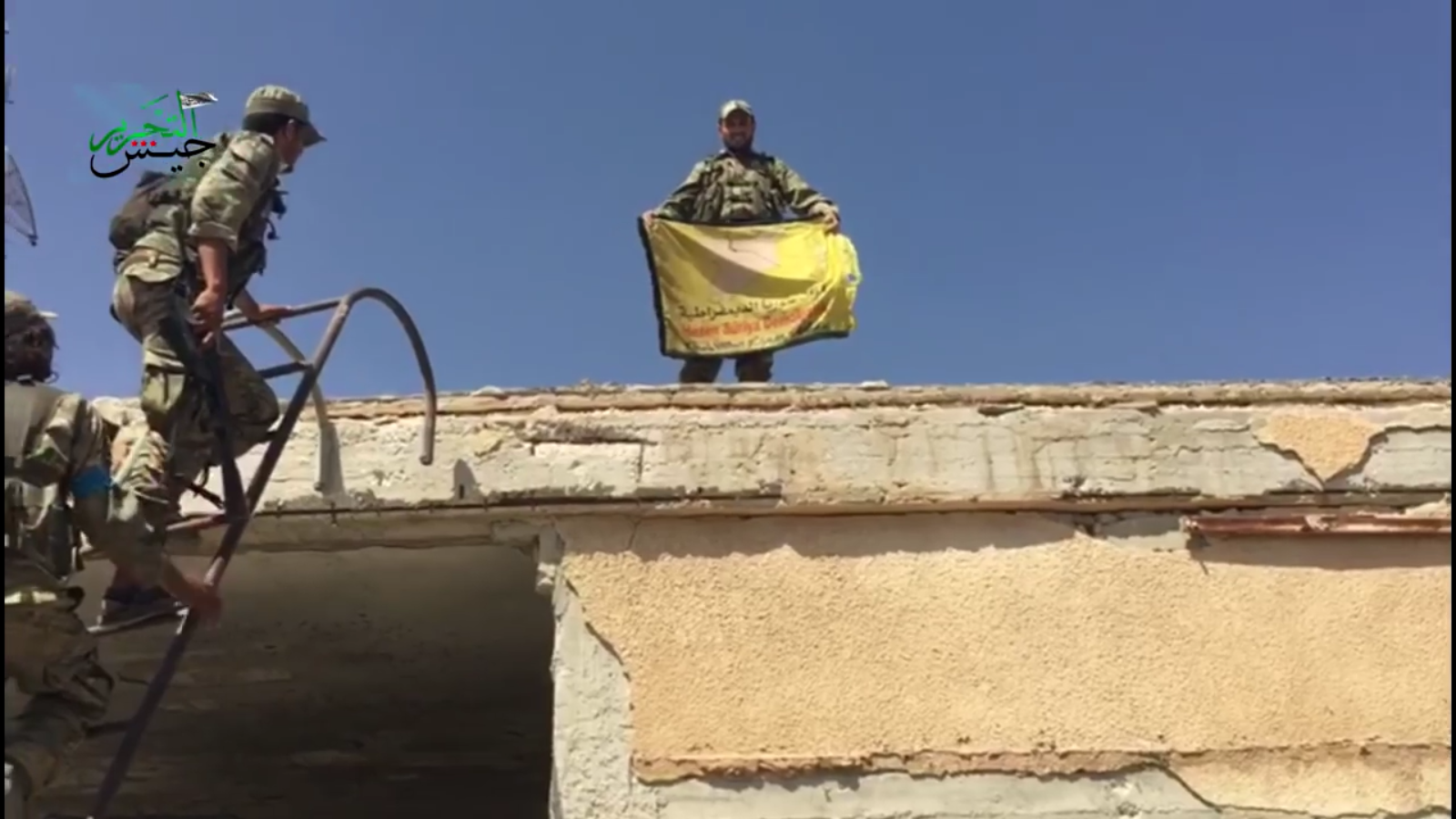
Jaysh al Tahrir, a group that has received several US TOW anti-tank missiles in the past, fought with the Kurdish-led Syrian Democratic Forces (SDF) in northern Aleppo. The SDF is the main anti-Islamic State fighting force for the United States and has received considerable support from the West.
-
Ansar al Islam battles Kurds in Aleppo
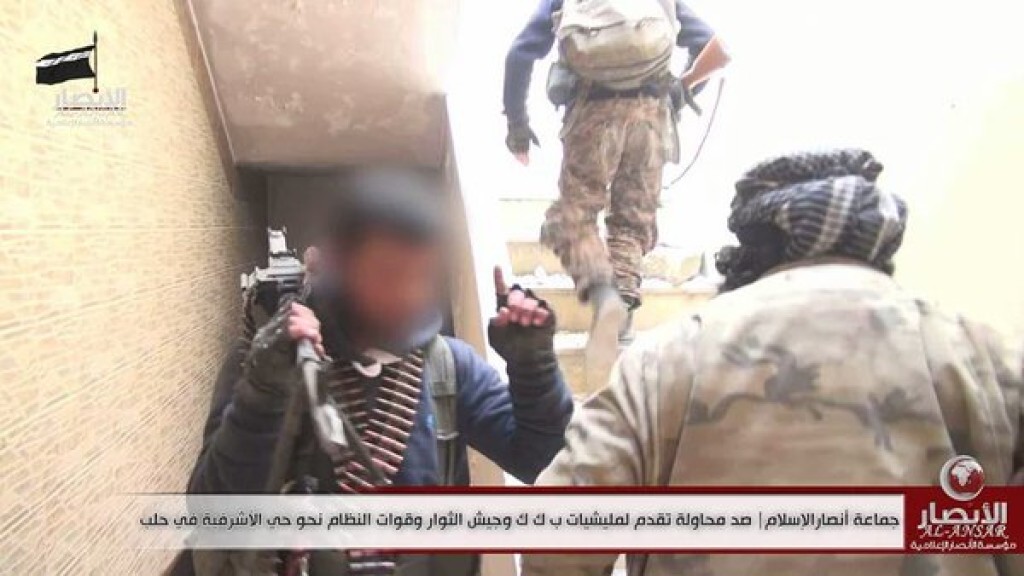
Despite being forced largely underground in Iraq, Ansar al Islam continues to operate in Syria against regime and now Kurdish forces.
-
YPG claims to have killed nearly 6,000 enemy fighters in 2015
The Kurdish YPG (or People’s Defense Units) has released a summary of its operations for 2015. The YPG claims to have killed nearly 6,000 “enemy” fighters, most of whom likely belonged to the Islamic State, while losing just 680 of its own members in combat. The statistics provided by the YPG imply a kill ratio of nearly 9 to 1, which obviously seems high.
-
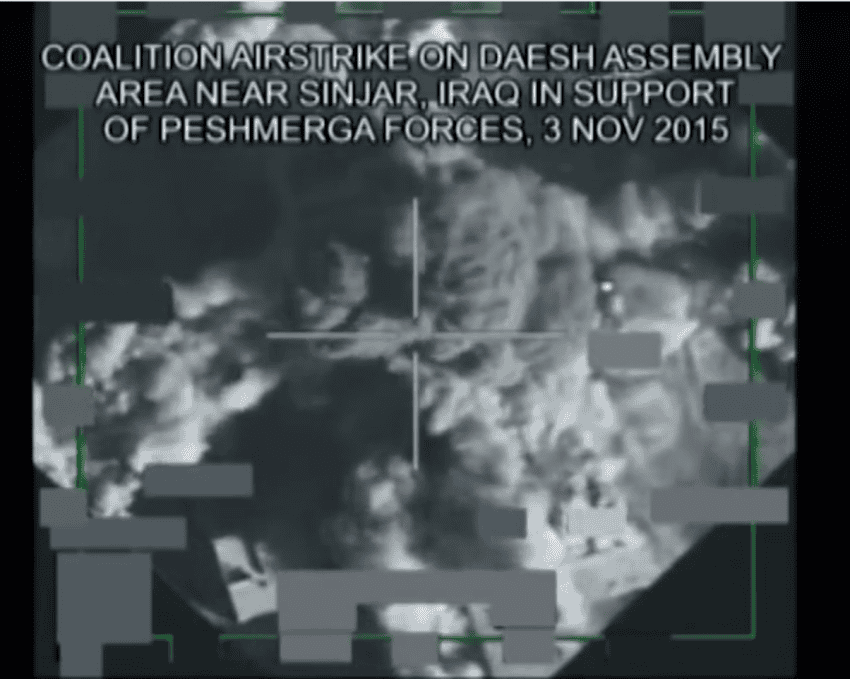
Kurdish forces push into Sinjar, claim progress against Islamic State
Kurdish forces have entered the Iraqi town of Sinjar, which was seized by the Islamic State in August 2014. The offensive in Sinjar is part of a broader operation intended to disrupt the Islamic State’s supply lines running from Iraq into Syria.
-
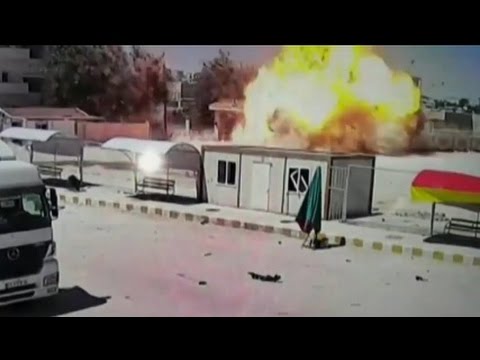
Islamic State attacks Kobane, Hasakah, and Deir al Zour
The simultaneous offensives follow recent Kurdish gains in Raqqah province, the proclaimed “capital” of the Islamic State.
-
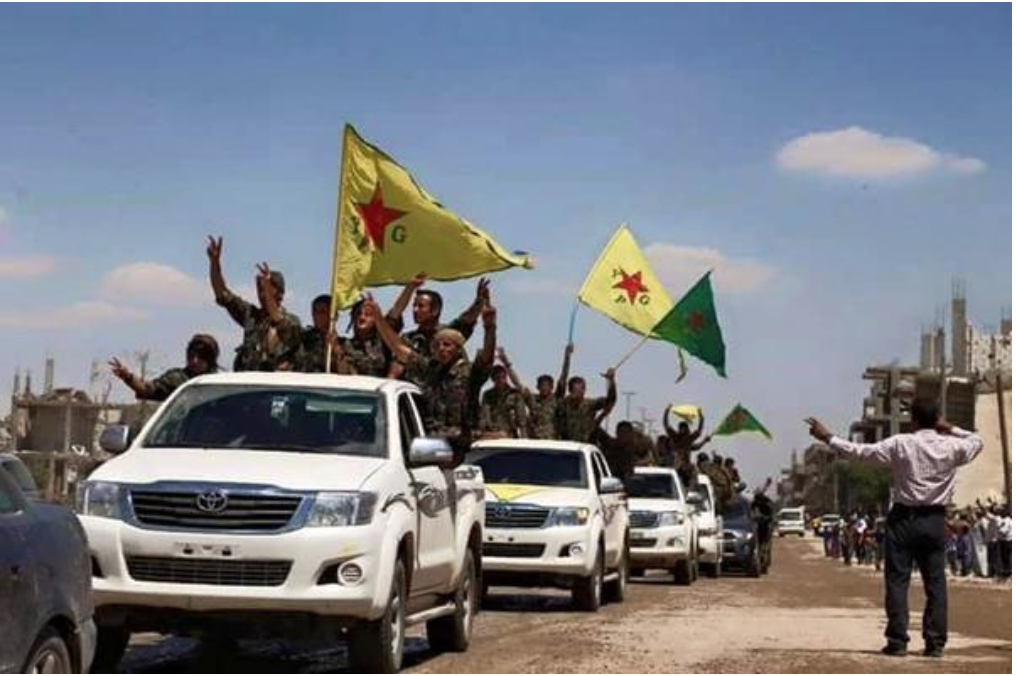
Islamic State suffers losses in provincial home of the ‘caliphate’
Kurdish forces and fighters from the Free Syrian Army have seized a military base and a town just 30 miles north of the city of Raqqa, which is the seat of the Islamic State’s so-called “caliphate.” The losses are problematic for the Islamic State, which claims that its territorial rule is “remaining and expanding.”
-
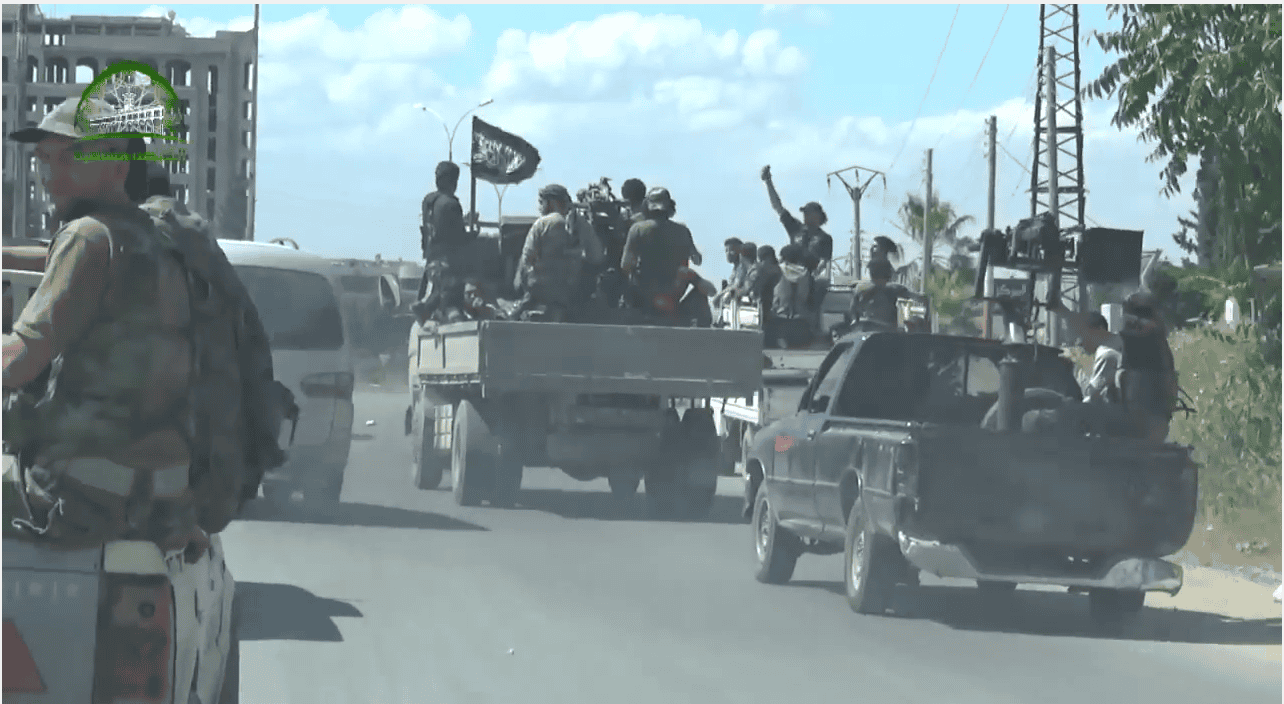
Islamic State continues to clash with multiple foes in Aleppo, Hasakah
Several al Qaeda ideologues have issued a fatwa saying it is “compulsory” to fight the Islamic State in Aleppo. The edict was issued after the Islamic State seized towns and villages from other rebel groups in the province.
-
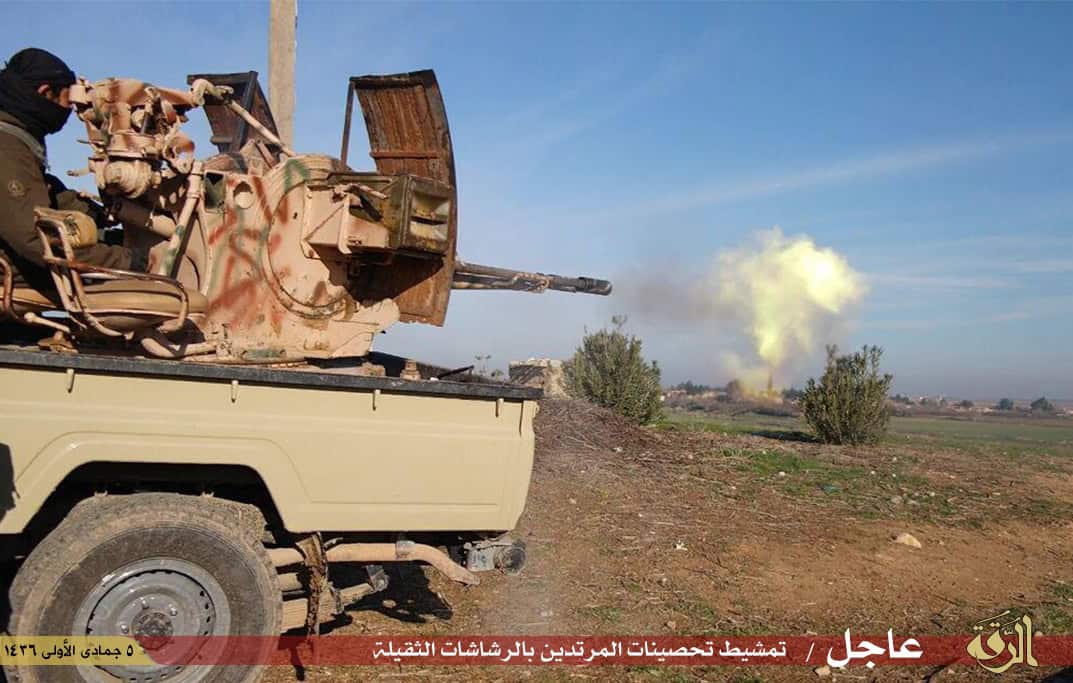
Islamic State kidnaps around 150 Assyrian Christians in Syria
The Assyrians were kidnapped in the Al Hasakah province of Syria where the Islamic State is engaged in fierce fighting with Kurdish and Assyrian forces for control of the area.
-
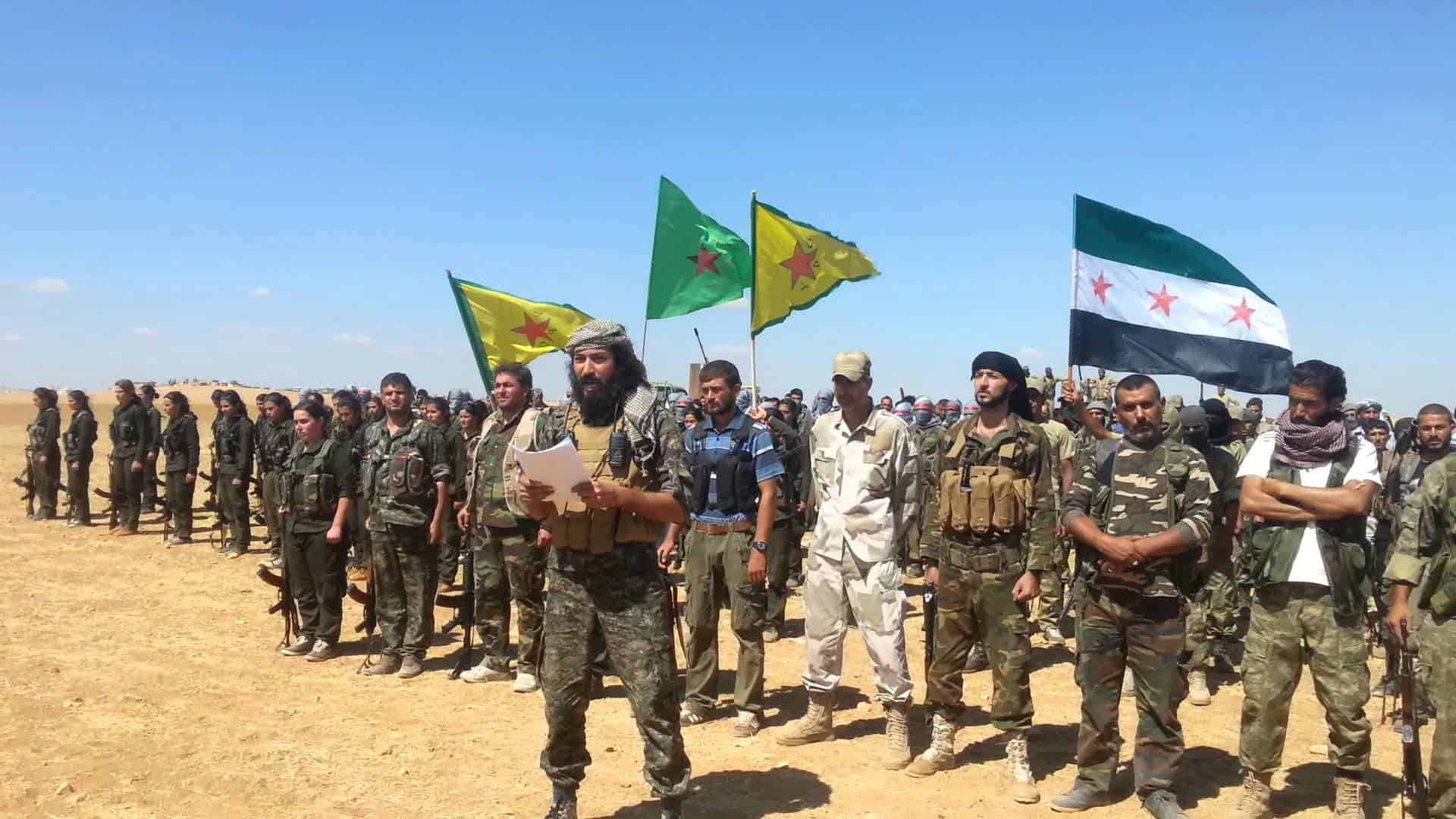
Islamic State is forced from Kobane
After months of fighting for control of the Syrian border town, the Islamic State has withdrawn from Kobane in the face of advances by Kurdish forces and Syrian rebels.
-
Iraq
Kurdish Sinjar offensive too late for some Yazidis
-
Free Syrian Army
An exclusive look at life in Syrian town of Kobane
-
Islamic State
New Alignments: The Kurds’ Lonely Fight against Islamic State Terror
-
Al Nusrah Front
Islamic State controls half of Kobane, says rebel leader
-
Islamic State uses British hostage in propaganda video to rebut Western, Kurdish claims
The Islamic State has released a propaganda video featuring John Cantlie, a British photojournalist who is being held hostage by the group. Cantlie is made to rebut Western claims about the efficacy of airstrikes in Kobane, a town that sits on the border of Syria and Turkey.

-
US supply drop to Kurds in the hands of the Islamic State
At least one of the 27 dropped US supply bundles has been captured by the Islamic State.
-
Islamic State
Kurds urge more air strikes in Kobane; monitor warns of defeat