-
The terrorist diaspora: After the fall of the caliphate
Thomas Joscelyn’s testimony before the House Homeland Security Committee’s Task Force on Denying Terrorists Entry into the United States on what happens to the Islamic State after it loses its territory in Iraq and Syria.
-
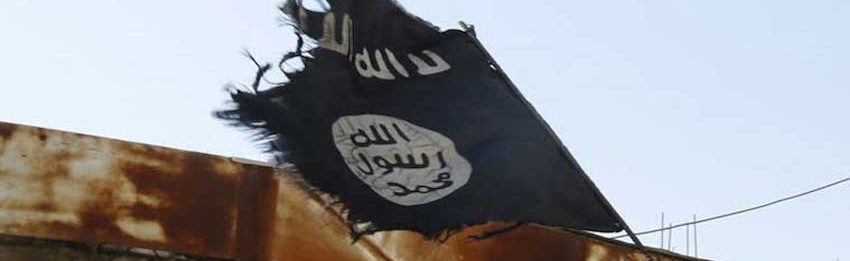
Jihadists claim to crack down on Islamic State cells in Idlib, Syria
Hay’at Tahrir al Sham (HTS), a coalition that includes the group formerly known as Al Nusrah Front, launched a campaign against alleged Islamic State operatives in the Idlib province earlier today. HTS has repeatedly accused Abu Bakr al Baghdadi’s men of forming cells to attack their jihadist rivals in HTS and allied groups.

-
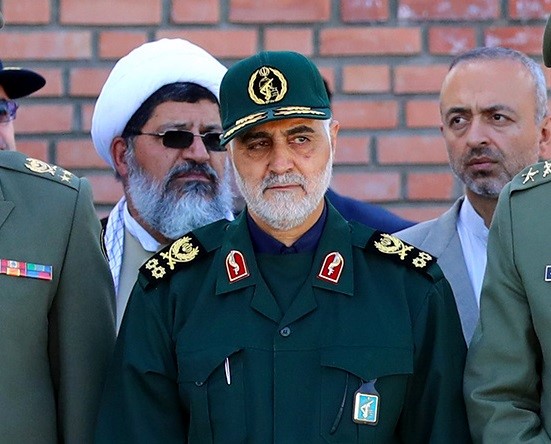
Qassem Soleimani boasts of Tehran’s expanded footprint throughout Middle East
On July 3, Major General Qassem Soleimani, the chief of the Islamic Revolutionary Guard Corps’ (IRGC) Qods Force, spoke at an Iran-Iraq war veterans gathering in his home province of Kerman. Soleimani praised the Islamic Republic’s decades-long effort to take the mantle of the Palestinian cause and boasted that Tehran’s influence in the Middle East has expanded as a result of the Syrian war. He excoriated Saudi Arabia, as well as domestic Iranian critics of the Guard Corps. And the general also lamented the drop in religious observance in Iran.
-
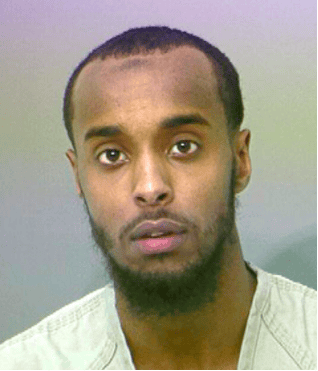
US citizen pleaded guilty to training with al Qaeda in Syria, plotting attack
The Department of Justice announced on June 29 that Abdirahman Sheik Mohamud pleaded guilty nearly two years ago to training with and fighting for Al Nusrah Front in Syria. Al Nusrah “instructed” Mohamud “to return to the US and commit an act of terrorism.” He admittedly planned to kill American “military officers or other government employees or people in uniform.”
-
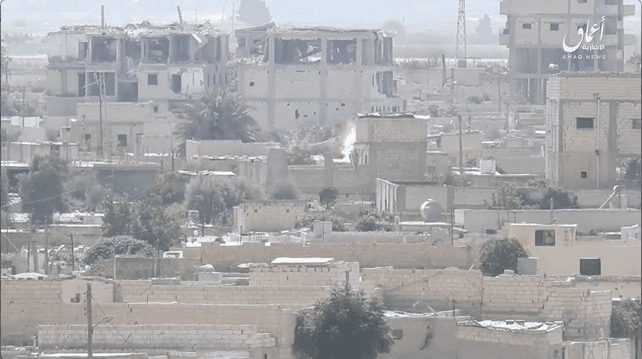
US-backed forces enter Islamic State stronghold within Raqqa
US-backed Syrian Democratic Forces (SDF) have entered the Old City of Raqqa after the coalition blew two holes in a historic wall the Islamic State was using as a defensive fortification. The SDF’s fighters first approached the Old City in mid-June, but the wall and heavy fighting in a nearby neighborhood impeded their advance. Meanwhile, an Australian jihadi is featured in a new propaganda video recorded in Raqqa.
-
Foreign jihadist media group rallies against West in video
Al Muhajirun, a jihadist media front in Syria, recently released a video highlighting how jihadists, especially foreign jihadists, view the West.

-
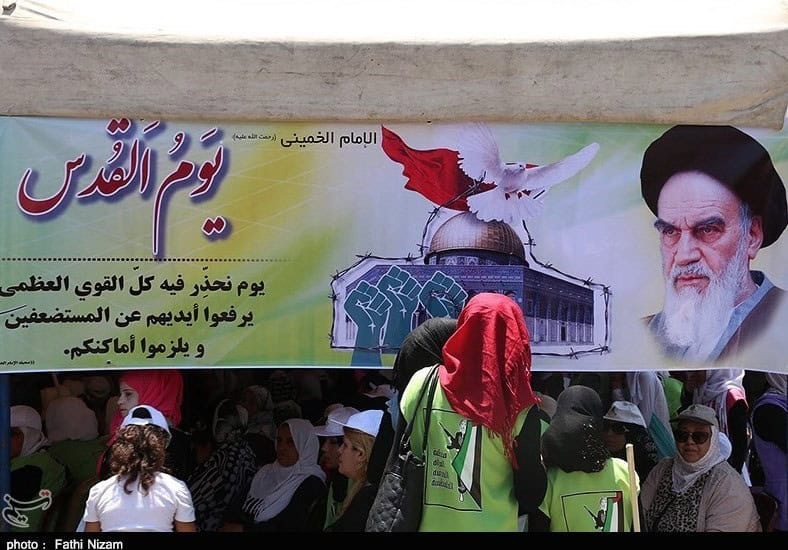
Qods Day commemorations highlight Tehran’s global reach
The Islamic Republic of Iran and its allies abroad on Friday commemorated Qods (Jerusalem) Day, an annual event held on the last Friday of Ramadan and established by Ayatollah Ruhollah Khomeini to express support for Palestinians and opposition to Israel. The regime has not shied away from reiterating its call for Israel’s destruction during the annual event.
-
Key Islamic State ‘finance emir’ killed in eastern Syria, US says
CENTCOM announced today that Fawaz Muhammad Jubayr al-Rawi, a “finance emir” for the Islamic State, was killed in an airstrike in eastern Syria earlier this month. Last year, the US and Iraqi governments jointly targeted Rawi and his financial network, which handled millions of dollars for the so-called caliphate.
-
CENTCOM confirms Islamic State’s ‘Grand Mufti’ killed in airstrike
CENTCOM confirmed today that Turki al-Bin’ali, one of Abu Bakr al Baghdadi’s most important ideological supporters, was killed in an airstrike in Mayadin, Syria on May 31. Mayadin has become a hub for the Islamic State’s senior personnel and external operations arm.

-
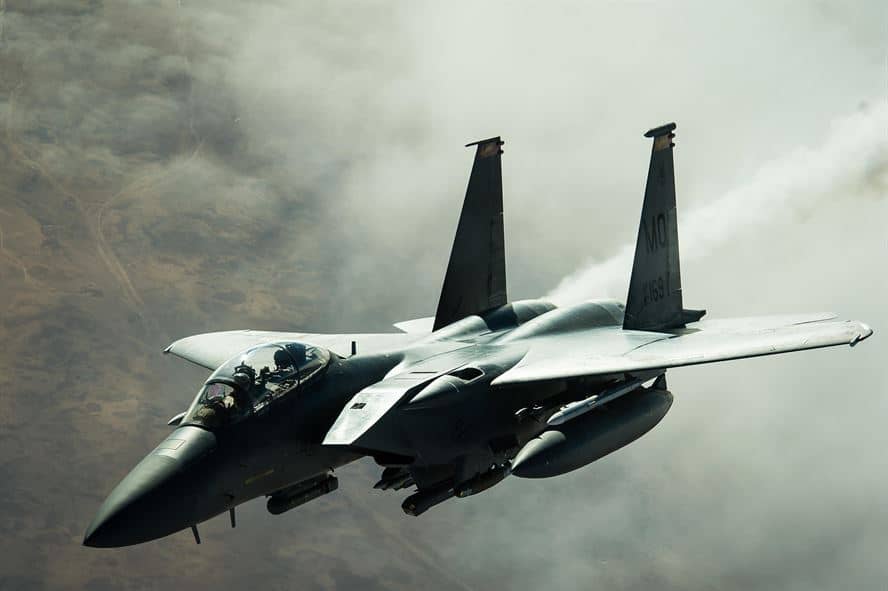
US shoots down another Iranian UAV over Syria
US Central Command said that the Iranian-made drone was shot down after it “displayed hostile intent and advanced on Coalition forces.”
-
US downs Syrian warplane while defending SDF
Russia’s Ministry of Defense has responded by shutting down the de-confliction hotline and warning that all US aircraft would now be considered hostile targets.

-
Iranian media reports missile strike in Syria
Iranian press outlets report that the Islamic Revolutionary Guards Corps (IRGC) has fired missiles from Iranian territory at the Syrian governorate of Deir ez-Zor in response to the recent Islamic State terror attacks in Tehran.

-
Islamic State facilitator moved recruits through Turkey, US says
The US Treasury Department and United Nations designated Islamic State operative Fared Saal as a terrorist yesterday. Saal, a German-Algerian, first joined the jihad in Syria several years ago. Along with his comrade Denis Cuspert, he appeared in a July 2014 video showing dozens of corpses at the Shaer Gas field in Homs, Syria.

-
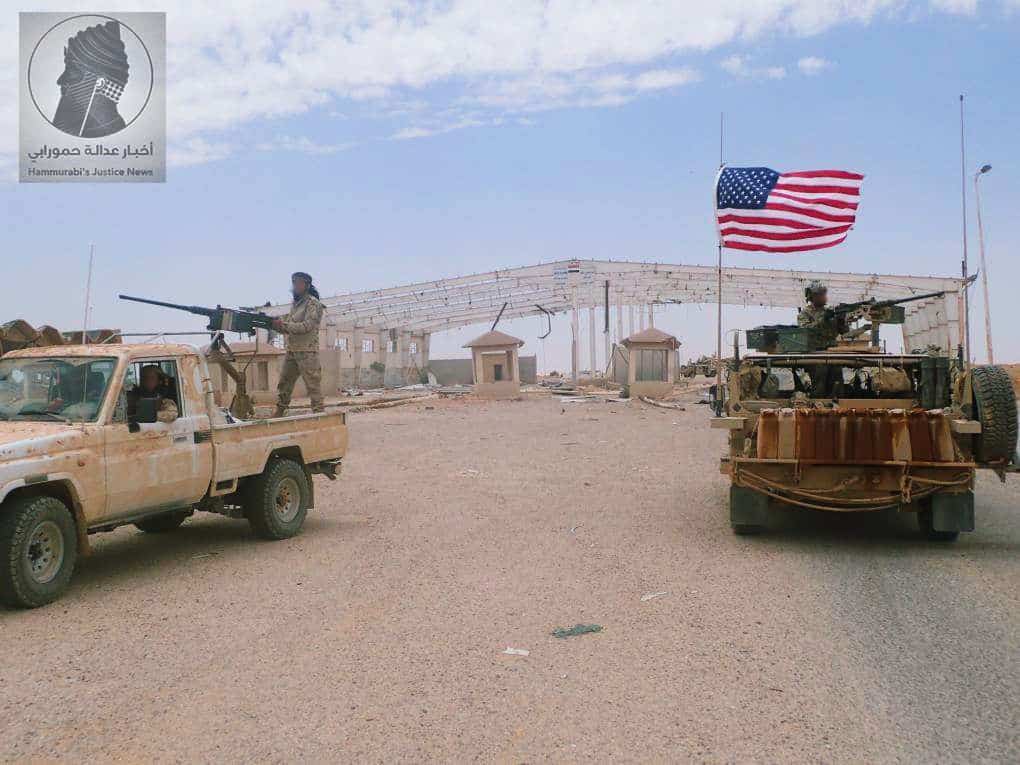
Photos show US joint patrols with rebels in southern Syria
The photos and videos show the extent of the US presence in southern Syria near the border with Iraq. This comes as the Tanf area of southeastern Syria has largely become a flash-point between US and Iranian-controlled forces.
-
Qassem Soleimani allegedly spotted in Syria near the Iraqi border
Today, Tasnim News Agency – a propaganda outlet affiliated with Iran’s Revolutionary Guard – posted photos of Qods Force chief Qassem Soleimani, allegedly by the Iraqi border in Syria. The precise location and date of the photo are unconfirmed.

-
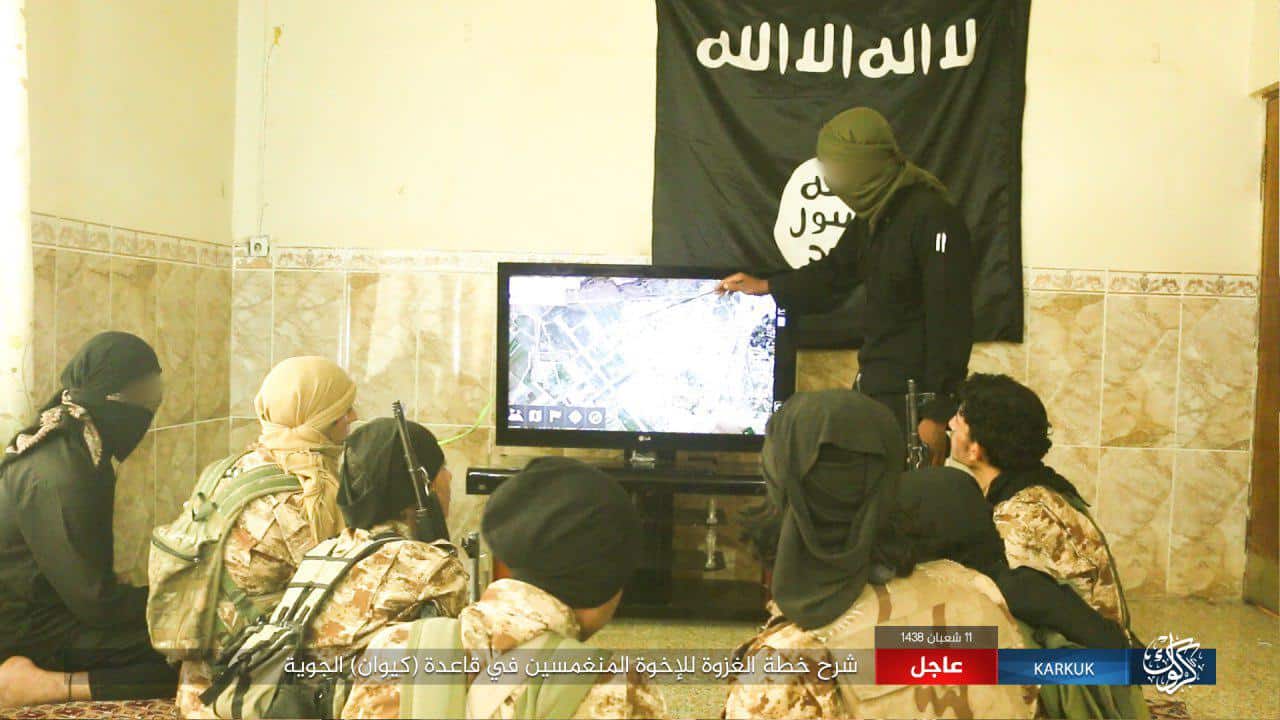
US designates 2 Islamic State leaders tied to chemical weapons
The US government designated two senior Islamic State figures today, saying they are involved in the group’s chemical weapons program. US officials have previously said that so-called caliphate uses a “mustard agent” in its attacks.
-
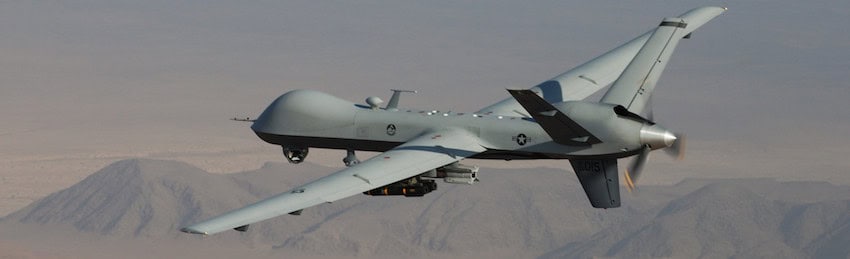
US military downs UAV, strikes militias in Syria
The US military noted that it does not seek a fight against pro-Syrian regime militias, but its forces will continue to defend themselves if threatened.
-
Afghan Fatemiyoun Division operative killed near US base in southeastern Syria
One day before Tuesday’s US airstrike in southeastern Syria, Iranian media announced the death of an Afghan militiaman in the vicinity of the Tanf military base, where coalition forces are training Syrian insurgents fighting the Islamic State.

-
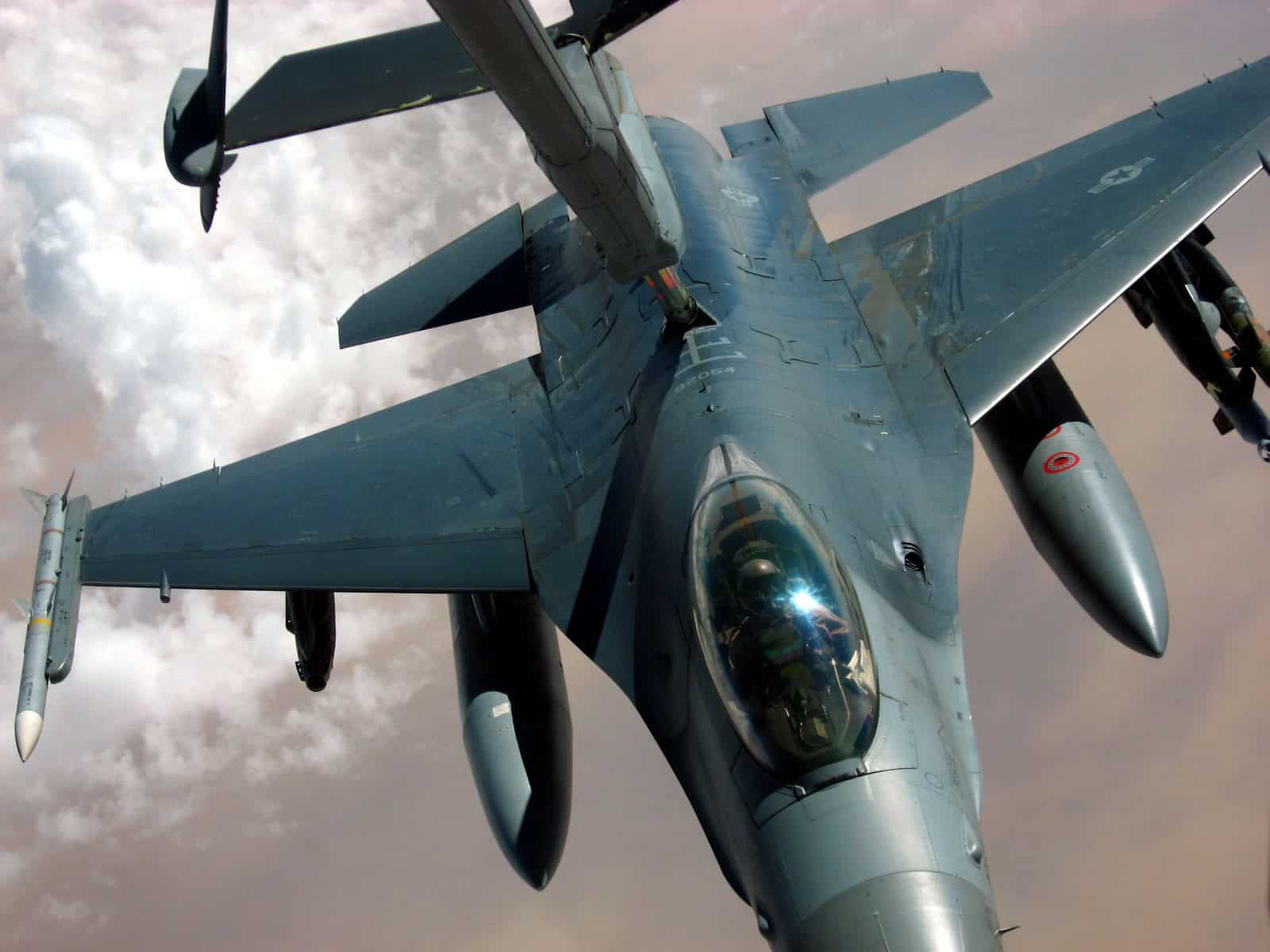
US warplanes again strike militias near Syrian-Jordanian border
The strike against pro-Syrian government militias is the second in the past month. The US military is training Free Syrian Army-branded militias in the area to battle the Islamic State.
-
Anti-Islamic State coalition begins Raqqah offensive
While the US military insists that the loss of Raqqah and Mosul will deal a “a decisive blow” to the Islamic State, the group still controls a significant amount of terrain in both Syria and Iraq.
-
Iran tests the US in southeastern Syria
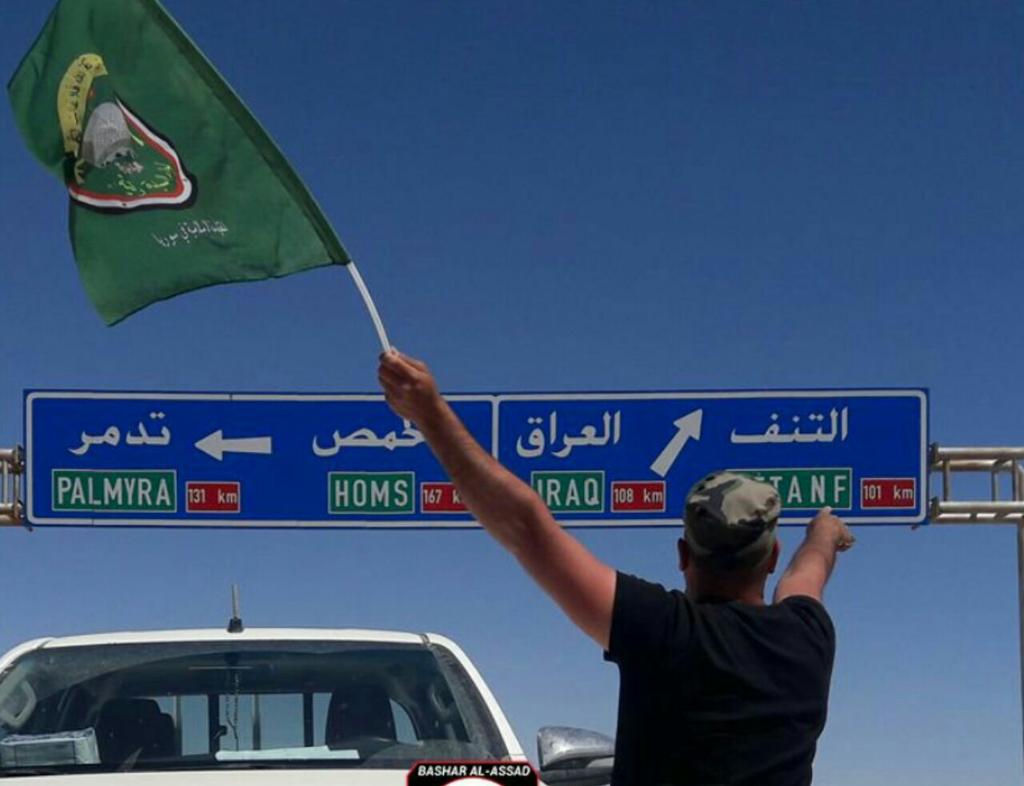
Major powers involved in the Syrian war are racing to maximize gains from the crumbling Islamic State in southern and eastern Syria. The continued advancement of pro-Syrian regime forces and Iranian-backed militias toward the US-held Tanf base – as well as the potential advance of both sides toward the Iraqi border area – raise the risk of further clashes that may draw in the US and Russia, though the latter has been unwilling to challenge US strikes against a pro-regime convoy and Syrian warplanes this year.
-
Qassem Soleimani spotted near the Syrian border with Iraqi militias
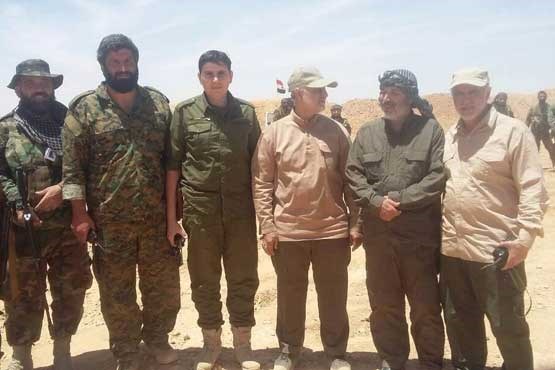
Major General Qassem Soleimani, the chief of the Guard Corps’ Qods Force, has been photographed allegedly with Iranian-backed Iraqi militias of the Popular Mobilization Forces (PMF) in the northwestern countryside of Iraq near the Syrian border. The photo’s precise location and date are yet unconfirmed; however it surfaced on May 29.
-
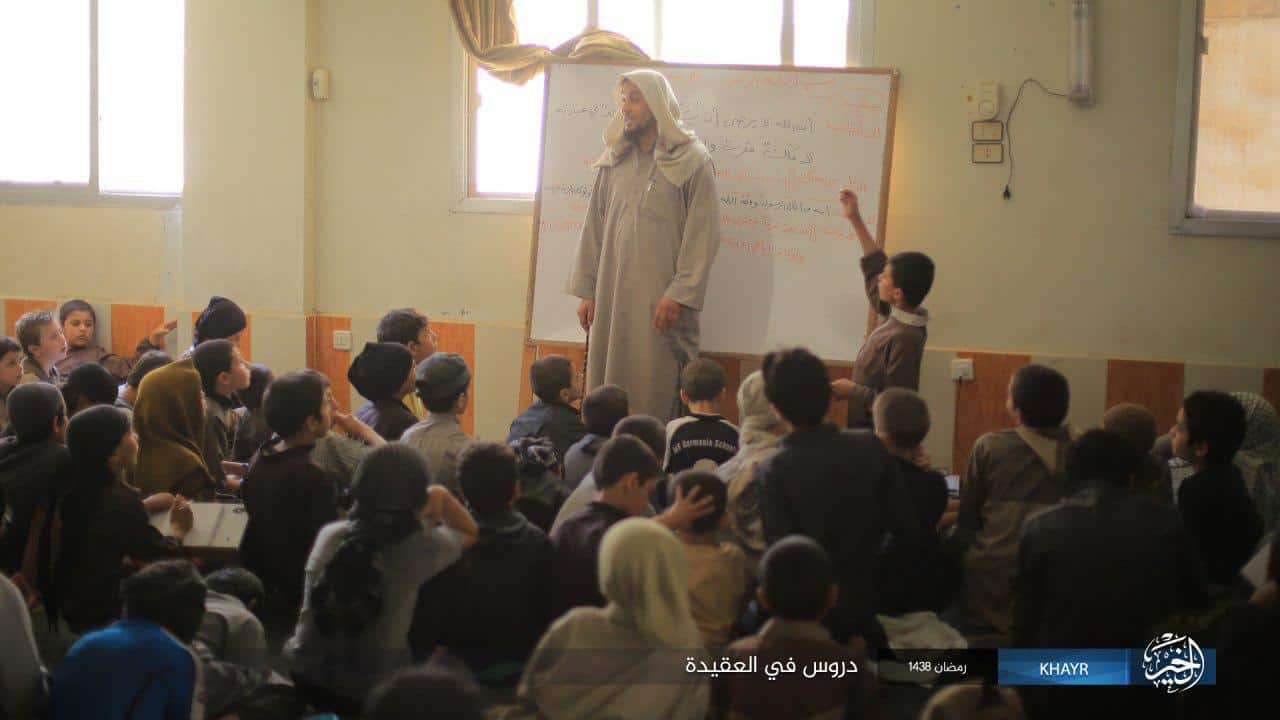
CENTCOM: Three senior Islamic State foreign fighters killed
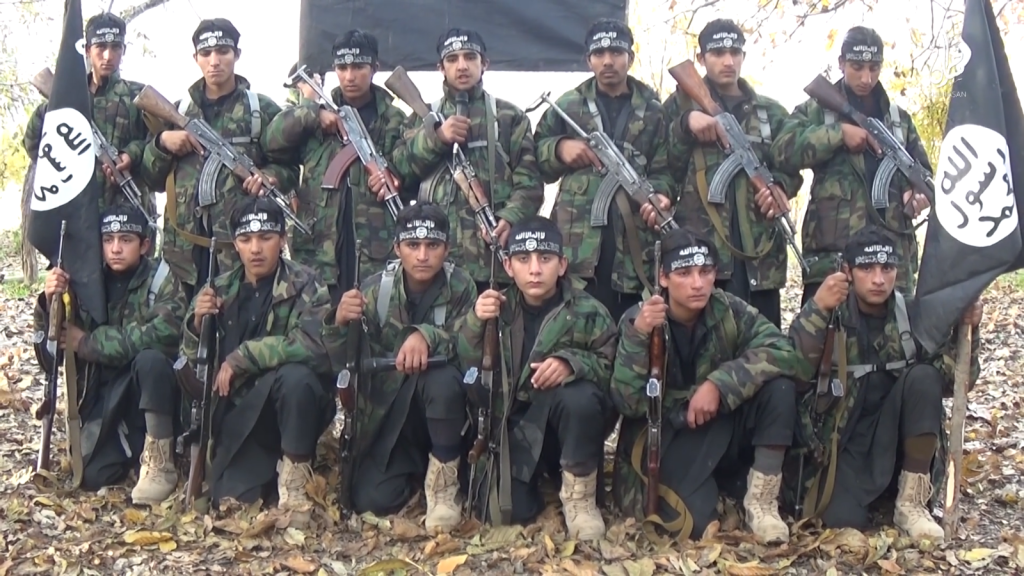
CENTCOM announced today that “three senior foreign fighters” in the Islamic State were killed in recent weeks. Two of them were reportedly involved in the group’s “external operations” and one of them was a trainer in the “Cubs of the Caliphate” program, which indoctrinates youth. The third jihadist helped oversee the Islamic State’s use of small drones.
-
Analysis: Hezbollah redeploys forces after withdrawal from Syrian-Lebanese border positions
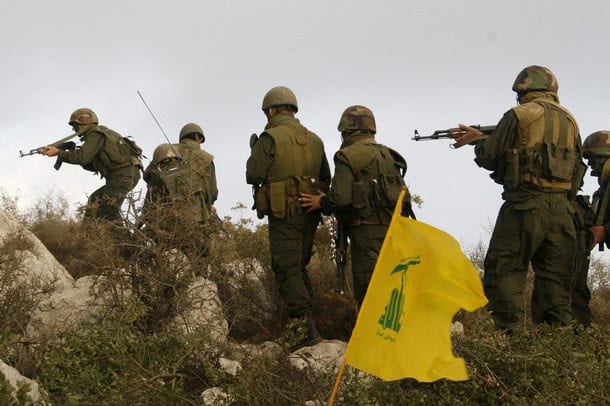
Hezbollah has repositioned its men for the ongoing battles in Syria.
-
State offers $10 million for leader of ‘the Syria branch of al Qaeda’
The $10 million reward makes Julani one of the top five most wanted jihadist leaders in the world.

-
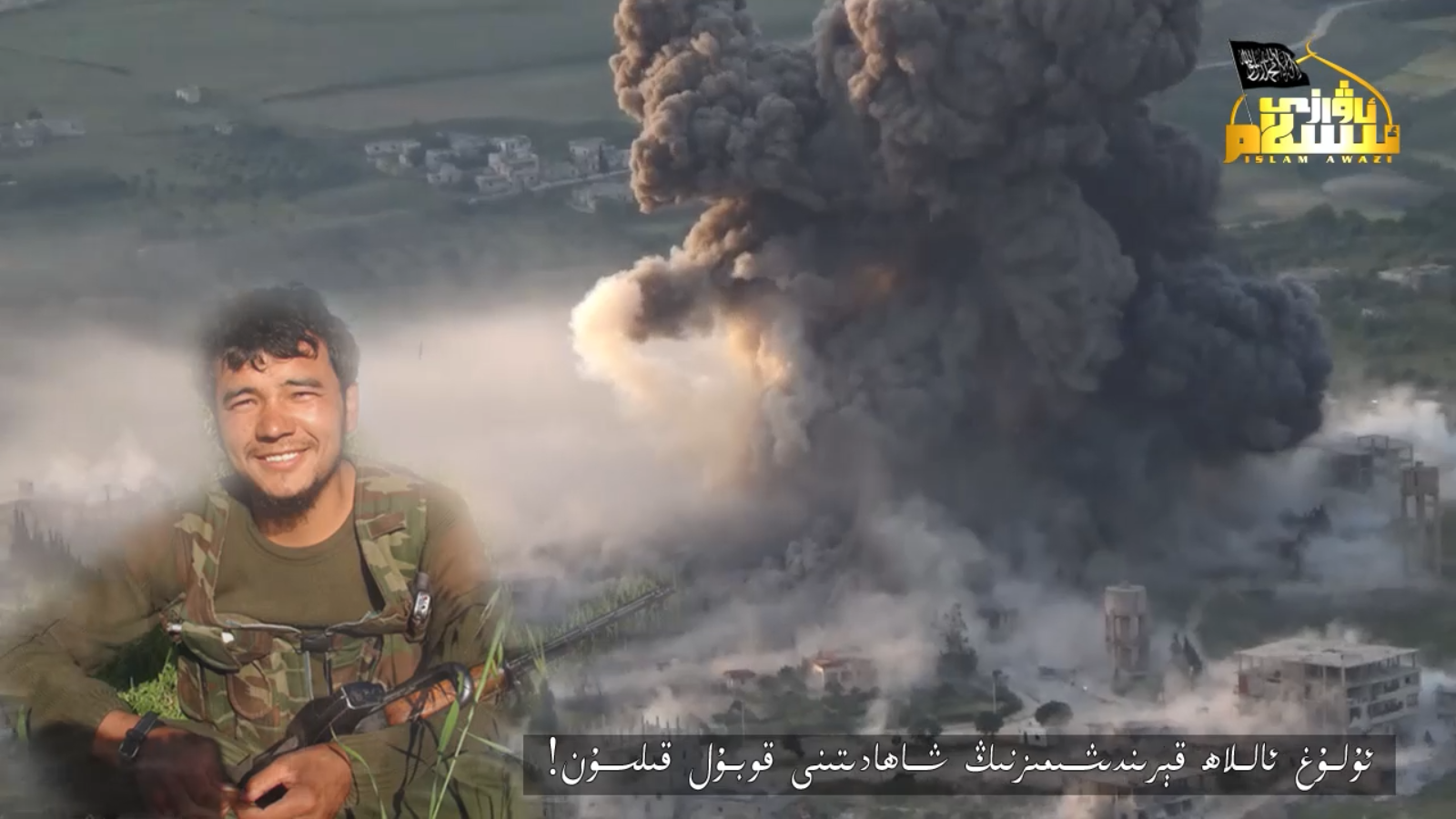
Suicide bombings detail Turkistan Islamic Party’s role in Syria
The suicide bombings show the Turkistan Islamic Party’s close battlefield integration with al Qaeda’s forces in Syria, as well as further highlighting its position within the overall al Qaeda network.
-
Al Qaeda affiliated Uzbek leader assassinated in Syria
Salahadin al Uzbeki, a veteran of the jihad in Afghanistan and leader of the Taliban-loyal Katibat Imam al Bukhari, has reportedly been assassinated by an “Islamic State infiltrator” in Idlib.

-
Why the UK launched its first targeted drone strike ever
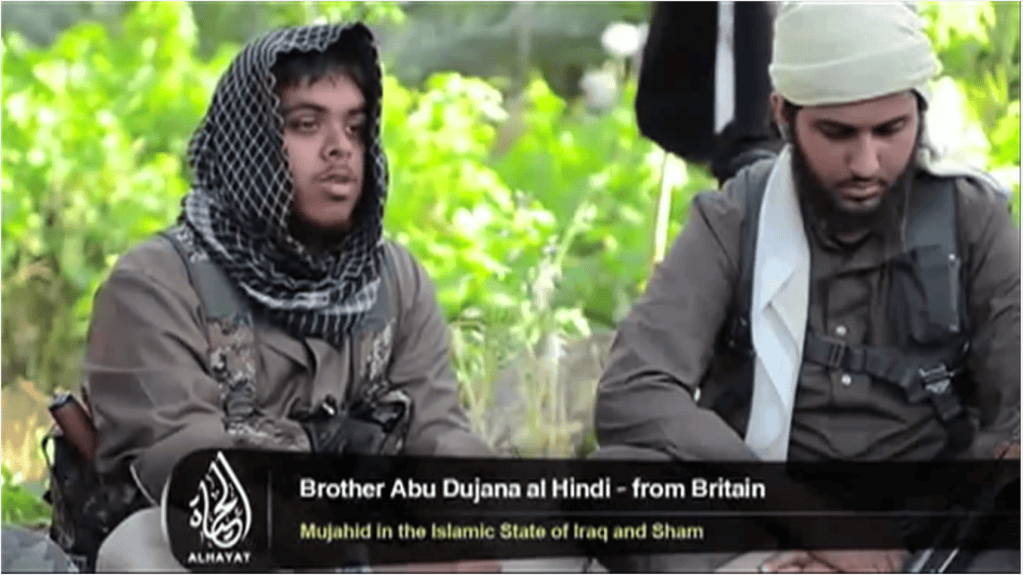
The UK Parliament’s Intelligence and Security Committee has released its investigative report on the Aug. 21, 2015 drone strike that killed UK national Reyaad Khan. The bombing was “the first time outside participation in a military campaign that the UK had conducted a lethal drone strike against a terrorist target.” Khan was one of the Islamic State’s most prolific cyber planners.
-
Ayman al Zawahiri warns against ‘nationalist’ agenda in Syria
In a new audio message, Ayman al Zawahiri warns jihadists that they should avoid a strictly “nationalist” agenda in Syria. He also says the jihadists should focus on waging a “guerrilla” war inside Syria and not place too much emphasis on controlling territory at this time. Zawahiri’s words are likely intended to influence some of the debates occurring within jihadist circles.