-
One war, many fronts: Iran and its proxies
The war with Iran is far from over, and the fight extends well beyond the Strait of Hormuz. Bill Roggio is joined by FDD Senior Fellow and former British Ambassador to Yemen Edmund Fitton-Brown to assess the status of the US-Iran conflict, Tehran’s efforts to break the American naval blockade, and the growing role of its terrorist proxies.
-
The Houthis’ Red Sea power play
The Houthis are on the offensive in Yemen, threatening one of the world’s most important maritime chokepoints and bringing the war back to Saudi Arabia’s doorstep. Bill Roggio is joined by FDD research analyst and Long War Journal contributor Bridget Toomey to discuss the Iranian-backed group’s renewed campaign to conquer Yemen, its advances along the Red Sea coast, and its siege of the strategic city of Taiz.
-
Yemeni government forces launch Saudi-backed counteroffensive against Houthis
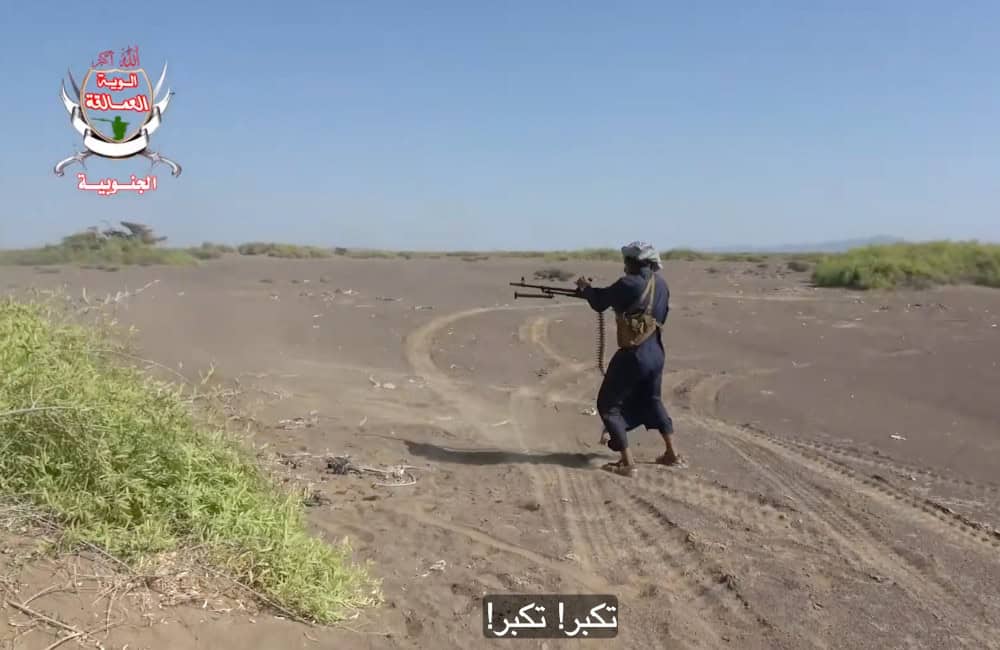
The Yemeni government announced a counteroffensive against the Houthis, with Saudi support, to retake territory the group seized in September, stating that removing the Houthis from the Yemeni capital of Sanaa is a goal. Forces aligned with Yemen’s internationally recognized government retook territory along the Bab al Mandeb Strait on October 5.
-
Fighting in Yemen escalates, raising concern of a return to civil war
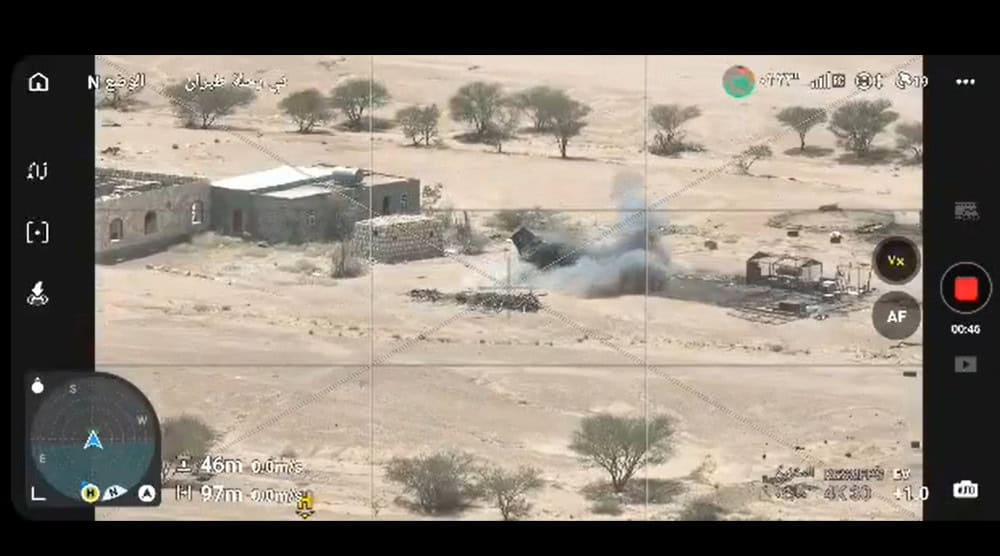
The Houthis launched drone and missile attacks on Yemeni forces and civilian infrastructure across three of Yemen’s governorates on August 6. The attacks have escalated fighting in the country while the Iran-backed terror group is simultaneously targeting Saudi Arabia and ships in the Red Sea.
-
Houthis escalate attacks in Red Sea and on Saudi Arabia, Riyadh evaluates options
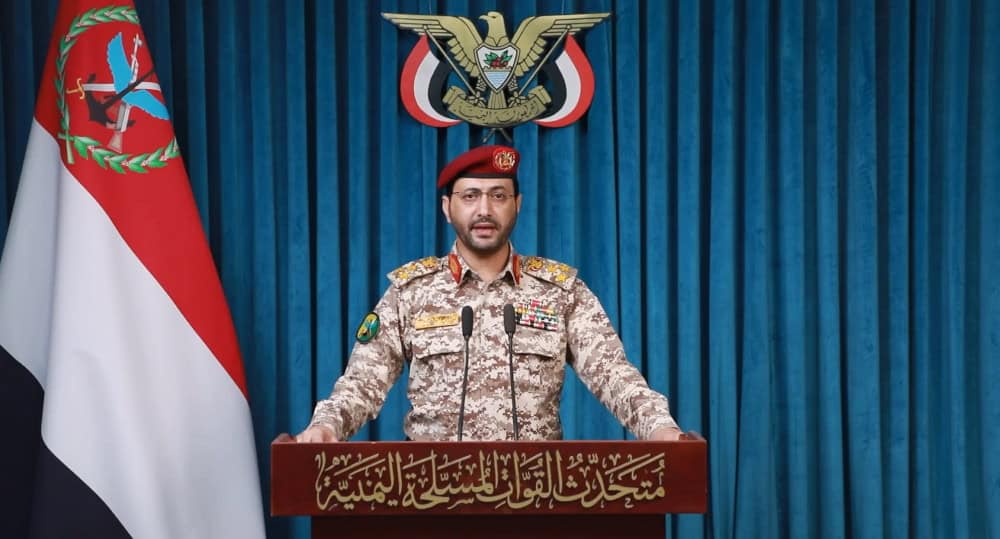
Yemen’s Houthis claimed attacks on eight Saudi-linked vessels as well as energy facilities and an airport to enforce its blockade of the kingdom. Saudi Arabia is reportedly pursuing a diplomatic path to de-escalate the conflict or military options if necessary.
-
Houthis announce blockade of Saudi Arabia, ships reroute to avoid Bab al Mandeb Strait
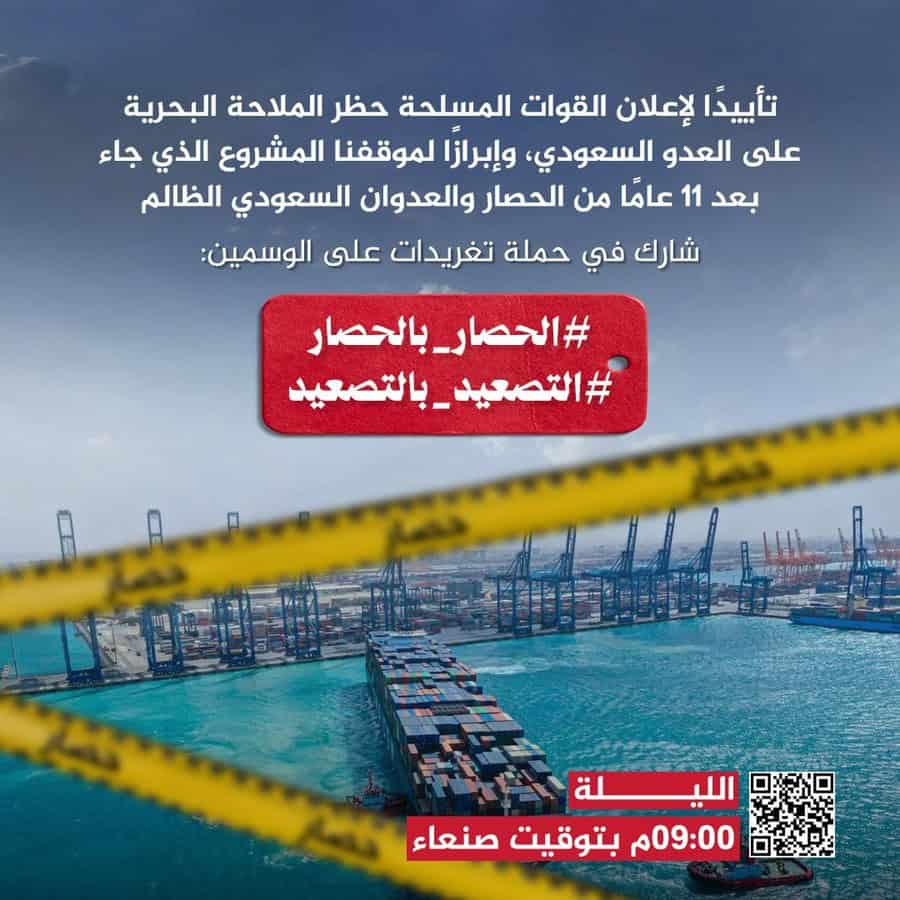
The Houthis declared a complete maritime blockade of Saudi Arabia, claiming it is in response to blockades imposed by the Saudi-led coalition that supports Yemen’s internationally recognized government. Saudi Arabia denounced the blockade and said it will protect its ships, but multiple commercial vessels have rerouted to avoid the Bab al Mandeb Strait.