-
Israel reportedly blocks Board of Peace base in Gaza, IDF reports 31 ceasefire violations October 1–15
Efforts to implement the US-backed Board of Peace’s plans for Gaza remain stalled on the ground, with a first military facility still unbuilt, but preparations for Hamas’s disarmament and international reconstruction cooperation are moving forward. Meanwhile, Hamas maintains its grip on Gaza’s civilian administration and commercial activity, despite its July declaration that it was relinquishing governing authority.

-
Israeli elections stall Board of Peace plans, IDF reports 14 Gaza ceasefire violations Sept. 4–15
United States officials have expressed frustration with Israeli Prime Minister Benjamin Netanyahu for resisting parts of their Gaza strategy. The US-backed Board of Peace, tasked with overseeing Gaza’s political transition, has seen Netanyahu stall several initiatives as he campaigns in a closely contested election. Meanwhile, the Israel Defense Forces (IDF) reported 14 ceasefire violations in Gaza between September 4 and 15.
-
IDF captures Hamas security chief, reports 29 Gaza ceasefire violations Aug. 19–Sept. 3
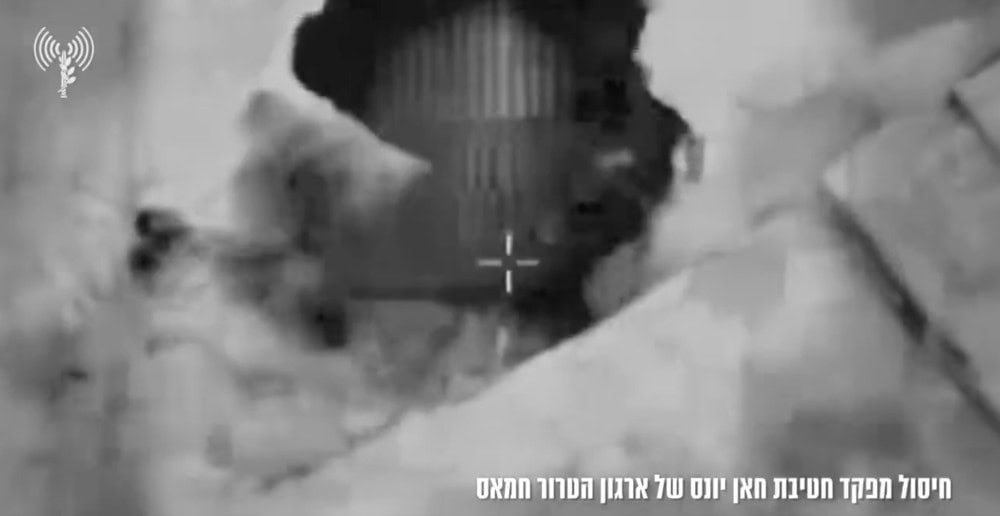
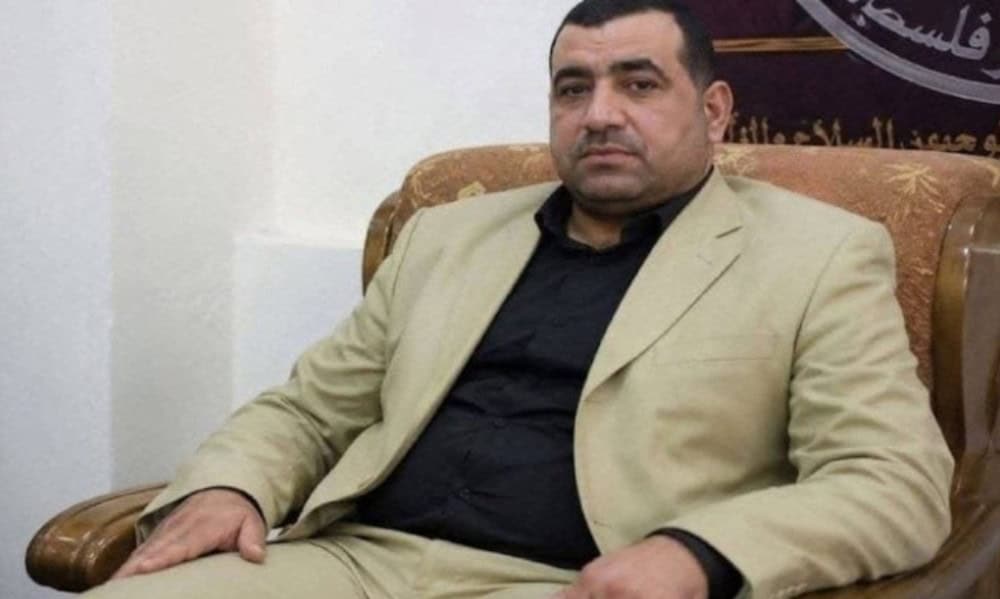
Israeli special operations forces captured a senior Hamas security official in a September 1 operation in the Katiba area of western Gaza City. The raid came as the US-backed Board of Peace’s stabilization plan and Hamas disarmament agreement, which had prompted Israel to scale back strikes in response to reported ceasefire violations, appeared to falter.
-
Israel lessens strikes after US-backed disarmament plan, rejects initial withdrawal; IDF reports 16 Gaza ceasefire violations July 31-August 18
After Israel’s rejection of the Board of Peace’s (BoP) initial disarmament plan, US Special Envoy Jared Kushner and BoP officials held talks with Hamas and Israel, followed by Washington adjusting its position to prioritize Hamas’s disarmament. Meanwhile, Hamas and other Palestinian terrorist groups continued violating the first phase of the ceasefire, according to Israel.

-
Board of Peace announces Hamas disarmament agreement, IDF reports 32 Gaza ceasefire violations July 10–31
US President Donald Trump announced a 15-point Board of Peace roadmap transferring Gaza’s governance and security responsibilities. The plan links verified Hamas disarmament to phased Israeli withdrawal, but sequencing remains disputed.

-
Israel approves entry of International Stabilization Force into Gaza
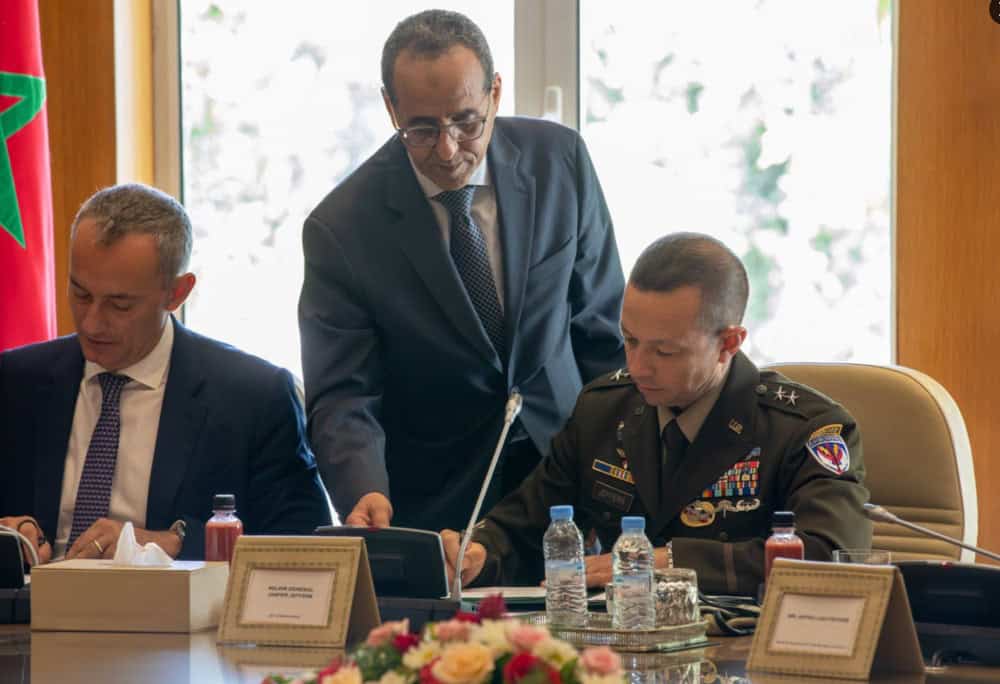
Israel has approved the future deployment of the International Stabilization Force (ISF) in Gaza, a significant step in implementing the US-backed peace plan. The planned multinational force is expected to support humanitarian efforts, stabilization, and a transition toward new Palestinian governance as Israel continues operations against terrorist groups in Gaza.
-
Board of Peace to establish ‘pilot zone’ for Gaza civilians, IDF claims 13 ceasefire violations June 30–July 9
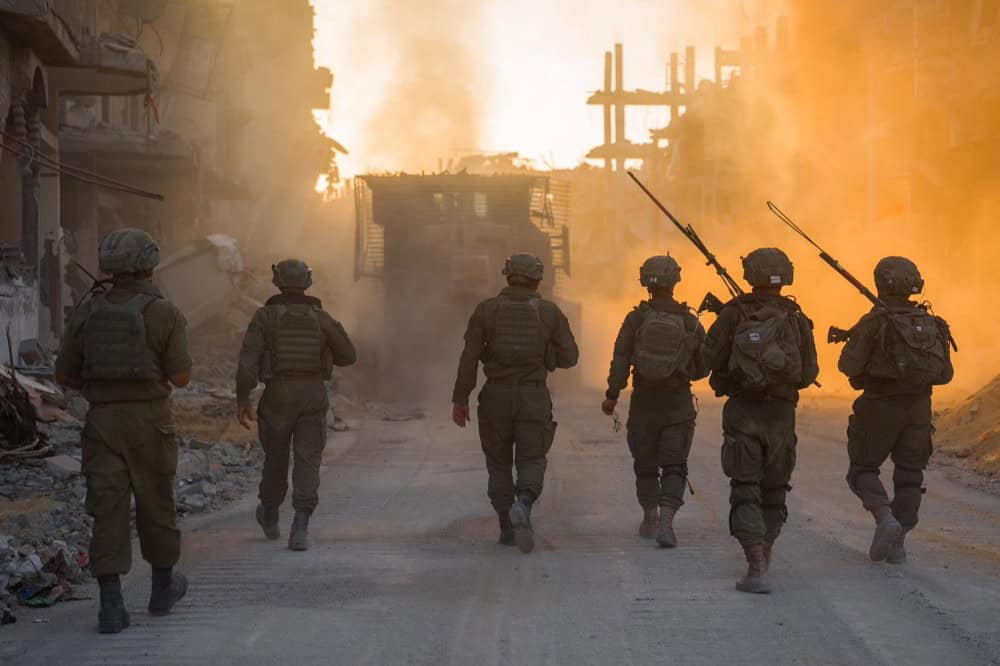
The US-led Board of Peace said on July 8 that it would soon begin setting up a “pilot zone” in Gaza that would bring unarmed civilians screened for Hamas links across the Yellow Line into the Israeli-controlled portion of the territory. Meanwhile, Hamas has escalated ceasefire violations in the areas it still controls as the group works to rebuild its forces.
-
Hamas suppresses protests, IDF reports 17 strikes, ceasefire violations June 10–29
Anti-Hamas organizers in Gaza had hoped June 26 would bring a wave of large demonstrations against the terror group. However, Hamas worked to lower turnout with arrests, threats, and armed street deployments.

-
IDF targets Hamas middle managers, reports 15 strikes and ceasefire violations May 29–June 10
Following the high-profile eliminations of two Hamas military wing leaders, the Israeli military turned to targeting lower-level officials in the group who are leading its rearmament push, as well as members of other Gaza terrorist organizations.

-
Israeli strike eliminates Hamas commander in Lebanon
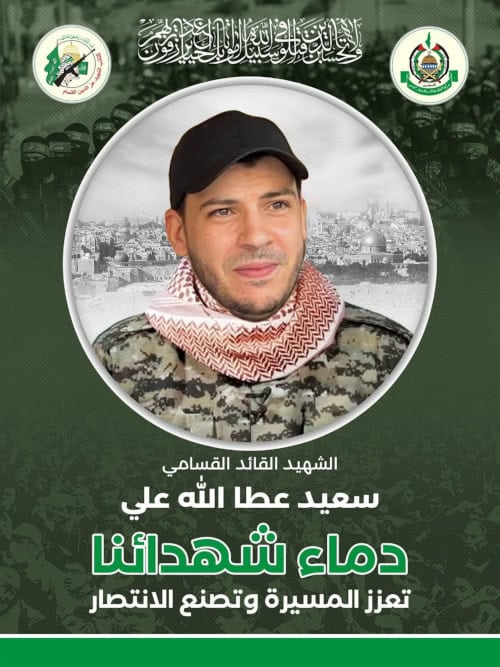
The Israeli military killed Hamas commander Wasim Atallah Ali in Tripoli on March 5. The IDF said that Ali was responsible for training the group’s branch in Lebanon. His elimination adds to the growing number of Hamas and Palestinian Islamic Jihad members who have been killed in Lebanon by the Israeli military.
-
Palestinian factions mourn death of Iran’s leader, stop short of threatening retaliation
Hamas, Palestinian Islamic Jihad, and other Palestinian terrorist organizations issued statements mourning the deaths of Iranian Supreme Leader Ali Khamenei and the Tehran regime’s other senior officials. While some groups made vague mentions of a response to the killings, none explicitly said they would retaliate against Israel or the United States.

-
Analysis: Israeli strikes against Hamas in Lebanon signal a sustained strategy
Following the Hamas-led attack on Israel on October 7, 2023, Israel has conducted a consistent military campaign against Palestinian terrorist groups in Lebanon. The Israeli military’s recent attack against a Hamas command center in the Palestinian camp of Ayin al Hilweh demonstrates that this approach continues to be Jerusalem’s preferred strategy against Palestinian armed groups that operate on Israel’s northern border.

-
Hamas injures IDF soldier, Palestinian terrorists violate Gaza ceasefire 10 times between January 22 and February 4
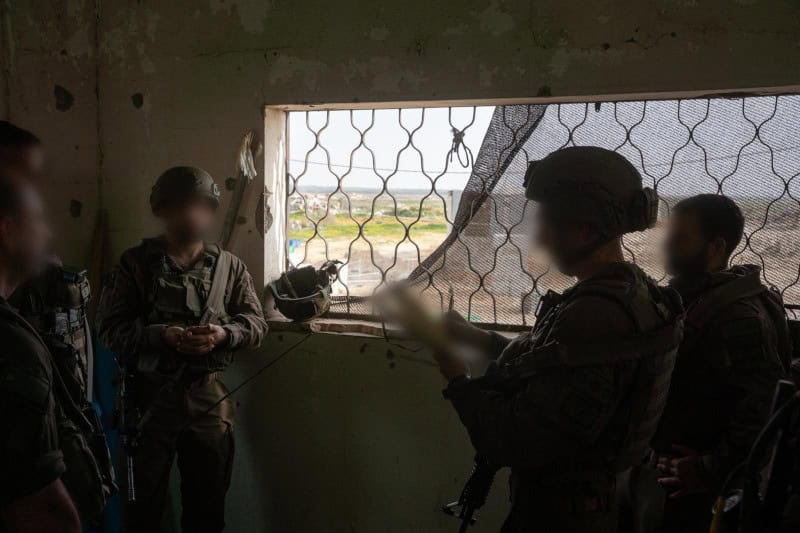
The US-brokered truce in Gaza is still holding but faces challenges as Hamas and other Palestinian terrorists continue to violate the terms almost daily, and the IDF responds with airstrikes. Despite the Rafah Crossing opening to pedestrian traffic, challenges are emerging surrounding procuring reconstruction funding, part of US President Donald Trump’s 20-point plan for Gaza.
-
Palestinian terrorists ambush Israeli troops in Rafah; IDF reports 7 Gaza ceasefire violations from November 27 to December 3
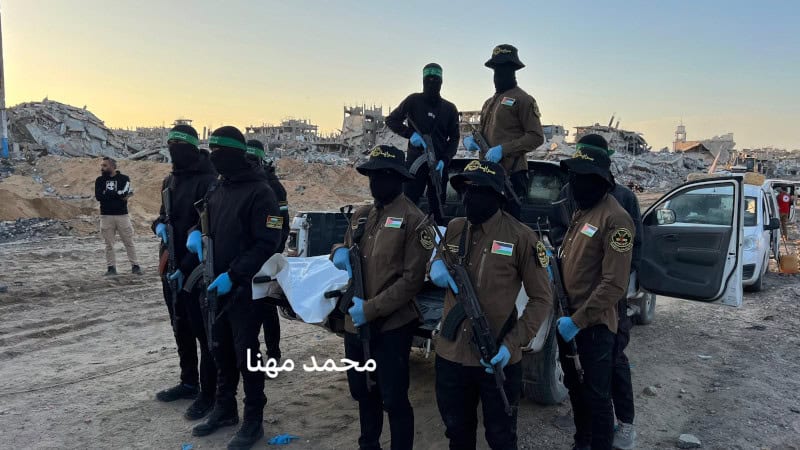
Palestinian terrorists again ambushed Israeli troops in the southern Gaza hotspot of Rafah, injuring five soldiers, one seriously, and marking the first instance of the Israeli military taking casualties in over a month. Palestinians have violated the truce in the territory at least seven times in the past week, according to Israel Defense Forces reports.
-
West Bank: Palestinian Islamic Jihad continues to show signs of increased activity
Palestinian Islamic Jihad issued a statement detailing its activities in the West Bank in recent days. The release follows an increase in the terror group’s activity in the territory over the past few months, including the deaths of nine of its members in separate incidents involving the IDF in November.

-
Terrorist uses aid route to fire at Israeli troops; IDF reports 14 Gaza ceasefire violations from November 22 to 26
Palestinian terrorists violated the ceasefire 14 times between November 22 and 26, according to Israel Defense Forces (IDF) reports. Among these incidents were an attacker using a humanitarian aid route to shoot at Israeli troops and at least three instances of terrorists emerging from tunnels in Rafah on the Israeli-controlled side of the Yellow Line. Palestinian Islamic Jihad also returned the body of a hostage after Israeli Prime Minister Benjamin Netanyahu accused the group of violating the ceasefire by delaying the transfer.

-
Palestinian Islamic Jihad reportedly rebuilding its presence in Syria
Israel’s public broadcaster KAN reported on November 26 that Palestinian Islamic Jihad has been “increasingly strengthening its military wing in Syria in recent weeks,” particularly around Palestinian refugee camps in Damascus.

-
Palestinian Islamic Jihad shows signs of renewed activity in the West Bank
Mounting evidence suggests that Palestinian Islamic Jihad (PIJ) is becoming more active in the West Bank following extensive Israeli military operations in the territory that began earlier this year. Claims of attacks by PIJ, the killing of its members in counter-terrorism operations, and other evidence point to the group attempting a resurgence.

-
Israeli operation kills 2 Palestinian Islamic Jihad terrorists in West Bank
Palestinian Islamic Jihad’s branch in the West Bank announced the death of two fighters in the northern West Bank following clashes with Israeli forces. Both members, a commander and a regular fighter, were allegedly planning to carry out a terrorist attack, according to the Israeli military.

-
Israel eliminates a key link between Hamas and Iran
Israel killed a key Islamic Revolutionary Guard Corps-Qods Force (IRGC-QF) official who coordinated between Iran, Hamas, and other members of the Iran-led Axis of Resistance. The elimination is among the most notable high-ranking Iranian military officials killed in the current war.

-
Israel conducts strike targeting Palestinian Islamic Jihad in Damascus
The Israel Defense Forces (IDF) attacked a building in Damascus, Syria, on Thursday, stating it was a Palestinian Islamic Jihad command and control center. The IDF said it conducted the strike due to concerns about planned attacks against Israeli territory. The Israeli military has increasingly carried out strikes in recent months against former and current Syrian regime assets and various groups, including Hamas.
-
Israel focuses on security in north amid Hezbollah threats
Israel Defense Minister Yoav Gallant said Israel is determined to return Israeli civilians to communities near Israel’s northern border with Lebanon and that the window for diplomatic solutions for reducing the Hezbollah threat is closing. The IDF also carried out a multi-day raid near Tukaram in the West Bank and eliminated a Palestinian Islamic Jihad operative.

-
Wanted Senior Palestinian Islamic Jihad Member Killed in Jenin During Israeli Military Operation
A joint Israeli military and Israeli Security Agency operation in Jenin on Thursday led to the death of Palestinian Islamic Jihad commander Farouk Salameh.

-
Hamas Operatives in Gaza Continue to Direct Attacks in the West Bank
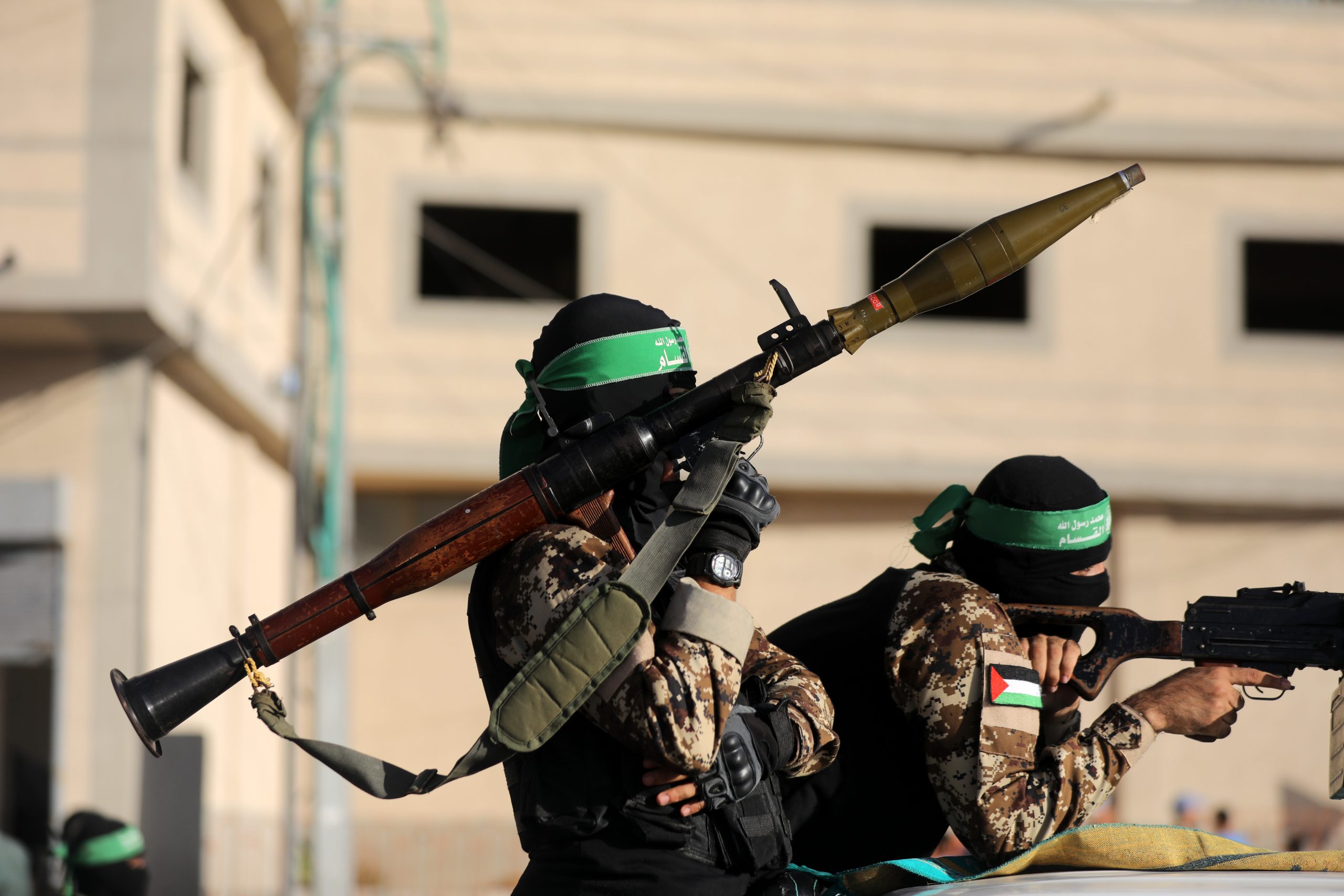
Evidence continues to grow that Hamas is directing attacks in the West Bank against both the IDF troops and Israeli citizens.
-
A Newly Established Militant Organization in the West Bank Claims Several Attacks
A nascent militant organization has been established in the West Bank and has claimed several attacks against IDF troops.

-
Ceasefire in Effect Following More Than Two Days of Fighting in Gaza
A ceasefire deal mediated by Egypt has been reached between Palestinian militant organizations and Israel.

-
Palestinian Islamic Jihad Claims New Drone Added to its Military Capabilities
One day before Quds Day, Palestinian Islamic Jihad unveiled a new drone called “Jenin.”

-
Analysis: One year after the targeted killing of PIJ commander Baha Abu al-Ata
A year after the killing of Palestinian Islamic Jihad leader Baha Abu al-Ata, Israel continues to come under attack from Palestinian militant groups in the Gaza Strip.

-
Palestinian Islamic Jihad threatens conflict over Palestinian prisoner
Maher al-Akhras, a Palestinian Islamic Jihad operative in administrative detention and on a hunger strike, sparks threats of conflict against Israel from the Iran-backed militant group.

-
Saraya al Quds reminds Israel that COVID-19 hasn’t slowed jihadist activity
Despite the COVID-19 pandemic, Saraya al Quds, the military wing of Palestinian Islamic Jihad, affirms its commitment to its resistance against Israel.