-
Analysis: From Afghanistan to America: the rising reach of the Islamic State Khorasan Province
Four years after the US withdrawal from Afghanistan, the threat posed by the Islamic State Khorasan Province (ISKP) has expanded beyond the region, now endangering both America and Europe. With the group actively recruiting and transferring fighters across borders, regional actors such as the Taliban, Iran, Tajikistan, and Pakistan have proven unable to curb its growth.
-
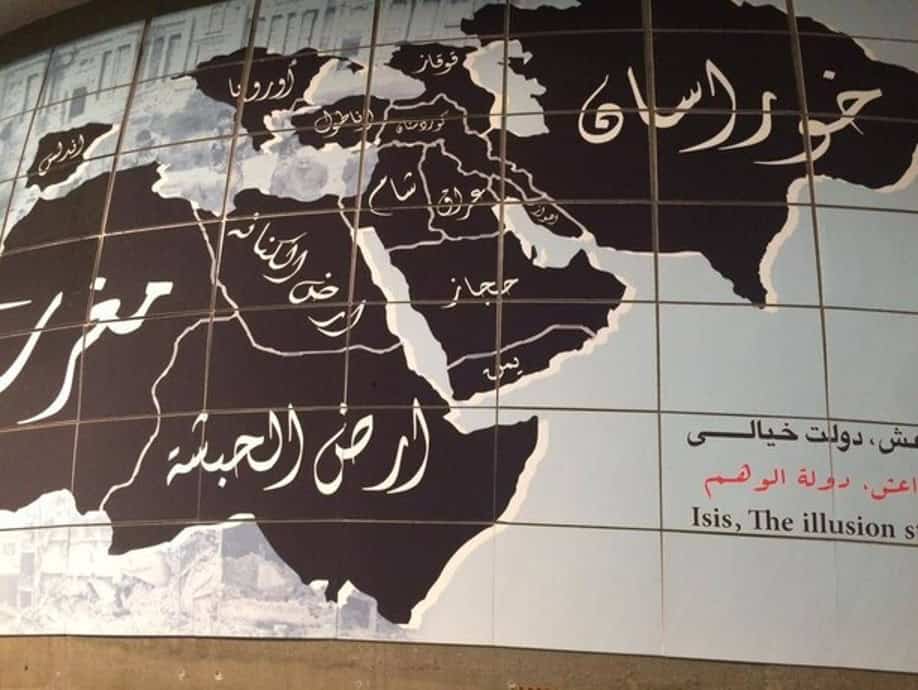
Opium protests catalyze anti-Taliban sentiments
Afghanistan has grappled with a surge in terrorism, deepening ethnic rifts, protests, and the devastating impact of natural calamities in recent weeks. Two years into their control of Afghanistan, the Taliban is struggling to govern as a state actor.
-
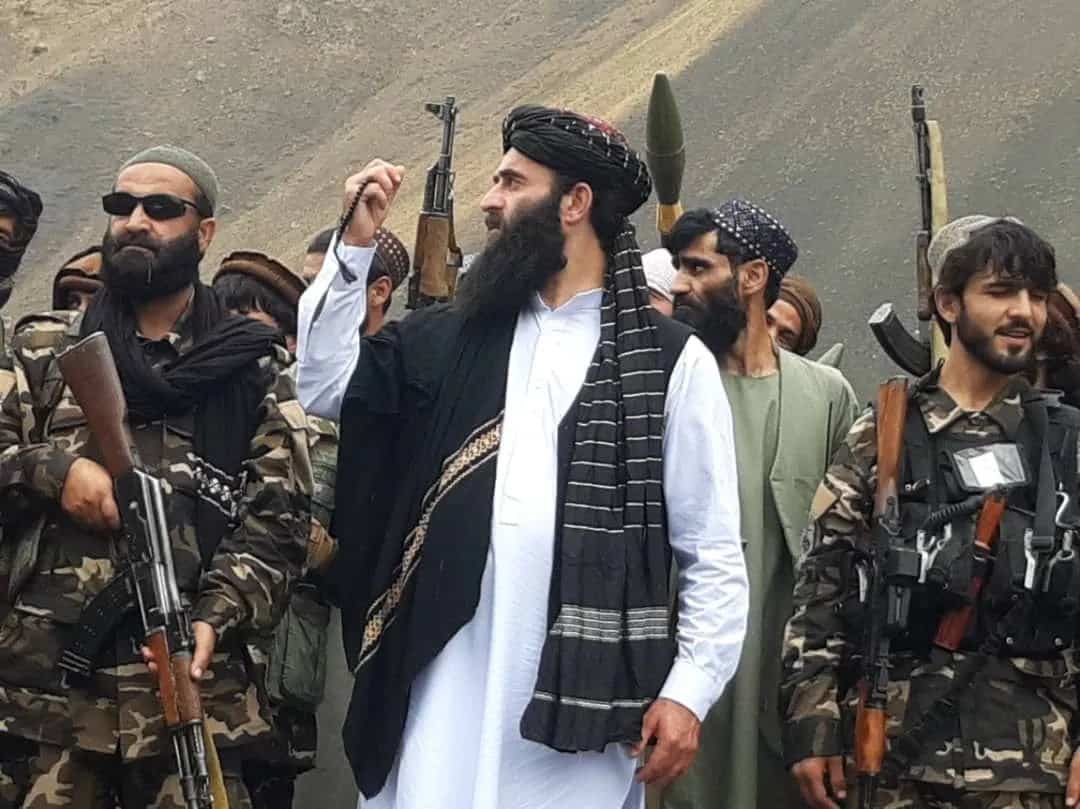
Fighters throughout the Khorasan renew allegiance to Abu Bakr al-Baghdadi
The Islamic State’s Wilayah Khorasan is the latest province of the so-called caliphate to release a video as part of the “And the Best Outcome is for the Righteous” series. Fighters in Afghanistan, India, Iran, Kashmir, and Pakistan are shown renewing their oaths of allegiance to Abu Bakr al-Baghdadi. One speaker blasts the Taliban, encouraging its fighters to defect.
-
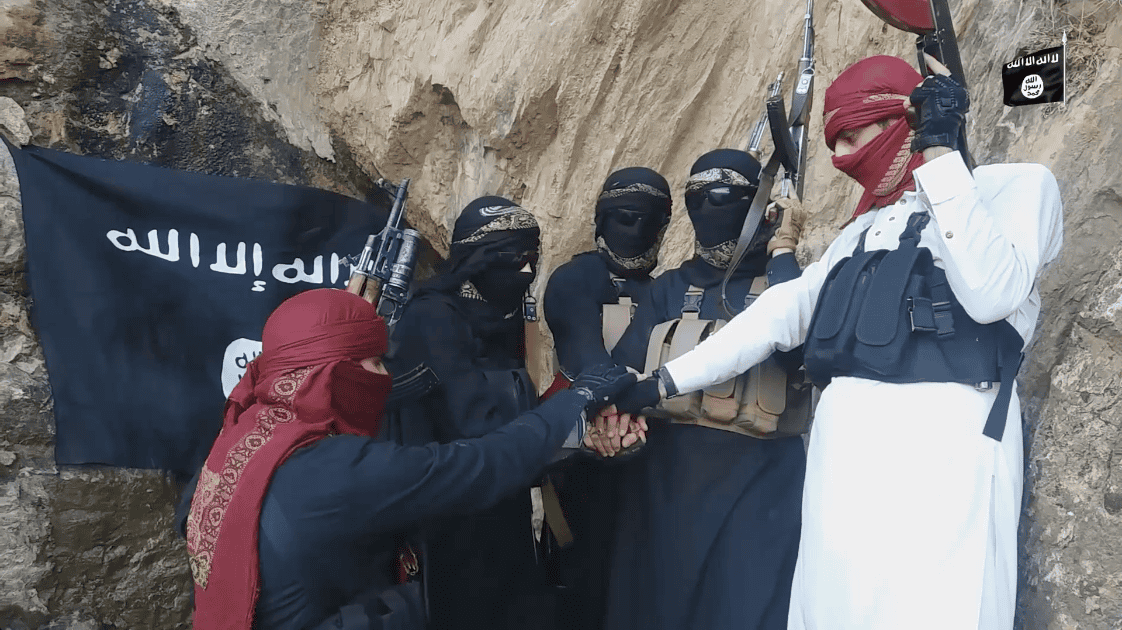
Islamic State Khorasan province’s emir targeted in US raid
The US military has invested significant resources in battling the Islamic State in Afghanistan, despite the fact that the group controls areas in just four districts in Nangarhar.
-
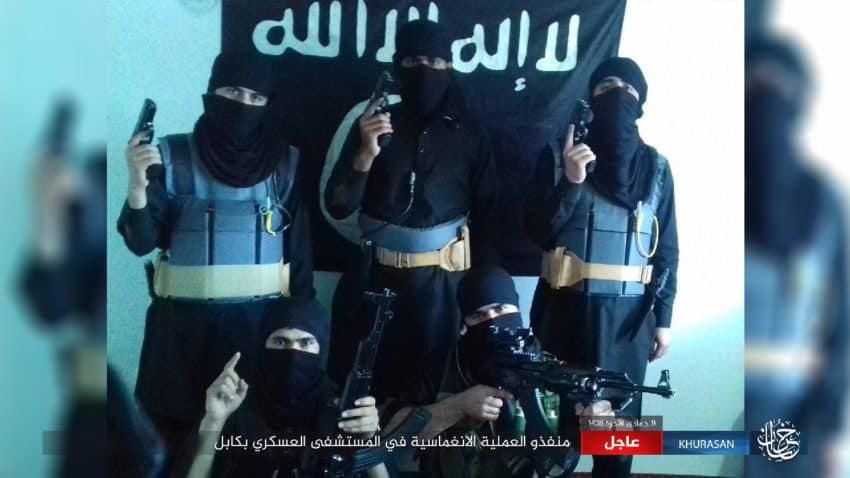
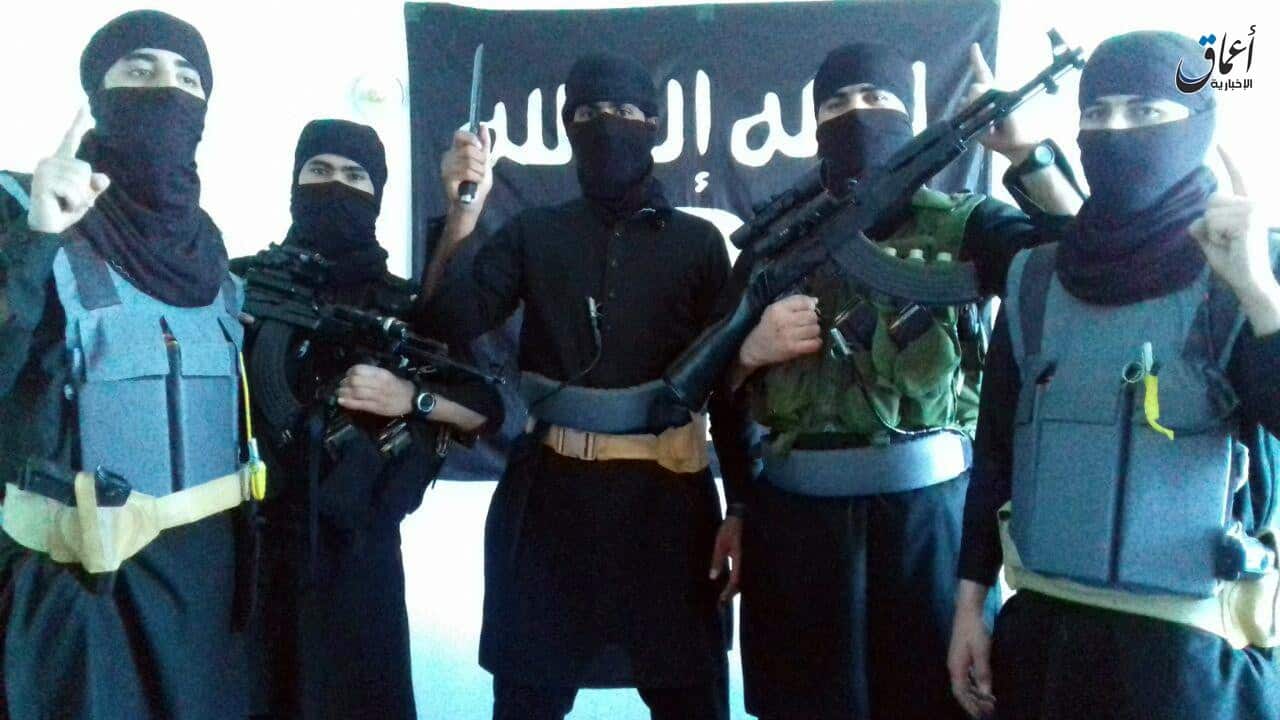
Islamic State suicide team assaults military hospital in Kabul
A team of five Islamic State inghimasi fighters terrorized the Sardar Mohammad Daud Khan Hospital in Kabul yesterday. The hospital is “the largest military medical facility in Afghanistan,” according to the UN. The Islamic State’s so-called Khorasan province has launched other inghimasi attacks in Afghanistan in the past.
-
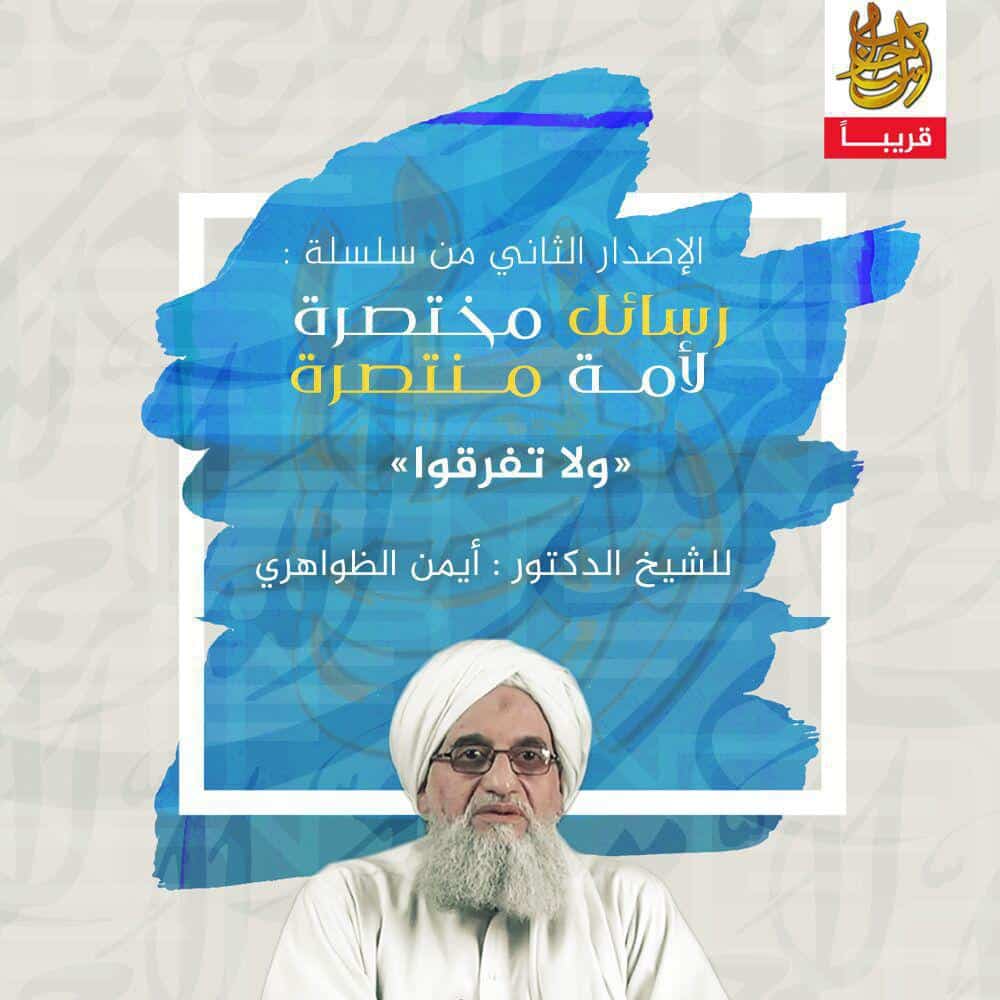
Zawahiri calls on Muslims to support Taliban, reject Islamic State
In the second episode of the “Brief Messages to a Victorious Ummah” series, Ayman al Zawahiri blasts the Islamic State for dividing the mujahideen’s ranks. Zawahiri, who is openly loyal to the Taliban’s emir, calls on Muslims to support the Taliban.
-
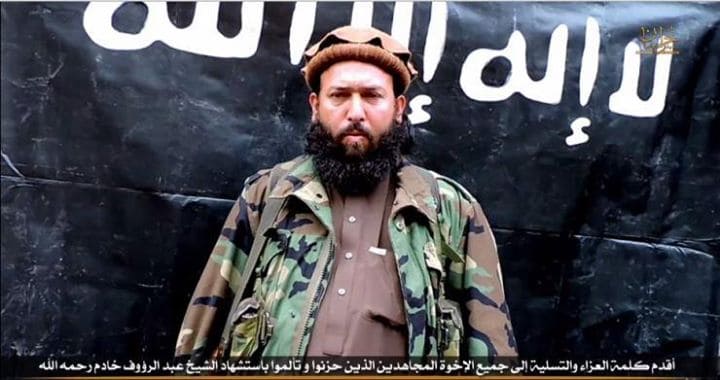
US military confirms air strike killed Islamic State’s emir for Khorasan province
The US military claimed that Khan’s death and the operation in Nangarhar will hurt the group’s operations in Afghanistan. However the Islamic State’s inability to form alliances with the established jihadist groups in Afghanistan and Pakistan has led to its isolation.
-
Afghan military again claims it killed emir of Islamic State’s Khorasan province
A senior Afghan military officer claimed that his forces killed Hafiz Saeed Khan, the emir for the Islamic State’s Khorasan province, during an ongoing military operation in the eastern province of Nangarhar. However Khan’s death cannot be independently confirmed.
-
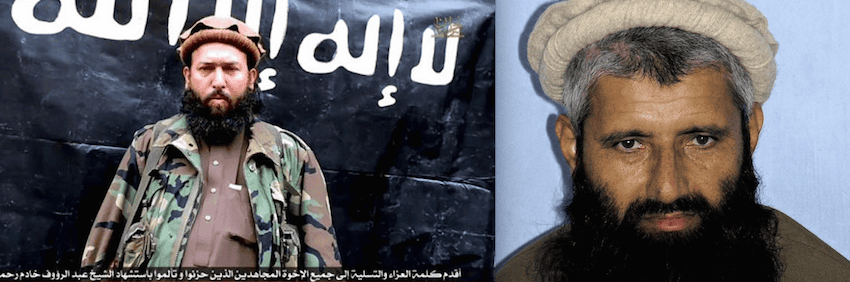
Ex-Gitmo ‘poet’ and committed jihadist denounces Islamic State for attacks on civilians
Abdul Rahim Muslim Dost, who left the Islamic State late last year, claimed that Khorasan province became a tool of “regional intelligence agencies and started torturing innocent people.” He described the emir of Khorasan province as “illiterate” for approving attacks on civilians.
-
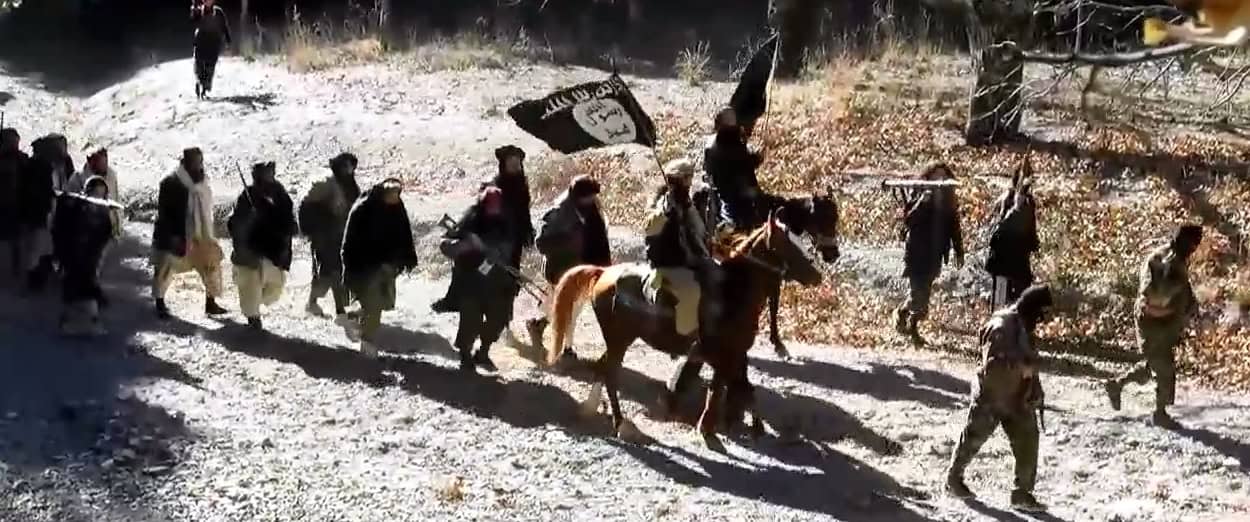
Senior Islamic State Khorasan leaders defect to Taliban
Several members of the Islamic State Khorasan Provinces’ “central council” as well as other senior and mid-level leaders based in the eastern Afghan province of Nangarhar have broken their oath to Abu Bakr al Baghdadi and have rejoined the Taliban.
-
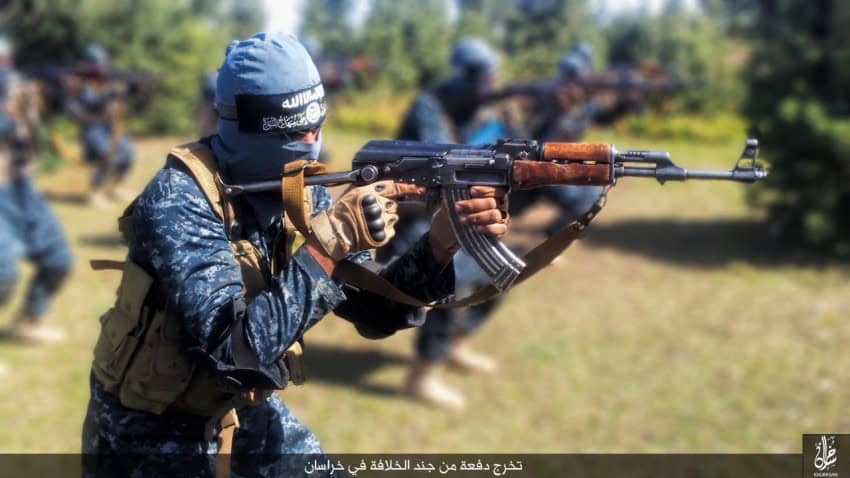
State Department lists Islamic State’s ‘Khorasan Province’ as Foreign Terrorist Organization
The US has treated the Islamic State Khorasan Province as a terrorist organization long before officially listing it. Four senior Khorasan Province leaders have been killed in US airstrikes over the past year.
-
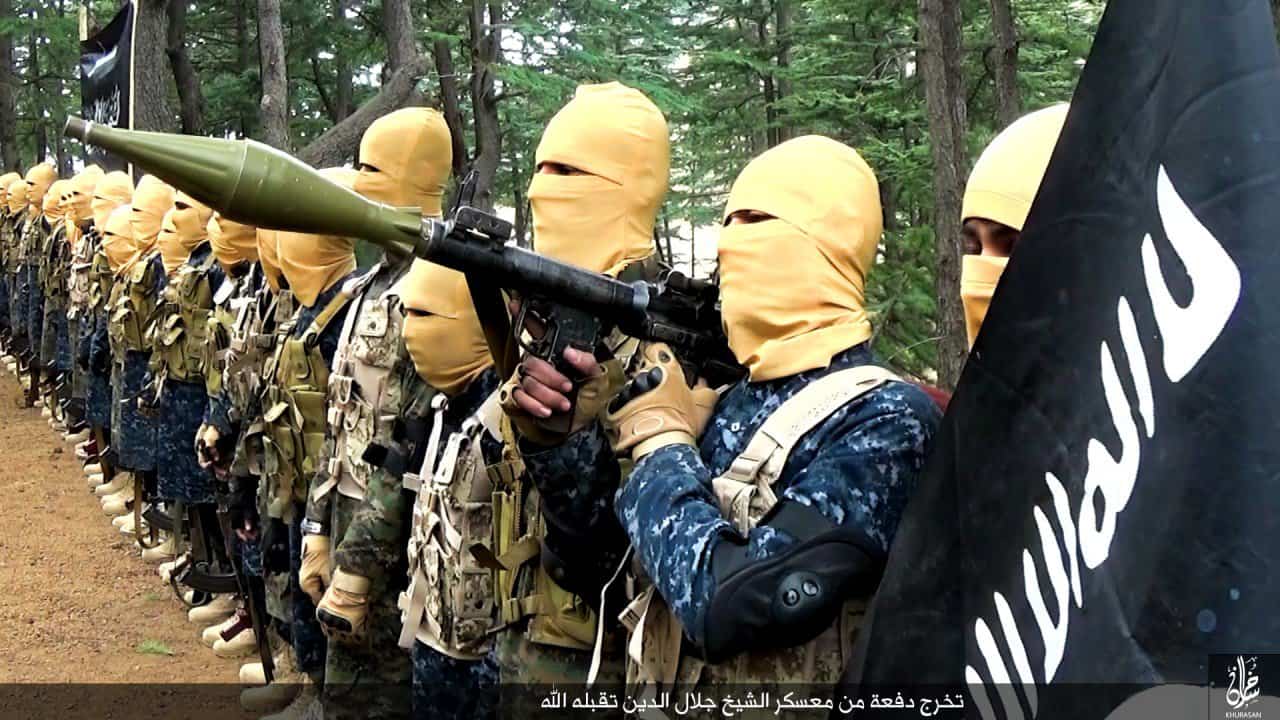
Islamic State highlights ‘Sheikh Jalaluddin training camp’ in Afghanistan
The “Sheikh Jalaluddin training camp” is named after the Khorasan Province’s former mufti, or senior religious and legal scholar, who was killed by the US in an airstrike in Nangarhar in October. The Islamic State has advertised three training facilities in Afghanistan in the past two months.
-
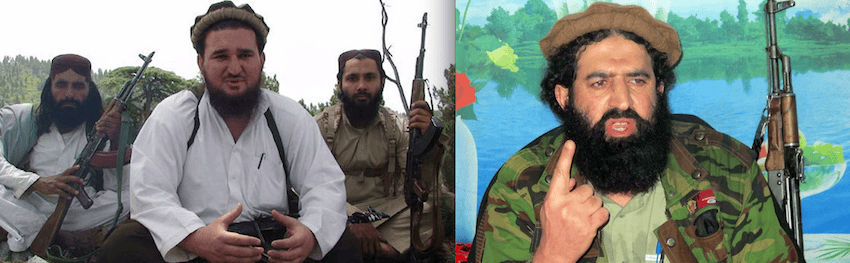
Pakistani Taliban confirms death of Khorasan province spokesman, calls for Afghan Taliban and Islamic State to ‘end their dispute’
The spokesman for the Jamaat-ul-Ahrar faction of the Movement of the Taliban in Pakistan said it “will avenge” the death of Shahidullah Shahid “from the Americans and its allies.” He also claimed a peace council was formed to mediate the dispute between the Islamic State and the Afghan Taliban.
-
Islamic State says emir for Khorasan province is alive
Former Guantanamo Bay detainee Abdul Rahim Muslim Dost said that Hafiz Saeed Khan is alive, but did confirm that Khorasan province’s deputy emir and spokesman were killed last week in US airstrikes.
-
Afghan intelligence claims US killed Islamic State’s emir for Khorasan province
The National Directorate of Security (NDS) claimed that the US killed Hafiz Saeed Khan, the Islamic State’s leader for its Khorasan province in an airstrike in Nangarhar. The US has killed top leaders of jihadist organizations in the past, only to watch these groups expand.
-
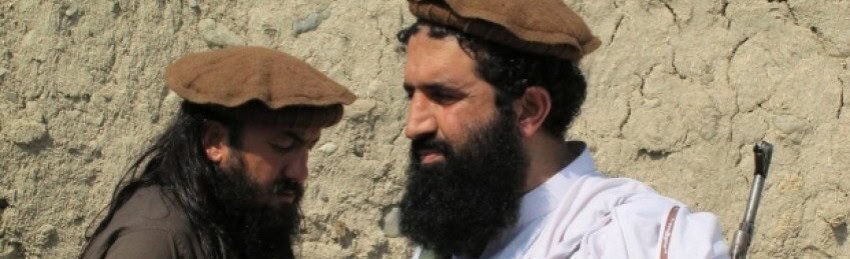
Islamic State’s spokesman for Khorasan province thought killed in US airstrike
Afghanistan’s National Directorate of Security claimed that the US killed Shahidullah Shahid, the Islamic State’s spokesman for its Khorasan province, in a recent airstrike in eastern Afghanistan. The death of Shahid, the former spokesman for the Movement of the Taliban in Pakistan, has not been confirmed.
-
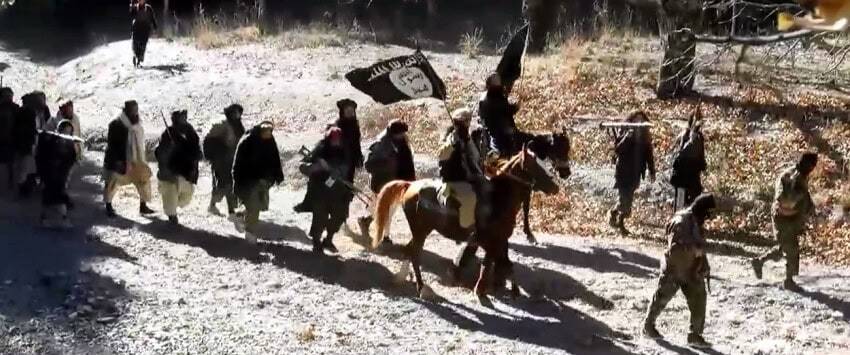
Deputy emir of Islamic State’s Khorasan province reported killed in US drone strike
Afghanistan’s National Directorate of Intelligence said that “Gull Zaman,” his deputy, and five fighters were killed in a US drone strike in Nangarhar province, Afghanistan.
-
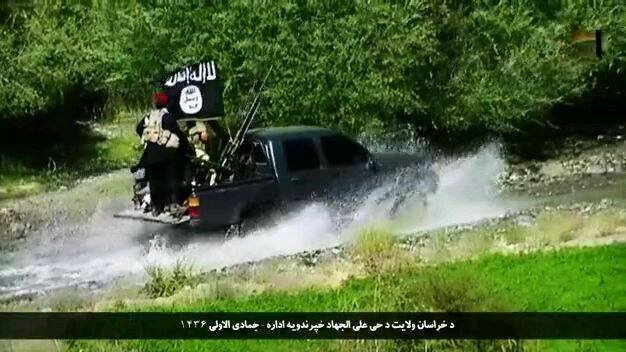
Islamic State promotes training camp in eastern Afghanistan
The camp is named after Ustad Yasir, a senior Taliban commander who was killed in an internal purge in 2012. The camp’s name is further evidence that the Islamic State’s Khorasan Province is comprised of marginalized Taliban commanders.
-
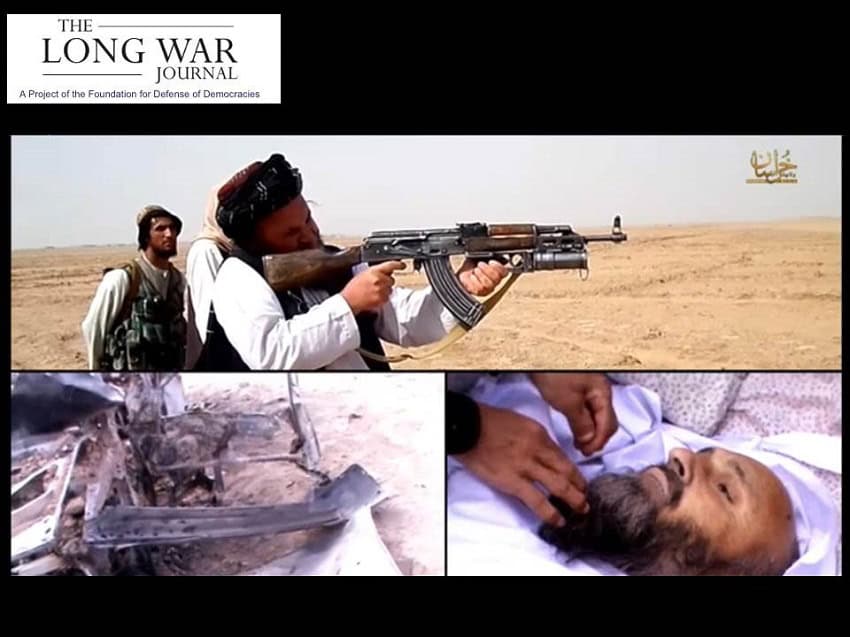
Islamic State in ‘Khorasan Province’ issues video eulogizing slain commander Abdul Rauf Khadim
The Islamic State praised Mullah Abdul Rauf Khadim, a former detainee at Guantanamo Bay and senior Taliban commander, and vowed to avenge his death.
-
US kills Islamic State’s deputy emir for ‘Khorasan province’ in airstrike: report
Mullah Abdul Rauf Khadim was a senior Taliban leader before joining the Islamic State and being appointed the deputy emir of Khorasan province.