-
Analysis: Explaining UNSC Resolution 1701 and its relation to Resolution 1559
A specious argument fueled by DC-based Lebanese activists is gaining traction. It alleges that UN Security Council Resolution 1559 (2004) takes a stronger stance against Hezbollah than its successor, Resolution 1701, adopted after the 2006 Israel-Hezbollah War. This entire argument, however, rests on misinterpretations of Resolution 1701’s meaning and intent and demonstrates ignorance of international law.

-
Israel executes waves of strikes on Hezbollah financial institution
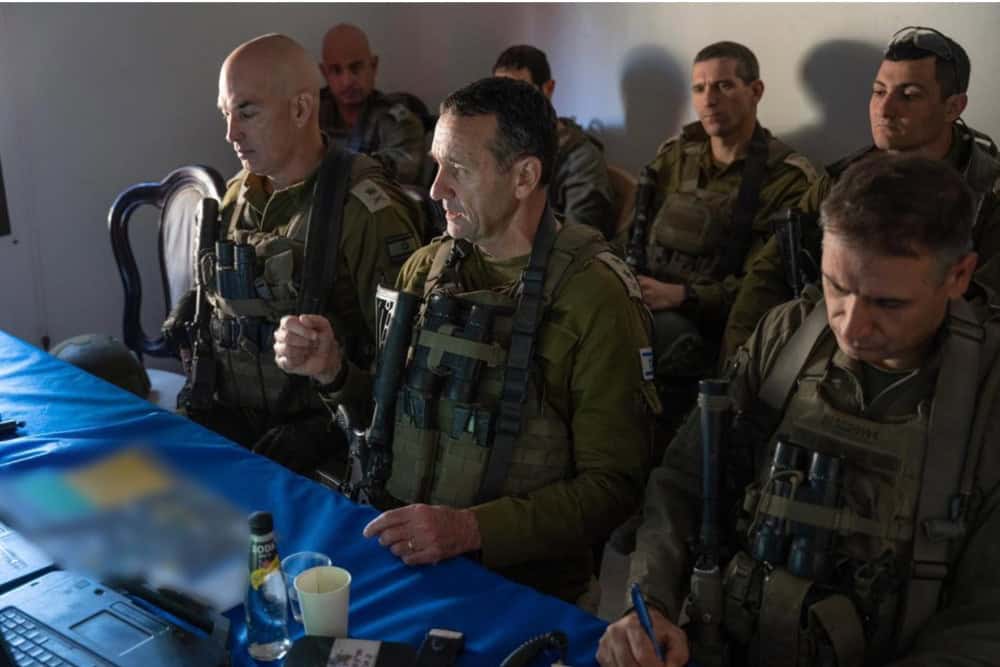
The Israel Defense Forces (IDF) began waves of strikes on a financial organization it states has branches across Lebanon and is used to fund Hezbollah’s terror activities. An Israeli military assessment reports the IDF has hit 3,200 Hezbollah targets and killed seven of the group’s brigade commanders and 21 of its battalion commanders since the operation in Lebanon began almost a month ago.
-
IDF strikes 490 Hezbollah targets in ground and air operations
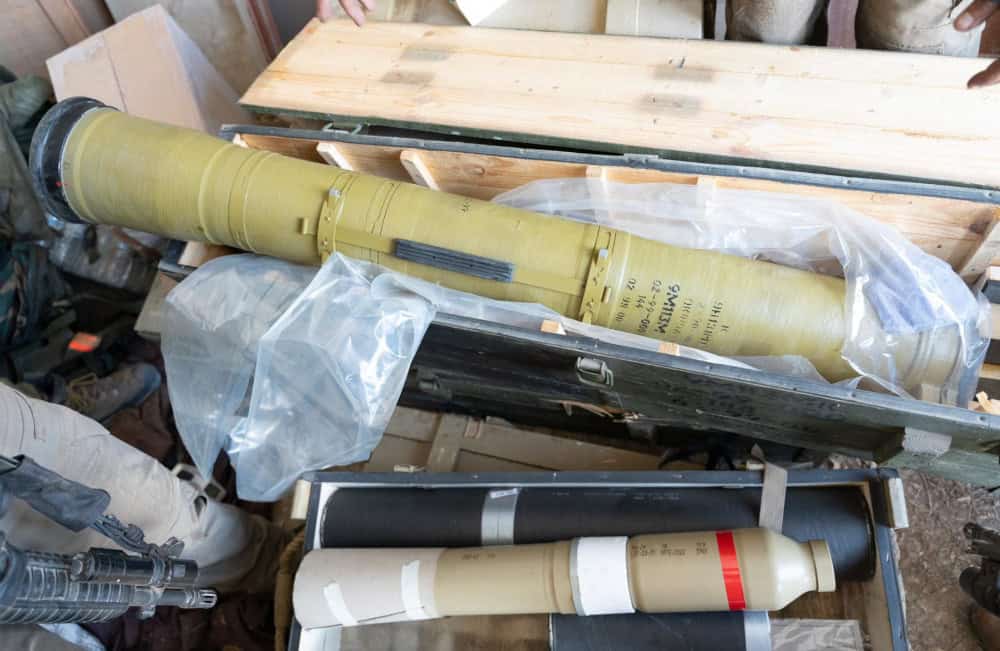
Israeli ground forces and aircraft struck hundreds of Hezbollah targets in southern Lebanon in three days of operations from October 14 to October 17. The Israel Defense Forces (IDF) estimates that 45 Hezbollah members were eliminated on October 17. Israeli ground forces also uncovered tunnels and numerous weapons and captured Hezbollah personnel in recent operations.
-
Analysis: ‘Axis of Resistance’ or ‘Axis of Espionage?’ Iran’s struggles to staff leadership
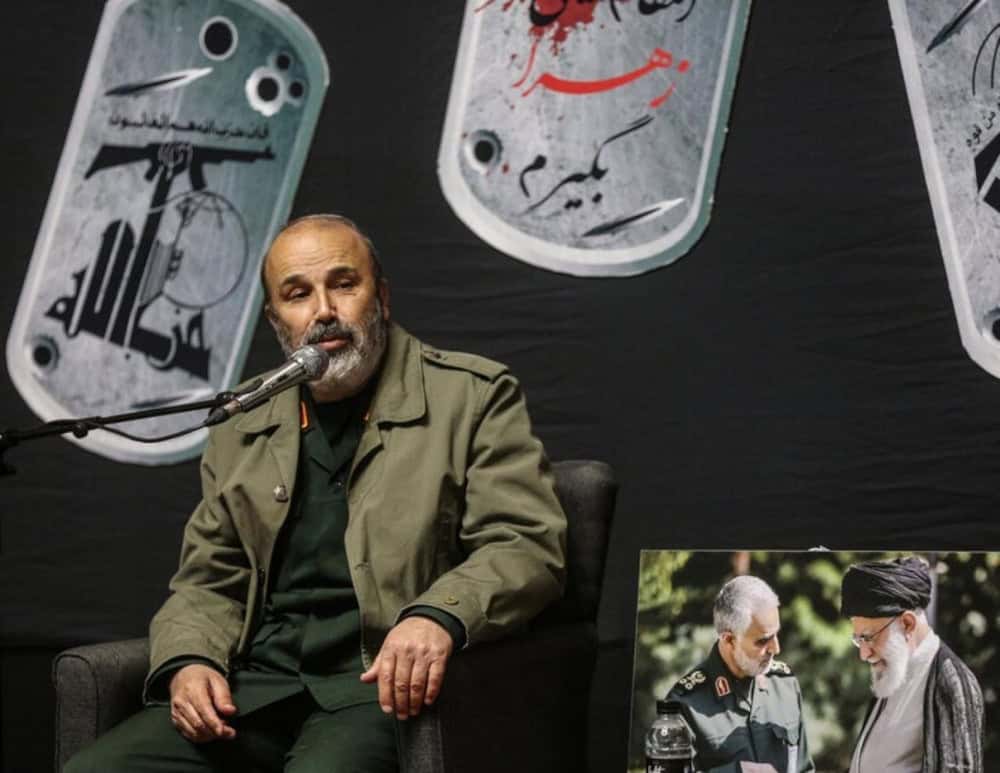
The appointment of Brigadier General Mohammad Reza Fallahzadeh as Hezbollah’s “supervisor” underscores the growing challenges faced by Iran and its proxies amid Israel’s military and intelligence operations. The inability to establish stable leadership within Hezbollah not only reflects Israel’s tactical successes but also reveals deep fractures within the Axis of Resistance. The heightened paranoia among Iranian leaders suggests a precarious future for the Islamic Republic’s efforts to maintain control over its oldest proxy.
-
Analysis: The road to the Third Lebanon War
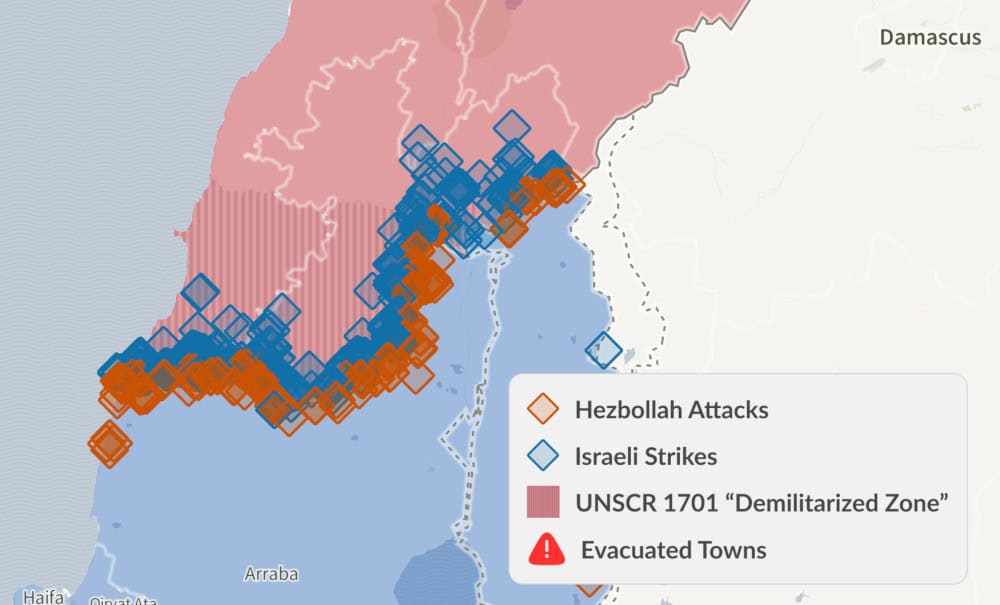
The conflict between Hezbollah and Israel that began on October 8, 2023, has evolved into a protracted war of attrition that neither side initially expected to last this long. Hezbollah’s goal was to support Gaza by diverting the Israelis’ attention and impacting their morale, but the group miscalculated Israel’s resolve, leading to an extended and more intense conflict.
-
Hezbollah drone strikes IDF base as Israeli forces uncover weapons in Lebanon
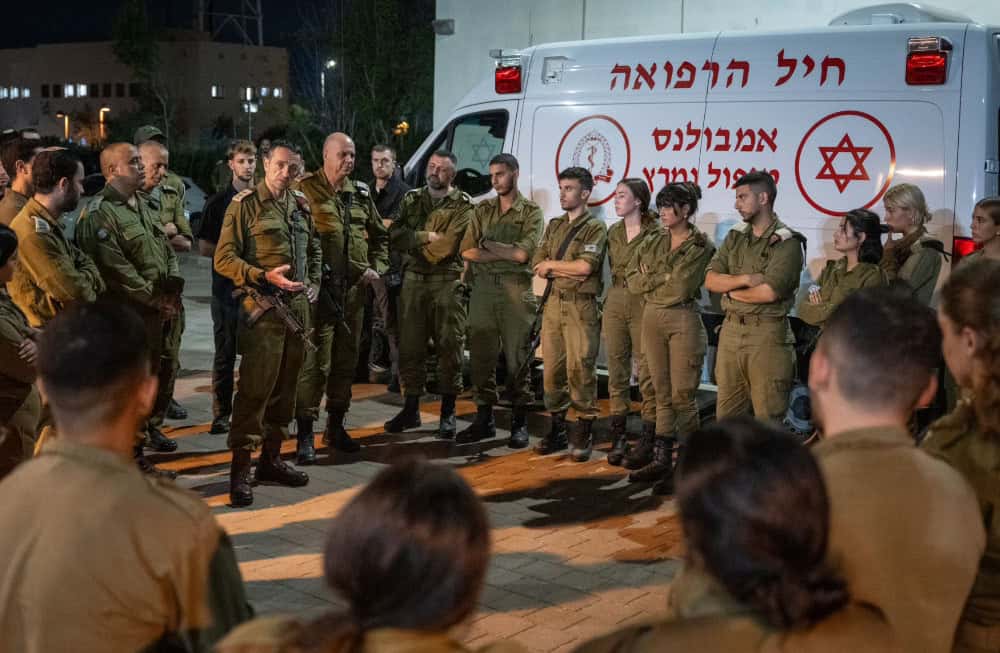
A Hezbollah kamikaze drone struck an IDF training base, killing four soldiers and wounding 60 others. Hezbollah has used more than 200 drones in attacks over the past year. IDF Chief of Staff Lieutenant General Herzi Halevi visited the site of the attack, and Israeli Defense Minister Yoav Gallant said, “We must investigate it, study the details, and implement lessons in a swift and professional manner.” Gallant also spoke with US Secretary of Defense Lloyd Austin and visited northern Israel to oversee operations against Hezbollah.
-
Hezbollah anti-tank and rocket fire strike northern Israel; Halevi visits Lebanon front
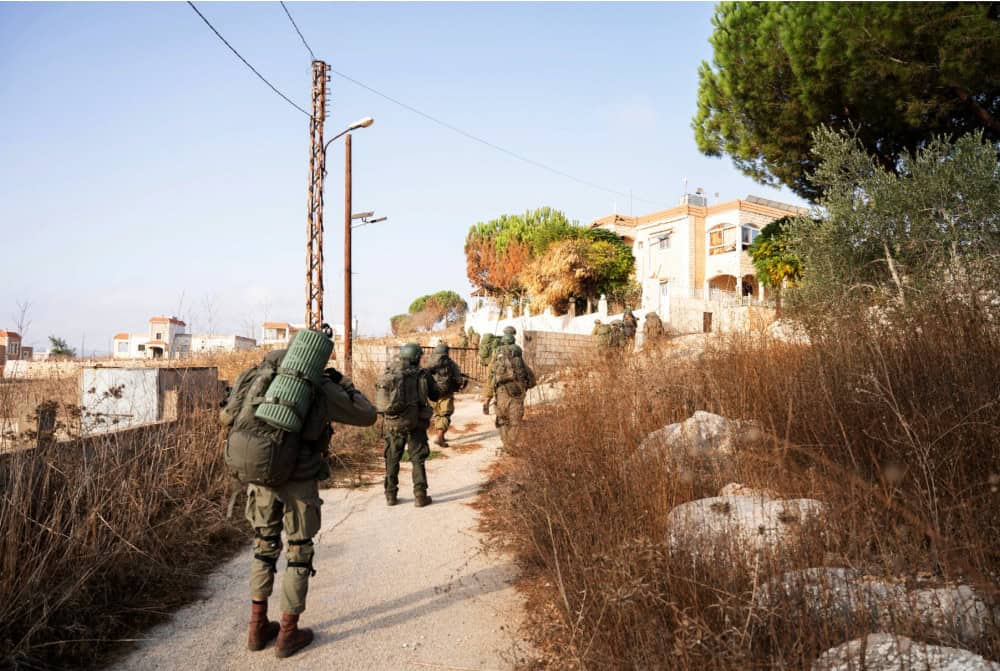
IDF Chief of Staff Lieutenant General Herzi Halevi visited Israeli forces operating in southern Lebanon on October 10. He reviewed how the IDF is operating against Hezbollah in Lebanese villages near the border from where Hezbollah has threatened Israel with rockets over the past year. The United Nations Interim Force in Lebanon (UNIFIL) said on October 11 that two of its peacekeepers were wounded in Lebanon. Hezbollah fired 190 projectiles into Israel on October 10.
-
IDF locates Hezbollah tunnel and weapons as Lebanon operation expands
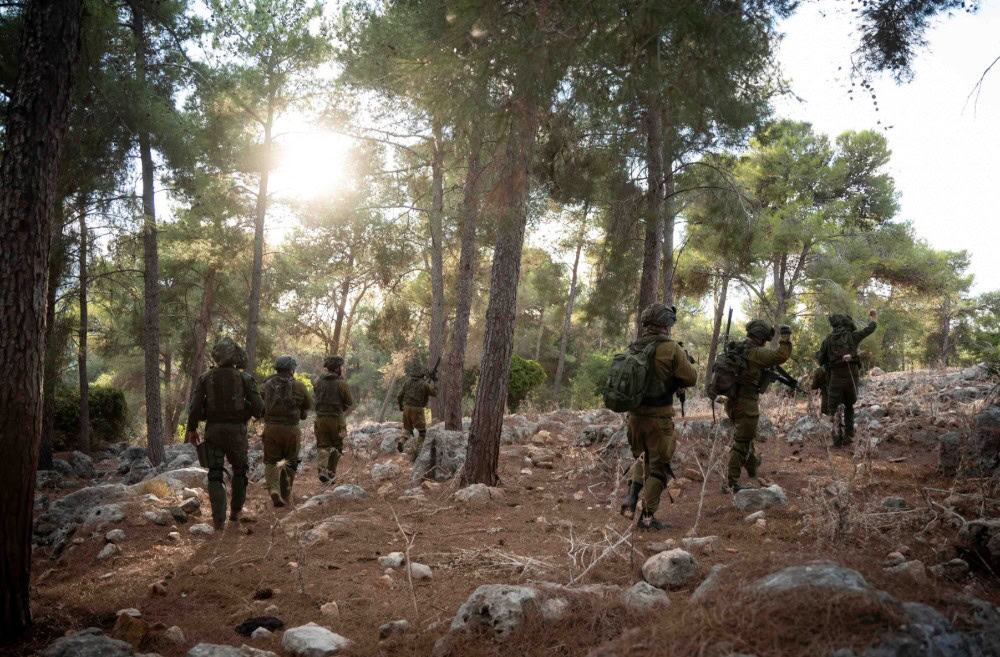
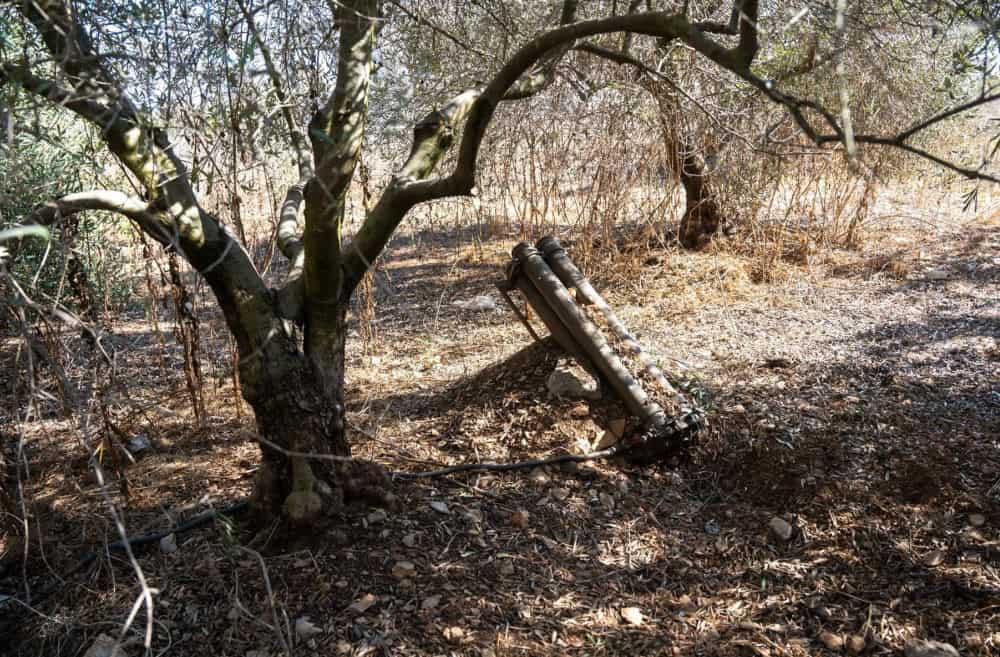
Hezbollah targeted Israel’s northern city of Haifa with rocket fire on October 8 after launching 190 rockets at Israel on October 7. The IDF continued to carry out operations in southern Lebanon. Israel’s Golani Brigade uncovered Hezbollah weapons in Maroun al-Ras. The IDF also dismantled a tunnel that stretched into Israel. Four IDF divisions are now operating in Lebanon.
-
Israel faces attacks on multiple fronts on the anniversary of the October 7 attack
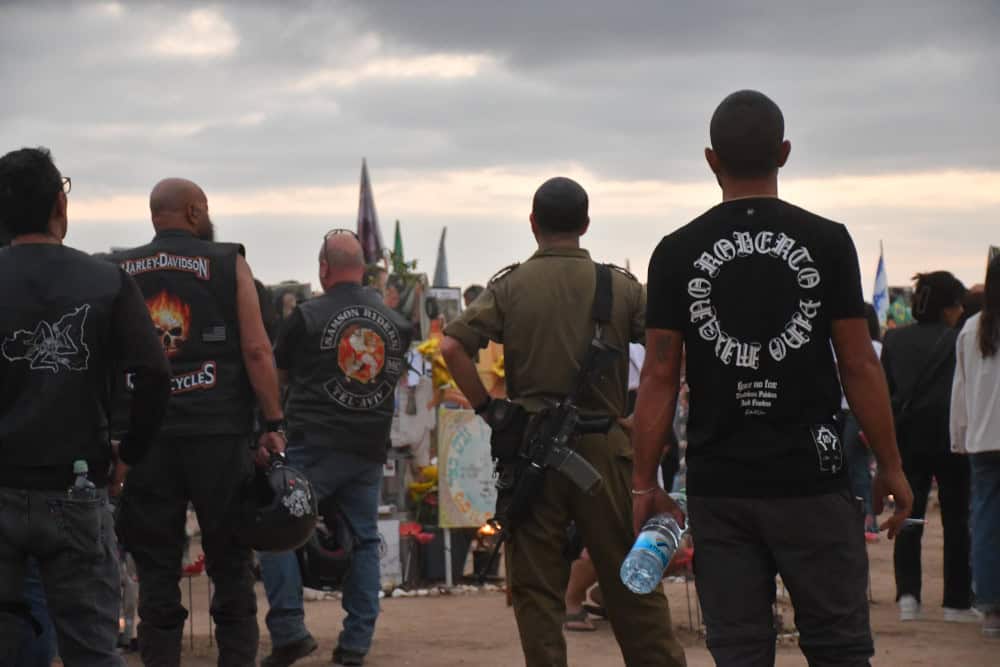
Israel commemorated the anniversary of the October 7 massacre as Hamas fired more than 135 rockets at southern and central Israel, Iraqi militias targeted Israel with drones, and the Houthis launched a long-range missile at central Israel. The IDF’s top general met with the head of US Central Command on October 6. A third IDF division began operations in Lebanon as the Israeli Air Force hit 120 Hezbollah targets.
-
IDF suffers first casualties in Lebanon as 2nd Division begins ops
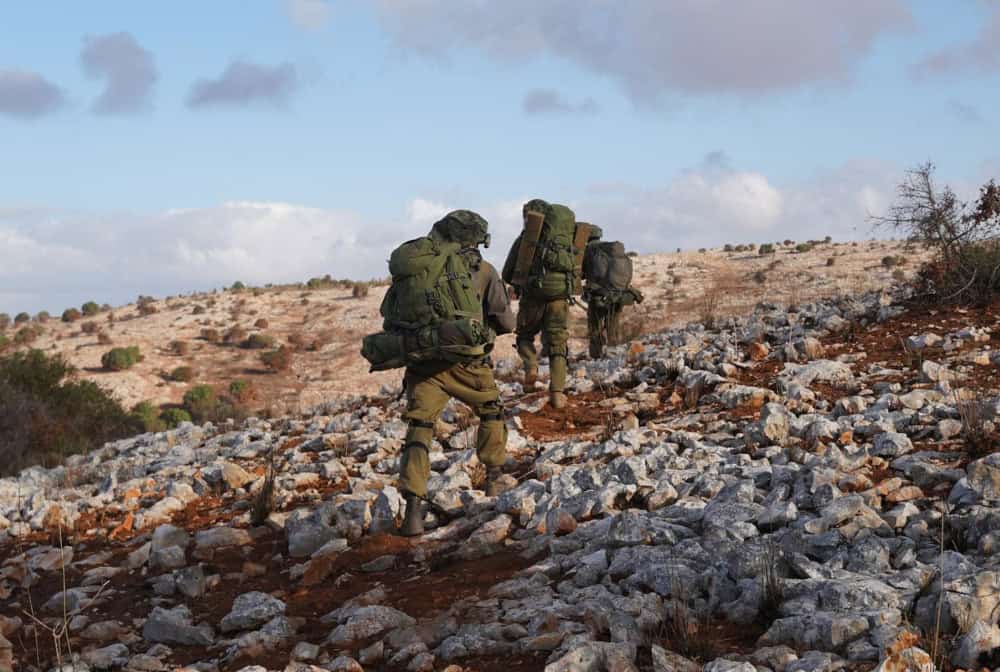
The Israeli military suffered its first casualties in southern Lebanon battles with Hezbollah on October 2. Eight soldiers were killed in one incident and a ninth in a second clash, according to Israel Defense Forces (IDF) reports from October 2 and October 3. The IDF struck approximately 200 Hezbollah targets and estimated it eliminated 60 of the group’s members. During the same two days, Hezbollah launched 360 projectiles at Israel. In addition, the IDF downed several drone threats off the coast. Two Israeli divisions, the 98th and the 36th, are now operating in southern Lebanon.
-
Analysis: The impact of Israeli operations on Hezbollah’s organizational structure
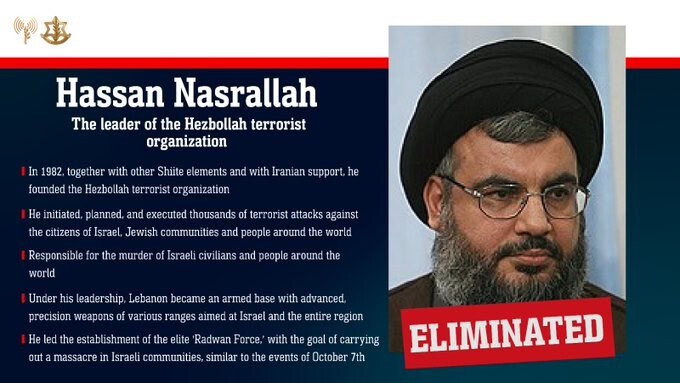
A breakdown of the Hezbollah officials Israel has assassinated, those who remain, and the impact on the organization and its durability.
-
IDF begins Lebanon ground operation, Iran launches 180 ballistic missiles at Israel
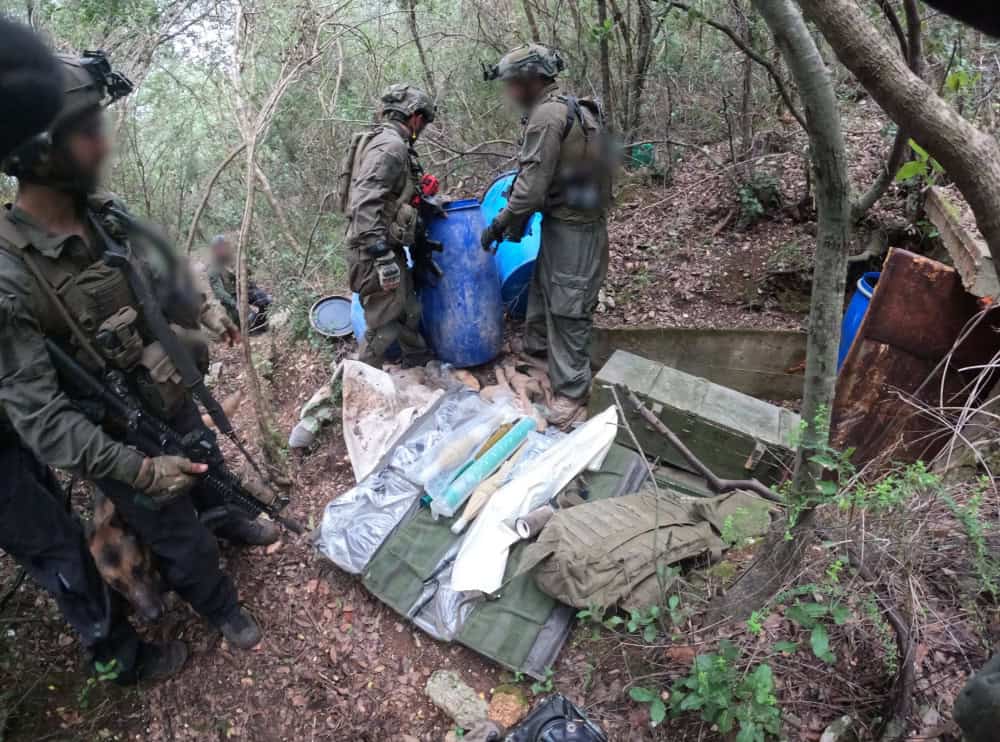
The Israel Defense (IDF) Forces began a ground operation in southern Lebanon against Hezbollah, led by the IDF’s 98th Division. The IDF described the offensive as “localized, and targeted ground raids based on precise intelligence against Hezbollah terrorist targets and infrastructure in southern Lebanon.” Iran launched 180 ballistic missiles at Israel, while Hezbollah fired rocket barrages at northern and central Israel.
-
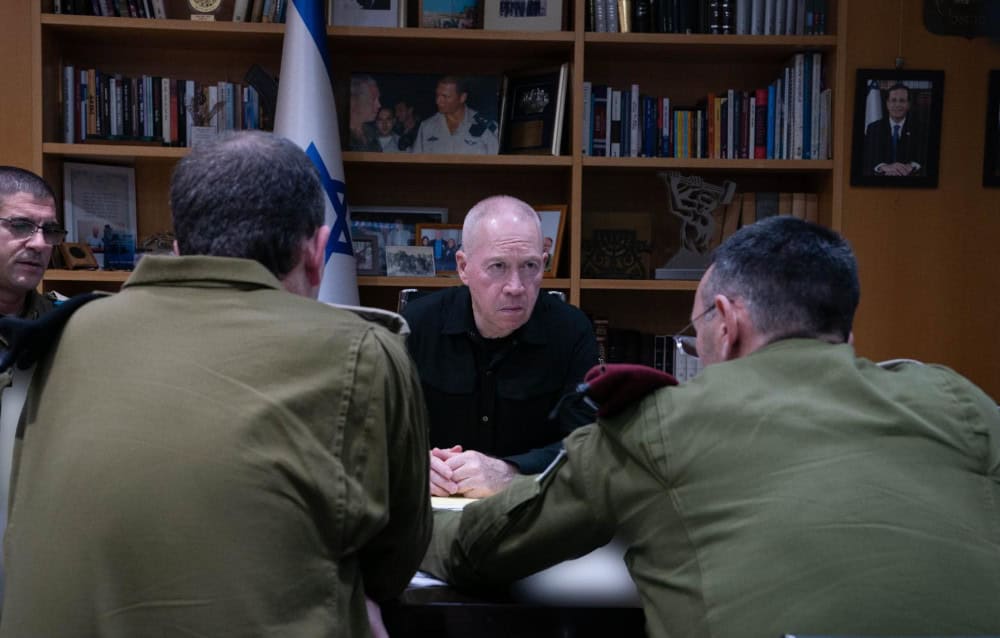
Israel’s defense minister meets IDF armored brigade in northern Israel as wider war looms
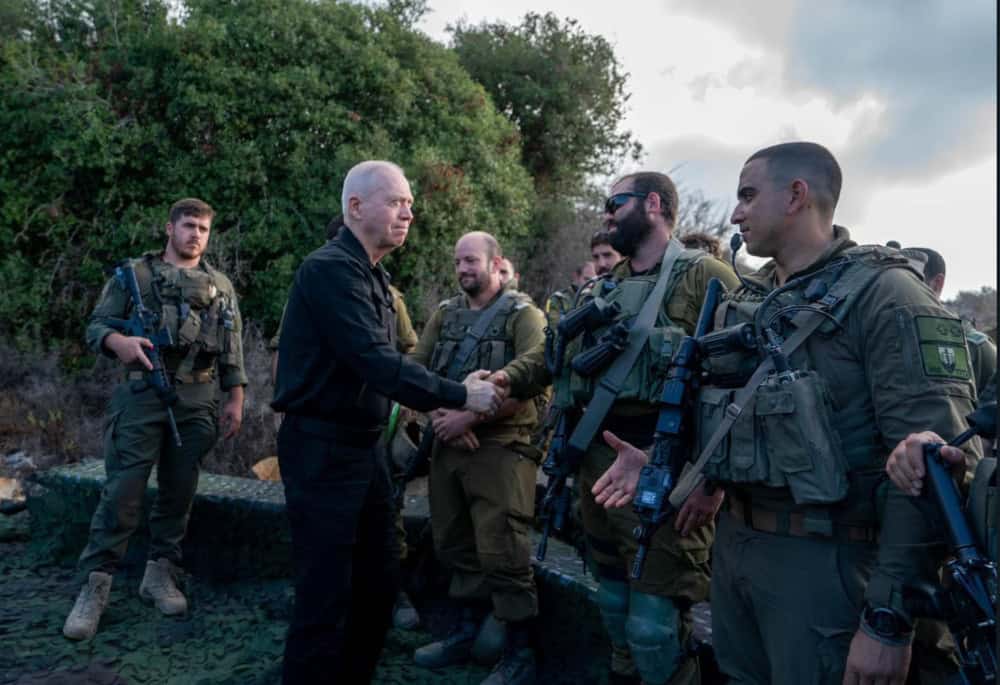
Israeli Defense Minister Yoav Gallant met with IDF troops from the 188th Armored Brigade. Israeli officials, such as Gallant, and senior commanders have been meeting with IDF troops deployed in the north over the past week, hinting that a ground operation could begin against Hezbollah.
-
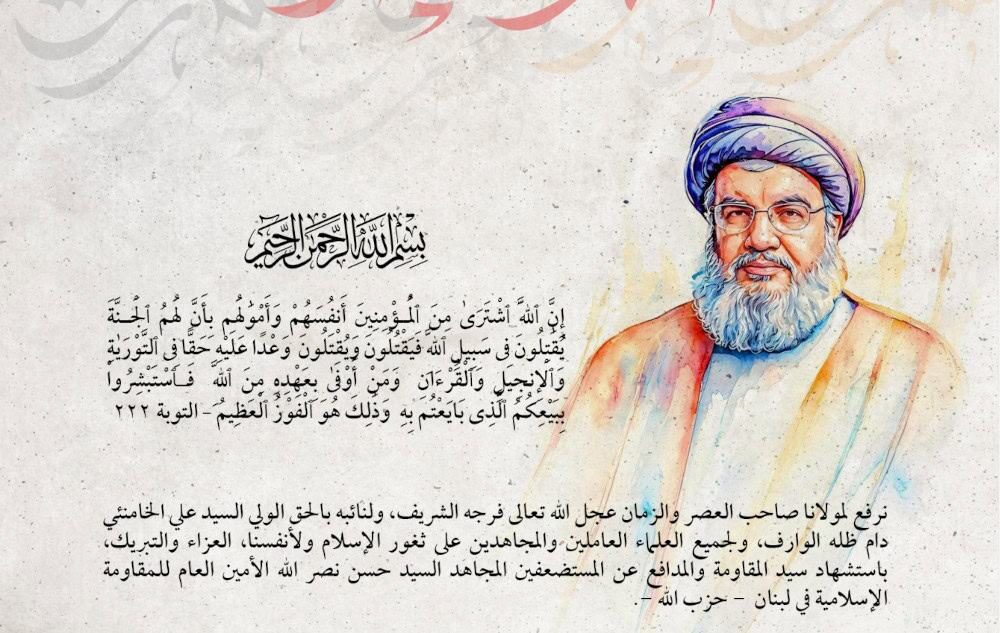
Analysis: Bahraini militias eulogize slain Hezbollah leader
Saraya al-Ashtar and Saraya Wa’ad Allah, two Iranian-backed militias in Bahrain, issued a statement expressing condolences for the death of Hassan Nasrallah in an Israeli airstrike and calling for vengeance.
-
Israel strikes targets on multiple fronts
The IDF carried out airstrikes on the Iranian-backed Houthis in Hudaydah using dozens of aircraft. An Israeli missile ship intercepted a UAV launched at Israel, and Iranian-backed militias in Iraq took credit for the attack. Israeli forces in Gaza uncovered a tunnel. Hezbollah carried out numerous rocket attacks on Israel on September 29, and the IDF continued strikes on the terrorist group. The IDF confirmed that more than 20 Hezbollah members were eliminated in the September 27 strike which killed Hezbollah leader Hassan Nasrallah in Beirut.
-
Hezbollah chief Hassan Nasrallah eliminated in Beirut airstrike
The Israeli military and Hezbollah have both acknowledged the death of Hassan Nasrallah following an Israeli airstrike in Beirut on Friday.
-
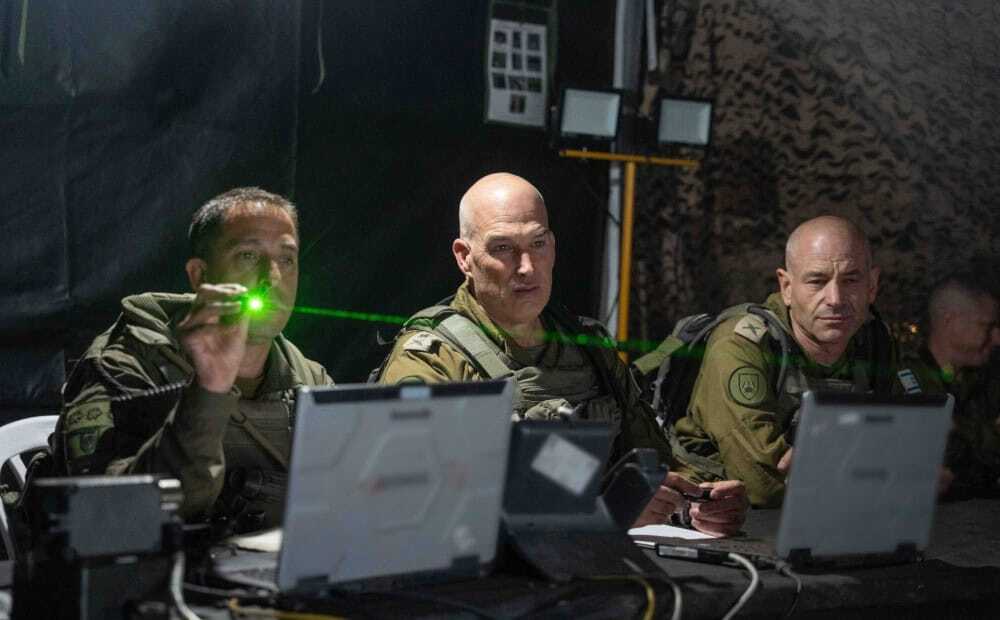
Israel’s Northern Command prepares for possible ground operation
The Israel Defense Forces (IDF) called up two reserve brigades as Operation Northern Arrows entered its third day. The Israeli Air Force continued to conduct strikes against Hezbollah targets in Lebanon. In addition, Major General Ori Gordin, head of the IDF’s Northern Command, spoke to Israel’s 7th Armored Brigade and urged them to be ready for possible ground operations in the north. Hezbollah launched a ballistic missile toward Tel Aviv and struck Safed and other areas in northern Israel.
-
Analysis: Tehran’s damage control tactics amidst Hezbollah’s setbacks
The Iranian regime’s current strategy seems focused on damage control, as it believes maintaining a foundation allows it to eventually regain influence in southern Lebanon. The Islamic Republic aims to create an image of total warfare through a series of calculated proxy attacks. This approach not only projects strength to its supporters but also bets on the possibility that the United States will pressure Israel to stop its strikes against Iranian militias.
-
Israel strikes more than 1,300 Hezbollah targets in Lebanon
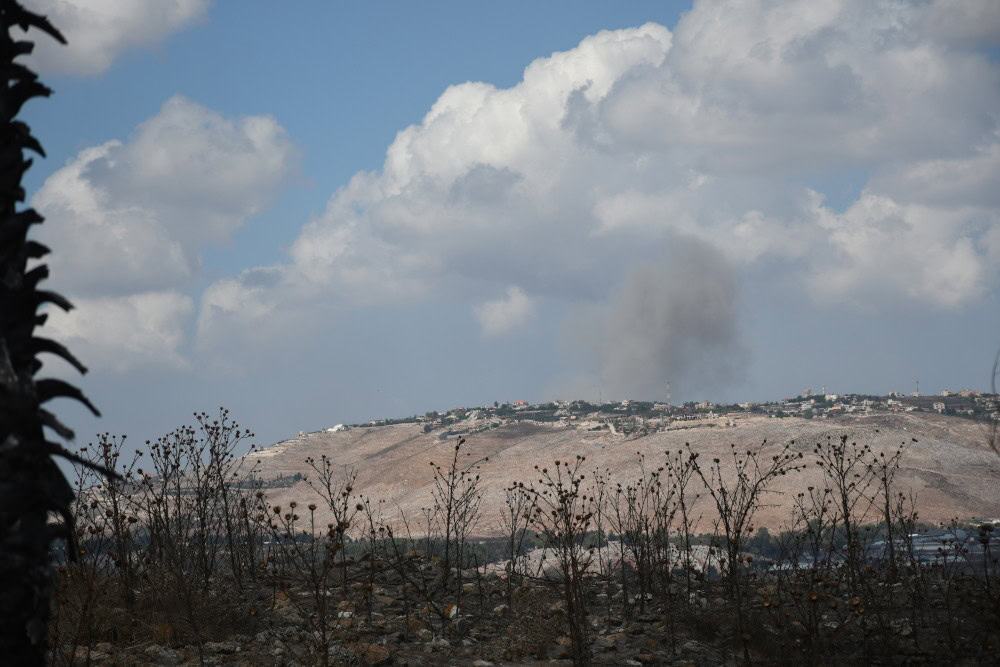
The Israeli Air Force struck 1,300 Hezbollah targets with 1,400 munitions on September 23. The strikes were the largest since Hezbollah began its attacks on Israel in October 2023. Hezbollah launched long-range rockets at Israel, targeting Haifa and areas close to central Israel for the first time in 11 months. Israel’s Defense Minister said “tens of thousands of rockets have been destroyed” in the IDF strikes on Hezbollah, decreasing the Iranian-backed terrorist group’s arsenal.
-
Israel hits Hezbollah again as top general vows to deliver “blow after blow” against the group
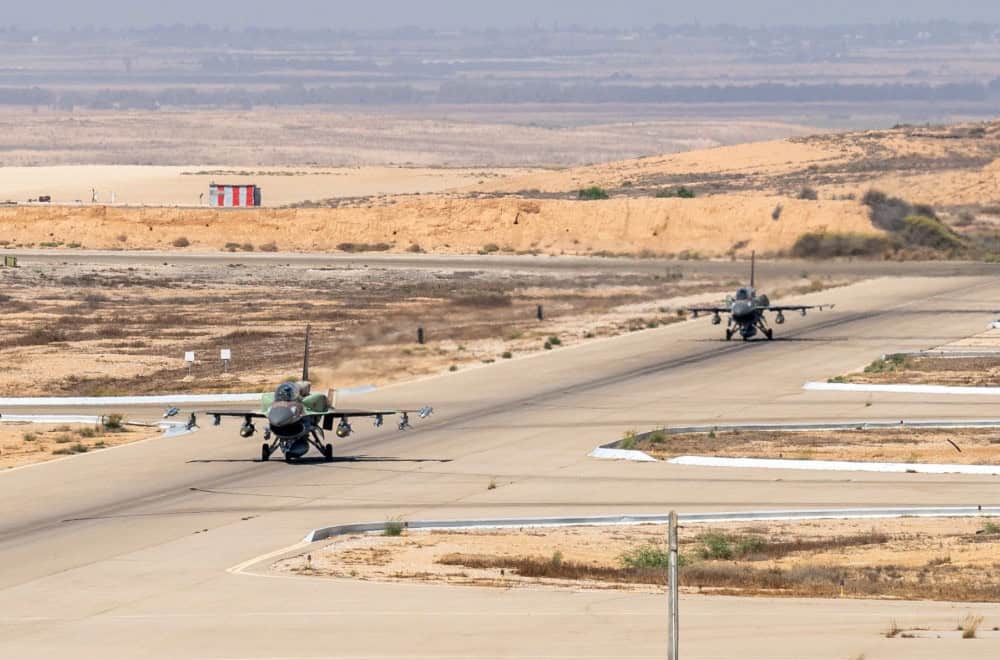
The Israel Defense Forces launched wide-ranging airstrikes on Hezbollah after previously carrying out a strike in Beirut that eliminated 16 of the group’s top commanders. More than 150 Israel Air Force warplanes participated in the attacks, and Hezbollah launched more than 150 rockets, missiles, and drones at Israel during roughly the same period.
-
Analysis: Nasrallah throws down the gauntlet to save face for twin telecommunications attacks
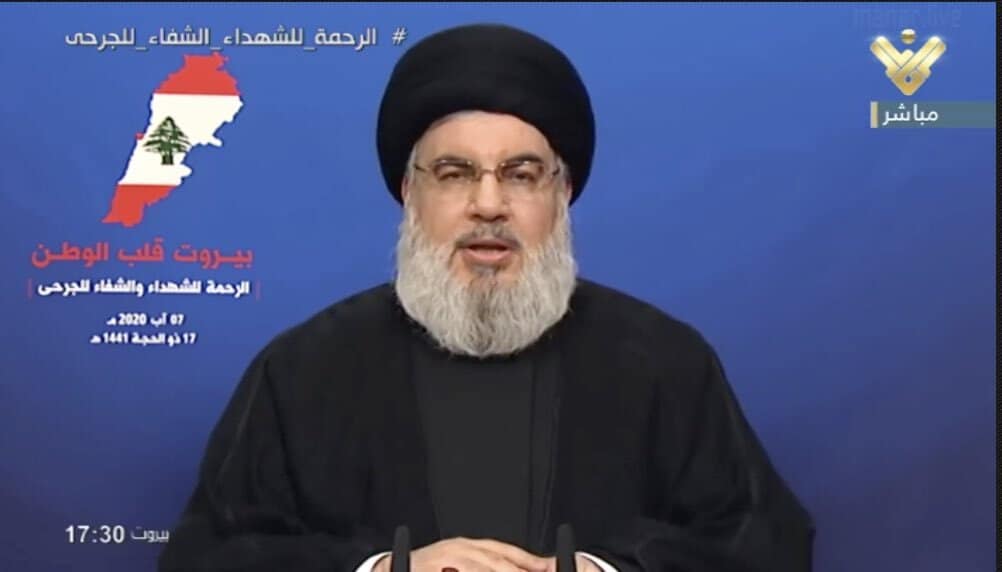
Hezbollah Secretary-General Hassan Nasrallah’s speech on Thursday afternoon was a difficult exercise in damage control after Israel’s attacks on September 17 and 18.
-
Analysis: Israel humbles Hassan Nasrallah and Hezbollah
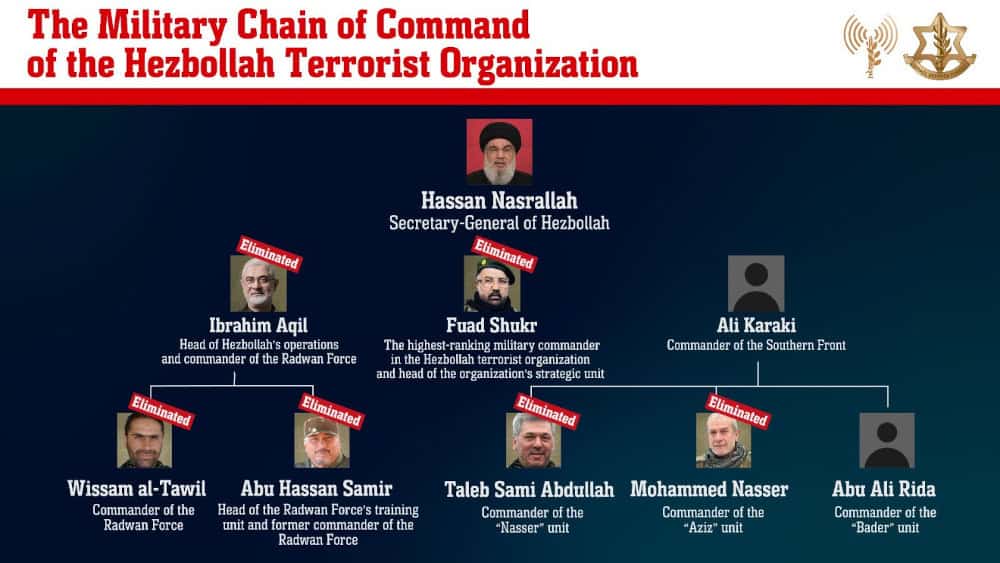
After a week of exploding pagers and radios, Israel carried out a significant and successful strike targeting Hezbollah military leaders in Beirut.
-
Israel prepared for Hezbollah response after Beirut strike
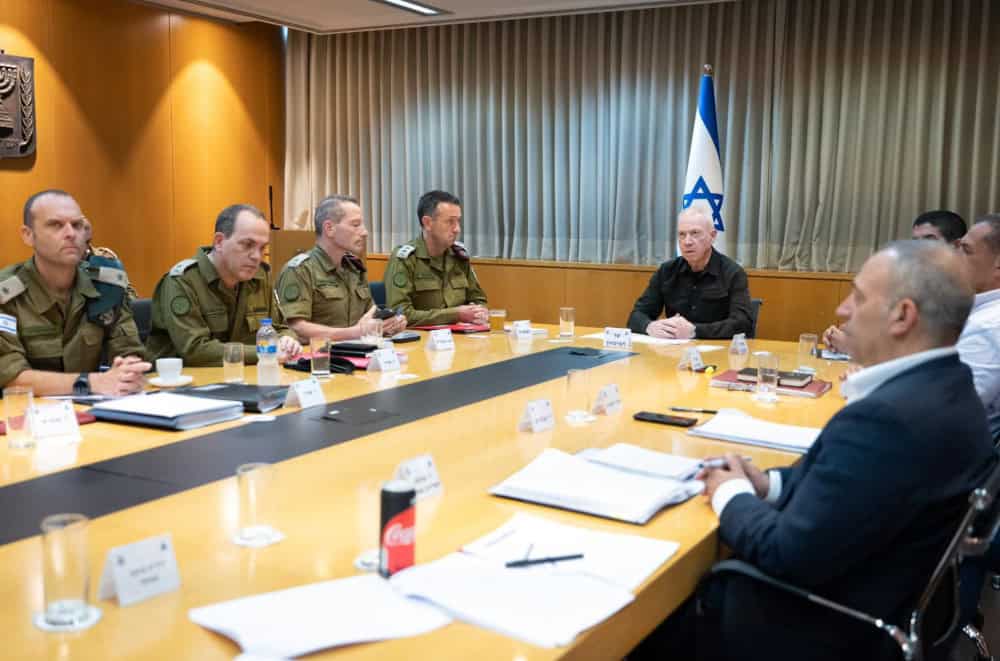
On September 19, the IDF asked residents of several northern towns and the city of Safed to adhere to special restrictions due to possible escalation with Hezbollah in Lebanon. On September 20, the IDF lifted the restrictions, even as Israel carried out an airstrike in Beirut that eliminated a Hezbollah leader and key Hezbollah commanders. The IDF Chief of Staff met with the head of the IDF’s Northern Command and IDF Division commanders, while Israel’s Minister of Defense also held key meetings about Israel’s new initiatives against Hezbollah.
-
IDF prepares for possible Hezbollah escalation after pager op in Lebanon
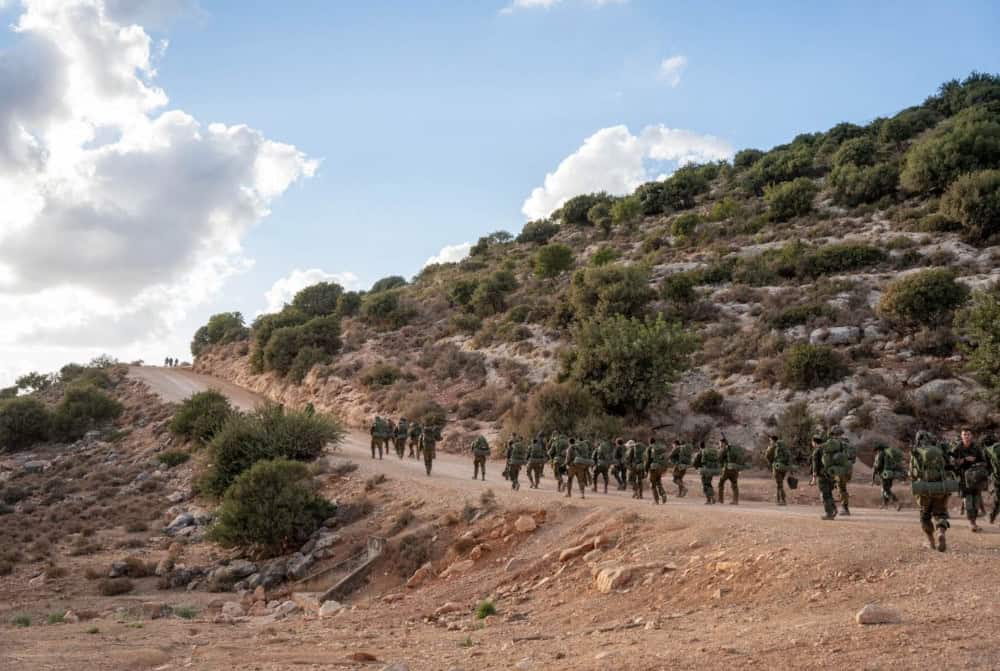
The Israel Defense Forces (IDF) head of Northern Command said the IDF is at “peak readiness” amid escalating tensions with Hezbollah. After thousands of pagers used by Hezbollah exploded on September 17, more devices exploded on September 18. IDF Chief of Staff Lieutenant General Herzi Halevi visited Israel’s Northern Command, and the IDF deployed its elite 98th Division to the north amid tensions.
-
IDF rotates reserve infantry brigade to Gaza’s Netzarim Corridor
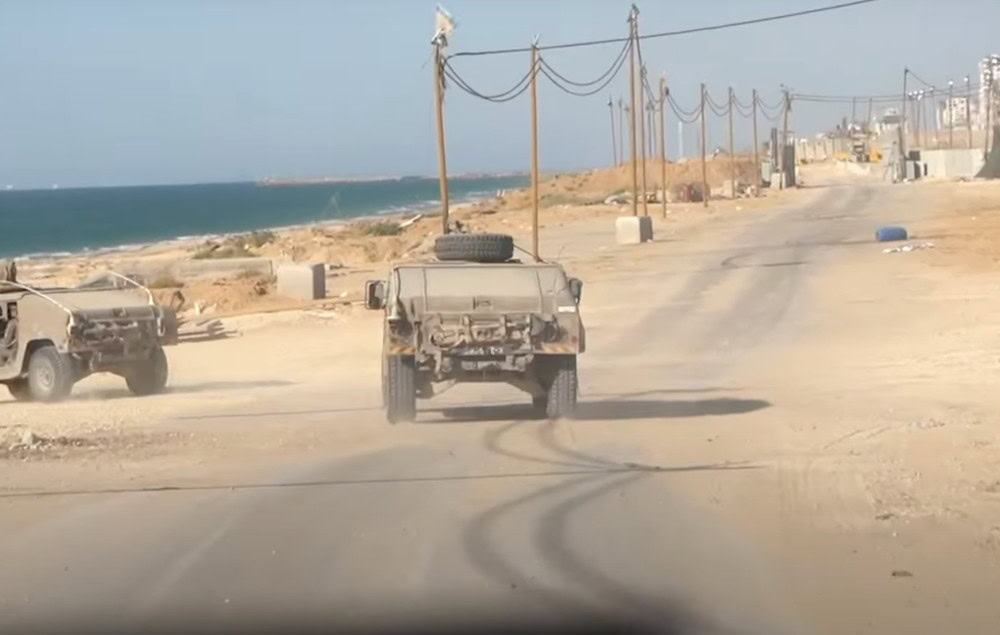
The Israel Defense Forces (IDF) deployed the 5th Brigade to central Gaza’s Netzarim Corridor, according to an IDF statement on September 16. The reserve infantry brigade recently completed training in Israel’s southern Negev Desert, in which it prepared for ground operations on the kind of terrain it will face in central Gaza. Deploying reserve units has become routine as the IDF rotates forces into central Gaza.
-
Israel inches closer to decision on northern operation against Hezbollah
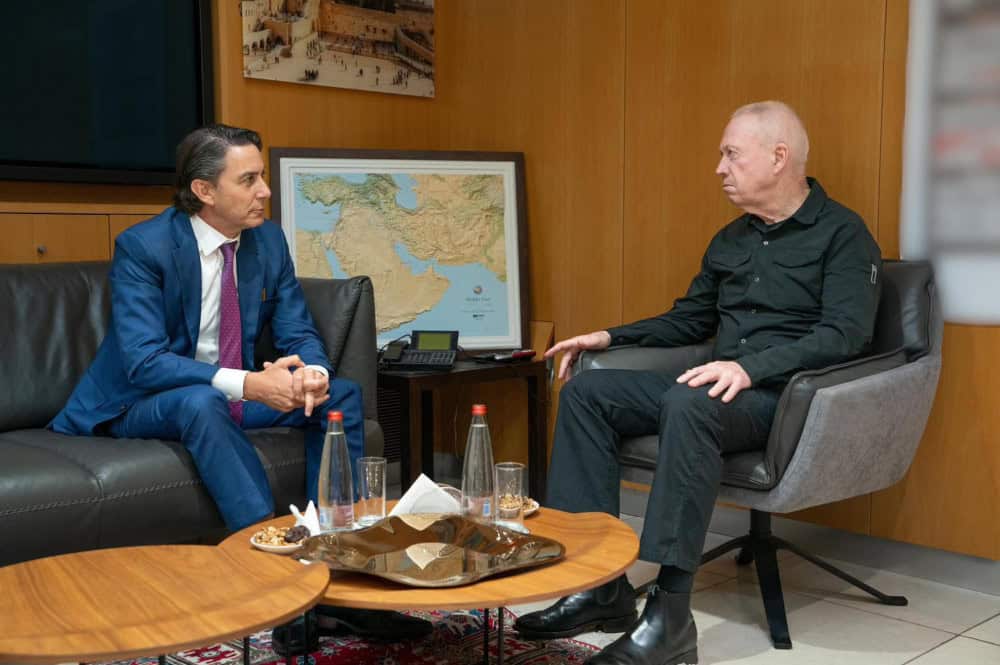
Israeli Prime Minister Benjamin Netanyahu and Minister of Defense Yoav Gallant met with Amos Hochstein, a senior advisor to President Joe Biden. Both indicated that Israel was nearing a decision to act with more military force against Hezbollah after 11 months of attacks that have forced 60,000 Israelis to evacuate from their homes. Hezbollah continued to carry out attacks on September 16, targeting numerous areas in northern Israel.
-
Analysis: Hezbollah’s Vengeance for Shukr was a propaganda exercise from start to Nasrallah’s speech
Hezbollah’s promised retaliation after Israel killed Fuad Shukr on July 31 finally came this Sunday. But the great vengeance promised by Secretary-General Hassan Nasrallah turned out to be a flop. Nasrallah’s subsequent speech after Hezbollah’s attack was a transparent exercise in damage control.
-
IDF’s multi-front challenge: From Rafah to Lebanon
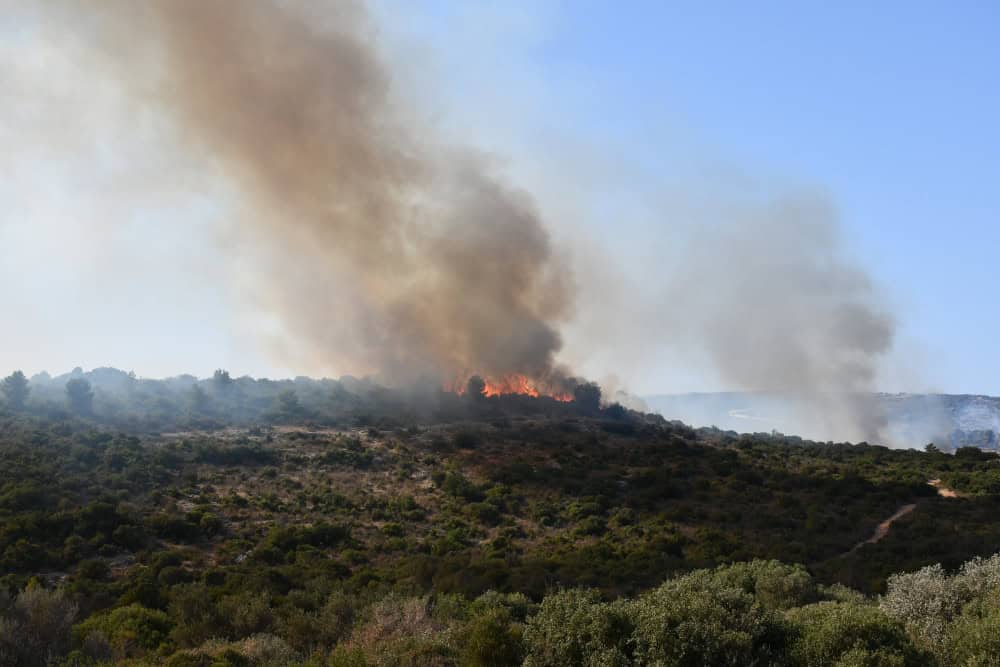
The IDF said it had dismantled the Rafah Brigade of Hamas on September 12, and over four months of fighting, an estimated 2,000 terrorists were killed in Rafah and its environs. Thirteen kilometers of Hamas tunnels, divided into a total of 203 tunnels, were found and destroyed by the IDF. Hezbollah increased its attacks on Israel on September 12 and September 13. Barrages of rockets targeted Safed and Israeli communities near the Mediterranean coastline, sparking fires.
-
IDF targets Hezbollah’s Radwan Force commander
Hezbollah launched dozens of rockets at Israel in several barrages on September 10 and 11. The IDF responded with strikes on numerous locations in southern Lebanon, targeting terrorist infrastructure and killing two Hezbollah members, including a commander in the group’s Radwan force. An IDF reservist was wounded by an anti-tank missile.

-
Hezbollah continues attacks as IDF brigade drills for conflict in the north
An Israeli reserve brigade completed an exercise to prepare for conflict in the north. Hezbollah fired dozens of rockets at Israel on September 8, and the group claimed to be responding to an IDF strike on a village in southern Lebanon. IDF Chief of Staff Lt. Gen. Herzi Halevi visited northern Israel and met with the commander of an IDF division in the Golan on September 6.