-
Hezbollah escalates attacks with over 100 rockets fired in a day
Hezbollah launched more than 100 rockets targeting Israel on September 4, the largest barrage in almost two weeks. The group has continued its daily attacks against northern Israel amid reports that the Israeli government is in talks with the US about seeking to reduce tensions. In addition, the Italian chief of the defense staff, Admiral Giuseppe Cavo Dragone, visited Israel on September 4 for meetings with IDF counterparts.

-
IDF confronts major Hezbollah barrage using preemptive airstrikes
Hezbollah launched a large barrage of rocket attacks on Israel in the early hours of August 25, but the Israel Defense Forces (IDF) acted preemptively to thwart the attack. “Approximately ninety percent of the targets struck were short-range rockets aimed at northern Israel,” the IDF said. Around 100 Israeli warplanes struck 270 targets. Hezbollah claimed it launched more than 300 rockets at Israel.

-
Hezbollah targets the Israeli town of Katzrin in the Golan Heights
Hezbollah launched a rocket attack on the Golan Heights on August 21, firing more than 50 projectiles at the Israeli community of Katzrin and nearby areas. The rockets caused significant damage and one injury in the town of 8,000 residents. In addition, Hezbollah carried out numerous other attacks on northern Israel, part of a recent escalation by the Iranian-backed terrorist group.

-
Hezbollah targets northern Israel with rockets and drones in latest escalation
Hezbollah attacked northern Israel with rockets and drones on August 15, including firing around 20 rockets at the Shamir area. The IDF said a majority of the incoming threats were intercepted. Hezbollah described the attack as an increase in its range inside Israel, and the Iranian-backed terrorist group also continued to threaten broader attacks in retaliation for an IDF airstrike in Beirut in July.

-
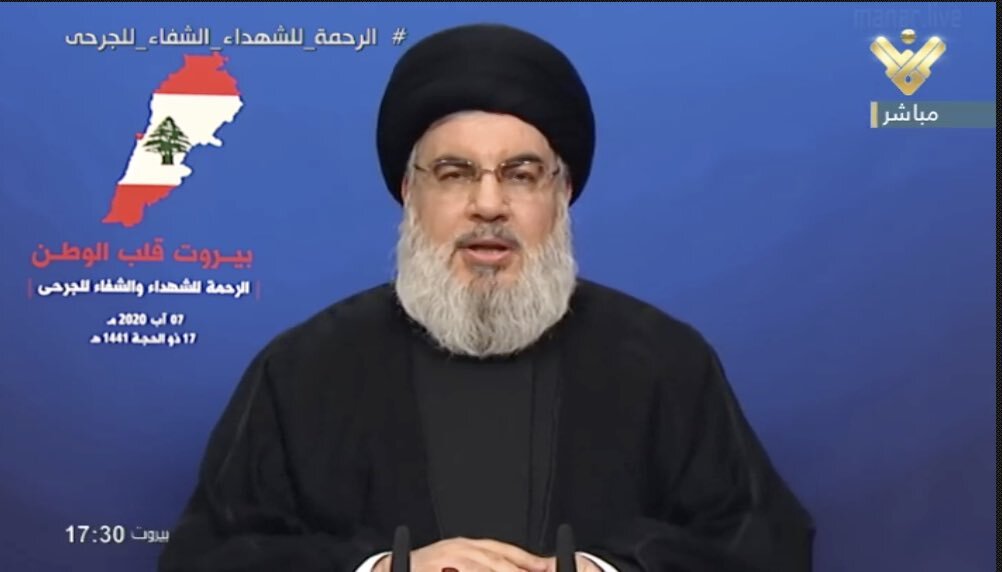
Analysis: Hints within Nasrallah’s speech about Hezbollah’s retaliation for Beirut strike
A speech by Hassan Nasrallah, the secretary general of Hezbollah, suggests Hezbollah intends to conduct painful retaliation for Fuad Shukur’s assassination but that the organization is still not interested in escalating to a full-scale conflict with Israel. When it comes, the retaliatory strike will likely aim to remain below the threshold that leads to the outbreak of war.
-
Israel prepares for possible Iranian and Iranian-proxy retaliation after killings of Hezbollah and Hamas leaders
The Israel Defense Forces targeted a building in Beirut and eliminated senior Hezbollah commander Fuad Shukr on July 30. In the early hours of July 31, Hamas leader Ismail Haniyeh was killed in Tehran. Israel did not take credit for the latter killing, but Iran and its proxies have blamed Israel and vowed to respond, and Israel is preparing for possible attacks.
-
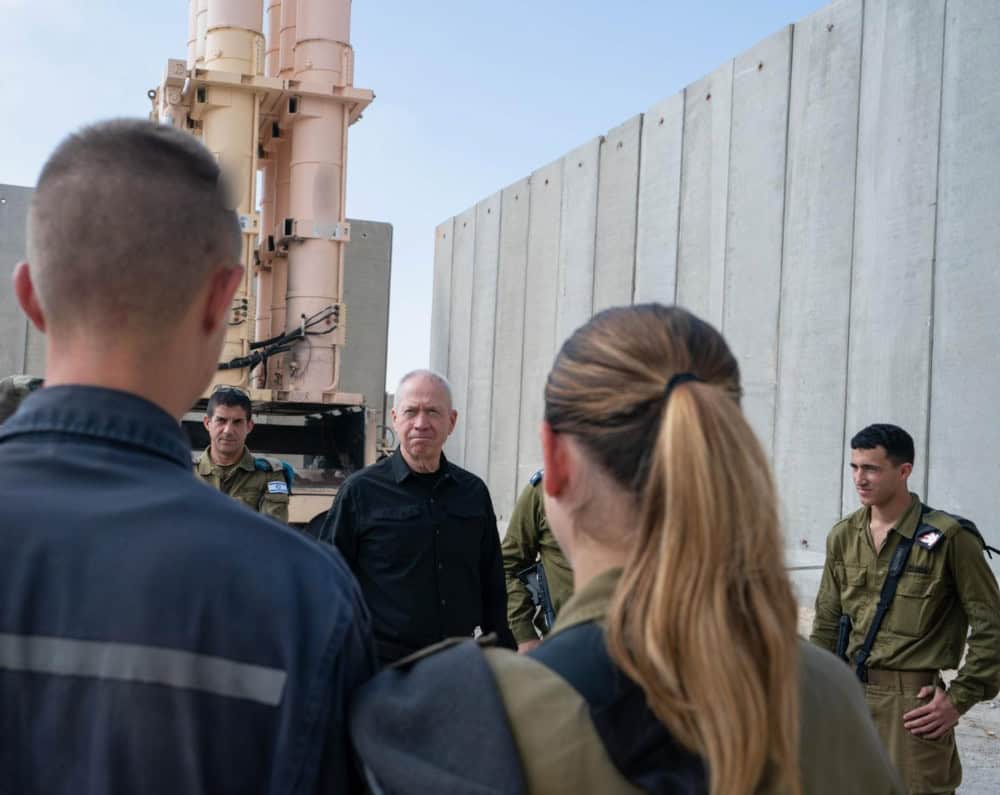
Israel weighs response after Hezbollah rocket kills 12 young civilians
Israel’s defense minister and chief of staff held meetings with IDF officials and officers in the IDF’s Northern Command to discuss plans for possible operations against Hezbollah after a Hezbollah rocket killed 12 civilians in Majdal Shams on July 27. Despite Hezbollah’s denials about the attack, the IDF presented new evidence of the trajectory of the rocket and its type on July 28. Prime Minister Benjamin Netanyahu returned to Israel to meet with the security cabinet to decide Israel’s next steps.

-
Analysis: Hezbollah rocket fire kills 12 civilians in northern Israel
Rocket fire from Lebanon killed 12 Israeli civilians in the northern Druze town of Majdal Shams on July 27, and Israel cites evidence that Hezbollah is responsible, while the group issued a denial. Israel will undoubtedly retaliate, and a significant escalation in the conflict is likely.

-
IDF trains for escalation in the north as Hezbollah publishes a new drone video
Israel’s 228th Reserve Brigade conducted an exercise in northern Israel that included “combat scenarios in Lebanon.” Hezbollah published footage it said was taken by drones that flew over Israel’s Ramat David Airbase.

-
Amid Yemen-Israel escalation, Hezbollah increases attacks on Israel
Hezbollah increased attacks on Israel amid an escalation of Houthi-Israel tensions that grew after the Houthis attacked Tel Aviv with a drone, killing one person, and IDF retaliatory strikes. Israel’s Defense Minister Yoav Gallant said, “The blood of Israeli citizens has a price.”

-
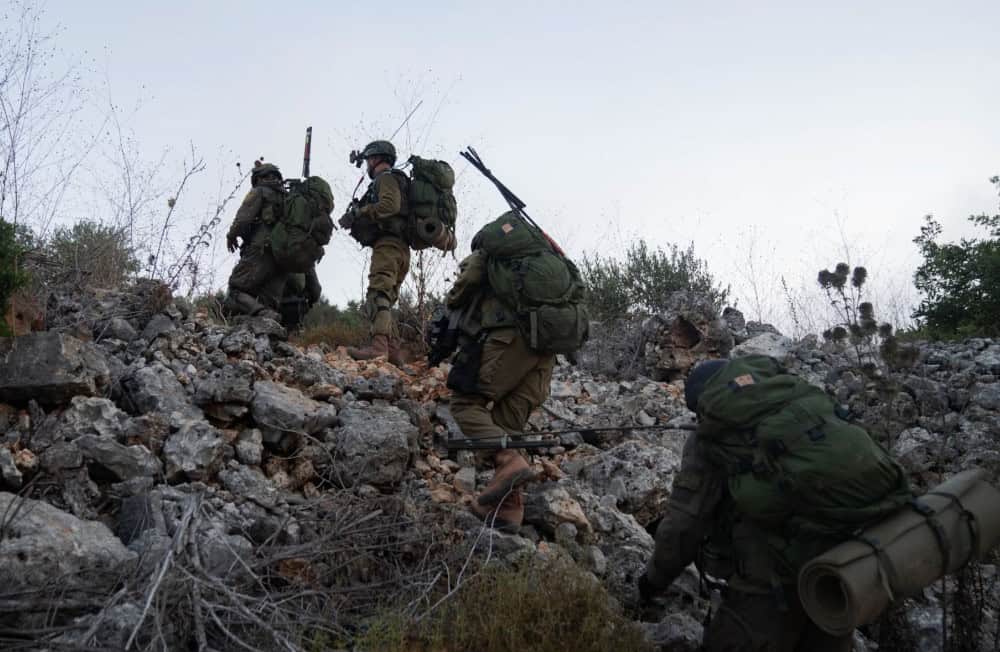
After a significant escalation, Hezbollah continues attacks in lower numbers
Hezbollah escalated attacks on Israel on July 13, followed by somewhat reducing attacks over the next two days. The IDF responded with a series of precision airstrikes on terrorist infrastructure in Tebnit, Rab El Thalathine, Ayta ash Shab, Odaisseh, Kfarkela, and Houla in southern Lebanon. In addition, two IDF units conducted training in northern Israel in case of further escalation.
-
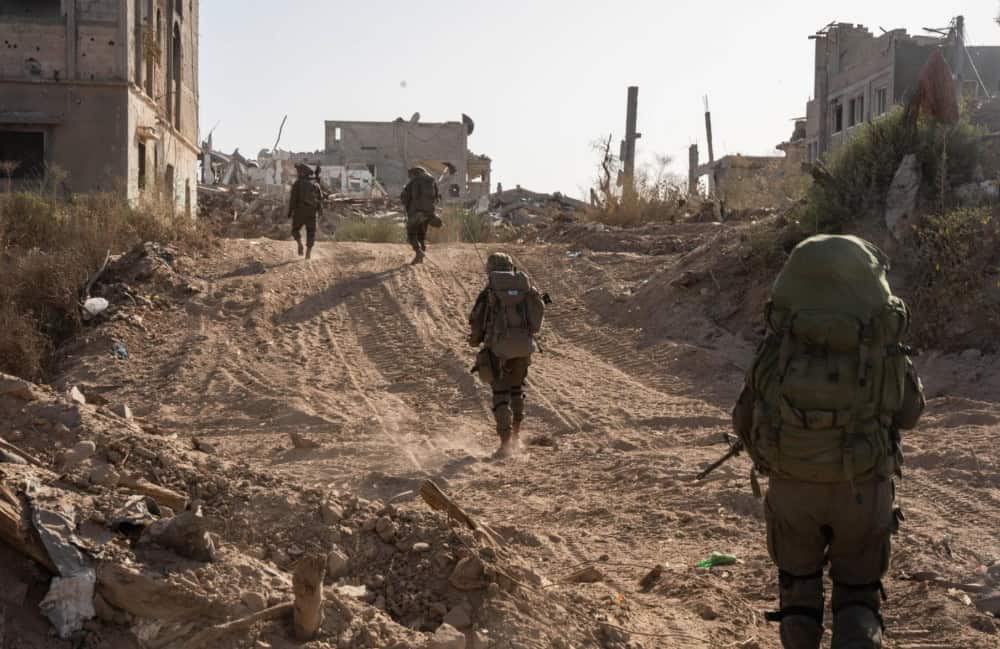
IDF uncovers 6 tunnels in Gaza’s Shejaiya neighborhood; Hezbollah rockets kill 2 Israelis in the north
Two Israelis were killed in a Hezbollah rocket barrage targeting the Golan Heights on July 9. Hezbollah claimed the attack was in response to the killing of one of its members. Israel faces multi-front threats, including from the Iranian-backed Houthis in Yemen and Iranian-backed militias in Iraq. The IDF uncovered six tunnels in the Shejaiya neighborhood in north Gaza and demolished them, the IDF said on July 9.
-
Analysis: A greatly expanded arsenal means this is not the Hezbollah of 2006
Hezbollah has used the years since the 2006 Lebanon War to build and acquire a formidable arsenal of mortars, rockets, missiles, and drones integrated into a vast network of underground facilities and human shields. Analysis of Hezbollah’s arsenal suggests that a major war with the terrorist organization could present serious challenges for Israel, underscoring its need for adequate air and missile defense capacity and offensive munitions.
-
Hezbollah rocket barrage on Israel wounds several, including a US citizen
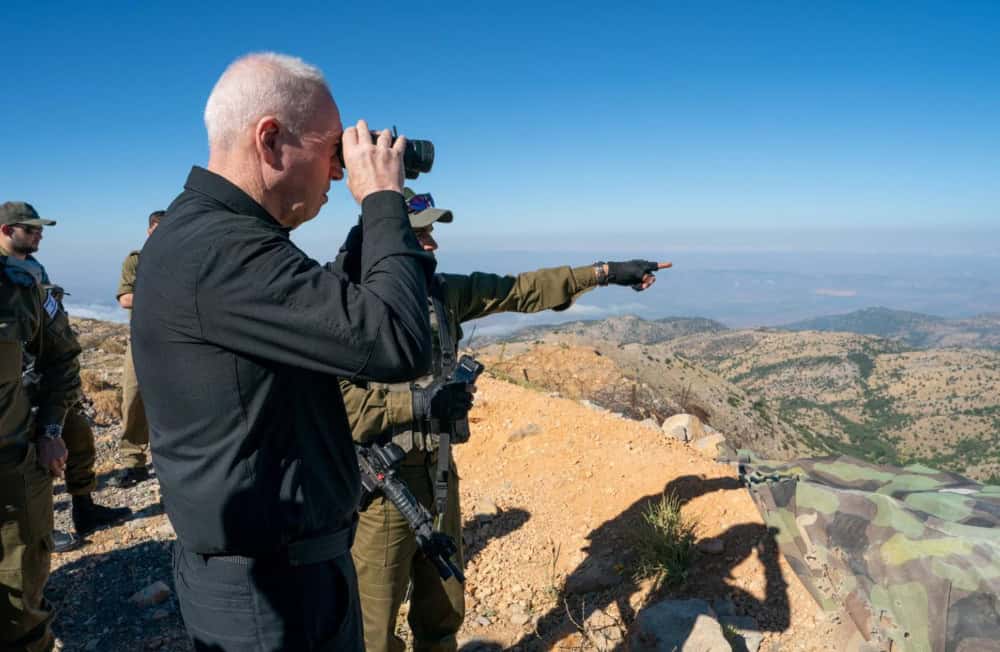
Hezbollah launched several barrages of rockets and anti-tank missiles at Israel on July 7. The attacks injured several people, including an IDF soldier, an Israeli civilian farmer, and a US citizen. Israel’s Minister of Defense visited Mount Hermon in the Golan Heights and said Hezbollah has lost 15 senior commanders, including three division commanders, in fighting over the last nine months.
-
IDF trains for war in the north as Iranian proxies threaten attacks from Iraq and Yemen
Israeli IDF Chief of Staff Lt. Gen. Herzi Halevi, Israeli Prime Minister Benjamin Netanyahu, and Israeli President Isaac Herzog visited northern Israel on June 25 and June 26 as Israel prepares for a possible war with Hezbollah. An Iranian-backed militia in Iraq launched a drone targeting Israel’s southern city of Eilat, and Israeli Defense Minister Yoav Gallant continued his trip to Washington to shore up support and discuss the Iranian threat.