-
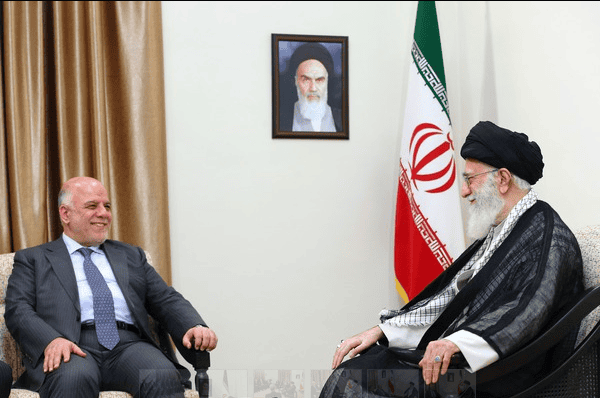
Iraqi Popular Mobilization Forces an ‘important and blessed phenomenon,’ Khamenei says
Iraqi Prime Minister Hayder al Abadi arrived in Tehran today to met with senior Iranian government officials, including Iranian Supreme Leader Ali Khamenei. The Popular Mobilization Forces (PMF) is an “important and blessed phenomenon,” Khamenei said. “The reason the Americans oppose the popular forces is because they want Iraq to lose its important factor of strength,” he added.
-
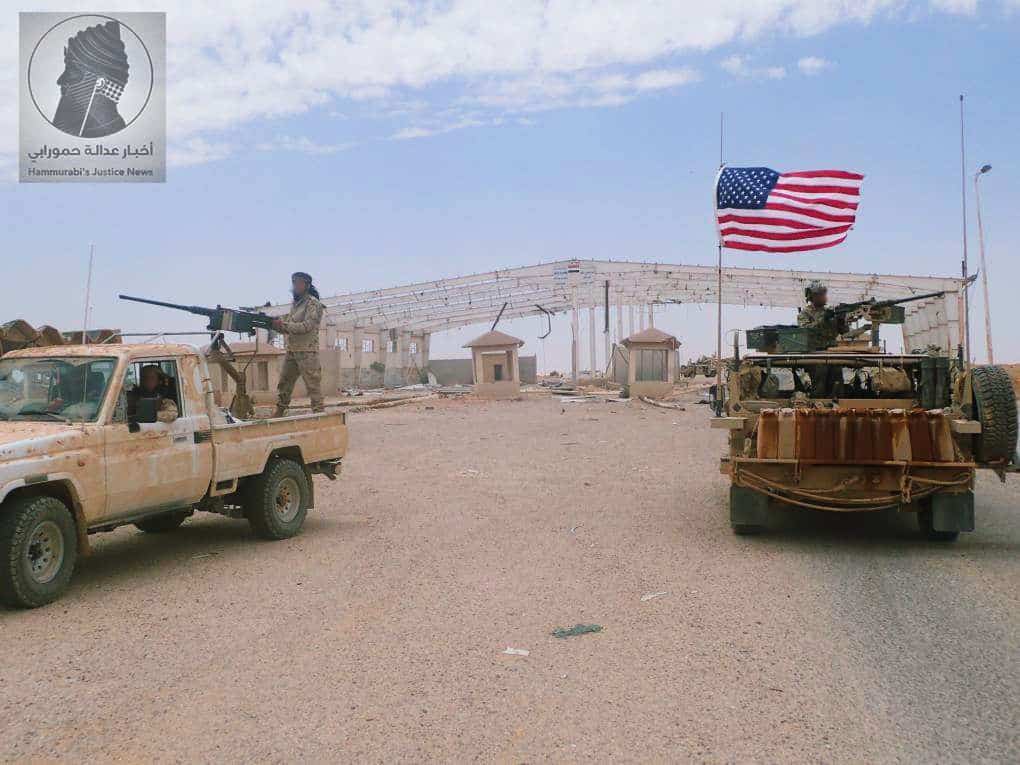
Photos show US joint patrols with rebels in southern Syria
The photos and videos show the extent of the US presence in southern Syria near the border with Iraq. This comes as the Tanf area of southeastern Syria has largely become a flash-point between US and Iranian-controlled forces.
-
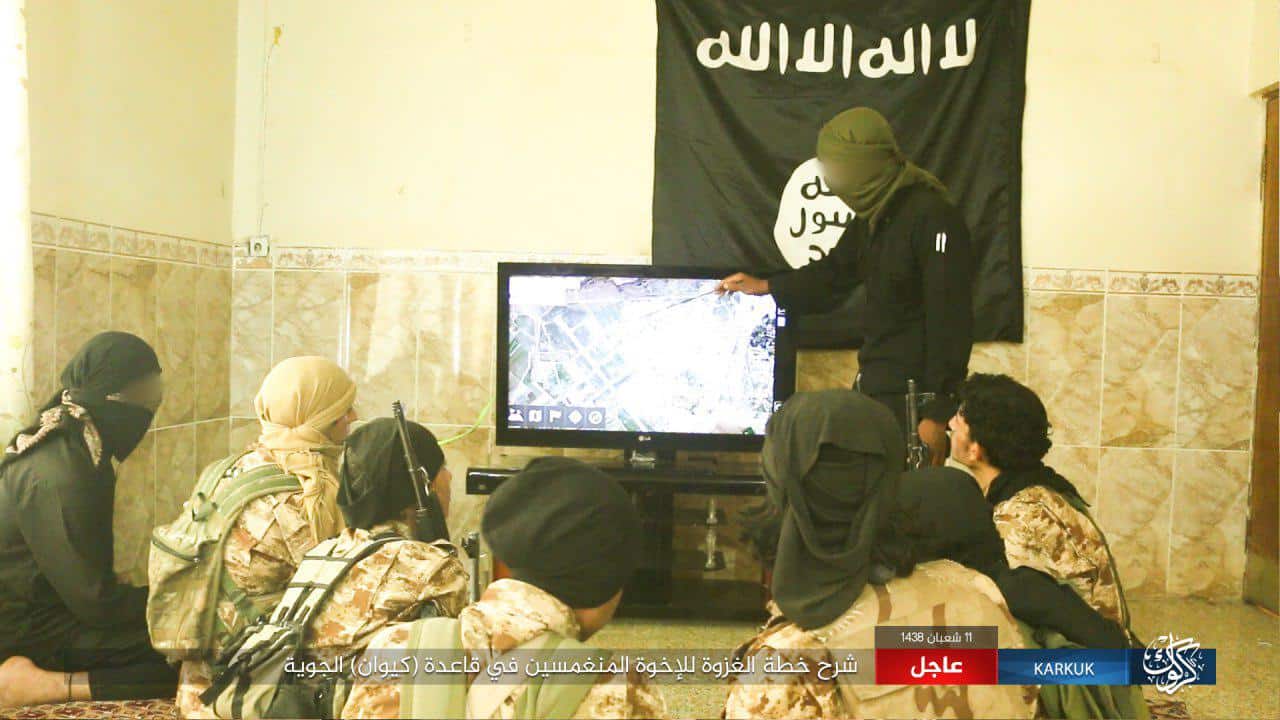
US designates 2 Islamic State leaders tied to chemical weapons
The US government designated two senior Islamic State figures today, saying they are involved in the group’s chemical weapons program. US officials have previously said that so-called caliphate uses a “mustard agent” in its attacks.
-
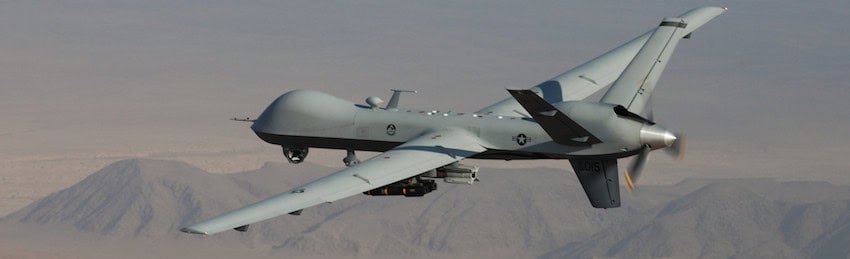
US military downs UAV, strikes militias in Syria
The US military noted that it does not seek a fight against pro-Syrian regime militias, but its forces will continue to defend themselves if threatened.
-
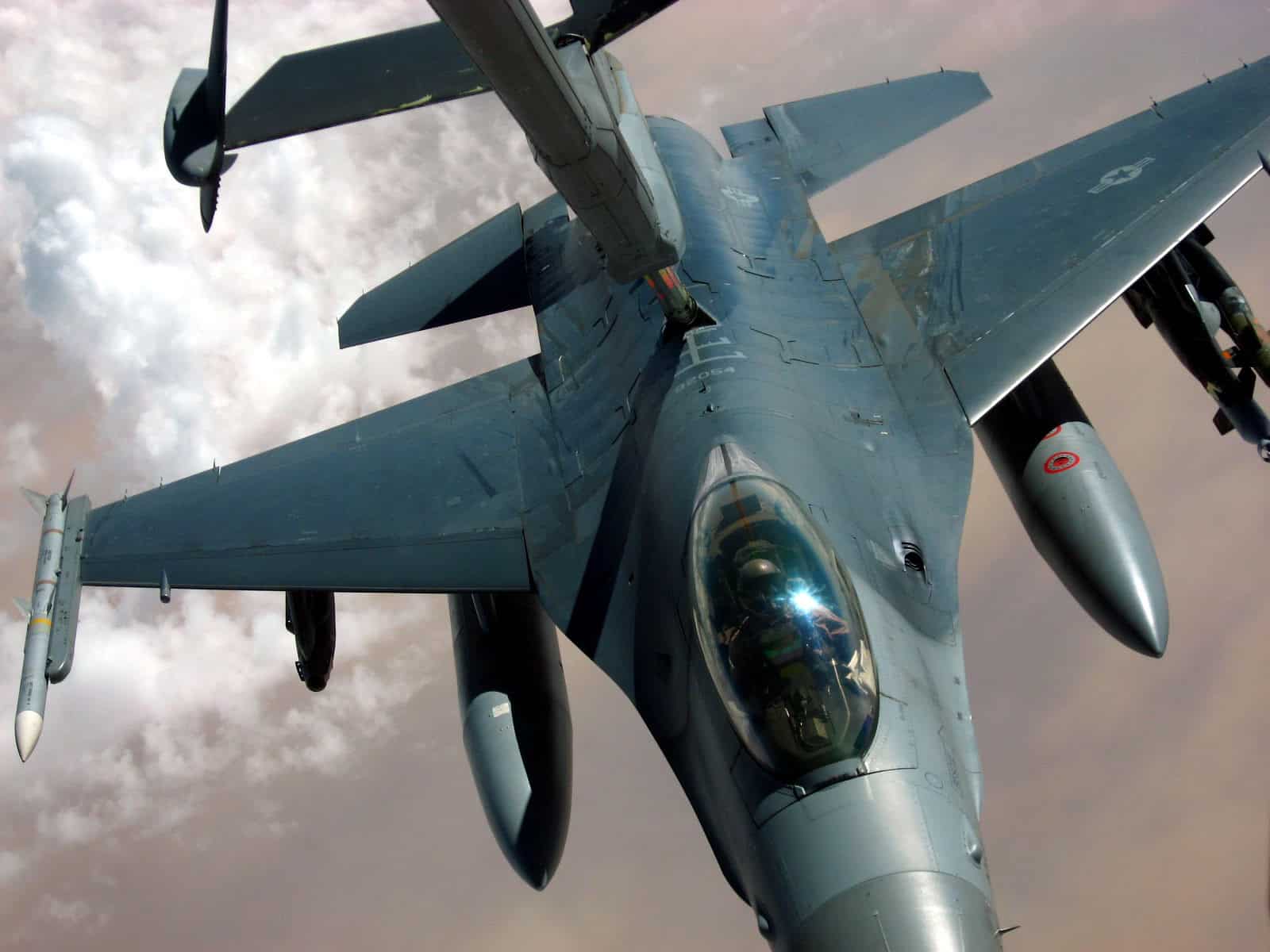
US warplanes again strike militias near Syrian-Jordanian border
The strike against pro-Syrian government militias is the second in the past month. The US military is training Free Syrian Army-branded militias in the area to battle the Islamic State.
-
Anti-Islamic State coalition begins Raqqah offensive
While the US military insists that the loss of Raqqah and Mosul will deal a “a decisive blow” to the Islamic State, the group still controls a significant amount of terrain in both Syria and Iraq.
-
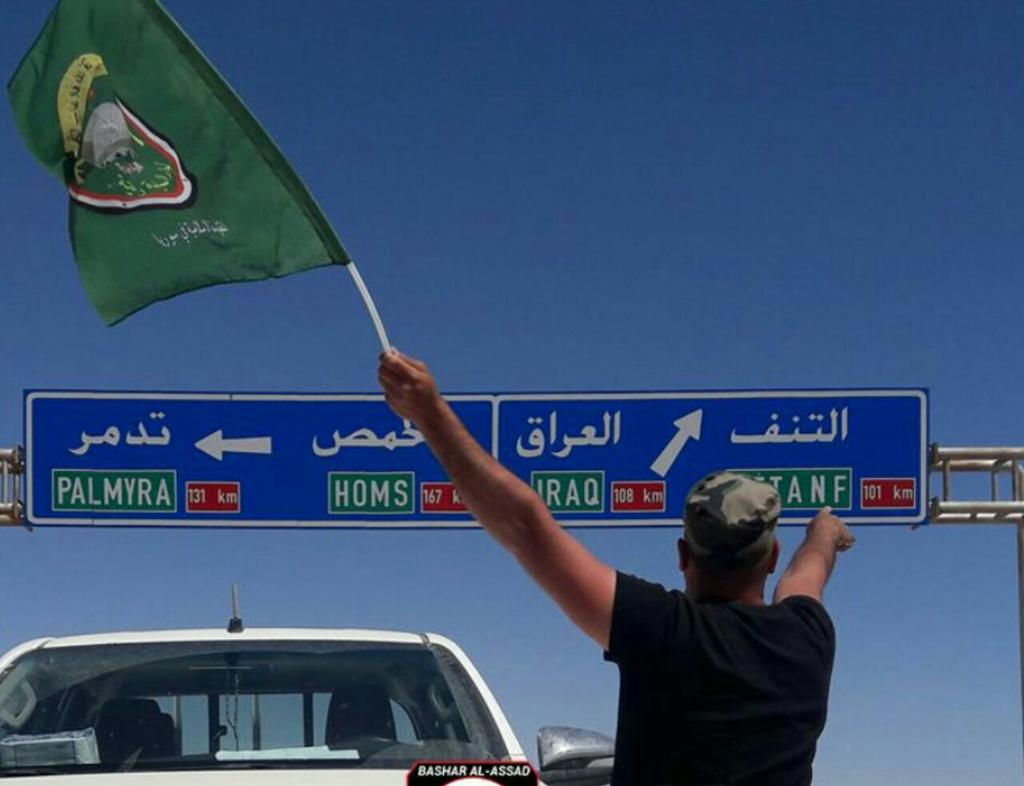
Iran tests the US in southeastern Syria
Major powers involved in the Syrian war are racing to maximize gains from the crumbling Islamic State in southern and eastern Syria. The continued advancement of pro-Syrian regime forces and Iranian-backed militias toward the US-held Tanf base – as well as the potential advance of both sides toward the Iraqi border area – raise the risk of further clashes that may draw in the US and Russia, though the latter has been unwilling to challenge US strikes against a pro-regime convoy and Syrian warplanes this year.
-
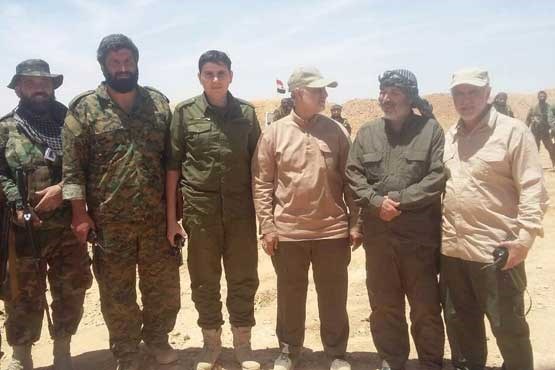
Qassem Soleimani spotted near the Syrian border with Iraqi militias
Major General Qassem Soleimani, the chief of the Guard Corps’ Qods Force, has been photographed allegedly with Iranian-backed Iraqi militias of the Popular Mobilization Forces (PMF) in the northwestern countryside of Iraq near the Syrian border. The photo’s precise location and date are yet unconfirmed; however it surfaced on May 29.
-
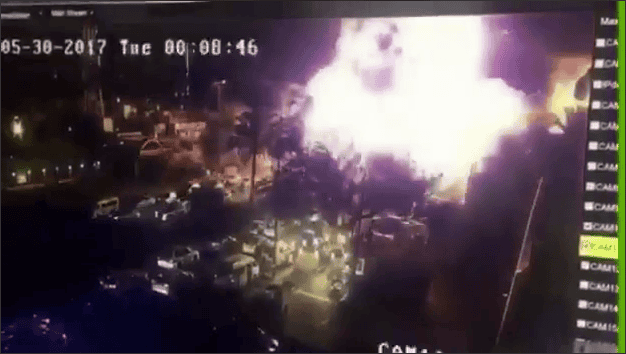
Islamic State suicide bombers attack Baghdad during Ramadan
Two bombings in the Iraqi capital killed more than 30 people and wounded dozens more. The Islamic State quickly claimed responsibility for both, saying that Shiite “polytheists” had been targeted. The first bombing struck near a popular ice cream shop in the Karrada district of Baghdad.
-
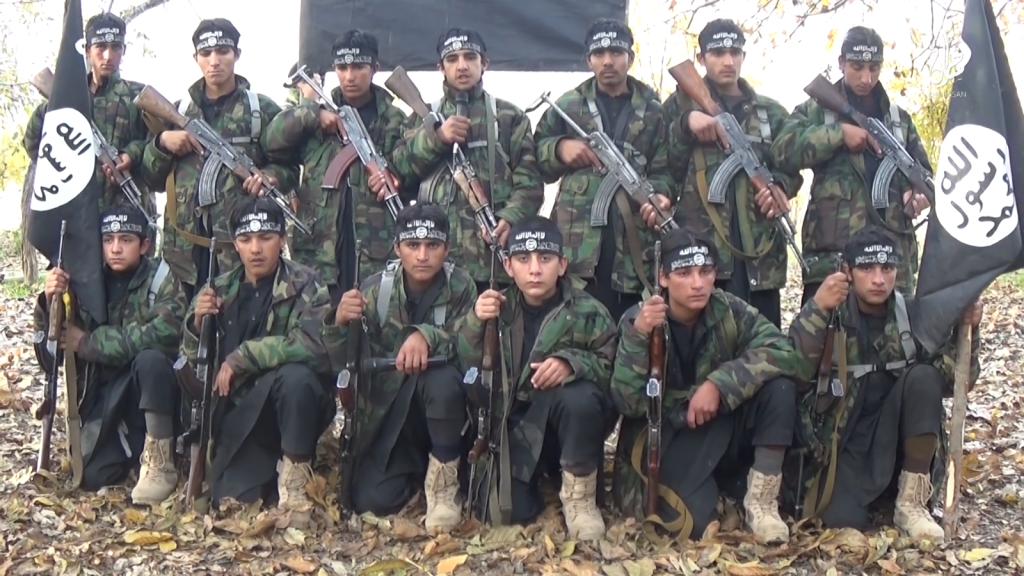
CENTCOM: Three senior Islamic State foreign fighters killed
CENTCOM announced today that “three senior foreign fighters” in the Islamic State were killed in recent weeks. Two of them were reportedly involved in the group’s “external operations” and one of them was a trainer in the “Cubs of the Caliphate” program, which indoctrinates youth. The third jihadist helped oversee the Islamic State’s use of small drones.
-
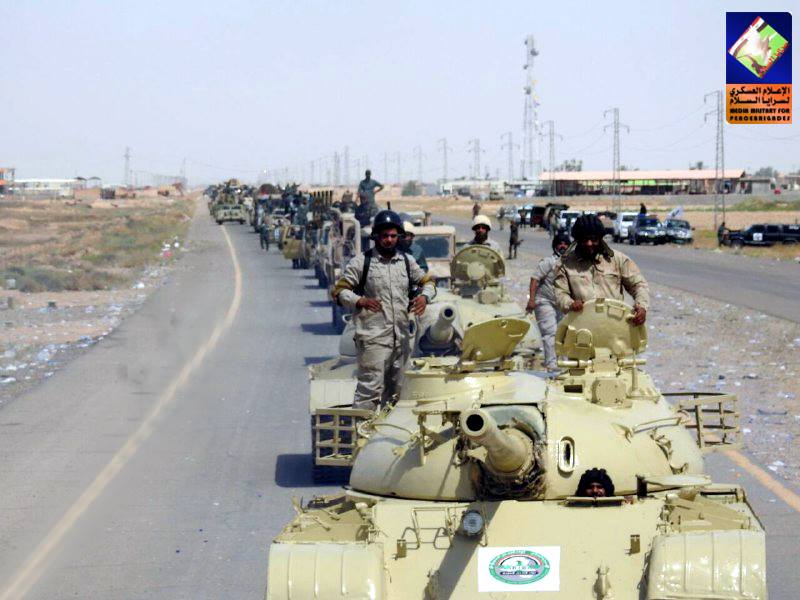
Peace Brigades parades ‘Rapid Intervention Brigade’ in Samarra
The parade detailed a large presence inside Samarra for Muqtada al Sadr’s Peace Brigades.
-
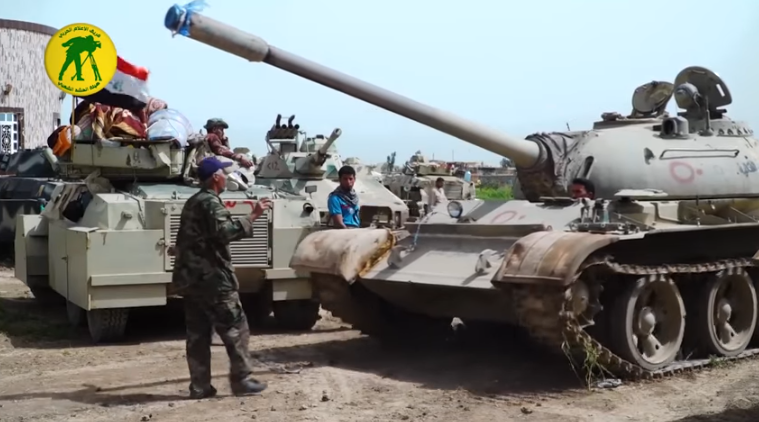
Iraqi Popular Mobilization Forces launch operation southwest of Mosul
Backed by the Iraqi air force, The Popular Mobilization Forces (PMF), the umbrella organization of diverse militias, launched an offensive this week in Nineveh Province, southwest of Mosul, to capture territory from the Islamic State. Iran’s Islamic Revolutionary Guard Corps (IRGC) has embedded operatives in the PMF.
-
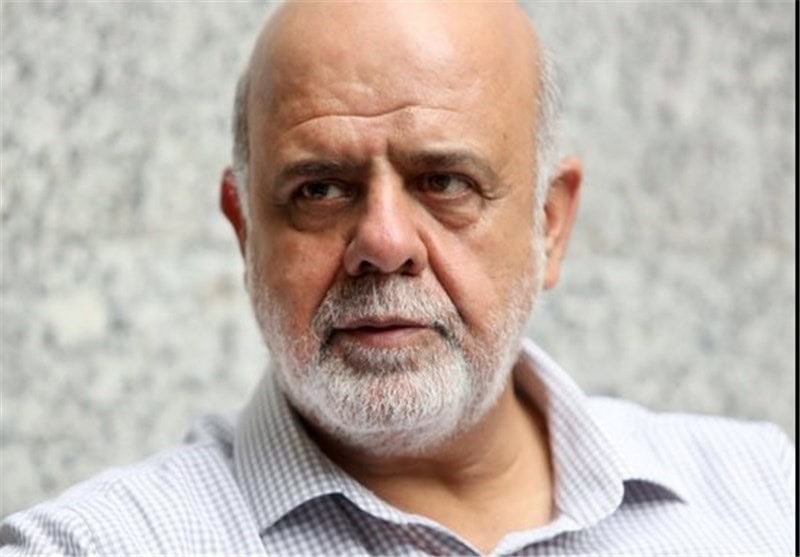
Qods Force commander to advance Tehran’s influence as ambassador to Iraq
An Iranian general from the Islamic Revolutionary Guard Corps (IRGC) this week began his new position as Tehran’s ambassador to Iraq. The selection of Brigadier General Iraj Masjedi, the senior adviser to the commander of the IRGC extraterritorial branch the Qods Force, highlights Tehran’s strategy to assert itself as the dominant foreign power in its western neighbor following the Mosul campaign. Since 2003 all Iranian ambassadors to Iraq have been Qods Force officers.
-
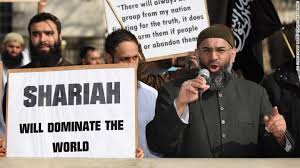
State lists 5 terrorists linked to Islamic State, al Qaeda
Anjem Choudary, the British Islamist who is directly linked to Omar Bakri Muhammad, and who has formed several radical Islamist organizations, such as Al Muhajiroun, Al Ghurabaa, and Islam4UK, is among the newly designated terrorists.
-
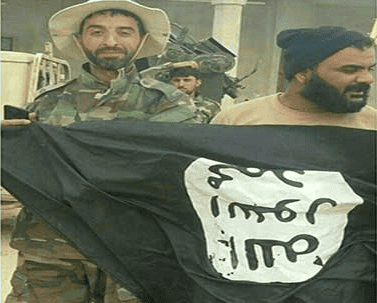
Iranian sniper embedded in Iraqi militia killed near Mosul
The casket of an Iranian killed in combat in Iraq on February 25 was received in Tehran two days ago. The combatant’s funeral poster shows him wearing the arm patch of the Hezbollah Brigades, an Iraqi Shiite militia close to Iran’s Islamic Revolutionary Guard Corps (IRGC) that has been designated by the US Treasury as a terrorist group.
-
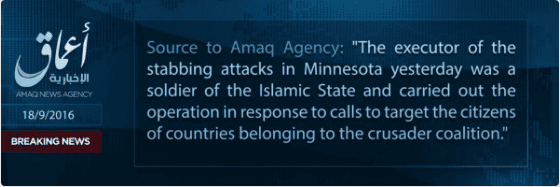
The future of counterterrorism: Addressing the evolving threat to domestic security
Testimony before the House Committee on Homeland Security, Subcommittee Counterterrorism and Intelligence, on the future of counterterrorism and addressing the evolving threat to domestic security.
-
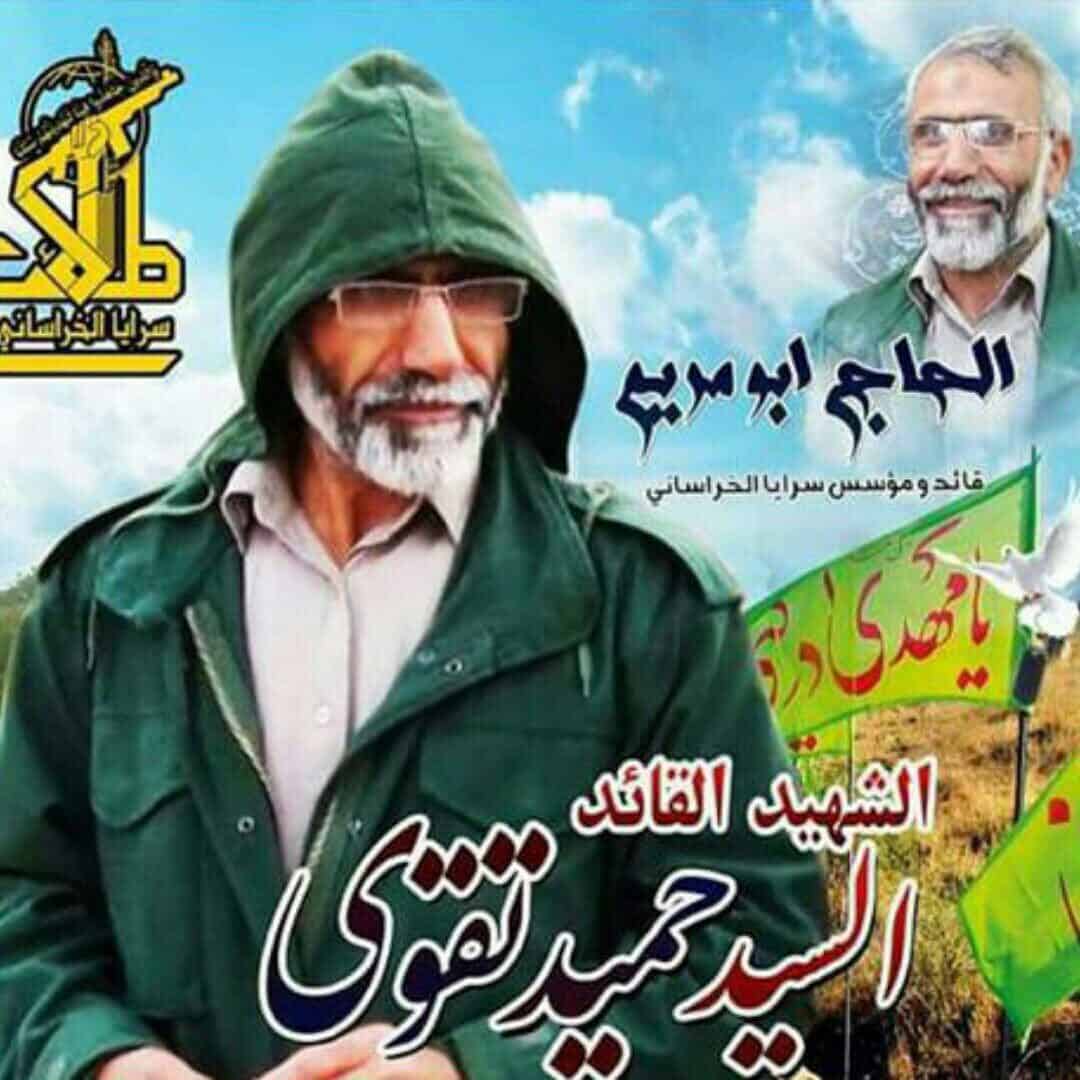
Iraq monument underscores Iranian commander’s role in Qods Force
A monument dedicated to an Iranian general has been erected in Iraq for the first time in the country’s modern history. The landmark commemorates Hamid Taghavi, a commander in the Qods Force, the Islamic Revolutionary Guard Corps’ extraterritorial branch.
-
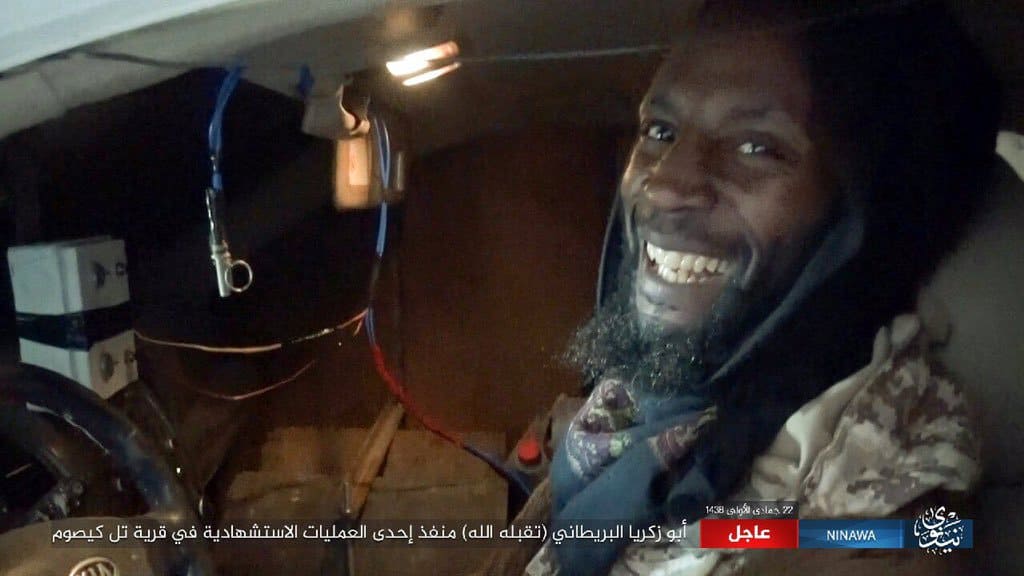
Ex-Guantanamo detainee carried out suicide attack near Mosul, Iraq
A former Guantanamo detainee known as Jamal al Harith (formerly Ronald Fiddler) launched a suicide attack with a vehicle borne improvised explosive device (VBIED) south of Mosul earlier this week. He is at least the second former Guantanamo detainee to launch a suicide attack in or around Mosul on behalf of the Islamic State and its predecessor organization.
-
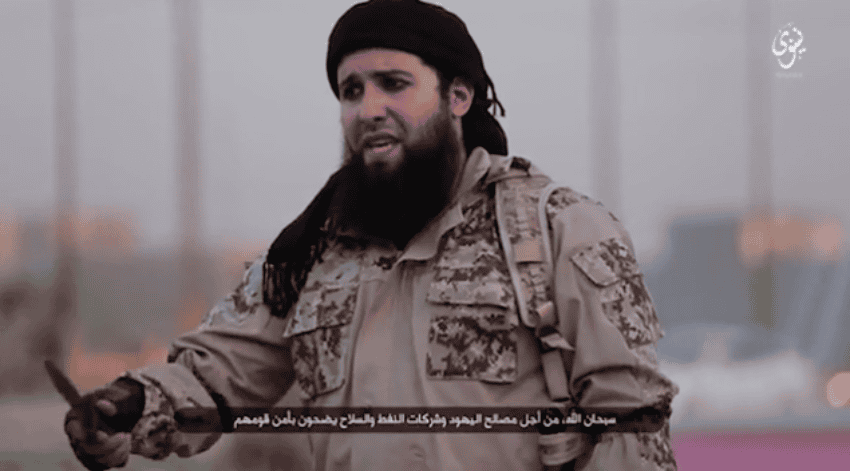
US-led coalition targeted key online operative for Islamic State near Mosul
The US-led coalition targeted Rachid Kassim near Mosul, Iraq earlier this week. Kassim is an Islamic State operative responsible for “remote-controlling” attacks in France. He has been tied to several plots.
-
IRGC adviser killed near Tal Afar in Iraq
An Islamic Revolutionary Guard Corps (IRGC) member embedded with Iraqi Popular Mobilization Forces has been killed near Tal Afar, to the west of Mosul.
-
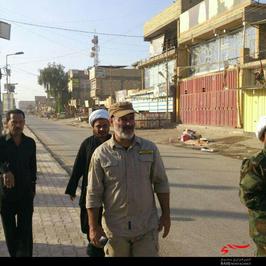
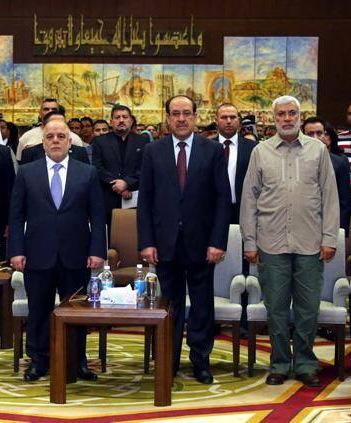
PMF deputy commander Muhandis details Hezbollah ops in Iraq
Along with Iran, Hezbollah helped the PMF “with training and planning, and with weapons and equipment” to the Popular Mobilization Forces with the knowledge of Iraq’s prime minister, according to Abu Mahdi al Muhandis.
-
US airstrike kills Islamic State external operations facilitator in Raqqah
Mahmud Al Isawi was killed as the US-led coalition has stepped up its efforts to help drive the Islamic State from its Syrian capital. The Pentagon said that 16 “significant members” of the organization’s external operations network have been killed in 2016.
-
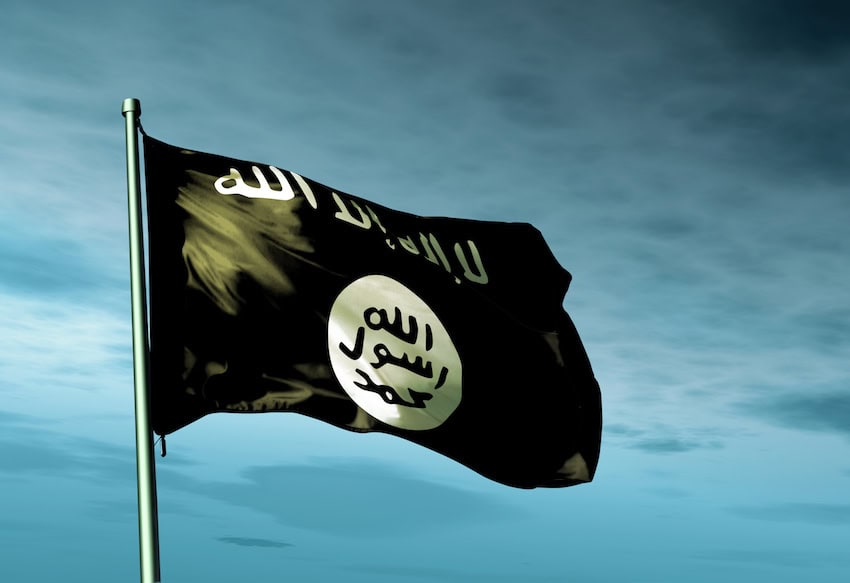
US military kills 4 mid-level Islamic State commanders in Iraq and Syria
The US military has targeted senior and mid-level Islamic State leaders, external operations planners, and military commanders while also striking the group’s military and civilian infrastructure throughout Iraq and Syria in an effort to deny it territory and deal it a “lasting defeat.”
-
US military hits Islamic State mortar team near Mosul school
The announcement is part of a US military effort to stay ahead of criticism from media and international non-governmental organizations for striking jihadists as they use protected sites to attack allied forces.
-
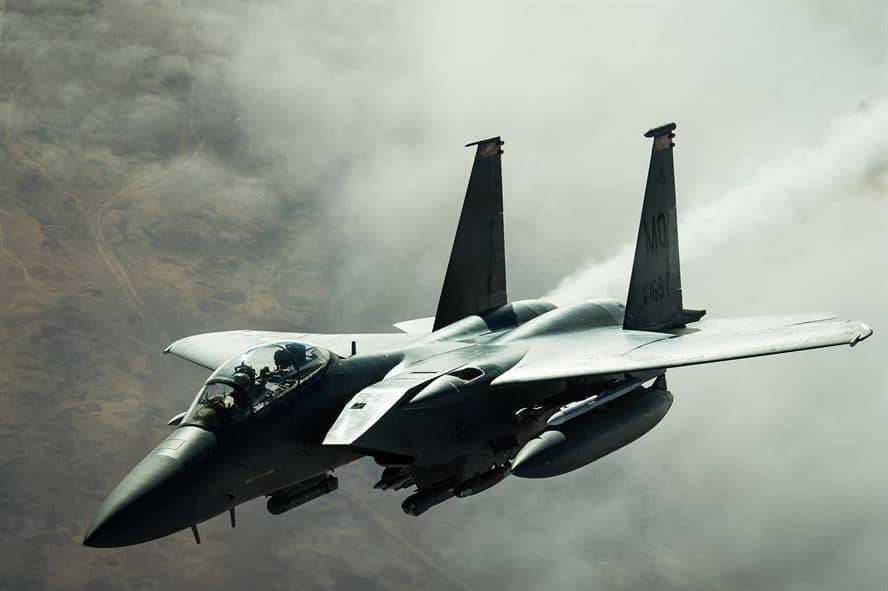
Coalition intensifies air campaign against Islamic State stronghold in Raqqah
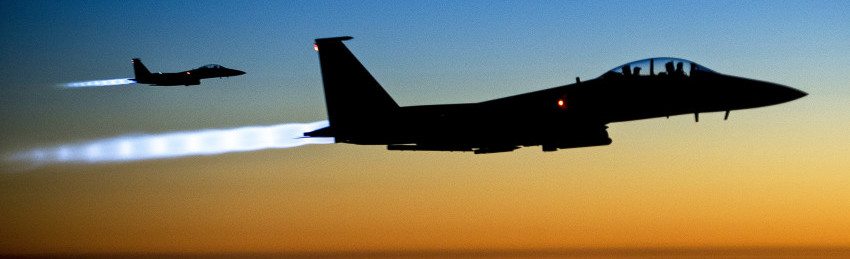
CJTFOIR has launched 76 strikes in and around Raqqah since Dec. 20. For comparison, the US launched 23 airstrikes against the Islamic State in and around Mosul during the same time period.
-
Iraq’s PMF is IRGC’s “next step,” senior Qods Force commander says
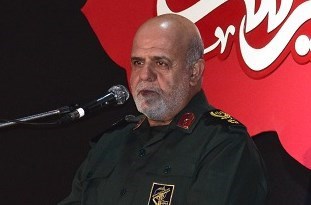
The establishment of Iraq’s Popular Mobilization Forces (PMF) is an extension of Iran’s plan to export the revolution, which keeps war against Sunni extremists from reaching the country’s borders, a senior adviser to the commander of the Islamic Revolutionary Guard Corps Qods Force argues.
-
State Department increases reward for Baghdadi to $25 million
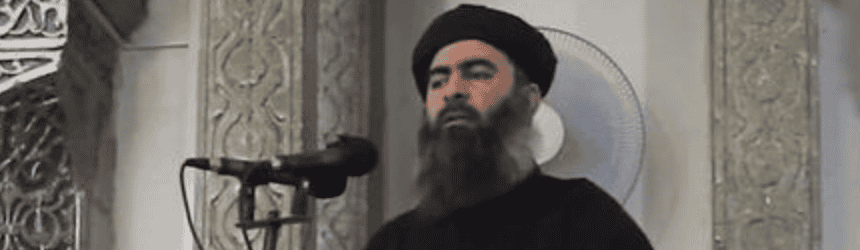
State has upped the reward for Abu Bakr al Baghdadi as the Islamic State has been under significant pressure in Iraq. The $25 million reward puts Baghdadi on par with Ayman al Zawahiri, the emir of al Qaeda.
-
US confirms death of high-profile Tunisian Islamic State assassin
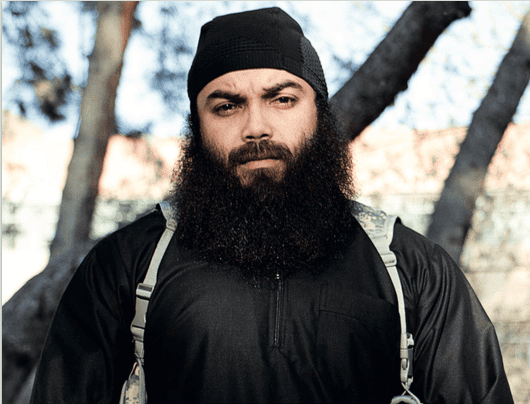
The Defense Department has confirmed that Boubaker al-Hakim, a French-Tunisian Islamic State leader, was killed in Raqqa, Syria on Nov. 26. Al-Hakim had ties to Ansar al Sharia Tunisia, an al Qaeda-affiliated group, before defecting to the Islamic State’s cause. He admittedly assassinated one Tunisian politician in 2013 and knew the assailants responsible for a second slaying.
-
US military bombs Mosul hospital as Iraqi troops retreat
According to CENTCOM, Islamic State fighters were using the Al Salem hospital complex as “a base of operations and command and control headquarters.”
-
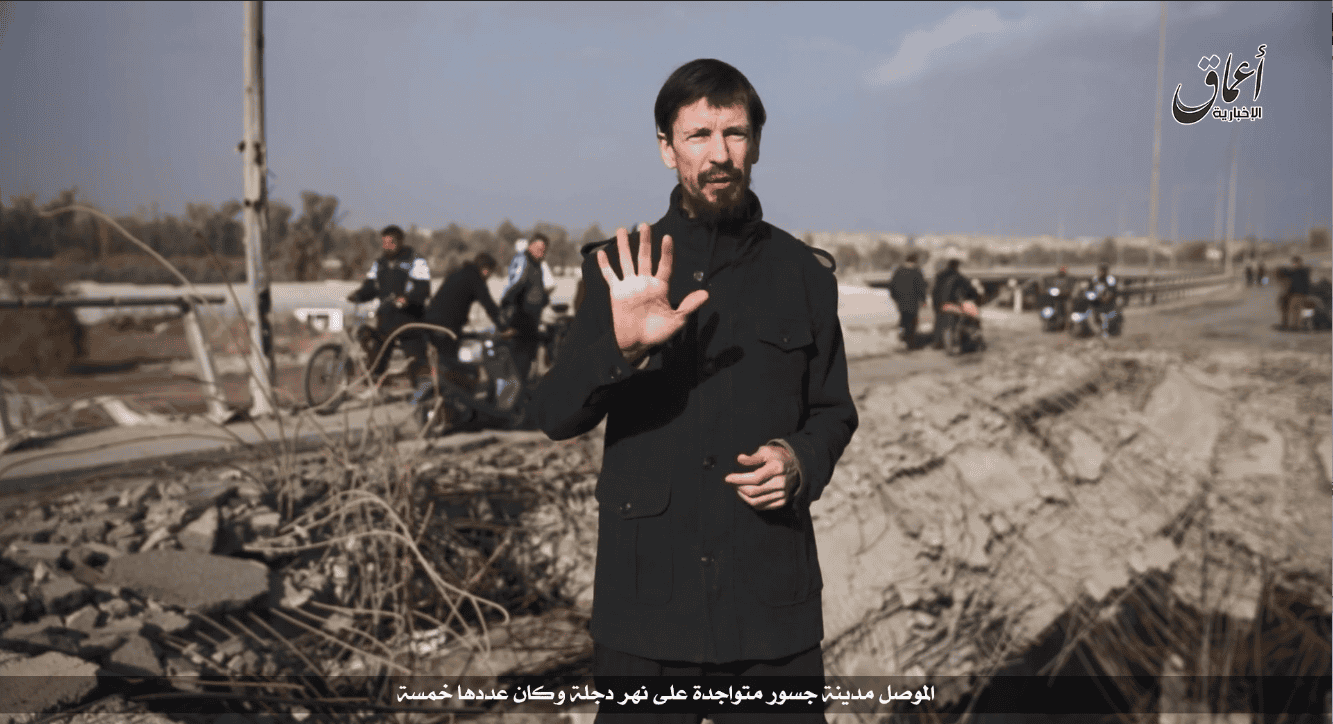
British captive John Cantlie appears in new propaganda video from Mosul
The Islamic State’s Amaq News Agency has released a new video featuring John Cantlie, who discusses the destruction of four of the five bridges in Mosul. The US-led coalition destroyed or damaged the bridges in November at the request of the Iraqi government in order to interrupt the flow of suicide bombers driving vehicle-borne improvised explosive devices (VBIEDs).