-
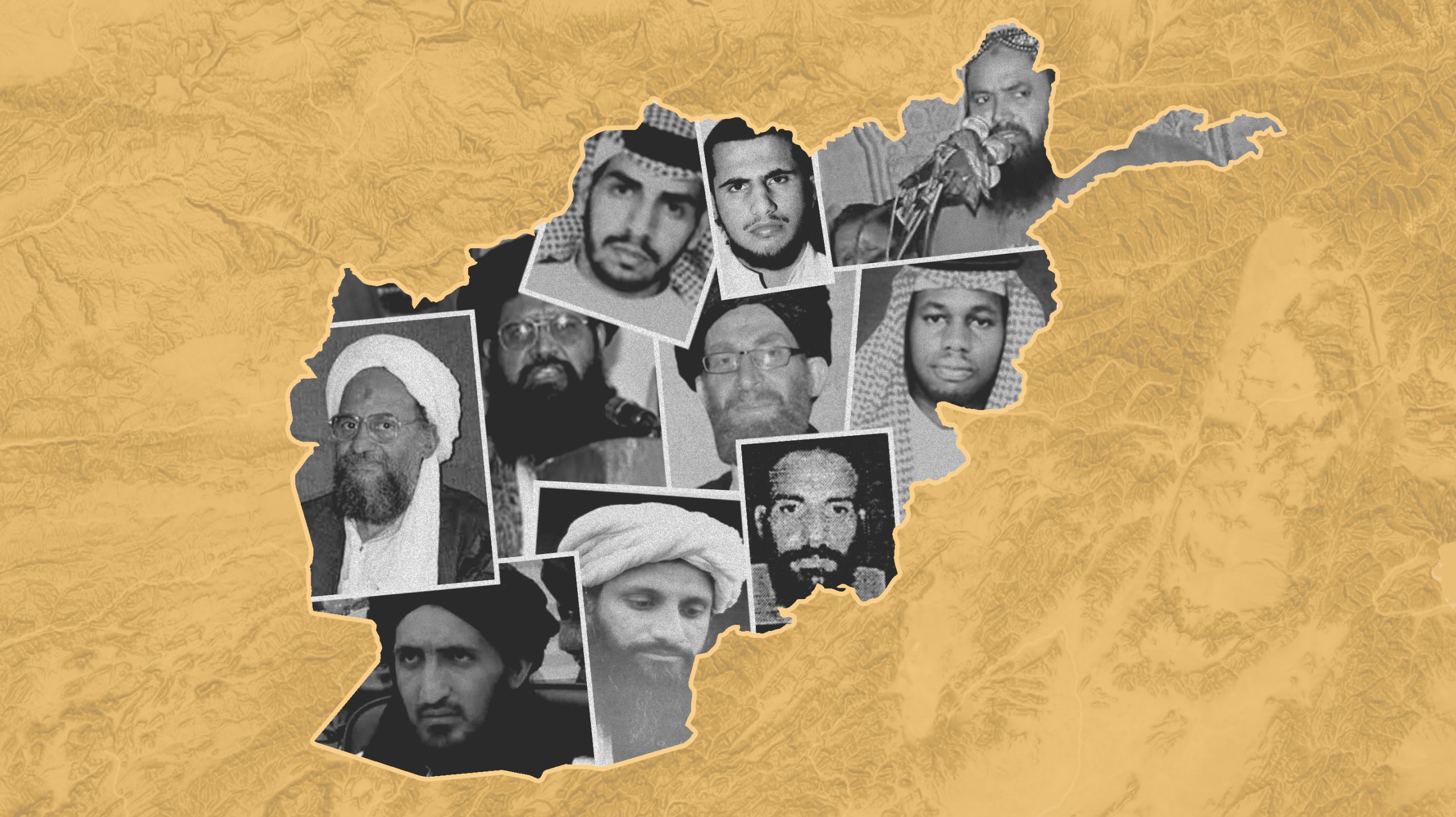
Air strike that targeted Soleimani and Muhandis also killed key aides
The killing of Qassem Soleimani and Abu Mahdi al-Muhandis last week reportedly claimed the lives of eight lesser-known colleagues as well. The death of these aides indicates that those who serve designated terrorists may suffer the same fate as their superiors.
-
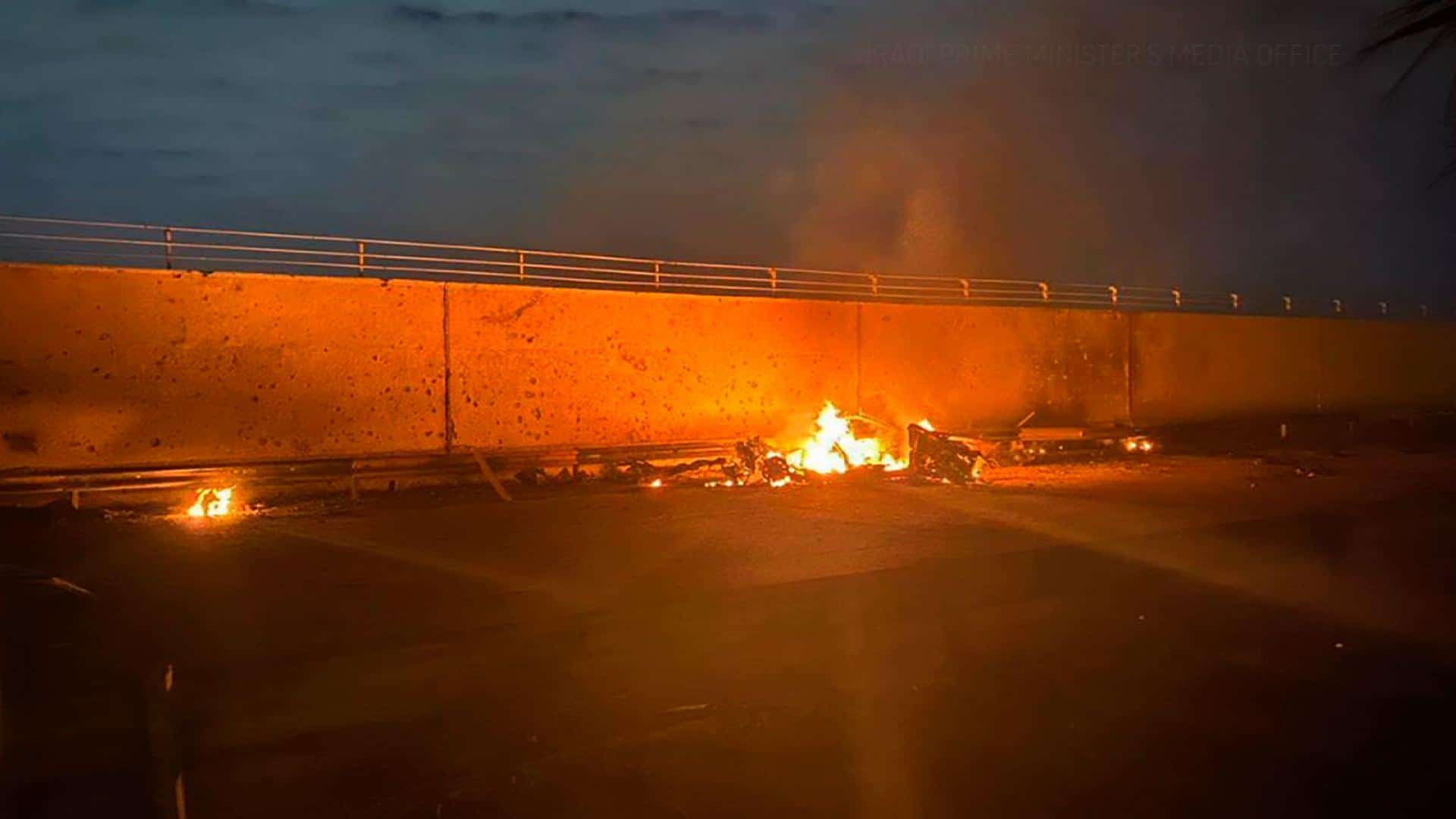
Iran launches ‘ballistic missiles’ at U.S. bases in Iraq
The U.S. Department of Defense confirmed the attack was “launched from Iran” and that it “targeted at least two Iraqi military bases hosting U.S. military & coalition personnel at Al-Assad & Irbil.” No casualties have been reported.
-
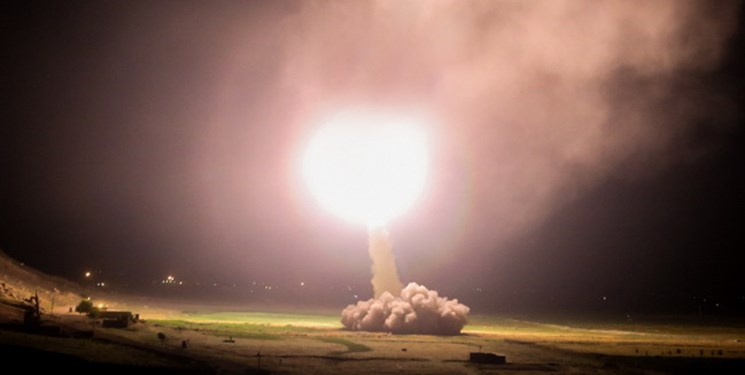
Muqtada al Sadr reactivates Mahdi Army, Promised Day Brigade
Muqtada al Sadr has reactivated two of his longstanding militia forces in Iraq in response to the U.S. killing Qods Force commander Qassem Soleimani.
-
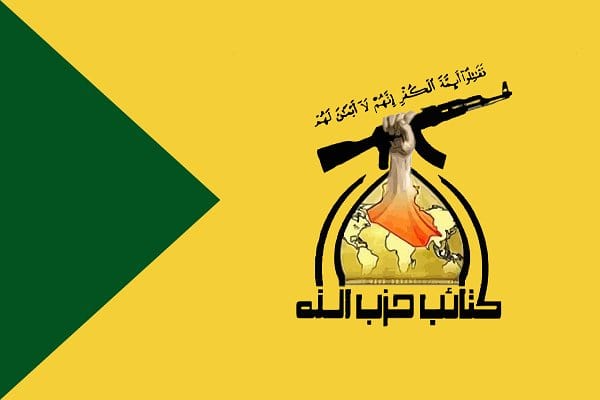
Hezbollah Brigades official reportedly calls volunteers for suicide bombings
The official reportedly tweeted out the statement earlier today. The official website of the Hezbollah Brigades has so far not commented, however.
-
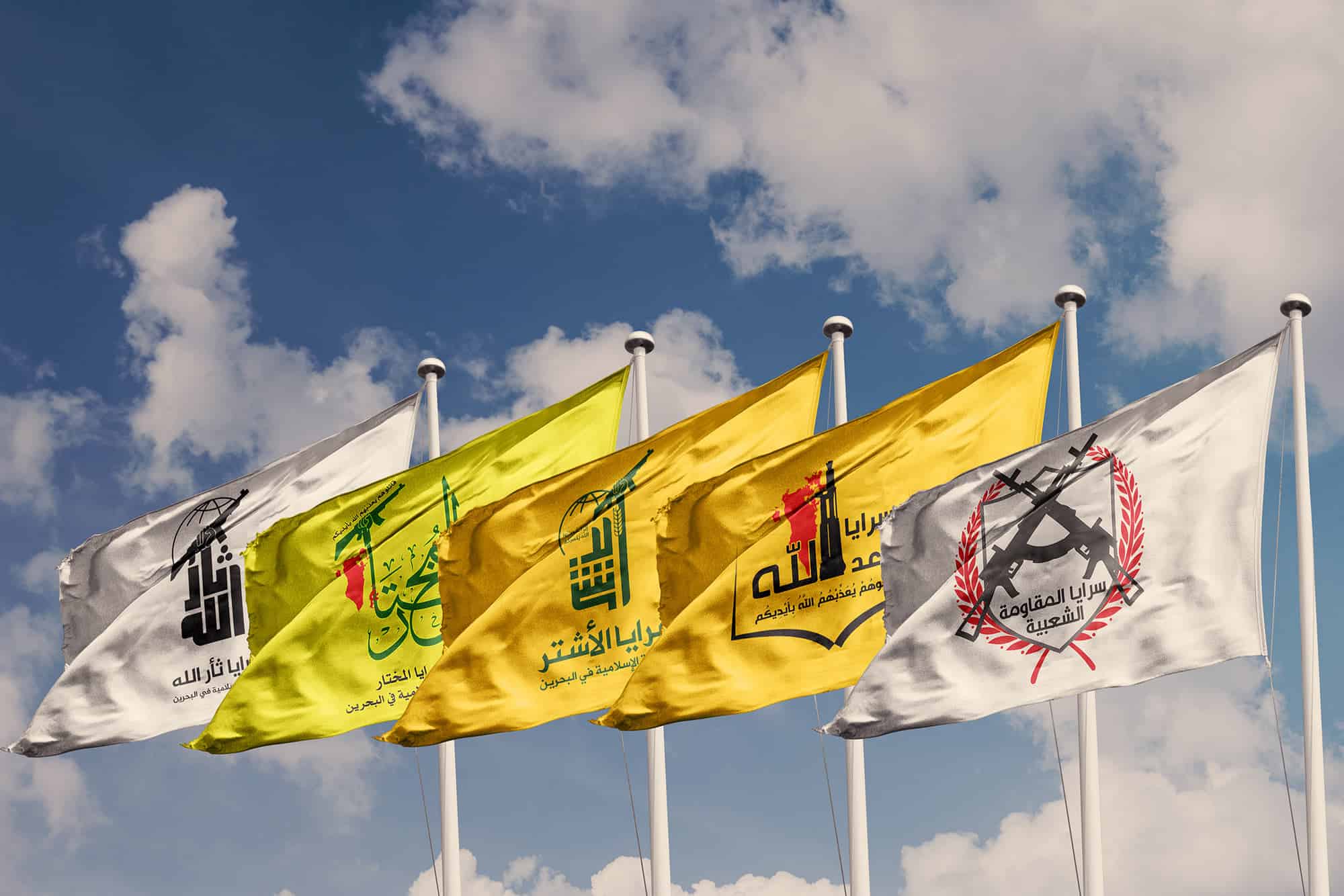
Iranian-backed Bahraini militias eulogize Soleimani, Muhandis
The rare joint statement both eulogizes Qassem Soleimani and Abu Mahdi al Muhandis and offers vague threats of retaliation in Bahrain.
-
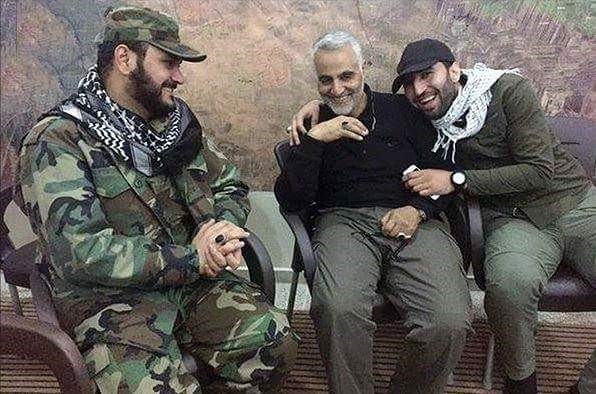
Qods Force commander Soleimani’s carelessness put him in the U.S. military’s crosshairs
Qods Force commander Qassem Soleimani became “complacent” while traveling to and from Iraq, and did not believe the U.S. would target him, U.S. military officials told FDD’s Long War Journal. The military was able to reliably track his movements at times.
-
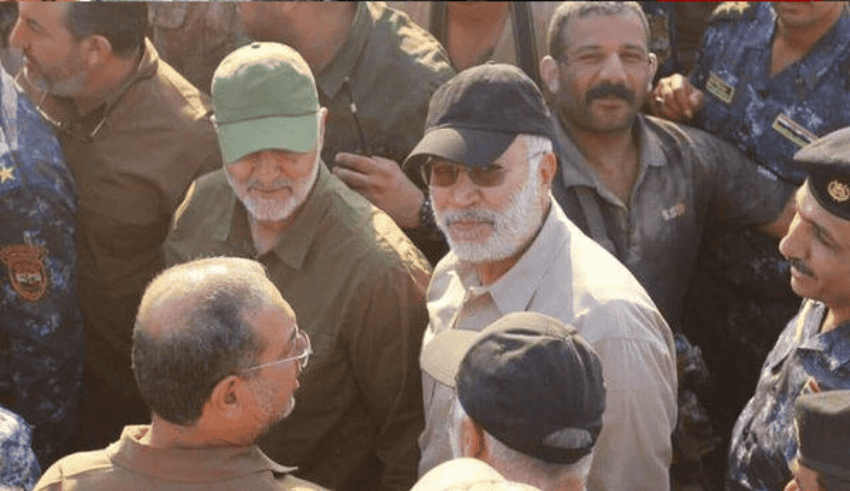
U.S. kills Iran’s Qods Force commander and Iraq’s deputy PMF leader in strike in Baghdad
Qods Force commander Qassem Soliemani and Popular Mobilization Forces deputy Abu Mahdi al Muhandis were terror and insurgency masterminds who were revered in Iran, Iraq, Syria, and beyond for their support of the Iranian-backed Shia militias and terrorist groups that have destabilized several countries in the Middle East.
-
Bahraini militias decry U.S. airstrikes on Hezbollah Brigades
This is the second time that several Iranian-backed militias in Bahrain have voiced their support of the Iraqi Hezbollah Brigades after U.S. airstrikes on the group.
-
Hezbollah Brigades threatens retaliation after U.S. airstrikes
Following a deadly rocket attack on a U.S. base in Iraq and subsequent U.S. airstrikes in response, the Iranian-backed Hezbollah Brigades threatens to further retaliate by continuing to target U.S. troops.
-
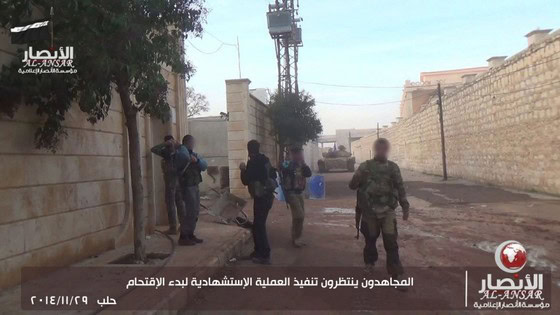
Ansar al Islam claims first attack in Iraq since 2014
For the first time in five years, the jihadist group has claimed an attack in its native Iraq.
-
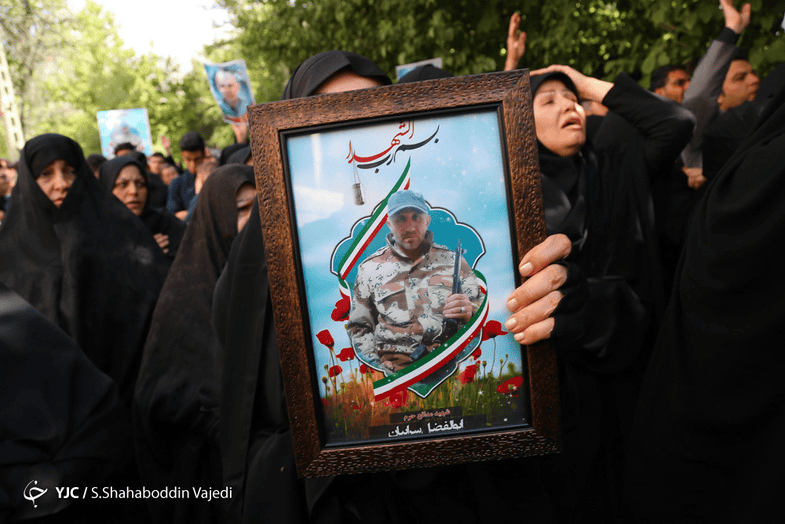
Iranian killed at PMF base in Iraq
Both Iranian media and media linked to Iraq’s Popular Mobilization Forces have reported different narratives surrounding the events of a purported explosion at an Iraqi base last week. However, Iranian media has confirmed at least one Iranian was killed at the base.
-
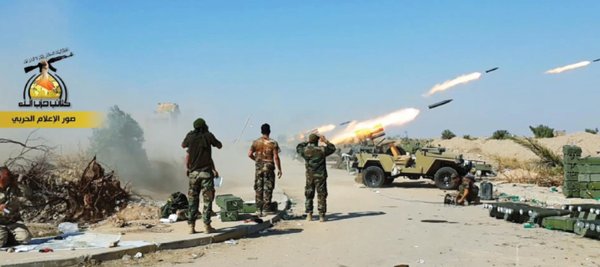
US bases in Iraq targeted in rocket attacks
US troops in Iraq have been targeted three times in mortars and katyusha rocket strikes since last weekend. Shia militias that are supported by Iran are suspected of carrying out the attacks, which take place as tensions between the US and Iran increase.
-
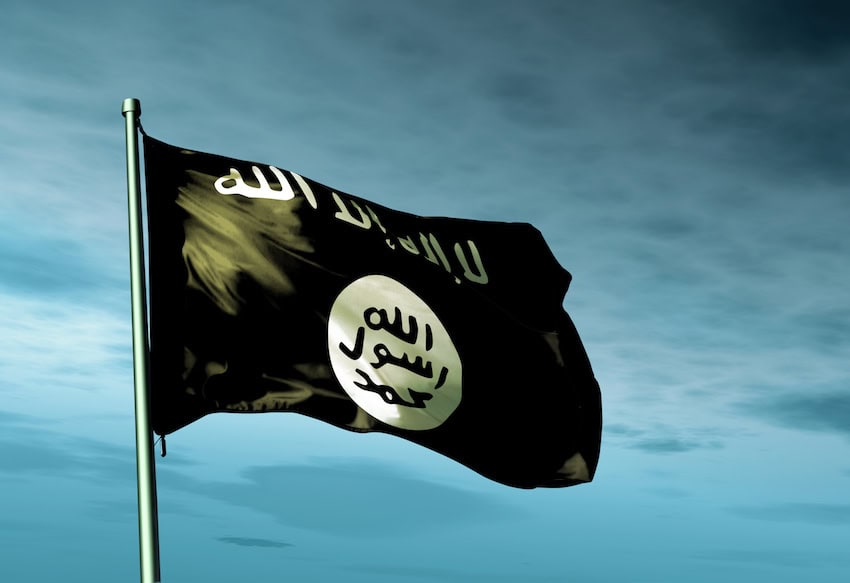
Caliphate, interrupted
The defeat of the Islamic State in Iraq and Syria was neither final nor decisive, and policymakers should heed the War on Terror’s lessons to ensure the West doesn’t squander this advantage and enable ISIS, or its copycats and successor groups, to rally.
-
IRGC-controlled Iraqi group threatens to retaliate if US strikes
The second-in-command of the IRGC-controlled, Iraqi Harakat al Nujaba has threatened to attack US targets in the Middle East if the US strikes “Iraqi groups.”
-
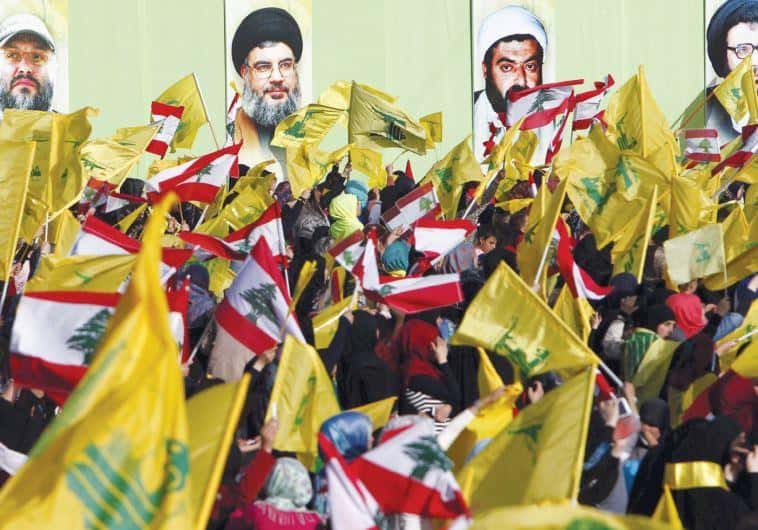
US to designate IRGC as a foreign terrorist organization
The State Department announced today that it intends to designate the IRGC as a foreign terrorist organization. The IRGC’s activities span the globe.
-
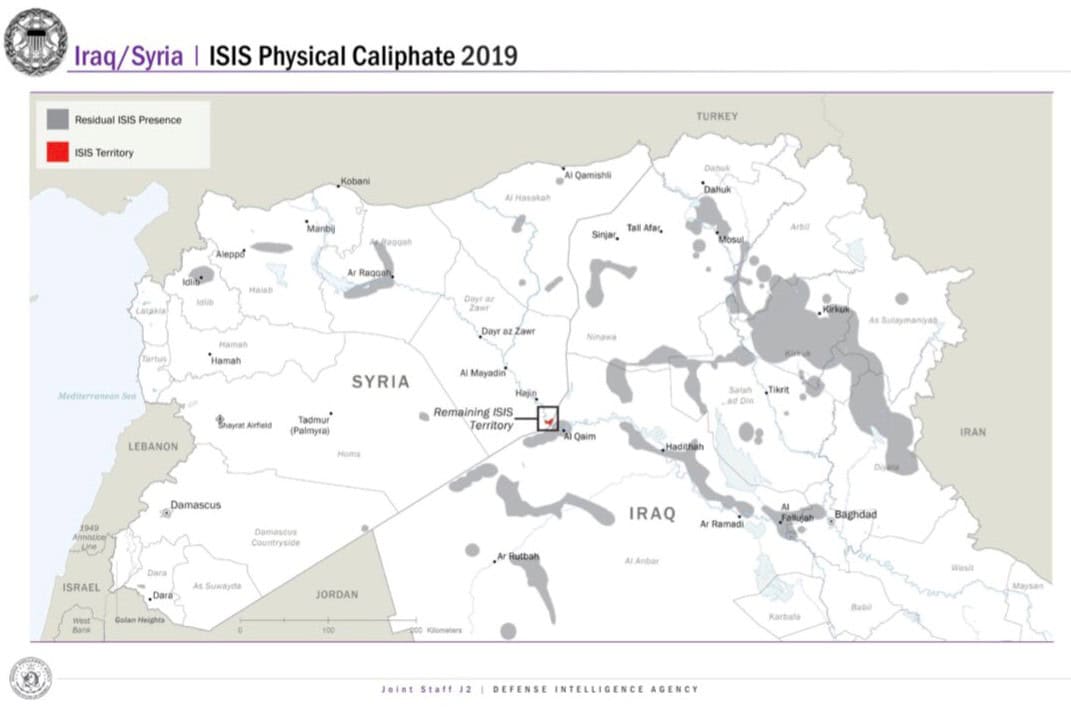
US-backed forces declare end to Islamic State’s physical caliphate
The US-backed Syrian Defense Forces (SDF) announced today that Baghouz has been liberated from the Islamic State. The US considers Baghouz to be the last village that was part of the jihadists’ physical caliphate. However, a review of history and current operations shows that the Islamic State has not been entirely defeated.
-
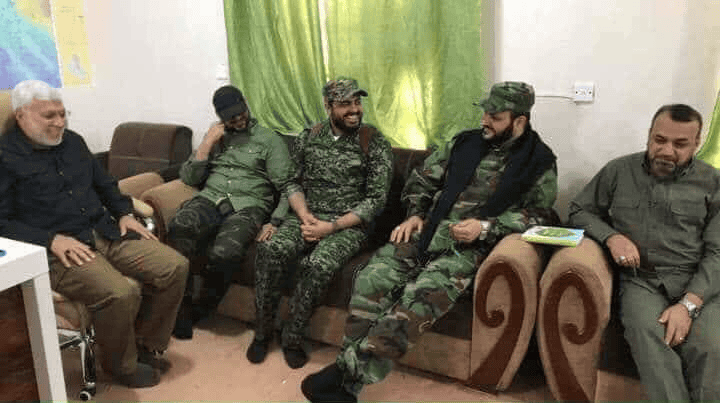
US adds Iranian-backed Shia militia and its leader to list of global terrorists
The US Department of State added Harakat al Nujaba, an Iranian-supported Shiite militia which operates in both Iraq and Syria, and its leader, Akram ‘Abbas al Kaabi to the list of Specially Designated Global Terrorists. Kaabi has pledged loyalty to Iran’s Supreme Leader and has said he would overthrow the Iraqi government if ordered to do so.
-
Analysis: The Islamic State hasn’t been defeated
President Trump claimed earlier today that the Islamic State has been “defeated” in Syria. But an unknown number of the group’s top leaders, including presumably Abu Bakr al-Baghdadi, remain alive. And there are likely thousands of fighters in both Syria and Iraq, where they operate as insurgents.
-
US-led coalition kills Islamic State leader tied to murder of American
The US-led coalition announced today that Abu al Umarayn and “several” other Islamic State leaders were killed in recent airstrikes in Syria. Umarayn was purportedly involved in the 2014 murder of Peter Kassig, a former US Army Ranger who was working as a humanitarian worker in Syria.

-
Analysis: Coalition, Iraqi forces target Islamic State leaders and fighters
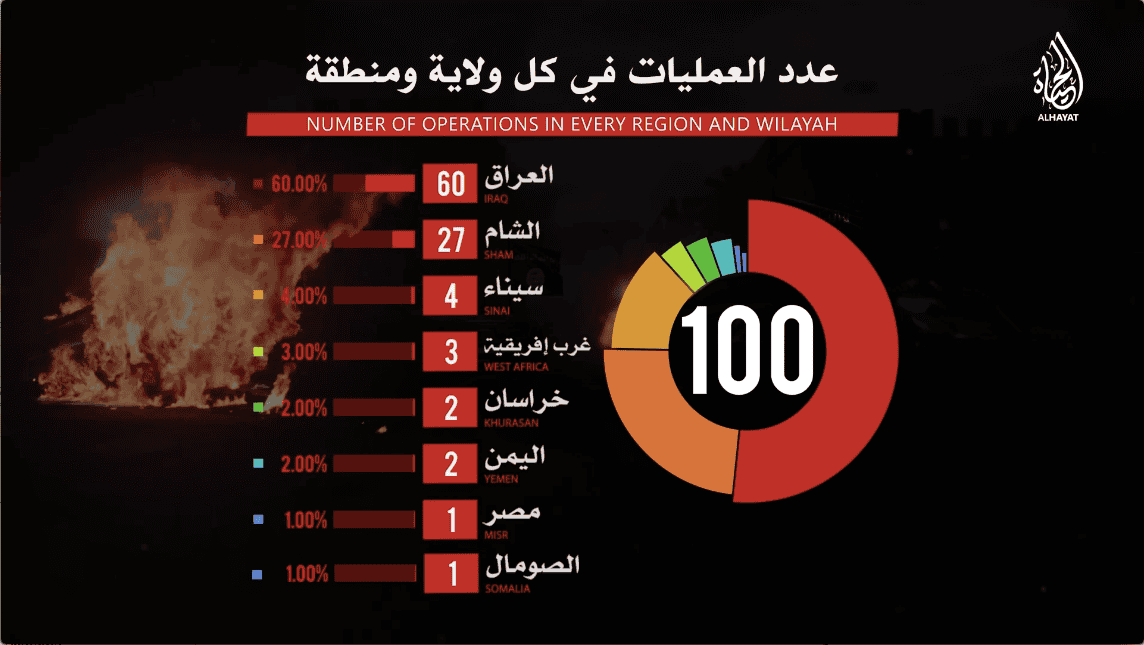
The US-led coalition and Iraqi forces recently hunted down senior Islamic State personnel responsible for “overseeing operations conducted within Salah ad Din, Kirkuk, Ninewah and northern Anbar provinces.” The Islamic State claims that is men are especially prolific in these same areas. Over a six-week period from Sept. 27 to Nov. 7, the Islamic State claimed a total of 313 operations in Iraq, with more than 100 occurring in Kirkuk province.
-
US Treasury adds Qods Force, Hezbollah officials to list of global terrorists
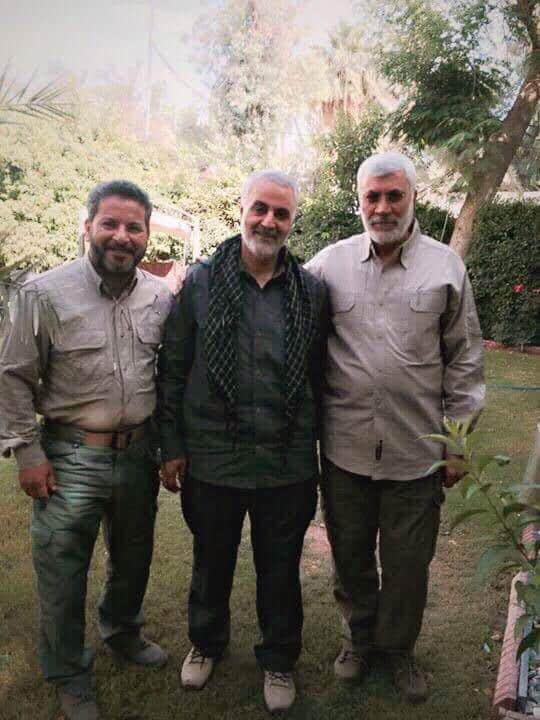
While the Treasury designation focuses on the four Iraqis’ links to Hezbollah, which is described as “a terrorist proxy for the Iranian regime that seeks to undermine Iraqi sovereignty and destabilize the Middle East,” it practically ignores the fact that one of them is the Secretary General of the Imam Ali Battalions, or Kata’ib Imam Ali, a key component of the Popular Mobilization Forces, an official military arm of the Iraqi state that reports directly to the prime minister.
-
US continues to expose Islamic State’s global financial network
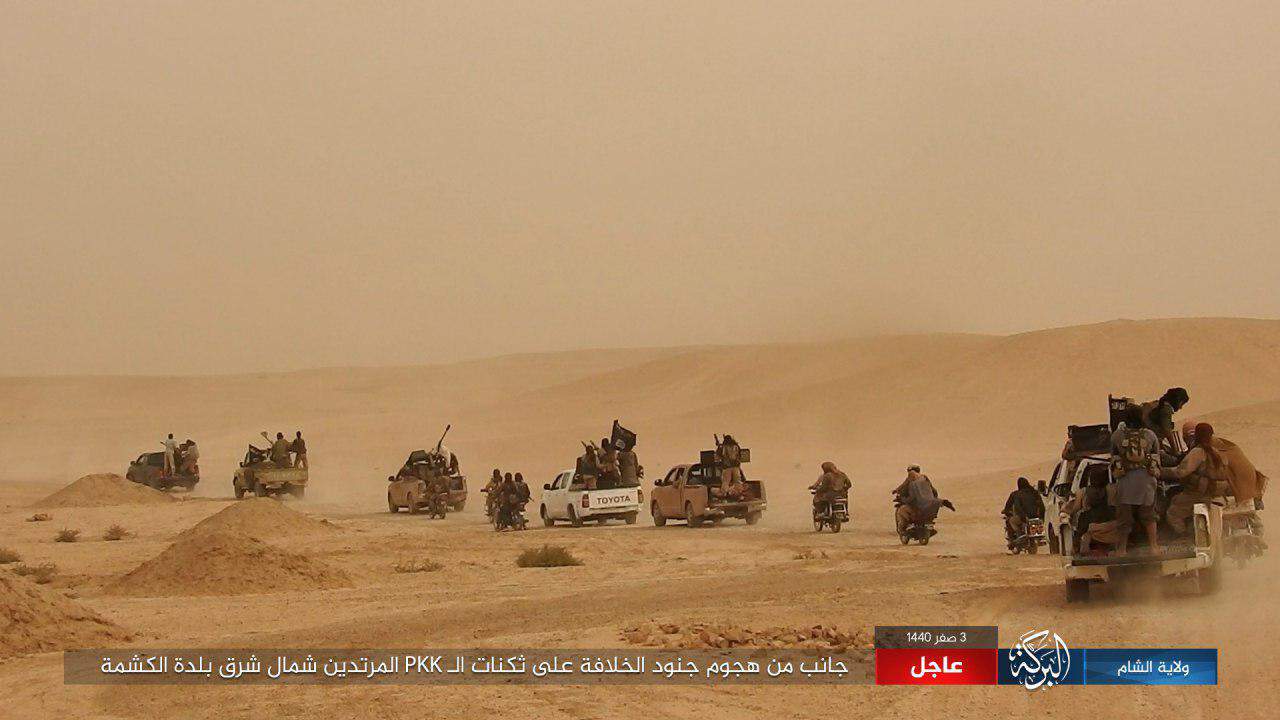
Since early September, the US has issued terrorist designations for Islamic State moneymen operating around the globe, from the Caribbean to East Africa. The designations highlight the diverse sources the so-called caliphate uses to fund its insurgency and terrorist operations.
-
Analysis: Tehran’s push to force US exit from Iraq
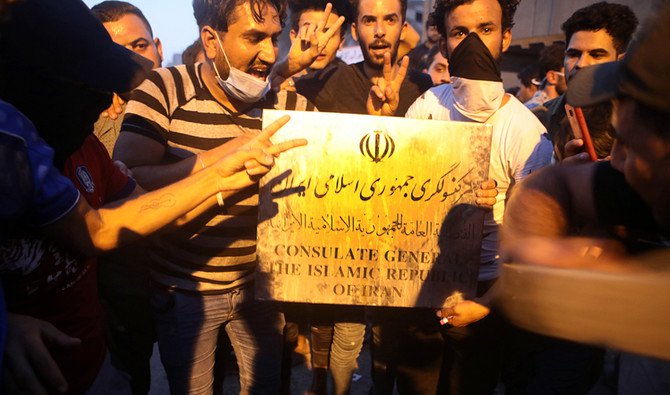
While Iranian-backed parties are moving to form a government in Baghdad that could force the US to exit the country, they face growing public anger over governance failures that threaten the viability of the system.
-
Analysis: Iranian Missile Strikes Against Kurdish Dissidents in Iraq
Iran’s willingness to resort to tactical SRBM launches against regional targets warrants a larger discussion about the country’s missile power and escalation dynamics. It also requires an accurate assessment of what occurred on the ground against Iranian Kurds in Iraq and in the media space on this issue since September 8.
-
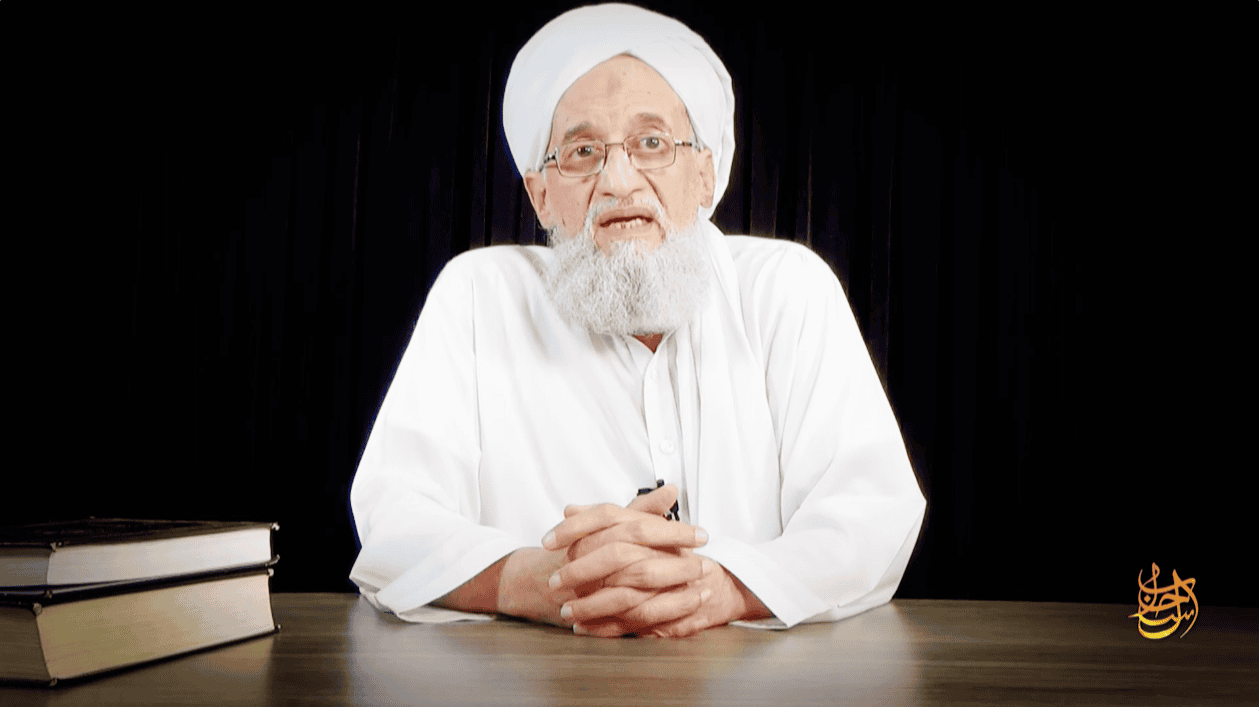
Al Qaeda is very much alive, and widely misunderstood
AL Qaeda’s operatives are fighting in more countries around the world today than was the case on 9/11. And its leaders still want to target the United States and its interest and allies. The war they started is far from over.
-
Iraqi militant Qayis Khazali warned us about Iran. We ignored him.
Iran has its tentacles all over Iraq, and the United States has no one to blame but itself. It is a bipartisan failure dating back to the March 2003 invasion. The seeds of this failure can be seen in the interrogation transcripts of Qayis Khazali, the leader of the Mahdi Army’s Special Groups and Asaib Ahl al Haq.
-
Newly released interrogation files demonstrate Iran’s long game in Iraq
A newly released interrogation report shows that Qayis al-Khazali identified Abu Mahdi al-Muhandis and Abu Mustafa al-Sheibani as the two individuals Iran trusted “the most with attempting to implement the Iranian agenda in Iraq.” The pair went from being marginal players shortly after the US-led invasion in 2003 to leading the Iranian-backed Popular Mobilization Forces, one of most powerful and influential military organizations in Iraq.
-
Islamic State leader downplays territorial losses in new audio message
The public seldom hears from the reclusive Abu Bakr al Baghdadi, who last released a speech nearly a year ago. But in his latest message, Baghdadi downplays the loss of his territorial caliphate while claiming the US has entered a new stage of “weakness.”
-
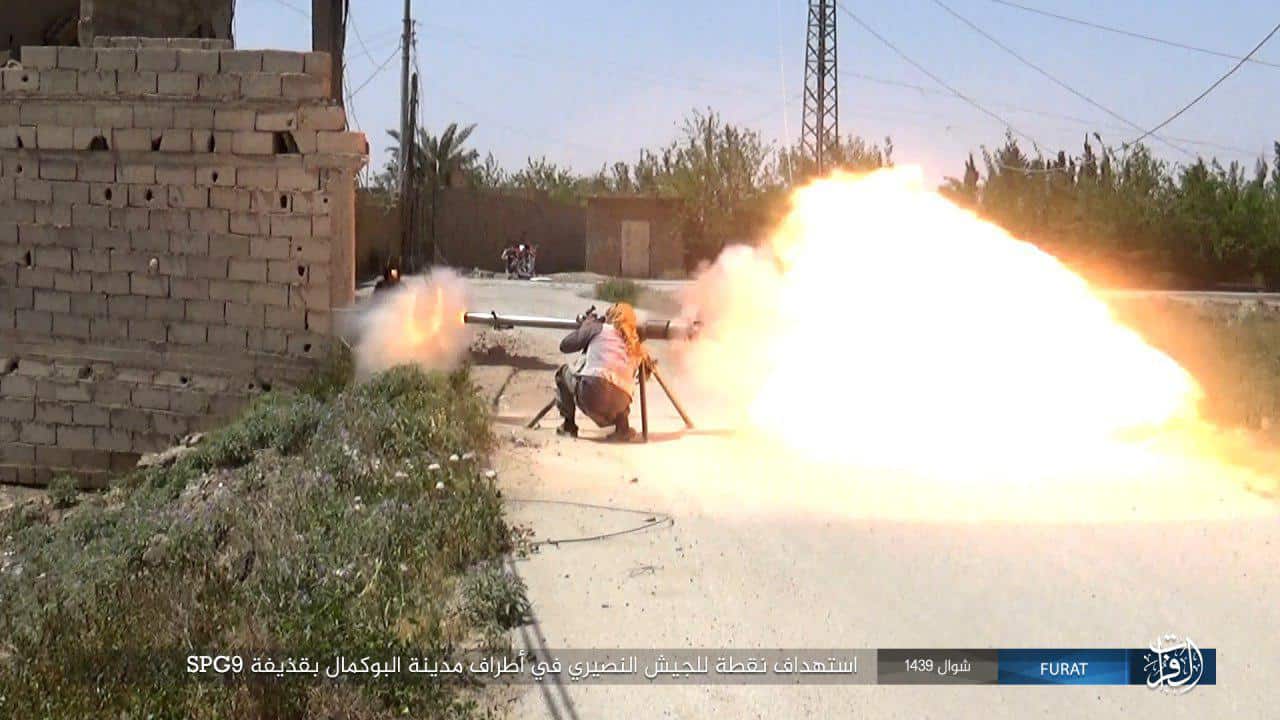
US has launched over 500 strikes against the Islamic State since May
The majority of coalition strikes over the past three months have been concentrated in Abu Kamal, a critical border crossing on the southern border between Iraq and Syria.
-
Iraqi Shia militia ‘willing to send fighters to Yemen’
The Secretary-General of Kata’ib Sayyid al Shuhada, an Iranian-backed Iraqi militia, said he is a “soldier” of Abdel Malek al Houthi, the leader of Yemen’s Houthi movement.