-
Iraqi militias largely rely on rhetoric in response to Israel-Iran conflict—for now
Iranian-backed militias in Iraq have refrained from attacking Israel directly since the start of the war between Israel and Iran on June 13. However, there have been two unclaimed attacks on US interests in Iraq since Operation Rising Lion began, and the Iraqi groups have ramped up anti-Israeli and anti-American rhetoric, threatening US interests and mobilizing supporters through propaganda channels.

-
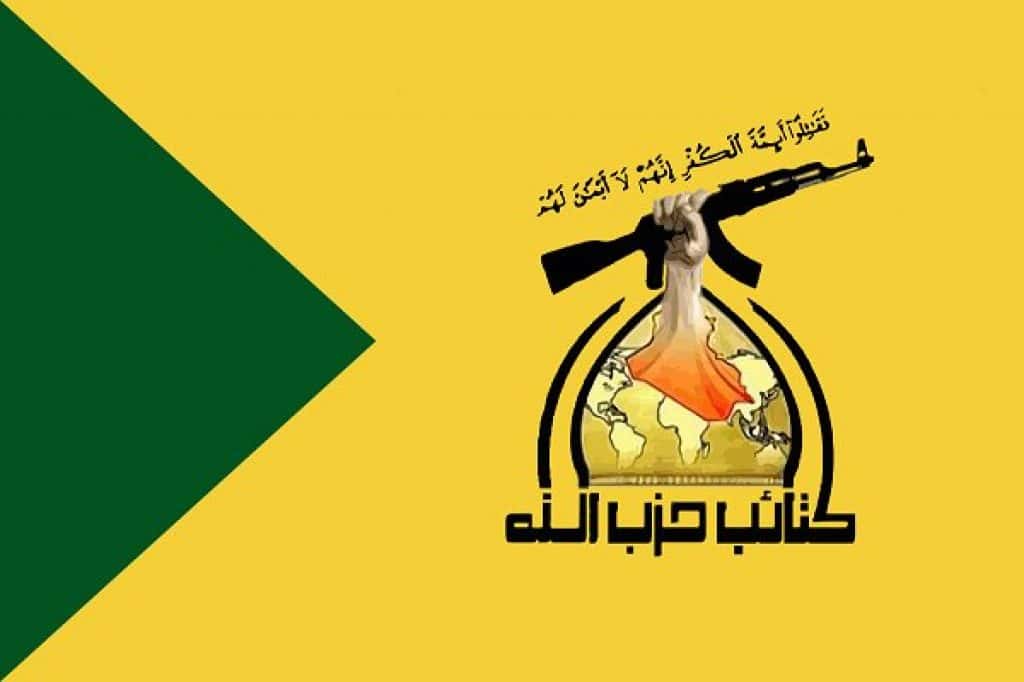
Iran-backed Shiite militias attack US forces based in Iraq
The Islamic Resistance of Iraq has carried out more than 180 such attacks against US forces in Iraq, Syria, and Jordan since October 7, 2023. The most recent attack risks drawing US forces into an offensive role in Israel’s war with Iran. Thus far, the US has attempted only to provide defensive support for Israel in the conflict.
-
Israel’s home front faces Iranian missile, drone attacks
Iran launched around 200 missiles and drones at Israel during the first day and a half of hostilities between the countries on June 13 and June 14. Around 10 Iranian ballistic missiles penetrated Israel’s air defenses and struck several areas in Tel Aviv and neighboring cities. Three Israelis were killed, and at least 63 were injured. Israel’s Home Front Command has responded to the Iranian attacks by sending numerous public alerts and deploying first responders and soldiers to the impact sites.

-
Iran announces more casualties, intensifies internal crackdown amid Israeli strikes
As Israel deepens its military campaign inside Iran, striking energy and defense infrastructure, Tehran has confirmed new casualties among high-level officials and cracked down on online dissent. The regime has threatened escalation across the region, while Israel has signaled solidarity with the Iranian people and claimed air superiority over Tehran.

-
US adds Iran-backed Iraqi militia Kataib Imam Ali to list of terror organizations
Kataib Imam Ali is the sixth Iran-backed Shiite militia in Iraq that has been listed by the US as a terrorist organization. The group’s secretary general was previously designated for his ties to Iran’s Islamic Revolutionary Guards Corps–Qods Force and its former commander, Qassem Soleimani.

-
Israel targets Iran’s nuclear sites and senior military figures
Israel launched a sweeping campaign targeting Iran’s nuclear sites, missile infrastructure, and senior military leaders, with strikes reported at Natanz, Fordow, and across Tehran. Mossad-led covert operations neutralized key assets and personnel, while Iran vowed retaliation and also blamed the US for the assault.

-
Iran’s armed forces escalate threats as Khamenei rejects latest US proposal
Amid deadlocked nuclear talks, Iran’s military leadership issued new threats on June 4, vowing to confront the US and Israel with force. Supreme Leader Ali Khamenei and senior officials rejected Washington’s latest proposal as unacceptable, while Tehran repositioned air defenses around nuclear sites and warned of retaliation if Israel strikes unilaterally.

-
Yemeni president meets with Russian president despite Russia’s ongoing relationship with the Houthis
Yemeni President Rashad al Alimi and Russian President Vladimir Putin held the first presidential-level meeting between the two countries in recent years. The heads of state discussed bilateral relationships and regional security, but the visit was clouded by Russia’s ongoing friendliness with the Houthis.

-
Iran named by Finland as foreign intelligence threat
Finland officially named Iran as a state actively conducting espionage operations within its borders, a designation previously reserved only for Russia and China. The regime in Tehran has accelerated terror plots and intelligence operations across the US, Europe, and Israel.

-
Analysis: Iran braces for potential conflict as 5th round of US negotiations ends inconclusively
Amid a stalled fifth round of negotiations in Rome, Iran has grown increasingly pessimistic about the prospects of reaching a deal with the United States. Tehran has responded to reported Israeli strike preparations with warnings of retaliation and appeals to the United Nations. Clashes with Israel in 2024 have left Iran militarily exposed, prompting Tehran to fear further escalation.

-
Iran’s Quds Force commander travels to Iraq ahead of Arab summit
Esmail Qaani, the head of Iran’s Islamic Revolutionary Guard Corps-Quds Force, arrived in Iraq on May 14 and met with Iraqi National Security Advisor Qasim al Araji. Qaani discussed a security agreement in which Iraq has vowed to crack down on Iranian dissident groups within Iraq. In addition, Iraq’s prime minister and foreign minister said weapons in Iraq should be in the hands of the state.

-
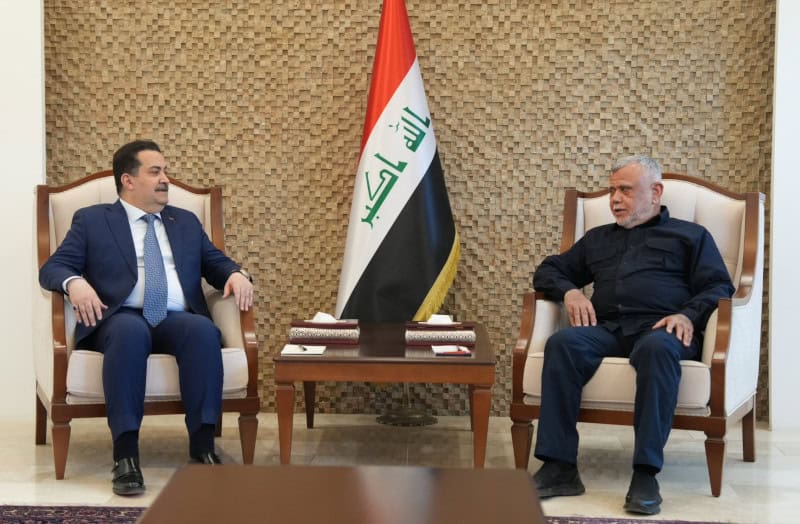
Major Shiite parties to run separately in Iraq’s November election amid disagreements
The Coordination Framework, Iraq’s ruling bloc of Shiite political parties, has announced that its members will run on separate lists in Iraq’s November 2025 election and reform the alliance following the vote. Elements of the bloc have disagreed strongly over key issues since the current government’s formation in 2022.
-
Syria detains two members of Palestinian Islamic Jihad
Security forces of the new Syrian transitional government in Damascus detained two Palestinian Islamic Jihad (PIJ) members, according to various media reports. The two arrested PIJ members are Khaled Khaled, who is in charge of the group’s operations in Syria, and Yasser al Zafari, who is described as heading PIJ’s organizational committee. Saraya al Quds, the military wing of PIJ, called for the men to be released.

-
Iran displays missiles and drones at Baghdad military expo
An Iranian delegation led by the regime’s Ministry of Defense and Armed Forces Logistics attended the 13th International Defense Exhibition (IQDEX) in Baghdad on April 20, showcasing Iran’s latest drones, missiles, and anti-air defense systems. The attendance reflects a pattern of Iran positioning itself as a regional arms exporter and military patron.

-
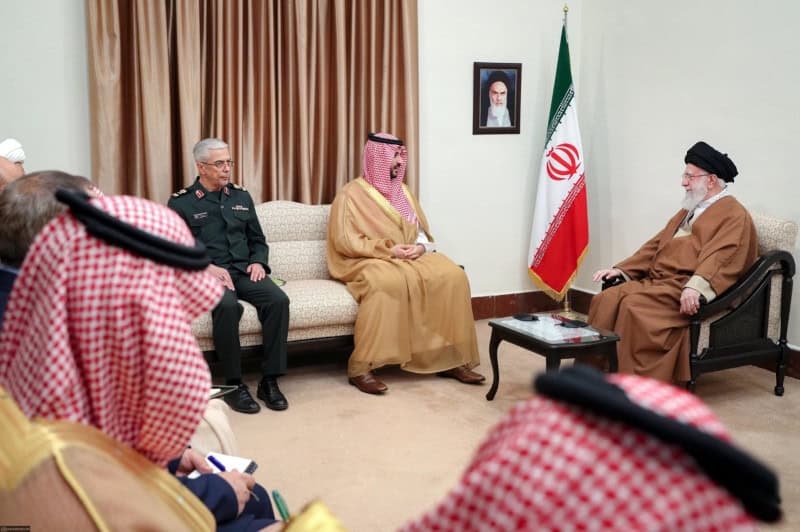
Analysis: A decade of Saudi-Iranian relations: from rivalry to re-engagement
From 2015 to 2025, Tehran-Riyadh ties shifted from confrontation to cautious engagement. Prince Khalid bin Salman’s visit to Tehran marks a historic step in de-escalation amid rising regional tensions. Riyadh appears intent on avoiding entanglement in a broader conflict between Iran and the West.
-
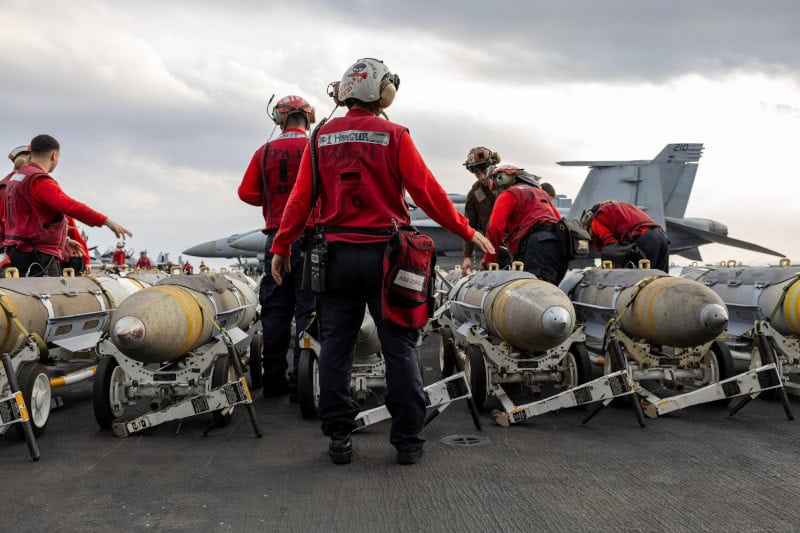
US targets Houthi military and political leaders in latest campaign
Numerous reports have alleged the deaths of Houthi fighters of various military ranks since the Trump administration ramped up military operations in Yemen. However, while some of these claims appear credible, others require further verification.
-
Iranian and Armenian militaries drill as Azerbaijan hosts Israel-Turkey talks
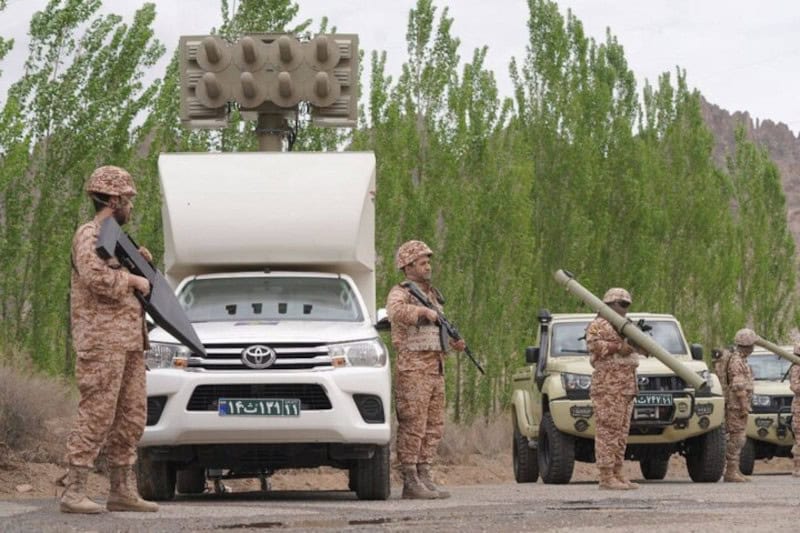
Iranian and Armenian special forces conduct their first joint military exercise near the two countries’ shared border, while Azerbaijan mediated talks between Israel and Turkey over Syria.
-
Iran reportedly smuggling weapons to Hezbollah via Beirut port
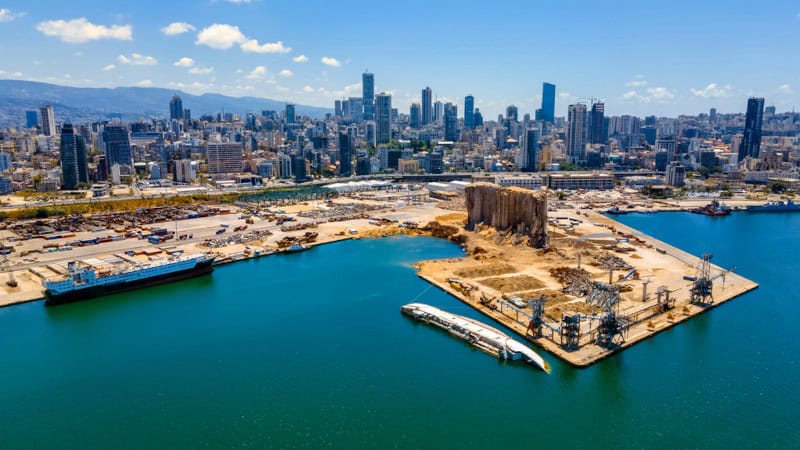
A “Western security source” told Al Arabiya that Hezbollah is using the Port of Beirut to smuggle weapons into Lebanon from Iran. In early March, Israel assassinated a Hezbollah commander in charge of maritime weapons smuggling, saying his activities had continued after the November 27 Lebanon-Israel ceasefire.
-
Iran braces for possible US attack amid proxy setbacks
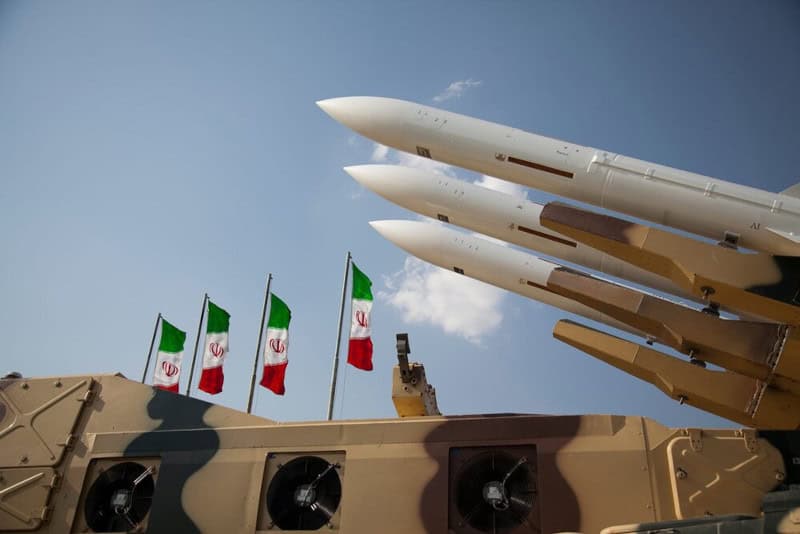
Amid mounting proxy losses and a major US military buildup across the Middle East, Iran has placed its armed forces on high alert and warned neighboring states against facilitating a potential American strike. Tehran is suffering setbacks in Iraq and Yemen while ramping up deterrence through inflammatory propaganda.
-
Iranian personnel leave Yemen as US strikes intensify
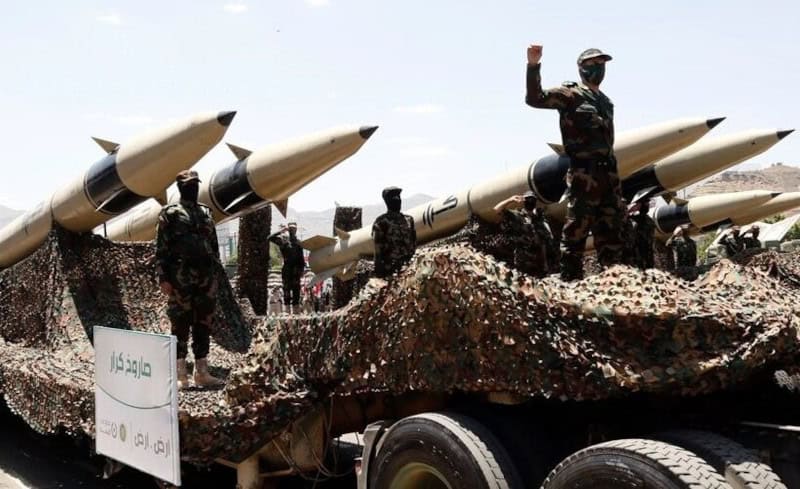
Iran has reportedly ordered its military personnel to leave Yemen amidst the growing US bombing campaign. The move reflects a broader pattern of the Islamic Republic recalibrating its regional strategy in response to the Trump administration’s moves to curtail Tehran’s influence in the Middle East and threats to potentially strike Iran’s nuclear sites.
-
Pro-Iran militias parade for ‘Quds Day’ in Iraq
Pro-Iranian militias from Iraq’s Popular Mobilization Units (PMU) took part in Quds Day events in Iraq. The events on March 28, part of an annual worldwide campaign backed by Iran to encourage protests against Israel, appeared to have a relatively low turnout and happened amid continuing controversy in Baghdad over parliamentary attempts to rein in or streamline the PMU.

-
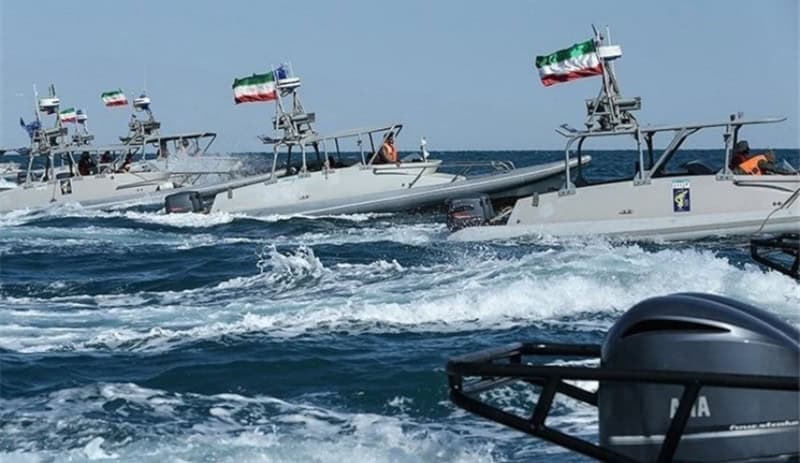
Iran strengthens its military in the Persian Gulf
Amid rising tensions with the US, the Islamic Revolutionary Guard Corps has increased its military presence in the Persian Gulf. Over recent months, Iran has intensified exercises on islands located along a vital maritime corridor for global energy transit. Over one-fifth of the world’s oil passes through the Persian Gulf, making it a key geopolitical hotspot.
-
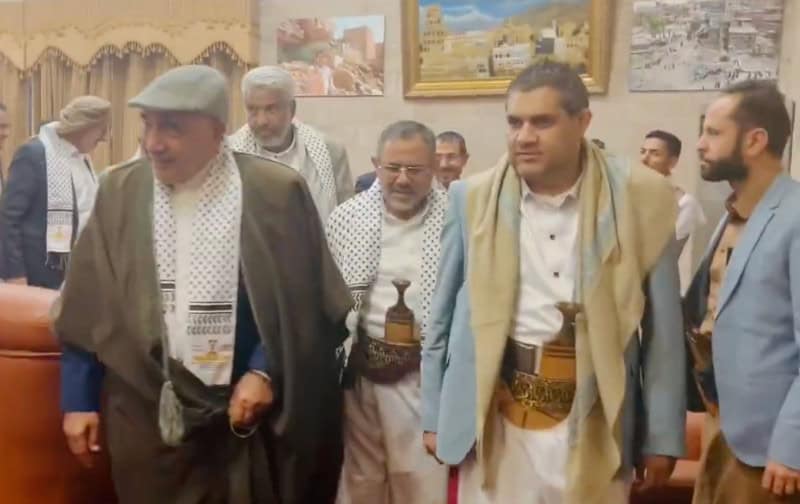
Iraq’s former PM visits Houthis amid US strikes and Houthi attacks on ships, Israel
Former Iraqi Prime Minister Adil Abdul-Mahdi traveled to Houthi-controlled Sanaa in Yemen on March 20, according to reports in Iranian and Yemeni media. His visit occurred as the US continued its campaign of airstrikes against the Iranian-backed Houthis. Sources Abdul-Mahdi was in Yemen to attend a conference in support of Palestinians, but other reports speculated that his visit may be linked to the US conflict with the Houthis and Iran’s historic backing of the group.
-
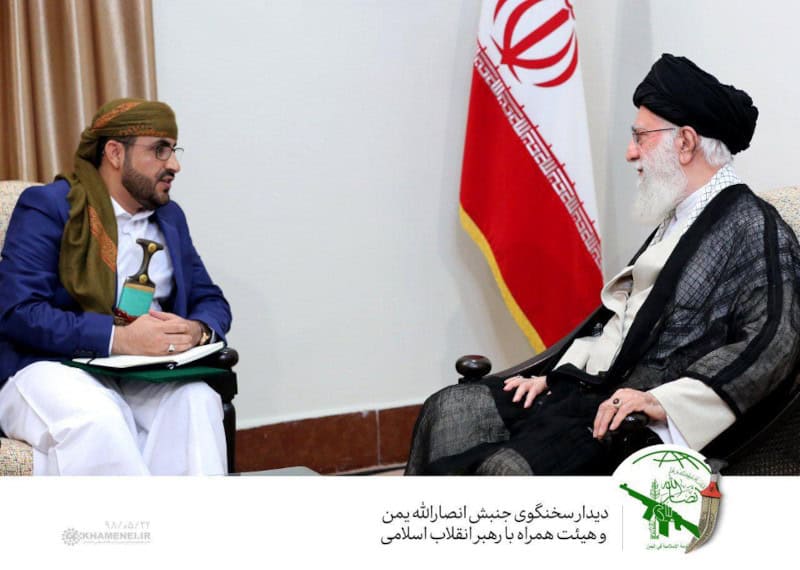
Iran reportedly urges the Houthis to de-escalate ‘tensions’
Iran reportedly urged the Houthis to de-escalate tensions in the Red Sea following President Donald Trump’s warning the US will hold Tehran accountable for its proxy’s destabilizing activities. Iranian calls for de-escalation, along with previous communications with other regional proxies, may signal a shift in the Islamic Republic’s proxy strategy.
-
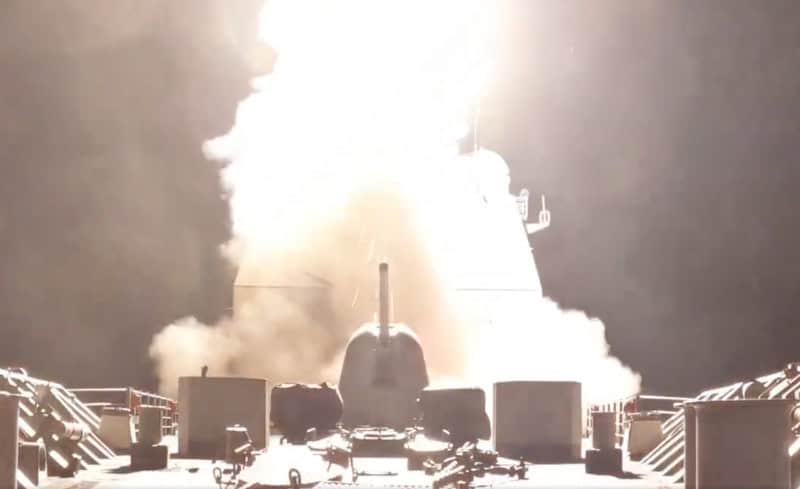
US continues operations against the Houthis
The US has continued striking the Houthis in Yemen, hitting targets across territory controlled by the group, including military sites, infrastructure, and personnel. The Houthis have unsuccessfully attempted to target US naval assets in response.
-
Iran’s ties to Western organized crime networks
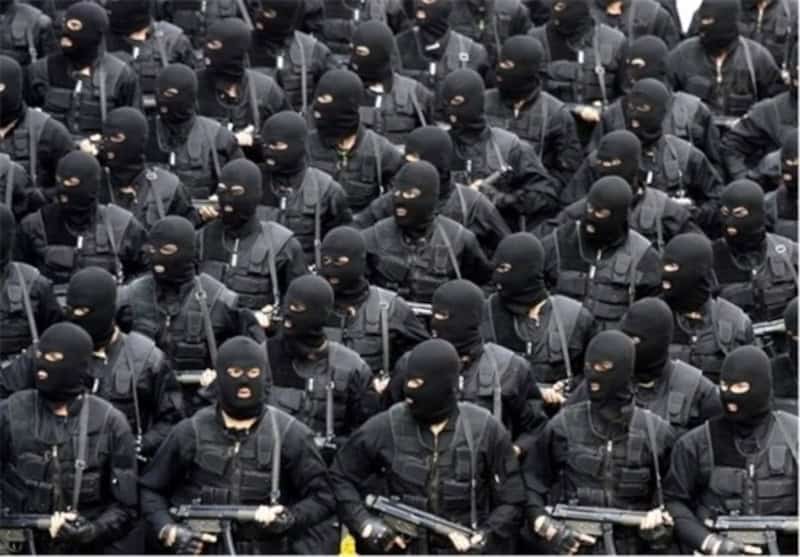
Tehran’s ambitions extend beyond backing Shia and Sunni Islamist groups in the Middle East. On March 13, the US Treasury Department sanctioned Sweden’s Foxtrot gang for its ties to the Iranian regime, underscoring Tehran’s longstanding practice of cultivating criminal networks across Europe and the Americas to assassinate dissidents and target American, European, and Israeli interests.
-
US military launches large-scale operation against Houthis in Yemen
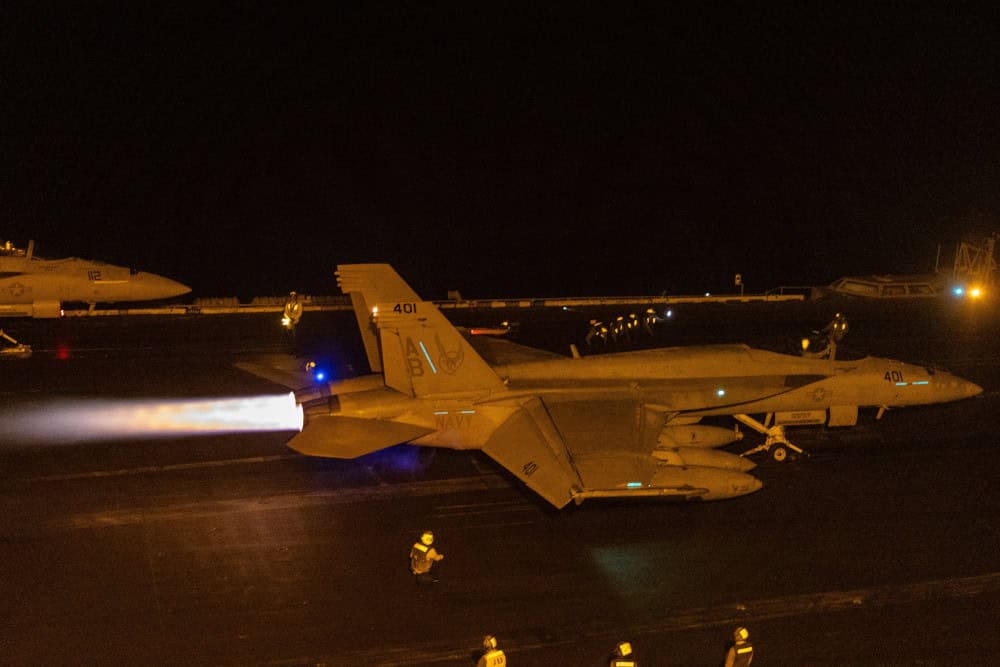
The strikes against the Houthis, who have targeted international shipping in the Red Sea and Gulf of Aden, are the first military actions taken against the Iranian-backed militia by the Trump administration since it took office. The US re-added the Iranian-backed militia to its list of Foreign Terrorist Organizations 10 days ago.
-
Iran cracks down on armed nationalist group
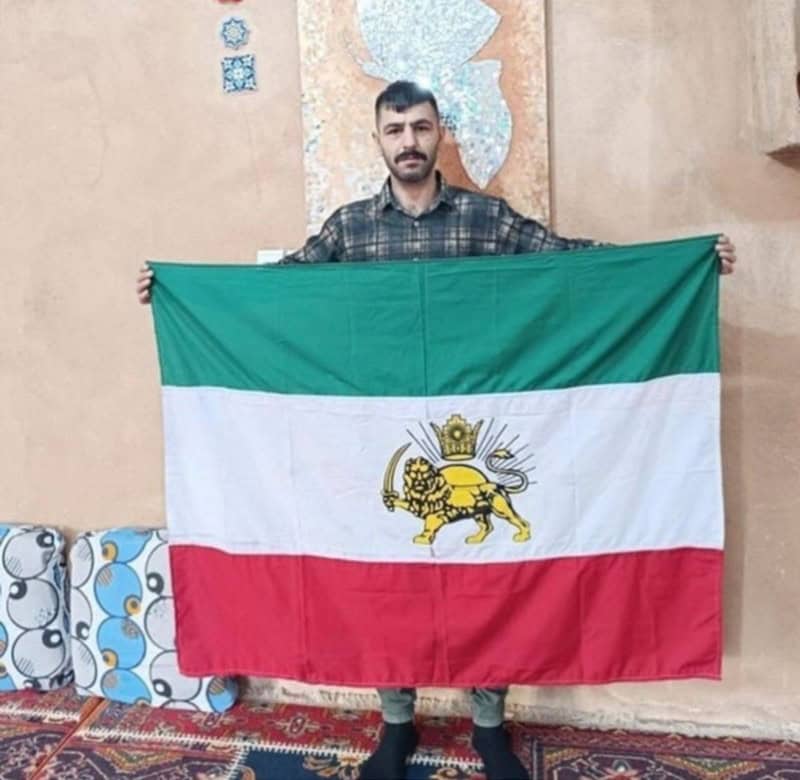
In a rare escalation, a group of armed men with nationalistic aspirations clashed with regime security forces in the southwestern city of Izeh. Livestreamed footage captures the final moments of four surrounded men, one of whom takes his own life rather than face arrest.
-
Analysis: Iran’s loss is Turkey’s gain
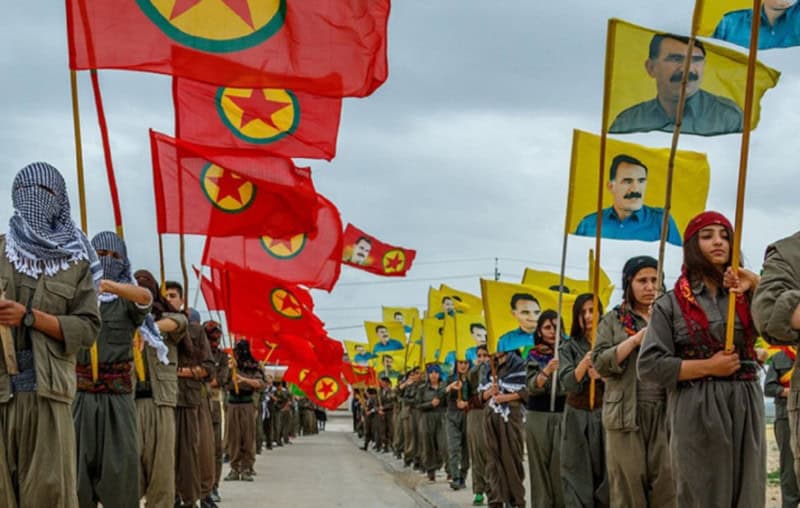
Tehran’s recent setbacks have paved the way for Ankara’s ascent. The Ankara-backed Azerbaijan’s triumph over Tehran-backed Armenia, Turkish-supported militias outmaneuvering Iran’s influence in Syria, and now, the unraveling of the Iran-backed PKK further tilts the balance in Turkey’s favor.
-
Lebanon seizes funds bound for Hezbollah at Beirut airport
Lebanon seized $2.5 million in cash destined for Hezbollah carried by a man arriving from Turkey. This development follows Israeli accusations that Turkey is being used as a conduit for Iranian funds to reach Hezbollah and may be facilitating the transfers.