-
Syria opens new parliament, hosts Turkish Navy
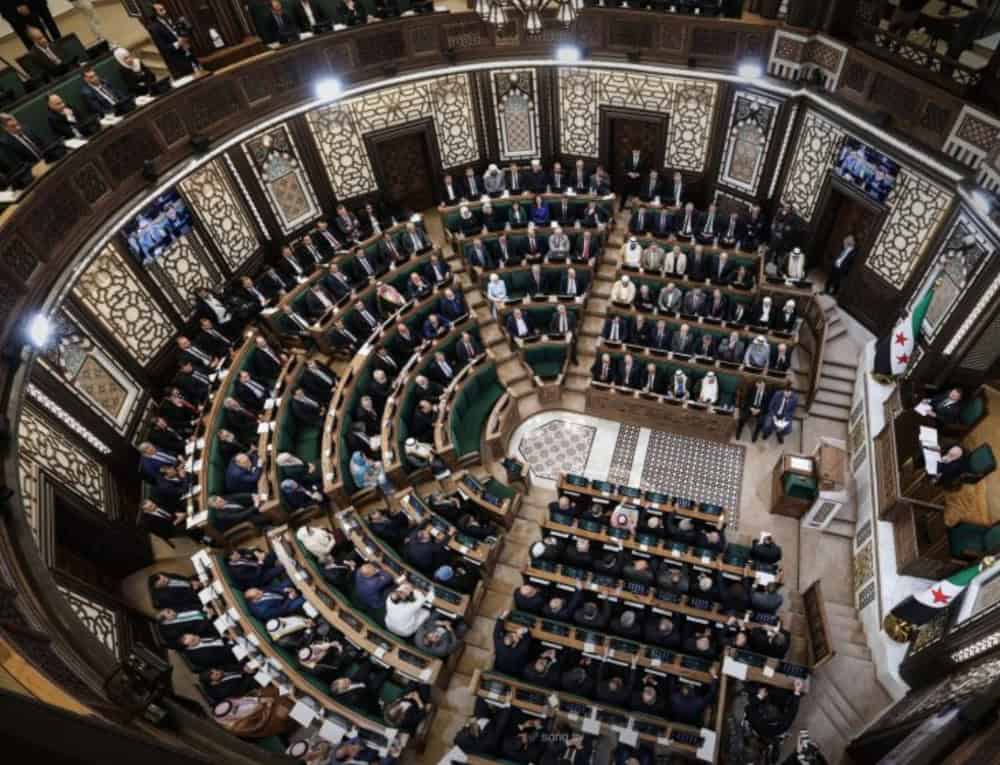
Syria has convened its first parliament since the fall of the Assad regime, marking another milestone in the country’s political transition under President Ahmad al Sharaa. The assembly’s opening comes as Syria expands diplomatic engagement and attempts to strengthen regional and international ties.
-
US moves to rescind Syria’s designation as a State Sponsor of Terrorism
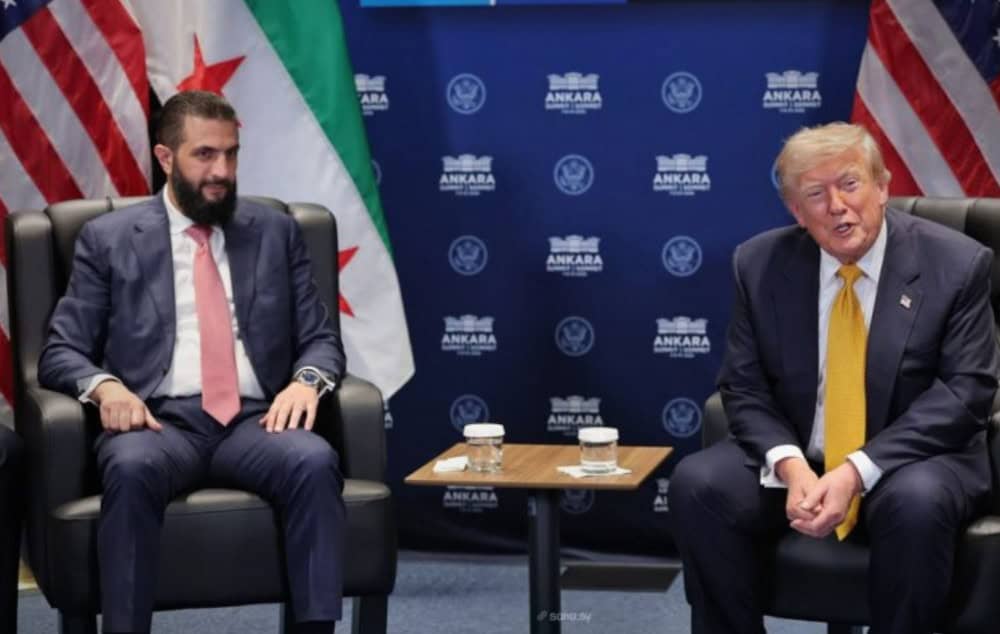
The Trump administration initiated a rescission of Syria’s designation as a State Sponsor of Terrorism on July 8. The decision follows President Donald Trump’s meeting with Syrian President Ahmad al Sharaa at the NATO summit in Ankara and comes amid broader US and European efforts to reintegrate Syria into the international community.
-
US kills Islamic State senior leader in Syria, Damascus rejects Lebanon intervention
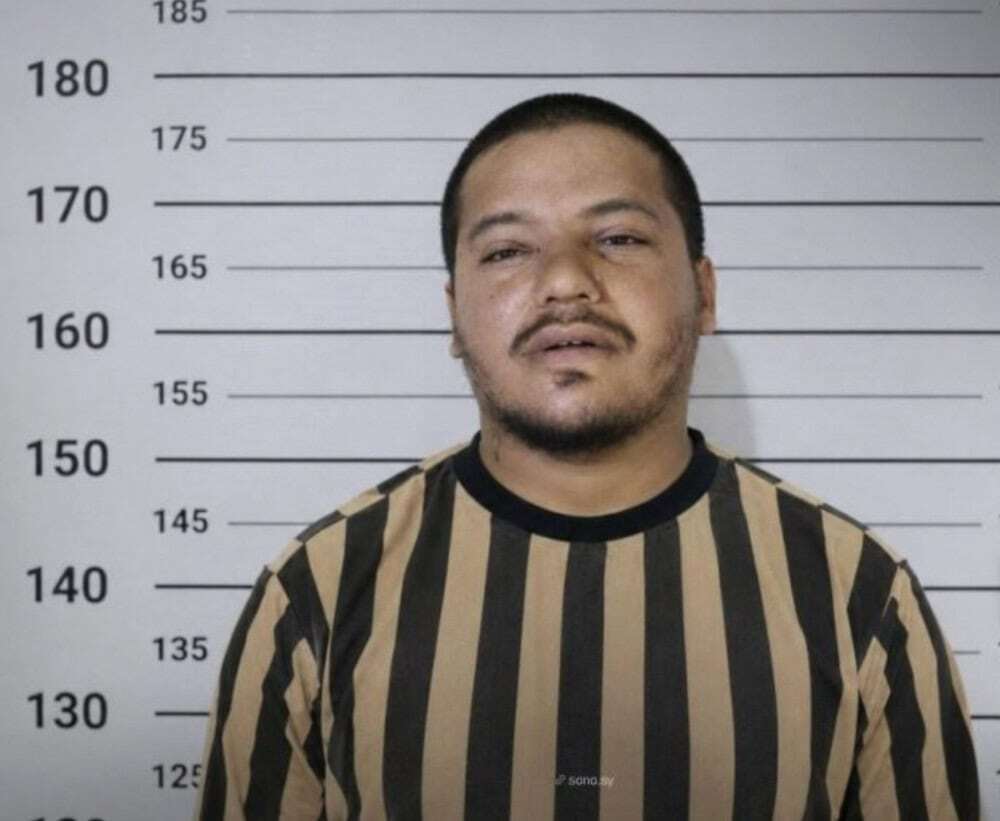
A recent precision strike against a senior Islamic State leader underscored Washington’s continued counterterrorism mission in Syria. Separately, US President Donald Trump urged Syria’s new government to consider intervening against Hezbollah in neighboring Lebanon, but Syrian President Ahmed al Sharaa stated his country will not send forces, preferring diplomacy over military action.
-
US Syria Envoy Barrack tapped for Syria and Iraq role
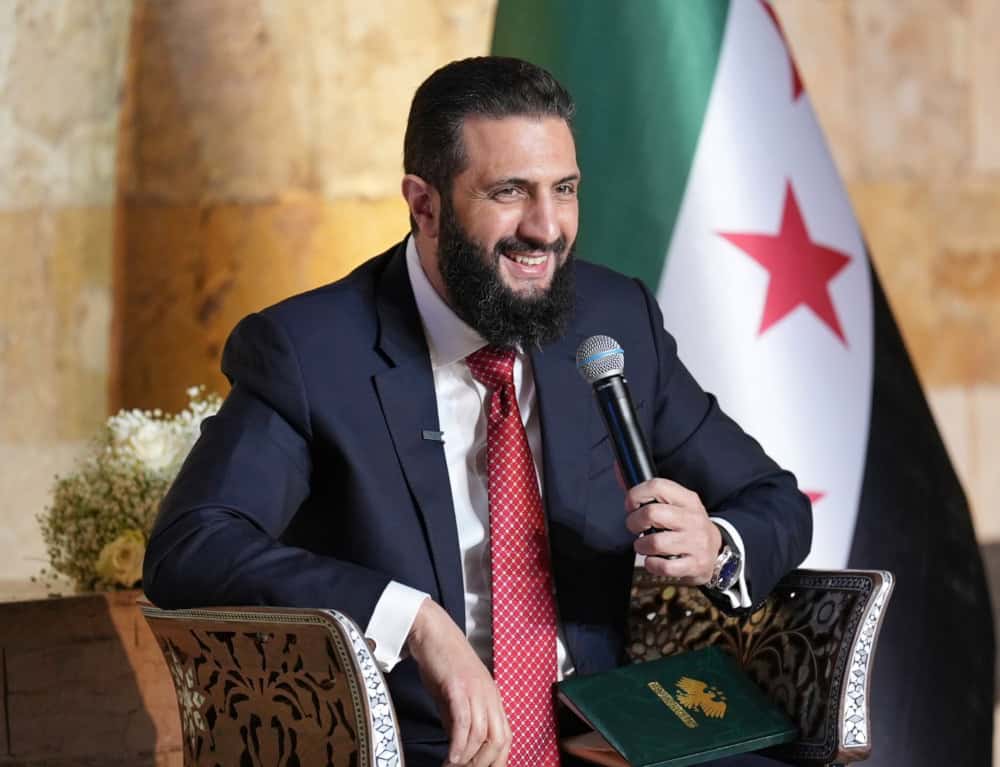
Syria is seeking to deepen ties with the US and expand regional diplomacy as the countries pursue discussions on reconstruction, sanctions relief, and economic recovery. Simultaneously, Syria faces ongoing regional shifts, including emerging trade routes, increased use of Syrian airspace, and broader tensions affecting reconstruction and political integration.
-
Syria thwarts Hezbollah plot, vows at UN to fight terrorist groups
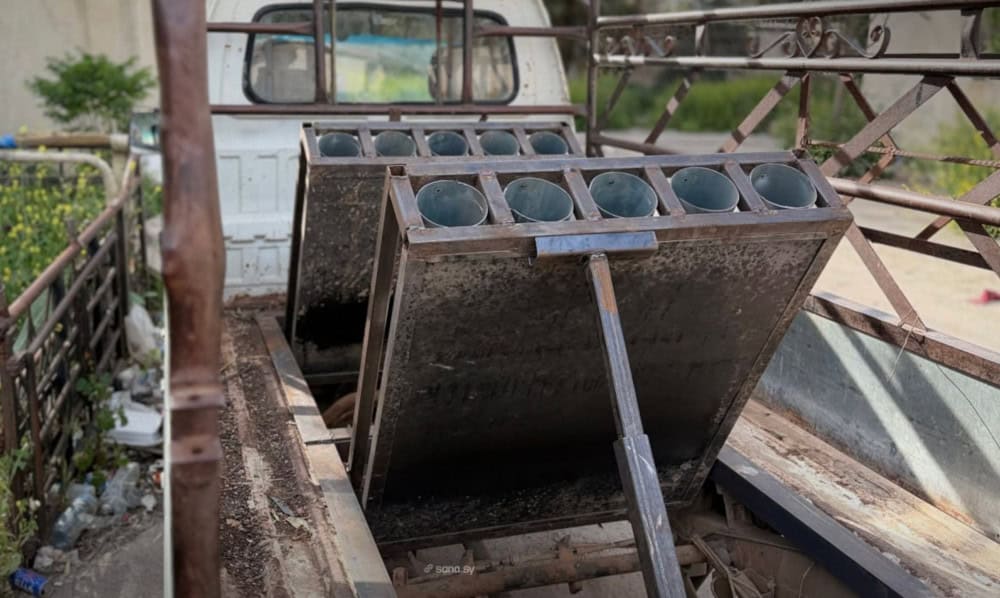
Syria says it disrupted a Hezbollah-linked plot and uncovered rockets near the Quneitra area of the Golan Heights. Officials also reported arrests tied to another terrorist cell, plus the seizure of 500,000 Captagon pills in a joint anti-smuggling operation with Iraq. At the United Nations, Syria pledged to continue counterterrorism operations, while criticizing Israeli actions in southern Syria.
-
Syrian president meets Syrian Democratic Forces leader to discuss next phase of integration
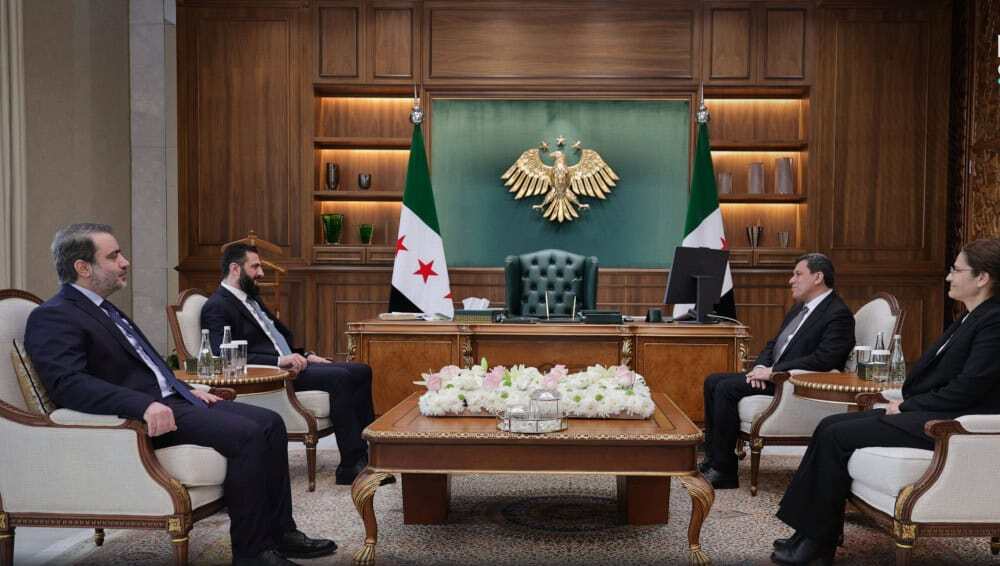
On April 16, Syrian President Ahmad al Sharaa met with Syrian Democratic Forces (SDF) commander Mazloum Abdi in Damascus to discuss advancing the integration of the SDF into state institutions, following a January agreement. The talks come amid shifting control in eastern Syria, including government moves to secure key bases and border crossings after a US withdrawal.
-
Generation Jihad | Big Yikes in Syria, Part XXXVII
In Part 37 of Big Yikes in Syria, Bill Roggio and Ahmad Sharawi unpack yet another round of bad alliances and strategic failure in the war-torn country.
-
Fighting intensifies between Damascus and Syrian Democratic Forces as diplomatic talks resume
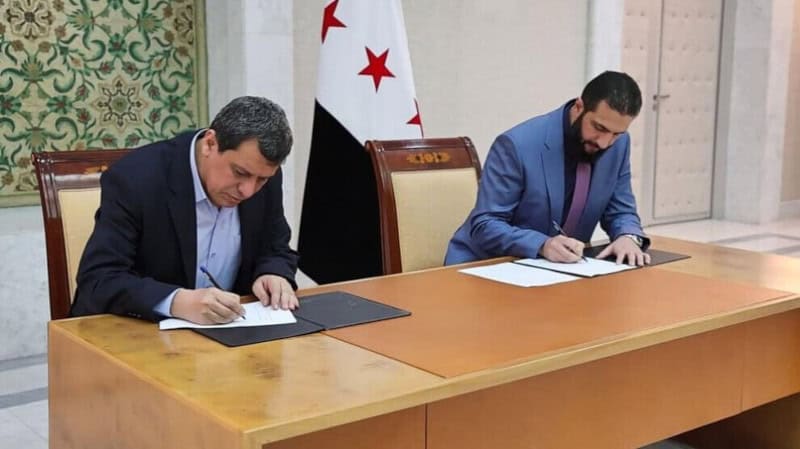
Battles between Syrian government forces and the Kurdish-led Syrian Democratic Forces (SDF) have continued to intensify despite a US-mediated ceasefire agreement. The latest clashes have involved drone strikes, rocket and artillery fire, and suicide bombings.
-
Russian troops begin evacuating from northern Syria
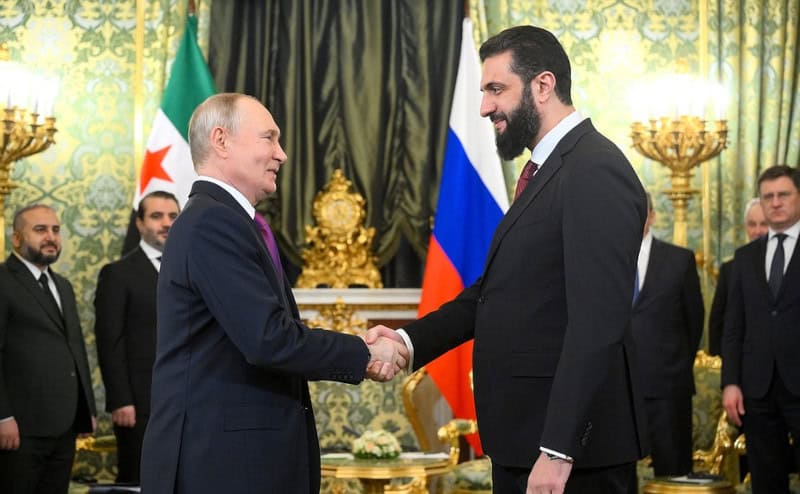
Russia evacuated troops from the northeastern Syrian city of Qamishli ahead of interim Syrian President Ahmed al Sharaa’s second visit to Moscow. Whether Russia will retain access to two key military facilities in western Syria was a part of the discussion between the two leaders.
-
US launches widespread airstrikes against Islamic State in Syria after deadly Palmyra attack
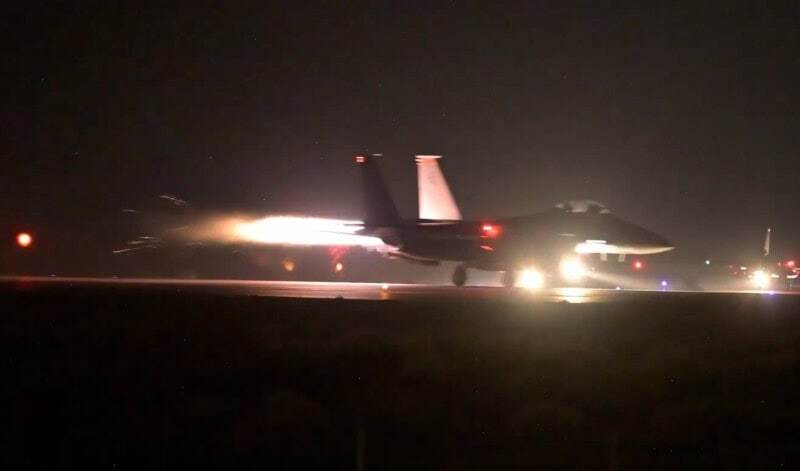
On December 19, US Central Command announced that US forces conducted “a large-scale strike against ISIS infrastructure and weapons sites in Syria.” Al Arabiya reported that the United States hit “70 ISIS targets in sites in central Syria.”
-
Palestinian Islamic Jihad reportedly rebuilding its presence in Syria
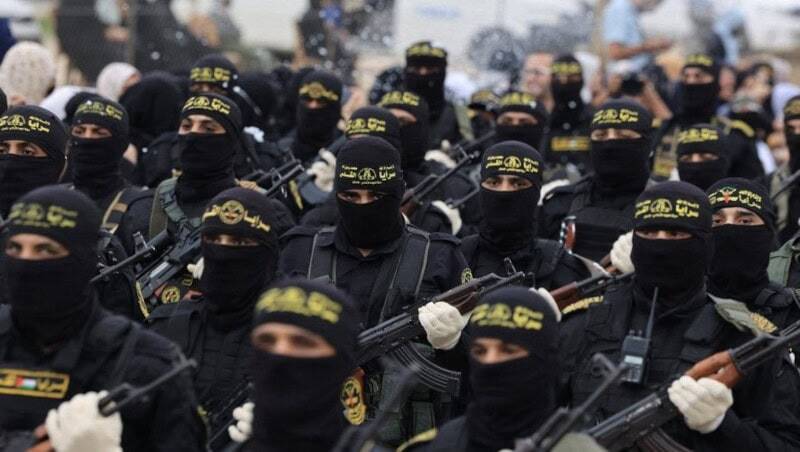
Israel’s public broadcaster KAN reported on November 26 that Palestinian Islamic Jihad has been “increasingly strengthening its military wing in Syria in recent weeks,” particularly around Palestinian refugee camps in Damascus.
-
United States reportedly eyes military foothold in Damascus, Syrian official denies the claim
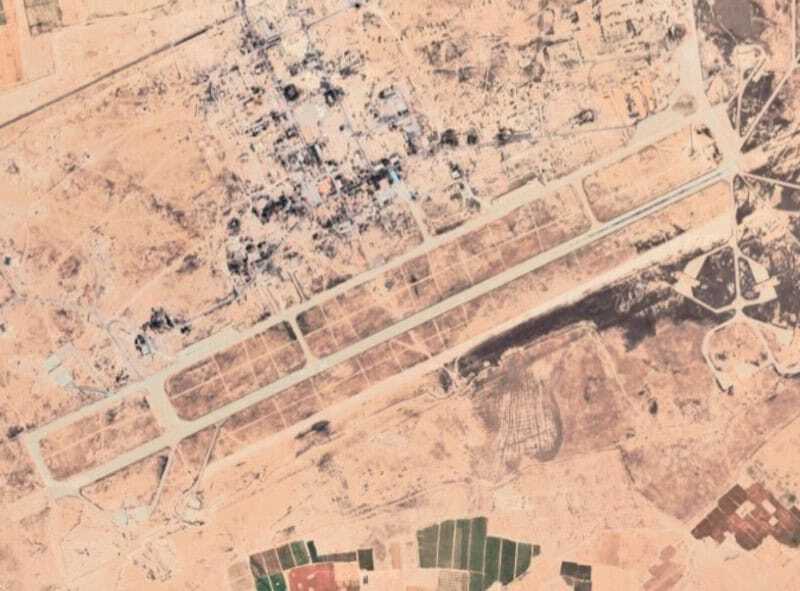
A Reuters report claims that the United States will establish a military presence at an airbase in Damascus, Syria, “to help enable” a security agreement between Syria and Israel.
-
SDF moves forward with integration into new Syrian security forces
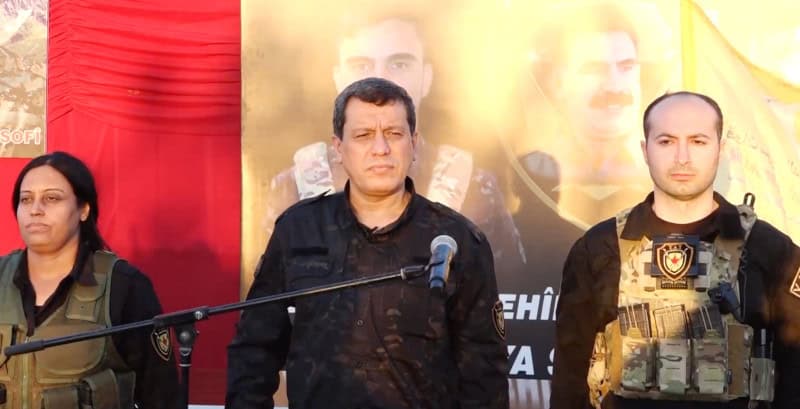
The US-backed Syrian Democratic Forces (SDF) are moving forward on integration with the security forces of the Syrian transitional government. SDF leader Mazloum Abdi has given several interviews saying that a preliminary agreement has been made with Damascus.
-
After sectarian clashes in Aleppo, US, SDF, and Syrian government officials meet in Damascus
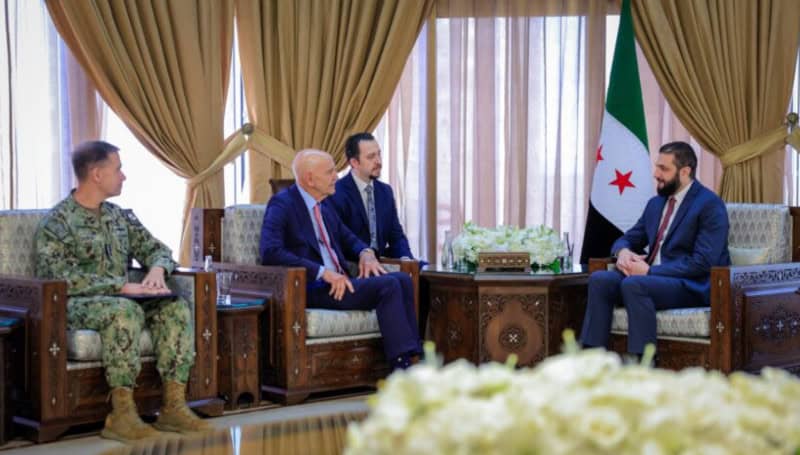
Syrian President Ahmed al Sharaa met with US Envoy Tom Barrack and the head of US Central Command, Admiral Brad Cooper, in Damascus on October 7. The meeting came in the wake of clashes between factions backed by the Syrian transitional government and Kurdish fighters in two neighborhoods in Aleppo. The head of the Syrian Democratic Forces, Mazlum Abdi, also met with Syria’s defense minister and agreed to a ceasefire between the SDF and government forces. Barrack, Cooper, and Abdi separately met in eastern Syria on October 6 to discuss integration between Syria’s east and Damascus, plus continued operations against…
-
Generation Jihad | Shilling for Sharaa
Ahmad Sharawi is back with Bill Roggio to discuss the ongoing spectacle of Syrian interim President and former Al Qaeda member Ahmed al Sharaa, from massacres whitewashed and sanctions lifted with no conditions to foreign fighters handed Syrian citizenship — in its rush to embrace him, is the West willfully ignoring Sharaa’s blood-soaked past?
-
Generation Jihad | SATC: Sharaa and the City
Syrian President Ahmed al Sharaa is in New York City this week, headlining the UN General Assembly (UNGA), fraternizing with world leaders, and meeting with senior Trump administration officials like Secretary of State Marco Rubio. He was even hosted by a prominent think tank for a fireside chat with General David Petraeus, a self-described “fan.” Why is everyone so eager to embrace someone with a record of terror? Tom Joscelyn is back with Bill Roggio to unpack Washington’s stunning, but not surprising, amnesia.
-
Israel and Syria close to a security agreement
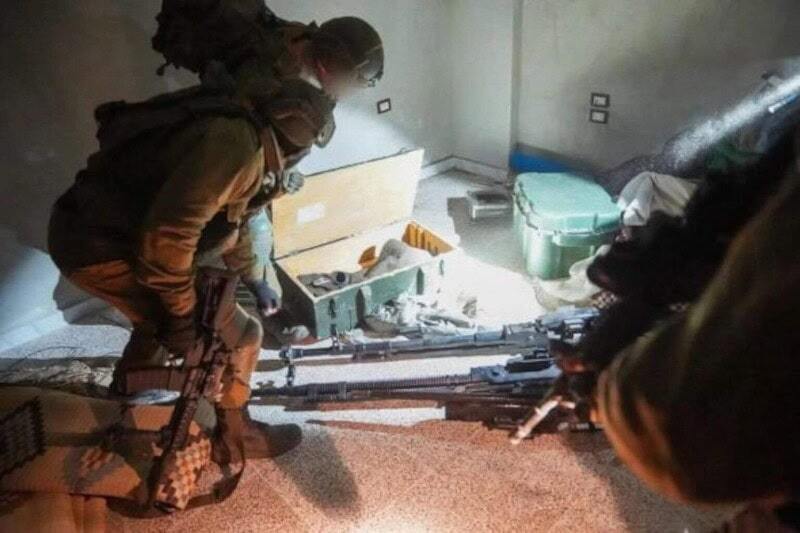
On September 23, US Special Envoy for Syria Thomas Barrack claimed that Syria and Israel “are close to striking a ‘de-escalation’ agreement in which Israel will stop its attacks while Syria will agree not to move any machinery or heavy equipment near the Israeli border.”
-
Trump announces sanctions relief for Syria
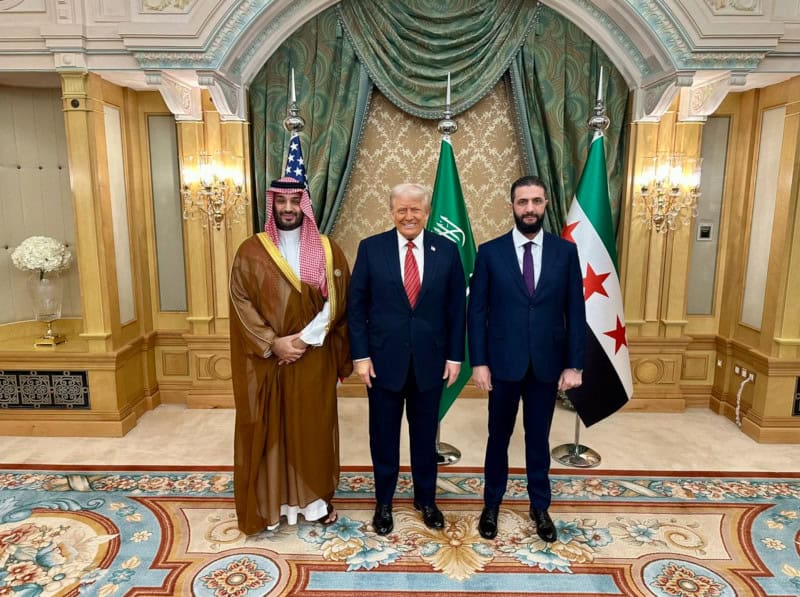
On June 30, US President Donald Trump announced the revocation of numerous sanctions on Syria, as he had promised Syrian President Ahmad al Sharaa to do in their May meeting that took place in Riyadh.
-
Delegation from eastern Syria meets with government in Damascus
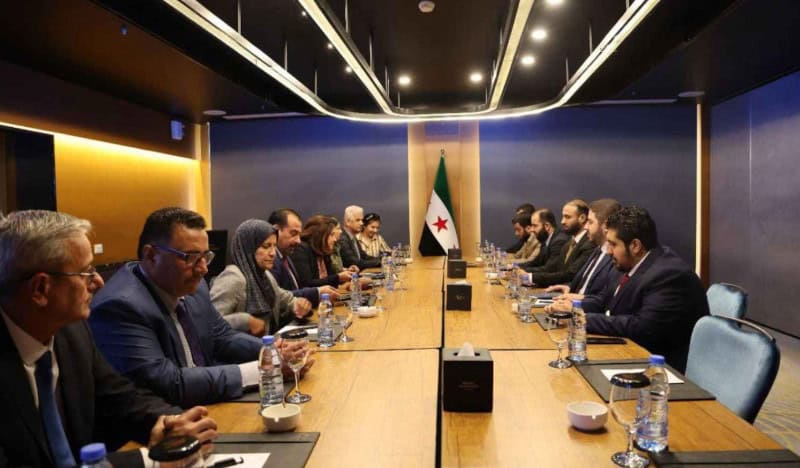
The Autonomous Administration of North and East Syria (AANES) sent a delegation to Damascus for the first round of talks aimed at the full integration of military and civilian institutions of the autonomous eastern Syria region into the state’s new institutions. The development comes as US forces are slowly withdrawing from the country.
-
Syria’s captagon industry continues to flourish despite new regime crackdowns
After toppling Bashar al Assad in December, Syria’s new leaders pledged to crack down on the captagon trade, which had generated billions of dollars for the Assad regime. However, subsequent efforts have failed to significantly curb the production and trafficking of the illicit stimulant.

-
Syrian military integrates Al Qaeda-linked terror group into its ranks
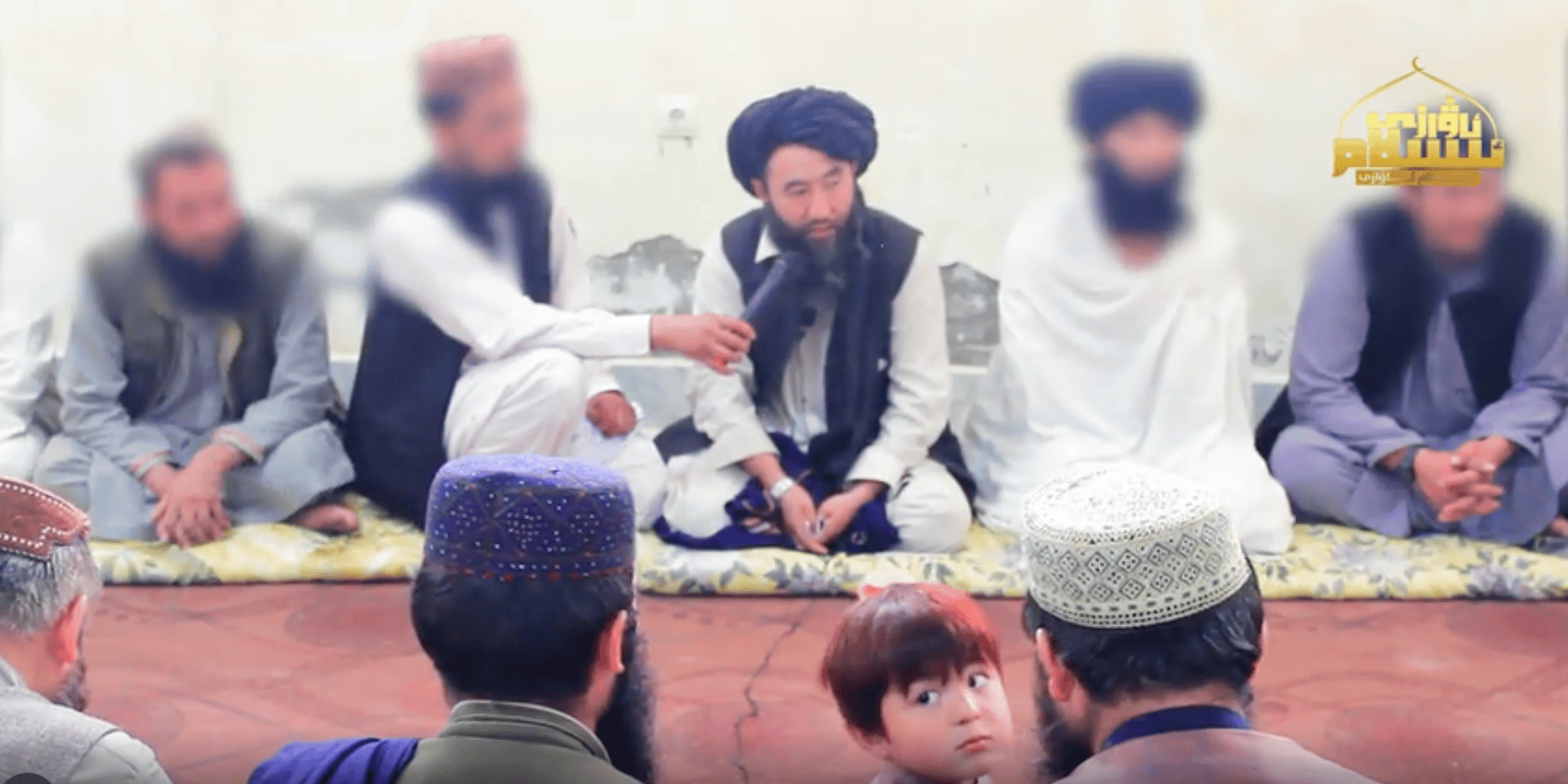
The Turkistan Islamic Party’s branch in Syria, an Al Qaeda ally, is being integrated into the new Syrian military as the 84th Division. The group’s leader, Abdul Haq al Turkistani, sits on Al Qaeda’s central governing council and directs the group’s operations in Syria. Despite this, the Trump administration is poised to lift sanctions on Syria.
-
Trump presses Sharaa on foreign fighters as jihadists rise in Syria’s new army
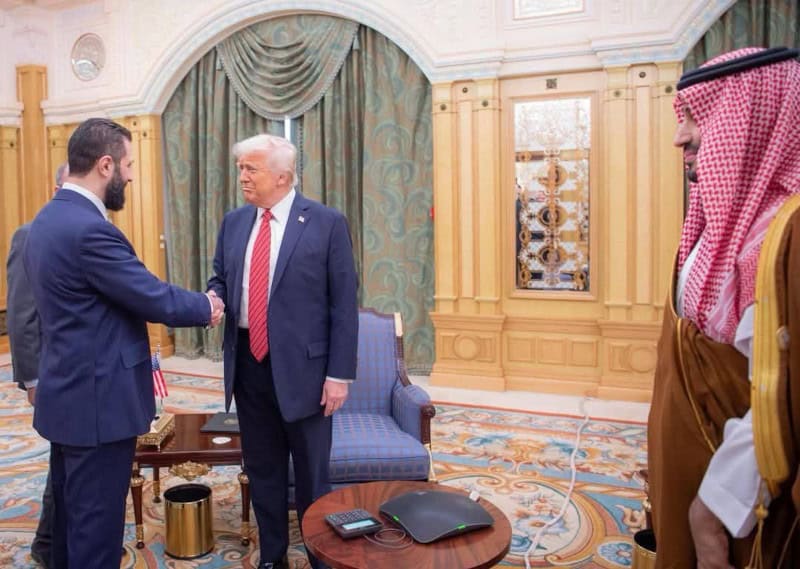
President Donald Trump met with Syrian interim President Ahmad al Sharaa, a former Al Qaeda leader, and urged him to expel foreign jihadists from Syria. However, Sharaa has instead promoted several of these fighters to top military positions, including figures tied to Hayat Tahrir al Sham and Al Qaeda. While Damascus has taken limited, symbolic actions, such as suspending promotions and arresting select fighters, it continues to delay meaningful compliance with US conditions for sanctions relief.
-
President Trump meets with a Specially Designated Global Terrorist, lifts sanctions on Syria
US President Donald Trump met with Syrian interim president Ahmad al Sharaa, a US and UN-designated terrorist and the former leader of Al Qaeda’s branch in Syria, and committed to removing US sanctions on Syria.
-
Pro-Iranian Iraqi politicians, militia leaders object to Syrian president visiting Iraq
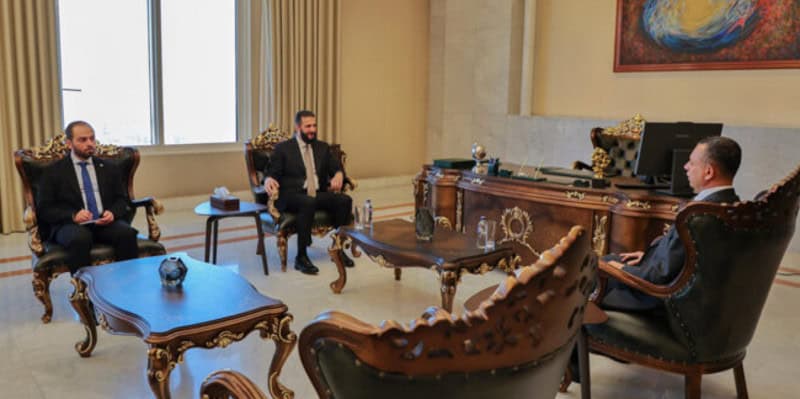
Pro-Iranian militia leaders and politicians in Iraq have objected to a possible visit by Syria’s new transitional President Ahmad al Sharaa. The latest statements, including accusations the Syrian leader committed crimes in Iraq in the early 2000s, came after Sharaa met with Iraqi Prime Minister Mohammed Shia al Sudani in Doha, Qatar, on April 17.
-
Pro-Iranian Iraqi network releases documents on Ahmad al Sharaa’s identity
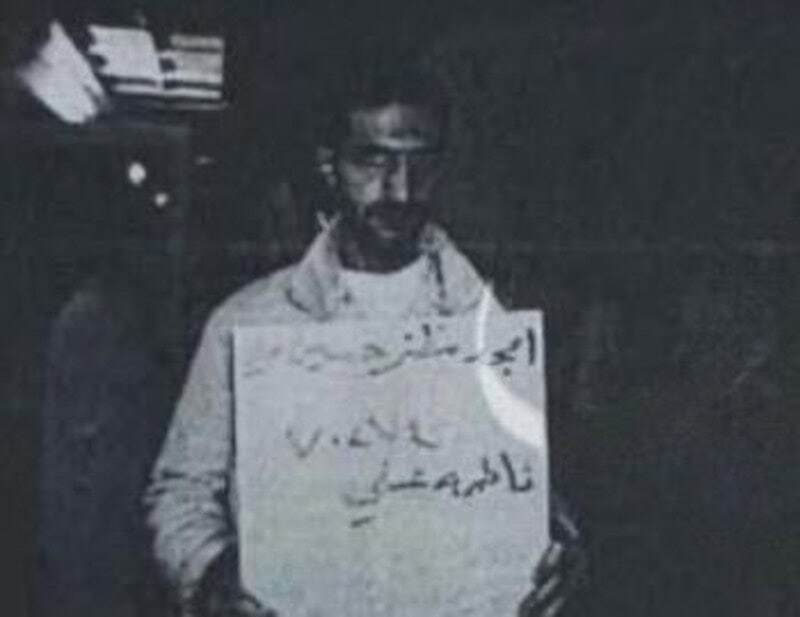
Sabereen News, a media outlet affiliated with Iran-backed militias in Iraq, released an exposé on Syrian interim President Ahmad al Sharaa that includes documents revealing his identity during his time as a prisoner in US and Iraqi custody.