-
Taliban denies it is in ‘secret talks’ with NATO
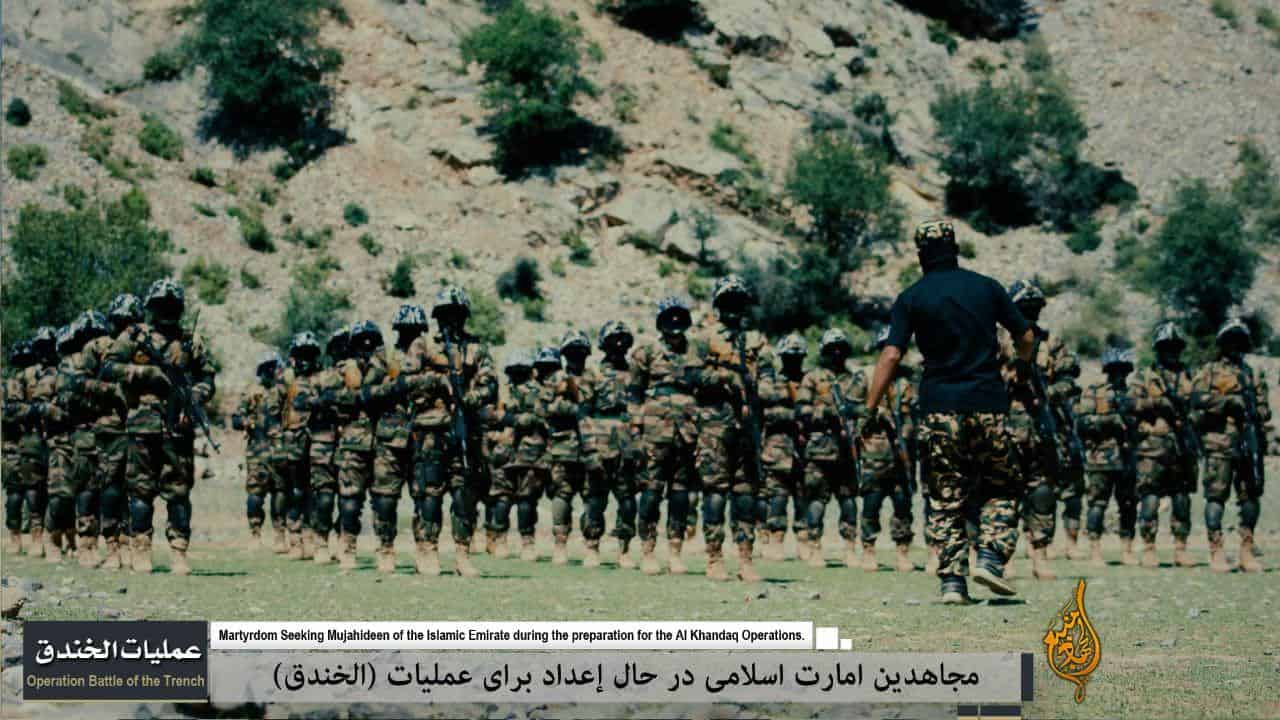
Yet again, the Taliban stated that it will only negotiate after US and NATO forces withdraw from Afghanistan, and that everyone must accept the “ground realities,” meaning that the Taliban will rule the country.
-
Taliban overruns another district in northern Afghanistan
The move by the Taliban directly contradicts the top US and NATO general in Afghanistan’s assertion that the Taliban is “no longer attempting to gain new ground.”
-
Islamic State claims responsibility for bombing outside Afghan ministry in Kabul
A suicide bomber struck the front gate of the Afghan Ministry of Rural Rehabilitation and Development building in Kabul earlier today. The Islamic State quickly claimed responsibility via its Amaq News Agency propaganda arm. It is the latest in a string of attacks claimed by the so-called caliphate in Kabul this year.

-
Analysis: Taliban will halt attacks on Afghan government for 3 days
The Taliban has announced that it will refrain from offensive operations against the Afghan government for three days during the Eid holiday. However, this is a shorter timeframe than the Afghan government’s announced ceasefire. And the jihadists say they will continue to attack the “foreign occupiers,” meaning the US and allied forces, during this brief respite. The Taliban also does not say it will participate in meaningful peace talks with the Afghan government.

-
Taliban blockade of Ghazni-Paktia highway enters second month
In early May, the Taliban shut down the main highway that links Ghazni and Paktia provinces in eastern Afghanistan. One month later, the Taliban continues to control the road and tax civilians as Afghan forces have been unable to secure the road.

-
Analysis: A misbegotten ‘ceasefire’ in Afghanistan
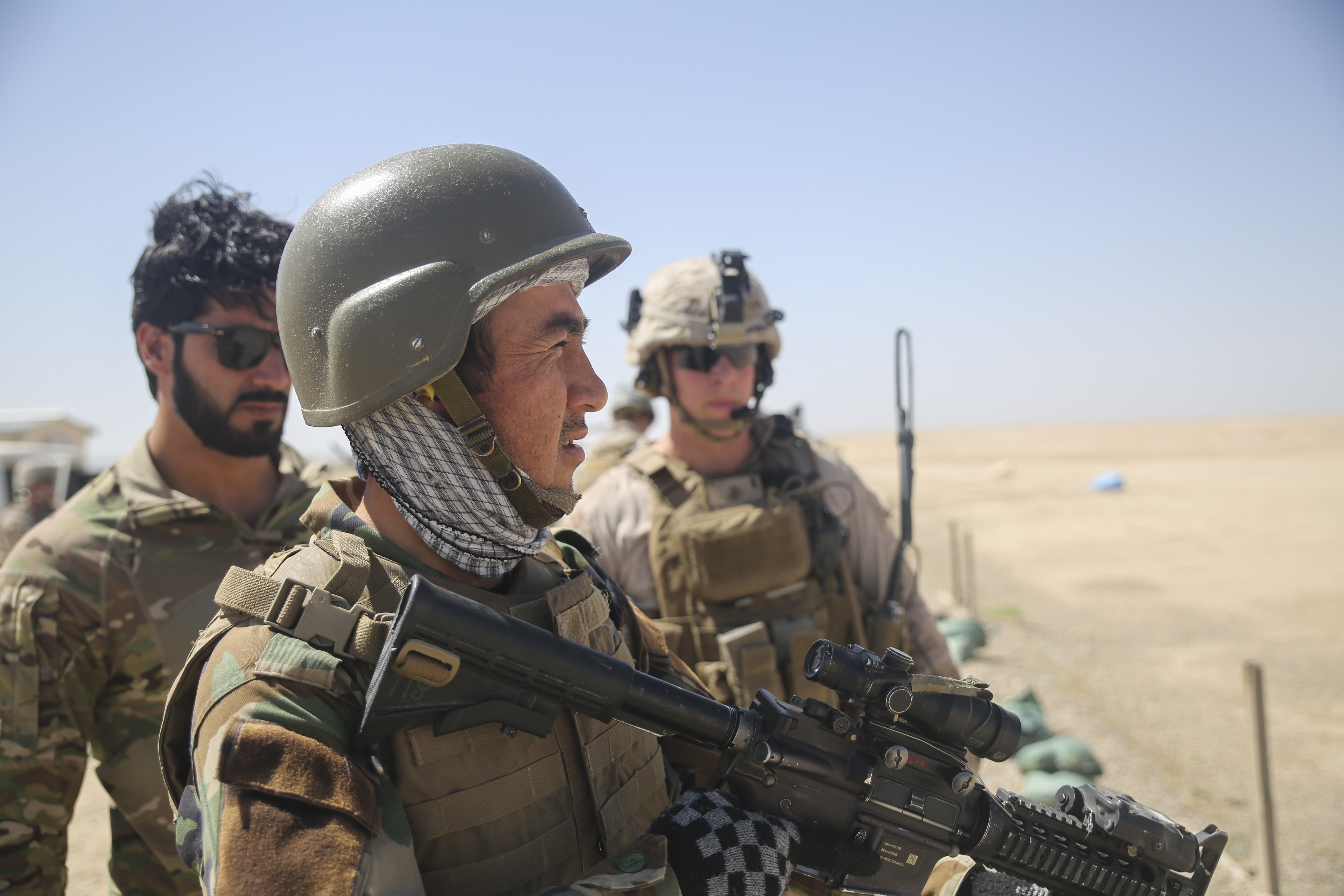
The government of Afghanistan announced yesterday that it has entered into a unilateral ceasefire with the Taliban. Gen. John Nicholson, who oversees the US-led war effort, claimed it was a “bold initiative for peace.” But the thinking behind the ceasefire is confused.
-
Suicide bomber strikes religious conference in Kabul
A suicide bomber struck a meeting of the Afghan Ulema Council (AUC) in Kabul earlier today. The Taliban’s spokesman denied that his group had any connection to the attack. However, the Islamic State claimed responsibility via its Amaq News Agency, which released two short messages on the “martyrdom” operation.

-
Taliban operations span the entire country, Afghan Interior Ministry confirms
The Taliban are operating in all regions of Afghanistan and casualties among Afghan police have increased, according to the Ministry of Interior. This directly contradicts overly optimistic assessments by both Resolute Support and the Pentagon.
-
Taliban says negotiations are ‘pointless’ as long as coalition forces occupy Afghanistan
“Talking to impotent parties [the Afghan government] during the presence of occupying forces is pointless,” Taliban spokesman Zabihullah Mujahid said in an official statement released on Voice of Jihad.
-
Islamic State releases photo of 10-man team responsible for Kabul raid
The US military initially assessed that an attack on Afghanistan’s Ministry of Interior in Kabul yesterday wasn’t the work of the Islamic State, but instead the Taliban’s Haqqani Network. However, the Islamic State’s so-called Khorasan province quickly claimed responsibility for the operation. And today, the group released a photo purportedly showing the 10-man (or adolescent) team responsible.

-
Taliban and Islamic State target religious opponents in Afghanistan
According to a State Department report published this week, the Taliban continues “to assassinate and threaten religious leaders with death for preaching messages contrary to” its “interpretation of Islam or its political agenda.” As part of its widespread assassination campaign, Taliban gunmen have been killing “imams and other religious officials throughout the country.”
-
Jihadists attack Afghan interior ministry in Kabul
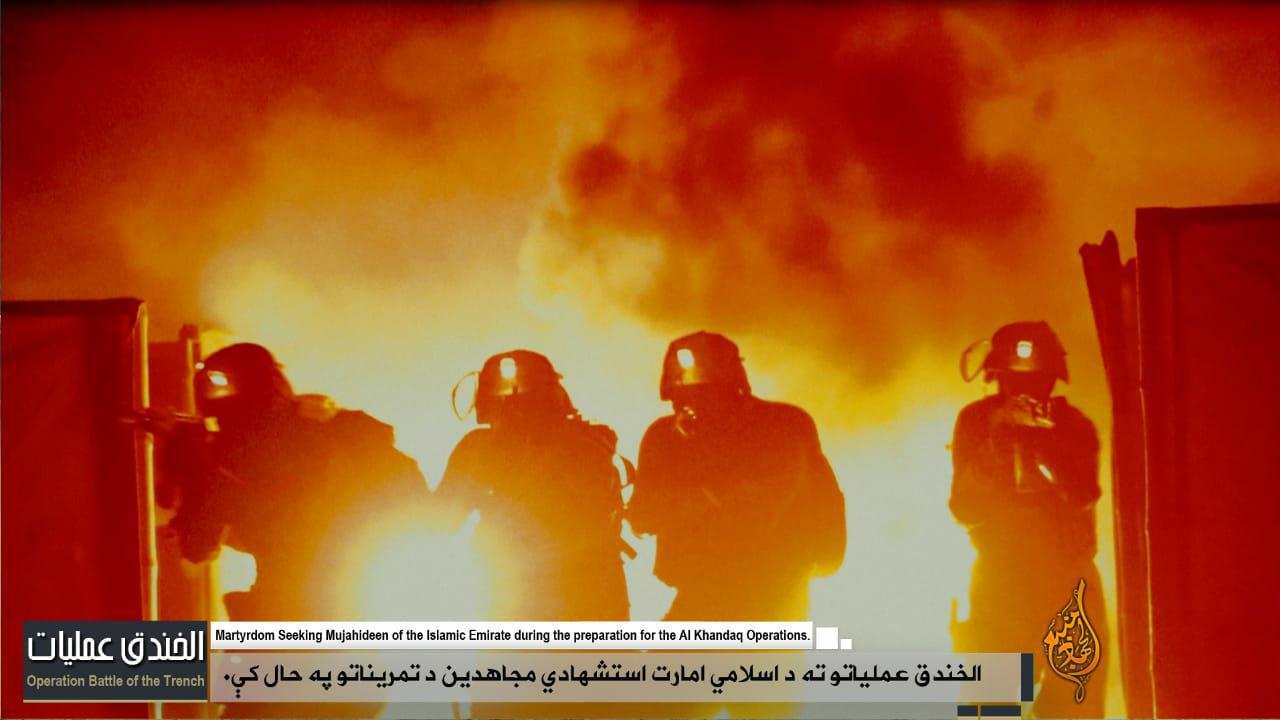
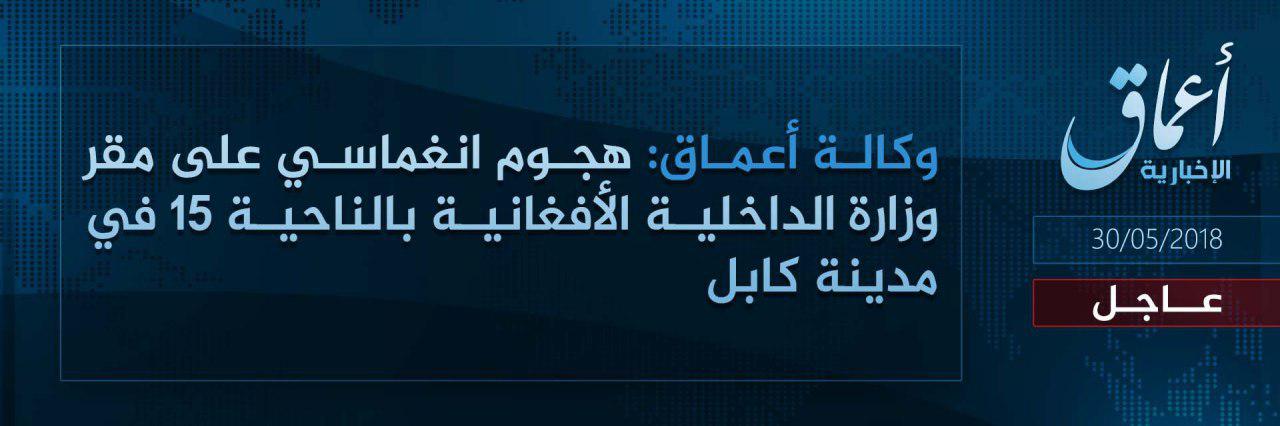
A team of jihadists assaulted Afghanistan’s Ministry of Interior in Kabul earlier today. It is the latest in a string of attacks inside the Afghan capital this year. Both the Taliban and the Islamic State’s Khorasan “province” are able to hit targets inside the city.
-
Afghan forces withdraw from district center in Uruzgan as the Taliban attacks
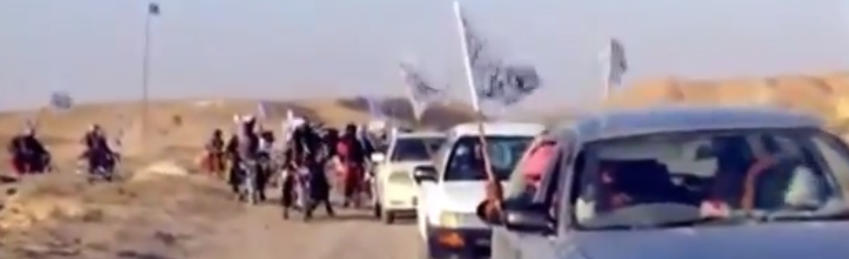
The security situation in the south continues to deteriorate. An Afghan official admitted security forces abandoned the governor’s compound and police headquarters in Chora district. The Taliban claims it overran all 17 security outposts and controls the district center.
-
Taliban suicide bomber hits Afghan forces in Helmand
The Taliban claimed it killed more than 100 Afghan soldiers, policemen, and tribal fighters, while one Afghan official admitted 17 soldiers were killed and 21 more were wounded.
-
New reports from Afghanistan give false hopes for peace
As US, European, and Afghan officials cling to the idea that the Taliban will negotiate a peace settlement to end the war in Afghanistan, a recent string of news articles would lead you to believe that the Taliban is actually willing to reach a compromise. However, these stories are highly misleading and give false hope that an end to this 17-year conflict is in sight. The Taliban’s leadership isn’t at all interested in making peace with – let alone sharing power with – an Afghan government that it considers to be an un-Islamic stooge of Western powers. The Taliban has…
-
Taliban overruns second district in Ghazni
Security in Ghazni province has deteriorated rapidly over the past year. Of Ghazni’s 19 districts, the Taliban control five and contest nine more, according to information compiled by FDD’s Long War Journal. The provincial capital is threatened by the Taliban.
-
Pentagon spokesperson doubles down on ‘desperate’ Taliban comment
Dana White also denied the Taliban has the initiative and touted the fact that all six Afghan Army corps are now on the offensive as a sign of success. Except all six army corps have been on the offensive since last fall, and security has continued to deteriorate.
-
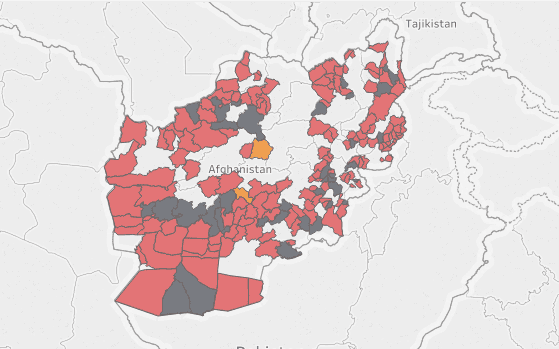
Afghan military identifies 7 provincial capitals ‘under pressure’
The Ministry of Defense identified six of the seven provincial centers that are threatened by the Taliban as Farah City, Faizabad in Badakhshan, Tarin Kot in Uruzgan, Kunduz City, Maimana in Faryab, and Pul-i-Khumri in Baghlan. The seventh city is likely Ghazni City or Lashkar Gah.
-
Taliban’s 2018 offensive encompasses all regions of Afghanistan
The Taliban appears to maintain the initiative throughout Afghanistan, while the Afghan military is forced to react to Taliban offensives, such as the latest incursion into Farah City.

-
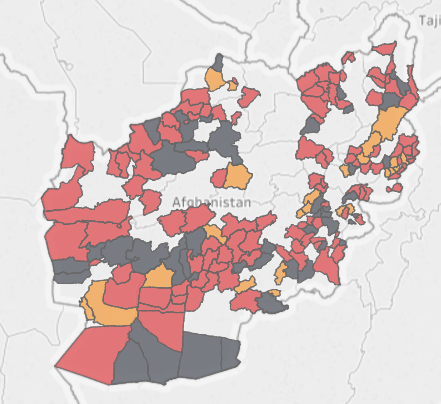
Taliban claims it seizes 2 Afghan districts
Taliban claimed it took control of two districts, one in Badghis province and another in Ghazni. The Taliban has overrun five districts since it announced the beginning of its 2018 offensive.
-
US military kills ‘dual-hatted’ AQIS leader in eastern Afghanistan
Hazrat Abbas served as a leader for both al Qaeda in the Indian Subcontinent and the Movement of the Taliban in Pakistan. AQIS was formed to unite disparate jihadist factions to fight under the banner of the Afghan Taliban.
-
As Taliban enters Farah City, Resolute Support wrongly claims Afghan government is in control
Video evidence emerging from the city shows Taliban fighters patrolling areas of the city, seizing weapons, and in control of government buildings.

-
Taliban launches coordinated assault on Farah City
The assault on Farah City should put to rest claims by the US military that the Taliban is desperate and losing ground in Afghanistan. Farah has been under threat for months.

-
Islamic State suicide team strikes tax office in Jalalabad
At least nine people were killed and more than 30 more were wounded in the latest attack by the Islamic State’s branch in Afghanistan.

-
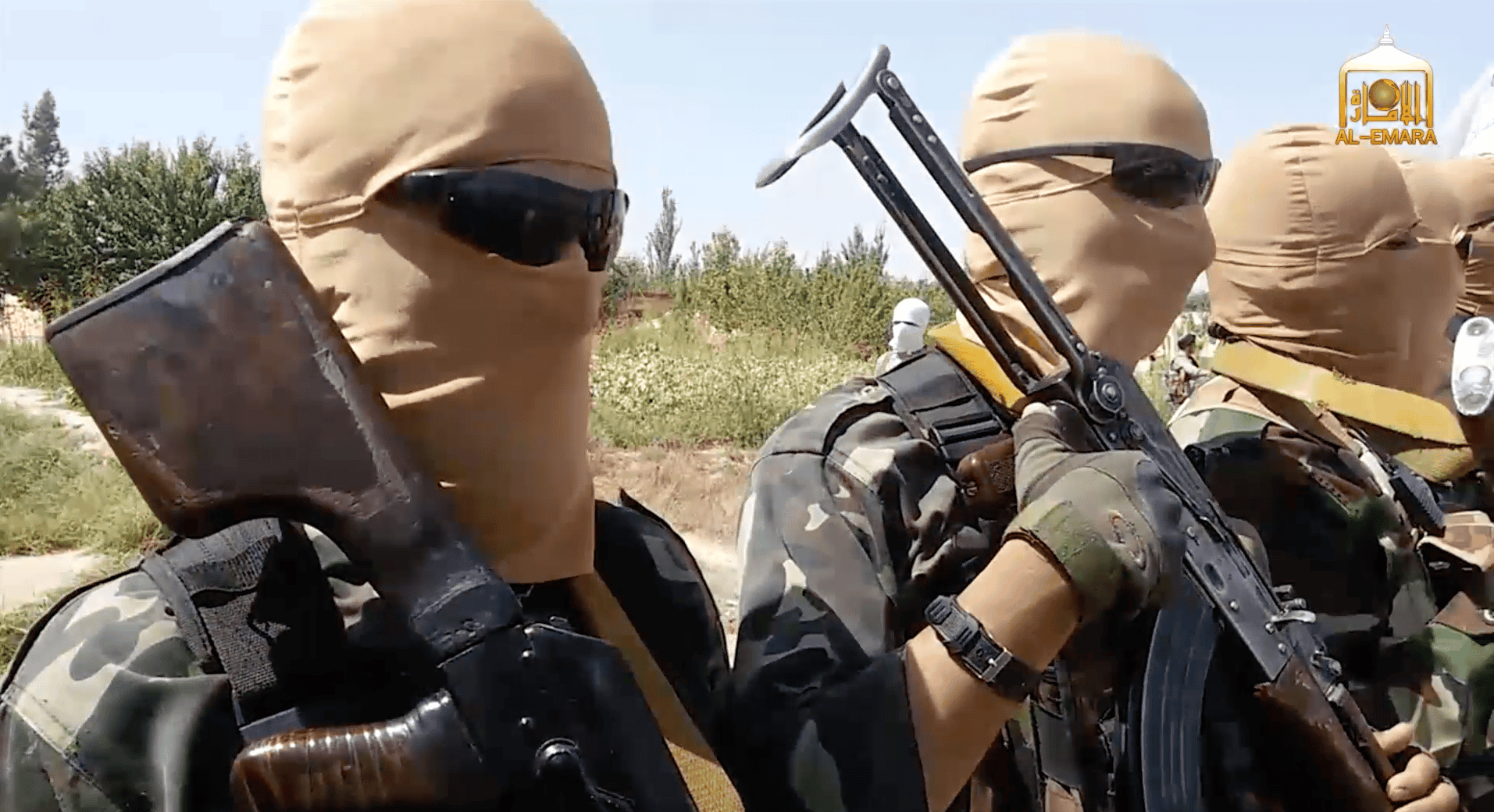
Taliban storms police bases in western Afghanistan
At least 42 Afghan police and soldiers were killed during Taliban attacks in the troubled district of Bala Buluk in Farah province. Security in Farah remains tenuous.
-
Taliban activity in Ghazni City highlights deteriorating security in Afghanistan
Resolute Support has classified the the capital of Ghazni province as government control, yet it is clearly contested, and has been for some time. In Ghazni city, the Taliban collects taxes, dispenses justice, kills security personnel, and lives openly in one neighborhood.

-
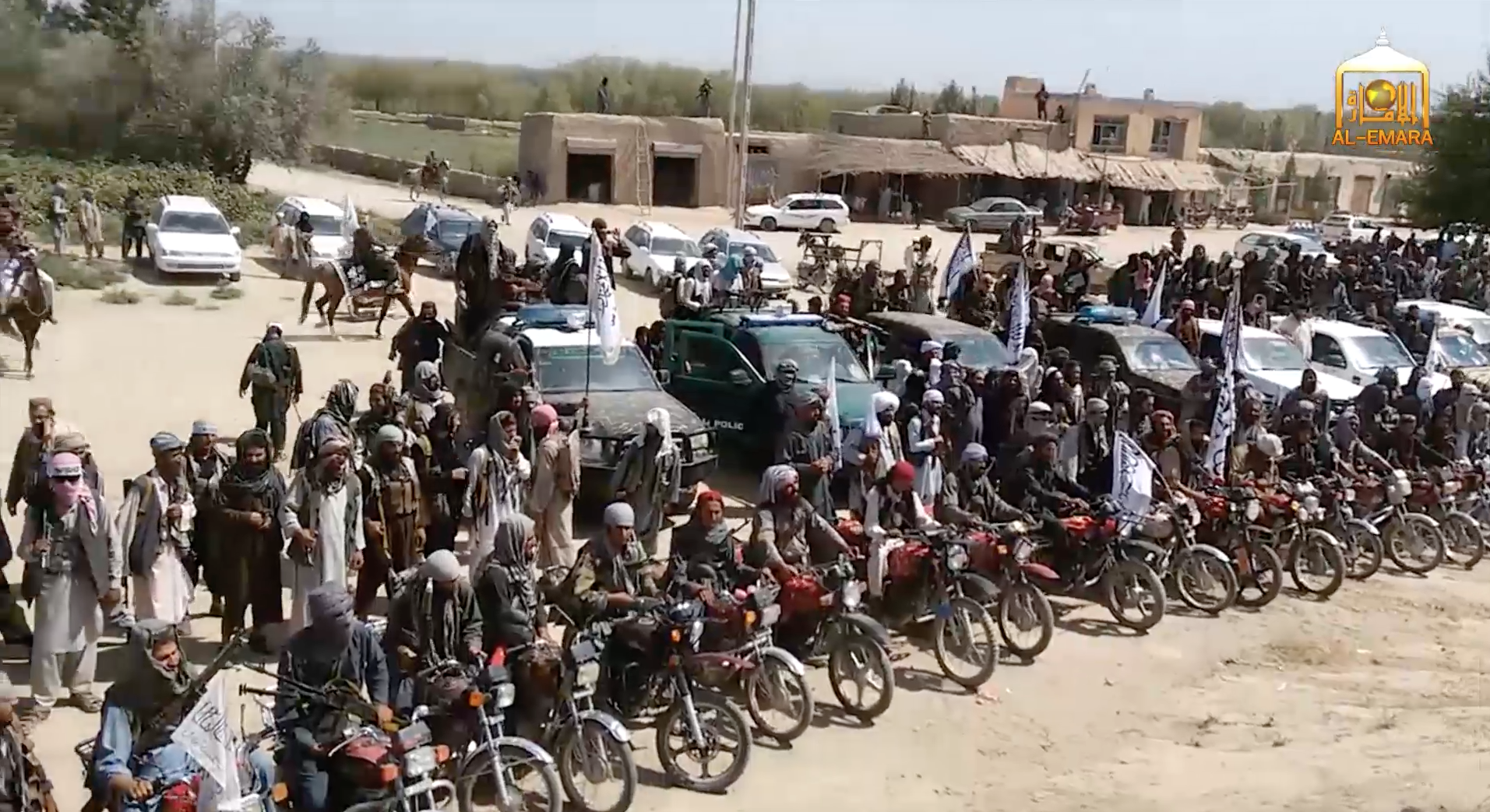
Taliban overruns another district in the Afghan north
The Taliban overran the district of Tala Wa Barfak in the northern Afghan provinces of Baghlan. Two others have been seized by the Taliban in the past two weeks.
-
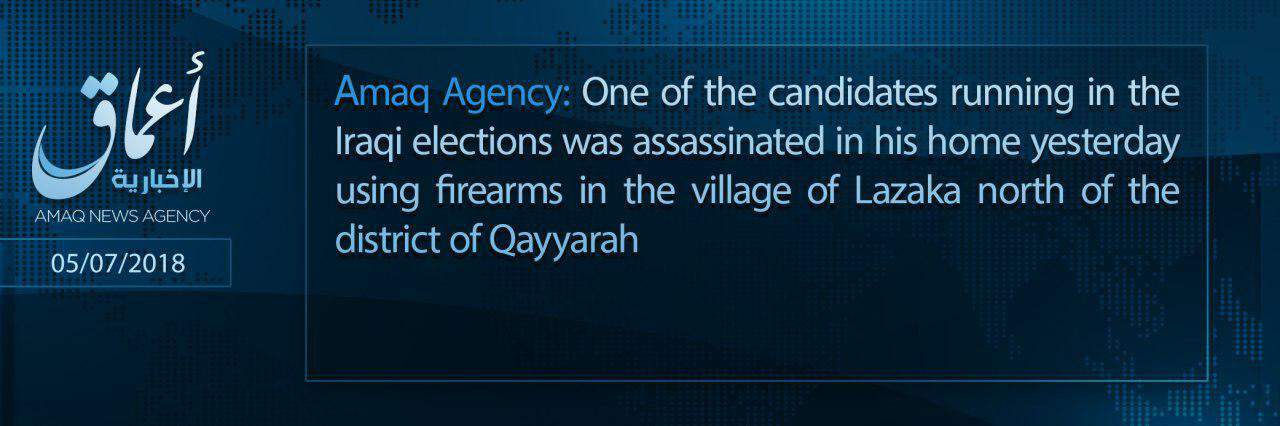
ISIS targets elections in Afghanistan, Iraq and Libya
Since late April, the Islamic State has claimed a string of operations targeting elections in Afghanistan, Iraq and Libya. The group’s spokesman, Abu al-Hasan al-Muhajir, threatened Iraq’s upcoming election on May 12 and the jihadists are carrying out operations accordingly.
-
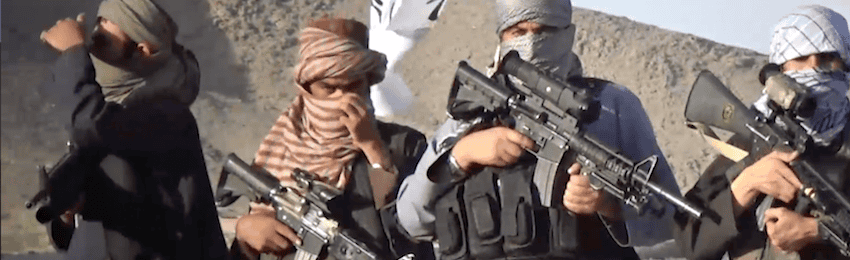
‘Desperate’ Taliban ‘has lost ground,’ Pentagon spokesperson wrongly claims
The Taliban is neither “desperate” nor is it “losing ground” in Afghanistan. Pollyanish press briefings cannot paper over the fact that things are currently not going well.
-
Afghan forces recapture northern district from Taliban
Afghan forces recaptured Kohistan district in the remote northern province of Badakhshan two days after it fell to the Taliban.