-
Afghanistan watchdog: Government control lowest ever
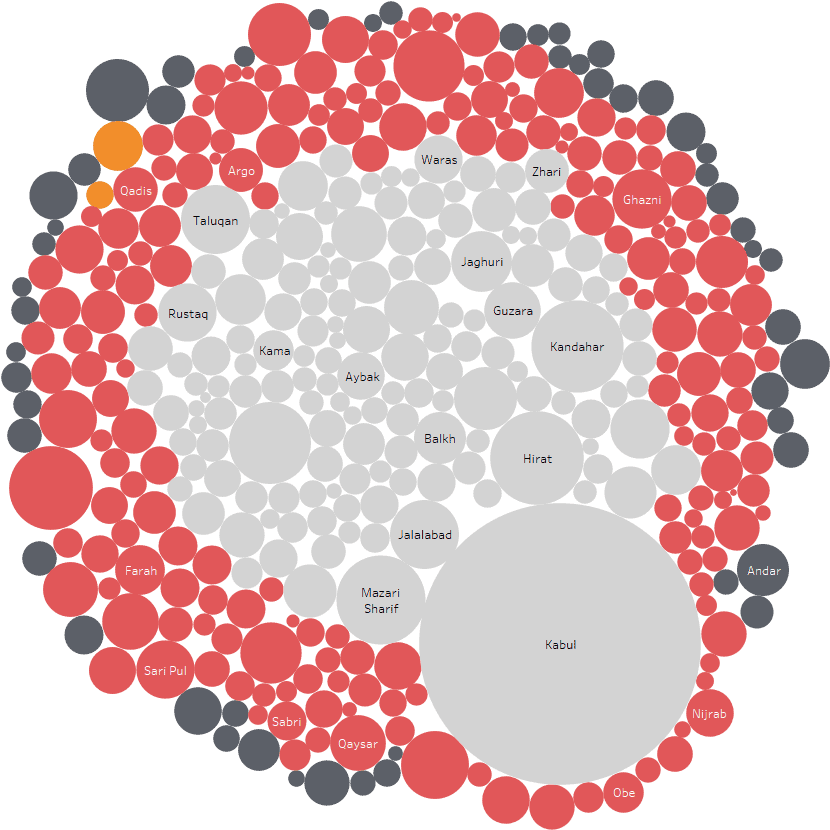
Since the Special Inspector General for Afghanistan Reconstruction (SIGAR) began tracking district control three years ago, Afghan government controlled or influenced districts has declined 16% to 55.5%. In the same period, insurgent control/influence rose 5.5% and contested districts increased 11%.

-
Half of Afghan population living in districts outside government control
Some 41 percent of the Afghan population resides in a contested district and more than nine percent reside in a Taliban controlled district, according to a new study by FDD’s Long War Journal.
-
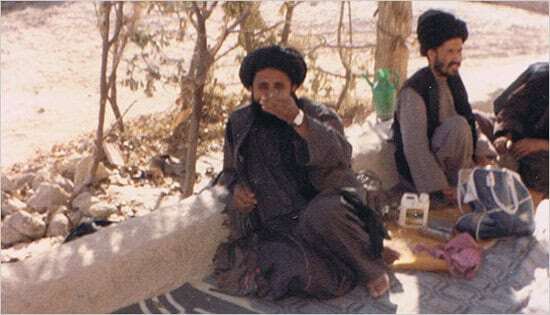
Analysis: Baradar’s release from Pakistani custody unlikely to impact Afghan peace talks
While many officials and analysts are hopeful that Baradar can influence negotiations between the US and the Taliban, it is highly unlikely that he will be able to influence the current crop of Taliban leaders, who have waged a successful insurgency and control more ground in the country since any point during the war.
-
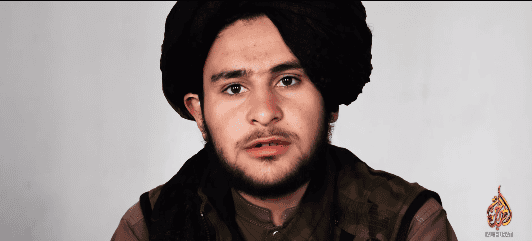
General Raziq’s assassin trained at a Taliban camp
The US military and Resolute Support have yet to identify Raziq’s assassin as a member of the Taliban, let alone acknowledge that he trained in a Taliban camp.
-
It’s a ‘religious duty’ to oppose Afghan elections, Taliban says
The Taliban has a released a series of statements threatening the Afghan elections this week. The statements are attributed to three different commissions within the Taliban’s Islamic Emirate of Afghanistan, which operates as a shadow government throughout much of the country.
-
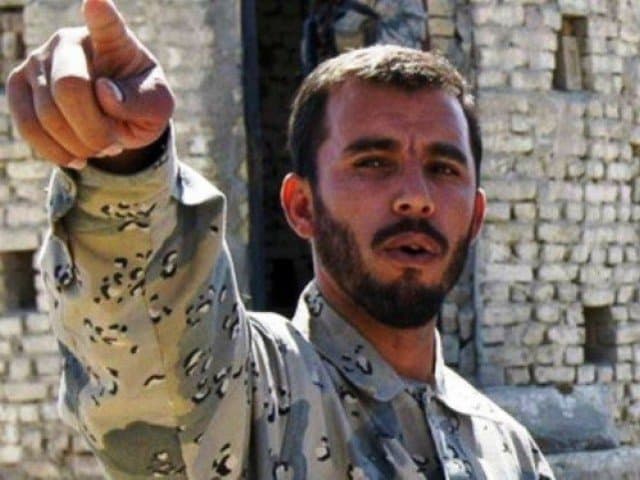
Taliban attacks meeting attended by General Miller, kills Kandahar police chief
General Miller, the commander of US and NATO forces in Afghanistan, was present at the meeting but was not wounded. The the governor of Kandahar and the head of the province’s National Directorate of Security were among those killed. The assassination of Raziq is a major blow to the Afghan government. He was arguably the most powerful player in the Afghan south and a stalwart ally of the US, and he may not be easily replaced.
-
Taliban claims to have captured 2 Afghan districts
While the Taliban’s claim of controlling districts in Samangan and Paktika cannot be independently verified, the group has proven to be accurate when reporting on the status of districts.
-
Taliban confirms meeting with US delegation in Doha
The Taliban says its representatives met with an American delegation in Doha on Oct. 12. The group says that members of the “Political Office” of the “Islamic Emirate of Afghanistan” stressed that the “presence of foreign forces” is “the greatest obstacle obstructing true peace and solving problems.” The Taliban’s overall leader previously blessed “direct dialogue” with the Americans, so long as the talks focused on an American withdrawal.

-
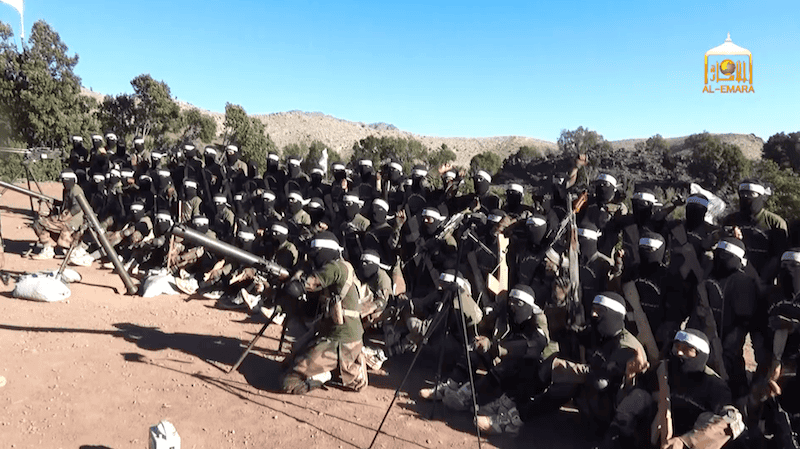
Scores of Taliban recruits train at Abu Ubaidah bin Jarrah Training Camp
Scores of Taliban recruits train in broad daylight at the Abu Ubaidah bin Jarrah Training Camp.
-
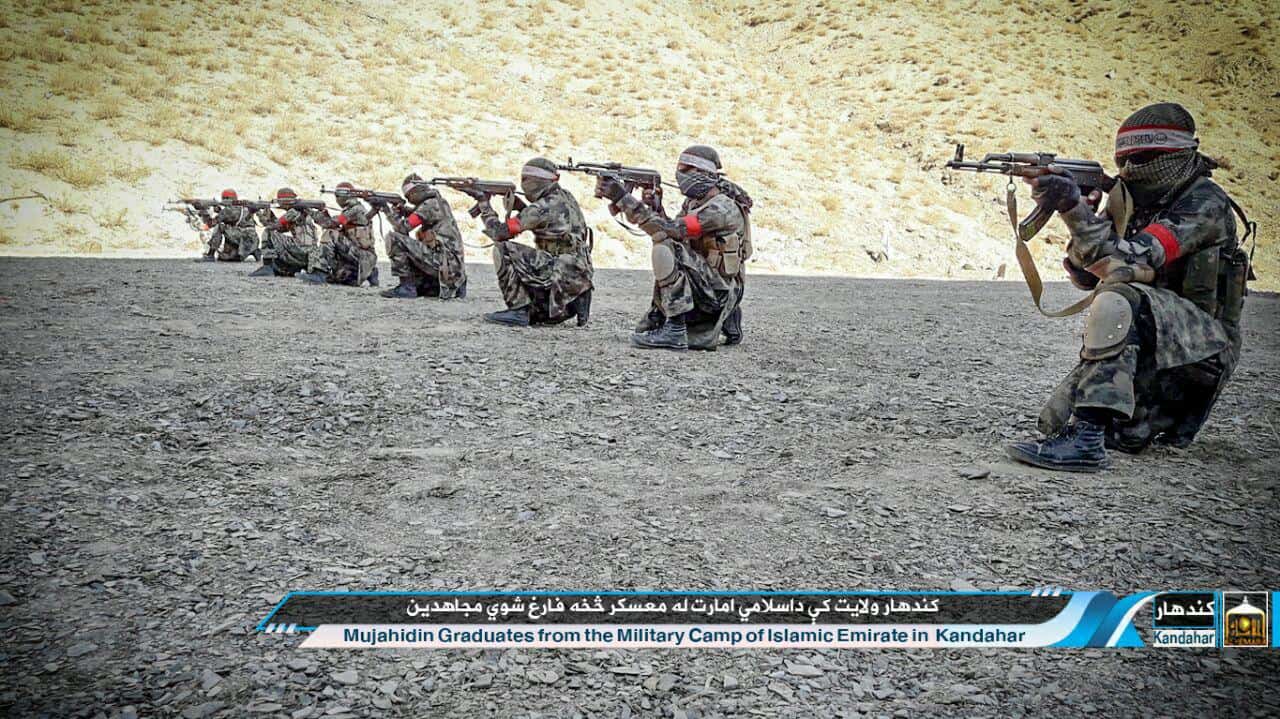
Taliban calls for attacks to disrupt Afghan elections
The US wants the Taliban to lay down its arms and recognize the legitimacy of the Afghan government. The State Department has even encouraged the group to “turn their bullets and bombs into ballots” and “vote.” But in a new statement, the Taliban again rejects Afghanistan’s parliamentary elections, saying it is a “demand of our faith” that they be “prevented from taking place.”
-
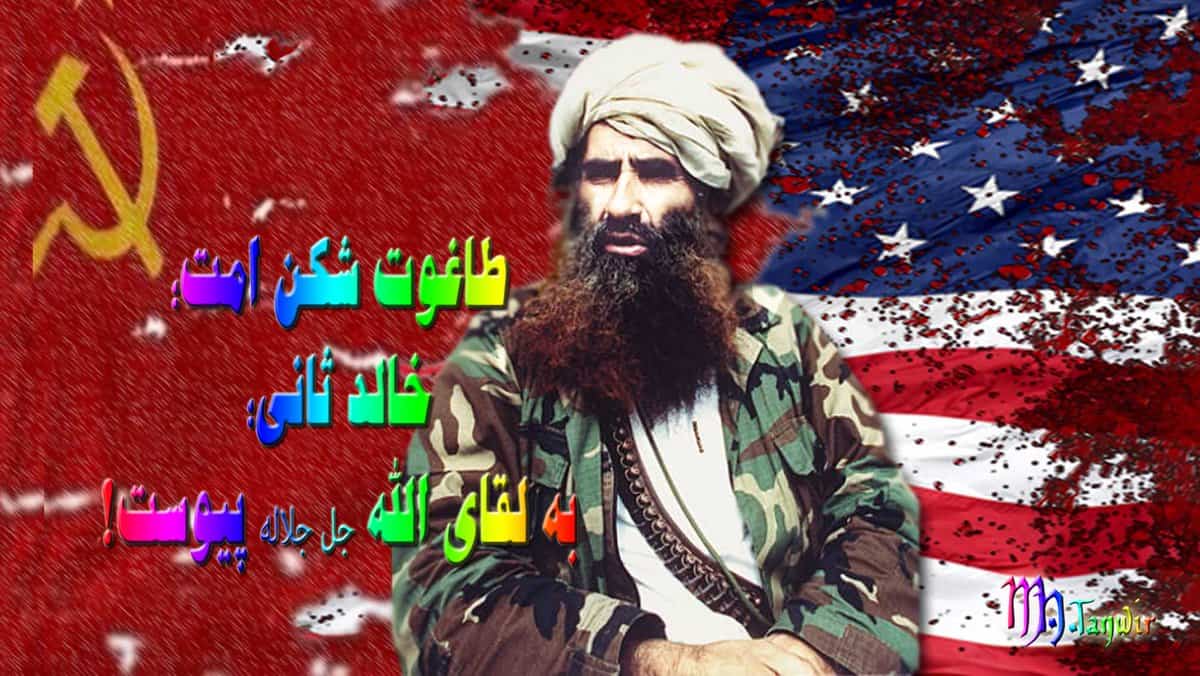
Badness personified
Jalaluddin Haqqani is dead. The terror network he created lives on.
-
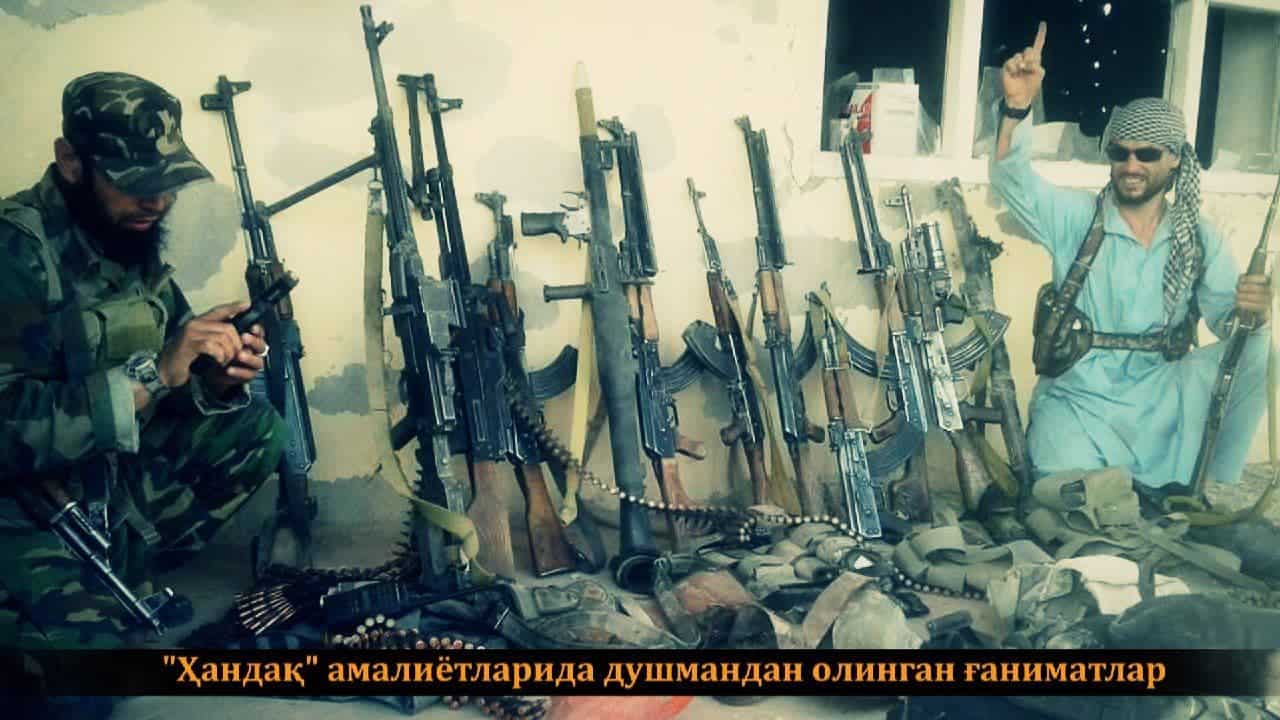
Uzbek group shows spoils from Afghan base
Katibat Imam al Bukhari released two sets of photos this month showing captured weapons from overran Afghan military posts.
-
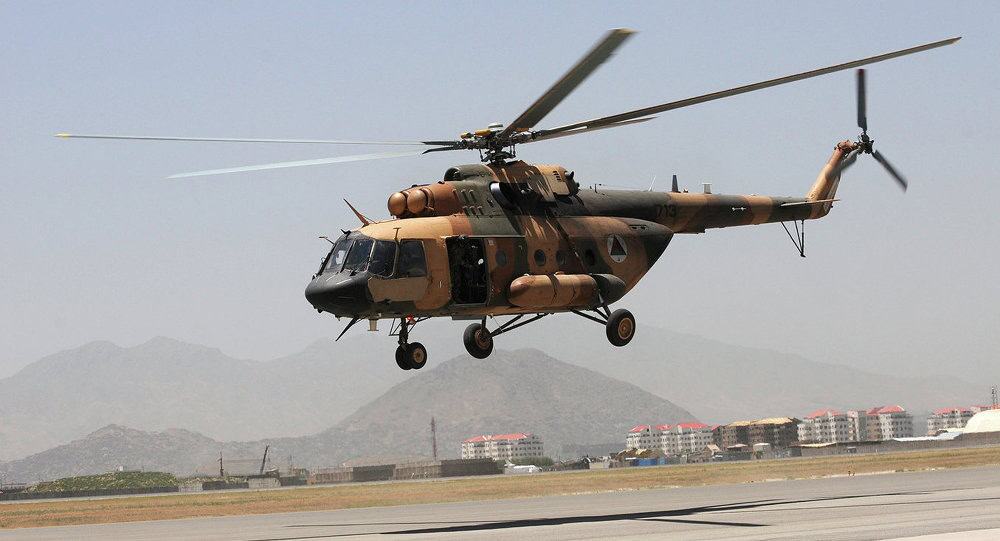
Taliban claims to shoot down Afghan military helicopter
The Afghan military was either unable or unwilling to secure the crash site and recover the bodies of its soldiers at least 10 hours after the helicopter went down.
-
Taliban overruns military base in Zabul
The Taliban has released yet another video showing their fighters gathering in the open after overrunning a military base without fear of reprisal from NATO or Afghan warplanes.
-
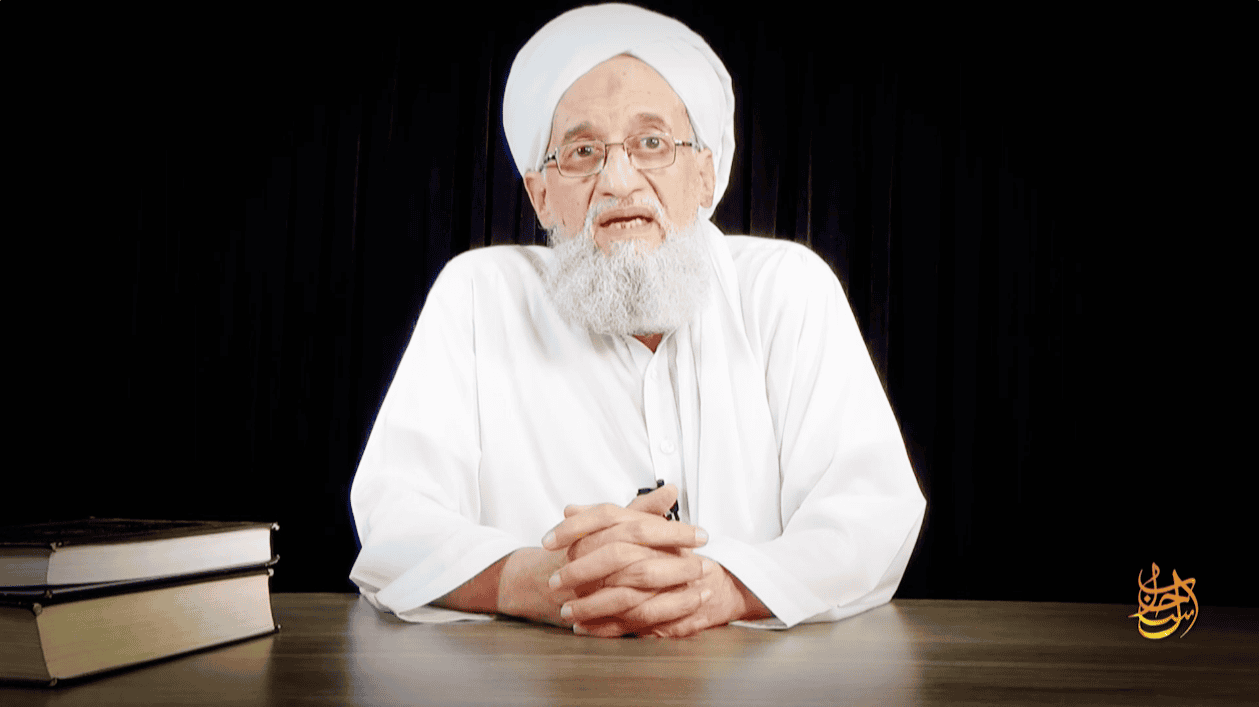
Al Qaeda is very much alive, and widely misunderstood
AL Qaeda’s operatives are fighting in more countries around the world today than was the case on 9/11. And its leaders still want to target the United States and its interest and allies. The war they started is far from over.
-
Taliban threatens Sar-i-Pul City, captures district in Jawzjan
The Taliban overran the Kham Ab district center in Jawzjan province in the last 24 hours as the group continues to pressure Afghan forces in the north.
-
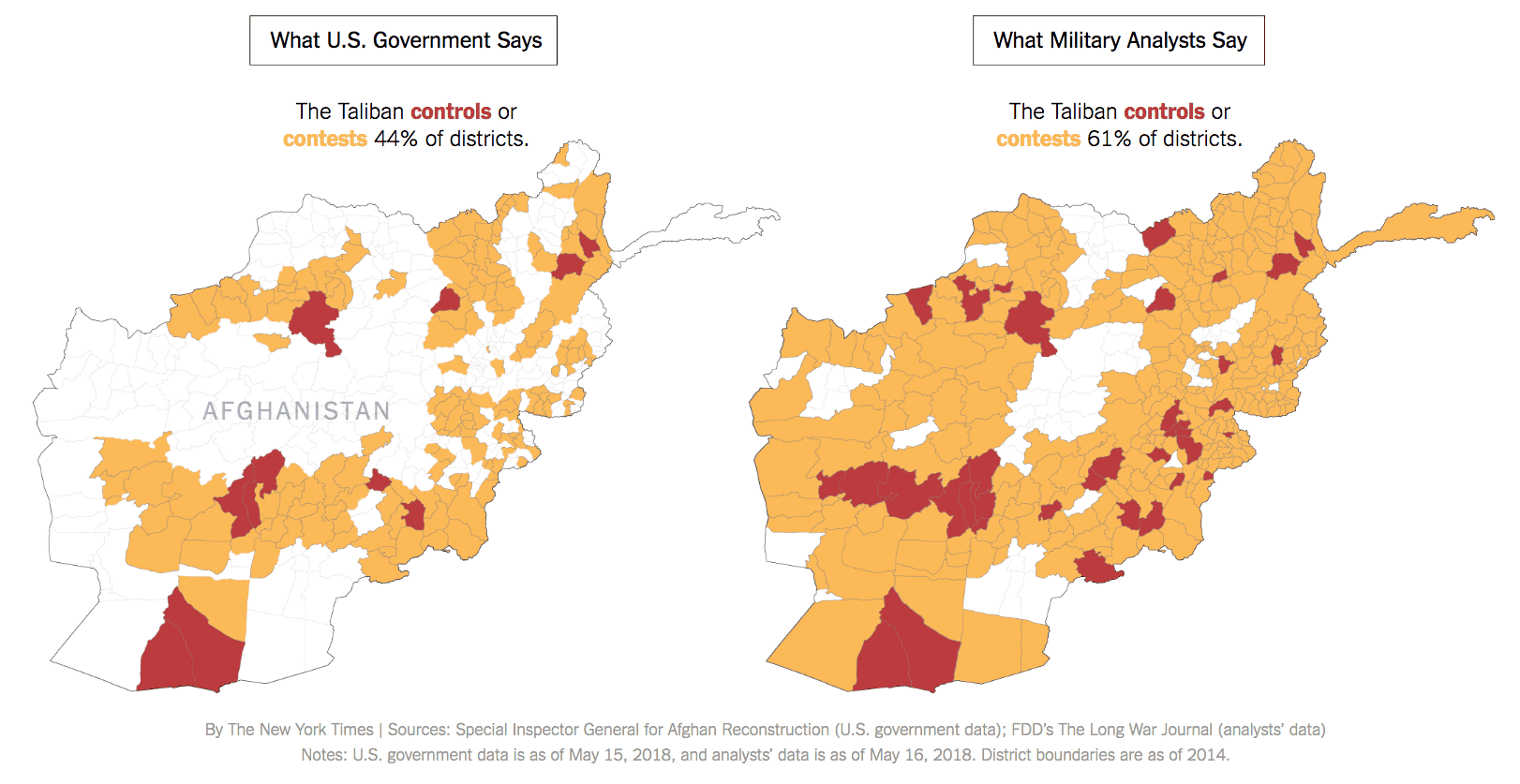
Mapping Taliban controlled and contested districts in Afghanistan: LWJ vs US military assessments
The New York Times map compares assessments from the US military and FDD’s Long War Journal on Taliban controlled and contested districts in Afghanistan.
-
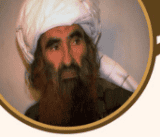
Taliban announces death of Jalaluddin Haqqani
Jalaluddin fought the Soviets, served as the Minister of Frontiers during the Taliban rule of Afghanistan from 1996-2001, was a member of the Taliban’s Quetta Shura, or governing body, and father of Sirajuddin Haqqani, one of the Taliban’s two deputy emirs and overall military commander.
-
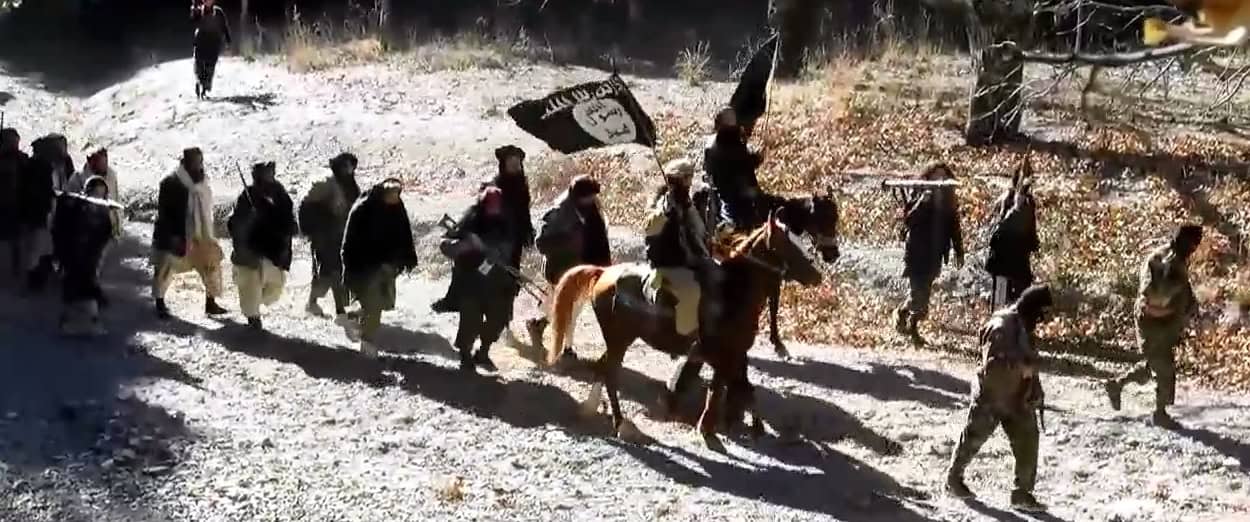
US confirms death of emir of Islamic State Khorasan
The press release that announced Orakzai’s death said that he “is the third Islamic State – Khorasan chief killed in 25 months.” However, that is incorrect. The US military has announced the death of four Khorasan province emirs since July 2016.
-
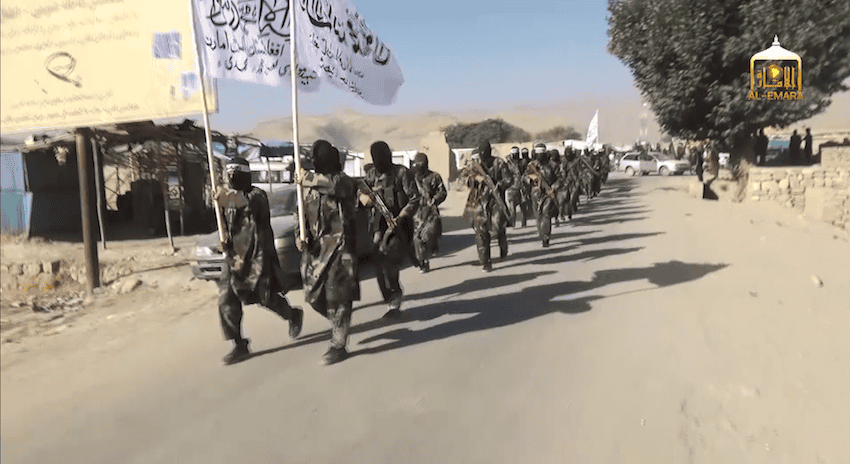
Faryab capital under Taliban threat as Afghan troops desert bases
Afghan military officers said there are no problems in Faryab and that the abandonment of the bases was all part of plan.
-
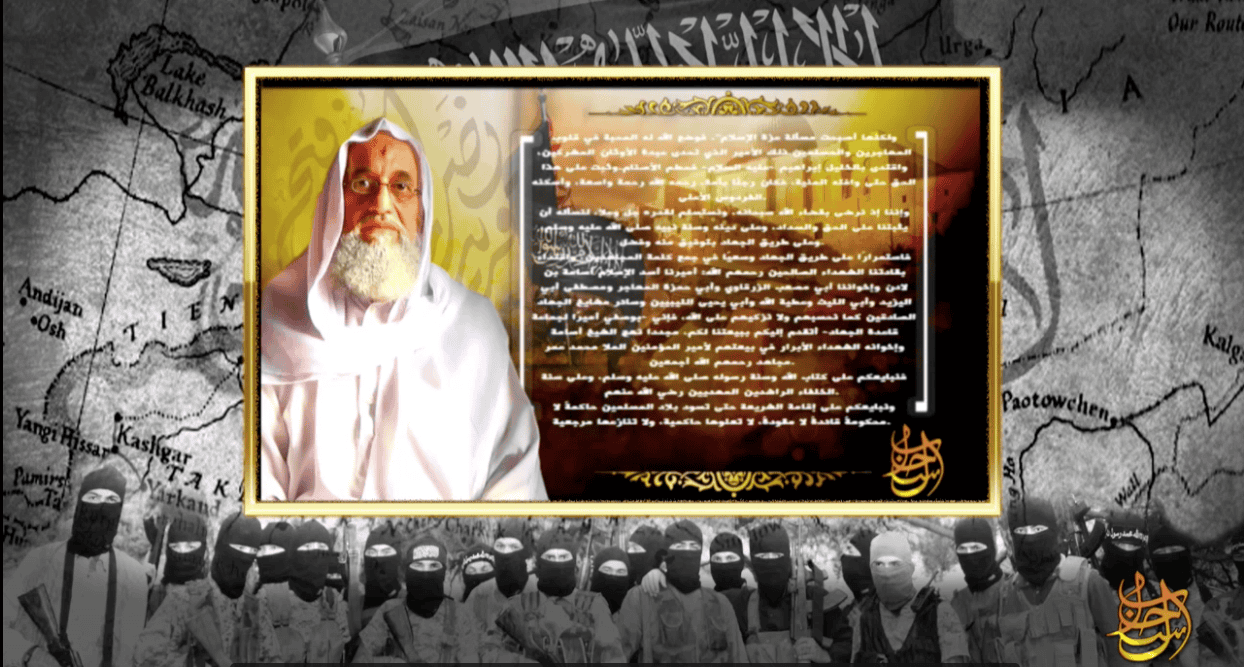
Analysis: Losing a War
The Trump administration is desperately trying to negotiate with the Taliban’s senior leadership. The Obama administration did as well, with the effort ending in a diplomatic fiasco.
-
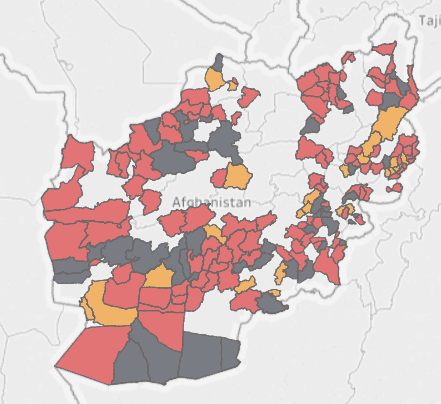
Afghan forces cede Faryab district to the Taliban
The Afghan military continues to struggle to hold onto districts in remote areas of the country. The fall of Ghormach was all but certain after the Taliban overran a large base in the district on Aug. 11 and killed and captured nearly 100 Afghan soldiers.
-
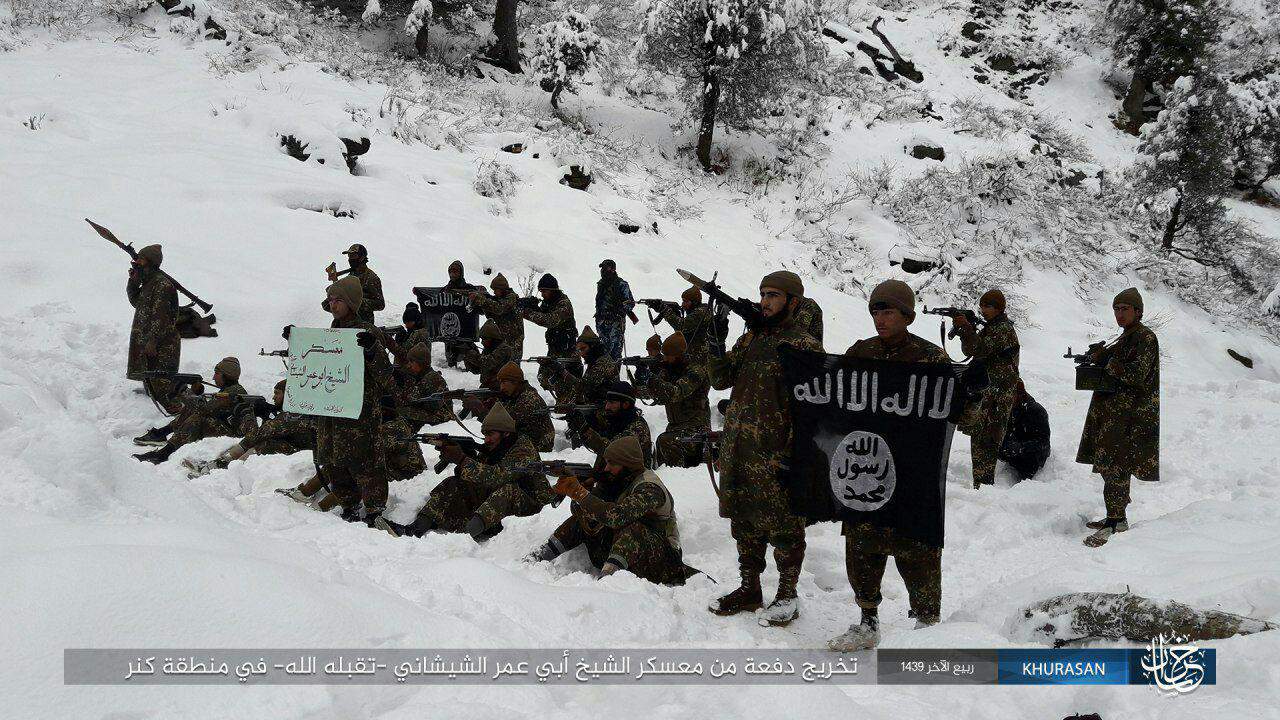
Islamic State’s emir for its Khorasan province reported killed
Bajauri’s death is likely to be touted as a strategic blow to Khorasan province. However, the US military has killed the three previous leaders in the span of 25 months, and yet the group has expanded its operations.
-
Taliban video shows fighters on captured Afghan base in Baghlan
Like many other similar Taliban videos that show the aftermath of successful assaults on military bases and outposts, the Taliban fighters are seen walking throughout the base in broad daylight, without fear of being targeted by Afghan or Resolute Support aircraft.

-
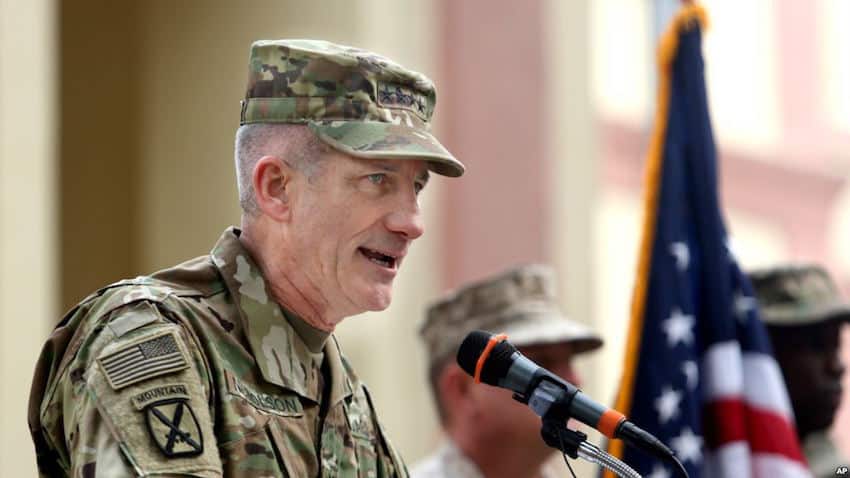
Analysis: Gen. Nicholson says US strategy in Afghanistan ‘is working,’ despite the facts
At a Pentagon press conference, General Nicholson again gave a Pollyannish assessment of the state of Afghanistan. He claimed the peace process is working and the Taliban’s offensive is failing, and took credit for a Taliban victory over the Islamic State.
-
NATO touts efficacy of Afghan crisis response unit
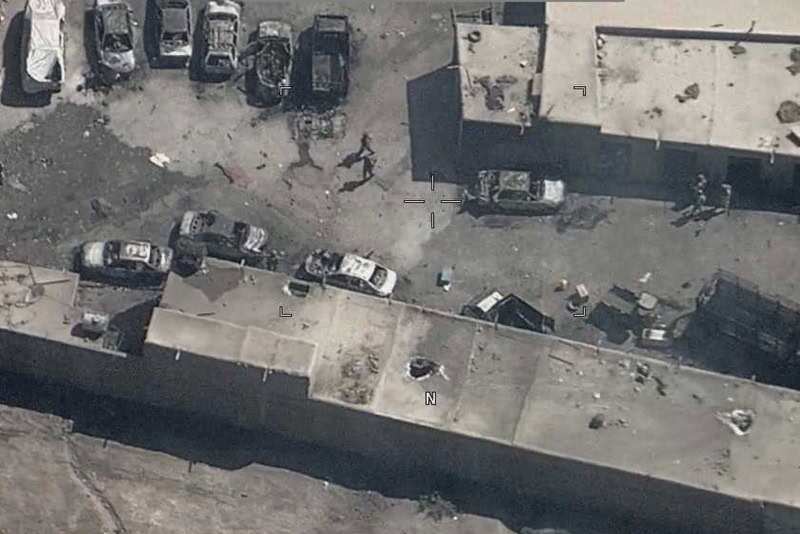
A team of nine Islamic State jihadists launched a mortar attack in Kabul yesterday as President Ashraf Ghani was delivering a speech. NATO’s Resolute Support touts the efficacy of the Afghans’ response, but the Islamic State’s network continues to regularly launch operations in the Afghan capital.
-
In Afghan north, another district falls to the Taliban
The fall of the northern district of Bilchiragh in Faryab province, is part of a disturbing pattern of Afghan forces being surrounded by the Taliban and then either overwhelmed or forced to surrender.
-
Taliban fighters loot district center in Ghazni
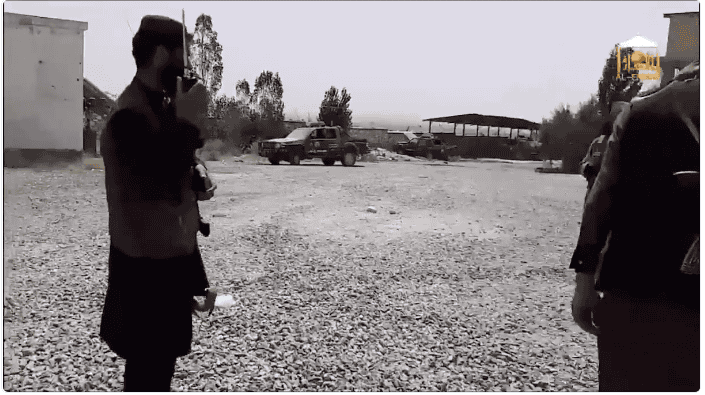
In what has become an all too familiar scene in Afghanistan, Taliban fighters celebrated their victory and looted a district center in broad daylight, without fear of reprisal.
-
Taliban occupied Ghazni City police station as Resolute Support claimed city was under Afghan control
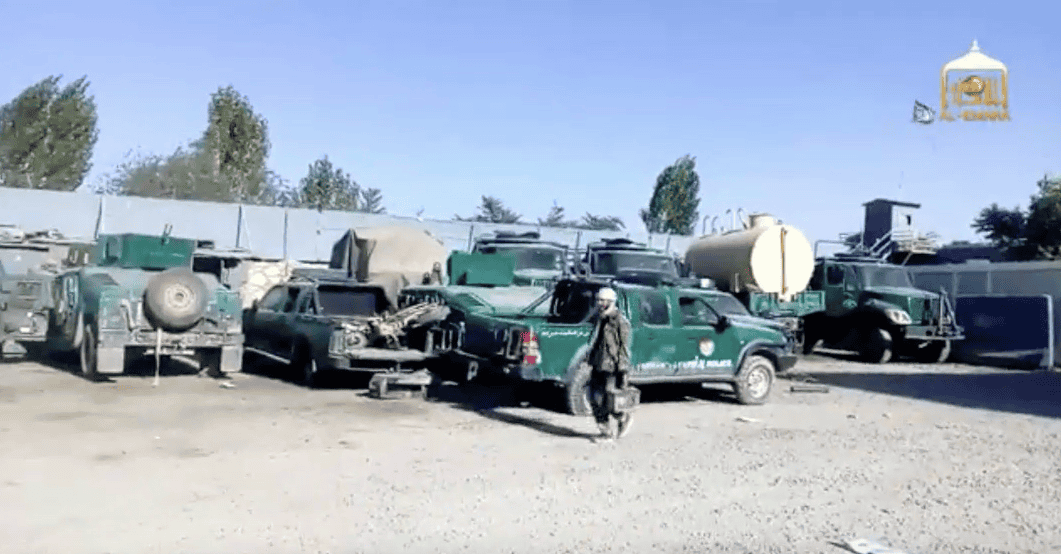
The Taliban occupied a police station in Ghazni City and looted the facility even as Resolute Support claimed the entire city was under Afghan government control.
-
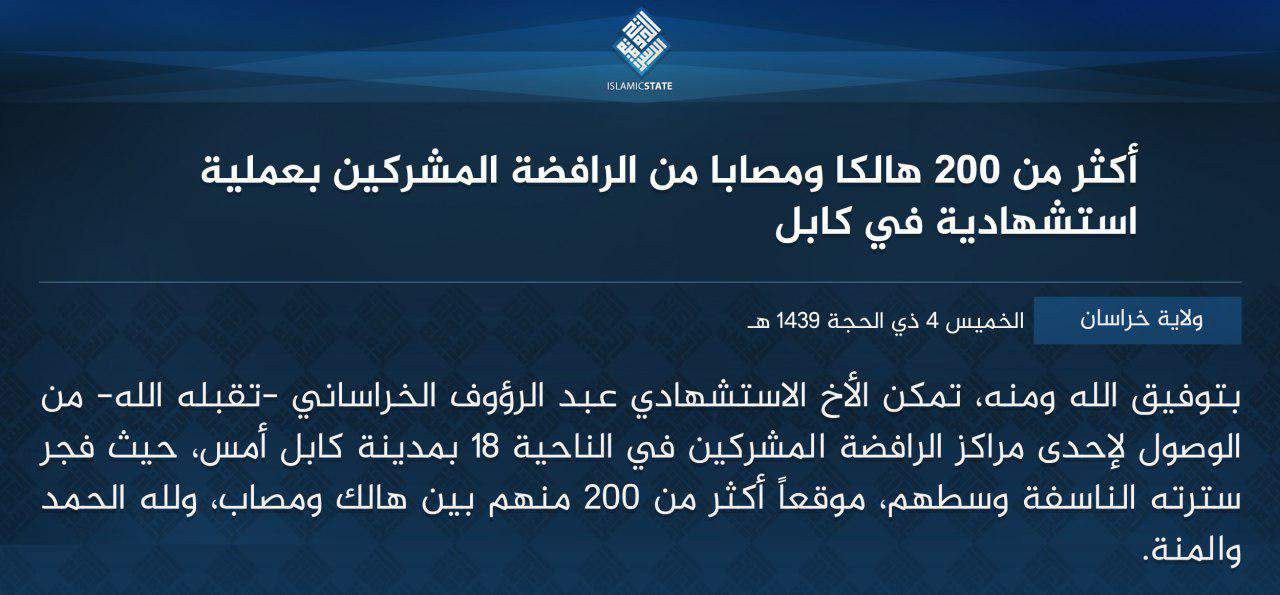
Islamic State claims deadly school bombing in Kabul
The Islamic State has claimed responsibility for a suicide bombing at a school in the Afghan capital yesterday. The so-called caliphate’s jihadists regularly target Shiite civilians in its “suicide and complex attacks.”