-
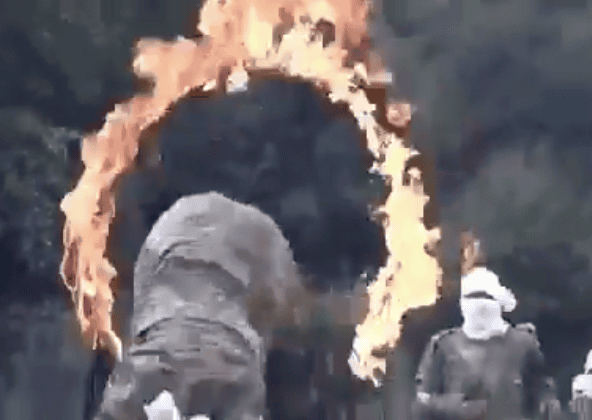
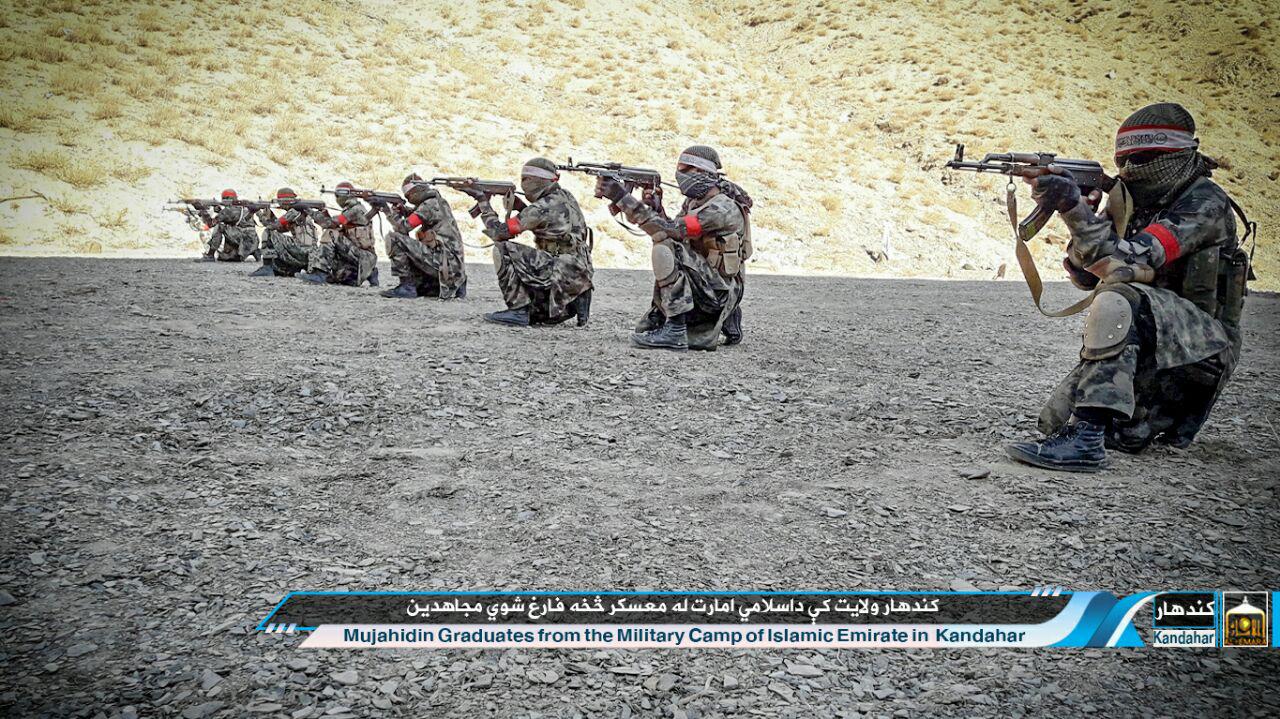
Taliban trains scores of ‘commandos’ at camp
The video is the latest in a string of Taliban propaganda that shows its fighters going through training.
-
Analysis: The costs of withdrawal from Afghanistan
President Trump’s decision to withdraw American forces from Afghanistan will have consequences. The Taliban and al Qaeda will declare victory, while the US will find it harder to hunt terrorists throughout the region.
-
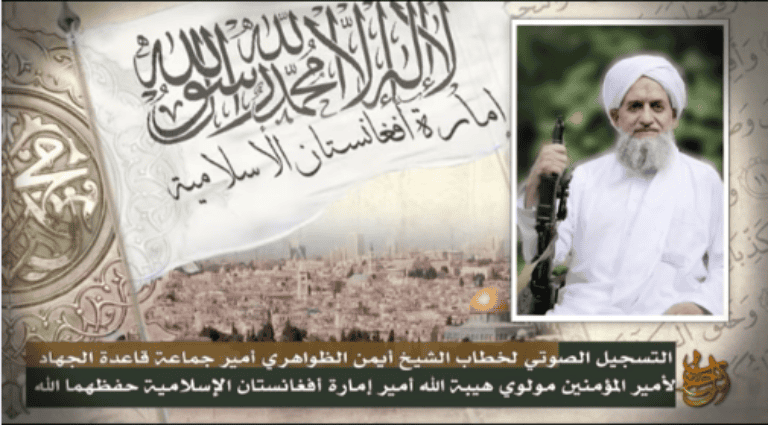
Taliban denial of presence of foreign fighters in Afghanistan is absurd
The Taliban’s own statements and actions as well as Qaeda’s propaganda and operations easily disproves the Taliban’s denial that foreign fighters are in Afghanistan.
-
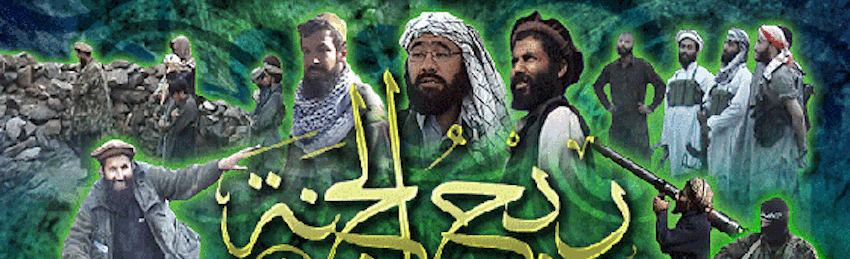
Taliban commander admits thousands of foreign fighters are embedded within group
In a startling admission, a senior leader in the Afghan Taliban told NBC News that “thousands” of foreign fighters are currently embedded in the group in Afghanistan. The admission is astonishing as the Taliban has attempted to obscure its relationship with al Qaeda, even though it slips up every now and then. FDD’s Long War Journal has maintained for the last eight years that US military and intelligence estimates of between 50 to 100 al Qaeda in Afghanistan (later modified to 200) have been woefully low. The Taliban leader, who has not been named, admitted this to NBC News as…

-
Taliban overruns district in Farah after Afghan forces flee
The Taliban overran the district of Shib Koh in the western province of Farah today after Afghan security forces stationed there fled. Farah remains one of Afghanistan’s most troubled provinces.
-
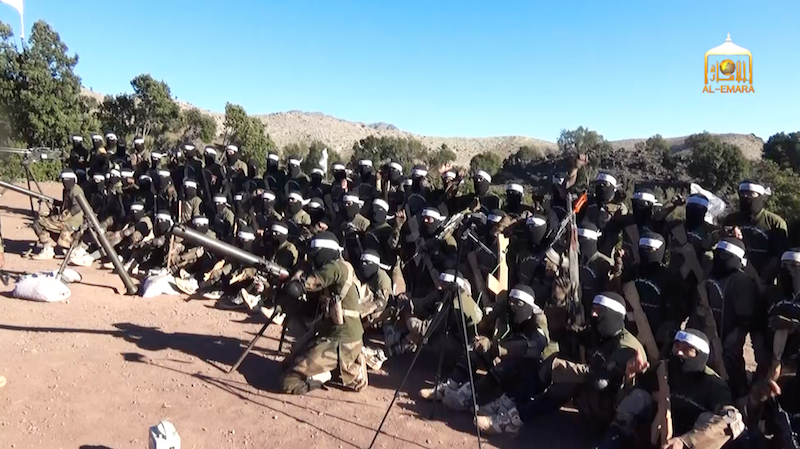
Taliban attacks on Afghan forces undeterred by mounting US pressure
The attacks show that the Taliban continues to remain on the offensive and also provide a window into the accuracy of the Taliban’s reporting of its military operations.
-
Taliban shadow governor for Helmand killed in US airstrike
Mullah Manan was responsible for Taliban successes in Helmand that has left every district to be controlled or contested by the group. However the Taliban has been adept at replacing key leaders who have been killed or died of natural causes.

-
Afghan government’s negotiating position completely at odds with Taliban’s
President Ghani wants the Taliban to accept democracy, participate in the government, and break ties with terrorist groups. The Taliban has repeatedly refused to adhere to these demands. Additionally, Ghani called for negotiations that are first driven by Afghans, which is the opposite of what is actually occurring today.

-
US service member killed during battle with al Qaeda in Afghanistan
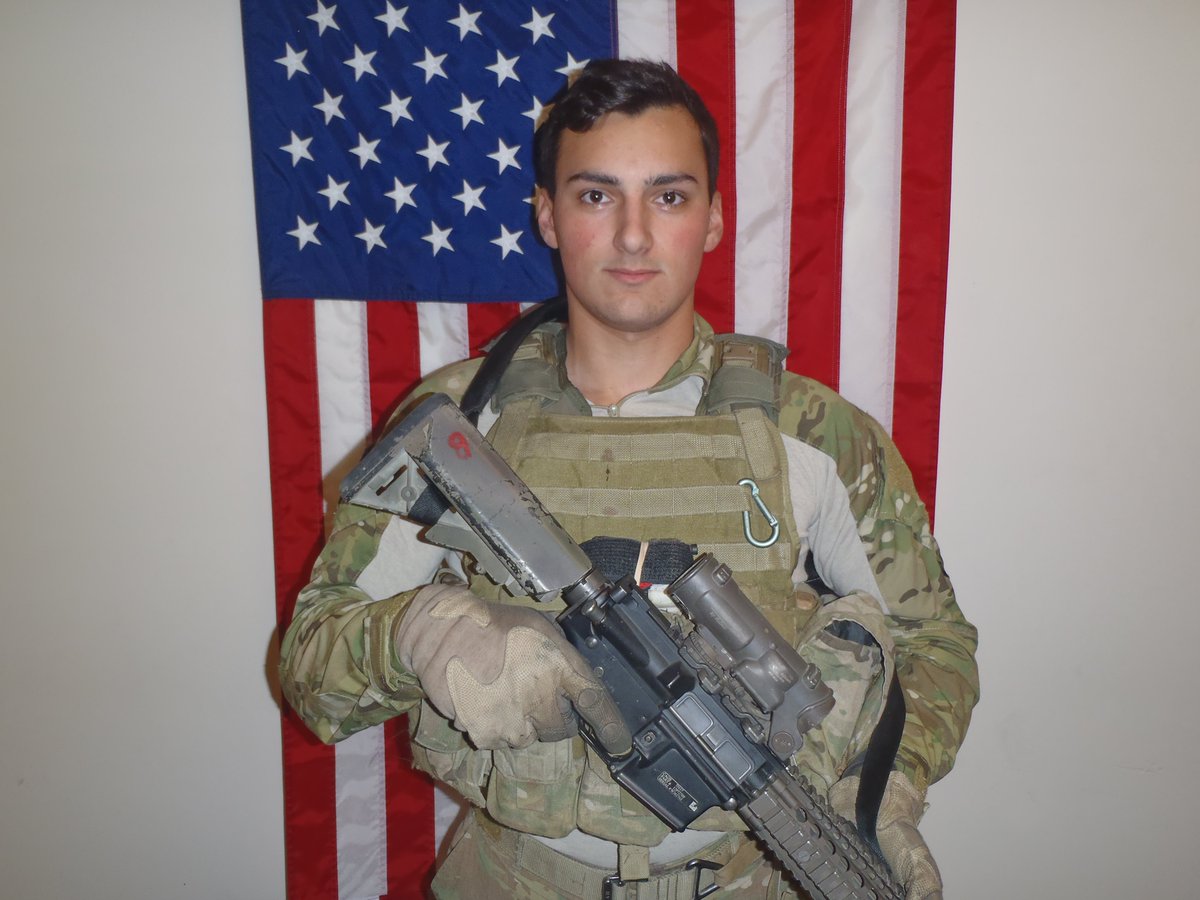
The US says that Sgt. Jasso was “was likely accidentally shot” by partner Afghan forces during a “close-quarter battle” with “multiple barricaded al Qaeda shooters” in Nimroz province on Nov. 24. Nimroz is a remote area of Afghanistan and al Qaeda’s presence there confirms, once again, that the group is operating throughout the country.
-
Analysis: US military grossly underestimates Taliban, al Qaeda force levels in Afghanistan
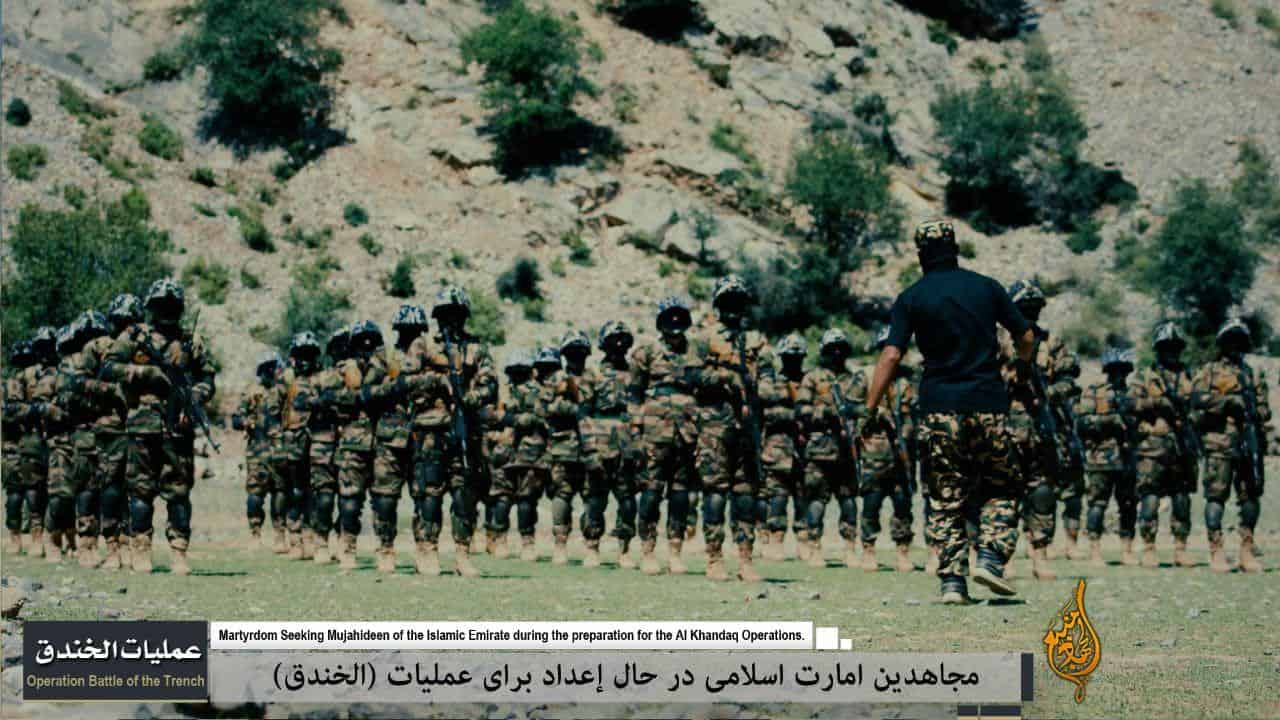
The US military’s official estimate of the number of fighters in the Taliban’s ranks needs to be at least doubled given the level and intensity of fighting in Afghanistan, as well as the number of Taliban casualties claimed by the Afghan security forces.
-
Taliban denies agreement reached with US on elections, demands “an Islamic government”
The Taliban confirmed that it met with a high-level delegation of US officials in Qatar, and quashed news reports that the group wanted the Afghan government to postpone the April 2019 presidential elections and establish an interim government.
-
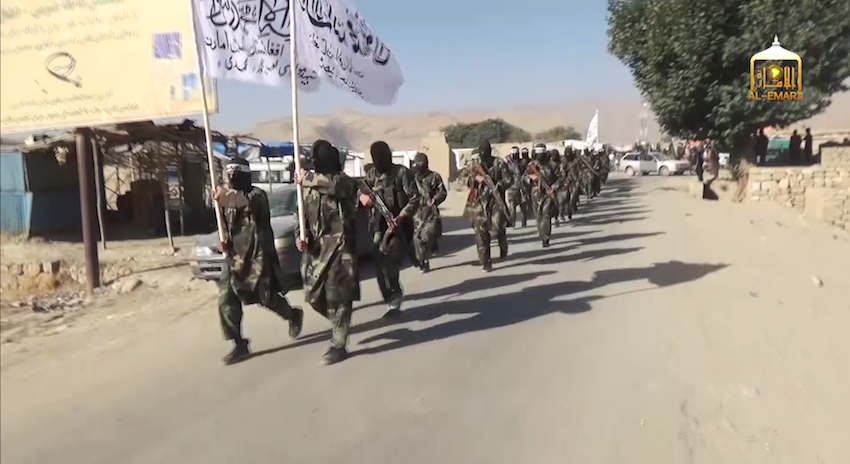
Peace with the Taliban will not be peaceful
The Taliban is more than happy to negotiate the terms of US withdrawal — but if and only if an accord is reached on its terms. Because if a so-called peace agreement can be reached, you can be sure it will be one that will not benefit the Afghan people, the US, or the region.
-
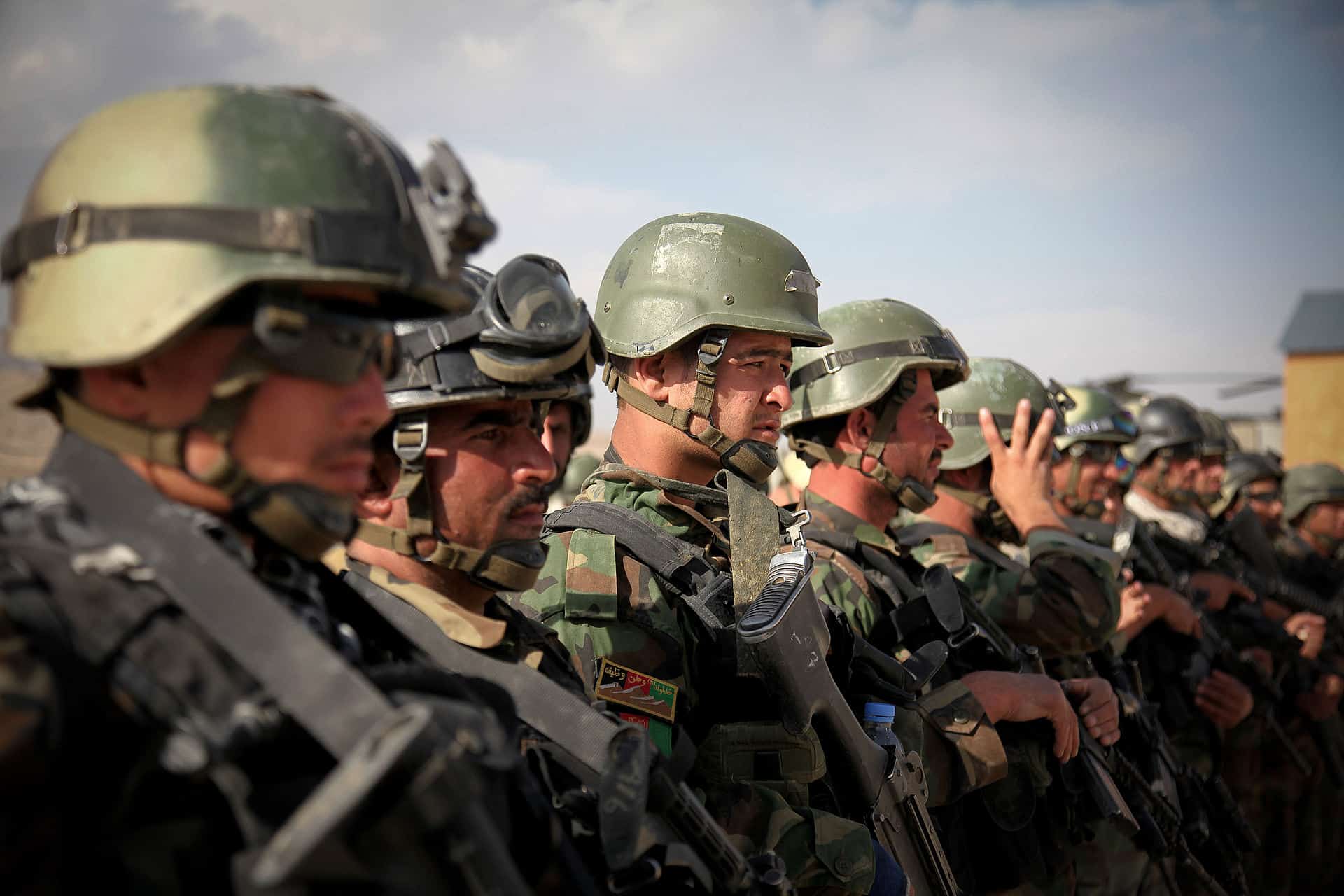
Taliban routs commando company in one of Afghanistan’s most secure rural districts
Another company of the elite Special Forces commandos was overrun, this time in the once impenetrable district of Jaghuri in Ghazni province. Afghan forces are being besieged by the Taliban on a daily basis.
-
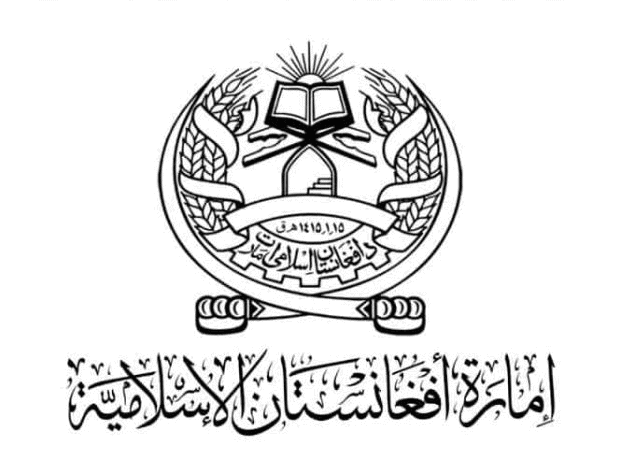
At Moscow conference, Taliban refers to itself as the “Islamic Emirate” 61 times
The Islamic Emirate of Afghanistan is the name of the Taliban’s government before the US deposed it after the Sept. 11, 2001 attack by al Qaeda. The Taliban insists that the Islamic Emirate of Afghanistan be restored and recognized as the true representatives of the Afghan people.
-
“The international status of the Islamic Emirate will be strengthened” due to Moscow meeting, Taliban brags
The Taliban said that the Moscow conference serves as a propaganda and diplomatic coup for the group, as it has sought international legitimacy for its cause. It reitered that it refuses to negotiate with the Afghan government and is seeking the withdrawal of US forces.

-
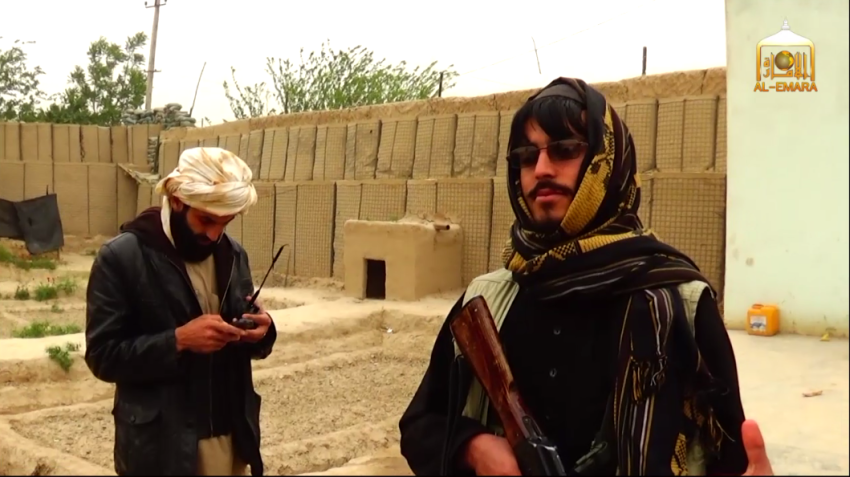
Taliban storms fourth Afghan base this month
All but three of the border policemen manning the outpost were either killed or captured, according to reports. The base in Farah is just the latest to fall to the Taliban.
-
Taliban overruns military bases in Uruzgan’s capital and Faryab
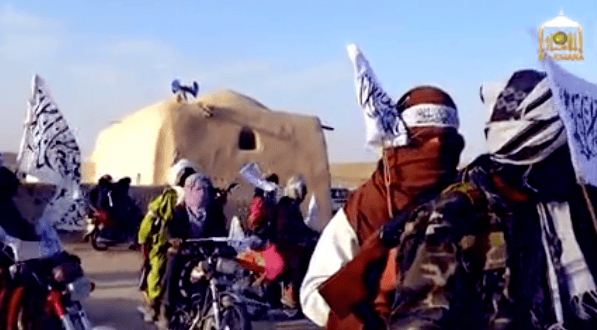
The Taliban continues to press its successful attacks on the Afghan security forces even as they withdraw from more remote areas to defend more populous areas.
-
Taliban, Pakistani military mourn death of extremist cleric
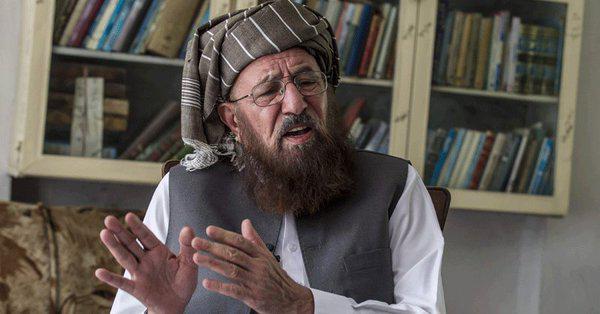
The Afghan Taliban, Pakistani Taliban and Pakistani military have all honored Maulana Sami ul-Haq, a influential and radical cleric who was stabbed to death. Haq’s madrassa has been a breeding ground for the Taliban and other jihadist groups in the region.
-
US military continues to spin a Taliban victory against Islamic State as its own
The US military’s repeated attempts to spin the Taliban’s victory in Jawzjan as its own only serves to demonstrate just how eager it is to manufacture successes in Afghanistan when they are few and far between.
-
Afghanistan watchdog: Government control lowest ever
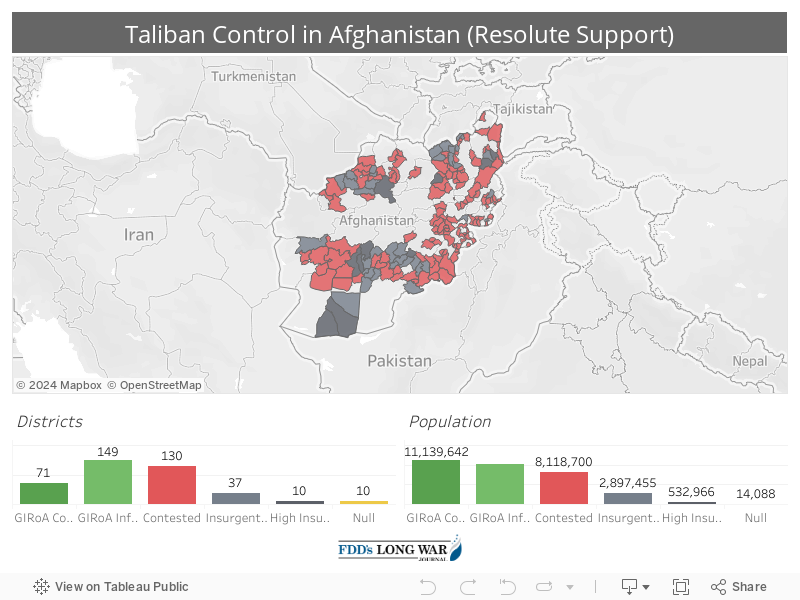
Since the Special Inspector General for Afghanistan Reconstruction (SIGAR) began tracking district control three years ago, Afghan government controlled or influenced districts has declined 16% to 55.5%. In the same period, insurgent control/influence rose 5.5% and contested districts increased 11%.
-
Half of Afghan population living in districts outside government control
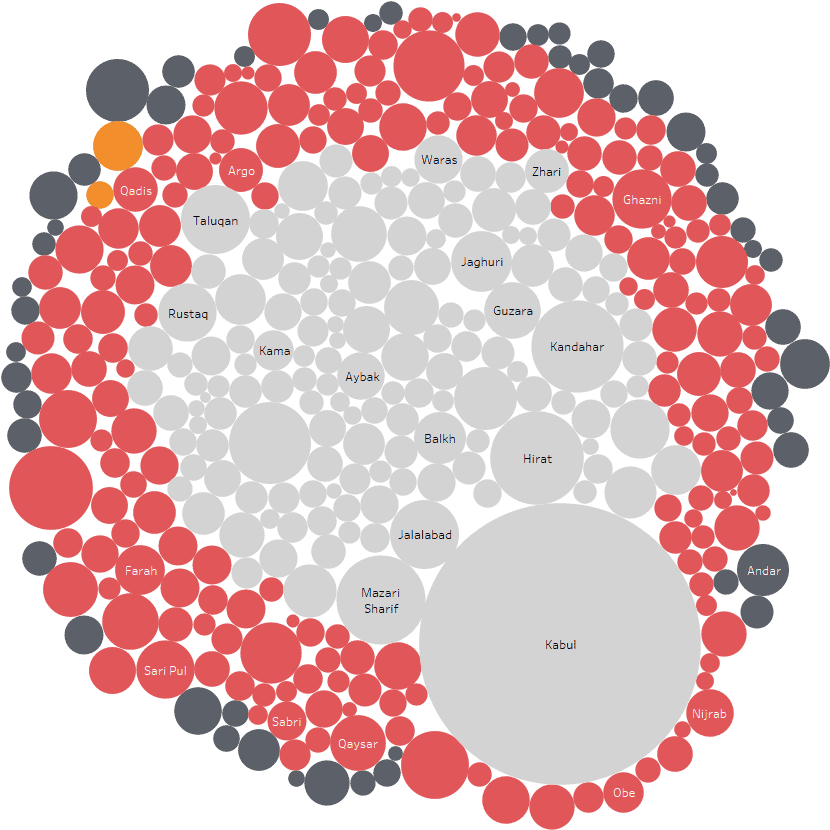
Some 41 percent of the Afghan population resides in a contested district and more than nine percent reside in a Taliban controlled district, according to a new study by FDD’s Long War Journal.
-
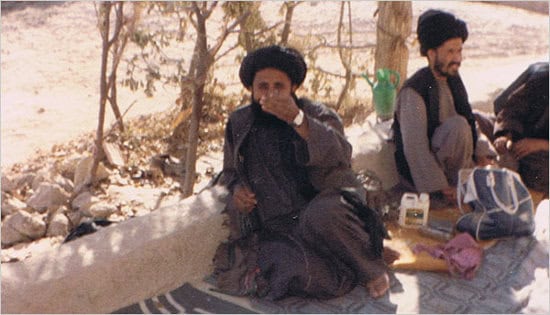
Analysis: Baradar’s release from Pakistani custody unlikely to impact Afghan peace talks
While many officials and analysts are hopeful that Baradar can influence negotiations between the US and the Taliban, it is highly unlikely that he will be able to influence the current crop of Taliban leaders, who have waged a successful insurgency and control more ground in the country since any point during the war.
-
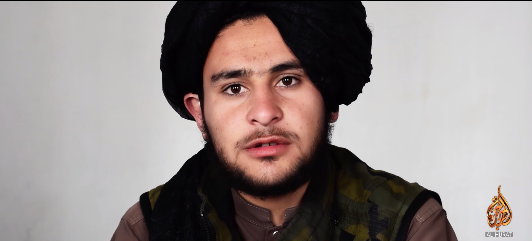
General Raziq’s assassin trained at a Taliban camp
The US military and Resolute Support have yet to identify Raziq’s assassin as a member of the Taliban, let alone acknowledge that he trained in a Taliban camp.
-
It’s a ‘religious duty’ to oppose Afghan elections, Taliban says
The Taliban has a released a series of statements threatening the Afghan elections this week. The statements are attributed to three different commissions within the Taliban’s Islamic Emirate of Afghanistan, which operates as a shadow government throughout much of the country.
-
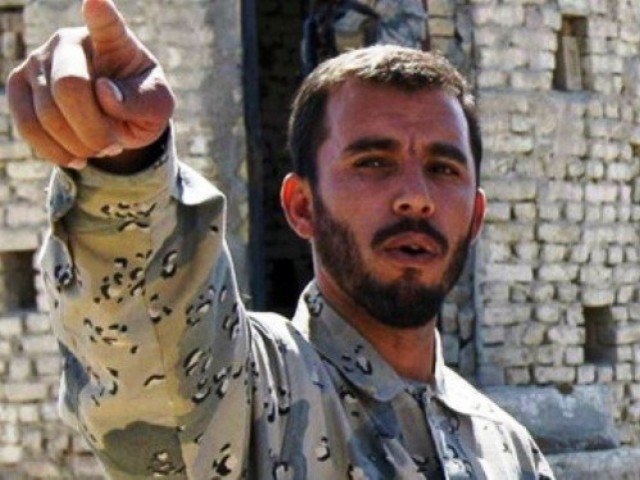
Taliban attacks meeting attended by General Miller, kills Kandahar police chief
General Miller, the commander of US and NATO forces in Afghanistan, was present at the meeting but was not wounded. The the governor of Kandahar and the head of the province’s National Directorate of Security were among those killed. The assassination of Raziq is a major blow to the Afghan government. He was arguably the most powerful player in the Afghan south and a stalwart ally of the US, and he may not be easily replaced.
-
Taliban claims to have captured 2 Afghan districts
While the Taliban’s claim of controlling districts in Samangan and Paktika cannot be independently verified, the group has proven to be accurate when reporting on the status of districts.
-
Taliban confirms meeting with US delegation in Doha
The Taliban says its representatives met with an American delegation in Doha on Oct. 12. The group says that members of the “Political Office” of the “Islamic Emirate of Afghanistan” stressed that the “presence of foreign forces” is “the greatest obstacle obstructing true peace and solving problems.” The Taliban’s overall leader previously blessed “direct dialogue” with the Americans, so long as the talks focused on an American withdrawal.
-
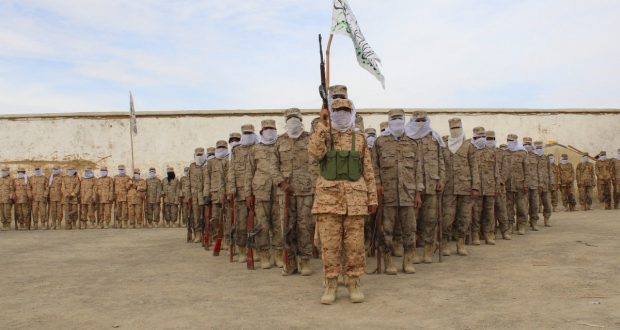
Scores of Taliban recruits train at Abu Ubaidah bin Jarrah Training Camp
Scores of Taliban recruits train in broad daylight at the Abu Ubaidah bin Jarrah Training Camp.
-
Taliban calls for attacks to disrupt Afghan elections
The US wants the Taliban to lay down its arms and recognize the legitimacy of the Afghan government. The State Department has even encouraged the group to “turn their bullets and bombs into ballots” and “vote.” But in a new statement, the Taliban again rejects Afghanistan’s parliamentary elections, saying it is a “demand of our faith” that they be “prevented from taking place.”
-
Badness personified
Jalaluddin Haqqani is dead. The terror network he created lives on.