-
Analysis: The Islamic State’s first major terrorist attacks inside Iran
The Islamic State claimed responsibility for its first major attacks inside Iran earlier today. Although the group has long fought Iranian-backed forces in Iraq and Syria, it had never struck Tehran. Islamic State spokesman Abu Muhammad al Adnani previously admitted that his organization had abided by an order from al Qaeda’s senior leadership to refrain from attacking in Iran.

-
Analysis: UK investigating possible ‘network’ behind Manchester attack
International authorities are investigating the possibility that a “network” assisted Salman Abedi in the Manchester Arena bombing earlier this week. The investigation stretches from the UK to Libya, where Abedi’s younger brother and father have been detained. His brother, Hashim, has allegedly admitted prior knowledge of the plot and that the siblings were Islamic State members.

-
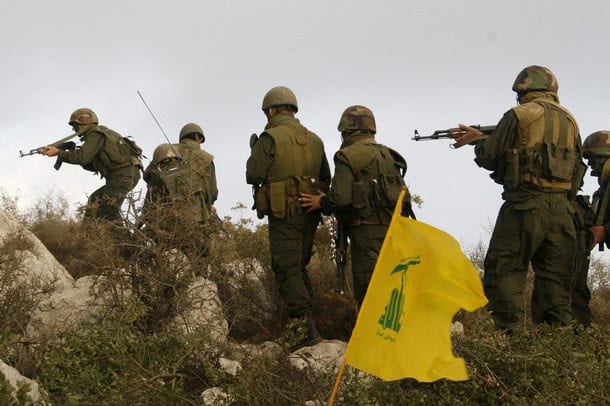
Analysis: Hezbollah redeploys forces after withdrawal from Syrian-Lebanese border positions
Hezbollah has repositioned its men for the ongoing battles in Syria.
-
Analysis: Iran steps up support for terrorism in Bahrain
The US targets a Bahraini extremist living in the Islamic Republic of Iran.

-
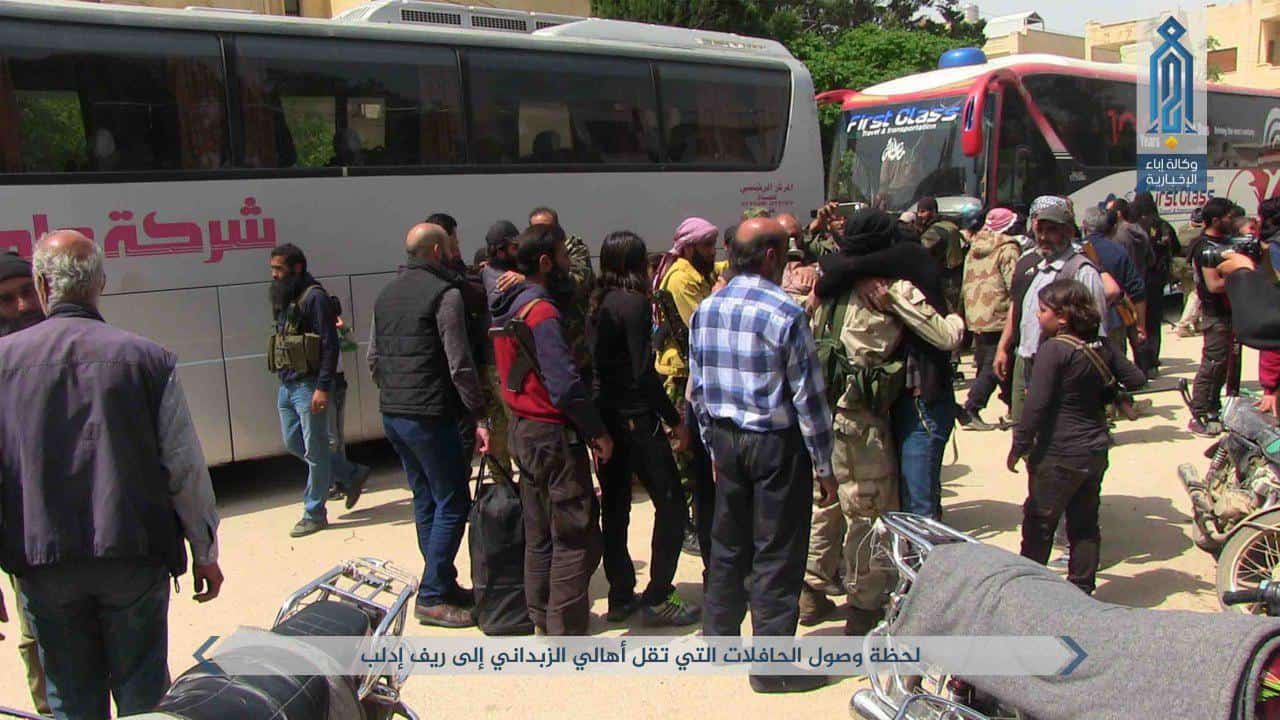
Analysis: Qatar’s ill-timed hostage deal increases pressure on Washington
Qatar recently secured the release of Qatari hostages, including members of the royal family. But its diplomatic victory was marred by reports that a multi-million dollar ransom was paid to a US-designated terrorist group and an al Qaeda-linked joint venture in Syria.
-
Analysis: Syria policy must reflect the complex reality on the ground
The policy debate concerning Syria must reflect on-the-ground realities. The war is a complex, multi-sided affair with no easy solutions.
-
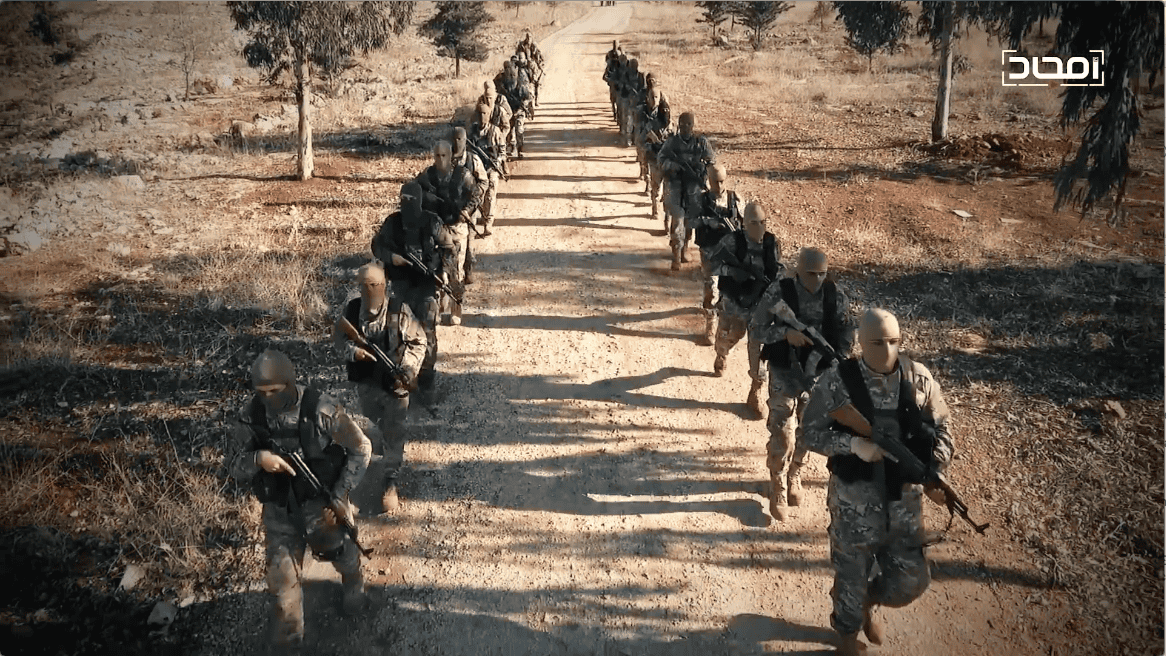
Analysis: Insurgents launch major offensive against Assad regime in Hama province
Jihadists, Islamists and rebel groups affiliated with the Free Syrian Army (FSA) launched a new offensive against Bashar al Assad’s regime in northern Hama province earlier this week. Hay’at Tahrir al Sham, al Qaeda’s joint venture in Syria, is playing a prominent role in the fighting, dispatching several suicide bombers and its “special forces.” Upwards of 10 or more FSA-branded groups are participating as well.

-
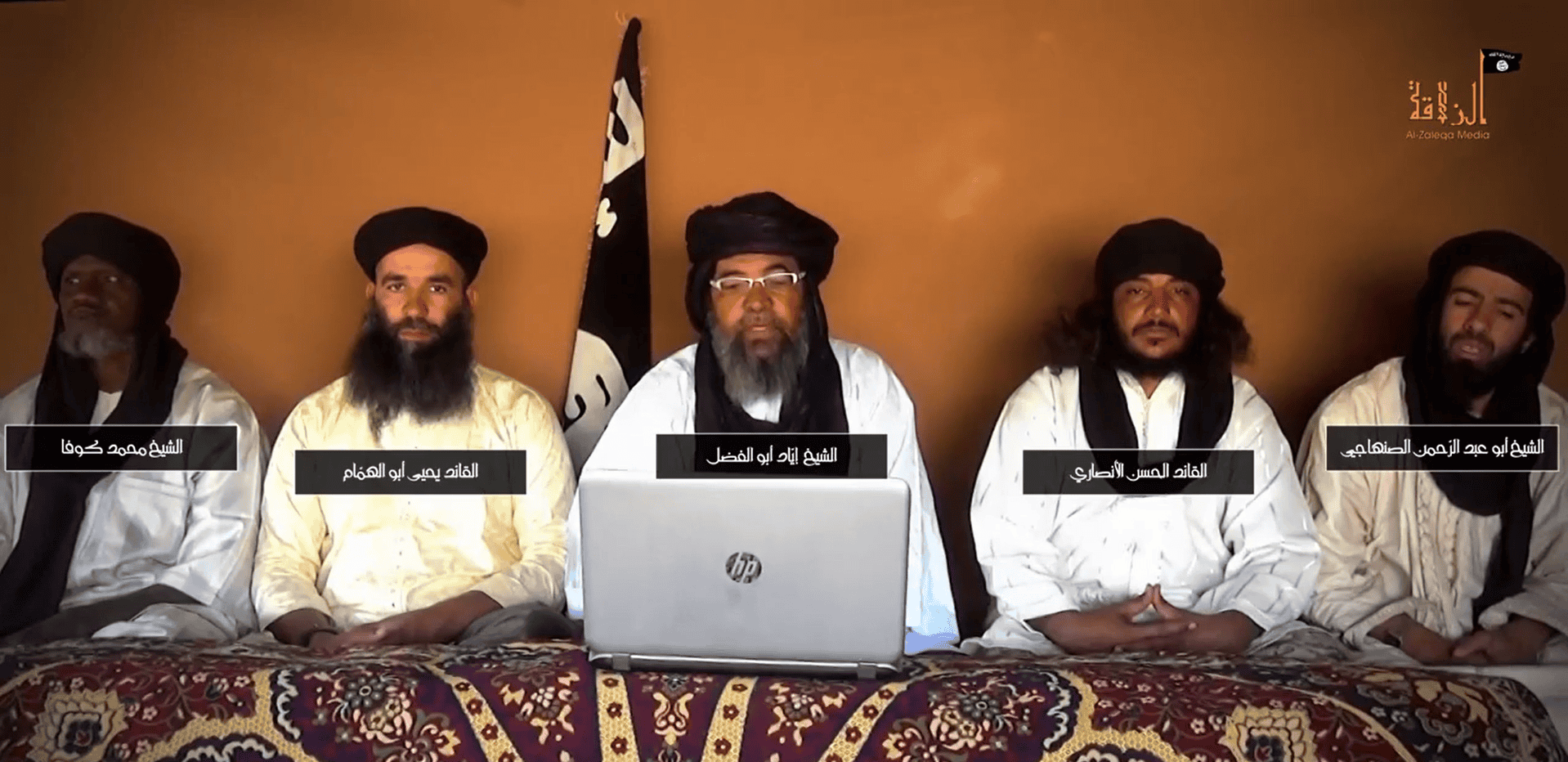
Analysis: Merger of al Qaeda groups threatens security in West Africa
Earlier this month, four al Qaeda groups in West Africa merged to form the “Group for the Support of Islam and Muslims.” Its constituent organizations launched more than 250 attacks across the region in 2016, a significant increase in the jihadists’ operational tempo from the previous year.
-
Analysis: Al Qaeda groups reorganize in West Africa
On Mar. 2, a new al Qaeda joint venture in West Africa was announced. The “Group for the Support of Islam and Muslims” is led by Ansar Dine’s Iyad Ag Ghaly and is openly loyal to Ayman al Zawahiri. It brings together four groups that were already part of al Qaeda’s international network.

-
Analysis: Islamic State claims historically high number of suicide attacks in 2016
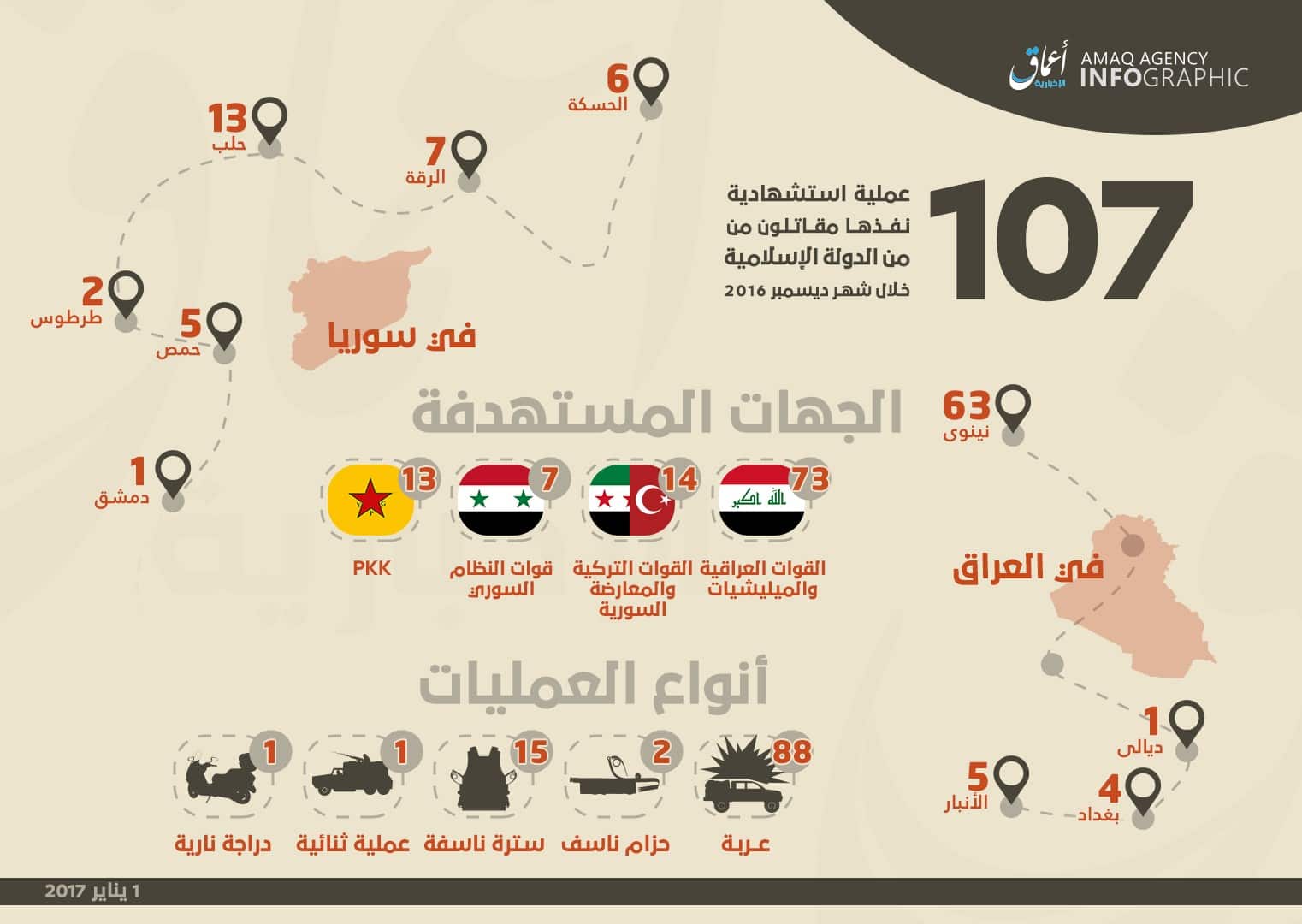
The Islamic State claims to have carried out 1,112 suicide attacks in Iraq and Syria during 2016. Additional suicide bombers were deployed in Libya and elsewhere. If the group’s claims are accurate, then the so-called caliphate has been using “martyrs” at a historically high rate.
-
Analysis: Jund al Aqsa’s deep Gulf roots
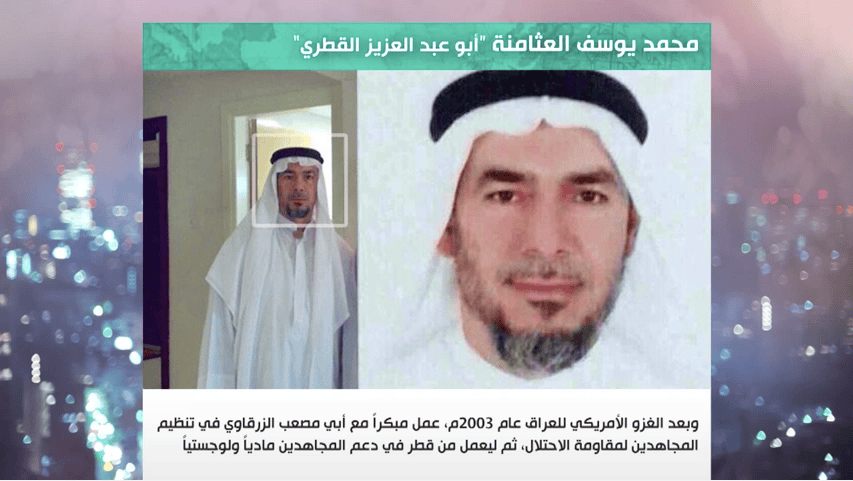
Jund al Aqsa, a US and UN designated terrorist organization, was subsumed by al Qaeda’s rebranded Syrian branch in early October. The group had deep ties to al Qaeda’s fundraising network in the Gulf prior to the merger.
-
Analysis: US military assessment of Taliban control of Afghan districts is flawed
The US military’s estimate does not explain how the Taliban is able to support multiple concurrent offensives across the country and threaten five provincial capitals. Additionally, the military claims that only 3 of Helmand’s 14 districts are threatened by the Taliban.

-
Analysis: Reading Tehran’s security establishment on the strike in Sanaa
A deeper look at a recent airstrike in Sanaa by the Saudi-led military coalition, where Iranian security elites display a penchant for narrative, a circumscription of their own support for the war, as well the traditional blaming of the United States. In so doing, light is shed on how these security planners see their regional rivalries.
-
Analysis: IRGC implicated in arming Yemeni Houthis with rockets
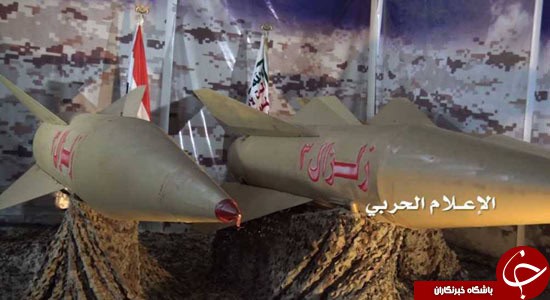
The Yemeni Houthi movement, officially known as Ansar Allah, has recently deployed Zelzal-3, an Iranian-manufactured artillery rocket.
-
Analysis: Deterring Gulf States from backing the new Al Nusrah Front
Washington should take a series of steps to stop nations from supporting the newly rebranded version of Al Nusrah Front in Syria.
-
Analysis: Al Nusrah Front rebrands itself as Jabhat Fath Al Sham
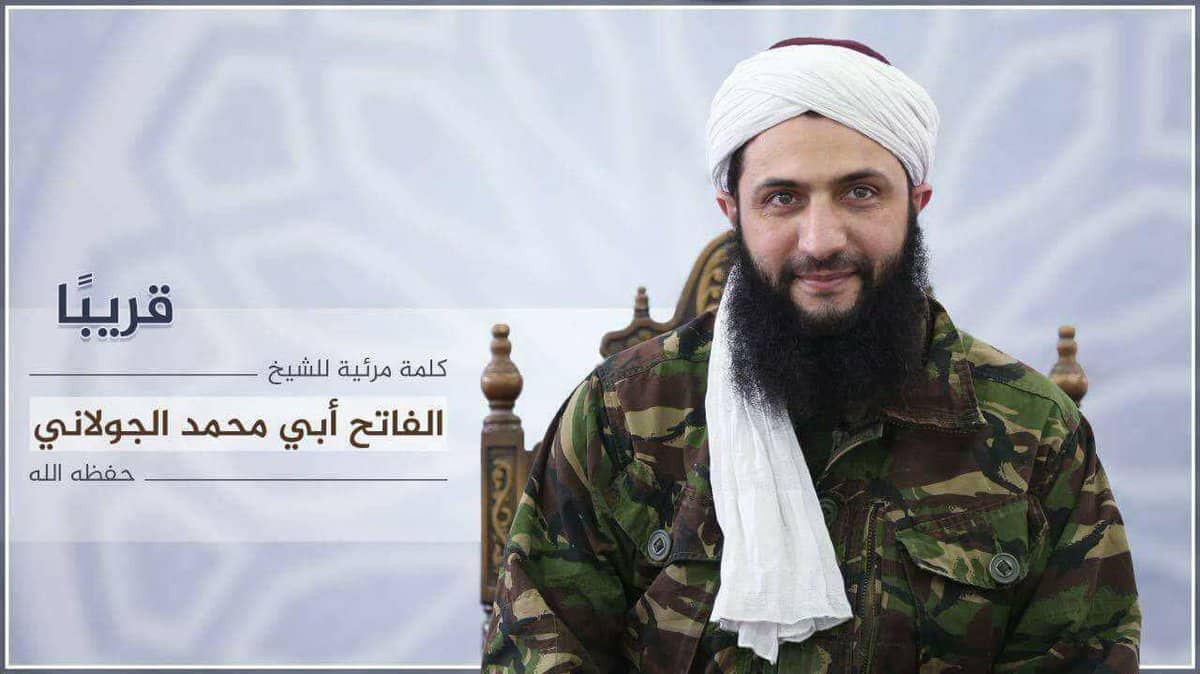
Abu Muhammad al Julani announced that Al Nusrah Front has been rebranded as Jabhat Fath Al Sham. Many have read into Julani’s statement as a formal disassociation with al Qaeda. But Julani didn’t actually say that, as his language was intentionally ambiguous. While sitting next to a longtime al Qaeda veteran from Egypt, Julani did not explicitly say that his group has broken from al Qaeda.
-
Analysis: State Department identifies Gulf shortcomings on counterterrorism efforts
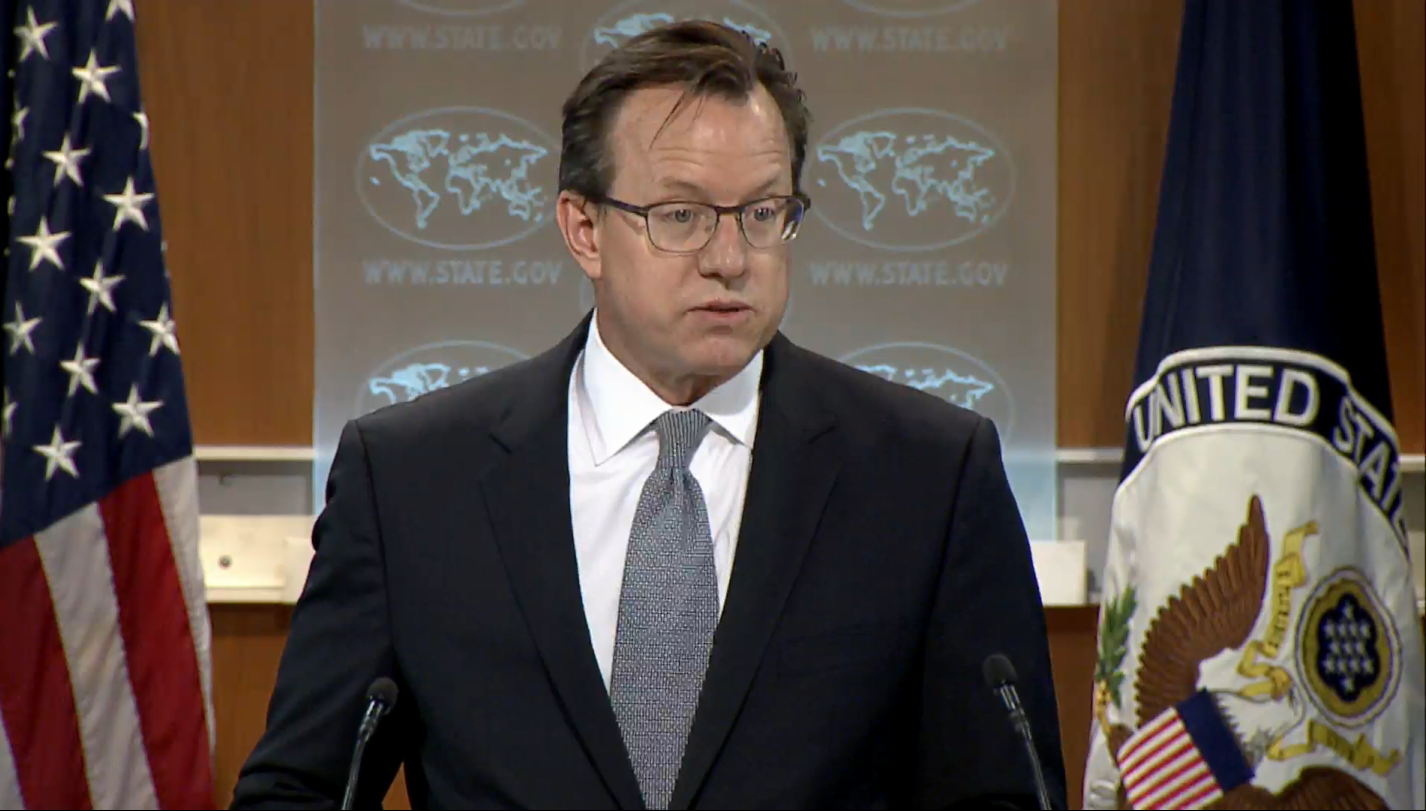
The State Department’s newly released Country Reports on Terrorism for 2015 suggests that several Gulf States still have a lot of work to do when it comes to terrorist fundraising.
-
Analysis: Iran has supported the Taliban’s insurgency since late 2001
Multiple reports say Taliban leader Mullah Mansour was killed earlier this month after he returned to Pakistani soil from Iran. While some have praised Iran for supposedly seeking stability inside Afghanistan, the Iranians have supported the Taliban’s insurgency since late 2001.

-
Analysis: Qatar still negligent on terror finance
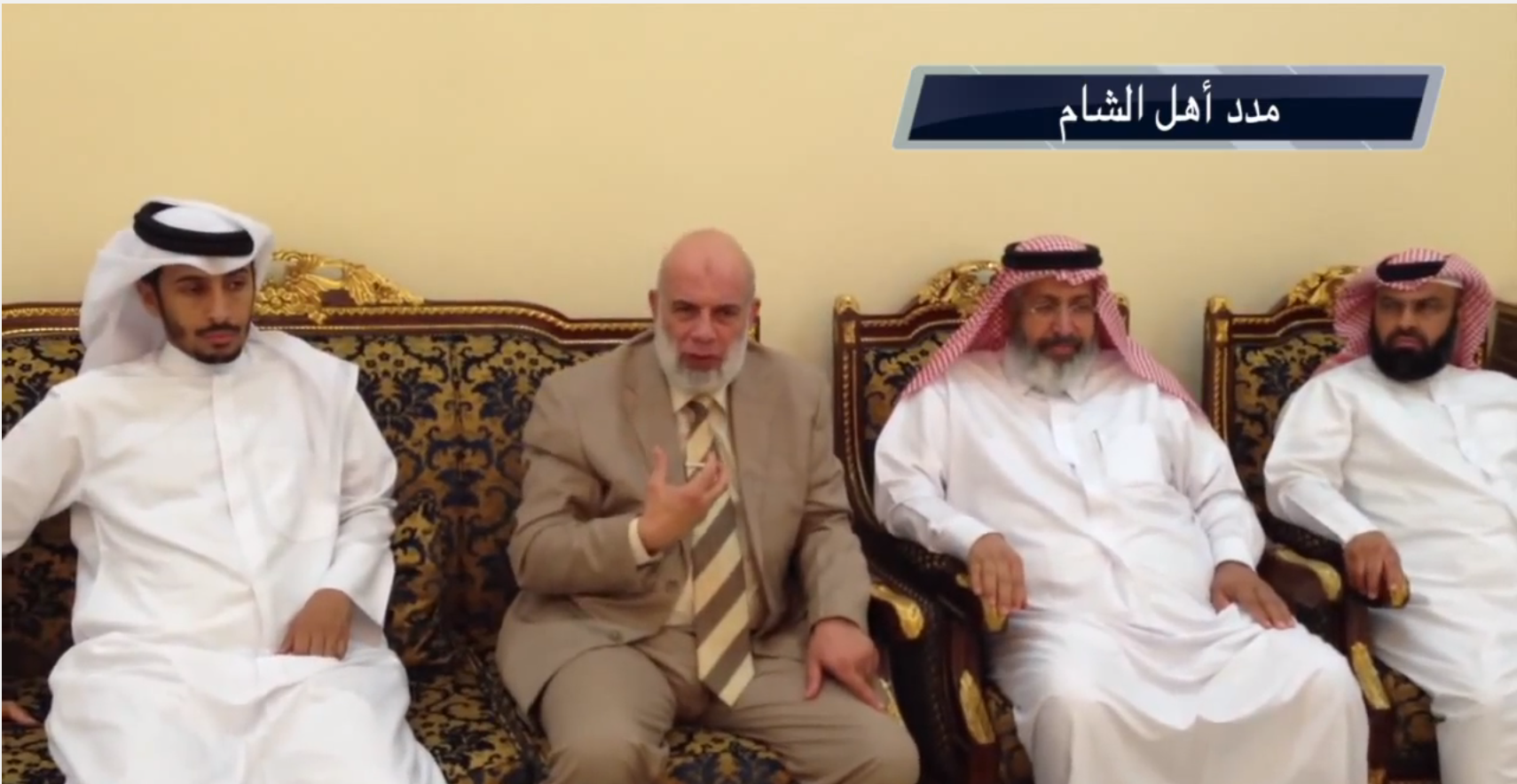
New US sanctions on two Qatari citizens expose Doha’s uneven response.
-
Analysis: Osama bin Laden’s son praises al Qaeda’s branches in new message
During the last months of his life, Osama bin Laden worried about the fate of his son, Hamzah. In a newly-released audio message, Hamzah picks up his father’s banner.

-
Analysis: Al Nusrah Front ‘committed’ to Ayman al Zawahiri’s ‘orders’
Earlier this week, Al Jazeera aired the first part of its interview with Abu Muhammed al Julani, who is the emir of the Al Nusrah Front. Julani stressed that his organization is “committed” to Ayman al Zawahiri’s “orders,” thereby dispelling erroneous reports that his group was going to “break” with al Qaeda.

-
Analysis: Iranian Reactions to Operation Decisive Storm
As Operation Decisive Storm got underway, Iranian outlets, analysts, and elites all prepared to frame the conflict between the Shiite Houthis in Yemen and the 10-member coalition as part of the larger Saudi-Iranian cold war. Such zero-sum statements indicate that any set-back for the coalition will be a win for Iran.
-
Analysis: Boko Haram loses ground, but remains in the fight
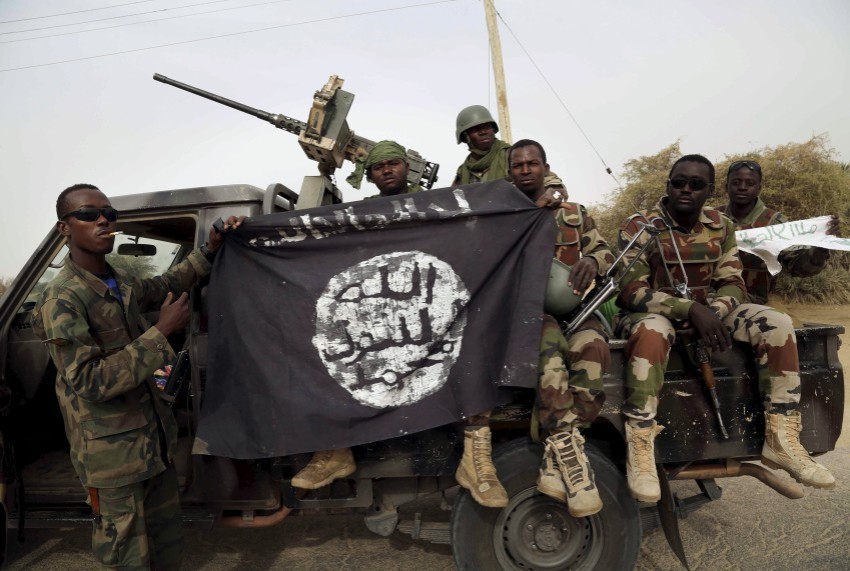
While Nigeria and its military partners are wresting control of northeast Nigeria from Boko Haram, it is becoming apparent that the fight against the jihadist group will continue regardless of the group’s ability to hold land.
-
Analysis: Why AQAP quickly denied any connection to mosque attacks
The Islamic State’s attacks on Houthi civilians are part of a deliberate strategy. AQAP tries to avoid such operations, but the permissibility of deliberately killing Shiite civilians is still debated in jihadist circles.

-
Analysis: Shiite Pakistani casualties of the wars in Syria and Iraq
Seven Pakistani Shiites who were killed while fighting for Bashar al Asad’s regime in Syria appear to have been recruited and trained inside Iran.

-
Analysis: Shiite Afghan casualties of the war in Syria
The Islamic Revolutionary Guards Corps – Qods Force is backing the Fatemiyoun Brigade, a unit comprised of Shiite Afghans living in Iran. The leader of the Fatemiyoun Brigade has been pictured with Qods Force commander Qassem Soleimani.

-
Analysis: Iran is no partner in the fight against the Islamic State
The threat of the Islamic State not only makes Iraq more dependent on Tehran and legitimizes Iran’s military presence in Iraq, it also provides the regime in Tehran with another bargaining chip in nuclear negotiations.

-
Analysis: The Islamic State claims Jordanian airstrikes killed an American hostage
The Islamic State claims that an American hostage was killed during Jordanian airstrikes earlier today. However, the statement could very well be a propaganda ploy, at least in part.

-
Analysis: DIA head warns al Qaeda in Syria may gain ground in 2015
Lieutenant General Vincent R. Stewart, the director of the DIA, testified before the House Armed Services Committee yesterday. Stewart warned that al Qaeda in Syria may gain ground in 2015, the Islamic State remains capable of launching offensive operations despite the coalition’s air campaign, and the Taliban-led insurgency has fought its opposition to a stalemate in Afghanistan.
-
Analysis: Former US Marine killed by Islamic State’s Tripoli ‘province’
A former US Marine has been identified as one of the victims of yesterday’s attack on the Corinthia Hotel in Tripoli, Libya.