-
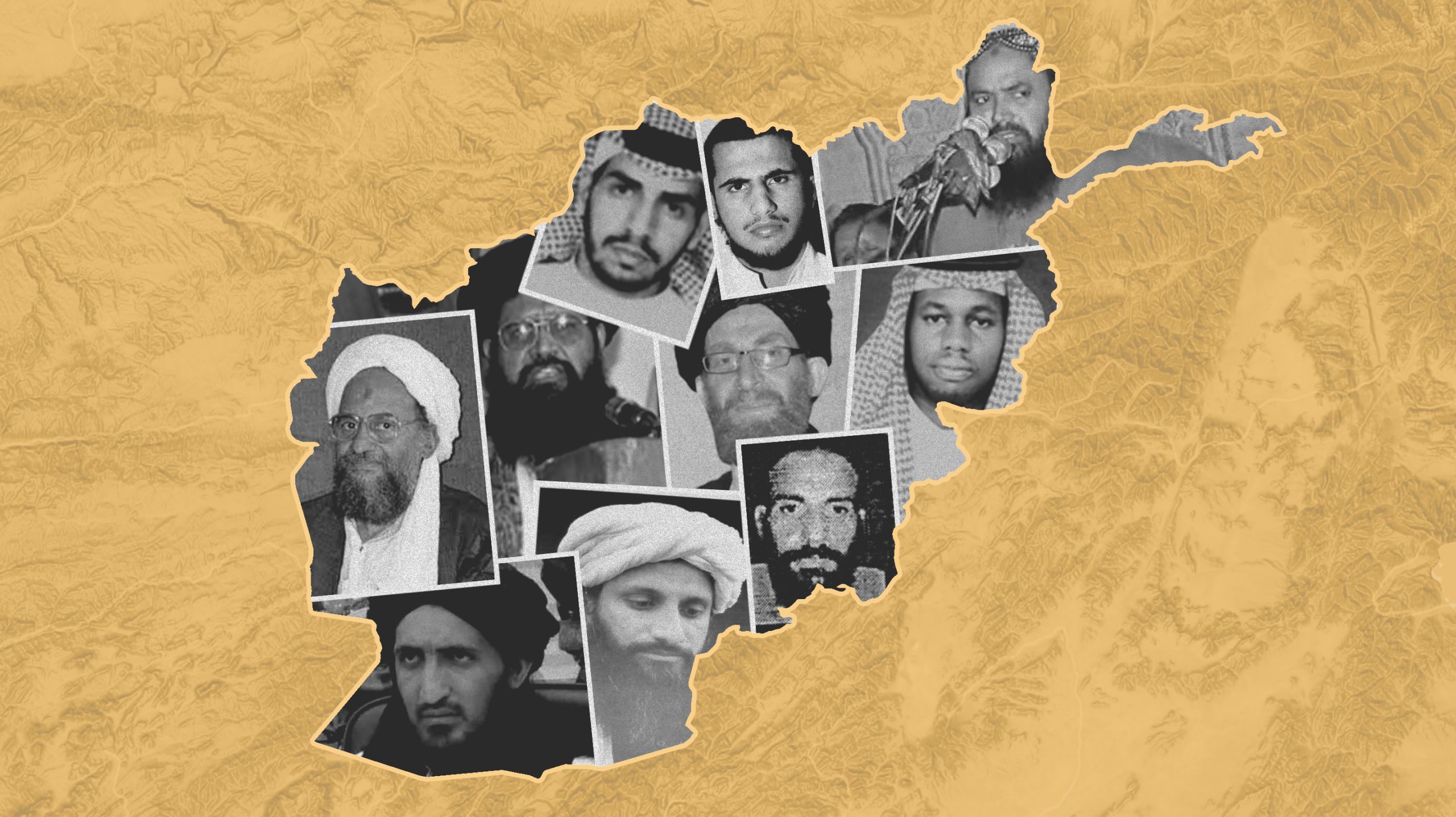
Analysis: Losing a War
The Trump administration is desperately trying to negotiate with the Taliban’s senior leadership. The Obama administration did as well, with the effort ending in a diplomatic fiasco.
-
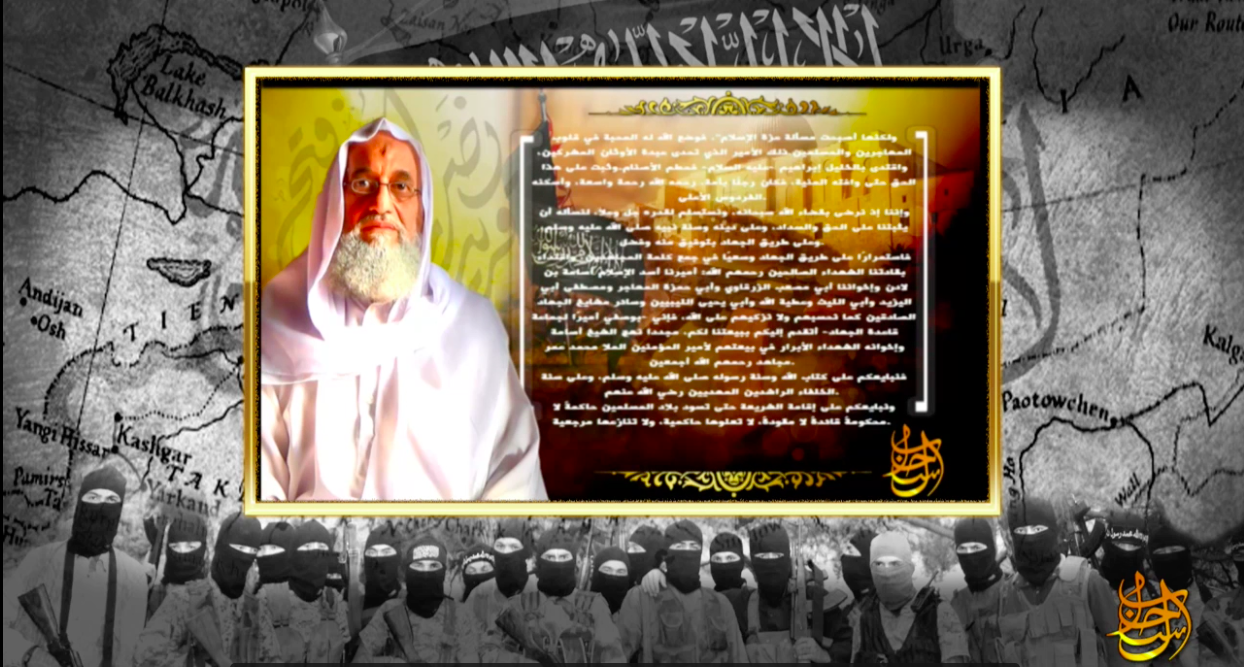
Analysis: US terror designations target Islamic State’s Southeast Asian network
On Aug. 24, the US Treasury Department designated three Islamic State recruiters as terrorists. The trio appeared in a June 2016 beheading video that was used to recruit fighters from Southeast Asia. The new designation is the latest in a series of moves taken by the US government to target the Islamic State’s global network with financial sanctions and other measures.

-
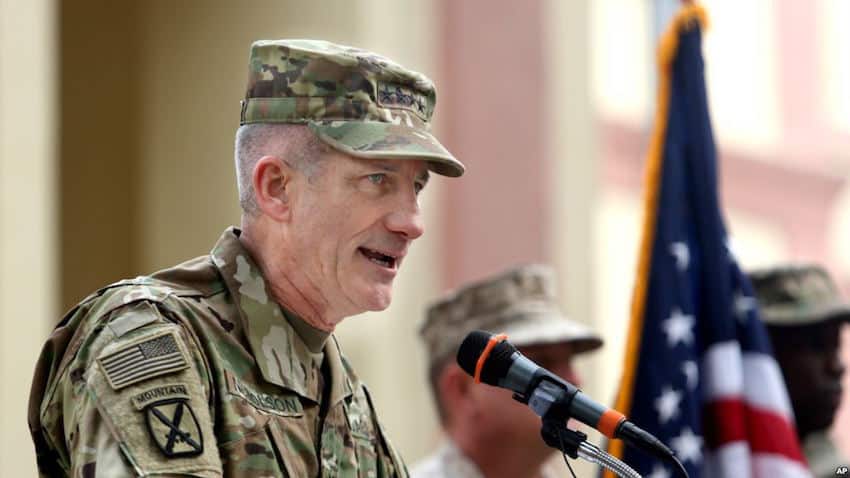
Analysis: Gen. Nicholson says US strategy in Afghanistan ‘is working,’ despite the facts
At a Pentagon press conference, General Nicholson again gave a Pollyannish assessment of the state of Afghanistan. He claimed the peace process is working and the Taliban’s offensive is failing, and took credit for a Taliban victory over the Islamic State.
-
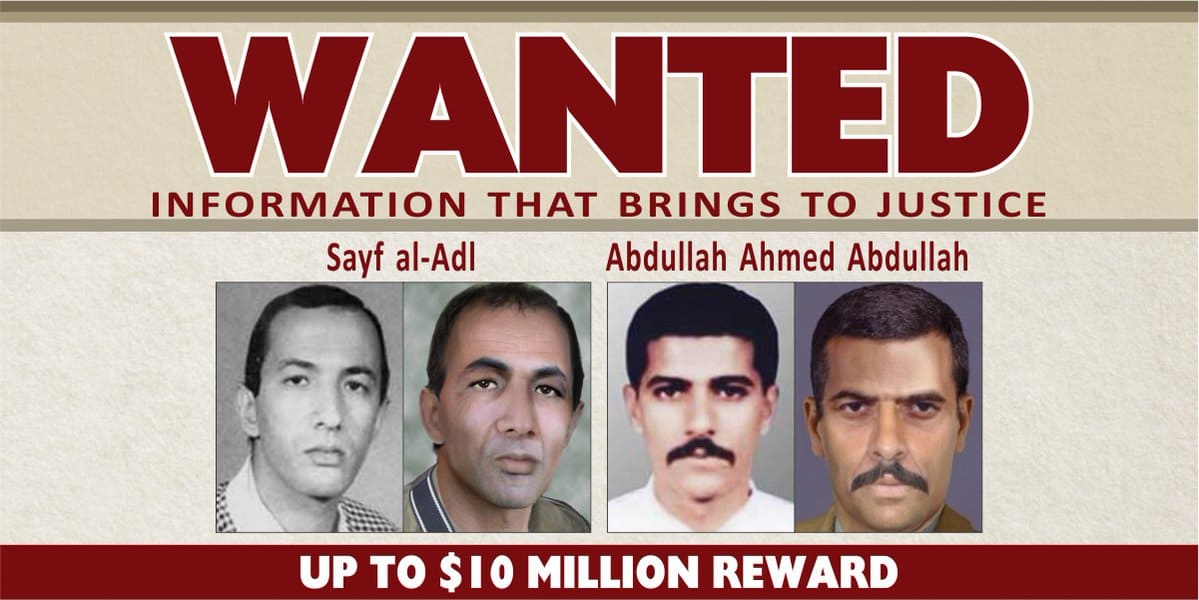
Analysis: 2 wanted al Qaeda leaders operate in Iran
On Aug. 8, the State Department announced that it had increased its reward for information concerning the whereabouts of two veteran al Qaeda leaders: Abdullah Ahmed Abdullah and Saif al-Adel. Although State didn’t explain the move, there is evidence that the two al Qaeda managers were operating inside Iran as of 2017.
-
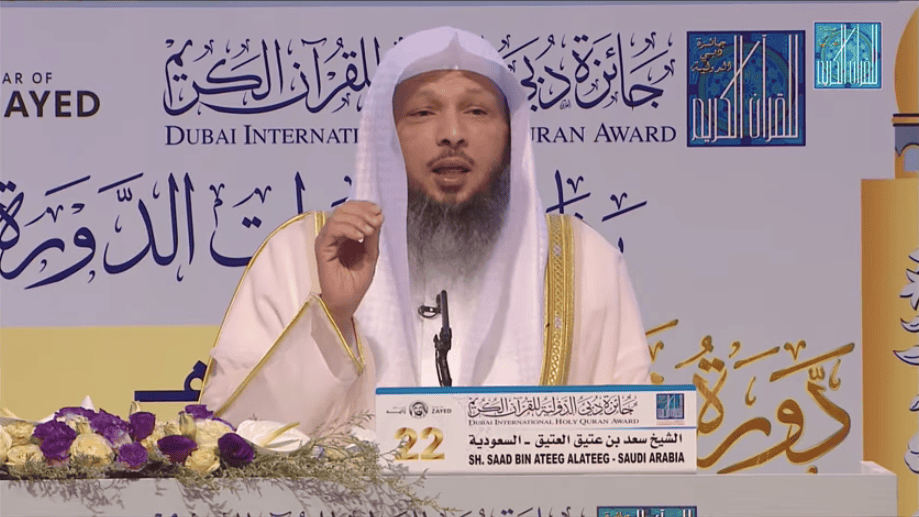
Analysis: America’s Gulf allies still sponsor hate preachers
America’s Gulf allies — Qatar, Dubai, Saudi Arabia and Kuwait — still sponsor hate preachers during Ramadan.
-
Analysis: Jihadist exploitation of communal violence in Mali
Rising communal violence in both northern and central Mali further weakens the already fragile state, which in turn, further helps jihadists exploit these problems for their own gain.

-
Analysis: The Turkistan Islamic Party’s jihad in Syria
The Turkistan Islamic Party (TIP) in Afghanistan and Syria has long operated as part of the Taliban-al Qaeda axis. Earlier this year, however, the TIP’s Syrian branch sided with Hay’at Tahrir al-Sham (HTS) during its battles with other rebel groups. This infighting and related events have complicated the picture with respect to the TIP in Syria. One TIP-affiliated outlet claimed earlier this year that the group’s senior management had sent new leadership from Afghanistan to Syria.

-
Analysis: Pentagon continues to underestimate al Qaeda, downplay ties to Taliban
The Pentagon and the US intelligence community have been consistently wrong about al Qaeda’s strength in Afghanistan, and evidence of strategic ties between the two groups does indeed exist.

-
Analysis: Taliban will halt attacks on Afghan government for 3 days
The Taliban has announced that it will refrain from offensive operations against the Afghan government for three days during the Eid holiday. However, this is a shorter timeframe than the Afghan government’s announced ceasefire. And the jihadists say they will continue to attack the “foreign occupiers,” meaning the US and allied forces, during this brief respite. The Taliban also does not say it will participate in meaningful peace talks with the Afghan government.

-
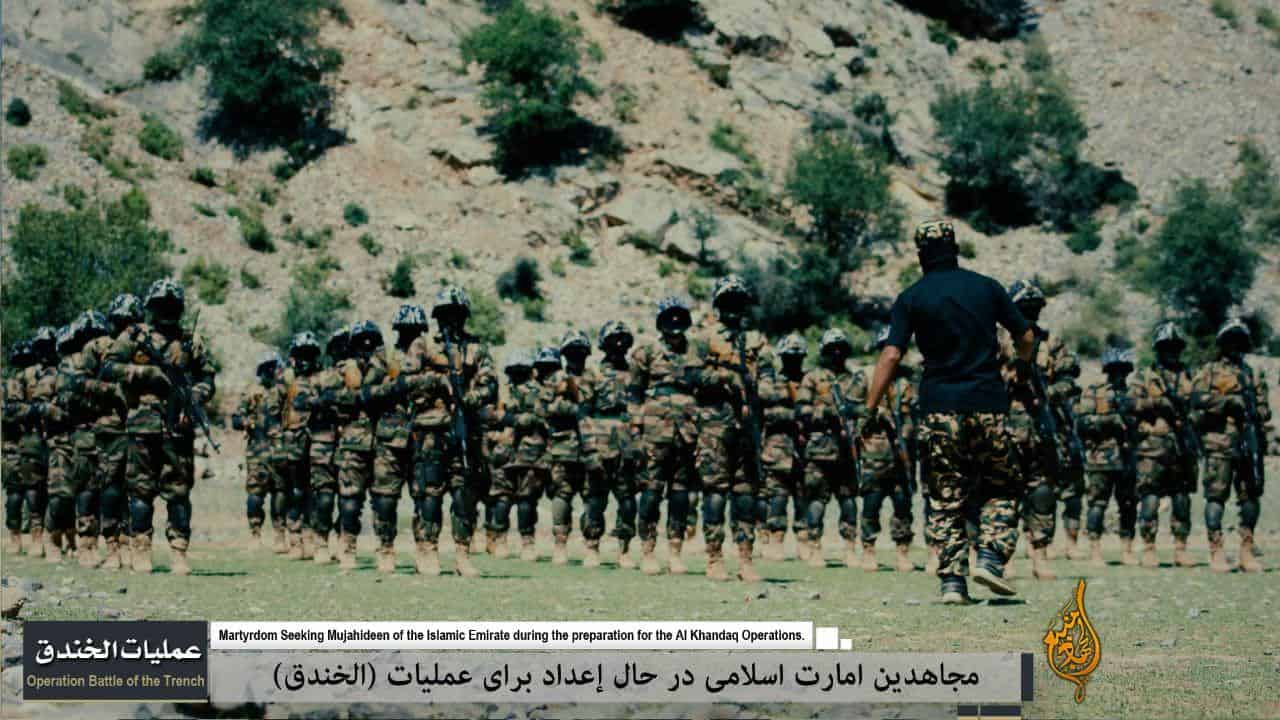
Analysis: A misbegotten ‘ceasefire’ in Afghanistan
The government of Afghanistan announced yesterday that it has entered into a unilateral ceasefire with the Taliban. Gen. John Nicholson, who oversees the US-led war effort, claimed it was a “bold initiative for peace.” But the thinking behind the ceasefire is confused.
-
Analysis: AQAP remains under pressure
On May 23, Al-Badr Media Foundation announced its presence online, saying it will work to serve the interests of al Qaeda in the Arabian Peninsula (AQAP) and its supporters in several ways. AQAP remains under pressure and its media output has been degraded by a US-led campaign. Al-Badr is AQAP’s latest attempt to improve the group’s security measures and boost fighter morale.

-
Analysis: Shabaab advertises its al Qaeda allegiance
Since late April, Shabaab has released a series of videos emphasizing its place in al Qaeda’s global network. Two of the videos were recorded by the group’s emir, Abu Ubaydah Ahmad Umar, a normally reclusive figure. Abu Ubaydah refers to the Taliban’s emir as the “Commander of the Faithful” and Ayman al Zawahiri as the “father-emir” while addressing the mujahideen in Syria and Yemen.

-
Analysis: Islamic State ramps up attack claims in Somalia
The Islamic State has claimed several attacks inside Somalia in the past month, further outpacing the past two years in claimed attacks in the country. While the Islamic State has had a difficult time establishing a foothold inside the country, its claimed operations paints a picture of its areas of operation and types of operations it conducts.

-
Analysis: Conflict within a conflict in Mali’s northern Menaka region
Intercommunal eye for an eye killings have been increasing in the past week with dozens of Tuaregs and Fulani being killed on both sides of the Mali-Niger border. The massacres come in the backdrop of ongoing counterterrorism operations against the Islamic State in the Greater Sahara.

-
Analysis: Islamic State spokesman says ‘new phase’ of jihad has begun
In a lengthy audio message released on Apr. 22, Islamic State spokesman Abu-al-Hasan al-Muhajir claims that the US is retreating from Iraq and Syria. He argues that his group is in a better condition than when the US withdrew its forces from Iraq in 2011. He advises the Islamic State’s members that they should prepare for the war against the Russians and Iranians, who are filling the void left by the Americans.
-
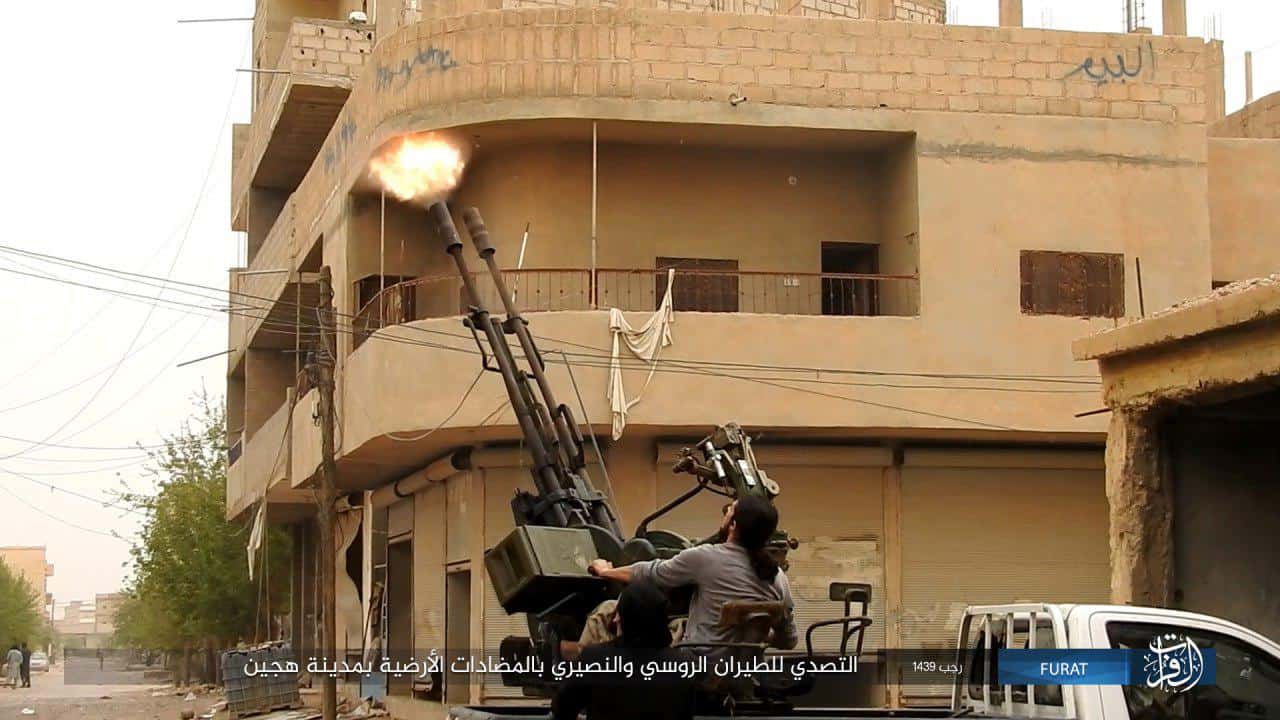
Analysis: A premature declaration of victory in Syria?
The White House declared on Apr. 4 that the “military mission to eradicate ISIS in Syria is coming to a rapid end, with ISIS being almost completely destroyed.” But ISIS continues to operate in several areas of Syria, as well as in Iraq, which wasn’t even mentioned in the White House’s statement.
-
Analysis: An Iranian SAM in the Arabian Peninsula
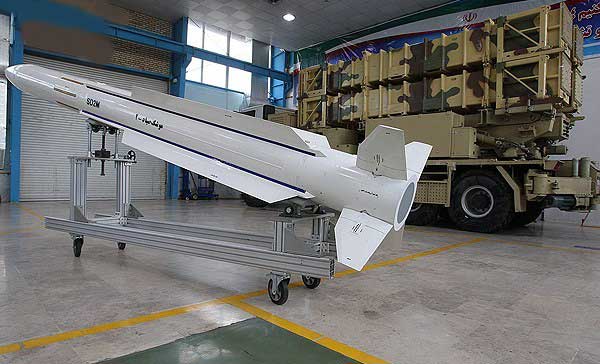
Last week, the Saudi Arabian embassy in Washington D.C. released a nine-page primer on Iran’s continued support to Yemen’s Houthi rebels. Buried within the same document was photographic evidence of Saudi Arabia’s latest charge against Iran: the provision of the Sayyad-2C surface-to-air missile (SAM) to Houthi rebels.
-
Analysis: ISIS hasn’t been defeated
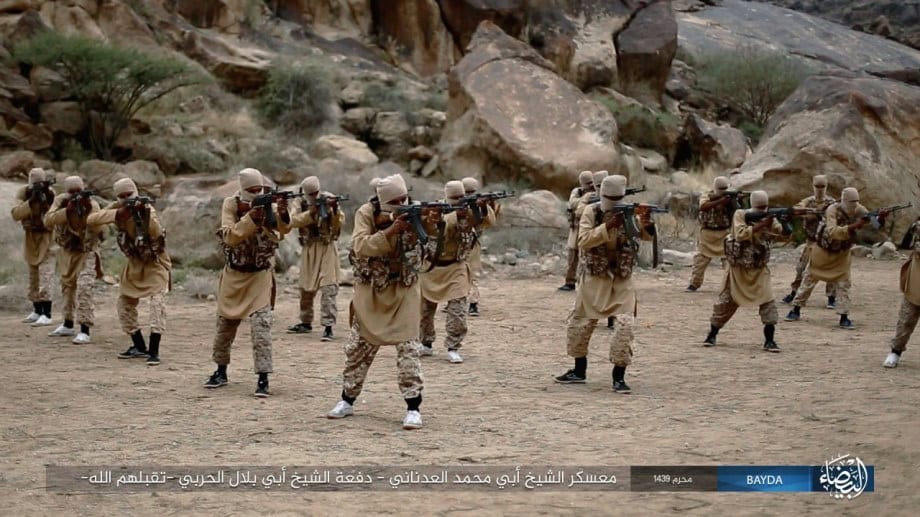
On January 19, the Pentagon released its new National Defense Strategy, which prioritizes “inter-state strategic competition” from China and Russia over “terrorism.” In many ways, the strategy makes sense. However, the threat from ISIS and al Qaeda has not been eliminated. The jihadists are fighting around the globe, everywhere from West Africa to Southeast Asia.
-
Analysis: US Treasury Department reveals new details about the Taliban’s network
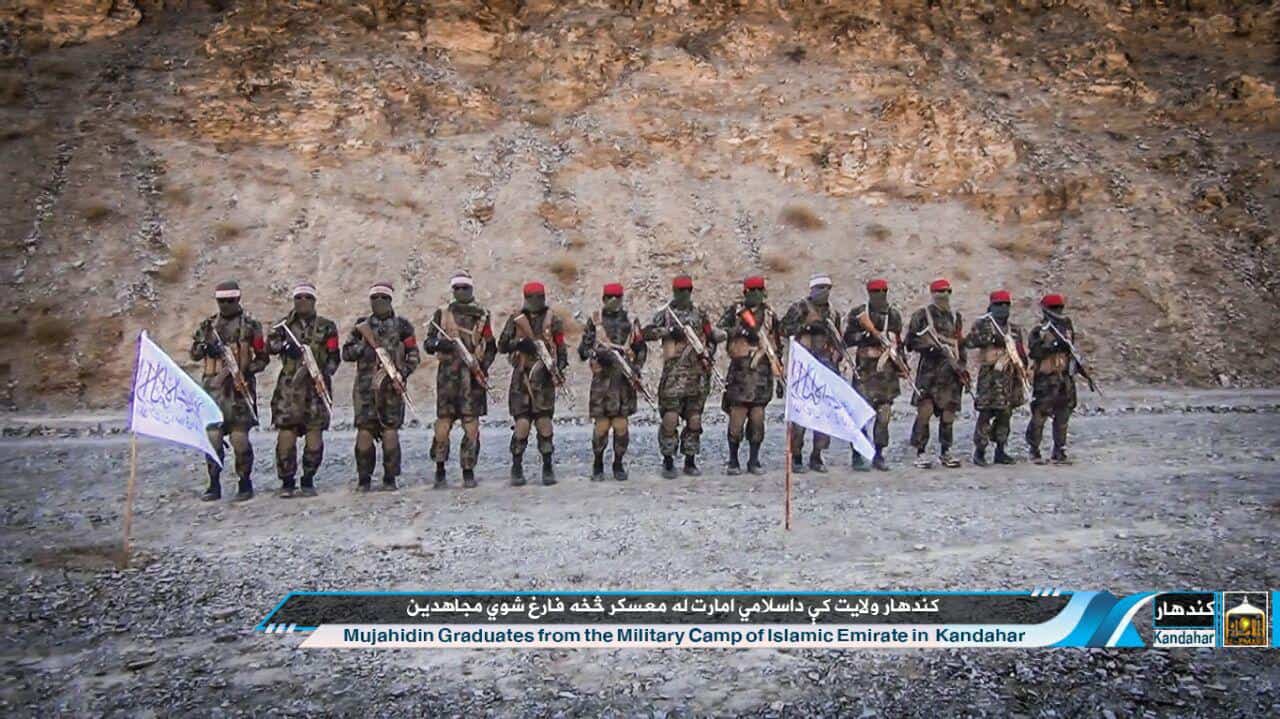
The US Treasury Department designated six Taliban-Haqqani figures as terrorists today. Treasury’s identifying information locates five of the six — including three senior Taliban finance officials and the deputy leader of the group’s military commission — inside Pakistan. At least two of the newly-sanctioned men have ties to al Qaeda.
-
Analysis: US seeks extradition of Bin Laden loyalist imprisoned in France
The US is seeking the extradition of Christian Ganczarski from France, where he has been imprisoned since 2003. A French court convicted Ganczarski on terror-related charges for his role in the Apr. 11, 2002 suicide bombing at a synagogue in Djerba, Tunisia. The bomber called Ganczarski beforehand to receive his “blessing.” A newly-released indictment focuses on Ganczarski’s other ties to al Qaeda, including a plot targeting American interests in Australia.

-
Analysis: Reported link between Houthi and Iranian ballistic missiles
At the strategic level, if Iran’s provision of ballistic missiles to the Houthi rebels is confirmed, it could be seen as an indicator Tehran’s increased tolerance for risk in a distant conflict theater, one which has sought to weaken Saudi Arabia by any means possible.
-
Analysis: Ayman al Zawahiri calls for ‘unity’ in Syria amid leadership crisis
The jihad in Syria has unleashed another leadership crisis for al Qaeda.

-
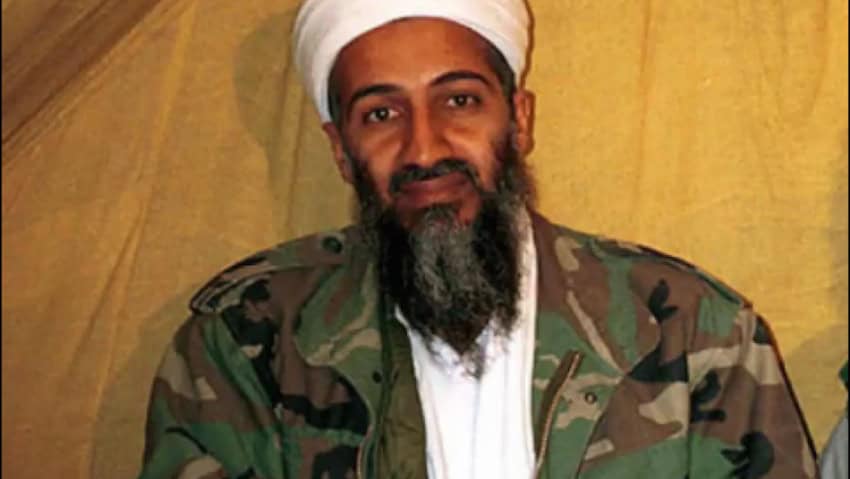
Analysis: CIA releases massive trove of Osama bin Laden’s files
The CIA is releasing hundreds of thousands of documents, images, and computer files recovered during the May 2011 raid on Osama bin Laden’s compound in Abbottabad, Pakistan. The newly-available material provides invaluable insights into the terrorist organization that struck America on September 11, 2001.
-
Analysis: Ayman al Zawahiri argues jihadists can’t deceive America
In a new message, Ayman al Zawahiri holds up the Taliban-al Qaeda relationship as a model for jihadists around the globe. He also critiques the jihadists and Islamists in Egypt and Syria who think they can “deceive” America and achieve power by placating the US.

-
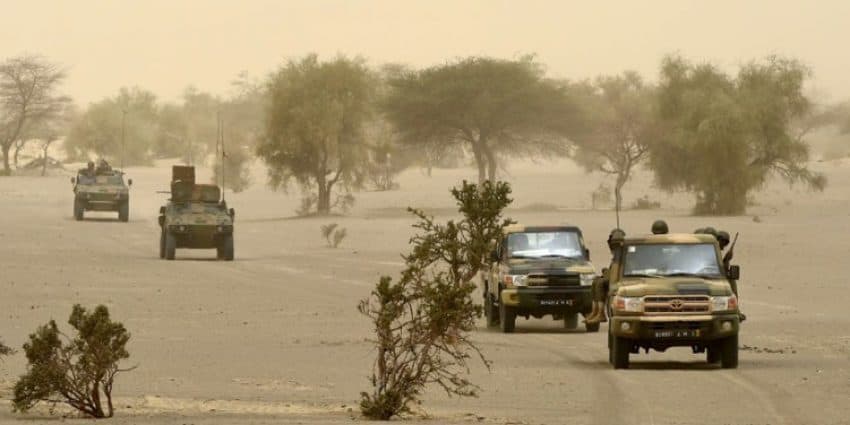
Analysis: Jihadist attacks on the rise in northern Burkina Faso
The attacks represent a significant increase in jihadist attacks in northern Burkina Faso. In addition, the use of improvised explosive devices, previously unknown to the country, is on the rise.
-
Analysis: Coalition and Afghan forces must target Taliban after overrunning bases
While such tactics may be viewed as reactionary or defensive, if the Afghan government wants to arrest Taliban gains, the Taliban must be forced to pay a heavy price for massing and striking outposts, bases, and district centers.

-
Analysis: The Syrian regime’s offensive towards Deir Ezzor
Bashar al Assad’s forces and allies are advancing on the Islamic State’s stronghold in the eastern Syrian province of Deir Ezzor. The two sides have fought in Deir Ezzor for years and the Assad regime is hoping to turn the tide of battle with the help of Russian airpower.

-
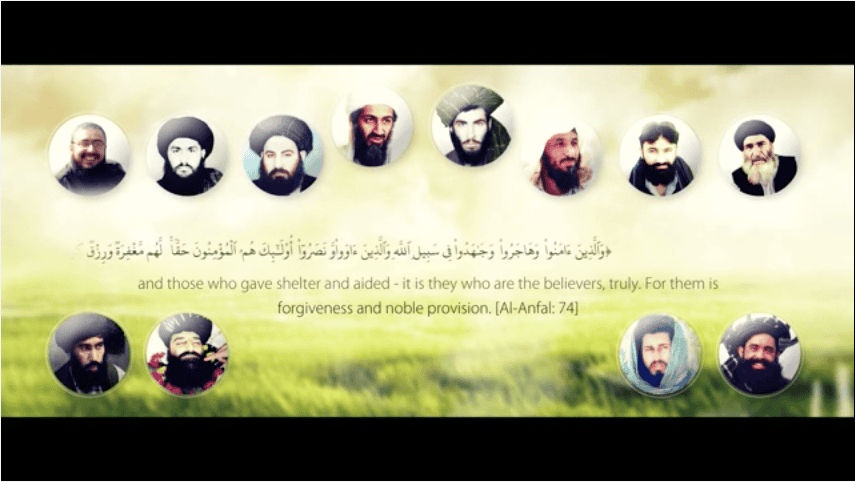
Analysis: Taliban propagandists release ‘open letter’ to President Trump
The Taliban has released an “open letter” to President Trump urging him to “adopt the strategy of a complete withdrawal from Afghanistan instead of a troops increase.” The propaganda letter contains several erroneous or misleading claims. It is also disingenuous with respect to the jihadist threat emanating out of Afghanistan.
-
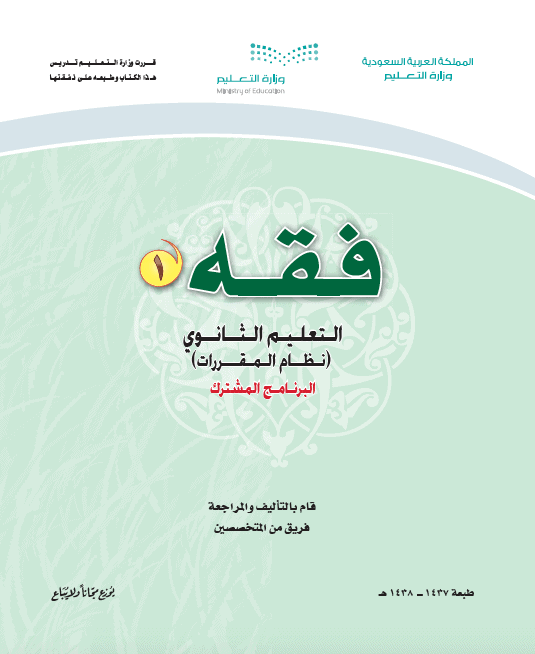
Analysis: Saudi Arabia’s troubling educational curriculum
On July 19, Dr. David Andrew Weinberg testified before Congress concerning the incitement found in Saudi Arabia’s government-published textbooks for school children. He argued that such incitement is not just a moral issue or a human rights issue, but also a national security issue.
-
Analysis: 2 US cases provide unique window into Iran’s global terror network
Earlier this month, the Department of Justice announced that two men, Ali Kourani and Samer El Debek, had been arrested and charged with carrying out various missions on behalf of Hizballah’s Islamic Jihad Organization. The IJO serves as Hizballah’s external operations wing, carrying out clandestine missions on behalf of Iran around the world. The complaints allege that Kourani and El Debek were both members of the IJO, which is ultimately controlled by Hizballah leader Hassan Nasrallah, who in turn reports “directly” to Iranian Supreme Leader Ali Khamenei.