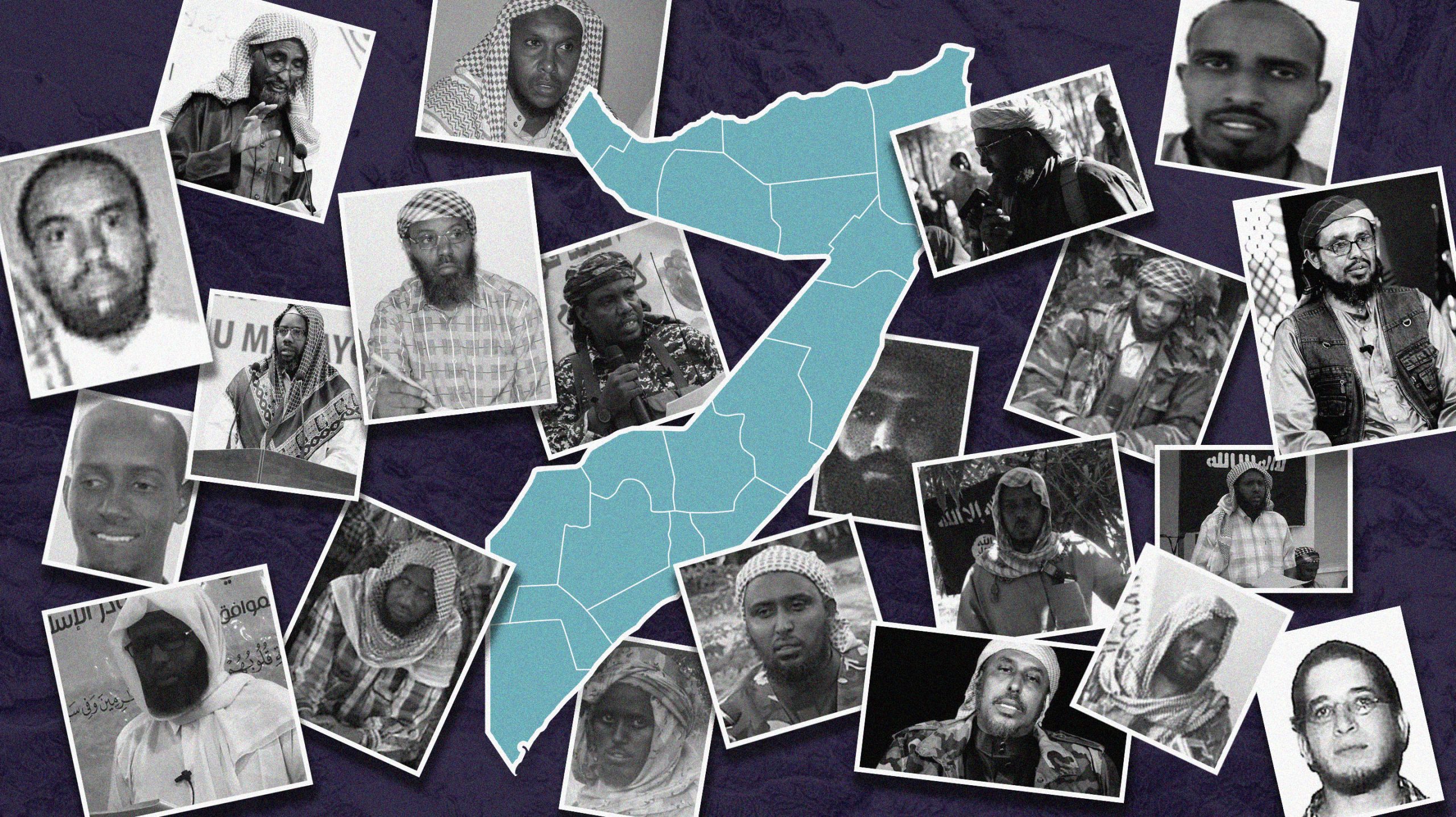
Just one day after the Kenyan military launched a three-pronged attack that included an amphibious assault, Shabaab relinquished control of the southern port city of Kismayo. After much false bravado about fighting to the death in Kismayo, HSM Press Office, Shabaab’s English language Twitter account, announced that “[l]ast night, after more than 5 years the Islamic administration in Kismayo closed its offices,” in its first tweet.
Shabaab then promised that “Kismayo shall be transformed from a peaceful city governed by Islamic Shari’ah into a battle-zone between Muslims & the Kuffar invaders.”
It was inevitable that the Kenyan, African Union, and Somali forces would eject Shabaab from Kismayo. Shabaab does not have the capacity to confront organized militaries in direct combat. The hard part of the fight lies ahead, however, and Shabaab has experience in waging a protracted insurgency. Shabaab has surrendered overt control of the major cities and is shifting to a guerrilla insurgency, just as its predecessor, the Islamic Courts Union, did in 2007 after suffering a military defeat at the hands of the Ethiopian military.
After the Ethiopian invasion, the jihadist groups in Somalia harassed the Ethiopian military with ambushes, IED and suicide attacks, and assassinations until the Ethiopian forces ultimately withdrew in 2009. Shabaab and its allies then quickly retook control of the major cities and towns in central and southern Somalia that they had lost only two years earlier.
The easy part of the battle against Shabaab — the conventional military fight — is essentially over, although Shabaab still controls vast rural areas. The hard part is yet to come, and the resolve of the African Union and Kenyan military will be key in preventing Shabaab from retaking lost ground. The Somali military is not capable of standing up to Shabaab alone, and the weak, fractured, and corrupt government will not inspire Somalis to reject Shabaab.
Three years ago, the Ethiopians ultimately were unwilling to make a major, long-term commitment to Somalia and withdrew in 2009 after Shabaab slowly bled their forces. Will Kenya and the African Union now follow suit, or will they stick it out in Somalia?
Meanwhile, Shabaab has taken advantage of the regional instability during the past five years to expand its network throughout East Africa. In 2010, the terror group carried out two major suicide attacks in Kampala, Uganda. And Shabaab and its affiliate, the Muslim Youth Center, are known to have cells in Kenya and Tanzania.