-
Somalia claims to have killed another senior Shabaab leader
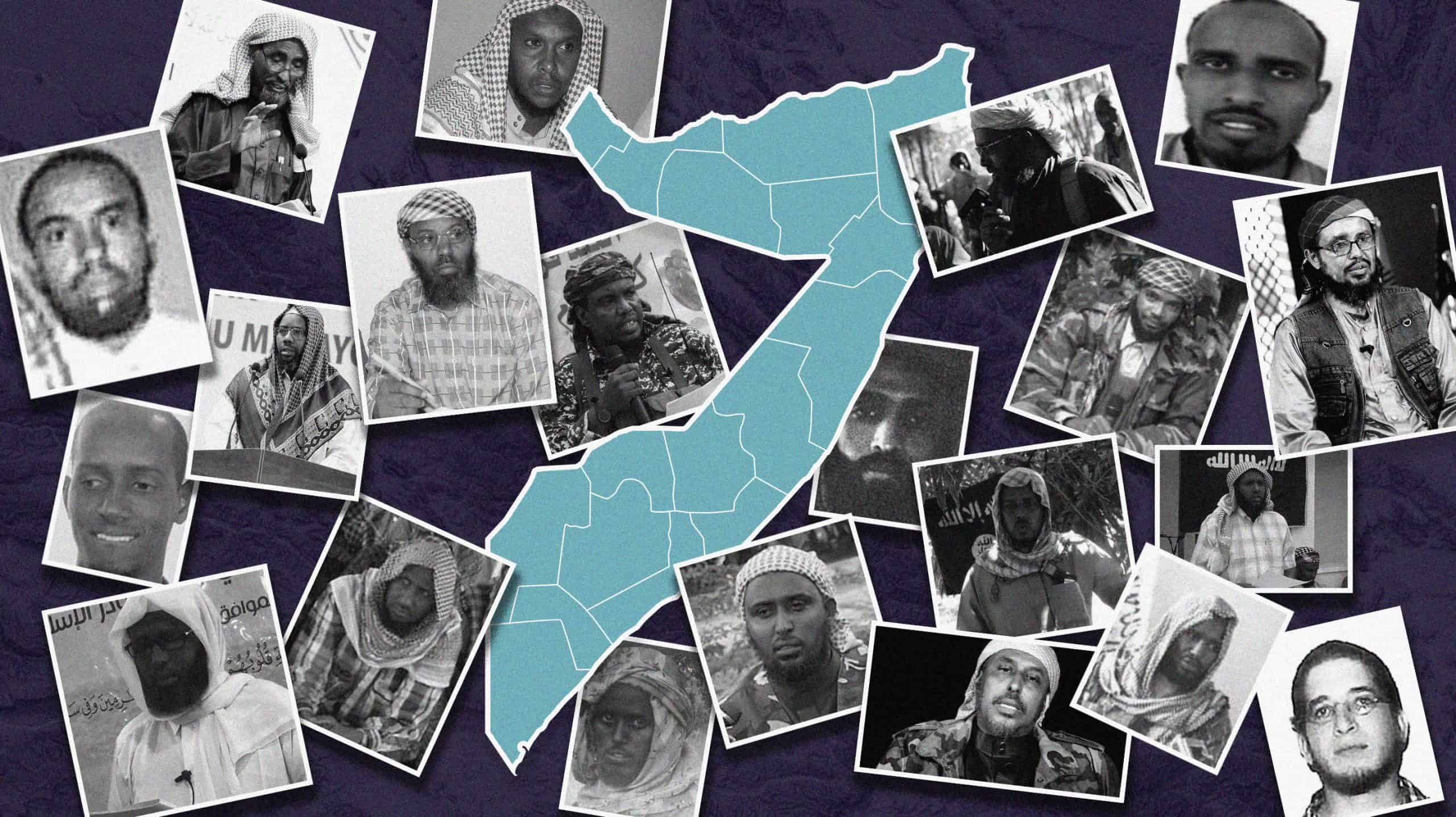
Somalia’s National Intelligence and Security Agency said that Bashir Ahmed Haji Nunow, the former head of Shabaab’s Amniyat wing and ringleader behind the worst terrorist attack in Somalia’s history, is dead. Shabaab has neither confirmed nor denied his death.
-
FBI arrests alleged Islamic State supporter accused of plotting Mall of America attack
Sheikhdoon Abdullahi Mohamud, 18, an American citizen of Somali descent, allegedly intended to attack an arts festival at the Mall of America in Bloomington, MN, in late October. Mohamud’s arrest marks the seventh Islamic State-linked terrorism case or incident in the United States this year.

-
Generation Jihad | Losing ground: Somalia and Mali’s jihad problem
The US is losing leverage in Somalia as frustration with Mogadishu threatens critical African Union support and risks strengthening Al Shabaab’s hold. In Mali, renewed US airstrikes against JNIM raise a parallel concern—whether air power alone, without a ground strategy or political reform, can contain the group’s advance. Bill Roggio and Caleb Weiss examine these dynamics across the Sahel and the assess the murky state of Al Qaeda.
-
Somalia claims it killed senior Shabaab leader
Somalia said that it and “international partners” killed Maalin Jinow Ibrahim, a reported co-founder of Shabaab and a member of its central shura council, in a targeted operation earlier this month. However, Al Qaeda’s branch for East Africa has yet to confirm his death.
-
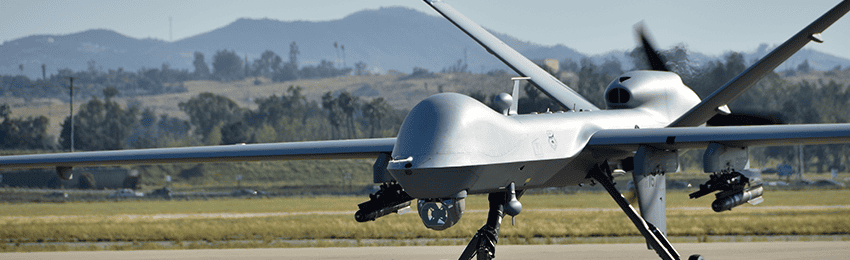
US refocuses air campaign in Somalia on Shabaab
The United States is on pace for another record year of military strikes in Somalia in 2026. At least 74 strikes have been carried out so far, the majority targeting Al Qaeda’s Shabaab—a clear shift from 2025, when the US set a record for strikes and focused most of them on the Islamic State’s local affiliate.
-
Shabaab spokesman congratulates JNIM, denounces Western powers in Eid message
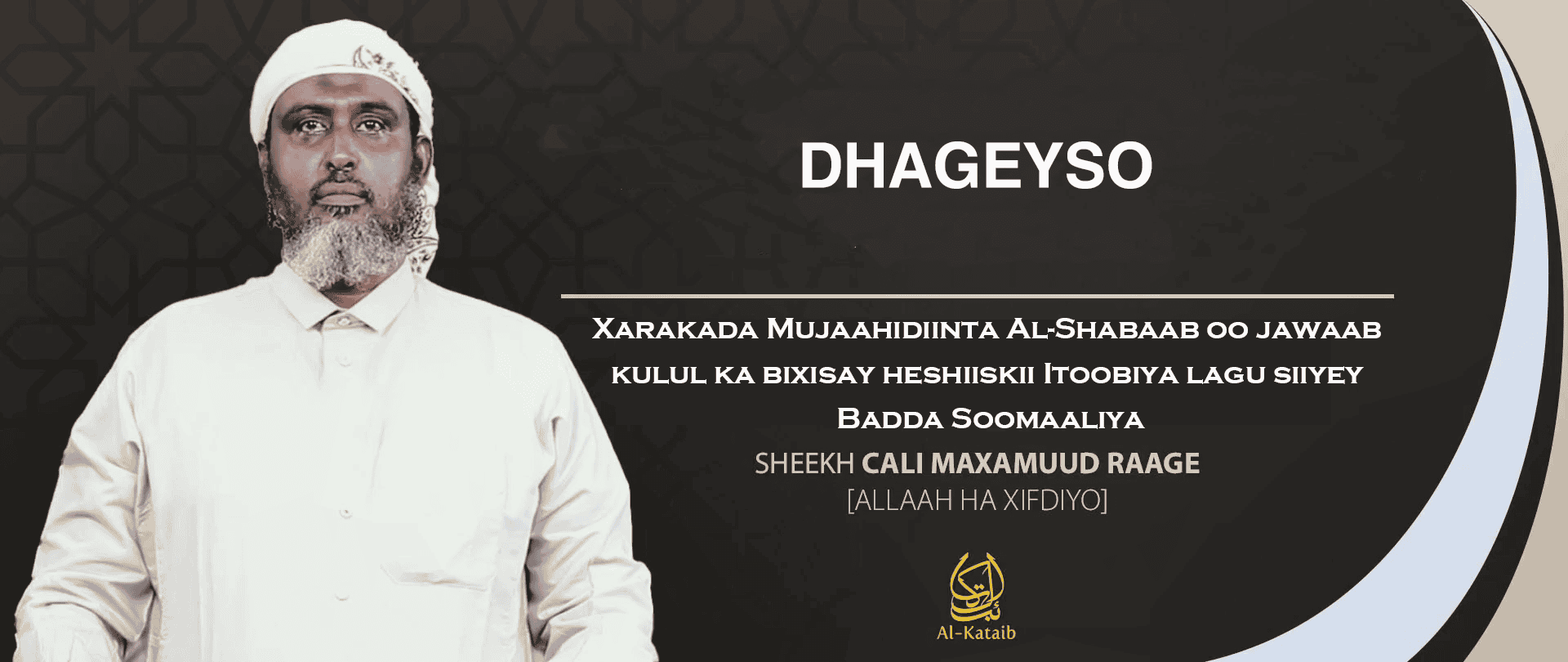
During his message for Eid al Adha, Ali Mohamad Rage, Shabaab’s top spokesman, congratulated the Group for Support of Islam and Muslims (JNIM), Al Qaeda’s branch in West Africa, for its recent victories in Mali. Rage also praised Al Qaeda in the Arabian Peninsula and denounced American and Turkish activities in Somalia.

-
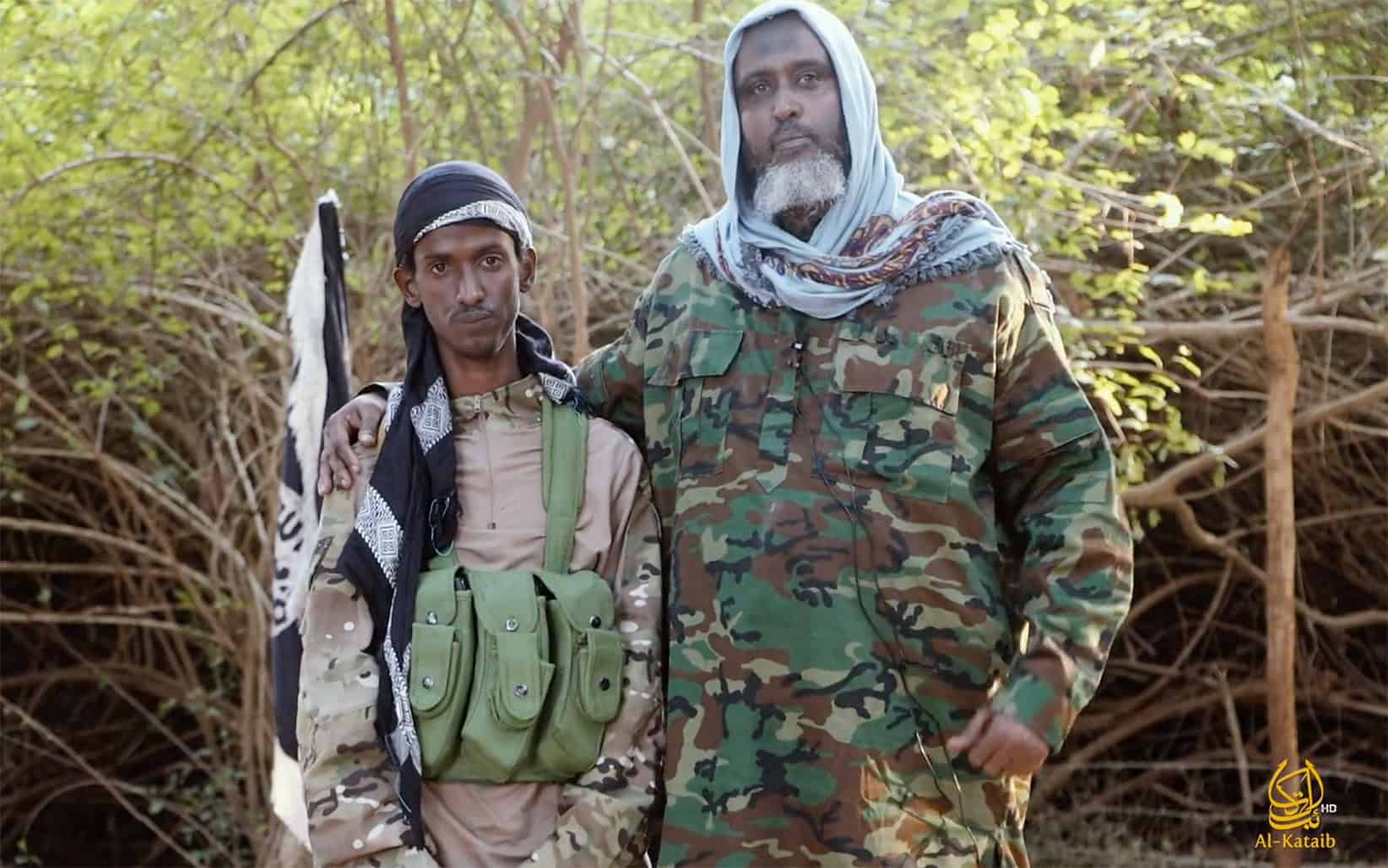
Shabaab celebrates October attack on Mogadishu prison in new video
Shabaab, Al Qaeda’s branch in East Africa, highlighted last year’s brazen assault on Mogadishu’s Godka Jilacow prison, operated by Somalia’s National Intelligence and Security Agency. In the video, one of the attackers was identified as the son of Ali Mohamed Rage, the group’s top spokesman.
-
Somali intelligence claims death of senior Shabaab leader
Somali authorities have announced the death of Abdullahi Osman, better known as Engineer Ismail, one of Shabaab’s most senior leaders. Osman was believed to be responsible for overseeing the group’s explosive engineering and its vast media apparatus. Shabaab has yet to comment on his alleged death.

-
Somalia reports death of Shabaab co-founder in ‘precision airstrike’
On Monday, the Somali government announced the killing of Shabaab co-founder Jaafar Gurey in a “precision airstrike” that was likely conducted by the United States. If confirmed, Gurey’s death would make him the most recent senior leader of the Al Qaeda branch to be killed since Mohamed Mire in late 2024.
-
Shabaab claims prison assault in Mogadishu
Shabaab, Al Qaeda’s branch for East Africa, claimed yesterday’s assault on Somalia’s Godka Jilacow prison in Mogadishu. The facility is operated by Somalia’s national intelligence service, representing a major intelligence failure.
-
Shabaab seizes two towns in central Somalia
Shabaab has reasserted its dominance in the Hiiran region in central Somalia. The Al Qaeda branch’s takeover of the towns of Moqokori and Tardo effectively completes the rollback of the government’s offensive in those areas, which began in 2022.
-
Trump admin ups the tempo of airstrikes against jihadist groups in Somalia
By the end of March 2025, the Trump administration already launched at least 16 air and drone strikes inside Somalia. In comparison, the Biden administration only launched 10 strikes in 2024.
-
January attack, recent arrests of Islamic State sympathizers highlight persistent threats to US
The Islamic State radicalized Shamsud-Din Jabbar, who killed 14 people in New Orleans on January 1. Subsequent investigations and arrests of additional alleged terrorism plotters by US authorities point to jihadist groups’ continuing propaganda efforts and the threat of attacks on US soil.

-
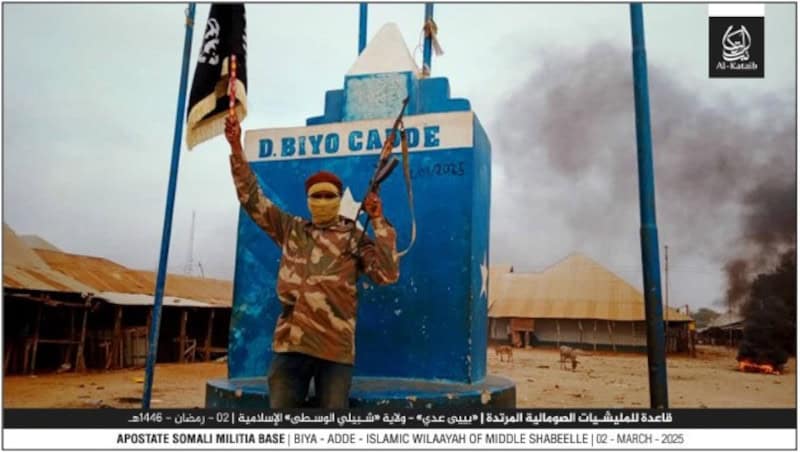
Shabaab mounts coordinated assault north of Mogadishu
Shabaab, al Qaeda’s branch for East Africa, has mounted considerable attacks over the last few weeks in Somalia’s Middle Shabelle and Hiraan regions just north of Mogadishu. The group’s offensive is attempting to reverse much of the federal government’s gains during the government’s counter-Shabaab offensive between 2022 and 2023.
-
US, UAE conducting airstrikes in northern Somalia
The United States and the United Arab Emirates are conducting airstrikes in northern Somalia in support of Puntland’s military offensive against the local Islamic State branch. Tracking UAE’s strikes in particular, however, is difficult.

-
Analysis: Puntland forces repel Islamic State suicide assault
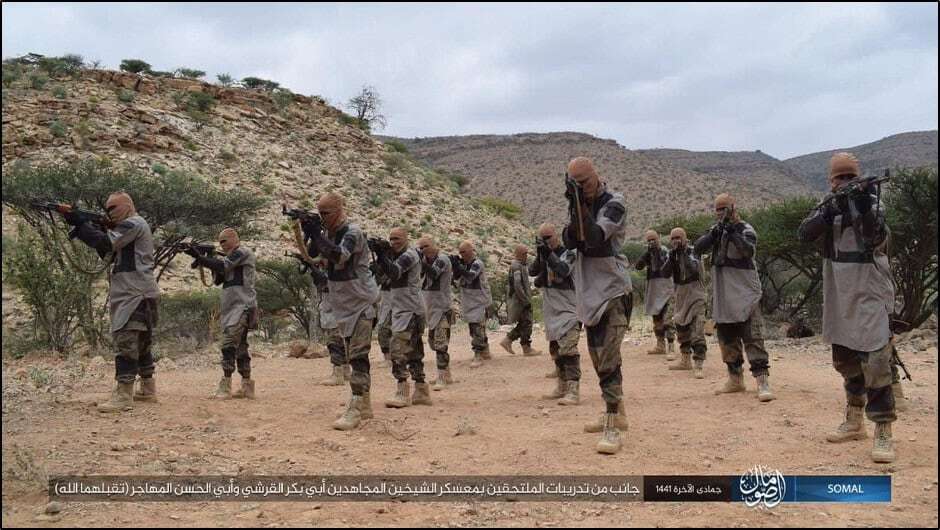
In a rare assault, the Islamic State Somalia (ISS) tried—and ultimately failed—to oust Puntland Security Forces (PSF) from a PSF base earlier today. Nonetheless, the attack represents how ISS is growing in strength and capacity.
-
Shabaab announces the death of senior official Mohamed Mire
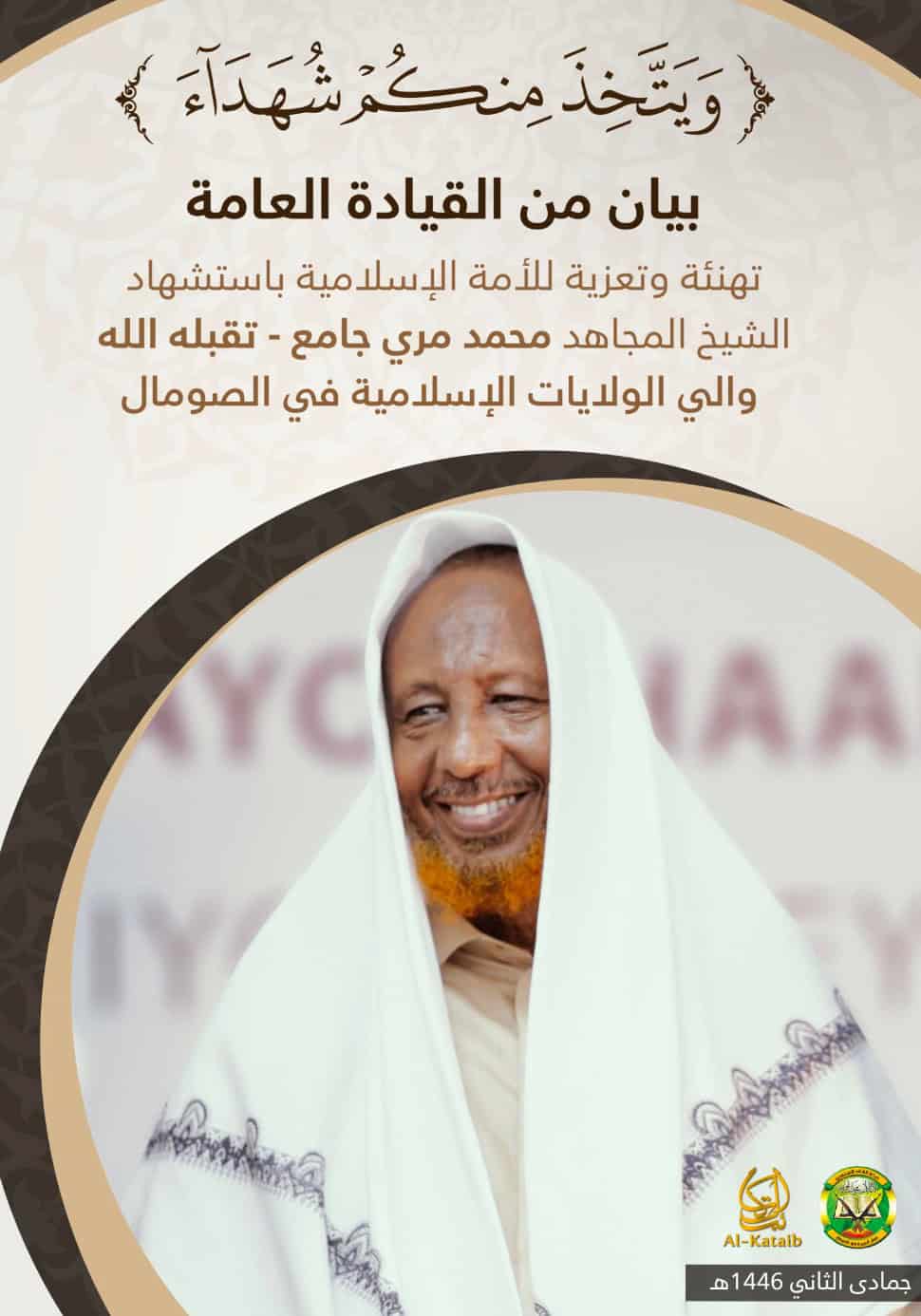
Shabaab announced the death of Mohamed Mire, a senior official who acted as the group’s so-called “interior emir” and a member of its central shura council.
-
Jihadi history: Kenyan detainee transferred out of Guantanamo shows the extent of Al Qaeda’s jihad in East Africa
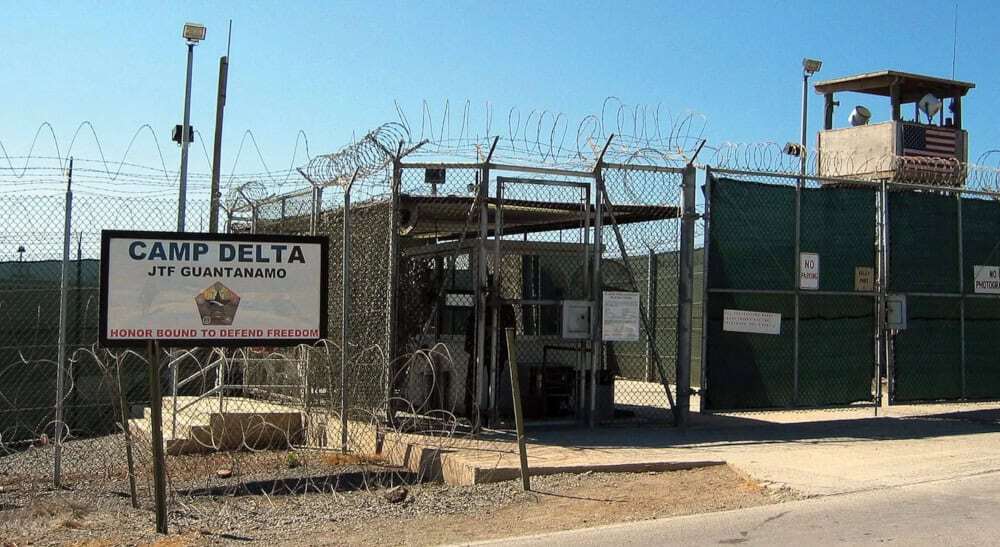
The US Department of Defense (DoD) announced yesterday that longtime Guantanamo Bay detainee Mohammed Abdul Malik Bajabu was transferred to his native Kenya. Bajabu’s history presents an interesting historical look into Al Qaeda’s early activities in East Africa, acting as a reminder that the African Jihad, currently the global hotspot of jihadist activity, has been decades in the making.
-
Analysis: Somali forces turn their weapons on each other
On December 12, The Somali National Army (SNA) of the Federal Government of Somalia (FGS) in Mogadishu was routed from the southern Somali town of Ras Kamboni by the regional forces of Jubaland, a federal member state of Somalia. This conflict provides Shabaab, Al Qaeda’s branch for East Africa, an opportunity to consolidate and rebound from its previous losses.

-
Analysis: AQAP praises Shabaab’s activities in East Africa
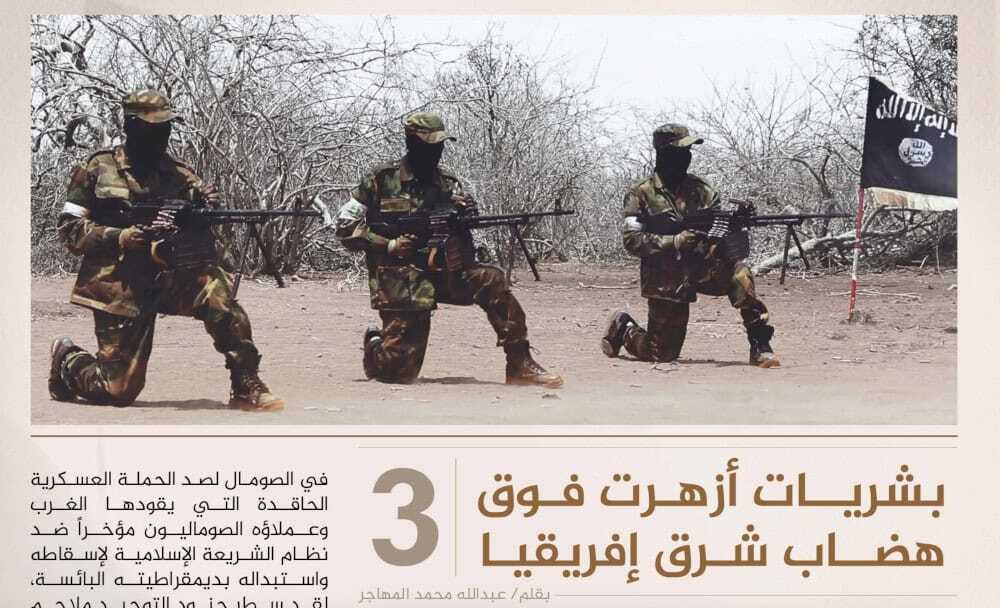
In the latest issue of its Sada al-Malahem magazine, Al Qaeda in the Arabian Peninsula (AQAP) heaped significant praise on recent operations conducted by Shabaab, Al Qaeda’s branch in East Africa. The article is another data point regarding the open support between these Al Qaeda branches.
-
Analysis: Shabaab mounts large-scale offensive, Somali Armed Forces claim victory
In a coordinated, multi-pronged offensive, Shabaab, al Qaeda’s branch for East Africa, assaulted multiple Somali National Army (SNA) bases across southern Somalia’s Lower Juba region yesterday. Each side has claimed victory, with both releasing footage purporting to verify their claims.

-
Jihadis mount prison mutinies across Africa
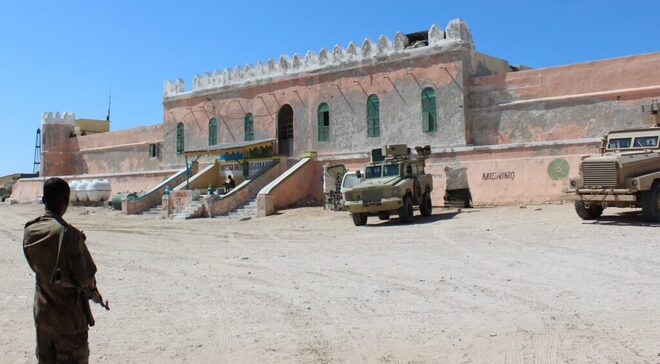
Over the last few days, jihadis have mounted two attacks inside prisons in Somalia and Niger. While the mutiny inside the Nigerien prison was successful, the Somali prison assault appears to have been thwarted. Nonetheless, both incidents highlight the lingering threat of jihadi prison breaks on the continent and the importance jihadist groups put on such operations.
-
Jihadi archives: Islamic State’s eulogy of Sudanese jihadist Mohamad Makkawi Ibrahim
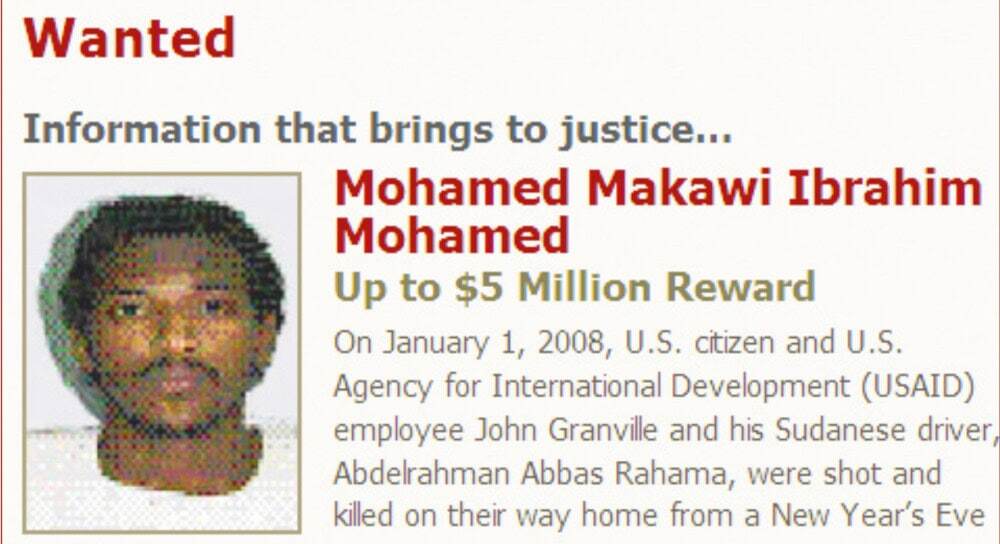
In May 2016, the Islamic State (IS) issued a eulogy for the infamous Sudanese jihadist Mohamad Makkawi Ibrahim through its weekly Al-Naba newsletter. The eulogy flew under the radar at the time but offers an interesting look into the career of one of the Islamic State’s first so-called “martyrs” in Somalia. It also provides an early chronicle of the Islamic State’s history in the Horn of Africa.
-
Shabaab hits Djibouti military base with suicide bombing in central Somalia
Shabaab, al Qaeda’s branch in East Africa, took responsibility for a suicide car bombing targeting Djiboutian and Somali troops at a military base in central Somalia yesterday. The blast was the 14th suicide bombing conducted by Shabaab so far this year.
-
Shabaab advertises creation of “special forces” unit
Shabaab’s video, which demonstrates its new so-called ‘special forces’ training center, is eerily similar to productions put out by the Afghan Taliban before it took over Afghanistan.

-
Shabaab retakes territory as the U.S. sanctions one of its money laundering networks
Shabaab continues to undo progress made against it in central Somalia; the United States continues to go after its financials and conducting periodic drone strikes against its forces.
-
Jihadi History: Al-Qaeda’s failed mobilization efforts in Central African Republic
In early 2014, as Muslim civilians were being massacred in Central African Republic as part of a cycle of violence between Muslim and Christian militias, al-Qaeda went on a full-court press in an attempt to foster any jihadist movement to take up arms in the country. These attempts, however, largely fell on deaf ears. As such, this offers a unique glimpse into when, and potentially how, jihadist mobilization attempts fail.

-
Islamic State describes intense campaign against Shabaab in northern Somalia
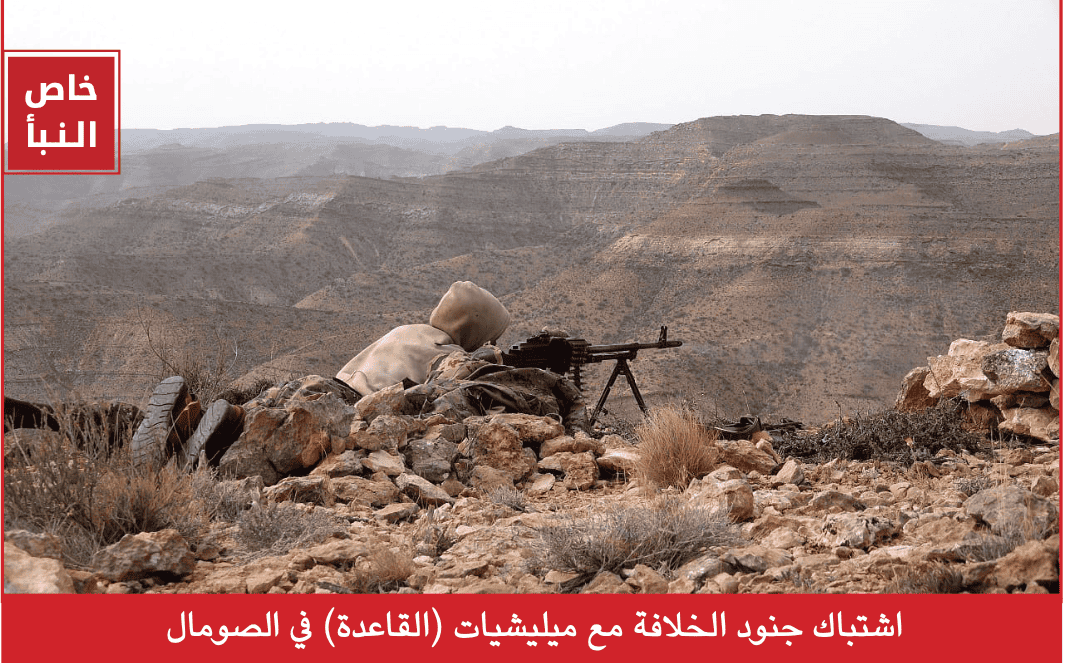
The Islamic State documents at least 36 clashes between its men and Shabaab, al-Qaeda’s East African wing, between March and December 2023.
-
US launches first drone strike of the year in Somalia
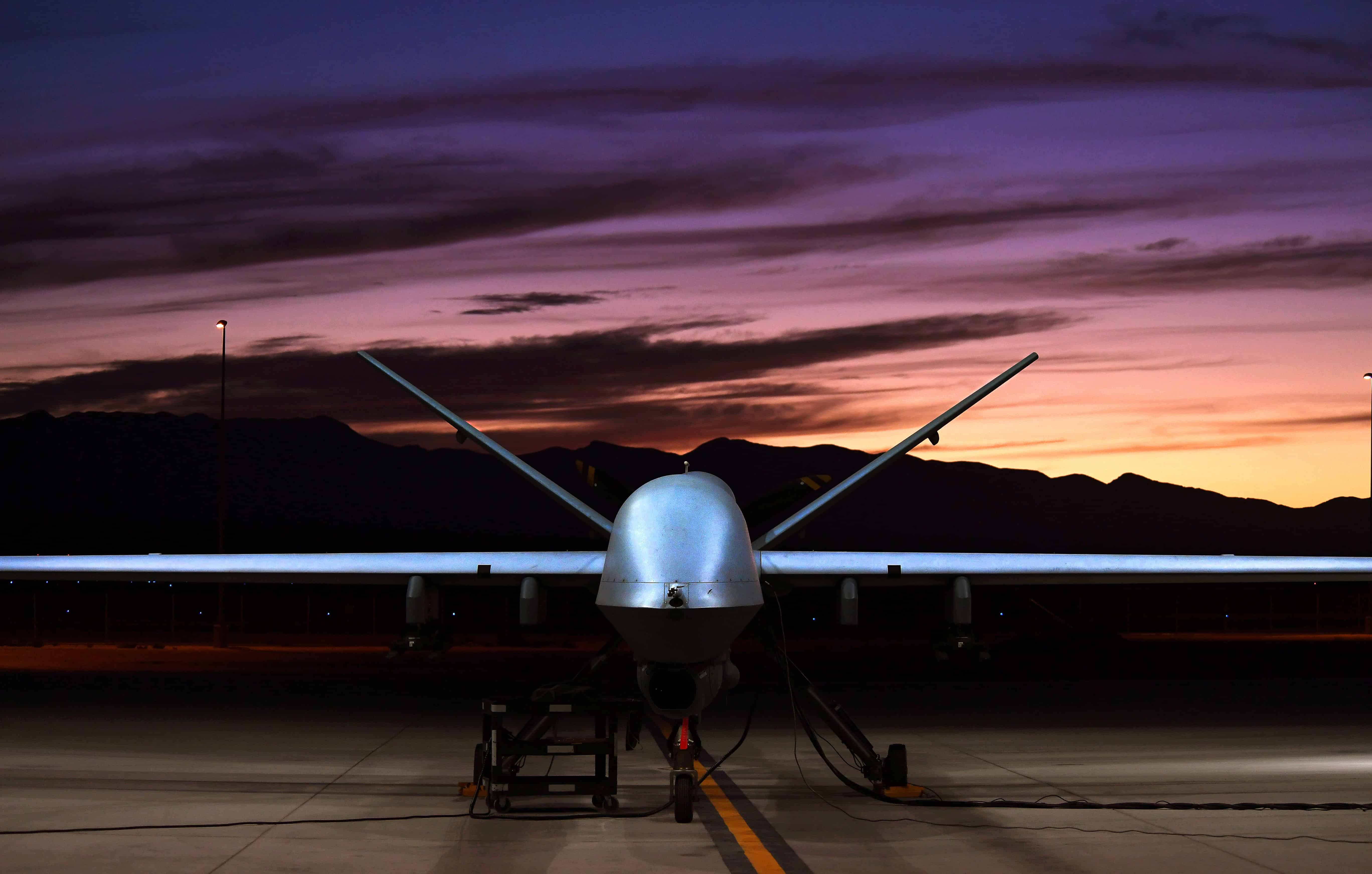
Three Shabaab members were killed in what U.S. Africa Command described as a “collective self-defense airstrike” in the Lower Juba region. Shabaab, Al Qaeda’s branch in East Africa, remains a dangerous threat.
-
Shabaab says it rejects Red Sea access deal between Ethiopia and Somaliland
Ali Mohamud Rage, Shabaab’s spokesman, says the al-Qaeda branch is willing to spill blood over the recent Red Sea access deal signed between Ethiopia and Somaliland.