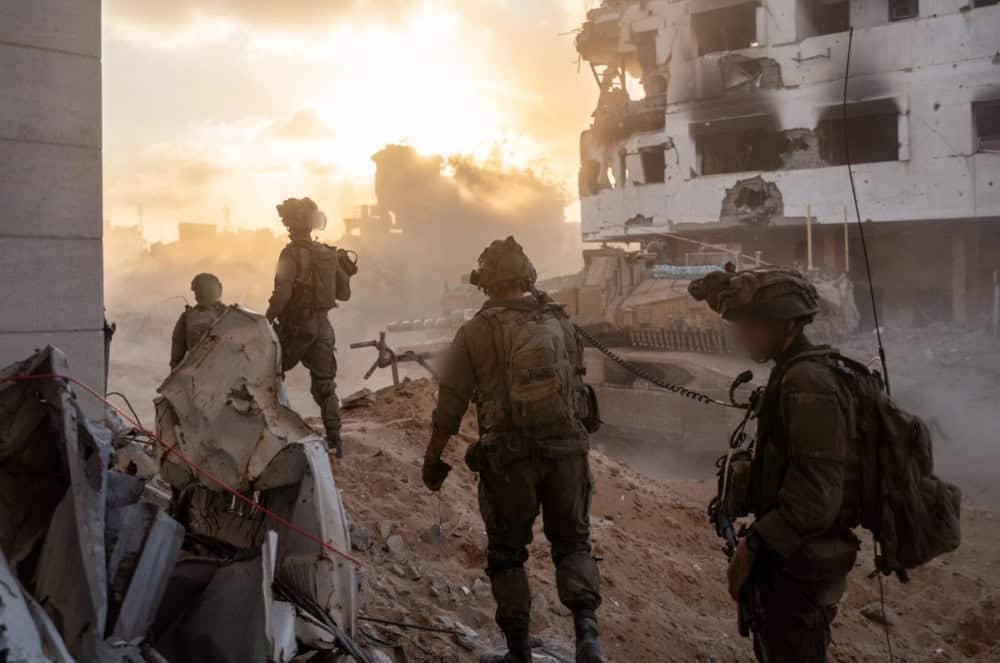
TIME reports on a clash in Kunar province, Afghanistan in late October 2011 between US and Afghan forces on one side, and the Taliban and their allies on the other. The Taliban attempted to overrun a platoon manning an observation post (OP) in the Kunar River Valley. An estimated 500 Taliban and allied fighters, including “Arabs and Chechens and Punjabis” – clearly the Lashkar al Zil, the military formation made up of al Qaeda and allied jihadist groups in the region – massed from Pakistan and assaulted the platoon of US and Afghan forces (numbering 23). From TIME:
The soldiers eventually won their battle at OP Shal, securing the Kunar River Valley from infiltration, eliminating insurgent roadblocks and opening it to civilian and military traffic. But the Taliban’s weeklong attack highlighted the many military problems facing Afghanistan, and it made clear that the outcome of the conflict remains far from certain.
Throughout the intense fighting, the besieged defending force of 36 U.S. and Afghan army soldiers fought off multiple suicide bombers and at least four overrun attempts by between 400 and 500 heavily armed insurgents, who had been trucked in from Pakistan and who managed to advance to within 5 m of U.S. positions. Afterward, the soldiers said they confirmed 115 kills but estimated at least 200 deaths. “It was the most coordinated thing any of us had ever seen, but just the sheer number of forces they had massing on that position was ridiculous,” Staff Sergeant Everett Bracey, of 1st Platoon, Bravo Company, 2-27 Infantry Battalion, told TIME.
The attackers were reinforced and resupplied throughout the fight from bases and depots in the safe haven provided by Pakistan. “We saw 60 vehicles come out of Pakistan — just drive in,” said Staff Sergeant Anthony Fuentes, looking at a topographical map a few days after the battle. “This whole route, it goes all the way up into Pakistan. It’s a two-hour trafficable route from the border.” Added company commander Captain Michael Kolton: “It was Pashtuns and Arabs and Chechens and Punjabis — everyone and their sister joined in on this one.”
The defenders of OP Shal also recognized that their attackers had been well trained. “They used the standard operating procedures that the U.S. Army uses,” explained Fuentes. “We expected contact, but we didn’t expect that. Their fire was so heavy and precise that to get up and look at their near sector, the joes just had to say, ‘O.K., I’m just going to eat one in the face just to get up and see if somebody is moving on me.’ And every time they lifted their head up, there was somebody there.”
Sitting in his squad bay at Combat Outpost Monti, Sergeant Brandon Goodell told TIME, “They are motivated, they are trained, and they are proficient.” But what most surprised the Americans was the insurgents’ determination to regain this strategic mountaintop commanding a 6-km section of road in the main Kunar River Valley. “They were relentless. They were all over us. I’ve never seen them come that hard at anybody,” said Fuentes. The numbers, skill and determination of the insurgents repelled at OP Shal seem quite at odds with President Obama’s suggestion that the Taliban’s momentum has been broken.
Over the past several years, the Lashkar al Zil has conducted similar assaults against US combat outposts in Kunar, Nuristan, Paktia, Paktika, and Khost. US forces have repelled the assaults.
The Taliban still control large areas of Kunar and neighboring Nuristan province, as well as areas in Pakistan’s tribal agencies of Mohmand and Bajaur. The Pakistani military routinely claims the Taliban have been defeated in these two tribal agencies, but the massed assault launched from Pakistan (among others) shows that such claims are far from the truth.