|
|
| Afghan soldiers prepare to break their Ramadan fast at a hilltop observation post over the Sabari district center as the call to prayer echoes in the valley. Photo by Bill Ardolino for The Long War Journal. |

I’ve been at Combat Outpost Sabari for a few days, long enough to absorb the general pattern of security risks in the area. As the second-most populous district in Khost province, and a traditional seat of Haqqani Network authority, Sabari has long been considered one of the most difficult areas in the Afghan east. But an increased patrol presence, large conventional clearing operations, and special forces raids targeting insurgent leaders have driven the Haqqanis, Gulbuddin Hekmatyar’s Hizb-i-Islami faction, and other insurgent groups from operating openly in the area.
A decline in the amount of mortars and rockets launched at the combat outpost is probably the most dramatic metric of change. In 2009, COP Sabari weathered a startling 520 rounds of indirect fire. But in 2010, the number fell to 390, and only 53 have hit the base through August of this year. A factor in the improvement is the growth of American surveillance assets, which make it very hard for mortar teams to escape the area with both their lives and equipment. US forces are rarely quick enough to kill the triggermen with airborne assets, but are able to watch as the insurgents quickly stash their weapons in nearby caches after taking a shot. Captain Aaron Tapalman, commanding officer of Bravo Company, 1st Battalion, 26th Infantry Regiment, is OK with this scenario, because “it’s much easier for [the insurgents] to replace dudes than stuff.”
Other than indirect fire targeting the base, rebels wage a low tempo guerrilla campaign of brief small arms attacks on patrols and IED detonations along the roads. Locals also seem to have a penchant for throwing explosives. Today, an insurgent threw a grenade at an Afghan police patrol in the Kholbesat Bazaar next to the combat outpost, injuring two police officers. Yesterday, someone tossed a Molotov cocktail at a US route clearance (anti-IED) truck as it rolled through the bazaar, briefly setting the vehicle on fire but doing no damage. And on Aug. 10, children began throwing rocks at a US patrol in the village of Chinah Kalay, northwest of the Sabari district center. As soon as the soldiers dropped the ramp of their MaxxPro armored vehicle to dismount for the patrol, one of the kids winged a grenade that landed a few feet outside the vehicle. The explosion injured four soldiers, two seriously, and killed one local child.
It is not uncommon for children in the district to throw grenades. There is some debate about whether the minors are engaging in violent local sport, or if they are put up to it by insurgents who know that Coalition forces are less likely to shoot into a throng of scurrying kids. Insurgents are known to use young people as tools: the Haqqani Network runs a series of madrassas in Pakistan expressly devoted to brainwashing teens into violent jihad, and there have been a handful of incidents throughout Afghanistan in which kids have been strapped with bombs and sent forth as suicide bombers. But minors tossing frags around here could merely be a hobby of rambunctious, Sabari-brand hellions. The area is awash in grenades, and many young males develop an early inclination for xenophobic jihad.
“Some of them are allergic to foreigners,” said Lieutenant Roshan Naizem Shan, the Chief of Police in Sabari. “They probably got it from their parents, and their parents don’t tell them not to do that [throw grenades] or discipline them. A lot of people have even told me in the bazaar, that ‘you can come to the bazaar, but don’t bring the Americans with you.’”
Shan acknowledged that the children can be tools of insurgent groups as well. “[K]ids are also influenced by someone to throw that grenade,” he said. “An insurgent will always use children because they are easily influenced.”
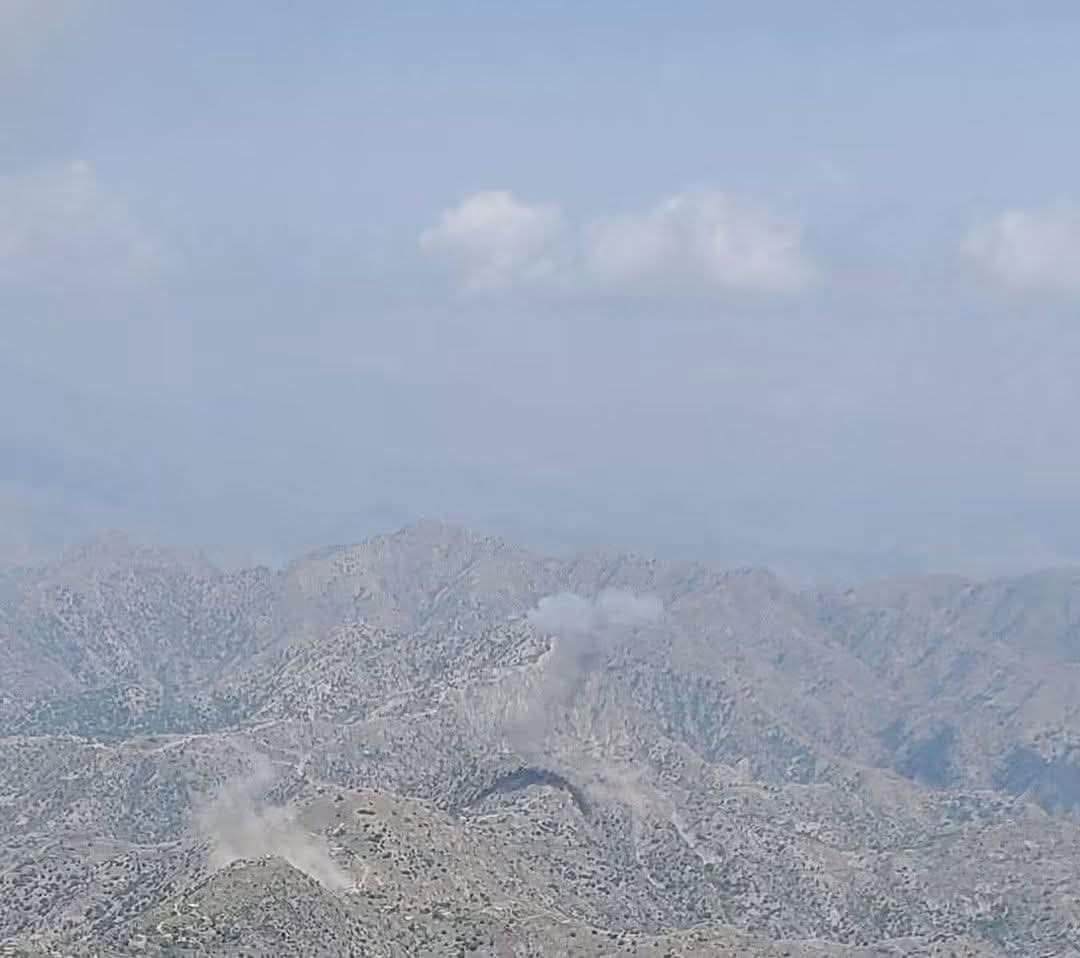
Rounding out the local kinetics are enigmatic explosions. During the evening call to prayer two days ago, as Afghan soldiers prepared to break their fast atop a hilltop observation post, the cacophony of Islamic chants echoing across the valley was interrupted by nine distant rumbles. The detonations were probably mortar impacts, but no one ever really found out for sure.
“Sometimes in Sabari, things just blow up,” said First Lieutenant Don Pate, with a shrug.